Landscape Supplies Guides & Resources

Trending Searches

Plumbers

Dentists

Hairdressers

Electricians

What is Lucerne Mulch?

What is Lucerne Mulch?

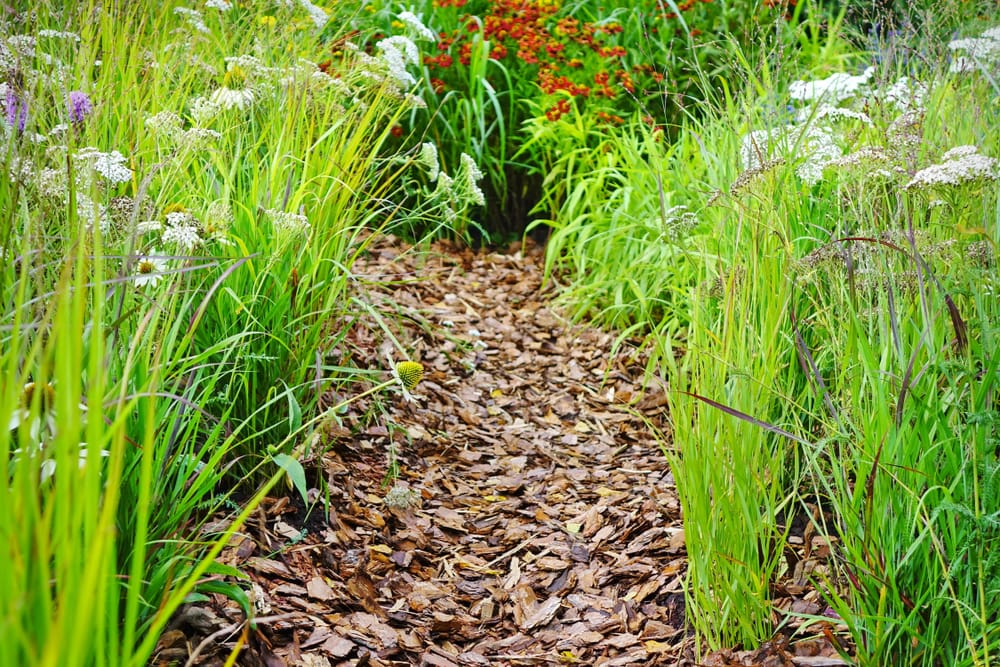
Lucerne hay belongs to the pea straw family, popularly grown as livestock feed across the world. Lucerne mulch is basically lucerne hay used as mulch instead of livestock fodder. Lucerne hay is also known as Medicago sativa. In North America, they call it alfalfa. Lucerne hay is rich in high levels of essential nutrients that are beneficial to plants - for that reason lucerne makes a perfect mulch. Lucerne mulch offers your garden a lot of benefits. For instance, the mulch breaks down nitrogen and potassium levels which ensures your plants thrive. It also increases output and improves your garden by suppressing weeds and keeping valuable moisture. Below are some added benefits of using lucerne mulch in your garden. - Increases nitrogen and potassium levels in your soil. - Improves moisture conservation and suppresses weeds. - It contains hormones that protect your plants from root diseases. - Reduces fertilising expenses. - Stimulates growth. - Promotes worm activity keeping your soil healthy. - Keeps your soil warm in winter and cooler in summer. Lucerne is a fantastic mulch but more expensive than most mulches. Also, when using it on edible plants, buy organically grown straw hay due to lack of pesticides. ## Is lucerne the same as sugar cane mulch? In short, no - the two are [not the same.](/guides/pest-control/is-sugar-cane-mulch-good) But regardless of which mulch you use, the idea behind mulching remains the same. However, your choice of mulching material largely depends on your gardening and the improvement you are hoping to achieve. ### Lucerne mulch This mulch is also called alfalfa. It's mostly used in gardening systems that are organic and require no digging. Apart from having high levels of essential nutrients like nitrogen and potassium, it decomposes fast. This combination makes lucerne a better general-purpose mulch suited for both sand and clay soil. Plus, lucerne works well with veggies, roses, fruit trees and many more flowering plants. ### Sugar cane mulch This mulch comes from sugarcane leaves and tops. It's a seed-free mulch, which helps prevent weed growth. Like lucerne, it encourages earthworm activities and is also a wonderful choice for non-dig-up gardens. However, the mulch takes a longer time to decompose. ## What is lucerne mulch good for? Apart from being expensive, lucerne has enormous benefits. First of all, the mulch suppresses weeds and enriches the soil with much-needed nutrients like calcium, potassium, folic acid, nitrogen, among others. Besides that, lucerne decomposes quickly, which benefits your garden soil with additional organic matter. Sugar cane mulch decomposes slowly, which leaves your soil looking crumby and depleted. On the flip side, [sugar cane mulch](/guides/landscape-supplies/what-is-bagasse-mulch) has some advantages over lucerne. It stays for longer before breaking down completely, meaning you don't have to replenish often. It's cheap and carries no weed seeds. However, those advantages have no gainful benefit to the soil and plants you grow. Lucerne still makes up for this drawback by offering more nutrients that boost your plant's growth. This straw hay also enhances how your garden looks by improving moisture conservation.

Landscape Supplies Guides & Resources

What is Blue Metal?

What is Blue Metal?

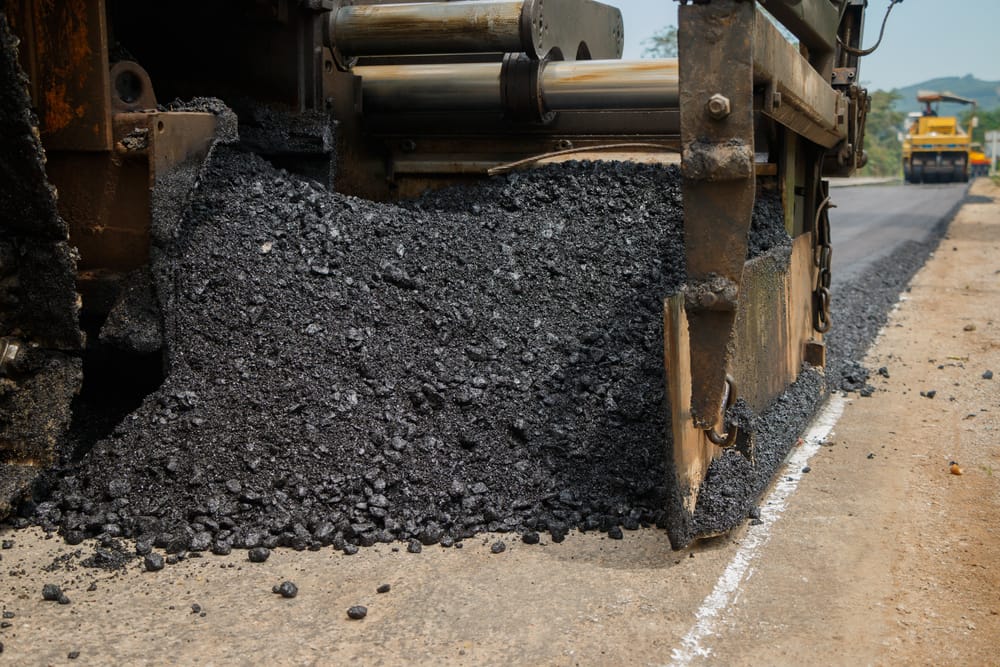
Blue metal 20mm size aggregate typically makes up about one-third of the total volume in most concrete mixtures. Blue metal is a type of crushed stone (construction aggregate) product used as a base material for many types of roadways, parking lots and landscaping projects. Blue metal is typically quarried from large deposits on site and crushed on site by heavy machines that pulverise the stone into pieces ranging from gravel to pebbles. The product is used to build a thick base layer for roads, parking lots and driveways. It's called blue metal since it has a blue colour. Blue metal aggregate product is quarried from large deposits of stone or gravel that have formed naturally over centuries under the pressure of massive earth forces. Many blue metal deposits are visible from major roadways and adjacent to quarries where they are mined by heavy machinery. Some blue metal deposits exist underground in a similar fashion to coal seams, while others exist as exposed layers on hillsides like rock formations. These types of deposits can be excavated using traditional mining methods including surface strip mining, open pits and deep shafts with long tunnels known as drift mines. Drainage filler and retaining walls are some common applications. The drainage gravel is used as a drainage filler. ## What is blue metal used for? Blue metal typically makes up about one-third of the total volume in most concrete mixtures for concreting. In areas where snow can accumulate, it can also be mixed with sand and gravel to make a "snow mix" which acts as effective de-icer products for roads and sidewalks during winter months. The presence of blue metal products helps reduce the need for de-icing chemicals and helps thaw the mixture to a workable state faster. As blue metal aggregate product is quarried, crushed and processed on site it becomes an integral part of many construction projects and concreting. The crushed stone serves as a base or sub-base item beneath asphalt pavement, concrete curbing and retaining walls like those around basement excavations when concreting. Construction companies choose crushed blue metal as backfill behind foundations and as fill beneath walkways, patios and driveways when concreting. It's used as a filler for pot plants. ## Where do I use blue metal in landscaping? The natural colour of crushed blue metal 20mm aggregate product fits in well with most landscaping schemes and it will serve as both an ornamental surface for your projects while providing you with the stability needed to make sure your hardscape features the best [landscaping materials](/guides/landscape-supplies/landscaping-materials). Blue metal products are also an economical to choose when compared to similar types of wood mulch or decorative rock (not suited for retaining walls). A 40 cubic yard dump truck load of blue metal products will cover between 400 and 500 square feet. Blue metal aggregate products can be used alone as a hardscape surface or it can serve as the foundation for walkways, patios and driveways. Its wide range of shapes including gravel, pea stone and even small cobblestones will transform your projects into something that looks professional and refined while still being affordable at the same time. ## What is a hardscape in landscaping? A hardscape aggregate in landscaping is any surface that forms a barrier to protect your soil's structure and health. Examples of hardscapes include walkways, patios, driveways, retaining walls and construction berms products and other hard civil products. Blue metal aggregate is an invaluable resource for many types of products projects where stability or protection are needed (not designed for retaining walls, though). Whether you need to cover up the unsightly footprints of your backyard excavation work or you're looking to place a fire pit on top of something other than dirt, broken blue metal will provide the support required while still allowing plenty of drainage around your project area. ## Is blue metal granite? Blue metal is a type of aggregate made up of finely broken stone or gravel ranging in size from a pea to cobblestones. Granite on the other hand is an igneous rock made of coarse-grained minerals like quartz, feldspar and mica. Since broken blue metal aggregate has properties similar to both sand and gravel it makes for a durable material that can be used as either a fine base course or bedding for walkways. ## Is blue metal a basalt? Blue metal is not a basalt and it does not contain any basalt rock. Basalt is a type of igneous rock made up of coarse-grained minerals like olivine, pyroxene and feldspar. Broken blue metal is made of finely broken stone or gravel. Granite on the other hand is an igneous rock made of coarse-grained minerals like quartz, feldspar and mica. ## Can you use blue metal on plants? Blue metal aggregate cannot be used directly on plants since it's designed to drain water away from plant roots. If blue metal is mixed with organic material like peat moss before being placed around your plants the combination will eventually break down into rich soil which you can then spoon out around root systems without fear of creating drainage problems. It's not comparable to a [hardwood mulch](/guides/landscape-supplies/what-is-hardwood-mulch). ## What is the composition of blue metal? The components of blue metal aggregate can vary, but it's composed primarily of limestone and shale which are fine forms of stone. When mixed together as a composite, these two substances help create a more porous material that can better support plants and hardscapes like walkways and patios. The 20mm size is ideal as drainage gravel since such drainage gravel will serve the purpose of correcting the level and filling the empty holes. But you need to measure the surface for levelling as an incorrect measure can cause trouble. The drainage gravel won't wear or wash away with water. Such drainage gravel will withstand strong weather and heavy weights won't hinder performance. ## What is the difference between blue metal and bluestone? Bluestone refers to any type of flat-faced stone (aggregate) used for construction or landscaping purposes, while blue metal refers to finely broken stone or gravel that has been used for centuries for hardscaping projects like walkways and driveways. Bluestone comes in many different colours whereas blue metal only comes in shades of grey and blue. Both are usable in a garden, but not as an alternative to [cypress or hardwood mulch](/guides/landscape-supplies/cypress-mulch-v-hardwood-mulch). They're not variations of the same product (some people mistake them to be variations of each other due to similar names). ## What is the difference between bluestone and gravel? Generally, gravel aggregate refers to coarse, angular stones that are not suitable for use in walkways or hardscaping projects since they're difficult to lay in a consistent manner. Hence, don't use them for concrete projects such as behind retaining walls or making a hard block. Bluestone has a smoother surface when compared to gravel which makes it more suited for exterior flooring like driveways and sidewalks. ## How is blue metal sold in Australia? A range of blue metal aggregate is usually sold and bought in bulk by the tonne but is also considered as bagged products. A truck can take care of the supply delivery directly to the customers' site (if in bulk such as tonne) since bagged products are delivered in bulk. Customers need to contact the quarry supplier to find out what type of blue metal they sell (contact for product range and colour) and whether or not they also provide footing material, drainage gravel or other related landscape supplies. Some sellers might offer same day delivery (for high prices) but the same day delivery isn't available at all locations. Please note that prices can vary depending on the quantity, so ensure you know the exact required quantity. Landscapers often use blue metal aggregate as a base course beneath gravel paths since crushed rock is incredibly porous yet stable enough to support heavy foot traffic without shifting, hence best for concrete projects (like behind retaining walls). Just drop the correct quantity. Landscape edging can also be lined with a drop of broken blue metal in order to create borderlines between different planting areas. Please note that blue metal aggregate is an ideal material to use as a base for gravel paths since it provides support without allowing weeds to grow between stones. Landscape edging can also be lined with fine blue metal in order to create borderlines between different planting areas. For more information on landscaping or garden design, take a look at the [YourHome website](https://www.yourhome.gov.au/live-adapt/landscaping-garden-design).

What is Road Base?

What is Road Base?

Road base is a combination of loose and compacted crushed stone and dust suitable as a foundation for roads, footpaths and driveways. Road base commonly provides both the load-bearing strength and stability required to support heavy loads such as cars, trucks and even light rail systems. The product commonly helps drain away excess water on road surfaces by allowing it to seep through small openings in the rocks while preventing erosion of the surface from rain or melting snow over time. The most common type of rock used in road base is limestone, which comes from sedimentary rock composed primarily of calcium carbonate. Crushed stone and gravel are also common ingredients. This mix contains some clay and requires an extremely high amount of shale. Road base also uses a small fraction of bitumin, or "asphaltic," material to act as binders, holding the rocks together. It can use [blue metal](/guides/landscape-supplies/what-is-blue-metal) and other materials suitable for roads, which can give strength to the road base. They can differ based on the shape, manufactured by different makers. ## What are the benefits of road base? Crushed stone road base provides several key functions for improved road safety and performance. ### Load carrying capacity Road base is strong enough to support heavy loads without breaking apart. This prevents the roads from cracking when subjected to continuous wear and tear, particularly during freezing conditions. Road maintenance crews often spread some on roads in low-lying areas before snowfall because it freezes at a lower temperature than water, which prevents ice build up on road surfaces while continuing to provide drainage for excess water runoff. [Crusher dust](/guides/landscape-supplies/what-is-crusher-dust) works in a very similar way. It is better for driveways since a driveway experiences a lot of vehicle's pressure at the same spot for a long time. ### Drainage Rocks in the base allow water to drain through them so it doesn't pool on road surfaces and seep into the ground below. Unlike concrete, which prevents water from seeping back up through expansion joints between slabs of pavement, road base allows excess water to flow away without compromising road integrity. It also creates a hard surface that's easier for vehicles to drive than dirt or grass if roads need to be closed due to unexpected flooding during heavy rains or storms. It won't block the drainage and will remain firm for a long time. The dust form blend mixed with the road base can be used on the road surrounding the drainage. ### Stability Road base provides stability by keeping the sediment layers underneath it in place while allowing traffic to pass over it. This prevents damage caused by settlement during very wet seasons when loads of water runoff form underneath the surface, causing rocks within the mix to settle and break apart before they can properly compact together. ### Road maintenance The particles in the road base breaks down over time, which allows crews to sweep it up and use it again once surface roads need repaving. This saves money because the product doesn't need to be purchased from quarries or brought in from other sites as gravel does. It also creates a smooth surface that requires less maintenance than standard lower quality dirt roads built atop hard clay soils. Optionally, the materials within road base may also provide reflective surfaces when used to build highways and roads designed for nighttime driving conditions. ### Reflective paint Lines and names on certain types of roadway reflect light emitted by headlights much better than asphalt or concrete, which helps improve safety by making them more visible to drivers at night. Asphalt can hence be replaced with this crushed stone, which is also cheaper than asphalt. ### Cat eye road stud This reflective marker sticks up above the surface of the roadway and emits a steady, constant light that helps drivers see where they're going. It can be mounted on street poles or other forms of vertical structures and is most beneficial when placed along curves roads to help drivers reduce their speed as they approach those junctions. The specific type of rock used in road base also plays a key role in determining its strength and durability. ## Limestone A popular choice for building roads because it's easy to crush into small particles without cracking or flaking apart, limiting wear on vehicles passing over it. Limestone's characteristics make it an ideal item for maintaining smooth surfaces during freezing weather. ## Basalt A volcanic rock that's hard enough to withstand heavy traffic and resist corrosion caused by oils leaking out of vehicles. They also tend to be more round than other rocks, which helps them maintain stability even when subjected to aggressive vibrations during travel over road surfaces. ## Granite An igneous stone used in building roads for its high compressive strength, which means it resists the pressure heating causes before eventually breaking apart. It also provides good drainage qualities without easily eroding away with wear and tear like softer types of rock often do when exposed to continuous contact with moving vehicles. ## What is road base gravel used for? Although road base gravel has a wide variety of uses, the most common is using it as a foundation for roads, car parks and highways. It's typically used with multiple layers of aggregate that provide an even surface to drive on without being too rough or sharp to damage vehicle tires or harm passengers inside those vehicles. They're used in and for retaining walls (any retaining walls), parking areas, driveway, etc. It's used to make a strong base, ideal for landscaping, pavers and surrounding areas, hard stands, paths, etc. Many other types of roads are built atop different forms of material, including dirt which requires regular levelling through grading processes. However, road base can be applied over almost any soil type because its particles bond together by inserting their tiny particle chains into one another like Lego blocks to create strong seams that prevent them from shifting around when disturbed by traffic or torn up during roadway excavation projects. Road base gravel is also used in building dams and levees because its rounded edges help reduce the amount of water penetrating its upper surfaces, which can continue to erode downward to create openings for floods over time if not prevented by structural barriers like dams or levees. The road base material used for these types of projects is often graded based on how small they are, with gravel typically ranging in size from 4 - 10 millimetres (mm) across and sand particles measuring 2 - 4 mm in diameter. Larger rocks found within road base gravel include stones that range between 16 - 20 mm in diameter, which can be separated out during processing to acquire more pure aggregate qualities without including large expanded spaces inside them. Any project such as walkways, paving, garden, driveway or multiple driveways, parking areas, hard stands, bulka bags, etc. use this material. ## Where does road base come from? Road base is usually acquired through quarries where natural rock formations are mined so dust can be extracted from the surrounding deposits. Limestone is typically quarried using drilling processes, while basalt's highly resistant surface can be broken off with explosives. Granite often breaks apart during this process due to the high temperatures generated by friction forces between its mineral components, which are exposed through heating. The material that makes up road base is then ground into small pieces before being separated into different classifications based on their sizes and specific weight measurements. Road base gravel isn't classified in a universal way because of the varied types of stone it consists of, but instead by how large each type of particle appears relative to an individual's eyesight after processing it down to manageable sizes. Particle gradations are also used when identifying different types of gravel, with gradations typically ranging from 1 - 8. This means that road base with particles measuring 1 mm will include all the particles in the gravel deposit that measure between 0.5 mm and 1 mm in diameter, while a grade 3 gravel would be made up of material between 2 mm and 4.9 mm in diameter. The most common grading system is to use number 4 aggregate for roads because its larger size makes it more resistant to wear when subjected to passing traffic over long periods of time during daily commuting schedules. ## How much road base do I need? There are no hard and fast rules on the required quantity of road base gravel you'll need for your project because it depends on the specific requirements of your work, as well as where you plan to apply it. For instance, gardens and pavers would have different road base demand. The price depends on the type of road base solution so you need to check out the price depending on your requirement. Colour is another thing to take care of. If you're building or paving a basic driveway or repairing an existing roadway, you can usually estimate that 10 tonnes per metre (t/m) of road base will be sufficient for complete construction purposes. This means that a 100 m road would require 1,000 t of rock material for its foundation. The width of the road or the width of the driveway should be considered. These figures also assume that an average 3-inch thickness is applied for roads and driveways and up to 6 inches may be used for more traffic-heavy areas like highways. The surface of the finished product needs to be taken into account when calculating the amount of road base needed, as well as any additional materials you plan to use for making it. Using this estimated figure ensures your project has a sound foundation that will be durable enough to endure heavy traffic loads, but it's still possible to alter the makeup of your road base material based on which aspects you want it to improve. For instance, incorporating a 10 - 15 percent mixture of slag into your road base gravel will give it better freeze-thaw resistance as well as improved abrasion resistance for increased durability during winter months when snow and ice are more likely to accumulate. Get the supply of road base once measuring the required quantity. All these factors must be accounted for when choosing how much road base gravel is needed for your construction projects so part of the finished product can perform its purpose in the most effective way possible. The New South Wales Department of Transport has a handy reference for [road design and materials used](https://roads-waterways.transport.nsw.gov.au/business-industry/partners-suppliers/disciplines/road-design.html).

Soft Landscaping vs Hard Landscaping

Soft Landscaping vs Hard Landscaping

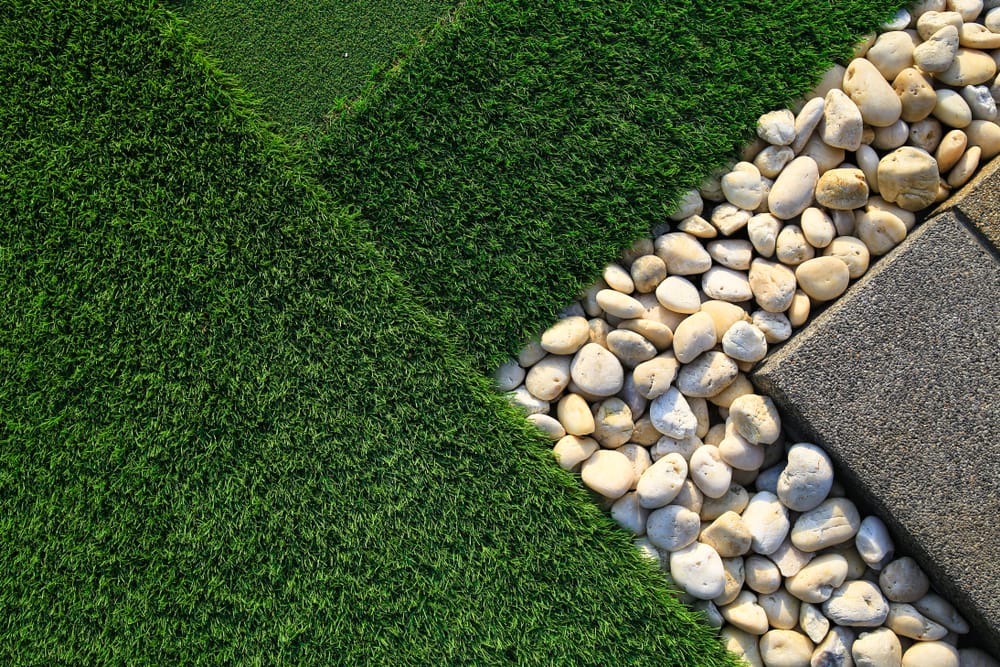
A good landscape design combines these two approaches to create a lasting visual image of the outdoor space. Soft and hard landscaping are terms used to describe different beautification approaches to outdoor living spaces Technically, hard and soft landscaping refers to how the designer combines plant and non-plant materials to create the visual appeal of the outdoor living spaces. Soft materials are the plants such as grass, flower beds, shrubs, and other plants such as beautification trees. Hard materials are the nonliving elements such as walk ways, retaining walls, driveways, paving, and patio sections. ## Use of soft materials In a soft landscaping project, the designer tends to use the plant and soil combination as the primary element of [landscaping materials](/guides/landscape-supplies/landscaping-materials). In this case, they may select the plants and other growing stuff like grass by their structure and/or colour effects instead of insisting on a particular species or variety. Plants for garden landscaping design are usually selected from a very limited palette that will be easy to manage during establishment and maintain afterwards. These designs tend to be fairly naturalistic in style. ## Use of hard materials Hardscapes emphasise the hard stuff. These are man-made materials such as concrete, brick, stone, or gravel as essential elements in the landscape plan. While plants can sometimes play an important role in hardscape designs, they aren't necessary as there isn't any need for soil coverage or root anchorage. When plants are used, they'll mostly serve as ornamental features. Trees and shrubs are the main hardscape elements in a softscaping design. These can be used to create several different designs, including screens, hedges, or focal points that will add variety to your garden, whether they're made from a single specimen or a group of plants. It is important to know which plant goes where before beginning any project to ensure the desired effect. If the hardscaping design calls for a series of low evergreen bushes, shrubs, or tall leafy trees, for example, avoid mixing shapes and sizes unless their height makes them too large for the space in which they'll be placed. If possible, try to use just one type of hard material, such as stone or brick. This will provide a more uniform look and give the design unity. Hardscape materials will prevent soil erosion and the degradation of the outdoor space. ## What are the different types of landscapes? A landscape can be broken down into five main categories: formal, informal, modernistic, rustic, and transitional. ### Formal landscape design Formal landscapes are symmetrical with hardscapes such as patios, paths, driveways, and walls laid out evenly on both sides of the house. The plants used here tend to be low maintenance or evergreens, so they maintain their structure year-round, even without trimming. These hardscaping designs are usually reserved for contemporary homes where simplicity is key. ### Informal landscape design Informal landscapes are asymmetrical with free-flowing elements that don't necessarily follow a particular pattern. Hard surfaces can appear in these types of landscape, but they're unnecessary as there's no need for walkways or driveways; all movement through the garden will be done by foot. The plants here tend to be either rounded or cascading, which soften hard lines and define outdoor living areas. ### Modernistic design Modernistic landscapes are very clean cut with simple geometric shapes dominating the hardscape and softscape design. There's greater use of negative space in these types of designs, which focuses more on creating an open feel instead of a secluded one where it is easy to lose yourself in a sea of green. ### Rustic landscapes Rustic landscapes are similar to formal gardens but tend to be more natural-looking since many plants found here grow wild rather than being cultivated for aesthetic purposes. Plants should look as if they're growing naturally from their surroundings without any interference from people, making this type of landscape perfect for the home environment surrounded by nature, such as those built near creeks. ### Transitional landscape design Transitional landscapes are exactly what they sound like with a style that incorporates essential elements from both modern and traditional styles. The hardscapes in these gardens tend to be more visible than either formal or informal landscapes, making them great for homes where a balance between practicality and beauty is needed. The look [great with rock gardens](/guides/landscape-supplies/rock-garden-ideas). ## What are some good plants to use for soft landscaping? Whether you're looking for foliage, flowers, or both to include in your design, there are plenty of low-maintenance plants out there that are perfect for softscaping. Alpines are small perennial flowers found throughout the world with leaves that grow close to the ground and bloom on top of their stems. These work well as ground covers preventing erosion since they grow fast and have shallow root systems making it easier to keep them under control. Some examples of alpines include Autumn Joy Sedum, Irish Moss Sedum, and Fairy Snow White Snakeroot. Trees can be used as focal points or screens depending on size, so it's important to do some research before adding one to your yard. Climbing plants can serve the dual purpose of soft and hard landscaping. You can use them to cover parts of the brick wall, helping to attain a balance between the two elements. ## What are the best materials for hard landscaping? While many hard landscape materials can be used, some of the more common ones include stone, brick, and cement. Stone has a timeless beauty with a traditional look that is perfect for creating a formal landscape or maintaining one that was created years ago by previous owners. It's available in many different colours to match any good landscape design theme and prefabricated patterns. Masonry materials such as brick and cement have a more industrial look to them, with sleek lines that are perfect for hiding unattractive areas of the home and giving paving work a sharp focus. They're also great choices for creating hardscapes due to their durability and minimal maintenance needs. [Water rock gardens](/guides/landscape-supplies/what-is-a-water-rock-garden) look great in this type of landscape. ## What is a hardscape? A hardscape is any type of structure used in the garden area with the focal point emphasising hard elements like patios, walkways, driveways, and walls. These can be made from natural materials such as stone or brick or synthetic ones like concrete if a more modern look is desired. By using these structures, it helps define where different elements such as planting beds, pathways, and sitting areas begin and end, which gives your landscape design unity, all while keeping things within easy reach. ## How are hardscapes important to landscaping? Hardscape elements help define the location where different parts of your landscape begin and end. For example, patios commonly separate the lawn from the garden beds or pathways, paving an area where people can walk without stepping on plants. This helps create clear divisions within the garden's landscape design that also allows certain areas to be less visible if privacy is desired. Hardscape elements are also used for practical purposes, such as creating a parking space near the front door allowing cars to go straight into garages instead of turning around in small spaces. Some hardscape elements are more visible than others, while some blend into the background. To help emphasise the ones you want to be seen, consider using materials that contrast with nearby plants and surrounding structures. For example, if your garden features bright pink flowers growing in raised beds made of wood, brick or stone could provide a pleasant backdrop instead of choosing something that would get lost against the foliage, such as metal which wouldn't bring attention to either element. When choosing hardscape materials for softscaping purposes, keep in mind that natural looking materials tend to work best due to their compatibility with their surroundings. In contrast, artificial-looking materials tend to stick out like a sore thumb no matter how well hidden. For more information about landscaping or garden design, take a look at the [Your Home website.](https://www.yourhome.gov.au/live-adapt/landscaping-garden-design)

Landscaping vs Gardening

Landscaping vs Gardening

Landscaping and gardening are closely related but have some important differences. Landscaping involves the end-to-end process that landscape architects undertake to figure out creative ways of enriching outdoor space. To achieve this, landscape designers plan and design the most suitable soft and hard landscaping ideas best suited for the outdoor space. Soft landscaping involves growing plants and planting trees in the available soil. Hard landscape design involves creating aesthetics primarily using nonplant materials like stones, bricks, and nonliving elements. Most landscape builders combine the two landscaping ideas in enriching for home improvement. ## What is the difference between gardening and landscaping? Landscaping and gardening are often confused as the same activity. While both activities involve working with nature to improve a natural environment, there is a profound difference between landscaping and gardening. Landscaping focuses on improving the appearance of outdoor space, while gardening is more concerned with growing and shaping the gardens in an outdoor area. Gardening is a sub-set activity of landscaping. It involves growing plants and maintaining them within the greater definition of a landscaped garden. Once the entire landscape plan is executed, a gardener can mow lawns and take care of the garden. Gardening services include taking care of lawns, prune plants, pest control, irrigation, planting trees or designing [elements such as rock gardens](/guides/landscape-supplies/rock-garden-ideas). These two professions may seem to do the same job. However, landscape builders may need trade licences to undertake technical activities such as the construction of pergolas, patios, fences and adding water features like waterfalls and beautification ponds. ## What is landscaping? Landscaping is the practice of modifying and designing outdoor areas with natural plants and materials, such as wood chips or rocks, to improve the environment. It typically covers a large area and comes with an initial price tag due to its use of expensive materials and equipment. Landscaping is a pertinent part of the construction process. Some landscaping projects such as those involving public gardens require the skills of a landscaping professional. Large scale projects such as public recreational areas may necessitate the use of heavy equipment. Whether public or private, a well-landscaped garden will often last for years without needing much more than an occasional brush-up of new material on existing plant beds. Once the landscaping is complete, most homeowners will do only routine maintenance activities like weeding or mowing their lawns rather than reworking entire spaces from scratch again. ## What is gardening? Gardening focuses on the physical work of growing, caring for, and pruning plants in a given space. Gardening does not always have to include plants, however, as one can also garden with vegetables, fruits, or flowers. In this sense, gardening is often more of a hands-on approach to landscaping rather than something that is done from afar using heavy machinery and materials. Gardening typically focuses on creating new spaces by clearing away old plant matter and soil to make room for something totally new. The gardener will assist with picking the right plants. Gardening services can also involve small scale garden jobs such as tending to a single plant or maintaining an entire garden. ## Are landscapers and gardeners the same? Landscapers and gardeners are not one and the same, but both professionals can help beautify outdoor spaces. The main difference between landscapers and gardeners is that landscaping services focus on designing an outdoor space, while gardening focuses on cultivating plants within that space. A gardener works to maintain existing plant beds. Gardeners will need to know how to prepare the soil for planting, care for individual plants by pruning, repotting, or transplanting them as needed, and perform routine maintenance like weeding or mowing the gardens. Gardening also requires detailed knowledge about different types of plants, their growth needs, and which types of materials [such as soil](/guides/landscape-supplies/soil-for-plants) or pesticides to use. ## What are some good landscaping designs? There are a variety of landscape design options available for landscaping. One option is to work with a professional landscape architect to map out a plan for you. You can also decide on a general theme or style and let an expert install the specific items you choose. In addition, there are do-it-yourself landscaping plans that can help you build your own customised garden without doing too much research or spending lots of money on building materials and plants. ## Do I need landscaping for a vegetable garden? A vegetable garden will benefit from landscaping in multiple ways. You can grow your own flowers and herbs to add colour and scent to your backyard oasis, which will also help attract insects that pollinate the vegetables on your property. In addition, you'll want to give yourself some kind of barrier between the garden and lawn areas. You could install a trellis or pick up some cedar planks very cheaply at a home improvement store and use it as a fence, for example. If you live where there's lots of rain but little sun, you may also need some type of roofing over part or all of your garden area so that your plants stay protected throughout the year. ## What can I grow in my garden? There are many plants that can be grown in a garden. You may want to look into what grows best in your climate, but here are some of the most popular vegetables and fruits for home gardens. ### Tomato Sweet or regular, these are one of the easier foods to grow because they require little maintenance once established. ### Peppers Bell peppers come in all kinds of colours, shapes, and sizes. They're pretty easy to grow as long as you have enough space for them to spread out. ### Carrots A classic vegetable that's well worth having around because it tastes great in many dishes. Carrots tend to be slow growers, so it will take some commitment if you want to wait until they've reached their full size before picking them. ### Beets Beets are packed with nutrients, and they're easy to grow if you have a vegetable garden or some other place for them to spread out in the ground. ### Radishes These can be planted any time during spring or summer and do not require much space at all, so they're perfect for container gardens. ### Lettuces There's a wide variety of leafy lettuces you can plant that come in different colours and textures. They grow best in cool weather, so it's a good idea to sow a few new batches every couple of weeks throughout spring and summer. There are also head lettuce varieties that will keep going all year round. ## What materials will I need for landscaping? There are many different materials and tools to consider [when landscaping](/guides/landscape-supplies/landscaping-materials). Whether you're building a new garden or just sprucing up an existing one, here is a list of some common items for such activities: ### Grass You can choose from tall grasses for areas near your house to give it a maintained look or short grasses for more open spaces. Either way, make sure the type of grass you choose will thrive in your area. ### Vegetable garden fencing If you want to keep deer out of your vegetable garden, make sure you have this fence at least 4 feet high with slats that are no further apart than 3 inches. You can also use a wooden frame covered with chicken wire as another option because the larger holes mean the vegetables can still get plenty of sun and rain. ### Shrubs Evergreen shrubs are great for including in a garden because they provide a year-round barrier between the lawn and other areas in your yard. In addition, there are many types of deciduous shrubs and bushes that come in a variety of colours, sizes, and shapes, so you can find one to fit in with any design style you have going on. ### Stone Pavers and flat rocks both work well to add some interest to a garden. You can also plant flowers between the stones for an extra pop of colour. You can add vegetation to cover large retaining wall sections too. ### Plant pots Using pots is a great way to keep vegetables contained while still allowing them access to light and water. If you're looking for something less expensive, try painting plastic buckets with chalkboard paint so you can write what plants are inside each one. ### Wooden sleepers By using wooden sleepers as stepping stones, you can create paths through your garden that give it an open feel. for more information about landscaping, take a look at the [Your Home website](https://www.yourhome.gov.au/live-adapt/landscaping-garden-design).

What is Crusher Dust?

What is Crusher Dust?

Crusher dust, also known as scree, is fine rock particle, compacted, which has been excavated and refined. It comes from the process of crushing rocks and stones to extract aggregates for use in construction, roadwork and quarries. It's also used in landscape gardening and farming. A prime example would be adding it to topsoil to create highly fertile soil that helps plants grow at a rapid rate. Often you will hear people refer to it as; crushed stone, broken stone or chipped rock (in some cases). It differs from gravel in the sense that gravel can be formed naturally without having been through an artificial processing system like crushing and breaking down large pieces of rock. ## How is crusher dust used? Due to its large particle sizes, it can be found in a multitude of applications such as; landscaping/hard landscaping (landscapers use it for borders and pathways) construction (it's used as an additive for concrete or asphalt), manufacturing (filler for water-proofing materials), sports astroturfing and athletics surfaces and much more. Typically trucked in bulk, it can be bought by the loader. A full load weighing 13 tons is equivalent to about 1 cubic metre which could cover 30 square meters at 10cm deep. The truck will dump it on site using a dumper attachment mounted on the back of the vehicle. It can be applied by hand or via a spreader, such as a rotary dosing machine. A popular alternative which is becoming more and more common, uses crushed dust instead of pea gravel, for roadwork projects where the [road base consists of stone and sand](/guides/landscape-supplies/what-is-road-base). Due to the small particle sizes the sharp edges and corners of stones are taken out, helping to reduce rock fillers' exposure to hydroplaning as this will prevent water from pooling on an area and build up speed so it can move easily across a flat surface. Hydroplaning happens when rainwater fills in all available spaces on an asphalt surface leaving no room for tires to contact solid material resulting in loss of control as vehicles become unstable due to lack of friction. ## What can crusher dust be used for? Crusher dust has a number of all-round applications for almost any civil project. It can be used in topsoil to improve its water retention properties, making it more effective at preventing run-off during heavy rainfall. Compacted rock crushed into pieces can be used to cover turf lawn to add some weight so that the lawn stays in place. This is an alternative to creating an artificial grass environment at your house. The low level of permeability makes crushed dust an ideal foundation for roads and driveways where the removal of surface water is needed without compromising access by vehicles - i.e car-parks, train stations, airports etc... One positive aspect worth noting is that crushed dust can be applied directly onto grassed areas with little or no effect on surrounding plants when trodden in thoroughly enough due to its porous nature. Although not common practice in all scenarios, it can also be used as a drainage medium when filling trenches in road-building projects. ## What is crusher dust made of? The main product of crushed dust is composed of crushed stone or gravel. Depending on the density needs, extra components may be added to increase total weight and aid compaction (i.e limestone, clay, cement etc...). Often a small amount of water is added to make the crushed dust easier to transport. It can be purchased from any plant hire supplier, landscape garden centre or hardware store. ## Who uses crusher dust? Crusher dust has many applications within the landscaping and other industries. It's used for all kinds of projects that require a top dressing material to add weight, volume and aesthetics to an area. In some cases, it will be used as a general form of filling instead of sand depending on your requirements. Sports astroturfing is popular with this type of application. You could also go down the route of opting for a more attractive, coloured product which serves the same purpose as crushed dust. Wood chippings provide a more decorative finish compared to traditional quarry products and come in a wider variety of colours, including bark. You can use it for soil, compaction, paving etc. ## Where can I buy crusher dust? Customers can purchase or shop crushed dust from most plant hire suppliers, landscape garden centres or hardware stores. If you have a large enough vehicle to transport it yourself then this will save you money. Prices vary greatly depending on supply and demand as well as particle size. A small amount of crusher dust is usually much cheaper than buying sand by the bag. If you require a large quantity then it is usually much cheaper to buy the raw aggregate in bulk (especially if you have your own vehicle). ## Is crusher dust expensive? Crusher dust is cheaper than sand and other fill products such as bark mulch. It's available in various grades depending on your requirements, but tends to be more expensive than garden soil or topsoil. It's still very affordable and well worth the money if you want a smooth, even finish which provides good drainage and weight for your landscaping needs. You can purchase crushed dust for between $18-$40 per cubic metre (approx) from the market. For reference: 1 tonne of stone will produce around 1m3 of material when crushed down. ## How do I apply crusher dust? A simple broom should suffice to spread the crusher dust over the area evenly making sure to sweep out all hollows including low spots. Just remember to sweep in the direction of the topsoil if present. Crushed dust needs to be kept separate from soil or it can cause severe problems with clumping and compaction at a later date. ## Can I use crusher dust around plants? Yes, crushed dust is perfectly safe to spread around plants when used within reason (only apply in thin layers). They're suited for such a project. If you need your plants to thrive then avoid applying too much in one area unless you intend on removing the vegetation in future. Using stone products instead of sand in landscaping projects has its advantages though since they provide decent drainage for surrounding [plants and soil](/guides/landscape-supplies/soil-for-plants) without compacting or increasing water run-off as sand does. ## Is crusher dust good for drainage? Crusher dust provides excellent drainage due to its light weight and porous structure. It can be used as a general filling material for low areas within landscaping projects: These low spots regularly collect water which leads to problems including root rot, wet soil and insects around the home. ## Is crusher dust good for under pavers? Yes, crusher dust is perfect to use as a base layer underneath the concrete or paving slabs, assuming the area has been excavated beforehand and chunks of any [blue metal removed](/guides/landscape-supplies/what-is-blue-metal). This will help prevent overloading through heavy foot traffic as well as provide some insulation from thermal contraction/expansion of the surrounding earth. It's not advisable to install paver stones directly on top of the ground since this tends to lead to issues with heaving. ## Do you wet crusher dust before compacting? No, you should avoid wetting crushed dust before compacting it down. If the material is too moist - this is when problems with compaction and clumping can occur. It's important that any moisture content be soaked up by the surrounding soil instead of the crushed dust itself to prevent mixing issues later on which could lead to a potentially hazardous situation. ## How to lay crusher dust Using a push broom is the best option. This will help to spread out the crushed dust evenly and ensure it fills in all the low spots without leaving any exposed patches. Just make sure you sweep in the direction of topsoil if present. Remember, crushed dust needs to be kept separate from garden soil or your plants may suffer at a later date as this can lead to root rot or issues with water repellence. For more information on concrete products, take a look at the [Your Home website](https://www.yourhome.gov.au/materials/concrete-slab-floors).

Does Cypress Mulch Attract Termites?

Does Cypress Mulch Attract Termites?

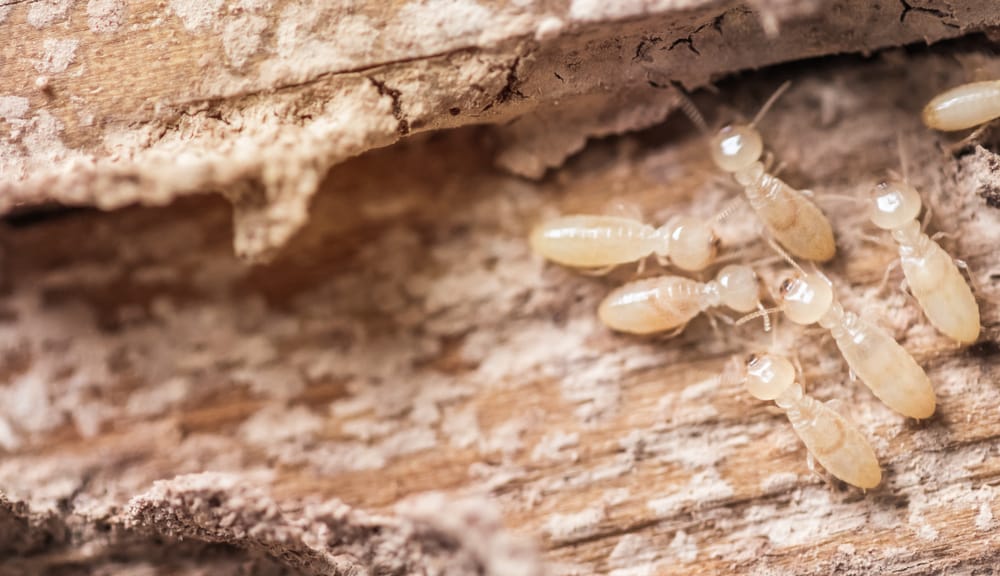
Although the termites don’t feed in the mulch, they can build a colony in it. Mulch is a layer on the surface of the soil that helps to conserve the moisture and make the soil more fertile. Cypress is one of the cheaper mulch; it does conserve moisture and prevents weed from growing. Using heartwood makes the cypress mulch termite-free and termite-resistant but make sure that the mulch doesn’t contain sapwood because it is preferred by termites and other worms. ## Does mulch attract termites? The ingredients of the mulch doesn’t attract termites, but mulch is generally spread over a few inches ground, which makes the place more favourable for termites and pests. Some mulch, [such as cypress](/guides/landscape-supplies/what-is-cypress-mulch), have a resin that makes the wood less attractive to the pests and termites. ## Why do termites like mulch? Mulch is used in the gardens to keep them moist and fertile. There is much evidence available that the pests and termites are attracted to the moist and damp areas. The moist soil makes the perfect place for pests and termites to dig holes and reside in them and provides them an easy opportunity for the termites to look for their food(wood) Though the termites don’t eat or survive on mulch, it provides a more favourable environment for them to live and search for food. The termites can build a colony and eventually attack your house and cause severe damage. ## What is termite-resistant mulch? It is not necessarily true that all mulch attract termites; there is special mulch available in the market that may not be so attractive to the termites. Some contain resins that the termites don’t like very much. While many of the mulch provides a favourable place for the termites to breed on, some mulch that is not so favourable to termites is listed below. ### Cedar mulch Hardwood from cedar trees is not so favourable for the termites to live on; the special resin makes the cedar much toxic to the termites. [Cedar mulch](/guides/landscape-supplies/cypress-mulch-v-cedar-mulch) also repels other pests and insects such as cockroaches. ### Melaleuca mulch Melaleuca mulch is a termite-resistant mulch - it repels most of the insects and pests and isn't a good place for the termites to breed and grow on. The termites also hate the melaleuca mulch and don’t like under or below the melaleuca tree. ### Cypress mulch [Cypress trees](/guides/landscape-supplies/how-much-does-cypress-mulch-cost) contain a special resin that repels the termites. ### Treated or inorganic mulch Inorganic mulch doesn’t contain anything that is suitable for the termites to grow on. Cypress trees are termite-resistant trees.

Landscape Supplies Informational Articles

Lucerne mulch benefits

Lucerne mulch benefits

Provides the soil with nitrogen and potassium that is critical for plant health. Keeping the soil enriched is the best way to ensure plant growth. Mulching enriches the soil with many essential nutrients for the plants. It favours the growth of micro organisms that further support plant growth. Lucerne mulch has a number of benefits, including the below. - It provides the soil with nitrogen and potassium, critical for plant health. - It inhibits the growth of weeds and helps retain moisture in the soil. - Soil does not need chemical fertilisers. - The light colour of lucerne mulch is a great agent in keeping the soil cool in the summer. - Natural hormones in the mulch stimulate root growth. - Lucerne is food for worms and becomes means for better soil aeration. ## Is lucerne mulch good for roses? Mulch is known to have a very nourishing effect on even the most high-maintenance fruit trees. Even roses are known to benefit from the high nitrogen content in lucerne mulch. In addition, lucerne mulch has a plant growth stimulant called Triacontanal. It is essentially a plant growth stimulant and is derived from the wax on the stem of lucerne. Lucerne hay is the best way to save money and provide enough mulch for your garden. Lucerne hay has biscuits that are 10cm in size that you can break off easily and place in your plants. For roses that have been planted for over a year, you can spread the mulch right up to the base of the plant. If they are newly planted, then keep them 5cm away from the plant. Lucerne mulch breaks down fast. This is because its carbon to nitrogen ratio and makes it all the more beneficial for your roses. ## What is the best quality mulch? There are many types of mulches that you can add to your garden and each one has separate [advantages and disadvantages](/guides/landscape-supplies/cypress-mulch-v-cedar-mulch) over the other. Here are five common types of mulches and their properties. ### Compost This can be more expensive than other mulches but is excellent if you have a compost bin. This is a perfect way of adding humus to the soil. ### Pea straw Pea straw mulch has high nitrogen content and breaks down quickly, making it ideal for poor soils. However, it needs to be topped up regularly. ### Sugar cane Dried [sugar cane](/guides/pest-control/how-to-use-sugar-cane-mulch) are readily and cheaply available. They break down quickly, encouraging the actions of soil organisms. It's great for vegetable gardens. ### Barks and wood chips These mulches are used where the soil is good. They help retain moisture, but they can cause nitrogen deficiency.

What is Bagasse Mulch?

What is Bagasse Mulch?

Another term for bagasse mulch is sugarcane pulp. Bagasse mulch refers to sugarcane leftovers. It is a fibrous material obtained after harvesting the juice from sugar cane. [Sugarcane](/guides/pest-control/how-to-use-sugar-cane-mulch) bagasse is stored when wet for blending with water to produce a pulp. It serves many functions. Sugar pulp is a biodegradable product that takes between 30 and 90 days to break down under commercial composting conditions. When broken down, bagasse can serve as a soil conditioner and a fertilizer. Additionally, it is environmentally friendly. The mulch does not have similar effects on the environment like paper and plastic products when they decay. Initially, sugar pulp used to be thrown away. Nowadays, it is kept and used as a renewable resource. ## What are the benefits of using bagasse? Sugarcane bagasse mulch is very eco-friendly and it decomposes into the organic matter over a period of time depending on the turnover rate, moisture, temperature, and many other factors. Therefore, sugarcane bagasse does not harm the soil and is essential for your farm as a fertilizer. Bagasse mulch also breaks down into natural elements that do not harm the soil in a compost environment. ## What are the different types of mulch? Bagasse mulch comprises organic and inorganic mulch. Organic mulch may be pine needles, pine straws, chopped leaves, barks, and woodchips. Inorganic mulches are derived from materials like recycled rubbers, landscape fabrics, rocks, and newspapers. During cold seasons, straw, chopped leaves, and pine mulch are most preferred to maintain the temperature of the soil. [Pine bark mulch](/guides/landscape-supplies/how-to-use-pine-bark-mulch) is recommended for vegetable gardens, trees, and shrubs as it does not break down fast. Wood bark and chip mulches are used for garden beds, shrubs, trees, and slopes because they retain water. Anti-termite mulches contain a notable amount of tea tree oil that resists termites and insects. Pebbles and gravel mulches are recommended for succulent plants and help in minimising soil evaporation.

Benefits of sugar cane mulch

Benefits of sugar cane mulch

This sugarcane mulch doubles as a blanket isolating the thin layer of soil underneath. Organic sugar cane mulch contains not just sugarcane, but dried sugarcane leaves and the tops. This mulch feels just like hay when you touch it. It falls in the same group of mulches made from organic materials like pea straw, wood chips, compost, and hay, which you can find naturally from trees and plants. One of the standout advantages of using organic sugarcane mulch in your garden is that it will help you reduce evaporation in the regions you’ve mulched. You can rest assured of better soil water retention and reduced watering needs for the garden. This mulch acts as the protective layer keeping your garden free from the scorching rays of the sun, which would affect its quality. Organic mulch such as the one made from sugarcane also helps keep the temperatures in the soil warmer during colder months like winter. [Sugar cane mulch](/guides/pest-control/is-sugar-cane-mulch-good) doubles as a blanket, isolating a thin layer of soil underneath. Most farmers prefer organic mulches such as sugarcane mulch because when it decomposes, it produces nitrogen, among other essential nutrients. This creates a good soil structure in your garden to improve the biological activity of the microorganisms in the soil, such as earthworms. The microorganisms break down the organic matter into the fine matter to make them easy to absorb. ## Does sugar cane mulch stop weeds? Sugar cane mulch prevents weeds. Sugar cane mulch is weed-free. It can be a perfect option for you if you grow fruit trees because it will help water retention and better control different weeds. If you apply a thick layer of this mulch, the compost will act as a shield on the surface of the soil, stopping weed seeds from reaching the soil underneath the mulch. The mulch from the sugar cane leaves and straw will again provide a good cover blocking the light from the sun that would reach these plants to stop them from growing. ## Are termites attracted to sugar cane mulch? Termites are unwanted in your garden because they can be damaging to vegetables and some trees. Termites that mostly eat the roots of plants are attracted to some mulching options; when they break down, they provide food for the termites or white ants. You may have a preference for sugarcane straw mulch because, unlike most forms of organic mulches, it is thick and has better resistance to termites. Different studies hint that mulch from chopped or shredded sugarcane straws doesn’t really attract termites. The basic argument behind this theory is that sugarcane-based mulch breaks down much slowly, implying that it has the least risks of attracting termites compared to other options like [wood chips and bark.](/guides/landscape-supplies/does-cypress-mulch-attract-termites)

Is Sugar Cane Mulch Good?

Is Sugar Cane Mulch Good?

Mulches do not attract termites or even earthworms but can provide favourable conditions for their survival. Mulching is known as covering the soil to improve the soil condition to be more favourable for nursery development and plant growth in the garden. Australia has always been subjected to floods, and the best option to tackle it to protect the top layer of the soil from erosion is the making of mulched gardens beds. Both natural organic and inorganic mulching materials are used. Sugarcane mulch is made from dried sugar cane, fresh or dried leaves and tops. It is less expensive than other mulches and [easy to handle.](/guides/pest-control/how-to-use-sugar-cane-mulch) The texture of the mulch looks like that of hay. ## Benefits of sugarcane mulch This form of mulching is best for preventing soil erosions. A layer of sugarcane mulch on your farm is best for controlling your garden's corrosion and improving vegetable growth. ### Improves the soil Another important reason why sugar mulch is good is that it improves soil structure rapidly. Sugarcane mulch, when broken down on a garden it enhances the quality of the soil. ### Does not allow the germination of weeds Sugarcane mulch helps prevent damage to soil because it provides a thick layer to the soil structure. ## How much does sugar cane mulch cost? When mulching, you are advised to use certified organic mulches mixed with water, allowing the easy passage of water, light and nutrient to the seeds down to the soil surface, enabling proper growth of the plant. Inorganic mulches are not as efficient as the mulches made from fine weed, pea straw or dried weed. They help in the germination of trees, plants, fruit trees. Sugarcane mulch does not cost a lot and has a [huge range of benefits.](/guides/landscape-supplies/benefits-of-sugar-cane-mulch) Sugar mulch bags can cost as little as $14. ## Does sugar cane mulch attract termites? Mulching is incredibly helpful to every garden. Sugarcane mulch breaks down easily and it might be less attractive to the termite than wood chips. Even though the mulches do not attract termites, when the organic matter is not broken down well it might introduce termites into your garden if you don't control them. When mulching too deep in your garden, from the depth of the soil, you'd give termites a warm, moist and cozy environment to live on. Mulches do not attract termites or even earthworms but could provide favourable conditions for the survival of the termites in your garden. Therefore, do not place mulch in a space with direct contact with your house to avoid termites gaining access into your home.

How much does hardwood mulch cost?

How much does hardwood mulch cost?

Mulch helps you to improve the moisture level of your garden, control temperature and hamper weed growth. The right mulch for your garden or outdoor space has a significant impact on the outlook of your garden. There is a huge range of styles and colour of different mulch. Some of the most common mulch is listed below. - Redwood chip. - Pine bark nuggets. - Cedar chip. - Hardwood chip. - Leaf litter. You can determine the amount of mulch you need by first measuring the range and size you want to cover with mulch. For example, if your garden length and width is 3m, simply multiply length and width as 3m x 3m - you will need 9 square metres of mulch for your garden. The costs of vine mulch is $49.50 per cubic metre, Redwood chip at $66 per cubic metre and Harwood chip at $54 per cubic metre. ## How much hardwood mulch do I need? Mulching is vital for the garden because it strengthens the soil and controls the soil temperature. Also, it hinders the growth of weeds and helps in improving the water retention capacity of the soil. Plants will suffer in drought-like conditions and this is where the right mulch helps. To find out how much [hardwood mulch](/guides/landscape-supplies/cypress-mulch-v-hardwood-mulch) you need determine the size of the garden bed with a tape measure. Once you calculate the garden bed you want to mulch, multiply it with the depth you want to cover. Let’s assume your garden length is 12 metres and width is 1 metre. Multiply 12m x 1m, you will have 12 square metres that should be covered with mulch. If you want to mulch garden that is to say 1/10 metre deep. You will calculate it as 12/10 = 1.2 cubic metres. In tis case you should order up to 1.5 cubic metres to mulch a 12 square metre garden bed. ## Can I get hardwood mulch delivered? Some retailers offer free delivery of hardwood chip if you are a resident near their location but for the majority of people are not so lucky. Delivery typically costs between $150 and $200. The average truckload of mulch is around 4 tonnes.

Rock Garden Ideas

Rock Garden Ideas

Big rocks are difficult to transport and set up - plan well in advance where to place them. A nice landscaping job never goes out of style, but where is the best place to begin when deciding to put your own creative spin on garden design? Take a look at a few ideas below. ## Size of rocks Installing large rocks in the rock garden provides ample freedom to implement creativity in order to enhance the garden’s appeal. The combination of stones of varying sizes is another good option to consider. A rock garden made of small pebbles is suited for small plants. ## Size and type of project The project’s cost is determined by the size of land or area where the rock garden will be built. Always decide in advance how much space will be dedicated to the garden, what [landscaping supplies](/guides/landscape-supplies/landscaping-materials) you need and whether or not the land needs to be levelled prior to building on it. ## Type of soil Rock gardens requires a different type of soil. It needs to be of good quality and more nutritious to support plant growth. Additionally, they need a drainage system for the vegetation to avoid damage to the plant roots. Use coarse sand to boost aeration. Sharp-edged sand is another good option. Add more soil to support medium-sized trees. ## When to build the garden To facilitate better plant growth, decide in advance the right time to build the rock garden based on what will be planted in it. For example, if planting roses, the best time to make the rock garden is cold weather. To grow sunflower or flora that grow in the hot season, build a rock garden in summer. ## How do you design a rock garden? The rock garden will have multiple courses, also called layers. Below are the steps to design and make a rock garden: ### Set the base layer Remove the vegetation and other debris from the area where the rock garden will be built. Ensure removing vegetation from roots to avoid them from growing again in the future. Fill the area inside the first course (also called the base layer) with sandy soil to facilitate proper drainage. Use large and the least alluring stones to build this base layer. ### Set the middle layer The middle layer is the most noticeable one among all layers in a rock garden. Use rocks lighter than those used in the base layer to build the middle layer. Consider using attractive stones to enhance the garden's appeal. The purpose of this layer is to generate ample space to plant new vegetation. Ensure sufficient gap and distance between the stones in the middle layer to allow plants to grow. ### Choosing the plants Select the vegetation matching the rock garden’s theme. Make sure the plants get enough water and sunlight in the garden. Try a variety of plants varying in height and stylish leaves to achieve a pleasing visual effect. ### Begin the plantation Plant the new vegetation and arrange the rocks accordingly once again for a final touch. In case of a blank area between the rocks and flora, consider adding [hardwood mulch](/guides/landscape-supplies/how-much-does-hardwood-mulch-cost) or add small pebbles to enhance the appeal. Always start planting with extra soil in the rock garden. ## What are good plants for a rock garden? Below are some ideal plants suited to a rock garden. - Native shrubs offer a good shade in the garden. The primary purpose of these plants is to enhance the garden’s visual effect. - Small shrubs including Callistemon John, Correa reflexa, Kunzea ambigua, Westringia fruticose, dwarf forms of Acacia howittii, Baeckea virgata and Agonis flexuosa. - Other shrub options are Agave attenuate (succulent), Nandina Domestica nana, Rhaphiolepis indica, Strelitzia reginae, Abelia Grandiflora dwarf, Polygala myrtifolia, Viburnum Tinus. - Turf is installed to make the garden fit for sitting and relaxing. The three best heat coping and less invasive varieties are Buffalo varieties, Empire Zoysia and Queensland Blue Couch. Rock gardens located along the roadside should have the Empire turf due to its less mowing demand. Queensland Blue Couch invites weed in the garden, hence less preferred for roadside gardens. - Strappy leaf flora can survive scorching weather conditions. Agapanthus is highly recommended in addition to Dietes. Various categories of strappy leaf plants include Lomandra Tanika: It can handle hot temperatures and most appropriate in Port Macquarie and South Australia. Lomandra Hystrix: This plant can endure wet feet or dry conditions. Katie Belles: It is a large plant with magnificent yellow flowers. ## What makes a good rock garden? To make a good rock garden that stands outs, always be cautious about the stone and rock arrangement. Build the garden edge with the big rocks and add a stone nursery to achieve a natural look. Place assorted rocks and stones in the gaps between the plants to visualise plants growing naturally through the gaps between the rocks. Cover a significant portion of the garden with rocks and plants. Fill any remaining small gaps with small pebbles and statues. Pick a combination of large rocks, stones and small rocks for a variety of tone and surface. Gravel is ideal for filling in empty spots, while slab-like rocks are best for making edges. Draw a rough sketch of the garden design in mind and consult a landscape designer for better results. Big rocks are difficult to transport and set up; hence plan well in advance where to place them based on the garden design. Use harsh-toned rocks to achieve a tough appearance. Smooth stones and or clean white rocks give a conventional appearance similar to Japanese stone nurseries and Zen rock gardens. Make the garden’s appearance that fits the home's style. Put big rocks in lighter hues to avoid a dull and heavy scene. Use materials of varying shades and tones to get different contrast and visuals. ## How do you make a small rockery garden? Building a rockery garden in a limited area requires extra caution and planning. The process is mostly the same, with minor differences outlined below. ### Decide and prepare the area Plan where the garden will be built. Which portion of the yard, garden or lawn will be used to make a small rockery garden? Clear the area by eliminating weed and debris. Buy extra soil, sand, gravel, large and medium rocks and pebbles. ### Design selection Make sure to have designs and ideas in mind and on paper. Surf the internet to find small rock garden ideas to best suit the area. ### Choose stones and plants A small garden will have few big rocks. Consider using medium-sized rocks and pebbles. Always opt for small plants and avoid trees in a small rockery garden. Flowering plants and shrubs are some excellent preferences. To achieve a colourful appearance, select plants with different leaf shades. To accomplish a natural look, add a layer of gravel on top of the base layer. Avoid using statues due to limited space in the garden. ### Set the garden Large rocks at the bottom are optional. Homeowners can add a gravel layer directly to the soil. Before adding gravel, make sure to have enough good quality soil to facilitate the healthy growth of plants. Add a few more large rocks at random places on the base layer along with the gravel. Make the boundary with medium-sized rocks and large pebbles. Plant new vegetation and make designs using small pebbles. Add a few more large and medium rocks depending on how much space is left.

How to use pine bark mulch

How to use pine bark mulch

Pine bark mulch tends to acidify the mulched area - it is recommended for use with plants that do well in acidic soils. Each type of mulch has its unique properties and benefits to the plant. Understanding the mulches will help you choose the best mulch for your gardening activities. Pine bark mulch is an organic product from the bark of pine trees. Like other mulches, it helps retain ground moisture, control weed growth and protects the ground surface. Additionally, the deep brown colour of pine bark mulch is aesthetically appealing. It is available in the coarse form, medium shreds and fine grades. It is light weight therefore easy to spread. This property implies that pine bark mulches are suited to flatbeds or gardens. If used on sloping or hilly surfaces, it can easily be displaced by wind or washed away by rain. The coarse grade pine bark nuggets are long lasting because they decay slowly. Thus are best where regular replenishment is not required soon. Pine bark mulch tends to acidify the mulched area. Meaning, it is recommended for use with plants that do well in acidic soils. The reddish to dark brown colour of this mulch gives the garden a sharp contrast against the shrubs making it very attractive. For a deeper contrast, try [black mulch](/guides/landscape-supplies/what-is-black-mulch). The natural colour does not fade as fast as that of other mulches preserving the look of the landscape longer. ## What is pine bark mulch good for? Pine bark mulch is one of the popular mulching material. It is less expensive compared to other types. Since it is light, it is easy to spread. It is a good soil conditioner because of its ability to control soil moisture, weed growth and soil temperatures. It lasts longer than the regular organic mulch. Pines bark mulch especially the finely shredded types like pine needles break down fast. This quick decomposition releases nutrients and minerals like aluminium to the soil quicker than other types of mulch. This mulch is ideal for plants that do well in acidic soil conditions. The reason being, as it decomposes, it acidifies the soil where it is applied. The size of pine bark nuggets can be as long as 3 inches. The big wood chips enable good airflow. When it is raining, the wood chunks prevent the splashing of soil onto the plants. ## Does pine bark mulch kill plants? Pine bark mulch does not directly kill plants. However, there are side effects that you ought to be aware of if you are considering using it. Acidity problem with this mulch inhibits the availability of some nutrients plus mineral and enhances that of others. Acidity can cause the presence of minerals like iron and zinc to be high in harmful amounts. The problem of acidity can be mitigated by alternating pinewood mulch with hardwood mulch. [All mulches](/guides/landscape-supplies/what-is-hardwood-mulch) utilise nitrogen to decompose. Low nitrogen levels are harmful to plants with shallow roots. Avoid using pine bark mulch with such plants. If you have to, add a layer of nitrogen fertilizer to the dirt before applying. The pine bark chips can easily be washed away by rain. If this happens, the purpose of mulching is defeated. The plants get exposed to the conditions the mulching is supposed to protect them from. If your garden is in flood prone areas, consider the use of shredded pine instead of the mulch pine bark chunks. Fresh pine mulch can be an agent of pine wilt disease. This disease is transmittable between a pine tree to another by the pine sawyer beetle.

What is black mulch?

What is black mulch?

Quality mulches are usually made up of wood chips that are dyed in most cases by black carbon dye. Black mulch is an additional layer of black material applied to the garden soil. The application of mulch is usually for the essence of reducing the loss of water from the soil in moisture form. Mulch is also used to control soil temperature, plant growth optimisation and reduction of weeds in the garden. Black mulch can either be dyed mulch or naturally appearing black dyed mulches. Quality mulches are usually made up of [wood chips](/guides/landscape-supplies/how-to-use-pine-bark-mulch) that are dyed in most cases by black carbon dye. This carbon dye is mostly preferred because it's natural, not toxic and safe for use. The black mulch brings out the best contrast with green plants making them more appealing. Other than using dyed mulches, black plastic sheeting can also be used as mulch. It's suitable for strawberry and vegetable gardens. This plastic mulch absorbs extra heat when it's hot and regulates the soil temperature hence protecting plants from extreme heat. It also prevents the sprouting of weeds. Rubber mulch can also be used in absence of recycled wood mulch. Recycled tyres are shredded into small pieces and are best for temperature regulation and for hindering weed germination. Although inorganic black mulches can be used, organic biodegradable mulching is the most sought after. ## What are the benefits of black mulch? The use of black mulch either inorganic or biodegradable dyed mulch is highly beneficial. First, they help in ground moisture preservation. The mulch layer helps to maintain the humid state of the soil ensuring that plants are adequately moisturised. Wood shavings and other organic materials used for mulching decompose and enhance garden nutrients for the plants. The black colour in the mulch also enhances the plant colour and improves the general outlook of the garden's landscape. Black mulch also acts as a protective barrier to the plants from scorching sunlight. It insulates crops during very high and low temperatures. A gardening system with black mulch is assured of reduced weed sprouting hence no competition for nutrients. Black mulch is also essential for preventing the rotting of crops for example strawberries that need to be raised above the ground. Crop diseases are also minimised as the mulches reduce the splashing of ground particles to the leaves. ## Is black mulch any good? Black mulches are a good for example of wood chips which add a natural cover to the garden. A well-done landscaping process will ensure the dark mulch perfectly blends in with plants and surrounding trees. Some people prefer brown and red mulch, however, using dark mulch brings out the elegance and vibrancy of the garden. It appears more natural and instead of the mulch being more noticeable, it enhances the bold colour without being so much conspicuous. Dark mulch is suitable for gardeners who don't like mulch appearance. This is because dark mulch from far appears like soil and reduces the level of protrusion. If you plan on using mulch in your garden, it's recommended that you use biodegradable mulch since it can decompose and it's not harmful to the environment.

What is Hardwood Mulch?

What is Hardwood Mulch?

Hardwood mulch aids greatly in inhibiting soil disintegration and the growth of weeds. Mulch can play a vital role in the aesthetic appeal and health of a garden or backyard. There are many types of mulches such as pine bark and wood, with each type of mulch its own merits and limitations. Mulch protects your plants from disease, retains moisture in the soil and reduces the amount of weeds that grow in your garden. Out of all the different choices of mulch, one of the best looking and most functional is hardwood. Mulch can cover up the spots where there is no grass, or where there shouldn’t be any, in your flower or vegetable garden. Hardwood mulch enriches the soil and decomposes faster than other types of mulches. As it decomposes, vital nutrients seep into the ground helpful to the growth of your plants. ## What is the best type of hardwood mulch? [Mulch](/guides/landscape-supplies/cypress-mulch-v-hardwood-mulch) is not the answer to all your gardening needs, but it certainly is very close. Many things fall under the category of mulch, but a good classification is whether or not the mulch is organic or inorganic. ### Inorganic mulches Inorganic mulches are mostly the ones that do not decompose. They are great when used for decoration and the prevention of the growth of weeds. ### Organic mulch Organic mulch consists of bio-degradable materials that decompose over time. As they decompose they improve the structure of the soil, improve airflow and make it more fertile. As they decompose, they need to be replenished as well. Wood mulch falls under the category of organic mulches, subsequently does hardwood. There numerous types of hardwood mulch. The most popular being pine bark mulch. It looks amazing in your garden and is a great barrier against the evaporation of water. Pine peelings are another common type of mulch; they are a by product of the wood milling process of pine; so each of them has its own merits when added to the ground. ## What is hardwood mulch made of? For mulch to be considered a hardwood, it needs to be made from destroyed or chipped bark or the core wood chips from a tree. The common type of wood that constitutes hardwood is from poplar, maple, and oak trees. As hardwood is high in cellulose, they are quick to disintegrate and mix into the soil. Hardwood mulch is known high for its high fibre and aids greatly in inhibiting soil disintegration and the growth of weeds. Most commonly, [mulch from hardwood](/guides/landscape-supplies/how-much-does-hardwood-mulch-cost) is made of oak wood but can be made from a mixture of different trees as well. Hardwood mulches can be easily and cheaply found, as they are a byproduct of municipalities and they can be easily made using branches and small trees. Hardwood is known to be alkaline, and they pass on this property to the ground they are added to. It is recommended to set this mulch again after each year for the best effect.

What is Cypress Mulch?

What is Cypress Mulch?

Cypress mulch offers a few advantages that are absent in other different mulches. Cypress mulch is an organic (manure or compost) material produced using bare cypress trees. All the natural mulches assist soil in holding dampness, keep the soil cool and protect plant roots during frigid temperatures. Most mulches prevent weed growth and give a decent completed look to the yard or nursery. Additionally, cypress mulch offers a few advantages that are absent in other different mulches. Old growth cypress garden mulch is a natural mulch that is produced using the below. - Lake cypress trees. - Pond cypress trees. - Bald cypress trees. The tree’s wood and bark are processed for making the cypress mulch. The compost is available in the form of cypress chips and or destroyed cypress. The destroyed structure is highly preferred over chips, as the destroyed cypress stays longer. Cypress mulch is [more affordable](/guides/landscape-supplies/how-much-does-cypress-mulch-cost) than numerous other natural mulches, whereas the destroyed cypress is significantly practical, as it is cheaper than cypress chips. Both provide high nutrition to the soil, resulting in quicker plant growth. They are also famous for their long-lasting vibrancy. ## What are the benefits of cypress mulch? Notable advantages of cypress mulch include: ### Provides nutrients to the soil As the compost disintegrates, it increases the fertility of the soil. The nutrients provided by this compost are beneficial to the plants to stay healthy. A few organic mulches cause a change in the pH value of the soil when deteriorated. Cypress mulch does not alter the soil’s pH level as it disintegrates. ### Repels insects and weeds Cypress mulch helps control insects and pests like termites, cockroaches, and a few types of subterranean insects living on the ground. The wood being of old and developed trees contains oils and synthetic compounds, acting as a natural repellent. For example, Thujone is a bug repellent. The manure blocks weed growth and avoid the germination of any airborne seeds in the soil. ### Outer appearance Cypress mulch has a delicate dark tone. It is an attractive soil cover and looks highly appealing than mulches like shredded paper. Additionally, new manure has an exciting and fresh smell. ## Alternatives to cypress mulch Alternatives to cypress compost include: ### Cypress pine mulch [Cypress pine mulch](/guides/landscape-supplies/cypress-mulch-v-hardwood-mulch) (made from pine bark) is one of the well-known mulches because of its engaging look and regular termite-safe properties. It is appropriate for all plants as it separates effectively into the soil and supports earthworms. ### Cypress pine wood chip It is a light shaded ornamental wood chip that is roughly 20mm- 30mm in size. Its normal oils keep the soil safe from white ant (termites) and disperse a lovely smell in the surroundings. ### Lucerne mulch The fine bits of lucerne (bark mulch) appear engaging and hold the water adequately in the soil. A combination of stifle weeds and bond make [lucerne mulch](/guides/landscape-supplies/lucerne-mulch-benefits) an excellent option for inclining gardens. ### Leaf mulch The new leaf mulch has an attractive appearance. It is available in composed and fresh forms. Soil with added leaf mulch draws less nitrogen, making leaf mulch ideal for plant development.

What is a water rock garden?

What is a water rock garden?

A rock garden challenges your creativity level right from the start. A water rock garden is a peaceful addition to a piece of land featuring rocks of different sizes and shapes as well as small plants. Rock gardens have a natural appearance of an attractive rocky landscape covered with carefully selected plants. Rock gardens are usually very well adapted to all kinds of weather conditions so you can be assured of the garden's survival during rainy and dry seasons. For busy people who like a water feature, [rock gardens](/guides/landscape-supplies/rock-garden-ideas) require low maintenance. Their low maintenance requirement ensures that they can survive even in your absence. A rock garden with an interesting garden design will give your yard an amazing look the whole year especially with blooming flowering plants. The use of small pebbles and large stones with attractive plants will create depth and a feeling of diversity for your yard. ## How do you plant a water rock garden? Suitable plants for rock gardens usually have an alpine origin and can withstand drought. Before you start planting ensure there is adequate drainage, especially in areas with sufficient rainfall. Good drainage helps avoid water logging in the soil. Use small stones and gravel around the plants. The types of plants depend on the garden style that you settle on. For an alpine rock garden, prioritise plants such as bulbs. Papaver alpinum and abies are also suitable for such types of gardens. Also consider Iris cristata and saxifrage, Aquilegia and primula. Galanthus and epimedium can also be planted in this kind of rock garden. You can also feature New Zealand Moss and sempervivums plants in your garden space. For a Japanese influenced garden, much emphasis is put on the rocks. The rocks feature as the main characters in this type of garden and plants are included as an afterthought. Gravel is used the most with flat stones or upright ones. This type of garden mainly features moss. Low-growing conifers are a typical inclusion. ## What do I need to start a water rock garden? You need stones, different water features, a variety of plants and focal points and [general landscaping materials](/guides/landscape-supplies/rock-garden-ideas) to attain an outstanding rock garden. Boulders can be used as seats and small pebbles as mulch in the rock garden. Beach pebbles are a good idea and can create a perfect mulch in the rock garden bed. This will reduce the loss of soil water and minimise the growth of weeds which might compete with flower beds for nutrients. Moss rocks are also perfect for rock gardens as they provide comfortable seating space. Granite boulders can also be used in the garden and serve as garden seats. Use pea gravel to fill the spaces and for an appealing garden pathway. You also need stone mosaics to add attractiveness to your lawn. If you want to create a dry rock or design a garden with a desert landscape touch, then use lava rocks. Include water design features in your rock garden like a fountain or creek for more elegance. Sprinklers and ponds with ornamental fish can also be amazing for the rock garden. Add plants like flowering shrubs and flower beds for outstanding garden colour and fragrance. Trees and succulents can also be added for lovely landscape design. Focal points such as gazebo or sculpture can also be considered. ## Plants to use in low-water conditions Just as with rocks, a careful plant selection will help bring the best out of your rock garden. The elegance of your garden design relies on careful rock and plant selection. Areas with less rainfall are suitable for hardy plants that can withstand drought and [take well to mulch](/guides/landscape-supplies/how-to-use-pine-bark-mulch). Feature succulents and cacti in the dry rock gardens because they require little maintenance and can withstand dry seasons. Agapanthus is also another hardy species which can grow in poor soil bed and survive drought. Thyme can also be planted in rock gardens and survive dry seasons. It's a fragrant herb and produces beautiful flowers suitable for rock garden structures. You can also consider acacia trees. They produce amazing flowers and their hardy structure enables them to survive in dry areas. Gazania and lavender should also be considered as they can survive dry conditions. They also produce alluring flowers and fragrances perfect for rock gardens. If you want to add an architectural style to your rock garden bed then agave can be a perfect choice. You can always seek the service of a professional for the best garden design.

How much does cypress mulch cost?

How much does cypress mulch cost?

Cypress mulch blocks the growth of weeds and other undesired plants and prevents other airborne seeds from germinating in the garden. The average cost of mulch cypress is between $86 and $88 per cubic metre. The price changes depending on the required quantity and type of cypress mulch. It is primarily available in cubic meters and 60-litre bags (in case required in bulk). Cypress mulch generally comes in two types, explained below. ## Grade A Also called 'Cadillac', it is reddish-brown in colour and made only from the bark of the cypress tree. It is somewhat costly, and the prices start from $83 per cubic metre. ## Grade B Standard mulch made from all the parts of the tree including the bark and has a red tan colour. Grade B mulch gives fewer nutrients to the plant than Grade A. It is advisable to use it in landscaping. Average prices for cypress mulch are listed below. | Size in Queensland | Cost per m³ | | -- | -- | | 1m³ | $80 | true | | Size in New South Wales | Cost per m³ | | -- | -- | | 1m³ | $96 | true | | 60 litre bag | $9 | true | ## Is cedar or cypress mulch better? Cedar and [cypress mulch](/guides/landscape-supplies/what-is-cypress-mulch) both contain attributes excellent for gardening and landscaping. Both help avoid the growth of unwanted plants. Take a look at the benefits, of each, outlined below. ### Insect repellent Cedar keeps small insects and termites away from the garden but also repels beneficial insects, a significant disadvantage. Cypress mulches, especially the older ones, are better at warding off insects. Its only drawback is that it also [attracts termites.](/guides/landscape-supplies/does-cypress-mulch-attract-termites) ### Water retention Neither cedar nor cypress have decent water retention capabilities. Other mulches have the ability to retain water for a long time. ### Affordability Cedar is more affordable than cypress mulch. Cypress mulch helps maintain and create a natural habitat for animals and filter unwanted soil pollutants. ## What are the benefits of cypress mulch? Advantages of cypress mulch are listed below. - Cheaper than most related products (if bought in bulk). Shredded cypress mulch is even more affordable. - Provides extra nutrients to the garden soil by decomposing in it. Unlike other organic mulches, it does not change the pH level after decomposing. Adding mulch in bulk will be less beneficial. - Cypress mulch blocks the growth of weeds and other undesired plants and prevents other airborne seeds from germinating in the garden. Also, it's resistant properties keeps reptiles, insects, pest and fungus away from plants. - It's an attractive soil cover (making a good landscape), which stays in place for a long time. Cypress mulch is unlike other mulches that get blown or washed away; hence, it is called no-float mulch. - Cypress mulch prevents frost-heaving and soil defrosting in winters. - Reduces the water evaporation process, allowing the soil to stay moist for an extended time. The garden soil, as a result, remains cool, demanding less water for irrigation.

How to Use Sugar Cane Mulch

How to Use Sugar Cane Mulch

Sugar cane mulch is a by-product of the sugar industry and is made using the dried leaves and tops of sugar cane. Sugar cane mulch is a by-product of the sugar industry and is made using the dried leaves and tops of sugar cane. It is extremely environmentally friendly and reduces much of the waste that would otherwise be produced when processing sugar cane. Unlike pea straw (made from the pea plant) and lucerne mulch (made from lucerne hay), sugar cane mulch takes longer to break down. Depending on the type of plants in your garden, this can be either an advantage or a disadvantage. To use [sugar cane mulch](/guides/landscape-supplies/benefits-of-sugar-cane-mulch), you will first need to weed the relevant area. Sugar cane mulch is usually sold in bales and is ready to apply, so you won’t have to prepare it first. Once the area is free of weeds, apply the fertiliser of your choice to the area. While cow manure or compost is recommended, any other option will do the trick as well. That said, you will need to ensure that, if you use manure, it has been dried first – fresh manure may damage plant roots. After weeding and fertilising, you can now move on to mulching. Water the mulch before application and spread it over the area by hand or with a rake. Once applied water again to prevent it from blowing away. Check the depth of the mulch frequently, and reapply if you feel it is getting too thin. ## Is sugar cane mulch good for the garden? Sugar cane mulch [can be highly beneficial](/guides/landscape-supplies/is-sugar-cane-mulch-good) for all home gardens. Not only is it environmentally friendly, it is also cost-effective, and you can easily find 100% organic sugar cane mulch options in the market. Additionally, most plants grown at home take to it well, including herbs and vegetables, roses, fruit trees and more. Other advantages of this type of mulch include weed control, improved soil structure, better water retention and penetration and more. Sugar cane mulch can help regulate the temperature of your soil and boost important microbial activity. It is easy to use and is a great option if you’re looking for something to fill out your garden beds. One of its biggest benefits is that it contains no seeds, so you don’t need to worry about unwanted plants spouting in your garden and competing for natural resources. ## Does sugar cane mulch stop weeds? If you’ve ever worked with plants, you’ll know that weeding can be one of the most annoying parts of gardening. This is why finding ways to prevent or stop weeds from growing can be extremely helpful. Mulches, including sugar cane mulch, other mulches made from organic matter and inorganic mulches, can be highly beneficial in reducing weed growth in your garden. This is because the layer of mulch you apply not only deprives already existing weed seeds of light it also serves as an unstable base for new seeds to root and sprout in. The other benefit of using sugar cane mulch is that you can use it to fill out areas in your garden that you have kept bare of plants. This not only prevents weed growth, it also looks attractive and makes your garden look more robust. Sugar cane mulch is unique in that it provides a dense layer of mulch on the surface of the ground. It’s easy to work with, even when you’re rearranging it around small plants and seeds. It is, in fact, rather similar in its effect to tea tree mulch while being significantly more affordable. That said, it’s essential to replace it every year to ensure that it continues to be effective.

Cypress mulch v cedar mulch

Cypress mulch v cedar mulch

Some gardeners argue cypress keeps moisture better, while others say cedar has long-lasting benefits. Both mulches are suitable for controlling and stopping weeds from growing in your garden and when used appropriately can even improve water retention. The key differences between cedar and cypress are listed below. ## Cypress mulch Cypress mulch is sourced from parts of the cypress tree, including the bark, pulverised leaves, and limbs. ## Cedar mulch This kind is environmentally friendly and can be replanted. It has a nice smell and lasts for a long time. It is more expensive than cypress mulch. Both deal with insects differently. For instance, cedar repels insects, including termites and those that are beneficial to plants. Cypress mulch does the same things, but apart from warding off insects, it attracts termites. ## What mulch is right for my garden? After preparing the soil and planting your garden, you need to include mulch or straw - this helps keep both plants and soil healthy and well protected. Before applying mulch you need to ensure it has the proper natural nutrients that will help your gardening, promote the growth of plants and control or stop weed growth. Besides that, it should improve water retention, protect the soil structure, repel insects, and stabilise soil temperatures. Below are three examples of mulch you can use. ### Organic mulch This comprises all organic mulches made from an organic source such as sawdust, damp newspapers, hay or straw, fallen leaves, lawn clippings, and wood chips [as well as bark](/guides/landscape-supplies/how-to-use-pine-bark-mulch) from eucalyptus or pine trees. ### Inorganic mulch This includes all mulches made from non-living materials like crushed rocks, pebbles, shredded gravel, and sand. ### Living mulch This includes any ground cover or low-growing plants. Examples include melaleuca hypericifolia, brachyscome, and viola hederacea. ## What is the cost of cypress mulch and cedar mulch? Both enhance the look and feel of your flower beds and come in a range of concepts and style. However, the cost of buying and installation is the key determiner, whether you are [using cypress](/guides/landscape-supplies/how-much-does-cypress-mulch-cost) or applying cedar in your soil. Prices can range from $40 to $85 per cubic metre and as high as $150.

Landscaping materials

Landscaping materials

Mulching is beneficial to landscaping as it can help you save money and time on constant watering. The right landscaping approach makes the most of an area of land like a backyard or front yard - It could be for practical purposes like gardening or just to make a piece of land more attractive. Below are some essential landscaping supplies needed to begin a landscaping project. ### Soil and fertiliser The current land area might not have a soil layer or may need fertilisers to boost the soil nutrients. New soil and fertiliser is crucial to promote the growth of the type of plants you intend to cultivate. ### Mulch Mulch is a covering for the ground that preserves moisture under it for soil. Plants do not need to be watered constantly, and [mulch prevents weed growth.](/guides/landscape-supplies/cypress-mulch-v-cedar-mulch) It is often the final layer to any garden project. ### Gravel Gravel serves as a filler that is great for water drainage in logged areas. It is perfect for filling land areas with heavy impacts, such as parking areas. ### Sand Sand has several uses when it comes to landscaping, depending on the type. It can be used to fill irregular land areas to make them level. Sand can also be used as a buffer when installing stone flooring like pavers and bricks. ### Pavers Pavers are a necessary aspect of landscaping as they provide access to all parts of the garden. It can be in form of stepping stones or a pathway. Pavers also provide a contrasting aesthetic to a green garden. ## What Is the cheapest landscaping material? If you are looking at landscape building on a budget, there are a couple of landscaping ideas that can help cut cost without compromising on functionality and aesthetic. By repurposing your old everyday items, you can start your landscape project on a budget. ### Alternative mulch Mulching is beneficial to landscaping as it can help you save money and time on constant watering. However, it can also be expensive. To significantly cut costs, using cheaper alternatives like grass clippings, leaves, [sugar cane](/guides/pest-control/is-sugar-cane-mulch-good) or pine needles is advisable. ### Old tyres Old tyres can be recycled for various purposes in landscaping. Old tyres can be used as hanging planters, outdoor patio ottomans, or a garden pond with a tyre as the base. Old tyres are cheap to come by and some people might be willing to give them out for free. ### Plant a tree Well-planned trees can provide your garden with a pleasant outlook. Planting trees is an easy task and not expensive. Planting shade trees can save you money long-term and provide comfort. ### Vertical gardening This is a great idea for a low-budget landscape garden or when you have little space. Readily available supplies like plastic bottles, old paint cans and wooden ladders will provide you with an affordable vertical garden. ## What Is the best material for landscaping? The best materials for landscaping are not necessarily the most expensive. When it comes to landscaping, the suitability of the materials or supplies for the purpose is more important. Take a look below for an easy list of where to start. - Soil - Fertiliser - Timber - Pavers - Bricks - Rocks - Gravel - Compost - Mulch - Fill dirt - Composite lumber - Wall blocks - Pebbles

Frequently Asked Questions

How do I know how much soil / mulch I will need?

Measure the width of the area, multiply it by the length of the area, and then multiply by the depth of filling.

How do i control the weeds in my garden?

Lay a weed mat in your garden. This allows the weeds to only grow into the matting which means the weeds are very easy to pull out.

How do I prepare to lay new grass?

The best way to prepare for a new lawn is to lay a premium quality turf underlay.

How long will my mulch last?

It depends on the type of mulch that you use. Leaf mulch breaks down within a year or so, but wood chips can last a few years.

Does mulch help my soil to retain moisture?

Yes, mulch will help keep your soil dark and cool. The thicker the layer, the more effective it will be.

What is ‘Soft Landing’?

This is a fine, soft pine mulch, designed for use in playgrounds and under trampolines.

Can weeds grow through pebbles?

Unfortunately weeds can grow through pebbles. To avoid irreparable growth, spray them with weedkiller at the first sight of them.

What’s the best type of stone or gravel to use for a driveway or path?

Crushed tile or decomposed granite are both popular types of stone for a driveway or path.

Can I just put gravel on top of my old concrete driveway?

Unfortunately if you do this, you will find that the gravel tends to move around, exposing the concrete underneath.

Is any specific type of mulch better at stopping weeds?

Most mulches will deter weeds if thick enough. Using a depth of 75-100mm (7.5-10 cm), you’ll stop most types of weeds.

Download Our App

Screenshot of the Localsearch App
Card highlighting that you can claim and future proof your business with the Localsearch App

Localsearch App

Find local businesses - anywhere, anytime.

Available on the Apple App Store iconAvailable on Google Play icon
Screenshot of the Localsearch For Business App
Screenshots of the Performance and Notifications sections of the Localsearch for Business App

Localsearch For Business App

Manage your business - anywhere, anytime.

Available on the Apple App Store iconAvailable on Google Play icon