Electricians Guides & Resources

Trending Searches

Plumbers

Dentists

Hairdressers

Electricians

How to Wire a Light Switch

How to Wire a Light Switch

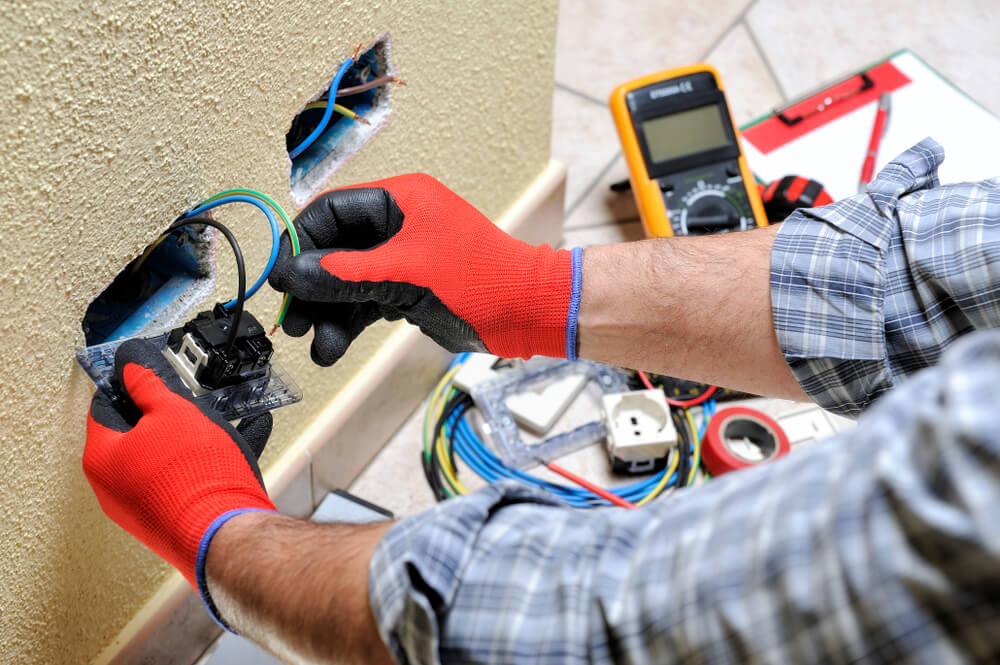
The live wire on a switch carries the current that originates from the main power supply, and goes through the switch before reaching the bulb. Take a look out our guide to wiring up a light switch so you know what process a professional takes to complete the job. 1 Turn off the main power supply and ensure the electricity is cut off from the switchboard by turning on a light. 2 Remove the board and unscrew the switch to be replaced. 3 Note the colour of each wire connected to each pin in the old switch and attach each wire to the new switch accordingly. 4 Mount the light switch to the board and reinstall it on the wall. Turn on the power supply and try switching on the new switch. ## Loop at the light method Under this method, the light switch’s wires are connected to the existing circuit, so the light draws electricity from the current circuit while having its own switch. It is similar to the parallel circuit and highly preferred due to less wiring involved. ## Loop at the switch method This method requires three wires, each for [live, neutral and ground.](/guides/electricians/what-is-electrical-grounding-wire) The live wire runs through the switch, while the other two wires are directly connected to the light bulb. This is prevalent in the UK, though some Australian households use it. ## Two-way switch It demands vast wiring behind the switchboard, hence least preferred. The idea is to connect two switches to the same light bulb, allowing the users to turn a bulb on/off from two different locations. ## Can I wire a light switch myself? Australian laws restrict people from wiring the house lights unless qualified or a [licensed electrician.](/guides//choosing-an-electrician) Performing electrical work, including wiring, is against the law in every state of Australia since lacking knowledge and skills pose a greater risk of electrical hazard. Various law restrictions in different states for handling the electrical work are: A person installing, touching, repairing, modifying, connecting or disconnecting wires must possess a valid electrical license. Merely supervising another person also needs a permit according to NSW fair trading. Violating the rules will attract fines up to $22,000. According to [Worksafe Queensland](https://www.worksafe.qld.gov.au/), any DIY electrical job (wiring and or rewiring a light switch) is illegal, inviting penalties of up to $40,000. Performing an electrical task exposing a person to a risk of death or serious injuries attracts fines up to $600,000 (if an individual) or $3,000,000 (if a corporation) in addition to five years of imprisonment. The [South Australian State Government](https://www.sa.gov.au/) urges people to hold an SA trade licence, training, and a certificate of compliance. According to [Energy Safe Victoria](https://esv.vic.gov.au/), changing light switches on a site is marked illegal, inviting up to $5,000 penal charges for individuals. Tasmania is governed by Service and Installation Rules and Occupational Licensing Act 2005, restricting [unqualified personnel](https://www.tasnetworks.com.au/) to carry out electrical wiring work. [NT Worksafe](https://worksafe.nt.gov.au/") has similar restrictions. In [Western Australia](https://www.commerce.wa.gov.au/), the government asks every licensed electrician to provide an electrical safety certificate to the clients within 28 days. In [New South Wales](https://www.nsw.gov.au/), you will need to hire a professional electrician. ## What are the 3 wires on a light switch? The three wires on a switch are live, neutral, and ground. The live wire carries the electricity, while the neutral wire is meant to complete the circuit to ensure the flow of electricity. The ground wire carries excess current to the ground to avoid [electrical hazards.](/guides/electricians/electrical-safety) A neutral wire on a switch is not necessarily connected directly to the bulb. Instead, the wire runs through a connector block and then reaches the bulb. The source of a neutral wire is the main power supply, running directly to the bulb (it does not go through the light switch). The live wire on a switch carries the current that originates from the main power supply, and goes through the switch before reaching the bulb. The switch, when turned on, allows the conductivity by joining the live wire within itself with the help of a thin metal sheet (sealed inside the switch). Ground wire runs together with the live wire originating from the switch, meaning one end connects to the bulb and the other to the switch's pin. They are called “2-core+ Earth” cable. Australian colour codes for wires. ## Colour codes of wires for single-phase | Type | Colour | | -- | -- | | Live or active | Brown | true | | Neutral | Light blue | true | | Earth or ground | Green/Yellow | true | | Phase 1 | Brown | true | | Phase 2 | Black | true | | Phase 3 | Grey | true | ## What does L1 and L2 mean on a light switch? L1 and L2 are the terminals on a light switch. A one-way switch will have only L1 along with C (Common), while a two-way switch will have L1 and L2 along with a C terminal. Some switches come with L1, L2, L3, and L4 terminals. All these terminals indicate the state of the light (on/off). In a two-way switch, L1 means off only when the L2 is on and vice versa. The common terminal wire originates from the main power supply heading to the light switch. L1 and L2 wires will run to the light bulb completing the circuit. When the bulb is turned on, L1 will represent the ON state, and meanwhile, the L2 terminal will represent the OFF state. Similarly, when the bulb is off, L1 and L2 will mean ON and OFF, respectively. Please note that connecting a bulb with a two-way light switch means there will be a total of two two-way switches. The L1 terminal will represent the same state in both switches all the time. A wire should run through both the L1 terminals of the switches before connecting to the bulb. Similarly, another wire should go through the L2 terminals of both the switches, finally connecting to the bulb. The common terminal will connect both the switches, ending at the second two-way switch. ## What happens if you wire a light switch backwards? When a bulb is wired backwards it will not cause an issue immediately. The real problem will initiate once the bulb is switched on. Wiring backwards causes reverse polarity. Bulbs have small metal tabs in them that generate light from electrical energy. Backward wiring will direct the electricity to the lamp’s sleeve (the outer portion of the lamp). As a result, the bulb may or may not turn on, and if a person touches the bulb (from the sleeve, obviously) will get an electric shock. The wires may get hot and a tester screwdriver should be used to check the possibly conducted bulb sleeve instead of touching it directly after wiring or rewiring. Incorrect wiring will not create an issue inside the switchboard. The bulb's sleeve will become hot and might leave permanent damage to the bulb if turned on with incorrect wiring for a long session. Correct wiring is hence essential for ensuring a neutral bulb outer portion. Incorrect wiring will start a fire only if the wires get too hot, which is unusual even in the case of faulty wiring.

Electricians Guides & Resources
Which Downlights for a Kitchen?

Which Downlights for a Kitchen?

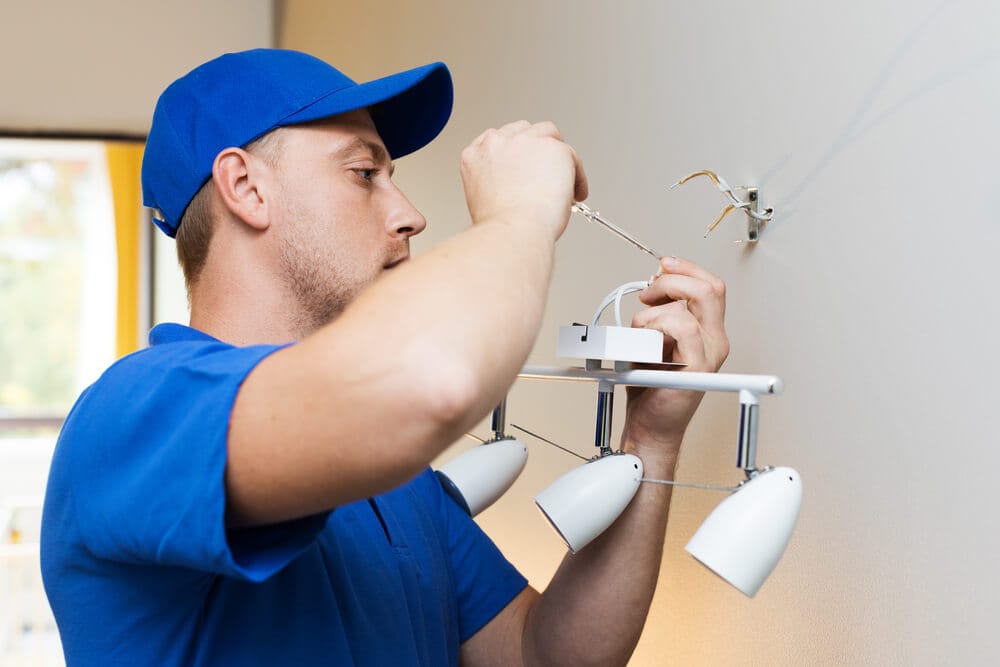
Downlights produce an indirect glow that is most effective when used in conjunction with other lighting sources such as cabinets lights or wall lights. For this reason, it's advisable to have at least two ring top wall lights for every four downlights in a kitchen. This helps to accent the range of up and down movement that lamps give, as well as ensuring that you don't under-illuminate a room. For this purpose, you must know which downlights for kitchen are the best for your home interior? If you are looking for an ambient kitchen lighting only (i.e. not feature lighting) then consider using [LED downlights](/guides/lighting-accessories/making-sense-of-led-lighting) with an integral LED driver. They are more compact, cleaner and lighter than conventional indirect wall lights, as well as being easier to install (no wiring or drilling required). ## Do kitchens need fire rated downlights? Many local building regulations do stipulate a minimum level of protection that needs to be provided. Therefore, it's worth your while checking the manufacturer's service mainly installation information and specifications (located on the packaging) before you buy the products. The vast majority of kitchen lighting manufacturers recommend using LED lighting products for kitchen design such as downlights with an intumescent coating. This type of coating expands when exposed to high temperatures, forming a barrier that protects against any spreading flames or smoke from below. This can prevent the fire hazard in the kitchen lighting. In addition, some downlight manufacturers will specify that their lamps should be installed in a [fire-rated enclosure](/guides/lighting-accessories/do-i-need-heat-covers-for-my-downlights). This is to prevent the lamp from being damaged as well as to provide additional protection against the spread of any fire or smoke if one were to break out. ## Types of kitchen lighting Depending on the shape and size of the kitchen, there are a number of lighting solutions best used as kitchen lighting: ### Track light This kind of lighting is also called linear track lighting, rail lighting, or under track LED lighting. It makes use of a low ceiling to direct light from an upper downlight that is fixed along the edges of a room to [illuminate certain spaces below](/guides/electricians/downlight-vs-uplights), such as above countertops and cabinets. ### Surface-mounted lights or sconce lights These lights come with dimmer control so you can adjust brightness as per your need(unlike other lights which have the same brightness). They are generally used for side counters/sink areas where more focused spotlights are required rather than general illumination. ### Pendant lights These are suspended lights with long stems that are usually hung in the middle of the kitchen to give a more ambient feel instead of spotlight effect. ### Tube lights or linear LED downlights These come with LED drivers and are used for under counter areas where you want a brighter, cleaner look. ### Recessed raised panel spotlights They work like sconces but they do not protrude from the wall surface (they completely recessed into the wall). They can be used to highlight any areas. ## What is a downlight beam angle? The beam angle is how wide a light will normally illuminate. A wider beam angle is typically brighter, but doesn't carry as far and is more susceptible to shadows or objects in the way of the beam. Narrower beam angles tend to provide more even lighting and are less susceptible to shadows. However, they don't provide as much light and they tend to be less bright. It also affects how light is used. Narrow lighting will shine directly onto an object while a wider light source will spill over the edges of the object and create a softer lighting effect. Downlights have beam angles ranging from 30 degrees to 60 degrees. A beam angle of 30-40 degrees is good for general lighting purposes such as illuminating objects directly below the downlight. It also limits bright spots and shadows in an area by creating a more even, ambient light. A narrow beam angle is great for highlighting certain parts of an object, such as a display case or kitchen islands. However, it may not be ideal when you want to illuminate the entire room because the edges will appear dark. In this situation, a wider beam angle will provide better overall illumination. ## Are downlights good for the kitchen? Downlights are generally good for kitchen area. They provide enough illumination, help reduce shadows and act as a decorative touch. You will have a difference of opinion while making this decision for your house as there will be several other places in the home like work area, painting room, living room, store areas, etc that will need latest lighting scheme, maybe a combination of LED downlights and gimbal downlights. The Federal Government has a handy guide to lighting [which you can check out here](https://www.yourhome.gov.au/energy/lighting"). If you install a downlight near the kitchen counter, pay attention to the way it is oriented. The kitchen lighting should not shine directly into your eyes while cooking. Instead, you can point the lighting so that it reflects off of the ceilings and illuminates the space in front of you at an angle.

Are Downlights Energy Efficient?

Are Downlights Energy Efficient?

You can find numerous practical uses for downlights such as lighting closets, dark corners and cabinetry. Using downlights with efficient globs can greatly reduce your energy bills. They are ideal for under-cabinet lighting and are one of the most efficient methods to light up dark corners. Downlights only provide lighting where it is needed without wasting electricity on the areas which do not need any kind of light fixture. They are compact in design which makes them very useful for small storerooms or hallways. Using [LED globes in downlights](/guides/lighting-accessories/making-sense-of-led-lighting) will make them more efficient in terms of saving energy than using regular globes. Besides efficient energy consumption in the home, LED downlights have lower maintenance costs when compared to alternatives such as halogen downlights and compact fluorescent lamps. These lights can also be used in your bathroom vanities or closets because they save on space and have minimal glare Downlights come in different sizes and shapes, depending upon your requirements - you do not have to use additional lighting fixtures to light up a large area, all you need is just one downlight. ## Are LED downlights energy efficient? LED lights are much more efficient than regular bulbs and last longer as well. Besides reduced energy costs, they produce less heat since they do not have any filament inside them. LED lighting works by transferring the electrical energy into light without wasting any of it. Since LED offers more energy efficient lighting, it also emits less heat which means that you can use them in places where a regular compact fluorescent lamp would not work. They are ideal for downlights as they do not get hot and your chances of accidental fire or destruction are reduced drastically when compared to other lights. LED globes are also efficient in the fact that they produce less glare than regular light fixtures. ## What are the most energy efficient downlights? Both LED and halogen perform well in their own ways but when it comes to reducing energy costs, LEDs win hands down. LED lighting produces very little heat which means you can safely use it even in an environment where there is moisture or dampness such as kitchens and bathrooms. They are popular in commercial kitchens. They also have a much longer life span when compared to other light sources, lasting up to 50 times more than fluorescent lights. When compared with the traditional incandescent bulbs LED lights offer around 90% more energy efficient lighting. Incandescent lamps or [halogen lamps](/guides/lighting-accessories/halogen-light-vs-led) have high energy costs. An easy way to reduce your carbon footprints is to opt for LED lighting. ## Are downlights cheaper to run? Another major advantage of choosing LED downlights over other forms of lighting such as halogen or fluorescent lighting is their long life span. They can last up to 50,000 hours. ## Are energy efficient downlights worth the investment? There are a variety of downlights to choose from to meet your lighting needs at home. LED lights last longer when compared with other types of lighting. The LED options are also cheaper since they reduce energy costs, which makes it worth the investment. You can also install dimmers to increase your [savings on energy consumption](/guides/electricians/are-downlights-expensive-to-run).

What Are The Off-Peak Times For Electricity?

What Are The Off-Peak Times For Electricity?

Typically, off-peak hours occur during the early morning and evening hours when demand is low. Off-peak times are when power companies and energy providers may charge consumers less for their energy usage. The use of different prices depending on demand is also known as a time-of-use tariff. There are a few different ways that an energy retailer may structure its off-peak pricing plans. Some energy providers may charge lower rates only during certain times of day, while others may offer discounted prices for consuming large amounts of electricity over a long period of time. Additionally, some companies may also charge higher rates in response to high levels of energy use at certain points throughout the day (during peak times) or seasonally, such as during summer or winter months when air conditioning and heating units are traditionally used more often. Peak periods may be from 2pm to 8pm on working weekdays, shoulder periods from 7am to 2pm and from 8pm to 10pm, and off-peak electricity times any time outside those hours. Peak electricity periods may differ on weekdays and weekends - in some places, the weekends as a whole are considered shoulder and off peak-periods. ## Do the off-peak times change? There may be some variation in off-peak time periods depending on the specific electric retailer and the region that you live in. However, it is generally recommended to consider your energy usage habits during your off-peak times, as you can take advantage of lower prices by scheduling activities like laundry or dishwashing during these times. Additionally, if you have smart appliances or home automation systems that help manage your energy use, you may also be able to optimize your off-peak period electricity usage even further by programming devices to run at optimal times based on current rates and conditions. ## How much cheaper is electricity during off-peak? The exact amount you will save by using off-peak electricity prices will depend on various factors, including the specific rates charged by your electric company and how much energy you typically consume. However, in general, you can likely expect to save anywhere from 5 per cent to 30 per cent on your electricity costs thanks to off-peak electricity rates, making off-peak prices an important consideration for any savvy energy consumer. ## Do I need an off-peak compatible meter? In most cases, an off-peak compatible meter will not be required in order to take advantage of lower rates during off-peak hours. However, some electric companies may offer special incentives or discounts for customers who choose to upgrade to one of these advanced [electricity meters](/guides/electricians/how-to-read-an-electricity-smart-meter) that are better equipped to handle variable pricing plans and allow more precise energy usage tracking. ## What kinds of digital electricity meters can I get? There is a wide range of different digital electricity meters that you may be able to get, depending on your specific needs and preferences. Some possible options include the below. - Smart meters that can be remotely monitored and controlled - Time-of-use meters that allow for customised pricing plans - Demand response meters that automatically adjust energy consumption in response to market conditions Ultimately, the best type of [digital electricity meter](/guides/electricians/how-to-read-a-digital-electricity-meter) will depend on your unique situation and goals. In conclusion, there are a number of factors to consider when it comes to off-peak usage of electricity. By taking advantage of discounted rates during these hours and optimising your energy consumption throughout the day, you can save money on your energy bills by ensuring you don't pay peak rates and also help reduce the overall demand for energy. ## Is off-peak electricity available during daylight savings? In most cases, off-peak electricity will be available during daylight savings. However, the specific times and rates may vary depending on your electric company and the region that you live in. You should carefully review your specific plan to understand any potential changes or limitations related to daylight savings time. Your digital meter or user interface may also offer tools or features to help you easily track and manage your usage throughout the year Demand response programs automatically adjust energy consumption based on market conditions. ## What are demand response programs? Demand response programs are a type of energy management system [using smart meters](/guides/smart-home/what-is-a-smart-meter) that automatically adjust electricity consumption in response to market conditions. These programs typically involve smart meters or other digital technologies that measure and track usage patterns over time. This allows utilities to predict when demand will exceed supply and take action to reduce overall demand in order to avoid potential blackouts or price spikes. ## How do demand response programs work? The exact implementation of demand response programs can vary depending on the specific utility and region, but generally, they rely on machine learning or other advanced analytics techniques to monitor usage patterns in real-time and make adjustments accordingly. For example, if there is an unexpected surge in energy use during peak hours or a sudden drop-off during off-peak times, these programs may automatically shift load to a more optimal time or scale back energy use at certain sites in order to balance supply and demand. ## What is a feed-in tariff? A feed-in tariff (or FiT) is a type of incentive program that allows customers to earn money by selling excess energy from their renewable energy systems back to the grid. This can include solar panels, wind turbines, or other types of renewable sources There are a number of different ways that you can take advantage of off-peak electricity pricing, including through demand response programs, feed-in tariffs, and other advanced technologies and incentives. ## Can I sell my stored electricity back to the grid during peak pricing times? In some cases, yes. There are a number of innovative technologies and programs that can help you make the most of off-peak pricing by storing excess energy during low-cost periods and selling it back to the grid when demand is high. This could include battery storage systems, smart appliances, or other types of technology that enable more precise energy usage tracking and management. Whether you're looking for ways to reduce your electricity bills or take action on climate change, investing in new digital meters or utilising demand response programs can be an effective way to tap into off-peak pricing and maximise your savings.

How To Read A Digital Electricity Meter

How To Read A Digital Electricity Meter

A digital electricity meter is a device that measures the amount of electricity used by a household or business at regular intervals. To read your meter, you will typically need to refer to the instruction manual for your specific meter, as each may require specific steps to follow based on the model and brand of meter that you have. Some basic steps for reading your own meter include locating the display screen, noting any meter readings and comparing these meter readings against past usage records to identify any changes in your energy usage patterns. You may also want to take into account other factors such as weather conditions and seasonal changes when trying to understand why your energy usage has changed over time. If you find that your energy consumption is higher than usual, there may be a number of possible causes. This could include issues with your appliances or equipment, problems with the wiring in your home or business, or simply changes in your energy usage patterns over time. In order to address any issues and [reduce your energy costs](/guides/renewable-energy/how-much-does-it-cost-to-be-energy-efficient), you may want to consult an electrician or other professional who can help you identify the source of the problem and make appropriate repairs. ## How do digital meters show your electricity use? A digital meter uses various types of sensors and technologies to measure the amount of electricity that is being used in your home or business. Some common features that are used to monitor and record usage include real-time displays, electrical current detectors, and internal clocks that can be used to calculate energy consumption over time. Additionally, smart meters may also include advanced communication capabilities, such as WiFi or Bluetooth connections, which allow them to transmit data wirelessly and provide detailed information about your usage patterns to utility companies or other service providers. Overall, the specific technologies and methods used by smart meters will vary depending on the model and brand, so it is important to refer to your instruction manual for specific instructions on how to read and interpret these devices. ## Can a smart meter send information to my phone? Yes, a smart meter reader can send information to your phone through various wireless communication methods. Some digital meters use Wi-Fi technology, which allows them to transmit data over a network that you can access from your phone or computer. Other meters use cellular networks instead. The type of communication method used will depend on the specific model and the utility company's standards. Regardless of how the information is sent, receiving it is as simple as connecting to the network with your phone or logging in online. Having this connectivity can be incredibly useful for monitoring electricity consumption and managing your utility bills more effectively. ## How do digital electricity meters work? Digital electricity meters typically contain multiple components, including transmitters, receivers, microprocessors, and communication networks. To measure electricity usage, these meters first convert the electric current into digital data that can be read by the microprocessor. This data is then transmitted wirelessly over a network to your phone or computer, where you can view it in real-time. By tracking energy consumption trends over time, the meter reading on your digital electricity meter can help you make informed decisions about your utility usage and save money on your monthly bills. ## How much do digital electricity meters cost? The cost of digital electricity meters can vary quite a bit depending on the type of meter that you need and the features that you require. Some simple digital electric meters may only cost a few hundred dollars, while more advanced or high-tech electric meters could cost thousands. Additionally, the installation and setup costs may also vary depending on your needs. Ultimately, it is important to research and compare different electric meter options in order to find the one that best fits your budget and requirements. [Smart meters](/guides/smart-home/what-is-a-smart-meter) are a handy way to monitor your energy usage. ## Are digital electricity meters connected online? Many digital electricity meters are connected online, allowing users to easily access their usage data from anywhere. This allows them to monitor their energy consumption and make adjustments as needed, helping them to save money on their electricity bills. Additionally, some online electric meters may offer additional features like home automation or energy management tools that can help you better manage your household's energy use However, not all digital electricity meters are connected online (for example, many basic meters aren't connected online), so it is important to do your research and carefully consider the different options available in order to find the right one for your needs. ## What is off-peak electricity? Off-peak electricity, also sometimes referred to as "time-of-use" or "variable rate" electricity, is a type of electricity pricing that is based on the time of day. Typically, off-peak power rates are lower than regular rates since you are consuming less energy during this time. This can be a great option for those who have very flexible schedules and can take advantage of the lower prices by using more energy during off-peak times to reduce their total estimated bills. However, it is important to carefully consider your schedule and energy needs before deciding if off-peak electricity is right for you. There may be certain times when you need to use more energy, such as if you work from home or have young children at home during the day, and you may not be able to take advantage of the lower prices. Additionally, off-peak electricity rates can change depending on demand and vary according to energy retailers, so it is important to stay up-to-date on any changes in order to make the best decisions for your household. ## Do solar systems need digital electricity meters? Yes, solar systems typically require digital electricity meters in order to measure and monitor their energy production. This allows you to better track your energy use and consumption, as well as make any necessary adjustments when needed. Additionally, some solar systems may be able to interact with smart electric meters or other devices in order to provide additional features or benefits. You may have to [upgrade your switchboard](/guides/electricians/installing-a-new-electrical-switchboard) to get the most out of the system. ## How is a digital electricity meter installed? The installation process for a digital meter will vary depending on the type of meter that you choose and any additional features that it may have. Typically, a qualified electrician will be needed to connect even a basic meter to your home's electrical system and ensure that it is working properly. Prior to installation, you may need to do some preparation work such as ensuring that there are no other devices connected to your electrical system or updating your wiring if necessary. For more information on meters and pricing, take a look at the [Australian Energy Market Commission](https://www.aemc.gov.au/energy-system/electricity/electricity-system/metering).

How To Turn On Disconnected Electricity Australia

How To Turn On Disconnected Electricity Australia

There could be a number of reasons why your electricity has been disconnected. The best way to cut down on the amount of power you use is to be mindful of your energy consumption habits. According to the [Department of Climate Change, Energy, the Environment and Water](https://www.energy.gov.au/households/quick-wins), heating and cooling make about 40 per cent of home energy use, hot water about 25 per cent of household energy use, appliances about 30 per cent of household energy use and lighting between 8 per cent and 15 percent of household energy use. Given the appetite the average home has for electricity, its easy to understand how an electric bill can be overlooked. To turn on the disconnected electricity supply you may need to contact your local electric company. They will provide you with the necessary information to get back on track with your power bills if late payment is the reason for the disconnection. In addition, there are a few things that can help reduce your energy bill by making small adjustments around your home such as turning off lights when not in use, using energy-efficient appliances, unplugging devices when not in use and using ceiling fans instead of air conditioning. Finally, it would also be a good idea to look for any rebates or incentives offered by the government or utility companies that may further reduce your electric costs. ## Why has my electricity been disconnected? There could be a number of reasons why your electricity has been disconnected. Often, this may be due to an overdue bill that was not paid, or it may simply be the result of a technical issue with your electric supply. To get your electrical power reconnected, you will need to contact your local electric company and work with them to resolve the issue or pay the bill to reconnect the electricity. ## How do utility providers disconnect electricity? Utility providers typically disconnect electric power by sending a technician to your home. The technician will examine the main electrical panel [or switchboard](/guides/electricians/installing-a-new-electrical-switchboard) and may place a lock on the main breaker to prevent further use of electricity after you have been sent a disconnection warning and reminder notice. You will then need to work with your utility provider to resolve any outstanding issues and get your electric power reconnected as quickly as possible. If you are experiencing problems with disconnected power, it is important to work closely with your local utility company or electric provider in order to address the issue as quickly as possible. Contact a technician directly for assistance or working with customer service representatives to find a solution that works for you. There are often programs available through local utility companies or government agencies that can assist with paying off past bills and reducing your monthly electrical bill costs. It is important to reach out for help if you are struggling with your electric pay bills before due date, as failing to pay can result in consequences such as having your service disconnected. However, by taking steps like using unplugging devices when not in use, and being mindful of your overall electricity usage, you can take control of your electric consumption. ## How do I know if my electricity is about to be disconnected? There are a few signs that you may notice if your power is about to be disconnected. This can include disconnection warning notice or receiving notifications from the utility company about late or non payment. You will receive a disconnection warning or notice prior for no payment your of your electric bill, giving you time to resolve the issue and avoid any interruptions in your electric supply. There also may be a disconnection warning [on your smart meter](/guides/electricians/how-to-read-an-electricity-smart-meter). You can contact your utility provider directly or work with customer service representatives to find a solution that works for you. Additionally, there may be programs or incentives available through local government agencies or utility companies that can help prevent future disconnection. ## How often do I get billed for electricity in Australia? Most people are billed for electricity on a monthly or quarterly basis. Regardless of how often you receive or pay the bill, it is important to stay on top of your electricity usage and make sure that you pay your fee in a timely manner in order to avoid disconnection. ## What is off-peak electricity? [Off-peak electricity](/guides/electricians/what-are-the-off-peak-times-for-electricity) refers to the times of day when demand for electricity is typically lower, often at night or during other non-peak hours. Off-peak periods are often associated with charging electric vehicles, running hot water heaters or other appliances that require a large amount of electric capacity. By taking advantage of off-peak rates and timing your electric usage accordingly, you can potentially save money on your monthly utility bills and reduce your overall impact on the environment. ## How much cheaper is off-peak electricity? The cost of off-peak electricity can vary significantly depending on factors such as your location and the specific utility provider you work with. However, in general, off-peak rates are typically lower than other times of the day due to increased demand for current during peak hours. By taking advantage of off-peak rates when possible, you can save money on your monthly electricity costs and help reduce the strain on the current grid during times of peak usage. ## What times are off-peak electricity pricing? Off-peak rates are available for most parts of Australia, and this cheap rate is particularly appealing to people who use large amounts of electricity at certain times of day, like those with electric heating systems without the shortened collection cycle. Some off-peak tariffs also have additional charges for peak usage periods that can help encourage customers to use less energy during these times. Typically, the off-peak rate will be in effect during nighttime hours, typically from 11PM to 7AM. The exact times can vary depending on your location and energy provider, so it's important to check with your utility before making any changes to your usage habits.

What Is A HV Electrician?

What Is A HV Electrician?

High voltage technicians are specialised professionals who solve high voltage electrical problems and electrical issues. Working with high voltage electricity is extremely dangerous. High voltage shocks may cause life-threatening injuries from burns and serious damage to internal organs. High voltage electricity and associated equipment and infrastructure should be safe, unless you choose to mess around with it. Even being close to high voltage equipment such as powerlines should be safe, according to the [Australian Radiation Protection and Nuclear Safety Agency](https://www.arpansa.gov.au/understanding-radiation/radiation-sources/more-radiation-sources/electricity). A high voltage electrician is often called upon to troubleshoot and install, repair or test equipment, as well as work on the design and installation of high voltage electrical systems. The job can be quite dangerous when dealing with high voltages. Many HV electricians have a background in electrical work or engineering, either through previous job experience or education. Regardless of their training and job experience, all HV electricians must be skilled in security practices and protocols for working with these types of electrical systems and associated equipment. High voltage electricians must have strong problem-solving skills and the ability to work independently or as part of a team during any emergency calls. ## What does a high voltage electrician do? High voltage technicians are specialised electricians who solve high voltage electrical problems and electrical issues. Their main responsibilities include maintenance, troubleshooting and repairing transformers, as well as designing and installing new projects for a variety of services. ## What runs on high voltage? There are many different types of electrical operations that run on high voltage such as power grids, industrial equipment and transportation networks. Electric power transmission lines, lighting systems in factories, warehouses and railway lines run on high voltage. Overall, high voltage electrician's job is to ensure the protection and reliability of these critical electrical networks. ## Is high voltage electricity dangerous? High voltage electricity, like all forms of electricity, can be dangerous if it is not [handled with care](/guides/electricians/staying-safe-with-electricity). This is because high voltages can cause electrocution. It is important for a high voltage electrician to follow strict protection protocols during high voltage electrical work In addition to following security rules and using protective equipment In power plants, high voltage electricians should have strong analytical skills so that they can quickly identify and troubleshoot any issues that may arise in underground electrical circuits. Overall, a career as an HV electrician requires both technical knowledge and practical experience. ## Are there different types of electricity? Yes, there are many different types of electricity, including high voltage and low voltage. Each type has its own unique applications and voltage regulators with isolation switches, depending on the specific needs of a given system or application. For example, high voltage procedures may be used to power large industrial equipment or electric power transmission lines, while low voltage procedures may be used for [residential lighting](/guides/electricians/downlight-vs-panel-light) or home appliances. ## What is the difference between high voltage and low voltage electric current? There are several key differences between high voltage and low voltage electric current. One of the main distinctions is that high voltage typically refers to higher currents and greater energy levels, while low voltage generally has lower levels of both current and energy. High voltage systems may be used for power transmission over long distances, whereas low voltage procedures are typically designed to perform certain work in a specific location or building. ## Are all electricians licensed to do high voltage work? While some electricians may be trained and certified to perform both high voltage and low voltage works, others may specialise in one or the other. High voltage electrical work is extremely dangerous and should only be perform by trained professionals who have the necessary skills, experience and training to do so safely and effectively. ## How many volts is considered low voltage? The Australian standard is 230 volts AC single phase. This means that most residential electrical strategies will use low voltage electric current, typically between 100 and 240 volts. ## What tools do HV electricians use? Some of the key tools that high voltage electricians may use include electrical installation meters, safety gloves and equipment, insulated cables and connectors, voltage testers, grounding rods, and other [specialised tools](/guides/electricians/tools-for-electricians-in-australia) for maintaining electrical systems. Depending on the specific application or system they are working on, high voltage electricians may also need to have a strong understanding of circuit theory and electrical engineering principles. ## Do HV electricians do residential work? Yes, high voltage electricians may work on both commercial and residential position. However, the specific responsibilities and duties of these professionals will typically depend on their level of experience and expertise in any kind of projects. So while some HV electricians may focus exclusively on commercial or industrial job applications, others may be more specialised in working with residential. All high voltage electricians should have a deep understanding of electrical safety protocols and technical information to keep themselves, those around them, and the electrical operations they are working with safe at all times.

Electricians Informational Articles
What Downlights do I Need for a Bathroom?

What Downlights do I Need for a Bathroom?

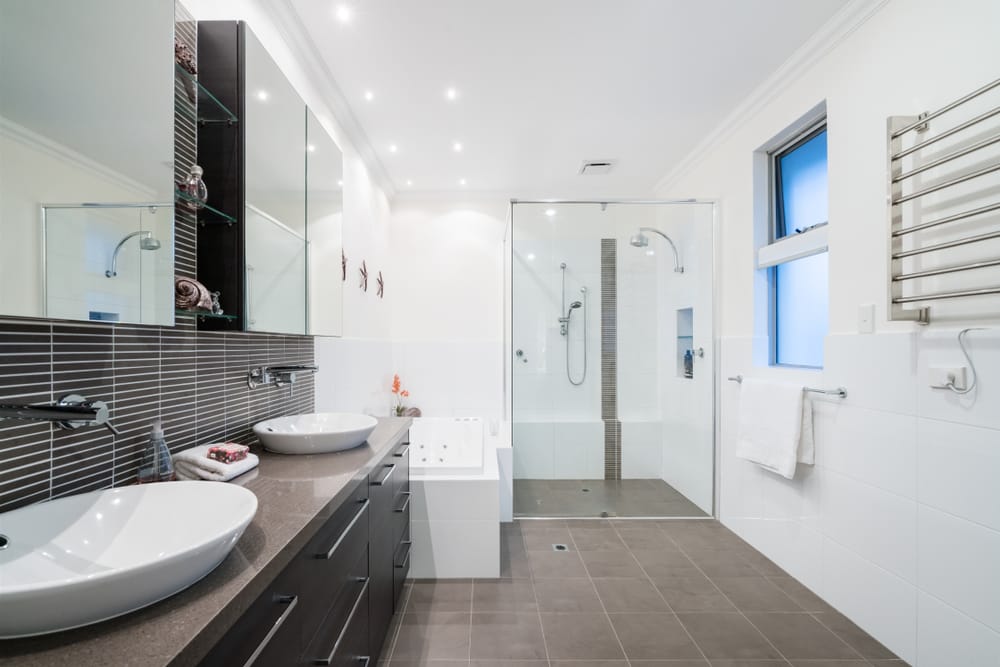
Task lighting fixtures for bathrooms can come in quite handy and make for an effective lighting solution. One of the most popular types of bathroom lighting fixtures ranges that people prefer is recessed lights. These lights are usually found in the corners and would be great for illuminating bathroom lighting if you have low ceilings requirements. Recessed lights store can also be mounted to the walls, which is perfect if your bathing room has high ceilings. If you want to address the issue of night lightings, then use beam angle tips. As a rule of thumb, smaller lights such as sconces can also be used to lluminate bathroom zones. Wall-mounted sconces are great consideration for bathrooms if you want your bathroom service to have that classic look. LED downlights are a great option for your bathroom. Outside of recessed and wall-mounted lighting fixtures, there are also track lights. Track lights are attached to the ceiling and have a reflective material that directs light down. You can even assemble a specific beam angle. In terms of lighting depth, this is probably one of the most commonly used bathroom lighting choices. ## Do I need different bulbs for a bathroom? if you are looking for an elegant look, then the traditional incandescent light bulbs would work well with ceiling lights and recessed lights. However, if you prefer to have a contemporary feel then modern [LED downlights or halogen downlights](/guides/lighting-accessories/halogen-light-vs-led) might be suited for your bathroom. There are no rules that address the requirement of different bulbs and it is a matter of personal choice. ## What are the benefits of LED and halogen downlights? These types of lighting fixtures are more beneficial than traditional incandescent light bulbs because they produce less heat. Because there is no heat from these light bulbs, there's also a lesser chance for you to suffer from electric shock due to moisture. In terms of electricity consumption, these modern lights can save up to 50 per cent more energy compared to incandescent lights resulting in energy efficiency. These two types of light bulbs last longer. If you buy an LED or halogen bulb from a store, it typically lasts between 10 and 20 times longer than regular bulbs. If you're planning on changing your bathroom LED lighting fixture soon then make sure that your selected fixture has the right amount of lumen output: this would address how much light can be emitted by the fixture. The right amount of lumen output for your bathroom should depend on how much lighting you need and how often you use it; if your bathroom zones are bigger than usual, then you will need to increase the luminous flux or lumen output of the light bulb fixture. ## How do I know what size downlight to buy? Downlight sizes are measured in diameter. To know what size downlights that you need, the first thing that you should do is to measure the dimension and width of your bathrooms ceiling. And then search for the bathroom downlights category with this specific protection so you will not end up buying something too big or too small. Also, check the IP ratings of the downlights to ensure that you get the best [downlights with LED light](/guides/electricians/are-downlights-energy-efficient) with colour rendering index. ## What do I need to keep in mind when buying bathroom lighting fixtures? When you are trying to determine which LED bathroom lights installation would be best for your bathroom, start with wattage. The number of watts for your light bulb fixture can vary from 60 watts to 150 watts; although this may not seem like a big difference it does make a significant impact on how bright the lighting will be. For smaller bathrooms space that doesn't have very high ceilings select a 60-watt downlight. For more information on lighting and energy rating, take a look at the [Federal Government's energy rating website](https://www.energyrating.gov.au/products/lighting"). ## How many lumens do I need for a bathroom? Lumens, or the lumen output of a lighting fixture, refers to how bright the light will be. To determine the lumens for your bathroom, you need to take into account how often you use it and how much space and area there is in your bathroom. If you are planning on buying a new LED downlight then look for one with at least 1,000 lumens. If your bathroom is quite a small area in space then consider using LED strip bathroom lights instead of fluorescent strip lights otherwise there would be a bigger risk. These kinds of lighting fixtures come with an adhesive backing that you can easily stick onto the walls and can be cut down to any length. If you are planning on using halogen or incandescent light bulbs then attach these directly to your ceiling.

Downlight vs Panel Light

Downlight vs Panel Light

A panel light is good at ambient lighting and can illuminate a room with even, shadowless light. Downlights are easily used as spotlights to create a focal point. Wall-mounted panel lights are ideal for reading light. A downlight can be positioned very close to a surface and create little to no shadow compared panel light. A well-designed LED downlight can also help to distribute light evenly and when you look at them, the LED strips appear to be of smooth and brighter quality. ## What different ways can I use LED panel lighting? LED panel lights are commonly used as general commercial or office mood lighting, or as task lighting to illuminate a single spot where you need it. Due to its soft light, an LED panel lighting is often used as ceiling adornments too. They're available in various brightness, colour temperature and wattage options. Some people like the [even effect of LED](/guides/lighting-accessories/making-sense-of-led-lighting) panel lighting since it gives them the most perceptible definition of shapes and forms while at the same time giving their eyes enough exposure for activities that require more precision such as reading or working on crafts, or painting a picture. Alternatively, some may want task lighting in order to do fine work for example repairing something or sewing. Another alternative is using accent lighting in the form of LED light panels to highlight architectural details such as around bedroom windows and doors or architectural objects such as paintings and sculptures. ## Downlight spacing It's preferable to have conventional downlights spaced evenly because it minimises shadows, reduces glare, and helps give a room a warmer look. A spacing difference of 30cm between each light bulbs or LED light works well for 60-degree beam installation angles but if you use a panel light with narrower mounted beams (between 20-40 degrees), the spaces between lights should be closer together. This is because as beam angle narrows, the perception becomes more acute and there will be less space for visual cues that can help reduce glare when you move your head about. ## Is a panel light or downlight easier to install? A panel light needs an electrical outlet to be mounted into the ceiling but will occupy [more space than downlights](/guides/electricians/downlight-vs-recessed-light) because of the diffuser and protective cover. Downlights are also easier to aim towards the spot you want to illuminate compared to a panel light that has larger light spread patterns. ## What is luminescence? Luminescence is a measure of how much energy something releases when it is heated up or undergoes a chemical reaction such as combustion. Illumination is different from luminescence which refers to how bright something looks. Luminescence is the quality of light intensity and how much area the light covers (the larger the area, the dimmer it will appear). ## What are lumens? Lumens are a unit of light that is used to describe LED light output. Lumens are one measure of how bright a given light source is. It's not really that relevant in terms of choosing lights though because luminous flux, which determines how much energy a given light or power source releases as heat when it burns, needs to be taken into account as well. The amount of lumens you can get from a specific lighting technology depends on several factors including how many bulbs there are in the installation (in case of a wall-mounted lamp or spotlights), power voltage, efficiency and colour rendering index (CRI). ## Saving on electricity with downlights vs LED panel lights In order to [save on your electricity bill](/guides/electricians/are-downlights-energy-efficient) it's important that you choose the key lighting with appropriate beam angles and middle wattage ratings for the space they will be installed in. For a living room measuring about 5m by 4m, a single narrow beam angle 100W LED downlight can replace two 60W incandescent bulbs while still providing enough light to illuminate and define shapes and forms. The same amount of light power is provided but it has been distributed over a larger area. The Australian Government has a wealth of information available on how best to save money on [household lighting costs](https://www.energy.gov.au/households/lighting).

How Much Do Apprentice Electricians Make?

How Much Do Apprentice Electricians Make?

Apprentice electricians in Australia typically perform a variety of tasks to maintain and repair electric systems. The May 2022 Australian Bureau of Statistics report shows that nearly 297,000 people aged 15-74 were employed as apprentices or trainees. Of these employees, 76 per cent were aged 15-24, 75 per cent male and 55 per cent had started their apprenticeship or traineeship in the last year. The pay rates or salaries for an apprentice electrician in Australia depends on a number of factors, including the state where you live and your level of experience as an apprentice electrician. In general, however, you can expect an apprentice electrician in Australia to get a pay somewhere between $30K to $50K per year. An apprentice electrician may make around $15 per hour to $20 per hour. The salaries and wages of apprentice electricians in Australia are determined by the relevant industrial agreement. The average wage as an apprentice electrician will also increase as you complete your apprentice electrician training and progress through your apprenticeship. ## What work do apprentice electricians perform? Apprentice electricians in Australia typically perform a variety of tasks to maintain and repair electric systems in homes, businesses and other buildings. Some of the most common duties of an apprentice electrician in Australia include installing wiring, troubleshooting problems with various types of equipment and fixtures, performing routine maintenance on existing equipment, and ensuring that all safety regulations are followed. Apprentice electricians in Australia learn how to properly install and maintain electric systems in home and commercial settings while working under the supervision of a master electrician. The first year of an electrician apprentice programme in Australia is often spent learning how to read blueprints, understand different types of electrical wiring and being acquainted with the instruments and [tools of the job](/guides/electricians/tools-for-electricians-in-australia). The program's second year focuses on more sophisticated skills such as building electrical systems, performing repairs, and analysing electric problems. Additionally, many apprentice electricians in Australia also have the opportunity to develop specialised skills related to specific areas of electric work, such as working with large industrial machinery or setting up complex networks during the apprentice period. Overall, working as an apprentice electrician in Australia can be both challenging and rewarding, allowing you to gain valuable experience as an apprentice electrician. ## How long does an electrical apprenticeship last? The length of an apprentice electrician course in Australia can vary depending on a number of factors. In general, however, most apprentice electrician courses in Australia last either 3 to 4 years or 4 to 5 years, with some programs offering the option to complete your training more quickly by working longer hours each week. Additionally, many electrician apprenticeships in Australia include both classroom instruction as well as a hands-on component where you will be actively working alongside experienced electricians to gain practical experience. Overall, the goal of an electrician apprenticeship in Australia is to provide you with the skills and knowledge you need to begin working independently as a fully-certified electrician. ## Where do I study as an apprentice electrician? For the apprentice electrician course there are a number of different options available for those interested in studying. Depending on where you live, you may be able to complete your training as an apprentice electrician through a local community college or technical school, or you can choose to study online through an accredited program offered by a private institution. ## How can I complete an electrical apprenticeship sooner? There are a few different ways you can complete an electrical apprenticeship sooner in Australia. One option is to look for opportunities to complete on-the-job training or entry level positions jobs that will help you get more experience and skills. Additionally, you may consider pursuing additional education or certifications that can accelerate your progress through the program. Finally, if you have some prior experience in the industry, you may be able to take part in an accelerated course that focuses on specific areas of expertise. Whichever approach you choose, it's important to stay focused and organized throughout your training so that you can reach your goals as quickly as possible. ## What other types of specialised electricians are there? There are a variety of specialised electricians that perform specific tasks within the electric industry. These include residential, cable, industrial and high-voltage electricians. Residential electricians work on wiring homes and other buildings where electricity will be used in everyday life. Cable electricians install communication lines for phone companies and television providers as well as working at construction sites to install wires for CCTV cameras or fibre-optic cables. Industrial electricians install electrical equipment for big businesses like factories or large company premises. High voltage electricity is usually only handled by highly skilled professionals who have undergone extensive training programs. ## What does a HV electrician do? A [high-voltage (HV) electrician](/guides/electricians/what-is-a-hv-electrician) is a specialised professional who works with electric systems that carry very high levels of electricity. At these high voltages, safety is a top priority and HV electricians are responsible for planning and implementing the necessary precautions to ensure that their work environments are as safe as possible. . They must also be knowledgeable about the complex electric equipment and machinery used in large industrial settings such as factories or power plants. Depending on their specific role, HV electricians may install new equipment, maintain existing systems, or troubleshoot issues when they arise. Overall, this job requires great attention to detail, excellent problem-solving skills, and an ability to work effectively under pressure. Overall, HV electricians play a critical role in ensuring the safety and reliability of our modern electric systems in Australia. Whether working in large factories or power plants, they are responsible for maintaining equipment and implementing simple yet effective solutions to keep our society moving forward. ## What work does a marine electrician do? [Marine electricians](/guides/electricians/what-does-a-marine-electrician-do) are specialised professionals who work on electric systems in marine environments. This can include installations, repairs and maintenance of equipment such as navigation lights, communication systems, and power generators. Marine electricians in Australia must be skilled at working with complex electric systems that utilise both high and low voltages, often in challenging conditions such as rough seas or extreme weather. They must also have an understanding of the different types of equipment commonly used in marine settings, including radar equipment and sonar devices. To succeed in this role, a marine electrician in Australia must have excellent problem-solving skills and be able to work well independently or as part of a team. Additionally, they should be comfortable using a variety of tools and technologies to get the job done such as electric testing equipment and computer software programs designed to inspect and troubleshoot electric systems.

Why Are My Electricity Bills So High?

Why Are My Electricity Bills So High?

For many people, the biggest reason for a high electricity bill is air conditioning. It's no wonder some households struggle with the costs of energy given the appetite many homes and appliances have for electricity. According to the [Department of Climate Change, Energy, the Environment and Water](https://www.energy.gov.au/households/quick-wins), heating and cooling make up about 40 per cent of home energy use, hot water about 25 per cent of household energy use, appliances about 30 per cent of household energy use and lighting between 8 per cent and 15 per cent of household energy use. There are a number of reasons why your electricity bill might be high. First, you may have an older home that isn't energy efficient. This can make it more difficult to keep your energy costs down and contribute to increased power bills. Another reason could be that you're using too much energy for the size of your home or for the appliances that you have in your home. You could also simply not be keeping up with regular maintenance on things like air filters and HVAC systems, which can cause them to work harder than necessary and increase your energy bill. Residential electricity bills can be a challenge to manage, but taking steps to improve your energy efficiency and understanding where your energy use is coming from can help you keep costs down. ## What runs your electric bill up the most? For many people, the biggest reason for a high electricity bill is air conditioning. If you're using an A/C unit to cool your home, it's likely that you'll be paying a substantial amount each month for electricity, resulting in a high electricity bill. Luckily, there are ways to reduce the cost of cooling your house without waiting for [off-peak electricity](/guides/electricians/what-are-the-off-peak-times-for-electricity) times. To start with, you can use fans in place of your A/C unit whenever possible. Not only will this save energy and money, but it will also help improve ventilation throughout the home so that fresh air can circulate freely in all open spaces. If you must use an air conditioner, look for more energy-efficient models. These models use less energy than less energy-efficient models, thus reducing your energy usage and your energy bill for the next billing period. Additionally, try moving large furniture away from windows and doors where drafts may occur. Doing these things can make a big difference in how much energy is needed to keep your living space comfortable and help reduce your next energy bill. ## How can smart meters help reduce the amount paid for electricity? Smart meters measure your electricity usage in real-time, allowing you to track and manage your energy consumption easily. By using a [smart meter](/guides/smart-home/what-is-a-smart-meter), you can identify areas where you may be wasting electricity or paying more than necessary for certain appliances or activities. For example, if you notice that your air conditioner is running a lot during certain times of day, this could indicate that the temperature in your home might be too high and that you need to adjust it accordingly. Additionally, a smart electricity meter can help you identify peak usage times when energy prices tend to be higher, so you can try to reduce your use at these times or take other steps to minimise costs. Overall, smart meters offer a valuable tool for reducing energy consumption and minimising energy bills. ## Which appliances use the most electricity? There are a variety of appliances that can use a significant amount of electricity, depending on how often they are used and the settings that are used. Some of the biggest culprits include electric heaters, water heaters, refrigerators, freezers, washing machines and dryers. To reduce your energy usage and save money on your electricity bill, try to be more conscious about when you use these appliances and the settings you use for them. For example, if you can wash clothing in cold water rather than hot or warm water, this will help reduce energy consumption significantly. Additionally, setting your thermostat at higher temperatures during the summer and lower temperatures during winter can also help cut costs. ## Will a solar power system cut my electricity costs? There is no definitive answer to this question, as the cost savings from a solar power system depend on several factors. For example, your location and the amount of sunlight available in your area will impact how much energy you can generate with solar panels. Additionally, certain types of appliances or activities may require more energy than others, so it's important to carefully consider your needs before making a decision about whether or not a solar power system is right for you. That said, many people who use solar power systems do see significant decreases in their electricity costs over time. ## Do I need batteries for my solar power system? Depending on your specific situation, you may or may not need batteries for your solar power system. For example, if you're generating more energy than you can use at any given time, batteries will allow you to store this extra energy and use it when needed. However, if you are only generating a relatively small amount of electricity and using the same amount in your home, then adding batteries probably won't be necessary. Ultimately, the best way to determine whether or not batteries are right for you is to consult with an expert who can assess your unique needs and provide recommendations based on those needs. ## How much electricity will a solar power system generate? The amount of electricity that a solar power system can generate will depend on a number of factors, including the size and location of your home or business, the amount of sunlight available in your area, and the type and efficiency of your solar panels. Generally speaking, larger homes or businesses that are located in areas with plenty of sun exposure stand to benefit most from solar power systems. However, it is important to consult with an expert who can provide more detailed information about how much electricity you can expect to generate based on your specific situation. With careful planning and attention to detail, it is possible to significantly reduce or even eliminate your dependence on traditional utility companies for energy needs. ## How much electricity does a family of four need? Some of the key considerations include the size and efficiency of appliances in your home, the types of activities you typically engage in (such as cooking or doing laundry), and whether or not you have any energy-efficient light bulbs or other devices installed. That said, it is generally recommended that families of four use somewhere between 1,000 and 2,000-kilowatt hours per month for optimal energy efficiency. If you have a smart meter, you may be able to get a reading of [electricity use in real-time](/guides/electricians/how-to-read-an-electricity-smart-meter). However, this number may vary depending on individual circumstances, so it is best to consult with an expert or conduct some research to get a more detailed understanding of your energy usage and needs. At the end of the day, being conscious about how you use energy can go a long way toward reducing your electricity costs in the long run.

Stay safe with outdoor electrical installations

Stay safe with outdoor electrical installations

For any electrical work, call a professional electrician to avoid costly and dangerous mistakes. Always take precautions before starting with electrical work. Inspect all the outdoor outlets and look for visible and functional damage. Check the entire area for signs of water or moisture build-up, which could increase the risk of electrocution. Examine the RCD [(Residual Current Device)](/guides/electricians/what-is-an-rcd-switch) every month since they help in avoiding hazards. Avoid any work during bad or stormy weather. Ensure all the electrical appliances are clean. Some electrical devices, especially those placed outside, get dirty, increasing the risk of overheating and fire hazards. Never endeavour to carry out work if not certified and licensed for it. Ensure keeping hands dry before touching appliances or switches. Hold the plug, not the cable, while removing any instrument from the power point. Ensure acquiring accurate information for any potential electrical cable buried underground prior to digging. It's easy to get give free information on where to dig. When working with ladders, check for overhead wires. Before using power extension cables, check if they are meant for outdoor use since not all cables are designed to be used outside. ## How do you protect yourself when doing outdoor electrical installations? First, turn the main power switch off before testing any faults. Plug anything in the socket only when switched off. Put the plug of the electrical equipment inside the socket and then turn on the power. ### Take care of damaged cords If the cord of an electrical appliance is damaged, do not use it. Unwind the cable if wound on a reel to prevent overheating. Never touch any appliances with frayed cords, damaged insulation or broken plugs. ### Wear appropriate clothes Carry a pair of insulated rubber gloves and goggles and wear them while dealing with any electric circuit or branch circuit. This will help in avoiding a major electrical mishap. ### Underground cabling Working outside with underground cables is dangerous if mishandled. Digging with a spade can damage the wires, so dig while wearing insulated gloves. ### Use wooden ladders Using a metallic ladder poses a significant risk of shock when working on height. A wooden ladder is highly recommended for electrical work. ## Can outdoor electrical installations be dangerous? Working with electricity is hazardous work and electricity can cost people their lives in the worst-case scenario. DIY electric work at home without any knowledge is risky. Cutting or just touching the wrong wire can give a [fatal electric shock](/guides/electricians/staying-safe-with-electricity). A small shock is not deadly, but electrocution can give deep internal burns or even worse. Incorrect bulb voltage, the wrong gauge of electric wire, faulty installation of switches and outlet, wrong fuse size or amperage can cause an electric fire that can burn a whole house down if mishandled. A wet outdoor power outlet can give a shock when touched. Uncovered outdoor outlets can cause sparks that can start a fire, whether in use or not. For any electrical work, call a professional electrician to avoid costly and dangerous mistakes and ensure electrical safety.

Checklist for hiring an electrician

Checklist for hiring an electrician

Hiring an insured electrician avoids the risk of being held responsible in case of an accident. Always hire an electrician for any electrical job. Different tasks require different expertise, but you can rest assured a professional will always do a top job safely. Below are some handy tips to hire the right sparky at the right price. ### Compare the fee Collect the quotations of various electricians and compare their service charge - never hire an unlicensed electrician to save money. ### Consider experience Prioritise hiring a renowned electrician, but they may be a little more expensive. These electricians have decent reviews, a good reputation and are trusted. ### Look for references Ask people or check online for references of an electrician as these help in finding trusted personnel with a good reputation. ## What do most electricians charge per hour? Electricians charge around $70 to $110 per hour depending upon the complexity of the field, location and the [nature of work.](/guides/electricians/common-electrical-problems-around-the-home) Below is an average cost of electricians per hour around Australia: | Location | Estimated cost per hour | | -- | -- | | Western Australia | $87 | true | | Tasmania | $80 | true | | Australian Capital Territory | $79 | true | | Queensland | $76 | true | | South Australia | $76 | true | | Victoria | $69 | true | Electricians charge differently for various tasks. For example, installing LED lights costs around $62 to $75, outdoor lights installation costs $70 to $95, fixing a power point is $60 and repairing a meter box costs $250. All these charges are exclusive of the call out fee. Electricians can charge $80 to $100 per hour to perform wiring, usually taking 2 hours. You should spend around $800 for a new switchboard. Rewiring is a complex task and very costly so expect to pay around $3,500 to $8,000 for the complete rewiring of the site. Rewiring a new house can be a bit more expensive, especially if accessing the wires is tricky. ## What should I look for when hiring an electrician? Hiring an [insured electrician](/guides//choosing-an-electrician) avoids the risk of being held responsible in case of an accident and hiring an uninsured electrician will result in liability for any harm caused to them while performing the task. An electrician should provide all the cost estimates of the work before beginning. They must give a rough idea of material and labour expenses separately. Avoid hiring electricians who do not provide cost estimates in advance. Always have a signed contract after negotiating the prices to avoid any misunderstanding. Get a compliance certificate issued after the completion of the contract.

Getting an electrician to install downlights

Getting an electrician to install downlights

Most of us opt for downlights when choosing a lighting solution because of the ambience they bring to a home. The process of installing downlights may involve drilling holes to enclose the downlights, connecting wires to all the lights or bulbs and installing switches on walls to operate them. If the installation of downlights is incorrect, your lights can be vulnerable to fire. This problem has led to tightening of the standards of downlight installation by the Australian Government. To prevent such incidences, you must hire a licensed electrician with a current Electrical Safety Certificate to install downlights to carry out your electrical work. A qualified electrician ensures only a certified mechanical shield surrounds the downlights during installation. [Light Emitting Diode](/guides/lighting-accessories/making-sense-of-led-lighting) (LED) downlights are the most preferred because they are energy efficient compared to halogen downlights. A new downlight may cost between $5 and $95 for each line with your taste and preferences. ## How much do electricians charge to install downlights? The cost of installing downlights depends on the number of downlights you want to install, the type of downlights you prefer, your locality, the hours worked and whether you are replacing old ones. The average cost a licensed electrician will charge you for installing downlights is between $50 and $75 per light plus a service fee of around $150. Professional electricians may also charge between $80 and $110 per hour with a service fee of between $70 and $130 per downlight. To ensure you have the best deal when installing many downlights, compare quotes from different professional traders and suppliers. Consider the location of the lights in your home, your budget and the purpose of the lights when buying and installing. Light –Emitting Diode (LED) and [halogen lights](/guides/lighting-accessories/halogen-light-vs-led) are the common types of downlight used in Australia when light fitting and installing. ## Do you need an electrician to install downlights? You will need to hire an electrician to install downlights in your house because of the extra wiring involved. You can take out an LED downlight and replace it with a new one without having to hire an electrician unless the existing downlight is hard-wired. At least 70 percent of people installing downlights in their homes hire electricians to install the lights for them.

Electrical safety in the bathroom

Electrical safety in the bathroom

Water and electricity together make a very dangerous and even deadly combination. Bathroom electrical safety is necessary to prevent possible harm from the various electrical outlets and devices commonly found in the bathroom. Here are a few safety tips to bear in mind. ## Sockets Ensure sockets are at a safe distance of at least 3 metres away from any source of water such as a bath, sink or shower and at least 300mm or 0.3 metres from the ground. ## Lights The best lights to use are enclosed ceiling lights. If these are not available ensure that the light fittings you use are are at a safe distance away from any potential danger. Using ceiling mounted pull cord switches is a great idea as this prevents damp or wet hands from touching light switches. ## Heater The safest way to keep your bathroom warm is with central heating. However, if an electric heater is necessary, ensure that is anchored in a set place with sufficient space between it and any water source. ## Showers If you have an electric shower, supply it with its own circuit that comes directly from the fuse box. ## Portable appliances Try to avoid using plugged-in electrical appliances in the bathroom. Instead, switch to battery-operated or rechargeable devices. If this is not possible, use protected outlets for your plugged-in devices and unplug and remove them when not in use. ## How do I prevent electric shock in my bathroom? You can practice bathroom safety and prevent electric shock by following the tips below. Always handle electrical devices like an electric shaver or hairdryer with dry hands. When not in use, turn the power off on all electrical devices and unplug them as well to prevent electrocution and fire. Never leave your electrical appliance in the shower, bathtub, or sink. For optimum bathroom safety, avoid bringing equipment and devices such as music players, hairdryers or heaters into bathrooms. All light fixtures and exposed bathroom electrical wiring should be covered to prevent exposure to steam and water. Also replace any switch or outlet showing signs of overuse. Always have a [qualified and licensed electrician](/guides/electricians/checklist-for-hiring-an-electrician) conduct any installation in your bathroom. An electrician will help to ensure electrical safety by having sockets and wiring installed according to the necessary regulations. ## Why is it dangerous to have electrical appliances in the bathroom? Water is an excellent conductor of electricity. If you were to come into contact with electricity while standing in water or with wet skin the water would create an easy pathway for electricity to pass into your body. This would then lead an electrical shock which can cause burns, damage to your nervous system, heart rate and even death. With improper wiring and a ground fault circuit a fire could even be started. For your optimum protection, it is important to take bathroom electrical safety seriously.

Lighting Installation Costs

Lighting Installation Costs

You want lighting installation that enhances the mood and atmosphere of the area while still being functional. Residential lighting solutions are many and varied and while cost can be a big factor when deciding on how to light your living room, it shouldn't be the most important one. You want lighting installation that enhances the mood and atmosphere of the area, while still being functional so ignore the cost of the job in Australia. There are no hard and fast rules for cost as everyone has different tastes. Options to consider include: - Pendant lights - LED lighting - Outdoor lightscaping - Track lighting - Halogen downlights ## Cost to install various lights | Type of light | Estimated cost to install | | -- | -- | | Halogen bulbs | $3 to $7 per light (average $5) | true | | CFL lights | $3 to $7 per light (average $5) | true | | Linear florescent | $3 to $15 per light fitting | true | | LED bulbs | $5 to $25 per bulb (these have the highest life span) | true | ## Cost efficient lighting There are some relatively inexpensive light fitting options on the market, such as tap lights. These small lamps attach to wall surfaces and provide reliable light fixtures for small spaces like bathrooms or closets. Other options include hanging pendants, [downlights](/guides/electricians/are-downlights-energy-efficient) and flush-mounts lights. ## Accent lighting If you want a particular area to stand out, accent lighting fixture or the accent lights is what you need. You can use this type of lamp in your living room while watching television and for up-lighting around countertops in your kitchen, amongst other things. They can be used as bathroom lighting. As with any other type of lighting option, the key is to find solutions that are cost-efficient without sacrificing too much functionality or style. ## Task lighting This is usually associated with desk lamps or the lights above the stove. Whatever the case may be, this sort of lighting is typically bright and provides direct illumination to a small area so you can complete a task. It's not as fast-acting as ambient light, but it certainly gets the job done. ## Decorative lighting There are many different types of decorative lighting on the market today. Everything from string lights for outdoor patios to candle chandeliers in your dining room will help add some style to any area that needs it. Light fixtures with multiple bulbs or lighting options are also very popular and look great when installed correctly. ## Ambient lighting Sometimes general or overall lighting, this option is designed to create the right mood in a room. You'll typically find that this type of lighting comes from overhead fixtures or recessed lighting cans. ## Energy efficient lighting This kind of lighting offers up the same functionality as traditional solutions, but uses less energy and costs less to operate over time. Many cost-efficient fixtures are also considered green products as they take advantage of advances in technology to [reduce power consumption](/guides/electricians/are-downlights-expensive-to-run). ## How much does an electrician charge to install a light fixture? The cost of lighting installation (light fitting costs and rates) will vary depending on the difficulty of the project. For a basic lighting installation, an electrician will typically charge under $100 for a residential light fixture. They may also charge for additional tasks such as running wire from an electrical panel to the fixture and mounting it to a wall or ceiling. Some electricians will [charge a flat rate](/guides/electricians/how-much-does-an-electrician-cost) to install multiple fixtures. Others may charge a flat rate for the entire job. An electrician might also be asked to replace an existing fixture with a new light that has more features or is more aesthetically pleasing. These types of installations typically take longer than installing something new due to removing time-consuming old wiring and mounting hardware from the old light fixture. An electrician will typically will charge the below for certain jobs. | Location | Estimated cost per hour | | -- | -- | | Sydney | $100 to $132 | true | | Adelaide | $85 to $93 | true | | Brisbane | $93 to $97 | true | | Perth | $91 to $95 | true | | Melbourne | $80 to $87 | true | You can expect additional service fees and other charges not included in the above estimates. ## What types of globes should I get? LED lights are the most energy efficient. The best type of lighting for any given room is dependent on the amount of light your home needs. For example, a bedroom with one window will need less lights than a living room where there is only overhead led lighting or led lights. Choose from any of these types and find the right one for your area: ### Tungsten lamps These provide good illumination and can be used in spaces with high ceilings to produce the impression that they're larger. Tungsten lamps are less efficient than other types of lighting, and the bulbs are thicker than others. Rate/Price: Average ### Halogen lamps These are very bright and will provide ample light in any room. However, the heat that is emitted by this type of bulb can damage furniture or artwork in a space if left unattended. They also take slightly longer to achieve full brightness than other types of lights. Rate/Price: High ### Incandescent lamps These are best used for decorative spaces such as dining rooms, living rooms and foyers because they cast an amber tone in the room. The downside to this type of lighting is that it varies greatly in intensity until it reaches its peak illumination level. At times the lamp may appear quite dim. Price/Rate: High ### Fluorescent lamps These are typically found in office buildings or large open areas with tall ceilings. Flourescent lamps produce a bluish-white light, are energy efficient and can last for several years in an office setting. The downside is that they might not be pleasing to the eye when used with paintings or other artwork because it may change the appearance of colours. Rate/ Price: Average ### LED lamps This type of lamp provides significant savings over time. It's also quieter than other options. The LED lamp is typically more expensive up front than other options. However, over time the energy savings results in a lower total cost of ownership compared to other types of lighting. Price: Low ### CFL lamps These are energy efficient and can be used in smaller rooms like bathrooms. The downside is that the light it emits has a slightly blue tint. CFL lamps are not compatible with dimmer switches and are known for their flickering noise. Price: Low ## Do I need to install new wiring for lights? Each lighting fixture will have different needs when it comes to wiring. New lights can simply be connected between an existing power source and an existing light switch, with no additional wiring necessary. If the new light features a connection that fits into an existing wall outlet, then no additional wiring is required. This also applies if your home has a central junction box in which all of the fixtures are plugged into one location. The majority of homes built before 1950 feature this type of arrangement as it was popular during that time period. Each room will need its own dedicated circuit to ensure safety and optimal function for those fixtures. Newer homes typically have more advanced electrical systems that provide separate circuits to each room, either through overhead connections or underground conduits leading from the main connection to the home. It is important that each room be connected to its own circuit board for optimal performance of any lighting fixtures in that location. ## How long does it take to install new lights? A typical installation for a new light fixture takes about an hour and a half to two hours. Adding a new electrical line can take longer depending on how many other lines are running into that area and whether the wiring system needs to be replaced. With a pendant light, you can expect your electrician to be between 30 minutes to an hour. If it's a ceiling fan with multiple lights, it will take about two hours for installation. Installing downlights can be a huge task as not only does the electrician need to run wires, but he will also have to cut a hole in your ceiling that can be as large as 20 cm. This process can take anywhere from three to five hours depending on the length of your ceiling and how many lights need to be installed. ## What are some hidden costs I should know about? Depending on your electrical system and location, you may have a minimum number of outlets required per room or space. If this is the case then the electrician will need to make sure any new lighting fixtures he installs meet those requirements. Making changes can often result in having to upgrade existing systems such as service panels or wiring in order for new lighting fixtures to work properly. Your electrician should run tests after the installation has been completed to ensure that everything is working properly. ## Do I need to upgrade my switchboard? If you find that the new light switches that you install require a lot of travel in order for them to work, then you may need to upgrade your service panel. This will also be necessary if you're simply adding more lighting fixtures and outlets because of growing needs or increased electrical loads. [Upgrading the switchboard](/guides/electricians/how-much-does-it-cost-to-replace-a-switchboard) will require cutting into your walls and ceilings to run wires as well as having an electrician replace circuit breakers with smaller ones that are capable of handling a higher load.

Switch Installation Costs

Switch Installation Costs

An electrical switch on an electrical circuit controls the flow of power in your home from the one location. Many electrical switches are included with electrical home automation circuit systems as part of a bundle for the same price, so you may not have to pay for them separately. Wired electrical switches require electrical power to operate and are more difficult to install than wireless switches. You'll need to run a cable from the switch to your device which might be inconvenient if you don't have an easily accessible power source in the room where your device is located. Wireless electrical switches require no installation and can be placed throughout the building for complete control by the family. They use batteries for electricity that typically last from six months up to two years depending on usage. The downside of both types of electrical switches is that they aren't compatible with all smart home devices; some only work with voice assistants or smart plugs. Another option is to have a pro install a light switch that enables you to control it wirelessly from anywhere in the building. This is useful if you don't want to invest in additional home automation products just yet. To start using this type of switch, simply remove your current light switch and replace it with one compatible. A professional may charge around $100 [on average for installation](/guides/electricians/electrical-installation-costs), which could vary depending on the location of your new switch (and whether any other repairs are necessary). Most switches will include installation instructions. ## How much does it cost? Electricians charge a range of prices for electrical work, with some estimations listed below. | Location | Estimated hourly rate and work | | -- | -- | | Western Australia | $90 for light switch installation | true | | Tasmania | $80 for general electrical jobs | true | | ACT | $80 for light switch installation | true | | Queensland | $75 for a safety switch | true | | South Australia | $75 for a safety switch | true | | Victoria | $70 for general tasks | true | ## Do I need to rewire my house for new switches? If your old wiring is up to code and your new switch replacement will not change current wire connections or add future connections, then you probably do not need to rewire the home. However, if the existing lines are damaged in any way (damaged wires can be very difficult to detect), adding anything may require an electrician or a [Master Electrician](/guides/electricians/what-is-a-master-electrician) for installation. If there's no wiring behind the wall that contains the box you're switching out, then you'll need a professional (local contractors) for proper installation of any new wiring in the entire house. In cases where the wiring behind your switch is both old and rusting (as in an older home), installation costs may climb higher than average. An electrician will probably charge between $97 and $165 for installation on average. This could vary depending on the location of your switch, a number of additional devices to be used in conjunction with it (e.g., dimmer switches vs basic light switches) or whether any other repairs are necessary to complete the work. Most installers also provide customers with a template that will aid you in deciding where you need your new switches installed. For more information on using switches to keep your family safe, take a look at the Queensland Government's [electrical safety guide](https://www.electricalsafety.qld.gov.au/electrical-safety-home/safety-switches). ## How much does a new switch cost? The cost or the price of a new piece also depends on the type that you're opting to install. Wired switches can run between $24 and $30, while wireless smart switches range from $20 for basic models up to $120. Wireless dimmer switches are typically priced at around $70. Installing a smart light switch will require an electrician, so expect installation fees as well (anywhere from $90 to $160). ## Cost of new smart light switches For wired smart switches, you first need to run an Ethernet cable from the switch all the way up to where your router is located. This may cause some inconvenience if you don't have an easily accessible power source in the room where your device is located. The below product cost guides are estimates only. Costs to install a switch are excluded here. All the costs are per unit only. | Product | Estimated cost | | -- | -- | | Smart light switch by Wemo (Wi-Fi) | $85 | true | | Smart switch by Leviton Decora (Wi-Fi) | $72 | true | | Smart light switch by Ankuoo Neo | $37 | true | | Smart mini plug by TP-Link | $100 | true | | Smart light switch by TP-Link (Wi-Fi) | $68 | true | ## What is a smart light? A smart light is any lighting fixture that can be controlled through an app by the user. The most basic models are wireless light bulbs that screw into lamps and can be turned on using a smartphone app. Dimmer switches, meanwhile, are good for power users who need to control lights remotely or set up schedules. They work by plugging into an outlet and then wiring them into the circuit breaker box to complete the installation. Their cost is high and the cost becomes a major factor if you're on a budget. Smart plugs are designed specifically to work with LED bulbs by plugging directly into an outlet and connecting to an existing WiFi network. These devices will only turn on when there's movement in your home and they can be scheduled to activate at specific times. They are great for reduced energy consumption or turning off lights when you're not home. They're like a dimmer switch. ## Do I need a new switchboard? If you're replacing a light switch, it is not necessary to rewire the entire home, as most light switches are wired separately from other major wiring. Replacing a light switch should not require more than an hour's worth of work. Wiring is generally run through the switchboard (the main box that distributes power throughout your home) and its most basic purpose is to ensure electrical safety by preventing overloads. You may need to [upgrade your old switchboard](/guides/electricians/installing-a-new-electrical-switchboard) if it doesn't have enough space for additional sockets, but this would depend on the age of your home as older homes were often built with smaller switches and lower wattage appliances. Replacement of an existing switchboard with one capable of running modern electronics will require rewiring the entire building, which may cost anywhere between $500 and $3,000 depending on how many outlets you're planning to install. ## Do you need an electrician to install a light switch? There are DIY kits available at home improvement stores that let you upgrade your old light switches to smart ones, but in most cases, the work is better left up to professionals. Most homes have customised wiring systems that require extensive knowledge and technical skill to fix. That means hiring an electrician to do the job is a much more sensible option than trying to figure it out yourself. Depending on where your switchboard is located, it's possible that replacing a light switch may not need the help of an electrician. If you're looking to install dimmer switches or smart plugs, getting an electrician will be well worth the money as these types of jobs require greater technical expertise. Installing light switches requires some wiring that will likely be difficult for most homeowners to do themselves without damaging the house's existing infrastructure. Whether you need to get a dimmer switch set or multiple dimmer switches, calling in a [professional electrician](/guides/electricians/do-i-need-an-electrician) is a good idea. ## How much does it cost to install a safety switch? Safety switch prices depend on the type of product and its features. For example, a traditional light switch with basic mechanical components may be sold for around $10-$20, while switches with more advanced technology can cost upwards of $100. They have an electrical line that controls the power going to your appliances and a second line that checks if someone is still using them. This technology helps reduce energy waste and makes it safer to use electrical appliances like heaters or air conditioners in your home. The average cost to install a switch is between $70 to $100, but you will need to add the call out fee to the hourly rate. It'll take no more than an hour to install a switch. If you need a new circuit, it can take several hours for the entire process. Some home improvement project companies charge just $50 call out fee. ## How many safety switches do I need? It depends on the size and layout of your home and the electrical current. The requirements for safety switches varies according to the type and function of the appliance. For example, if you're installing a safety switch for an outdoor light, it only has to turn off when the light goes out. This would require just one safety switch equipped with a photocell that will detect any sudden changes in light levels. With a gas stove or fireplace, you'd need at least two safety switches at two locations to make sure your home is protected from possible fires at the same time. Most safety switches come with a limit on how many appliances can be controlled by one unit. It's best to buy the right number of switches upfront for other appliances so you don't have to replace them later, which could prove costly if they are not compatible with existing wiring systems. ## How much does it cost to install an RCD switch? Installing an RCD switch is a relatively straightforward process. It doesn't require any rewiring. The cost of these products can vary widely depending on their brands and features. An [RCD Switch](/guides/electricians/what-is-an-rcd-switch) installed outdoors has to be designed to withstand harsh weather conditions and would require quality materials and workmanship for it to last through all seasons. RCD installation can cost around $190 for the installed unit, completely installed.

Tools for Electricians in Australia

Tools for Electricians in Australia

A toolbox should always be organised and stocked well to ensure everything to complete a job is on hand and easily found. It can be hard to carry out electrical work without proper tools - specialised tools designed for specific tasks. These tools can be categorised into two groups, hand tools which require manual energy and power tools which rely on electrical energy to run. Hand tools include pliers, long-nose and needle-nose and a screwdriver. Wire strippers are necessary tools and fish tape helps electricians work around any live circuit. Fish poles enable electricians to pull wires in the ceilings and down walls. Labelling tools are also crucial for making labels during installation. Powered tools include power drills and hand saws. ## What should be in an electrician's toolbox? You can be a [skilled electrician](/guides/electricians/how-much-does-an-electrician-cost) but without adequate tools, you will find it challenging to do your job. Pliers should be in every electrical toolbox - either linesman's, diagonal or long-nose. Wire strippers for stripping any insulated wire is critical Another tool is roto split suitable for opening up an armoured cable. A volt meter is necessary to measure the voltage of the electricity, current and frequency. Your toolbox should also have a voltage tester to check for flow of current. Drill bits, hacksaw, razor knife, headlamp and hammers are all required for a complete toolbox. ## Tools every electrician needs There are so many electrical tools nowadays, each with specific design meant to make electrical tasks much easier. However, there are some must have tools for [all electricians.](/guides/electricians/checklist-for-hiring-an-electrician) First, a multimeter is necessary for voltage, current and resistance measurement. You will also need a voltage tester - this helps determine if a device is live to ensure safety. Strippers are also needed to cut and strip any insulated wire. A circuit finder is a great tool to have. This makes it easy to find a directory of a circuit in any building. Also, ensure you have screw and nut drivers on site. Needle nose and tongue pliers are important. Electricians should also have a fish tape necessary for pulling a wire through conduit. A tapeline is also needed for taking precise measurements. Make sure that you also have a hammer for removal of nails. A level is also necessary and make sure you have a torch to light up any dark side corners. Finally, you will need a handy utility knife or boxcutter.

How much does it cost to rewire a house?

How much does it cost to rewire a house?

A significant benefit of rewiring is that you can create an independent circuit for vital home appliances. Rewiring a whole house is quite an expensive task. The overall cost to rewire depends upon numerous factors but on average, expect to pay between $4,000 to $8,000 to rewire a medium-sized house. Bigger houses cost more as they demand more material and more labour costs per hour. The cost will depend upon the following: - Size of the house . - Materials needed (amount of wire, switchboards, outlet and other electric equipment). - Electrician's hourly rate. - Additional charges for materials. - Location of the house. The high cost depends upon the labour charges and the material required. The material needed for house wiring includes electrical components like switches, power points, copper wiring and a switchboard. New switch, outlet or power point can cost between $60 and $120, copper wiring can cost between $600 and $650 and a [new switchboard setup](/guides/electricians/installing-a-new-electrical-switchboard) will be worth around $2,000 to $3,000. The average cost per number of room is: $1,500 to $5,000 for a two-bedroom house $4,000 to $8,000+ for a three-bedroom house $10,000 to $12,000 for a four-bedroom house The labour charges mostly depend on factors, including the electrician's hourly rate and the accessibility of electrical components. An electrician's rate per hour varies between $70 and $80. Homeowners may also pay additional charges such as a call-out fee or an after-hours charge. Access to electrical components play a vital role in defining the pace of the work, and the work will be easier and faster if electricians have easy access. ## Is it worth rewiring a house? Though the process is costly, it is still worth it because unsafe electrical wiring might force homeowners to partially demolish walls or even the house to rewire again in the future. Other significant benefits of rewiring are listed below. ### Safety Rewiring the house ensures that all the electric appliances, family members, and the whole structure of the house are protected and safe from any [electrical issue.](/guides/electricians/electrical-safety) ### Better service capacity The new wires will conduct the electricity efficiently. ### Cost-saving Modern wiring will make your wiring more efficient than a legacy system. ### Increases house value If looking to sell your house at the best market price, rewiring might be crucial. Rewiring a house might make it attractive to buyers who are not into home improvement. ### Separate circuits A significant benefit of rewiring is that you can create an independent circuit for some of the vital home appliances. ## Why do you need to have your home rewired? Fitting a house with upgraded wiring and electrical components is essential to staying safe. Safety is the foremost reason to get the house rewired, and it should be a primary concern as it can reduce the risk of electrocution and electric fire. It ensures that the house is up to Australian standards and can handle the current energy load. If living in a house built more than 30 years ago, it may have its original wiring, which cannot withstand the current electricity load. Below signs notify the need for rewiring: - Burning smell from the wires. - Hot, charred and discoloured power outlet. - Circuit breaker tripping regularly. - Unusual sparking and odour from switches. - Flickering and dim lights. Contact a qualified and [licensed electrician](/guides/electricians/checklist-for-hiring-an-electrician) if these issues are found. Doing electrical work without a qualification is illegal.

What is Electrical Grounding Wire?

What is Electrical Grounding Wire?

Grounding causes a fuse to break or trip at the circuit breaker in case of a fault. Electricity is dangerous if mishandled or if the wiring system has a fault or malfunctions. Electrical grounding is the process of safely dissipating an electricity charge. Grounding in the electrical supply system is the part that removes excess electrical charge by transferring it to another object to be neutralised, such as the earth. The excess charge follows the path of least resistance to discharge. If not neutralised, a power surge will toast appliances. If a conductor object, for instance, a human being or an animal comes into contact with an overcharged electrical system that is not grounded, they will act as the ground. If that happens they suffer an electric shock or electrocution. Household grounding begins at the utility pole. A bare wire connected to the neutral wire is buried underground. ## How does electrical grounding work? Grounding provides safety to anyone who uses electricity. Utility pole grounding safeguards the entire system from surges that may be caused by lighting. The [grounded connection](/guides/electricians/electricians-and-electrical-glossary) directs the current to flow back to the ground. Within electrical systems, surges may cause components of electronic equipment to burn. Grounding helps channel excess electricity away from the gadgets. Grounding causes a fuse to break or trip power at the circuit breaker in case of a fault. Harmful current gets terminated at the electrical box before reaching wiring systems. ## What are the wires in a power cable? Grid electricity cables carry [very high voltage](/guides/electricians/electrical-safety) and low current. For everyday use, a step down transformer “steps down” the voltage and increases the current. Power is accessed from socket outlets to a standard 3-pin plug. The 3 prong socket outlet and plug pin have three wires. The first is the active or the hot wire that carries the charge from the generation point to the point of use. It transmits the voltage and it could be harmful to touch. It is brown in current power cables and red in older versions. The second wire is called neutral. It completes the circuit and acts as the return path. Currently, it’s blue but was black in past systems. Ground, the third wire, is a requirement. It connects to the neutral. It channels away any surges, providing safety to a connected device and users. It is green/yellow in the modern system and green in older installations. The ground wire and the third prong all connect to the grounding earth on the socket outlet and the plug.

Installing a New Electrical Switchboard

Installing a New Electrical Switchboard

Frequent electrical problems may be an indication that you are using an old switchboard. Every building with an electricity connection requires an electrical switchboard for the effective distribution of power. The switchboard helps distribute electric current from the main source throughout the home. If you require additional power outlets, you should first consider a switchboard upgrade to ensure adequate safety for everyone in the homestead. Your choice of electrical switchboard may differ depending on the electricity consumption of each individual home. Different homes have different appliances that consume electric power at different rates hence the need for switchboards that can handle such needs. During installation, electric power of the whole building is isolated at the central switchboard for safe installation. No old fuse is used. [Circuit breakers](/guides/electricians/what-is-a-circuit-breaker) and residual current devices (RCD) are housed in an 8-12 pole enclosure. The circuit is then re-joined into RCD or the current breaker to ensure there is adequate safety for everyone. An inspection is then performed to the electrode to ensure that it's still suitable as a main earthing conductor. After installation, electrical safety tests are conducted several times. This helps check if there's any electrical faults and ensure optimum protection for the house and the occupants. ## When should you replace your switchboard? The electrical structure of any home relies on the switchboard for effective power supply. An electrical switchboard upgrade is often required to comply with safety standards. For example, there should be a safety switch installed in lighting and circuits for home protection against electrical related risks. The switch is meant to help shut the circuit when there is an overload on the switchboard. It's also a regulation requirement that you [use RCD](/guides/electricians/what-is-an-rcd-switch) instead of ceramic fuses. The following are some of the indicators that show the need for switchboard upgrade. If you see your lights flicker, it's an indication that your switchboard is faulty and needs a replacement. Another sign is short circuiting when you use many appliances, which can show the inefficiency of the switchboard. You also might need an upgrade if your fuses continue to blow. A switchboard also needs a replacement if it appears overcrowded. ## How much does it cost to upgrade a switchboard? Frequent electrical problems may be an indication that you are using an old switchboard An outdated switchboard cannot effectively distribute electrical current to modern electrical appliances. That's why you will experience a short circuit when more power is needed. To avoid this, you need a switchboard upgrade. The cost of replacing a switchboard varies depending on the electrician hired and the switchboard size. Always seek the advice of a qualified electrician on the capacity of a suitable switchboard. Generally, it will cost you around $500 and $1,800 for a 160 and 250 amp switchboard respectfully. To upgrade your switchboard, you will [need an electrician.](/guides/electricians/checklist-for-hiring-an-electrician) Electricians mostly replace older switchboards with new ones at a rate of at least $70 to $95 per hour. To fix a new switchboard, it will cost you from $900 stretching up to $1,200.

Frequently Asked Questions

⚡ What does an electrician do?

A licensed electrician can install, service and repair electrical components in residential, commercial and industrial properties.

⚡ What is data cabling?

Data cabling acts as the basis for a network, which transmits and shares information between users.

⚡ Can an electrician rewire my home?

Yes, electricians can undertake home rewiring if you are remodelling, or your wiring has deteriorated.

⚡ What does a safety switch do?

A safety switch is designed to protect against electrical shock by shutting off when current leakage is detected.

⚡ Are circuit breakers different to safety switches?

Yes! Circuit breakers protect circuit wiring and appliances where safety switches protect people from electrical shock.

⚡ What is testing and tagging?

Testing and tagging involves checking the safety of portable electrical appliances.

⚡ I have no power, what do I do?

Check your switchboard for a tripped system first, and then call a local electrician.

⚡ Can I fix minor electrical problems myself?

No. To avoid electrical shock or further damage always call a professional to undertake electrical repairs.

Download Our App
Screenshot of the Localsearch App
Card highlighting that you can claim and future proof your business with the Localsearch App

Localsearch App

Find local businesses - anywhere, anytime.

Available on the Apple App Store iconAvailable on Google Play icon
Screenshot of the Localsearch For Business App
Screenshots of the Performance and Notifications sections of the Localsearch for Business App

Localsearch For Business App

Manage your business - anywhere, anytime.

Available on the Apple App Store iconAvailable on Google Play icon