
UPVC vs PVC pipe
What's on this Page?
Where are UPVC pipes used?How can you tell the difference between PVC and UPVC?Where are PVC pipes used?Can UPVC pipes be used for hot water?How are PVC and UPVC pipes made?What lengths can I buy UPVC or PVC pipes in?How long do UPVC and PVC pipes last?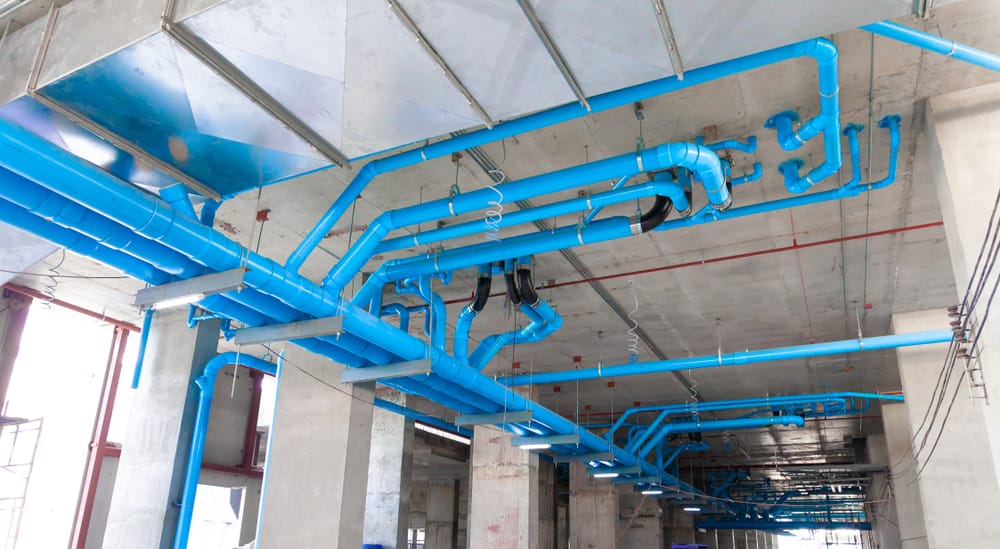
20 March 2023 · Last updated on 20 March 2023
UPVC pipes are most commonly used in residential or commercial building structure for water supply and drainage systems. UPVC (unplasticised polyvinyl chloride) has a few advantages over PVC polyvinyl chloride. It is more resistant to chemicals, temperature extremes, and electrical currents. In addition, it can handle higher pressures than regular Polyvinyl Chloride pipe due to its rigid construction, making it suitable for use in water-supply systems. It does not corrode or degrade like PVC pipe when exposed to saltwater or UV light. UPVC can be formed into many applications and offers excellent thermal performance, is long lasting and requires very little maintenance, according to the YourHome website. https://www.yourhome.gov.au/passive-design/glazing UPVC is more expensive than regular PVC pipe, so it may not be a practical choice for those on a tight budget. Additionally, UPVC requires specialised tools and skills to install properly, so it is not recommended for DIY projects. UPVC also tends to be a more rigid material than regular PVC pipe, which can make it difficult to fit into tight spaces or around turns. It is also more energy efficient than PVC. Overall, both UPVC and PVC pipes are excellent materials for plumbing applications. The best option for your project will depend on factors such as cost, durability, convenience, and ease of installation. You can consider PVC piping for all plumbing activities as it is a good alternative to copper and aluminium pipes.
Where are UPVC pipes used?
UPVC pipes are most commonly used in residential or commercial building structures for water supply and drainage systems. They can also be utilised for industrial applications such as irrigation systems, chemical transportation, and gas pipelines. UPVC pipes are more resistant to environmental factors such as sunlight, temperature extremes, and chemical agents, making them suitable for underground installations. In addition, their flexibility makes it easy to install them around tight spaces or curves UPVC is also becoming a popular material for window frames and door frames due to its insulation properties and durability. UPVC windows have higher energy efficiency properties. It is also gaining traction in the medical field as an alternative to metal tubing for intravenous lines due to its non-toxic nature. Finally, Unplasticised PVC is often used in the pipe constructions of furniture frames and fittings due to its lightweight and corrosion-resistant properties. It is used in place of cast iron for heavy-duty plumbing. Due to its cost-effectiveness, it is used in sewage lines, waste lines, and irrigation systems. UPVC is the major raw product for plastic pipes in the world because of its resistance to chemical erosion and smoother inner walls. The smooth surface aids water flow. It is used in other plastic products also. It is often called rigid plastic pipe, whereas PVC is called flexible plastic. Overall, UPVC is a versatile material that offers many advantages over traditional materials such as steel or iron. It is an ideal choice for a range of plumbing, medical, and construction materials
How can you tell the difference between PVC and UPVC?
The main difference between PVC and UPVC is that UPVC is a stronger, more durable material. This is because UPVC contains plasticizers, stabilizers, and fillers which give it additional strength. To the naked eye, you may be unable to tell the difference between PVC and UPVC as they can look very similar. However, if you have them side-by-side, it should be relatively easy to spot differences in texture and colour. To be certain of what type of pipe you are dealing with, it’s best to use a tool such as a caliper or a ruler to measure the thickness of the material. PVC pipes tend to be thinner than UPVC due to their lack of additives. In addition, when exposed to very high temperatures, PVC will expand while UPVC will remain intact.
Where are PVC pipes used?
PVC pipes are most commonly used in residential water pipes and commercial plumbing applications, such as water supply and drainage systems, electrical cable insulation, and pool circulation systems. It is used in electrical cables insulation which is why PVC-coated wires are common. In addition, they are also used for industrial purposes such as chemical transportation, irrigation systems, and gas pipelines. Larger PVC pipes are used in transporting non-potable water. PVC is a popular choice due to its affordability, flexibility, and corrosion resistance. It can be easily installed around tight spaces or curves with minimal effort. In addition to plumbing applications, PVC is often used in the construction of furniture frames and fittings due to its lightweight nature. Finally, slender PVC pipes are also being utilised for medical tubing for intravenous lines due to its non-toxic properties. PVC products are also used in car cables, shower curtains, car interiors, and sometimes medical equipment. But it is not used in window frames as UPVC windows are better options. Overall, PVC is an excellent choice for a variety of home improvement projects and plumbing applications. PVC wires can form HCL fumes when burning or subjected to too high temperatures.
Can UPVC pipes be used for hot water?
Yes, UPVC piping is suitable for both hot and cold water systems. In fact, UPVC pipes are a popular choice for hot water systems due to their resistance to temperature extremes and corrosion. This makes them ideal for high-pressure systems as well as underground installations where heat and pressure levels may fluctuate. A UPVC pipe is thought of as a rigid PVC pipe and it is used to replace wood in construction such as double glazed window frames (a.k.a. vinyl siding). However, it is important to note that UPVC is not suited for DIY projects due its rigidity and inflexibility Overall, both UPVC and PVC pipes offer excellent solutions for residential and commercial plumbing applications. The best option will depend on factors such as cost, durability, convenience, and ease of installation. UPVC is the preferred material when dealing with high-pressure or temperature extremes while PVC can be used in simpler DIY projects or furniture frames. Both materials offer excellent corrosion resistance and flexibility which make them great choices for a variety of applications. However, neither PVC nor UPVC can be used to transmit drinking water; chlorinated polyvinyl chloride is used instead. Chlorinated polyvinyl chloride is obtained by chlorinating polyvinyl chloride. The best part is chlorinated polyvinyl chloride pipes (CPVC pipes) is that they can transmit both cold and hot water.
How are PVC and UPVC pipes made?
PVC and UPVC pipes are made from polyvinyl chloride (PVC) resin, a white powder that is mixed with plasticizers, stabilizers and other additives. For UPVC pipes, the additional ingredients give the material increased strength and durability. The mixture is then heated up to create molten PVC which can be shaped into tubes through a process of extrusion. Finally, the tubes are cooled down and cut into various lengths before being sold as pipes. In the PVC vs UPVC manufacturing process, plasticisers are added when making PVC. This is why PVC are more flexible and UPVC sometimes needs solvent cement for fitting.
What lengths can I buy UPVC or PVC pipes in?
UPVC and PVC pipes come in a range of standard lengths, typically from 1 to 6 metres. However, it is also possible to have the pipes cut into custom lengths for specific projects or applications. Some suppliers may even offer pre-cut UPVC tubes in shorter sizes such as 10cm, 20cm or 30cm. PVC comes in the nominal pipe size, which is the galvanised steel pipe size. CPVCs are the ones sold according to copper tubing in copper plumbing systems. It’s always best to check with your supplier beforehand if you require custom lengths or sizes Overall, PVC and UPVC pipes are popular materials for plumbing applications due to their affordability, flexibility, and corrosion resistance. PVC is best used for residential and DIY projects while UPVC should be used in high-pressure or temperature extreme environments.
How long do UPVC and PVC pipes last?
The lifespan of PVC vs UPVC pipes largely depends on the environment in which they are used. Generally, PVC pipes will have a shorter life expectancy due to their lack of additives and susceptibility to heat expansion. However, when used under normal conditions and properly installed, PVC pipes can last up to 20 years or more. On the other hand, UPVC pipes tend to have a longer lifespan as their extra ingredients give them greater strength and durability. With proper installation, UPVC pipes can last for up to 50 years or more. Ultimately, both materials offer excellent solutions for residential and commercial applications with correct maintenance and use.
Content on this site, including cost guides and industry articles, is for general information only and may not reflect current conditions. Localsearch does not provide professional advice and makes no guarantees on accuracy or completeness. Costs are estimates and may vary considerably. Users should not rely solely on this information for making decisions. We strongly recommend consulting qualified professionals before acting on any information provided. Localsearch accepts no liability under Australian law for any loss or damage arising from reliance on this information. Click Here
Download Our App


Localsearch App
Find local businesses - anywhere, anytime.




Localsearch For Business App
Manage your business - anywhere, anytime.