
How does pool plumbing work?
What's on this Page?
What drains the water from a pool?How many litres of water does the average swimming pool hold?What is the purpose of pool plumbing?Where does a pool drain to?What type of pipes are used in swimming pools?How is a pool skimmer plumbed?What size should pool pipes be in mm?What can go wrong with pool plumbing?How often do I need to run my swimming pool filter?
20 March 2023 · Last updated on 20 March 2023
Swimming pool plumbing connects the pool's main drains, skimmer and pump to the filter system. The water is pushed through the plumbing to the filtration system and back into the swimming pool via jets on the pool wall. Ordinarily, jets point the water towards the deep end. These pool components are connected with PVC plumbing pipes, typically joined together with fittings that allow easy installation. The pump that pushes and draws water has a line that connects to the pool heater. This allows hot water to be pumped back into the swimming pool. For your pool heating system to work properly, all of these connections must be in place and functioning correctly. A check valve is usually attached to the return line that sucks in pool water and sends it back to the pool. This helps balance out the pressure of incoming and outgoing water so that your pump is not overworked or underused. With proper pool maintenance, you can ensure that your pool plumbing system is functioning correctly and safely for years to come. Keeping an eye on all components and ensuring that there are no leaks or clogs in the plumbing lines will help ensure you have a safe and enjoyable swimming experience at home. Regularly checking your pool system can prevent costly repairs caused by wear and tear over time.
What drains the water from a pool?
The drainage system for an inground pool usually connects to the water mains. The main drain pipe works by pulling water from the bottom of your pool, which then flows through the suction line and into a separate container or drainage system. Depending on the size of your pool and the type of pool pump you have, you may need to add additional skimmers to clear out all dirt and floating debris. Skimmers installed on the pool walls work with the main drain to keep your pool clean and free of unwanted contaminants. Once the water reaches this point, it can either be sent back into the pool using recirculation pumps that pull water from the pipes underground, the main drain, and the skimmer components or removed entirely via an external sump pump or dedicated drainage area.
How many litres of water does the average swimming pool hold?
The amount of water a pool holds will depend on the size and depth of the pool, but most residential pools range from 30,000 to 50,000 litres. A typical Olympic-sized swimming pool can hold up to 2 million litres of water.
What is the purpose of pool plumbing?
Pool plumbing ensures water flows efficiently throughout a swimming pool's components. This includes connecting the main drain, skimmer, and pump to the filter system, ensuring that all the water is being filtered properly. It also connects the pool pump to other heating systems to heat up the water in your pool. Without proper pool plumbing connections, your pool may be unable to maintain a healthy environment or the high-quality water circulation necessary for optimal performance.
Where does a pool drain to?
The water from a pool typically drains into the main drainage system when using the wastewater setting on the pool filter. The pool will typically drain into a dedicated drainage area or sump pump if it does not have a wastewater setting. Additionally, some pools are designed to be connected to an external draining system that can take the water away from the property for treatment and/or recycling.
What type of pipes are used in swimming pools?
The most common types of pipe used in pool plumbing are rigid PVC (polyvinyl chloride) pipes, which offer excellent durability. CPVC (chlorinated polyvinyl chloride) pipes may also be used, as they can withstand higher temperatures than regular PVC pipes. Additionally, flexible PVC pipe may sometimes be used to navigate tight bends or difficult angles. Regardless of the type of pipe used, all plumbing must conform to local and national codes to ensure safety and proper installation. Pipe connections are made with PVC glue, although threaded fittings are also available. To prevent leaking at the joints, apply pipe dope or glue on the male threads before connecting the pipes.
How is a pool skimmer plumbed?
A pool skimmer is typically plumbed using a section of rigid PVC pipe that runs from the main drain to the pool's skimmer box. This pipe should be securely fastened at both ends and sealed with silicone caulk or another waterproof sealant. Most swimming pools will have more than one skimmer for effective pool water clarity. Once the pipe(s) are in place, the pool skimmers can/are connected to the return lines of your filter and pump system. This will allow for the proper circulation of water throughout your pool and help keep it clean and free of debris. Larger debris that makes its way past the floating weir is collected in the skimmer basket. Another basket at the skimmer bottom collects finer debris before the water returns to the pump. Additionally, you may need to install additional pipes if you plan to add a heater or features like a fountain or waterfall.
What size should pool pipes be in mm?
The size of pool pipes will depend on the flow rate required for proper water circulation. Generally speaking, standard PVC pool pipes should be at least 50mm in diameter, while flexible pipes used in tight spaces can range from 25mm to 32mm in diameter. When in doubt, it is always best to consult a qualified pool professional or pool company who can advise you on the best size and type of pipe for your particular needs.
What can go wrong with pool plumbing?
A few things can go wrong with pool plumbing if it is not cared for properly. Poorly maintained pipes and connections can lead to leaks, reducing the efficiency of your pool's circulation system and wastewater. Additionally, clogged pipes or inadequate pipe sizes may limit the water flow rate and cause filtration or heating systems issues. Finally, using the wrong materials or failing to adhere to local codes can result in hazardous conditions such as electric shock or equipment damage. Pool plumbing can also get damaged due to poor temperature control or weather conditions.
How often do I need to run my swimming pool filter?
Most experts recommend running your pool filter for at least 8 hours per day during the swim season. However, this may vary depending on the size of your pool and other factors such as the number of bathers, weather conditions, and water chemistry balance. It is always best to consult a qualified professional to determine your situation's optimal run time. Additionally, keeping up with regular maintenance, such as cleaning or replacing filters, can help ensure that your system runs efficiently and effectively.
Content on this site, including cost guides and industry articles, is for general information only and may not reflect current conditions. Localsearch does not provide professional advice and makes no guarantees on accuracy or completeness. Costs are estimates and may vary considerably. Users should not rely solely on this information for making decisions. We strongly recommend consulting qualified professionals before acting on any information provided. Localsearch accepts no liability under Australian law for any loss or damage arising from reliance on this information. Click Here
Download Our App
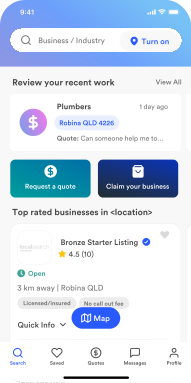

Localsearch App
Find local businesses - anywhere, anytime.


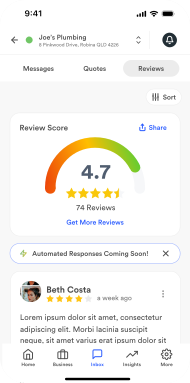
Localsearch For Business App
Manage your business - anywhere, anytime.