
How do motorbikes work?
What's on this Page?
How does a two-stroke engine work?How do you start a motorcycle engine?What types of motorbikes are there?Where can you ride motorbikes off-road in Australia?What does CC mean in motorcycle engines?What is a litre bike?Do motorbikes have traction control and ABS?How should I maintain my motorbike?How fuel efficient are motorcycles?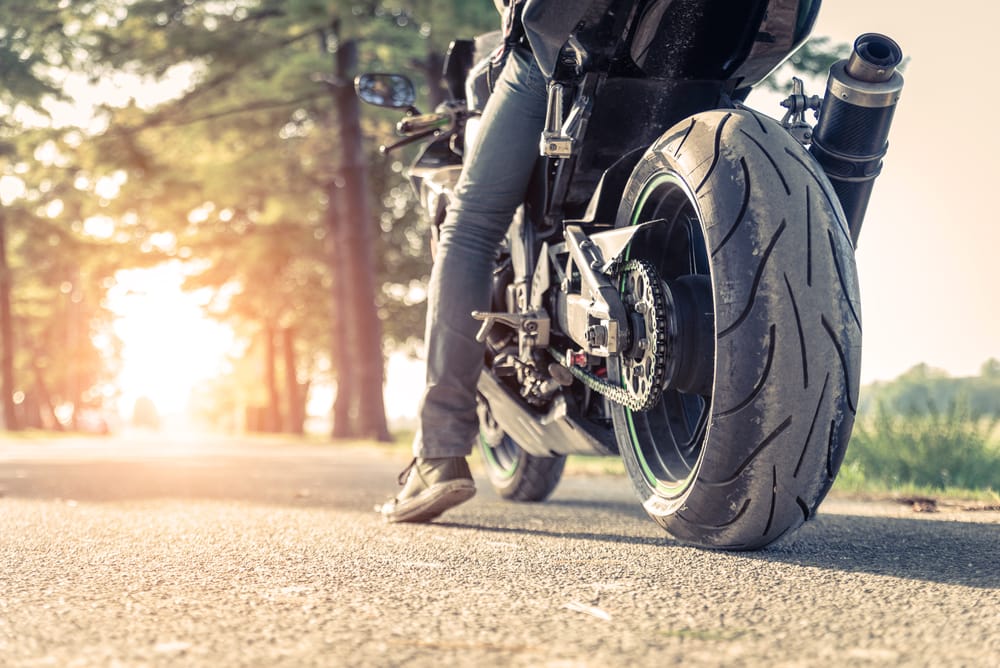
20 March 2023 · Last updated on 20 March 2023
There are many types of motorbikes available, depending on the type of riding you want and your budget. Australians love riding motorbikes on and off the road, with year-on-year sales of road and off-road motorbikes steadily increasing. In 2021, according to the Federal Chamber of Automotive Industries, 53,118 off-road motorbikes were sold, an increase of 18.8 per cent year on year. Some 37,270 road motorbikes were sold in 2021, an increase of 6.8 per cent. A key part of enjoying motorbike riding is staying safe, with many state-led initiatives designed to help both novice and seasoned riders to ride responsibly. The main component that makes motorcycles run is the engine which provides power for the motorbike. It can be either a two-stroke or four-stroke internal combustion engine. This power is then transferred to the rear wheel via a transmission system like a chain or belt, depending on the type of motorcycle you are using. The transmission system will then transfer the power to the rear wheel, which turns it and propels the motorcycle forward. The gasoline engine is the main component that powers a motorcycle via the crankshaft, turning a drive shaft to rotate the rear wheel. Hold the clutch lever to move a stationary motorcycle and engage the first gear. Move up one gear by hitting up the clutch lever once. In conventional motorcycle design, the gear lever and the rear brake lever are operated with the left foot. Several other components are involved in how motorcycles work, including clutches and brakes, suspension systems, gearboxes, fuel injection, and electronic control systems.
How does a two-stroke engine work?
Internal combustion engines generate propulsion power when air and fuel mix are compressed, and a spark plug ignites the mixture. The power generated during combustion pushes the piston connected to a crankshaft in the cylinder head. The piston moves the crankshaft that moves the drive shaft. A two-stroke engine fires one cycle in two strokes (up and down movements) of the piston inside the combustion chamber. Exhaust gas is released via the exhaust valve as waste through the exhaust system. A two strokes engine makes motorcycles very efficient, as less fuel is required to create the power needed to run the engine. The two-stroke engine works by drawing a mixture of air and fuel into the cylinder, where it is compressed. As this mixture is compressed, it mixes with any unburned fuel from the last spark, creating a small explosion that powers the piston up and down. The cycle repeats itself for each stroke of the piston. Each stroke produces rotary motion.
How do you start a motorcycle engine?
You can start the motorcycle in two ways, but always ensure the gear shifter is neutral before doing that. Traditionally, the motorbike engine starts when you hit the kick-start once. This action turns mechanical energy into electrical energy distributed in the electrical system, starting the motorcycle. Nowadays, it's not uncommon to find many bikes with an electric start button. Pushing it once powers up the system and ignites the modern engines.
What types of motorbikes are there?
There are many types of motorbikes available, depending on the type of riding you want and your budget. Some common types include sports bikes, off-road bikes (dirt bikes), touring bikes, cruiser bikes, and scooters. Key considerations include engine size, power and speed, price, fuel economy, comfort, and safety features. Most motorcycles have gasoline engines, except for some phased-out prototypes and designer versions that run on diesel.
Where can you ride motorbikes off-road in Australia?
There are many places in Australia where you can enjoy riding a motorbike off-road, including national parks and forests and some state and regional forests. If you are looking for more challenging off-road terrain, you may also consider exploring some of the many designated trails created specifically for motocross riding. Just make sure that you take the time to research your chosen route before heading out, as some trails may be more advanced than others and require additional safety precautions.
What does CC mean in motorcycle engines?
Cubic centimetres (CC) is a unit used to measure the size of an engine in a motorbike. It refers to the total volume of air-fuel mixture that can be drawn into the cylinder during one complete piston cycle. Generally speaking, the higher the CC rating on a motorcycle engine, the more powerful and faster it will be. However, this also means that these bikes may require more fuel and have lower fuel economy than bikes with smaller engines. And depending on your riding style and preferences, you may want to consider factors like weight and handling when choosing which bike is right for you.
What is a litre bike?
A litre bike is a type of motorcycle with an engine with a displacement size of 1000 cubic centimetres (CC) or greater. These bikes are typically faster and more powerful than smaller motorcycles and are often used for racing and other competitive riding activities. However, they also tend to be more expensive and require more maintenance due to their higher performance capabilities. So if you are looking for something faster, more powerful, affordable, and easy to maintain, other options may better meet your needs.
Do motorbikes have traction control and ABS?
Many modern motorbikes are now equipped with traction control and anti-lock braking systems (ABS) to help improve safety and performance. These features work in conjunction with other safety technologies, such as sensors that monitor wheel speed and vehicle stability, allowing the bike to adjust automatically to road conditions or terrain changes. Some key benefits of traction control and ABS on a motorcycle include better handling, improved acceleration, braking performance, and reduced risk of skidding or sliding out on wet or slick roads. So if you are looking for a bike that offers increased safety while riding at high speeds or off-road, a model with these features may be right for you. The stopping action happens when you pull the brake lever, which transfers brake cable force onto the brake pads or disc. For many decades the motorcycle braking system has relied on drum brakes technology for the front wheel and back wheel. Advances in technology have enabled the integration of disc brakes. In most cases, front brakes have discs for more braking power. In four strokes, high-power motorcycle engines such as sport bikes, disc brakes are also mounted on the rear brake.
How should I maintain my motorbike?
There are a few key steps that you can take to help maintain your motorbike, including performing regular inspections of the engine and other components, keeping the bike clean and free from debris, using high-quality fluids and lubricants, and following the recommended service schedule for your model. Additionally, it is essential to remember that motorbikes require more frequent maintenance than cars due to their higher performance capabilities. So you should always consult your owner's manual or seek advice from a professional mechanic when determining what types of services your bike may need. And if you notice any unusual symptoms or issues with your bike while riding, it is important to address them as soon as possible to avoid more severe problems down the road. Maintaining your motorbike is integral to ensuring that it performs well and lasts many years to come. Taking the time to care for your bike properly and invest in high-quality parts and accessories can help protect your investment while enjoying a safe and enjoyable riding experience.
How fuel efficient are motorcycles?
Motorcycles use much less fuel than cars. This is mainly because motorcycles do not need to move as much mass around as a car does. Another reason for their efficiency is that motorcyclists use higher gears more frequently, reducing the power required to maintain speed. Additionally, motorcycles can often brake and accelerate at greater rates than larger vehicles because there is no significant weight behind them. As a result, motorcyclists have better control over their speed and acceleration when compared with drivers of cars or trucks.
Content on this site, including cost guides and industry articles, is for general information only and may not reflect current conditions. Localsearch does not provide professional advice and makes no guarantees on accuracy or completeness. Costs are estimates and may vary considerably. Users should not rely solely on this information for making decisions. We strongly recommend consulting qualified professionals before acting on any information provided. Localsearch accepts no liability under Australian law for any loss or damage arising from reliance on this information. Click Here
Download Our App


Localsearch App
Find local businesses - anywhere, anytime.


Localsearch For Business App
Manage your business - anywhere, anytime.