Car Air Conditioning Guides & Resources

Trending Searches

Plumbers

Dentists

Hairdressers

Electricians

Car Air Conditioning vs House Air Conditioning System

Car Air Conditioning vs House Air Conditioning System

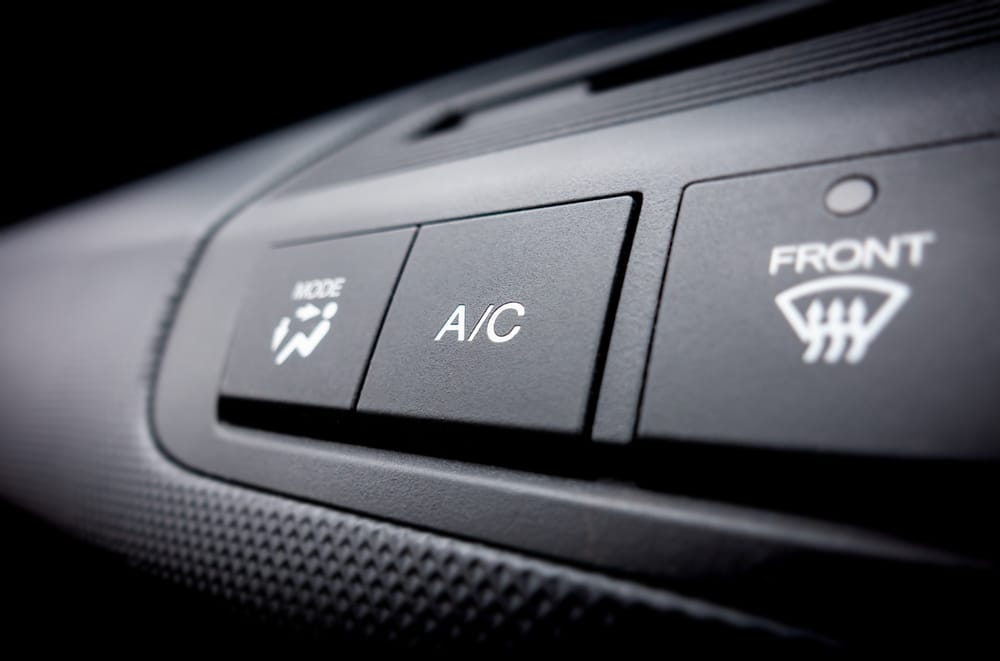
Home air conditioners work like car systems but on a larger scale. They also remove excess moisture and help bring in fresh air. Air conditioning is a system in a vehicle that allows the driver to regulate the temperature of the outside air. In other words, it's a cooling process that takes place using a refrigeration mechanism. This system aids the driver in maintaining the desired temperature regardless of how hot it is outside. [Car air conditioning](/guides/car-air-conditioning/how-does-car-air-conditioning-work) service also includes systems that recycle or recirculate the inside air to keep it fresh, clean, and cool while the vehicle is moving. The car's expansion valve, heating, ventilation and air conditioning systems (HVAC) may be manually controlled or automatically controlled by the car's onboard computer using inputs from various sensors. The car's ac system determines things like air temperature in the passenger compartment, engine coolant temperature (not all cars), air pressure (may not always be present), sun load in the receiver-drier (solar radiation), etc., which are used to calculate how much airflow in the compressor unit is required for a comfortable temperature inside. Most use vapour-compression or absorption chillers A low-wattage car's air conditioner is used chiefly for cooling small areas, such as a home's bedrooms and the dining room. Larger models work much the same way but with a higher blower motor capacity. They may be wall-mounted or installed in windows due to their excellent shape, removable side panels, and refrigeration mechanisms offer peak performance compared to smaller appliances. The heating mechanism either burns more gas or electricity and can be activated independently of the compressed gas cooling system. These machines require regular maintenance for the hoses to operate efficiently and safely. ## Do I have to have my home air-conditioner system recharged? A central air conditioning unit needs recharging when the liquid coolant level in the system is low. This may happen naturally over time, for example, if there are ongoing small leaks or if you replace your AC unit. A service technician can do this. ## What are some signs that I need my AC serviced? Below are some common issues with car and home air conditioning systems. ### Noisy operation This could indicate problems in the compressor, moving parts like the fan blades or condenser. ### A funny smell from the vents This could be due to a build up of mould and mildew caused by leaks in your ducts or refrigerant leaks within your device. ### Ineffective cooling If the outside temperature from the vents is no longer cool, there may be a problem with either the refrigerant, evaporator, heater or blower. ### Frequent cycling on and off This is often a sign of low refrigerant levels, which are likely to result in compressor damage if ignored. An experienced technician should be able to diagnose the problem quickly by checking your system's gauges and advising on replacement parts. ## What are some signs that I need my car AC serviced? - It's hot outside, but you can't feel any cool air coming from the vent even on full power. - There is an odd smell inside the cabin. - The temperature inside the cabin is not consistent even though you have set it to your preference. - You notice a funny sound (e.g., squeaking) or vibration when driving on the highway. - The air conditioner frequently stops working and needs to be turned on or off manually. A qualified car AC service centre can help you with the diagnosis and repairs components required to restore your air-conditioning system's functionality, performance and how it circulates. ## What kinds of house air conditioning systems can I get? There are several options to choose from when designing your cooling system. Your choice of technology will depend on the atmosphere, size and layout of your house, how much room you have for installation, and how much money you want to spend. ### Window units These are portable air conditioners that can be installed in any window in your house. They are lightweight, generally inexpensive, simple to install, and can cool one or two units. However, these units are not aesthetically pleasing. If you have a sloped roof or angled windows that cannot accommodate the unit's vertical orientation, then you won't be able to use it effectively. ### Split systems These are easily installed and can be built into your home or placed in an out-of-the-way spot. They are available to fit any size space you need cooled, and some models include heat pumps for heating and cooling. ### Ductless mini-split systems these are ideal if you have individual room units but want to centralise control. ### Central systems If you have a large house and need to cool multiple zones, then a central system is right for you. They are easier to control, allowing you to set different temperatures in each housing area. Additionally, if your main living space is too cold while bedrooms are too warm, these units can be adjusted from a single control panel. ## Are there different types of car air conditioners? Yes, there are different types of car air conditioning systems and all may need [experts to troubleshoot](/guides/car-air-conditioning/who-fixes-car-air-conditioners). The main difference between them is the refrigerant used to produce cold air. ## Is car climate control and air conditioning the same thing? Yes, climate control in a car air conditioning is used to set the temperature inside your vehicle. Climate control can be manual or automatic. If you have an AC unit with manual controls and is in good shape, you will be given direct access to the re-circulation button, defrosting mode, fan speed, and temperature settings. If you have issues with either, you may need a [compressor replacement](/guides/car-air-conditioning/car-air-conditioner-compressor-replacement-cost). Automatic climate control uses sensors to monitor the air temperature outside your car. It then adjusts itself to keep cool or warm air flowing from your vents. Those who work with refrigerant gasses used in vehicles must abide by a strict code of conduct, according the [business.gov.au website](https://ablis.business.gov.au/service/ag/the-australian-automotive-code-of-practice-for-the-control-of-refrigerant-gases-during-manufacture-installation-servicing-or-decommissioning-of-motor-vehicle-air-conditioners/31403).

Car Air Conditioning Guides & Resources
Why Does My Car Aircon Smell?

Why Does My Car Aircon Smell?

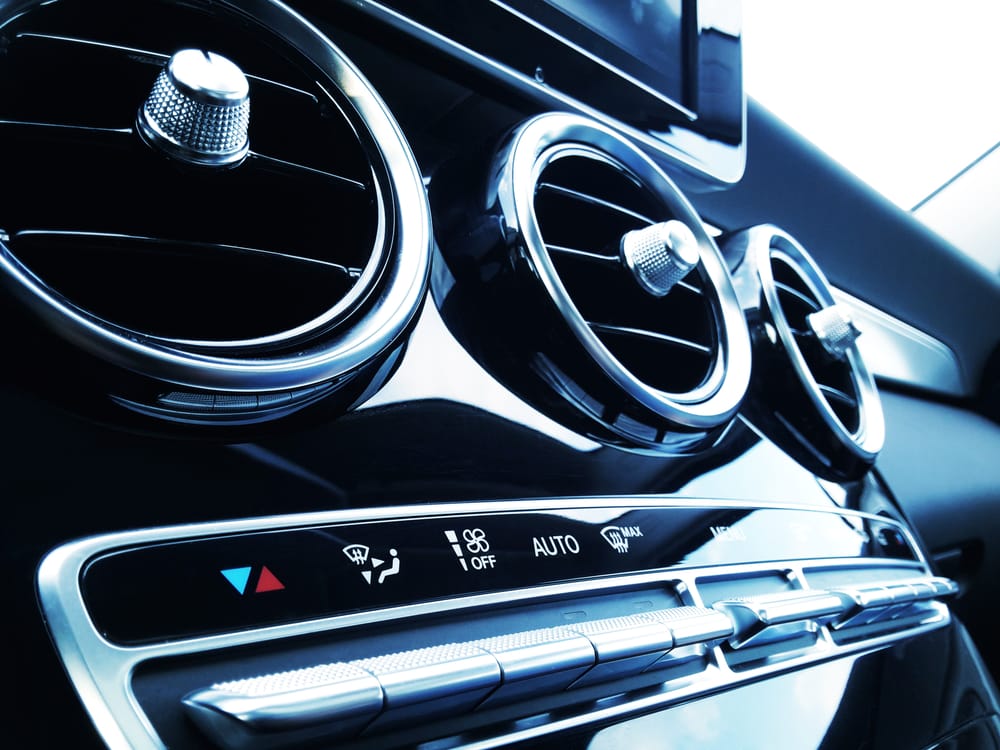
When your car air conditioner smells, there are a couple of reasons this may be happening. Nothing is worse, or more alarming, than a bad smell coming from somewhere in your car while you are stuck with the windows down. An acrid burning smell can be the first sign of serious trouble, and could mean an electrical fire or a problem with a hose. A musty, stale or sour smell could mean the air conditioning unit may need serious attention or even just a simple regassing. According to the [QLD state government](https://www.qld.gov.au/emergency/safety/home/gas/gas-vehicle-acg), consumers often report that unapproved gases, known as hydrocarbon refrigerants, have been used to re-gas their vehicle air conditioning. Cheap vehicle air conditioning services are typically advertised on social media and the work is often done by unlicensed persons for a cheap price. When your car air conditioner smells, there are a couple of reasons this may be happening. Some things to look out for include mould or mildew growth in the air conditioning system, a dirty cabin filter trapping odours inside the vehicle, and even leaks within the air conditioning unit itself. If you suspect that your car air conditioning system is causing a bad smell in your cabin, it's crucial to have the issue diagnosed and repaired as soon as possible, as this may be due to dirty air filters. This will help keep you and everyone who rides in your car from being exposed to harmful bacteria and other contaminants that can make you sick. In most cases, an experienced mechanic can diagnose any issues that make your car ac smells bad quickly and effectively so that you can get back on the road with a clean and fresh-smelling cabin. If you are concerned about the smell coming from your vehicle's air conditioning system, it's also a good idea to practice regular maintenance and cleaning routines for your vehicle. This can help keep dust, dirt, and other debris out of your interior and prevent foul odor from developing in the first place. Some simple steps include vacuuming regularly, using an air freshener or deodorizer inside your vehicle, and replacing worn or damaged cabin filters as needed. ## Why does my car ac smell bad when first turned on? One possible reason your car air conditioning smells is that your ac system and air vents might have mould or mildew growth inside the ac system. This can occur if moisture builds up due to the cold air produced by your car's ac system without being adequately drained or if a gas leak or blockages prevent proper airflow. To address this issue and get rid of any foul odours coming from your air conditioner and air filter, it's essential to have a [qualified mechanic](/guides/car-air-conditioning/car-air-conditioning-service-cost) inspect and clean your AC unit as soon as possible. They will be able to test for any signs of damage or blockages and take steps to address these issues, helping you enjoy cool, fresh-smelling air in your vehicle once again. Additionally, regular maintenance routines like vacuuming, changing cabin filters, and using air fresheners can help prevent bad smells from developing in your car AC in the first place. So if you are concerned about your AC smelling bad, be sure to take these steps to keep your vehicle clean and fresh-smelling. ## Do air conditioning systems use a pollen filter? Yes, many modern [car air conditioning systems](/guides/car-air-conditioning/how-does-car-air-conditioning-work) use a pollen filter to help remove allergens and other contaminants from the air as it circulates inside your vehicle. This can be an essential step in helping those who suffer from allergies or asthma keep their symptoms under control. Regular maintenance of your car's A/C system can also help prevent the buildup of pollutants like dust and dirt that can worsen allergy symptoms over time. So if you are experiencing any issues with bad smells or allergies when using your car AC, be sure to talk to a qualified mechanic about having your system inspected and cleaned as soon as possible. They will be able to assess the condition of your A/C unit and recommend any necessary repairs or maintenance steps that can help keep you comfortable. ## Can I change my air con filter myself? There are several factors that can determine whether you can change your car's air con filter yourself, including the type of filter you have, the tools and skills required for the task, and any safety concerns regarding working with your vehicle's A/C system. If you are comfortable performing simple mechanical functions on your own, it may be possible to replace your air con filter without bringing it to a mechanic or automotive shop. ## How do I change my car's air con filter? There are a few different methods that you can use to change your car air con filter, depending on the type of filter you have and the tools that are available to you One common approach is simply removing and replacing the old filter with a new one. To do this, you will typically need access to a screwdriver or wrench for loosening any clamps or mounting hardware on your vehicle's ac vents, as well as gloves and other protective gear in case there are any health hazards associated with handling the used filter. Another option is to use specialised equipment like an air con vacuum cleaner or compressor to clean out your existing A/C filter to get rid of burning rubber smell. This may be useful if your filter is particularly clogged or dirty or if you cannot remove it from your vehicle quickly. Ultimately, the best approach will depend on your specific situation and preferences to always create cold air that you desire for your vehicle. However, by researching and consulting with a qualified mechanic or automotive technician, you should be able to find the right solution for changing your car's air con filter. ## Where can mould build up in my car air con system? There are several different areas within your car air con system that can become prone to mould and other types of buildup. Some common locations include the interior lining and cabin filters, as well as the evaporator coil or condenser unit depending on the kind of A/C system in your vehicle. To prevent mould growth in your car air con system, it is essential to regularly check and clean these areas using appropriate cleaning products or tools. This may involve vacuuming out any dust or dirt from the vents and grilles, replacing dirty cabin filters, or using specialised equipment like an air con vacuum cleaner to remove any stubborn dirt or debris. Additionally, using antimicrobial or antibacterial sprays regularly can help prevent mould spores from taking hold in your air con system, especially if you live or travel in areas with high levels of humidity or moisture. The key to keeping your car A/C system free from mould and other allergens is regular maintenance and cleaning which will eventually rid your vehicle from any musty smell. By following these simple steps, you can ensure that you stay comfortable and healthy when using your car's air conditioning, even during high pollen or allergy season.

Car Air Conditioning Condenser Replacement Cost

Car Air Conditioning Condenser Replacement Cost

An air conditioning condenser is a vital component of any AC system, and its failure can lead to several serious problems. Cars are a necessity for many Australians for both recreation and commuting, with the 2021 census discovering over half of the Australian workforce, or 6.3 million people, drive to work by car only. That's a lot of potentially uncomfortable Australians during the summer season as nearly every one of those 6.3 million Australians would rely on their air conditioning system to and from work. If your condenser packs it in, it can be more than unbearable, and replacements easily found. Generally, most car air conditioning condensers are priced between $450 and $1,000, but some luxury vehicles may be more expensive. The condenser is located at the front of your vehicle, near the radiator, and in line with the air conditioning compressor. It serves two critical functions in keeping your car cool and your air conditioning system pressure: it converts liquid refrigerant to gas. It sends heat from your vehicle's interior into the outside air through its fins. A failing condenser will not be able to circulate the refrigerant efficiently and will not be able to dissipate heat as effectively. Then it becomes apparent that you need an air conditioner condenser replacement. If you suspect that your car's AC condenser may need to be replaced, there are some steps you can take to assess its condition. You can also inspect the fins on the condenser for damage or clogs - if they are bent, broken, or dirty, it likely means that your condenser needs some attention. ## What is an air conditioning condenser An air conditioning condenser is a vital component of any AC system, and its failure can lead to several serious problems. Fortunately, understanding what an air conditioning condenser is and how it works can help you troubleshoot and repair any issues that may arise. An air conditioning condenser [converts refrigerant from a gas to a liquid](/guides/car-air-conditioning/car-air-conditioning-regas-cost). This conversion process releases heat, dissipated by the AC system's fan. If there is an air conditioning component failure, the refrigerant will not be able to convert correctly, and the AC system will not work correctly. There are a few signs that indicate an air conditioning condenser failure. If your AC unit makes strange noises or leaks fluids, the condenser is likely failing. ## Functions of your car air conditioning system The engine's cooling system is vital to operating at peak performance. Your [car's air conditioning system](/guides/car-air-conditioning/how-does-car-air-conditioning-work) helps keep the cool air by circulating a refrigerant gas. This gas absorbs heat from the engine and then releases it into the atmosphere outside the vehicle. The heart of your car's air conditioning system is the compressor. The ac compressor pumps refrigerant gas through a series of coils and tubes in the system. The air conditioning condenser carried gases passes through these coils, absorbs heat from the engine cooling system, and blows cool air into your car's cabin. The refrigerant gas must be condensed back into a liquid form to complete the cooling process. This is done by passing it through a series of condenser coils. ## Can I replace my car's AC condenser myself? If you are comfortable working on your car and have some basic automotive repair knowledge, it is possible to replace a car AC condenser. However, it is generally recommended that air conditioning condenser replacement should be done by a professional mechanic or auto repair technician if you are unsure or uncomfortable with performing this task yourself. Depending on your vehicle type and model, specific tools and steps may be required to complete the job correctly. If you do decide to replace your car's AC condenser on your own, there are several things that you will need to keep in mind. First, ensure you get an exact replacement for your vehicle by checking the part number against the one in your owner's manual. Additionally, always wear appropriate protective gear, such as goggles and gloves, when working on your car. And most importantly, be sure to follow all safety precautions outlined in your vehicle's manual when performing any type of maintenance or repair work. Overall, if you are confident that you have the skills and knowledge necessary to have your air conditioning condenser replaced safely and effectively, then it may be a good option for saving some money on repairs. However, suppose you are unsure or uncomfortable with this process. In that case, it is best to consult a professional mechanic or auto repair technician to help ensure the job is done correctly. ## What does an air conditioning condenser do? An AC condenser is a component of your car's air conditioning system that plays a crucial role in cooling and dehumidifying the air as it passes through the system. The condenser converts the air conditioning refrigerant from liquid to gas, which helps absorb and remove warm air inside your vehicle. It also has a set of fins attached to it that help dissipate excess heat into the surrounding air, allowing for more efficient and effective cooling of your car's interior. Overall, suppose your car's AC condenser is not functioning correctly or has stopped working. In that case, it can affect your ability to keep cool on hot days and may even impact other aspects of your vehicle's performance. ## How long does it take to replace a condenser in a car? Replacing ac condensers in an older car can be relatively quick, with most condensers only requiring about one or two hours to complete. However, if you have a newer car with more complex electronics or systems that need to be disconnected before replacing the condenser, this can add significantly to holdup. Furthermore, suppose your mechanic does not have access to all the necessary tools and equipment to replace the condenser quickly and efficiently. In that case, this can also significantly increase the time it takes to complete the job. ## How long will my car's air conditioning condenser last? The lifespan of your car's air conditioning system relies on the condenser. Its life span depends on several factors, including the age and condition of your vehicle and the type and frequency of the use you put your car through. Other related equipment [such as the compressor](/guides/car-air-conditioning/car-air-conditioner-compressor-replacement-cost), also play a role. Generally, a well-maintained ac condenser should last many years before needing to be replaced. However, suppose you frequently drive in hot or incredibly dusty conditions. In that case, this can cause premature wear and tear on your ac condenser and may lead to a bad ac condenser, eventually needing to be replaced more often than usual. ## Where is the condenser located on my car's engine? Generally, it is located somewhere near the front of the engine, either in front of or behind the radiator. If you are unsure where your car's condenser is located, you can consult a trusted mechanic or owner's manual for more detailed information. Alternatively, many online resources and DIY guides can also help to provide more detailed information about where to find and how to replace your car's ac condenser.

Why Is My Car AC Running But Not Cooling?

Why Is My Car AC Running But Not Cooling?

Some of the most common include issues with your unit's refrigerant levels, dirty or clogged coils, or a clogged air filter. A barely-working car air conditioning system or one that produces stale warm air can seriously ruin any car trip. Car air conditioning systems are often ignored until they become a problem, and usually, that is right when you need to use the feature the most. If your car's air conditioning system is not cooling it could be a problem with the gas inside - an issue heavily regulated by the Queensland state government. You can [find out more here](https://www.qld.gov.au/emergency/safety/home/gas/gas-vehicle-ac). Check to see if the laws apply to your region. There are several possible reasons why your car air conditioner might not be blowing cold air, including a clogged or restricted air filter, low refrigerant oil levels, issues with the compressor or condenser, orifice tube, or problems with the fan motor. If you are experiencing this issue and are unsure of what is causing it, it is best to speak with a mechanic for assistance in diagnosing and repairing the problem. In the meantime, some simple maintenance steps you can take include checking and replacing your air filter as needed, ensuring that all connections are tight and secure and performing regular system checks to ensure everything is working correctly in the system pressures. With proper care and attention, most car AC systems should be blowing cold air for years. ## How do I fix my car AC not getting cold? There are several possible causes why your car AC might expel warm air or even hot air, including leaks in the refrigerant system, electrical problem, clogged or restricted air vent, blocked expansion valve, low refrigerant levels, problems with the fan motor, compressor issues, or other mechanical issues. If the aircon in car not cold and you wish to fix it yourself, your first step should be to check all connections and hoses to ensure they are tight and secure. If you do not feel confident diagnosing or repairing your car air conditioning on your own, it is best to enlist the help of a qualified mechanic who can help you identify and resolve the underlying problem. With proper care and maintenance, most [car air conditioning systems](/guides/car-air-conditioning/how-does-car-air-conditioning-work) should be able to provide cold air for many years to come. ## Why is my AC blowing air but not cold? Below are some of the most common reasons an AC doesn't blow cool air. ### Clogged filter This is usually one of the first things you should check. If your filter is dirty or clogged, it will block airflow through your unit and reduce its effectiveness. A new or clean filter can often restore sufficient airflow and improve cooling in your home. ### Low refrigerant levels Refrigerant is necessary for your air conditioner, and low levels may indicate a leak. To fix this issue, you must have your unit professionally inspected and repaired. ### Dirty coils Dirty, clogged, or corroded cooling coils can also prevent your AC from working properly. A technician should clean these components regularly to help improve airflow and boost cooling performance. If you are experiencing issues with your AC blowing air but not cold, these are just some possible causes you should consider. For more specific advice and assistance for your particular situation, it is best to consult a professional HVAC technician for guidance. ## Why is my AC running but not getting cold? Some of the most common include issues with your unit's refrigerant levels, dirty or clogged coils, or a clogged air filter. To get to the bottom of the problem and get your AC up and running again, it is best to consult a professional technician for guidance. ## Should I turn off AC if it's not cooling? If you are experiencing an issue with low refrigerant levels or dirty cooling coils, turning off your AC may make these problems worse and further reduce its cooling performance. However, in some cases, it may be possible to temporarily turn off your AC if there is another underlying issue that can be addressed while the unit is not operating. If you are unsure whether to turn off your AC, it is best to consult a professional technician for advice. They will be able to assess the situation and help you determine the next best steps for addressing any issues with your system. ## What can go wrong with my car's AC system? The most common causes include the below. ### Leaks in the refrigerant lines or hoses If there is a refrigerant leak, your ac system may stop working altogether, or start blowing warm air, making it unable to maintain the desired temperature. This will require repairs and a thorough inspection to determine what resulted in the refrigerant leaks. ### Clogged condensate drain hose The condensate drain hose drains any water that builds up in your AC evaporator core. A clogged drain hose can lead to water damage within your vehicle if left untreated, so this issue should also be addressed as soon as possible. It is essential to check if the cooling fans run when the car AC system is on. UV light aids in moisture reduction, and that part of the evaporator should be checked too. ### Faulty compressor clutch assembly Your car's ac compressor pump is powered by an electric motor controlled by the compressor clutch assembly. If this component malfunctions, the overheated engine can prevent your air conditioning unit from blowing cold air, produce poor cooling and require [repair or replacement](/guides/car-air-conditioning/who-fixes-car-air-conditioning). Many potential issues could affect your car's AC system such as a blocked condenser, so it is important to stay aware of any changes in performance and contact a professional if you notice anything unusual. Routine checks on sensitive parts like cabin air filters are quite important. A reputable mechanic can diagnose the car problem and recommend the appropriate repairs to restore full functionality to your vehicle's AC system. ## How does my car's air conditioning system work? The air conditioning system in your car works by compressing and cooling the refrigerant in its compressor before releasing it into the AC condenser. However, with a broken condenser, that becomes impossible. The refrigerant then travels through several coils that absorb heat and creates cooled air. This cooled air is circulated through vents inside the vehicle's cabin to help keep you comfortable while any excess moisture is drained away by a condensate drain hose. A faulty or [malfunctioning compressor](/guides/car-air-conditioning/car-air-conditioner-compressor-replacement-cost) can prevent your air conditioner from blowing cold air with maximum efficiency, so it is important to stay aware of any changes in performance and address them as soon as possible.

Who Fixes Car Air Conditioning?

Who Fixes Car Air Conditioning?

If your car's air conditioner isn't functioning properly, you'll need to take it to an air conditioning technician to fix it. If you don't consider your car's air conditioning system is a critical feature then wait until you are stuck in traffic in the middle of summer. Air conditioning barely gets any use during the winter so when summer quickly comes, many car owners are left scrambling as to why they are left sweltering under the summer sun with inefficient or unworking air conditioning systems. Air conditioning technicians need a special license to handle the refrigerant gases in the air con system. Refrigerant gases are heavily regulated by the Australian Government, due to their potential to damage the environment. You can [read more about it here](https://www.dcceew.gov.au/environment/protection/ozone/rac/consumers). Low refrigerant gas levels are the most common causes of a car air conditioner malfunction. This is often the first thing that mechanics will check for when you bring your car air conditioning system for repair services. Other potential issues include leaks in the air conditioning system, clogged air filters, a [broken compressor](/guides/car-air-conditioning/car-air-conditioner-compressor-replacement-cost) and worn-out hoses and seals. Whatever the cause of your car's air conditioner problems, it's essential to work with a skilled mechanic with experience fixing these issues. A person must have a Refrigerant Handling Licence to do any work related to refrigeration and car air conditioning service equipment. ## Do I need a refrigeration mechanic to fix the air conditioning? Most modern cars will require the services of a refrigeration mechanic or qualified technician to properly diagnose and repair any problems with their car air conditioning system. These mechanics have specialised training and experience working on complex cooling systems and understand how different car parts interact. However, you may be able to make some basic repairs yourself if you aren't dealing with a significant issue. For example, checking and replacing the air filters in your car is a relatively straightforward task that most drivers can handle. If your car air conditioner isn't cooling properly or makes strange noises, you should bring it to see a technician as soon as possible. ## What refrigerant does car air conditioning use? Several different types of refrigerants are commonly used in [car air conditioners](/guides/car-air-conditioning/how-does-car-air-conditioning-work). These substances work by absorbing heat from the air inside your car and releasing it into the surrounding environment. With the help of an air conditioning compressor, it is possible to cool the cabin, clear foggy windscreen, and produce cold air to make you more comfortable during hot summer days. Some newer cars also use liquid CO2 as a coolant, which has unique properties that can help improve efficiency and performance. Regardless of what kind of refrigerant your vehicle uses, it must be taken to an air conditioning service regularly to ensure there aren't any leaks or other issues with the system. ## Why is the air conditioner not blowing cold air in my car? There can be several reasons your car's air conditioner isn't blowing cold air. One possible cause is low refrigerant levels in the AC system, preventing it from absorbing heat effectively and cooling down the cabin. Another possibility is that there may be an issue with the compressor or some other component in your car's cooling system. It's essential to have your vehicle inspected by a mechanic as soon as possible if you notice any issues with its AC system so that the problem can be diagnosed and your car air conditioning repair is done quickly. ## Is air conditioning refrigerant bad for the environment? Some studies have shown that certain types of chemicals used in an air conditioning system can release potent greenhouse gases into the atmosphere that affect the ozone layer and contribute to climate change. However, other research has indicated that these substances are safe when handled correctly and do not leak into the environment. R-134a is a refrigerant gas used in many automotive air conditioning systems. It is an HFC that, unfortunately, contributes to global warming. R-134a can still be found to refill older car's air conditioning system, but it is being phased out gradually. Newer cars use the more [environmentally friendly gas](/guides/car-air-conditioning/car-air-conditioning-regas-cost) referred to as R-1234yf. ## How often do car air conditioning systems need to be regassed? Car aircon systems typically require an air con regas every couple of years and all year round to ensure they function properly. This is because the refrigerant leak over time and might need a new refrigerant. If this leakage goes unchecked, it can cause several problems with the system, including inefficient cooling performance, reduced fuel efficiency, or even damage to certain system parts. Several factors can influence how frequently your car's air conditioning needs to be regassed. These include climate, usage patterns (e.g., whether you tend to drive for long periods on highways where the air conditioner will be used more frequently), and the age and condition of your car. In general, however, most auto mechanics recommend regassing your air conditioning system every couple of years to prevent problems and ensure that it works efficiently. ## Is climate control and air conditioning the same thing? No, a climate control system and air conditioning are different. Climate control refers to a feature of some cars that can automatically adjust various aspects of the cabin environment to provide a more comfortable driving experience, such as changing the temperature or airflow speed through the expansion valve. On the other hand, an air conditioning unit is a system that uses refrigerant gas to absorb heat from inside the car air and release it outside, typically through an outlet vent in the dashboard. While climate control can often be used with air conditioning, the two systems are quite different and serve different functions. Ultimately, climate control and air conditioning are important features for modern vehicles. They work together to help keep you comfortable during hot summer days and remove humidity to make driving more enjoyable overall. ## How long do car air conditioning systems last? There is no definitive answer to this question, as the lifespan of car air conditioning systems can vary depending on several factors. Some key factors that can affect how long a car's air con system lasts include the age and condition of your vehicle, the climate you live in, your driving habits, and how well you maintain your AC system over time In general, however, most modern AC systems should last for several years without requiring major car servicing or replacements. Take good care of your car's AC system by regularly checking it for leaks and potential problems, replacing worn-out parts when necessary, and getting the system regassed periodically to ensure it is working properly. It should be able to keep you comfortable through.

Car Air Conditioning Service Cost

Car Air Conditioning Service Cost

The average cost of a reliable car air conditioning service is about $150 to $200. Any Australian can tell you the importance of car air conditioning during a hot summer. Those familiar with being stuck in a sweltering car in the midday sun without a working car air conditioning system are probably keen to avoid the experience in the future. Car air conditioning systems require maintenance and periodical service to keep it working as it should. Part of the service often involves regassing the system or replacing parts such as the compressor or condenser. Automotive air conditioning gas disposal is heavily regulated by the Queensland state government. You can [find out more here](https://www.qld.gov.au/emergency/safety/home/gas/gas-vehicle-ac). The average cost of a reliable car air conditioning service is about $150 to $200. The price can vary depending on several factors, such as the A/C system's age, repair history, and type of car. A car aircon service includes thoroughly inspecting the vehicle air conditioner system, making necessary repairs to ensure it is functioning properly, and flushing out the car air conditioner system to remove accumulated debris. A recharge involves adding more refrigerant gas to the system. Suppose your car's A/C is not working properly by giving warm air or leaks. In that case, it is best to contact a professional mechanic for an assessment and repair as soon as possible to prevent further damage to the ac system. ## What does a car air conditioning service include? A car air conditioning service typically includes a comprehensive inspection of the vehicle air conditioning system, including all hoses, lines, and components. This may also involve flushing out any accumulated debris in the system using specialised equipment to remove any clogs or obstructions affecting its performance. In some cases, a car aircon regas might be needed to restore the proper functionality and performance of the car air conditioner. In states with high temperatures, a car aircon regas is more common because their air conditioning systems run out of gas quickly. Additional repairs or replacement parts may also be required depending on the age and condition of your car's A/C system. If you notice a problem with your air conditioning systems, such as reduced cooling capacity or excessive noise while in use, it is best to consult an[air conditioning technician](/guides/car-air-conditioning/who-fixes-car-air-conditioning) trained to offer quality service for an assessment as soon as possible. ## What's the best temperature to run my car air con at? There is no definitive answer to this question, as the ideal temperature setting for your car's air conditioner will depend on various factors. These may include the age and condition of your car's A/C system, the outside temperature and humidity level, and your personal preferences. Generally speaking, most drivers find that a slightly cooler temperature setting is more comfortable and efficient in terms of cooling capacity. ## How much does it cost to recharge air conditioning? The [regassing cost](/guides/car-air-conditioning/car-air-conditioning-regas-cost) is likely between $100 and $150, with some more complex or older A/C systems costing more. Factors that may affect the regas cost include the type of car you have, the age and condition of your car air conditioning system, the vehicle type, and whether any additional repairs or replacement parts are needed to restore proper functioning. If you suspect that your A/C system may need to be recharged or repaired, it is best to consult a trusted mechanic for an assessment and estimate the servicing or regas cost before proceeding with any work. ## Why is the air conditioner not blowing cold air in my car? This may result from problems with the car air conditioner, such as a gas leak or clog that prevents proper refrigerant flow and cooling capacity. Other issues may include low coolant levels in the system, which can cause reduced performance and efficiency and cause significant damage to the [air conditioning compressor](/guides/car-air-conditioning/car-air-conditioner-compressor-replacement-cost). Additionally, there may be issues with the temperature settings or controls on your car's A/C system, affecting how effectively it performs. Suppose you are experiencing problems with your car's air conditioner and suspect it is blowing hot air instead of cold air. In that case, it is best to consult a trusted mechanic for an assessment and air conditioning repairs as soon as possible. ## How long does a car air conditioning service take? The duration of a car aircon service will depend on the specific condition of your A/C system and whether any additional repairs or replacement parts are needed. In general, most car servicing involving the car's aircon only should be completed within 2-3 hours. During this time, the expert technician will comprehensively inspect your car's air conditioner system, flush out any debris or obstructions, and refill the refrigerant gas if necessary. Additionally, they may adjust the temperature settings and controls to optimize performance and ensure that your car runs at peak efficiency. If you need a car aircon service, it is best to consult a trusted mechanic for an accurate estimate based on your vehicle's specific condition. ## How is car air conditioning regassed? Regassing car air conditioner ensures that your car's cooling system works correctly and efficiently. This may include inspecting the A/C system for refrigerant leak, clogs, a broken compressor, thermostats inspection, or other issues causing reduced efficiency or functionality. The technician will remove debris or contaminants from the system to ensure the air passing is clean before filling it with refrigerant gas. Finally, they will adjust to optimize performance and ensure that the temperature settings are set correctly for maximum cooling capacity. The gas is what keeps the car cool. It goes from the compressor through the condenser coils at high pressure and temperature. This turns the gas to liquid form as it gets passed into the expansion valve till it gets to the evaporator and the gas gets blown out as cold air. Recently, it was discovered that the refrigerant gas that has been used over the years has a lower Global warming potential which could cause harm to the ozone layer when it leaks. ## How often do I need my car's air conditioning regassed? Having your car's air conditioning regassed at least every two years is recommended. However, if there are any issues with your system, it is best to check it out sooner rather than later. Refrigerant gas lasts up to two years if there are no leaks. Suppose you notice any strange noises or nasty smell coming from your air conditioning system or that coolant levels are not being appropriately maintained. In that case, this may indicate that something in your system has gone wrong and needs to be looked at by a professional technician. It is best to deal with regas cost than other minor repairs that can be needed if you do not regas. It is best to service your vehicle ac regularly as it helps remove humidity from the car which comes in handy during winter by preventing a foggy windscreen. It also prevents health issues caused by foul smell. ## How can I maintain my car's air conditioning system? There are a few basic maintenance steps that you can take to help ensure that your air conditioning system continues to operate smoothly and efficiently. These include keeping your cabin filters clean and regularly replacing them, guaranteeing the coolant levels in your system remains at their optimal level and ensuring that any leaks or other issues with the system are addressed promptly by a professional technician. Take the vehicle for regularly servicing to inspect the drive belts, pulleys check operation, internal damage of components, and other causes of poor performance. Additionally, keeping an eye on your system's electrical components is essential to ensure that none of these has gone wrong and needs replacement. Finally, ensure your car's AC is regassed as the manufacturer recommends or every two years if otherwise specified. This will help ensure that your air conditioning system performs at its best for longer.

How Long Does Air Conditioning Gas Last in a Car?

How Long Does Air Conditioning Gas Last in a Car?

The car air conditioning system needs regassing approximately every two to three years. A car air conditioning system is a complex bit of technology that cools the air in the cabin of most vehicles. The car's air conditioning system does this by passing cold air over a series of metal coils which are cooled by the flow of fresh refrigerant gas (highly flammable gas) a chemical liquid in the compressor that evaporates and becomes a gaseous form when it leaves the cold coils, absorbing heat from its surroundings as it turns back into a liquid. The effect is similar to what happens when you sweat during hot days: your body's natural cooling mechanism works by evaporating perspiration from your skin, taking heat away from your body, and completely remove it via evaporation. In your car, the hot, humid air being blown from inside the cabin is passed over these cold coils and cools down rapidly. The gas in the whole system, goes through a cycle of evaporating and getting compressed until it reaches 40 to 50 degrees Celsius. At this point, it starts getting siphoned back into its liquid state so that it can begin chilling the car again next time you use the car air conditioner. On average, you will need to have your car air con re-gassed every few years at the very most. ## How often should the AC gas in my car be refilled? The car air conditioning system [needs regassing](/guides/car-air-conditioning/car-air-conditioning-regas-cost) approximately every two to three years. The car air conditioning service depends on the climate where you live and how often you use your car air conditioner. ## How do you know when car AC gas needs to be refilled? You can spot when your car's air con system is losing its ability to maintain a comfortable cabin inside the vehicle by simply observing how cold your air vents get. The warning signs include-if the vents are not cooling down completely, or if they cool down only with the fan on maximum, then you probably need a re charge. It is possible for an experienced air conditioning specialist or a mechanic to tell you whether or not your car aircon just needs a re gas service. ## What are the reasons car AC gas needs to be replaced? When your car's air conditioning system is not working properly, it may need a re-gas for one of many different reasons. Sometimes leaks in the ducts or pipes can affect its ability to maintain cool air temperatures in the cabin. This may also happen if there is sediment in the old gas that clogs up these parts. It might also just be that you have put too much wear on the air con units over time and it's wearing out, so replacing it with a factory-approved recharge is worth putting, to ensure safety when driving your vehicle again. Low levels of AC gasses can make the engine work harder. ## How long does it take to re gas air con in car? How long it takes to recharge your car's air conditioning system will depend on the type of re-gas service you use. While re gassing, if you are simply putting in more R134a, which is what most recovery trunking uses, then car air conditioning service should take about an hour. The time for re gassing service may vary depending on the vehicle type. ## How much does it cost to get air con gas replaced? Prices for refilling your AC system in a workshop location should be around $50 - $100. The price for air con recharge may vary based on your location and the supplier you use to get a quote from. You may also need to troubleshoot the issue with your air conditioning system if you want to repair it yourself and save money. ## What are the signs of faulty AC gas? The first sign that your [car air conditioning system](/guides/car-air-conditioning/what-is-in-car-climate-control-air-conditioning) is faulty is if you have poor airflow or insufficient cooling, then there may be an issue with your air conditioner's old refrigerant gas that has allowed it to become contaminated. There are other issues that can cause poor air conditioner performance, such as compressor issues, a dirty cabin filter or belt problems in the belt driven device. ## How does car air-conditioning work? Car air conditioners work on a different principle to home systems. In your house, you have a compressor that pumps new gas around the system and it gets cooled as it is compressed by a compressor, [which can be replaced](/guides/car-air-conditioning/car-air-conditioner-compressor-replacement-cost). An aerosol of liquid refrigerant gases is put under pressure by the air conditioning unit outside the engine compartment. The cold coils mentioned earlier are responsible for condensing this back into a liquid again so that it can do its job of cooling down inside the cabin. This process happens very quickly because of how small the pipes are in your vehicle air conditioning unit, but if you have problems with noise then there may be some blockage, or if you notice ice forming on your car's interior then it means that there has been a loss of pressure in the system. ## Is there a warning light for low AC gas? There is no warning light to alert you if your car's air con needs a recharge, which is why it's important to know how often to get air con recharged, how it should be done and when there may be a problem with your cooling system. To keep the vehicle's heating and cooling system lubricated, it is advisable to have your car checked before summer or every time you get an oil change because there might not be any symptoms at all until it stops working properly. For more information on car air conditioning systems, the [Queensland Government](/guides/mechanics/are-car-batteries-12v) has a handy guide. ## Does having tinted windows affect my AC gas? No, your tinted windows should not affect air conditioner. However, if the car air conditioning needs a recharge because of a leak or other problem, then it can happen that this will be more noticeable when you have the AC on and the vehicle is in direct sunlight. This is because there may be extra moisture and pressure building up inside due to these circumstances and this means that leaks are more likely to occur. In case of older cars, regular servicing and regular maintenance is required. ## Where can I get my car air conditioning regassed? There are several places where you can get your car's air conditioning gasses replaced. Accredited garages, in particular, will be able to do this [regas service or repair](/guides/car-air-conditioning/who-fixes-car-air-conditioners) new refrigerant leaks. Some of these also offer a mobile recharging air conditioning service so that there is no need for you to go anywhere to have your AC unit topped up.

Car Air Conditioning Informational Articles

Who Fixes Car Air Conditioners?

Who Fixes Car Air Conditioners?

A car air conditioning system can be fixed by either an authorised dealer or qualified technician. The dealer is usually the best choice for car servicing because you are guaranteed to get parts that fit without modification and they will update your car's computer software if necessary. A specialist who repairs car air conditioning systems for a living should also be able to complete the job under an hour. Using only manufacturer-approved parts ensures that your system is protected against potential malfunctions due to faulty components and that your warranty is still valid even after any repair services have been made. Repairing or servicing a car air conditioning system isn't a DIY project. ## How does car air conditioning work? [Car air conditioning systems work](/guides/car-air-conditioning/how-does-car-air-conditioning-work) by placing components that are sensitive to the heat outside the cab of your car. This makes it possible for cool, refreshing air to be circulated throughout the cabin without sacrificing comfort or putting the driver and passengers at risk due to weather conditions like extreme temperature during hot summer, cold winter, etc. all year round. The car aircon also helps to remove humidity and foggy windscreen during winter climates. The compressor forces a refrigerant through the hoses where it is cooled quickly by passing through an expansion valve. The hoses carrying this substance are attached to a small reservoir cabin called an accumulator so that any moisture in the gas can be condensed before being released into another hose on its way back into the engine compartment. This condensation causes rust and corrosion which gradually clogs up all of your system's parts including valves, cooling system, radiator fins, tubing, and evaporators. When you decide it's time to hire a specialist to repair the car air conditioner, this is why they will clean everything before putting it back together. ## What are the signs my car's air conditioner needs replacing? - You can hear a humming noise coming from your air conditioning system vent, but the air coming out of them seems more warm than cold. - Your vehicle air conditioning system never gets as cold as it used to. - Your air conditioning compressor is on, but the air coming out of the vents seems cool at first but soon becomes warm. - There is a strange smell every time you turn your vehicle air conditioning system on. - You notice liquid dripping from your car when there has been no rain recently and all windows and doors are tightly shut. ## What goes into an auto air conditioner repair? The auto air conditioning system repair cost typically ranges from $150 to $300, but the repair cost depends on where you get your car air conditioning system repaired or replaced and how long the air conditioning service takes. The longer the job takes, the price will be more expensive. In an air conditioning service, the new compressor costs around $300 and can easily add $100 or more to your bill if you're charged money for labour time as well as parts. ## What is an air conditioning recharge? Generally, in an air conditioning service, the AC recharge services for vehicles cost between $50 and $120. The cost may vary depending on the type of vehicle. To perform an AC recharge on a car, the service mechanic removes the old refrigerant from the system (known as evacuating) and then adds new refrigerant and oil to it (known as charging). An AC recharge service will last for about 12 months before another service is required. ## How does an AC recharge work? [AC gas recharges](/guides/air-conditioning/car-air-conditioning-regas-cost) work by adding new refrigerant to the existing refrigerant already in the vehicle AC system. The old refrigerant is then removed from the system. When an AC recharge is performed, your vehicle mechanic should check that there is no leak and that all seals and gaskets are intact and free of any damage before performing a recharge. ## What causes an air conditioner to fail? An aircon unit can fail or stop working for many reasons – some car-related, others not related at all. A common reason an air conditioning unit fails is due to water entering the system through a faulty seal or damaged gasket around one of your air vents which allows water inside the unit instead of outside air. This can quickly cause [damage to the compressor](/guides/car-air-conditioning/car-air-conditioner-compressor-replacement-cost), condenser, and other parts involved in the air conditioning system and requires an immediate fix. ## What are some of the most common problems people have with their car's air conditioner? One of the most common issues people have with their car's climate control system is that it fails to produce cold air. This can be caused by a number of things including a refrigerant leak or even something as simple as dirty evaporator and condenser coils in the engine bay, which restrict airflow causing warmer than normal air pressure. Another problem is when your AC won't turn off, this can be due to low refrigerant levels which cause an overactive clutch on the compressor motor. Your service mechanic will need to diagnose what exactly is causing your aircon not to work properly before attempting any repairs or replacement. ## How long does auto air con repair take? Typically, car air conditioner repairs and essential service take between one and four hours to complete. The repair cost may typically range from $150 to $300. Those who work with refrigerant gasses used in vehicles must abide by a strict code of conduct, according the [business.gov.au website](https://ablis.business.gov.au/service/ag/the-australian-automotive-code-of-practice-for-the-control-of-refrigerant-gases-during-manufacture-installation-servicing-or-decommissioning-of-motor-vehicle-air-conditioners/31403). ## What tools do you need to change the ac in a car? Auto AC repairs require very little specialised equipment. Your service mechanic will need to use various gauges depending on what type of aircon unit your car has and also for inspection of any leakage. Standard hand tools are all that is required to change out and fix an auto aircon system. ## Can I regas a car air conditioner myself? It's not recommended that you perform an AC recharge yourself. The refrigerant gas is very harmful to the environment and ozone layer, and a faulty air conditioning system can easily cause a refrigerant leak which will lead you to inhale these gasses. ## How often should I have my car's air conditioner serviced? It is recommended that the car air conditioning unit be inspected every two years or 24,000 miles. This inspection service should include an evacuation of any contaminates from the old refrigerant gas and then a recharge with clean new refrigerant gas and oil. ## How can I maintain my car's air con unit? To maintain your car air conditioning unit in top condition, ensure that any leaks are repaired as soon as possible. Also, you can regularly use a damp cloth to wipe off the evaporator and condenser coils which should be kept free of leaves, brake dust, or dirt at all times. Doing this will allow clean air flow to pass over these coils which will promote better cooling in the long run.

Car Air Conditioner Compressor Replacement Cost

Car Air Conditioner Compressor Replacement Cost

Replacing a broken air conditioning compressor in your car shouldn't be a major hassle. The cost will vary depending on whether the existing air conditioning compressor unit can be repaired or if you need a new AC compressor altogether. The average AC compressor replacement cost for parts and labour runs around $500-$750 per vehicle. ## What does an air conditioner compressor do? The [air conditioning system](/guides/car-air-conditioning/how-does-car-air-conditioning-work) in your car is made up of several parts. The compressor is the most important part of the car's AC system. When you turn on your AC to get cool air, the compressor pumps refrigerant through a tiny valve called an orifice tube. The orifice tube directs hot and cold airflow to maintain constant cool temperatures, especially on a hot summer day. If your AC is blowing warm air, it could be because there isn't enough refrigerant in the system, or you have a failed compressor. In humid weather, the car air conditioning demister unit draws moisture from the vehicle's interior, maintaining clear windows. ## Symptoms that indicate replacement may be needed If you notice any of these symptoms while using your AC, then you need to have the car's air conditioning system diagnosed by a certified mechanic as soon as possible. - AC blows cool before reaching normal operating temperature, then starts blowing warm air. - AC is struggling to reach normal operating temperature when the car is moving. - Cool air is only blowing at the defroster. - AC doesn't blow cold if the car has been running for a few minutes. - Weak, inadequate, or low-pressure cool airflow from vents during driving. - The noise level in the cabin of your vehicle sounds unusually loud. In some cases, the air conditioning unit could be blowing hot air for reasons other than a faulty compressor. For example, a broken serpentine belt or a leaking vapour tube are some of the reasons the car air conditioning may not be cooling your interior. Consult a [certified technician](/guides/car-air-conditioning/who-fixes-car-air-conditioners) in case you are not sure what could be causing the problem. The correct diagnosis will give you an accurate estimate of the problem. It will also save you needless repairs and unnecessary AC compressor costs. ## What causes an AC compressor to stop working? Many things could contribute to the AC compressor failing. These include, but are not limited to: ### Low refrigerant levels The cooling system may be low on refrigerant if the line that feeds the system is loose or if there's a leak in one of the hoses or fittings. This will cause insufficient cooling. ### Bad fan clutch If your vehicle has an electric fan, it should spin at high speeds while you're driving and at low speeds while idling. A bad fan clutch can cause this to happen improperly, resulting in poor airflow through your vents. ### Weak engine AC compressors require adequate power from the engine for the proper operation of the compressor's moving components. You may notice that it doesn't work properly if your engine isn't up to snuff. ### AC hose failures Several components in the AC system are connected by tubing or hoses. If they become worn or brittle, it can cause the entire system to fail. However, worn or broken vapour tubes are minor repairs costs compared to a full AC compressor replacement. ## How much does it cost to replace a car air conditioner compressor? Several additional factors can cause the car AC compressor cost to vary widely. ### Aftermarket vs OEM If you're buying parts or the replacement AC compressor from the dealer, they will be more expensive than aftermarket components. A new OEM AC compressor will cost around $500-$750, whereas a remanufactured or reconditioned one (which is functionally identical to an OEM one) will typically run between $250 and $400. ### Location of AC compressor Where the AC compressor is located in your car can affect the price. Many cars have multiple air conditioning lines routed through the engine bay, and some engines may not have enough room for all of these lines and an AC compressor. If you're looking at a vehicle with this design, expect to pay a higher labour cost because of the intensity of the compressor replacement work. ## What other repairs should I expect after replacing my car's AC compressor? After you get your car back from a mechanic, there are several other parts that may fail soon afterward if they weren't replaced at the same time as the broken AC compressor. These things include, but aren't limited to: ### AC orifice tube This is that little metal pipe that directs the flow of refrigerant into the ducts that distribute cold air to the cabin. It can get dirty over time or become corroded by leaks. If you don't change it while replacing your AC compressor, then it will likely leak shortly afterwards and need replacement. ### Expansion valve Like the orifice tube, this part can get fouled up with debris over time. Expect to pay around $100 for a new one if you need to replace yours. ### Drier Also called an accumulator, this part collects moisture from the gas in your system before it goes through your evaporator coil (the thing inside your car's dashboard that makes cold air). When it's time to replace this, you should also have the evaporator coil replaced. Fortunately, it won't break the bank - these can be bought for just a few hundred dollars. ### Evaporator core This is the most expensive thing on your car that you'll likely need to change if they stop working properly. If your evaporator core goes bad, then you'll probably spend between $500 and $2000 having it replaced depending on which vehicle you drive, how much work is involved in getting at it, etc. ## How long does it take to replace an AC compressor? It typically takes around 4-8 hours of labour to replace an AC compressor on a vehicle. The two main reasons for this long time are the number of components involved and the tight working space. These issues aren't unique to air conditioning compressors. A major compressor repair job may take several hours because it is complicated, and there's not much room to work with in most engine bays, unlike fixing the [air conditioner in your home](/guides/car-air-conditioning/car-air-conditioning-vs-house-air-conditioning-system). ## Can I replace an AC compressor myself? If you're not mechanically inclined or do not have access to the right tools, it is best that this kind of repair is performed by a licensed mechanic. The work involved isn't trivial as toxic refrigerant needs to be removed before removing the old compressor. After getting the new one in place, you'll need to evacuate and recharge your AC system using the right equipment. If something goes wrong during any of these steps, there's a risk of serious injury from inhalation of refrigerant gas or exposure to high-voltage sparks. Again, it is best to leave this work to a professional mechanic. ## How does a car AC compressor work? The AC compressor is attached to the engine of your car and draws power from it using a serpentine belt. As the engine spins, so does the compressor, which compresses the gas refrigerant. The compressor also contains an electric motor that is responsible for spinning the compressor when it needs to. The gas is compressed by the rotating parts in the compressor, which increases its pressure and temperature. The hot, high-pressure refrigerant then flows through a heat exchanger inside the car's condenser unit before entering the evaporator coil. As you can guess, this process makes cold air inside your car's cabin as cool air passes through the dash vents. The QLD Governmnet has more information on [refrigeration and airconditioning gasses](https://www.awe.gov.au/environment/protection/ozone/rac/consumers).

How Does Car Air Conditioning Work?

How Does Car Air Conditioning Work?

Car air conditioning is a process in which the air flowing in your car is cooled for passenger comfort through a refrigeration cycle. The most basic form of vehicle air conditioning attaches an evaporator to the car's heating and ventilation system. Next, an electrical pump circulates refrigerant throughout the cooling unit, where it absorbs heat from the interior of the vehicle before releasing it outside. ## What are the parts of a car's air conditioner? Refrigerants that make up the car air conditioner units are typically made up of four parts hydrogen, two parts carbon, one part oxygen, and varying numbers of parts fluorine. Ideally, there are two parts to the car air conditioning system. The high-pressure side occurs [when the compressor](/guides/car-air-conditioning/car-air-conditioner-compressor-replacement-cost) pushes the high-pressure gas into the condenser, through the vapour tubes into the evaporator, via the orifice tube. ## How does a car air conditioning work? A car air conditioning works through two back to back cycles; the low pressure side and the high-pressure side. The low pressure side occurs as the high-pressure liquid turns to cold vapour at the thermal expansion valve junction. The low pressure after the thermal expansion valve makes the gas expand. As the pressurised gas turns into a low-pressure gaseous form, it becomes cold before returning to the compressor. ### Low-pressure side A compressor increases the pressure on the hot gases to condense into a liquid, gaseous state. Some modern cars have an expansion valve that senses pressure and lets some excess warm air escape as cool air enters the vehicle to prevent uncomfortable temperatures during extremely warm days or while sitting in traffic. Then, the refrigerant flows back into the compressor. ### High-pressure side The refrigerant enters via a coil into the condenser, which is located in front of the car's radiator. Here, the low pressure liquid refrigerant gives up its heat to the surrounding air and turns back into a gas form. Next, the high pressure refrigerant in liquid form enters a little reservoir called the receiver dryer. Finally, the desiccant materials remove moisture from the refrigerant to prevent the formation of ice crystals that can cause blockage of the air conditioning system. After the receiver dryer, the refrigerant enters the evaporator coil. The evaporator units absorb heat from the car interior, through the low-pressure tubes, and back to the compressor, where the whole process begins again. The temperature of the air blown into the car can be controlled by varying the speed of the fan blades in the evaporator and condenser. The faster these blades spin, the colder the air will be that's circulated into your car. Many newer cars also have climate control panels that allow you to set a specific temperature for the interior cabin. An expert can [easily help you](/guides/car-air-conditioning/who-fixes-car-air-conditioners) if you have any issues. ## How does car AC make the air cold? Most car air conditioning units operate in a similar manner. This is the basic principle of how car AC works: One end of the system attaches to your car's heating and ventilation ducts, while the refrigerant lines run from these components through a compressor in your engine compartment. The compressor increases the pressure in the refrigerant lines and forces it into a high-pressure liquid as it passes through a condenser placed in front of your radiator. An electronic or electric pump then sends this cool liquid throughout your interior climate control unit, where it flows past fan blades that draw heat from inside your vehicle and release it outside before converting back to a gas and repeating the cycle during cooling mode. In some car models, an expansion valve is used to regulate the flow of warm air into the interior. Temperature is regulated by controlling the speed of the fan blowing over the evaporator and condenser, as well as your car's climate control unit that sets a specific temperature for the interior cabin. Your AC unit will also have a filter that should be periodically cleaned to ensure proper airflow and cooling. ## What is the recycle function of my air conditioning system? The recycle function is used to circulate the air inside your car's passenger side. This helps to maintain a comfortable temperature and prevents the build-up of pollutants. When the system is in recycle mode, it will close off the fresh air intake and re-circulate the air already inside the car. This helps keep the temperature consistent and eliminates any bad smells from outside. ## What is the climate control system in my car? The climate control system in your car is the main component that regulates how much heat or cold air enters your vehicle's passenger compartment. It has a separate mode for both heating and cooling, along with an automatic setting to activate either when needed. Your unit will also have a button to activate the recycle function, which circulates and recirculates the air inside your passenger cabin. The climate control system typically includes: ### Air intake The air intake is where fresh air enters the car's climate control unit, sometimes through an air conditioner filter designed to trap dust and pollen. This is where one end of the refrigerant line attaches to your HVAC system. ### Evaporator Fan blades draw heat from inside your vehicle and release it outside before the air is converted back to a gas and repeats the cycle. To help achieve the cooling effect, the evaporator is typically placed in the dashboard or under the seats. ### Compressor The compressor increases the pressure in the refrigerant line and forces it into a liquid state as it passes through a condenser placed in front of your radiator. ### Condenser This is located in front of your car's radiator, the condenser gives up its heat to the surrounding air and turns it back into a gas. It then returns to the compressor, where the cycle begins again. ### Climate control unit This panel allows you to set a specific temperature for the interior cabin. It also includes buttons to activate fan speed, AC, heating, and recycle functions. In many cases, the climate control unit is integrated with the car's infotainment system. ### Display screen This screen provides information about the current settings for your climate control and AC unit. It may also show diagnostic codes to help you troubleshoot any problems with your system. ## Does a car AC use fuel? A car's AC system does not directly use fuel. However, running your air conditioner will increase the strain on your engine and cause it to use more petrol than usual. Why? Because car air conditioning systems are pump driven by a serpentine belt attached to the engine's crankshaft. This is why your AC will automatically turn off after several minutes when you are idling in traffic or at a stoplight. The only time this is not true is if your vehicle has an AC compressor clutch, which switches between using the belt-driven AC compressor and an electric one that doesn't require any power from the engine. ## How do I maintain my car's air conditioning system? There are some main components to keep an eye on to help maintain your automotive air conditioning systems. - Check the air conditioner filter regularly and clean or replace it as needed. This will help to ensure proper airflow and cooling. - Keep the evaporator and condenser clean and clear of debris. This will help optimise performance, prevent overheating, and keep the system running smoothly. - Have the refrigerant level checked periodically and topped up if necessary. Low refrigerant levels can cause your AC unit to work less efficiently. - See a mechanic if you notice any problems with your AC system, such as leaks, strange noises, or poor performance. These issues can be repaired without having to replace the entire system. However, if the car air conditioning system fails completely, it may require replacement. ## What gas does my car AC system use? The refrigerant used in most car AC systems is R-134a. It is a type of hydrochlorofluorocarbon (HCFC). It is being phased out in favour of R-1234yf, a more sustainable refrigerant that is less harmful to the environment. Your car's AC system may be converted to use this new refrigerant at some point in the future, so it's important to keep an eye on any updates from your vehicle manufacturer. You may have to have your [car's air conditioner regassed](/guides/air-conditioning/car-air-conditioning-regas-cost) if it is not working efficiently. Those who work with refrigerant gasses used in vehicles must abide by a strict code of conduct, according the [business.gov.au website](https://ablis.business.gov.au/service/ag/the-australian-automotive-code-of-practice-for-the-control-of-refrigerant-gases-during-manufacture-installation-servicing-or-decommissioning-of-motor-vehicle-air-conditioners/31403).

Car Air Conditioning Regas Cost

Car Air Conditioning Regas Cost

Technicians are generally equipped with diagnostic tools which can determine whether your car air conditioning system needs regassing. A typical regas cost is between $100 and $200. A car aircon regas cost and the time a regas service takes varies on the vehicle type. Mechanics will also use tools to remove dangerous excess gas from the vehicle air conditioner system while they are working on it. Regassing is usually done with the car air conditioner system coolant drained and evacuated, followed by purging any moisture in the lines. The air conditioning refrigerant oil is also drained off with replacement oils applied to prevent damage to parts. A new compressor then recharges the system while vacuum meters are used to measure how much gas has been added. ## What can I expect from having my car's AC regassed? The process will involve flushing out your car's entire AC system, ensuring that all moisture has been removed, replacing exhausted gases inside the system with new ones, and evacuating any excess gases. It'll provide you with more efficient climate control for a few years more, improving your driving experience on hot days. The [car air conditioner](/guides/car-air-conditioning/how-does-car-air-conditioning-work) is useful during cold conditions as it helps clear a foggy windscreen for a better driving view. ## Why does my car aircon need regassing? The biggest reason to have air conditioning regas performed on your car is to improve the efficiency of your vehicle air conditioning system. A clogged up air conditioner doesn't work as well, so it's important to keep your system working at optimal levels. ## How often should I have my car air conditioning regassed? Depending on the climate you live in you may need to have your air conditioning regassed every one or two years. If you use your car in a very warm climate year-round, it might be best to have a comprehensive inspection by an [accredited technician](/guides/car-air-conditioning/who-fixes-car-air-conditioners) every six months to ensure peak performance. ## What are the signs that I need my car air con re-gassed? Some telltale signs that you might need a regas include the below. ### Nasty smell A nasty smell coming from vents when using climate control in your vehicle. The foul smell is caused by bacterial build up in the car air conditioner unit. If unchecked, it can cause health issues. ### Poor performance A reduced performance out of the heater or fan speed. ### Moisture Wetness or dampness inside the car after use and increased fuel consumption. ## What is checked during an AC car service? The AC of your car can be checked during a regular car service. Technicians check several areas of the car air conditioning systems such as the below. - Taking a suction line temperature reading - Check air vent temperature for release of cold air into the cabin - Conduct a refrigerant leak test - Assess compressor drive belts - Perform a pulleys check operation - Thermostats inspection to assess thermostat operation - undefined ## How is a car air con system regassed? Before the regas begins, any contaminants or excess moisture in the system must be removed. Once this is done, a visual inspection will tell the mechanic whether there are any other problems with your AC system, including a gas leak and faulty parts. Your car's air conditioning refrigerant oil will also be replaced during a regas. The old refrigerant may or may not be recovered, depending on how much gas is in your air conditioning system when it is opened up to remove the old refrigerant. The new gas can then be added to your car's AC using a vacuum pump and key tools like analysers and gauges to make sure that everything has been put back together exactly as it should. If you live in an area where regular re-gas is recommended, you should take your vehicle in for a regas every year or two. ## Are the refrigerant gasses in my car air con bad for the environment? It is not advised to release refrigerant gasses into the environment if they are still in good working condition. Refrigerants are very bad for the ozone layer, so it is important to keep them out of the atmosphere if at all possible. When you have your car AC re-gassed, mechanics should recover any excess gas in your system before removing it from your vehicle. ## Do I need a new compressor when having my car AC regassed? No, in most cases, people who get their air conditioning systems regassed do not end up needing a [new compressor](/guides/car-air-conditioning/car-air-conditioner-compressor-replacement-cost). A compressor is required only if there are problems with the seals inside the unit or if it has been opened up during other repairs on the car's air conditioner system. Replacing a compressor can be quite costly, which is why it's recommended that you don't need to get a new one unless your mechanic insists on it. ## Do I need an accredited mechanic to regas my car's aircon? You have your car aircon regassed by a professional mechanic with a high level of training and experience in air conditioning systems. They should also have the right tools and specialised equipment for the job and be properly licensed to do so. An air conditioning system can be dangerous during regas if done incorrectly, so it's important to only work with a qualified technician. ## How long does it take to regas my car's aircon? A regas car air conditioning service should take between one and two hours if the mechanic is experienced has the right tools and equipment for the job, and you have already had any contaminants or excess moisture in your system removed. If there are other problems with your AC unit necessitating further repairs, it could take more time for your car's aircon regas service. ## How does a car aircon work? Your car's air conditioning system works by cleaning, cooling, and dehumidifying the air inside your vehicle. The main parts of a car AC unit include the evaporator, condenser, compressor, and receiver/drier. The hot refrigerant gas cools as it passes through the evaporator or tubes where it extracts heat from the air in your vehicle, converting to a liquid state. This helps to remove humidity from the air within your car because water particles are removed along with dust and other harmful pollutants that can damage your health. After leaving the evaporator, the refrigerant goes into one end of an expansion valve which reduces its pressure to lower than atmospheric pressure, causing it to turn back into a gas form under low temperature. It then moves into the condenser, which is designed to dissipate heat so that it can cool down and liquefy again. Finally, a series of tubes known as a receiver/drier directs the new refrigerant gas from the evaporator to the compressor. The hot gas then returns inside your car's air conditioner unit, ready for another cycle. Those who work with refrigerant gasses used in vehicles must abide by a strict code of conduct, according the [business.gov.au website](https://ablis.business.gov.au/service/ag/the-australian-automotive-code-of-practice-for-the-control-of-refrigerant-gases-during-manufacture-installation-servicing-or-decommissioning-of-motor-vehicle-air-conditioners/31403).

How To Quiet A Noisy Car AC Compressor

How To Quiet A Noisy Car AC Compressor

Surprise cabin noises while driving can be irritating and annoying, but also a sign that something may be going wrong. A broken car air conditioner compressor can produce a noisy, ear-splitting metal-on-metal sound or even a terribly annoying high-pitched squeal that will ruin any drive. The compressor in your car works to circulate the refrigerant throughout your car's air conditioning system which is usually one of two types - R12 and R134a. R12 refrigerants were used before 1995. For more information on refrigerant gases, and the laws surrounding them, take a look at the [NSW Department of Fair Trading](https://www.fairtrading.nsw.gov.au/trades-and-businesses/licensing-and-qualifications/air-conditioning-and-refrigeration). Check to see if any legalities apply to your area. If your car AC makes noise when you turn it on, you might want to check out the reason for the specific noises you hear coming from it before looking for a solution. If it is a grinding noise, check the belt that runs your car's air conditioning compressor. If it is loose or worn out, this can cause unusual sounds. To fix this problem, install a new one. Make sure to re-tighten any loose screws or bolts that may be holding down the compressor unit as well. Next, check to see if there is any debris or buildup blocking the vents and moving parts of your car's air conditioning system. You can remove these blockages using a small brush or vacuum cleaner to dislodge them. Use a car Air Conditioner compressor lubricant or sealer to quiet rattling sounds from worn-out parts, and help your ac system run smoothly and efficiently. With these steps, you should be able to easily quiet a noisy car Air Conditioner and get maximum cooling effects from your air conditioner. ## Why is my car's AC compressor so loud? The AC compressor in your vehicle is designed to pump refrigerant into the cooling system of your car. Because this mechanism involves a lot of moving parts, it can sometimes become quite loud. There are different sounds that indicate different problems, from a buzzing sound to a whistling or hissing sound, rapid clicking noises, and other weird noises. One possible reason for a car AC compressor noise is improper installation. If the compressor was not installed properly, it may be experiencing vibration or rubbing against other parts of your vehicle's cooling system. You may also have an issue with the seals or hoses in your system, which can lead to increased friction and noise as well. Another common cause of a noisy [AC compressor](/guides/car-air-conditioning/can-i-drive-my-car-with-a-broken-ac-compressor) is an overworked mechanism. As the AC unit runs, it generates heat that needs to be removed from the engine compartment in order for your car to run smoothly. When this process is too intensive, and the compressor has to work harder than it should, you may notice more noise coming from it. A worn-out AC compressor clutch can lead to a noisy car AC compressor. A worn clutch can cause a loud click when the clutch connects, indicating the end of its service life. The AC compressor clutch pumps refrigerant through the system, meaning it works thoroughly. If you do not replace the car's air conditioner compressor clutch regularly, you might problems with the car's ac, and the most common symptom is the car ac making noise. Another common cause for loud squealing sound is a problem with the serpentine belt, drive belt, or idler pulley. The serpentine belt is the engine that drives the car's ac system by giving pressure to the refrigerant lines to ensure cool air. When it needs a replacement, it starts giving a rattling sound. If it is the pulley, you might have problems identifying the pulley bearing, so it is best done by a professional. An AC buzzing sound might indicate excess refrigerant, refrigerant leaks, or a damaged AC compressor. If this is not attended to on time, it can cause poor cooling and in worse case scenarios damage the system components. Finally, if you are driving in very hot weather conditions, your AC compressor may continue making noise as it works to keep your car cool. If you hear a knocking sound, it might indicate loose bolts or parts under the hood. You may also need to have the hoses and seals in your ac system replaced or repaired in order to get rid of any excess friction that could be causing the noise. Finally, consider adjusting your driving habits during hot weather conditions in order to reduce strain on your AC compressor and keep it running smoothly. It is important to know that even though noise can signal trouble, some noise might not be due car ac system problem. For instance, a hissing sound in the car can be normal. When your car ac system is running, there is a low pressure side and high pressure side. The hissing noise coming from the AC is the compressor moving from the high to the low pressure areas. It is the same as when refrigerant flows through the metering component. ## How can I make my AC compressor quieter? The first step is to check worn-out hoses or seals and ensure that all the moving parts in the AC unit are functioning properly. You may also want to consider adjusting your driving habits, especially if you are experiencing unusually hot weather conditions. For example, avoid using high speeds or heavy acceleration when driving in order to reduce strain on your AC compressor and prevent it from becoming noisy. Additionally, try switching off your air conditioning during times with lower temperatures or when you don't need it as much, such as at night or on cooler days. If it is making a buzzing noise, you might have to remove the excess refrigerant. If there are knocking sounds, tighten the mounting bolts. ## What does a bad AC compressor sound like in a car? A bad AC compressor can typically be heard as loud clicks that may change in pitch or tone anytime the blower motor comes up. This sound is often caused by worn-out components in your AC system, such as loose hoses or faulty seals. Other common symptoms of a [bad AC compressor](/guides/car-air-conditioning/what-causes-car-ac-compressor-failure) include reduced cooling performance, increased energy consumption, leaking refrigerant and higher operating temperatures within your vehicle's engine compartment. If you notice any of these symptoms or hear excessive noise coming from your AC compressor, it is generally a good idea to seek professional help to assess and address the issue before it affects other components needing expensive repairs. ## How long does an AC compressor last? The lifespan of an AC compressor will vary depending on a number of factors, including the quality and age of your vehicle, the driving conditions you typically experience, and how well your AC system is maintained. On average, most AC compressors will last anywhere from 3-10 years before needing replacement. However, if you take steps to keep your system running smoothly and avoid putting excessive strain on it through poor driving habits, you may be able to extend the life of your compressor for a longer period of time. To minimise the risk of premature wear and tear on your air conditioning components, make sure to have regular maintenance performed and keep up with any needed repairs as soon as possible. ## How does an AC compressor work? An AC compressor is a key component of the air conditioning system in your car working to cool the interior. As air flows across the evaporator coils in your car's cabin, it absorbs heat from the surrounding environment. This heated air is then channelled through a series of tubes and hoses where it comes into contact with the compressor. The compressor compresses this hot air using a rotating spiral that pushes it through another set of tubes, causing a drop in temperature. Once cooled, this now-refrigerated cool air travels back through the evaporator coils, eventually dissipating into the cabin to keep you comfortable on your drive. ## How much does an AC compressor cost? The [cost of replacing an AC compressor](/guides/car-air-conditioning/car-air-conditioner-compressor-replacement-cost) will vary depending on a number of factors, including the make and model of your vehicle, the type and quality of the compressor itself, and any additional parts or labour that may be required. You may pay between $500 to $1,000 for a new AC compressor. However, if you are experiencing significant issues with your air conditioning system or notice frequent noise coming from your AC unit, it is generally recommended to seek professional assistance in order to prevent further damage and save yourself money in the long run. ## How long does it take to install an AC compressor? The time it will take to install a new AC compressor will depend on a number of factors, including the complexity of your vehicle's air conditioning system and any additional parts or labour that may be needed. Generally, most car repair shops can complete an Air compressor replacement in 1 to 2 hours. However, if you are experiencing more serious issues with your air conditioning system or notice excessive noise coming from your compressor, it is recommended to seek professional assistance in order to avoid performance issues and ensure proper installation. In summary, a bad air conditioner compressor can typically be heard as a loud, repetitive clicking sound that may change in pitch or tone depending on the movement of the unit.

What is In-Car Climate Control Air Conditioning?

What is In-Car Climate Control Air Conditioning?

A car's climate control basic system is responsible for maintaining a comfortable interior cabin air temperature. If you've ever had a hot or stuffy ride in a car that's only slightly refreshed, then you know how uncomfortable it can be to sit inside with inadequate climate temperature control. Backseat temperature controls are the number one feature parents look for when purchasing used mini-vans. [Conventional air conditioning systems](/guides/car-air-conditioning/how-does-car-air-conditioning-work) (A/C) work by cooling the air before pumping it into the car's cabin. Here, a compressor pumps refrigerant from a high-pressure tank to a low-pressure one where heat is dissipated into the atmosphere from the entire car as it undergoes a phase change from liquid to gas. In this process, its temperature decreases and its entropy increases. A/C units require an external power source for this ac system cycle, which makes them expensive to run when you consider all of the electrical work required to circulate cool air through the system. Vehicles also use their engine's power output in order to provide A/C comfort, which can limit fuel economy. ## Is climate control and air conditioning the same thing? Even though there is a difference between air conditioning and climate control, they are not really interchangeable terms, many climate control systems and A/C are often used interchangeably when speaking about vehicles' heating and cooling systems. This may be because almost every vehicle automatic climate control system unit combines both heating and cooling modes into a single unit but with two controllers. ## What are the components of a car air conditioner? Modern climate control systems use a refrigerant to move heat rather than actually cool the air. This is because it can be compressed into a liquid at high pressure with a little temperature drop, which means that it causes less entropy in the process of turning into gas, producing cold air. A compressor works by repeatedly increasing and decreasing this pressure, which forces more heat through the system before finally dissipating it through fins attached to the outside of the unit. Here the standard equipment undergoes another phase change, this time from a gas back to liquid so that it can start over again on what is basically an endless feedback loop that results in ambient temperature. High-pressure hoses carry pressurised gas between components like valves and tubing (also made out of metal) and a thermal expansion valve or capillary tube, which regulates the specific temperature depressurisation process through advanced systems. All of these active components require an external power source to run. In fact, some high-end luxury cars end up using more gas when they have their climate control systems on due to the additional electrical work required to maintain the temperature inside. ## What is dual-zone climate control? This lets you set different temperatures for the front and back seats with an added auto button. You can segregate climate controls into two temperature controls/three-zone systems, one for the driver and another for the passengers in the back. This is why most cars have dual climate control knobs located on the dashboard of vehicles that offer this feature while others have a four-zone climate control feature for passages to experience the same temperature. The number of temperature sensors used also varies according to how many people might be using the system at any given time. Having more than one sensor ensures that the desired temperature is reached and that each person will feel comfortable during a ride no matter where they are sitting even those seated in the engine bay. Some systems even let you set different rear cabin temperatures for side windows so that you can prevent too much heat from ruining your car's upholstery as well as your mood. Such features are common on three-zone climate control systems. ## What are some features of the climate control system? Dual climate controls reduce the number of buttons that you have to press, which can help to streamline your driving experience as well. These typically have a rotary dial for selecting modes and a small screen that allows you to monitor exact temperature current settings, similar to a [home air conditioning system](/guides/car-air-conditioning/car-air-conditioning-vs-house-air-conditioning-system). Other common features include those listed below: ### Auto climate control Auto climate control is where the air con automatically sets fan speed, operational mode and temperature preferences based on environmental factors such as air entering or time of day. If it gets too cold, warm up the car before you even get in. If the air inside is going to be hot later on during your journey, turn on the A/C beforehand. This will save fuel while preventing discomfort from changing weather conditions during your ride. ### Cabin temperature display This shows you what is going on inside your vehicle. ### Air quality sensor Many modern car manufacturers have added detectors that tell the system when to switch from re-circulating air to fresh air in order to keep the air nice and fresh. A/C units need to be run for a few minutes in order to push all of the previous air out. ### Auto fan speed Some climate controls also come with an auto mode that allows you to control the system without having to constantly adjust it yourself. This can save time and energy while helping you avoid distractions in heavy traffic conditions with half-degree increments. ## How do I maintain my in-car climate control air conditioning system? When you have a problem with your A/C unit, you need to call in a professional who has car engine experience working on these systems during car repair. There are several components that must work together in order for the climate control system to function properly. There are many parts of the climate control system that should be replaced every few years, such as: ### Cabin air filter This keeps pollution and allergens out of your car by trapping them in a HEPA filter before they get circulated around the cabin. They usually need to be replaced after 90 days or when they look really dirty. You will also need to [have the system regassed](/guides/car-air-conditioning/car-air-conditioning-regas-cost). ### Blower fan assembly When any one of these starts to go bad, it can throw off your cooling power while overheating other components. This is why it's important to make sure that you change all of them at once whenever you see signs of failure on one fan. For more information on car air conditioning systems, the [Queensland Government](/guides/mechanics/are-car-batteries-12v) has a handy guide.

How Do I Know If My Car AC Compressor Is Working?

How Do I Know If My Car AC Compressor Is Working?

If you hear grinding or squealing sounds, there could be an issue with your compressor that a mechanic should look at right away. Air conditioning is a necessity in a car over the hot Australian summer and a critical part of your vehicle that may be overlooked in a basic automotive inspection. Unfortunately, many people quickly realise their air conditioner is broken when they need it the most. The compressor also ensures a continuous flow of refrigerant in the car. Without enough refrigerant, there might be no cooling effect. Refrigerant gases used in air con are tightly regulated due to their potential to [harm the environment](https://www.dcceew.gov.au/environment/protection/ozone/rac/consumers), according to the Australian Government's Department of Climate Change, Energy, the Environment and Water. Your car's AC compressor plays an essential role in cooling down your vehicle's cabin, so it is important to know whether or not your AC compressor is working properly. Drive as you normally would, but take note of any odd noises emanating from the engine compartment. If you hear grinding or squealing sounds, there could be an issue with your compressor that a mechanic should look at right away. If minimal or no cold air is released from your vents after you turn on your air conditioner, this might be an indication that your AC compressor needs repair. Look for any leaks in the hoses and tubes connected to your AC system. If you notice any cracks or leaks, then there is likely an issue with your AC compressor, the refrigerant or its sealed bearing, and you will need to have it replaced by a mechanic as soon as possible. Refrigerant leaks can lead to low refrigerant, compressor problem and increased energy consumption, leading to a failing AC. Low refrigerant leads to low pressure reducing the compressor effectiveness. You can easily detect a refrigerant leak with an electronic leak detector. One of the AC interior components that can lead to a failing ac condenser is the cabin air filter. When this gets clogged, the AC compressor fails. Another symptom of a bad AC compressor is power loss in the condensing unit, which could be caused by circuit breaker tripping. You will notice it is that the AC keeps setting and turning back on. Another sign that your ac compressor is going bad is a stuck AC compressor clutch. This can be caused by oil leaks leading to compressor breakdown. The AC clutch is an irreplaceable part of the AC that allows the compressor to receive engine power. If anything goes wrong with it, you have to replace the entire air conditioning system. A failing compressor can cause a chain reaction leading to another compressor problem until it becomes a failed compressor. If you are concerned about whether or not your car air conditioning compressor is working properly, it's best to get it checked out by a trusted [car air conditioning mechanic](/guides/car-air-conditioning/who-fixes-car-air-conditioning) as soon as possible. They can assess the situation and help you determine if there is anything wrong with the AC compressor or if other issues may be causing the problem. ## How do I know if my AC fuse is blown? There are a number of things that can cause your car AC fuse to blow, including problems with the vehicle ac compressor or other electrical components in your vehicle. If you suspect that your AC fuse has blown, there are some steps you can take to check this out and determine what might be causing the problem. Pay close attention to any strange or loud noise emanating from your car's engine while on the road. This is one of the primary symptoms of a bad AC fuse. It will aid you in diagnosing whether the problem lies with your AC compressor or other electrical components. If your car's air conditioner is not working, check to see if there is cool air coming out of the vents. If there is no cool air or there is a high temperature in the car, it may mean that the fuse has blown. Also, look for cracks or leaks in the hoses and tubes of your AC system. If you are concerned about whether or not your AC fuse is blown, it's best to consult a trusted mechanic who can help you diagnose the issue and recommend appropriate steps for resolving it. They can also help you determine if other issues causing AC problems, such as a compressor failure or leaky hoses. ## How do I know if my car's AC compressor is bad? There can be several different factors that can cause your car AC compressor to fail, including age, wear and tear, fault with the ac compressor clutch, low refrigerant, and other mechanical issues. If you suspect a failing AC compressor, there are some steps you can take to help determine if this is the case and find the right solution for fixing the problem. When driving, listen out for any weird noises. If you hear grinding or squealing when turning on your air conditioner, this may signify a failing AC compressor which needs to be replaced. The sound might also be the squealing of the drive belt due to its inability to spin the compressor causing a compressor issue. When you turn on your air conditioner, check to see if cool air is coming out of the vents. This is the first obvious sign of a bad ac compressor is when no air comes out when you turn on the air conditioner. If there is no cool air or if you feel unusually warm air, this could be a sign that your compressor is not working properly. With a bad ac compressor, the air might feel cool until you realise it is only blowing warm air. Your car air conditioning system [may need to be regassed](/guides/car-air-conditioning/car-air-conditioning-regas-cost). In addition, you should look for any leaks in the hoses and tubes connected to your air conditioning system. If you notice any cracks or leaks, then it is likely that there is an issue with your compressor and it will need to be replaced as soon as possible. It is best to regularly check if your car AC compressors work properly to prevent premature failure. A bad ac compressor is an AC waiting to break down. ## What can go wrong with an ac compressor? There are a number of different things that can go wrong with an AC compressor, including mechanical issues, electrical problems, and damage from leaks or wear and tear. Some of the most common causes of AC compressor failure include age-related wear and tear, overheating due to excessive use or a problem with the cooling system, blocked refrigerant lines due to broken suction lines, and damage from leaking hoses or tubes. Other potential issues may include problems with the electrical components in your car's AC system, the compressor motor itself or several interior components. If you are experiencing symptoms such as unusual noises when turning on your AC system, hot air coming out of the vents, or signs of leaks or other damage to your hoses and tubes. It can be caused by a broken or worn serpentine belt. It is important to have your car inspected by someone qualified to fix the [car air conditioning system](/guides/car-air-conditioning/who-fixes-car-air-conditioning). They will be able to diagnose the underlying cause of your compressor issues and recommend appropriate steps for resolving the problem. In some cases, this may require buying a new ac compressor or other parts of your car's air conditioning system. ## How does an ac compressor work? An AC compressor works by compressing and creating high pressure so that the air conditioning refrigerant gas flows through your car's cooling system, which helps to extract heat from the air inside your car. The refrigerant goes to the orifice tube or expansion valve where it turns gaseous. The compressed refrigerant gas is then circulated back into the condenser coils within your AC system, where it releases its heat and cools down before being circulated back into the compressor again. As this process repeats over and over, it helps to maintain a cool and comfortable temperature inside your vehicle, even in the summer heat. If there are any issues with your compressor or other components of your air conditioning system, it can lead to problems such as reduced cooling capacity or poor circulation of cold air throughout your vehicle. A qualified mechanic must perform regular maintenance and repairs to ensure that your air conditioning system is functioning properly.

Can I Drive My Car With A Broken AC Compressor?

Can I Drive My Car With A Broken AC Compressor?

If you turn on the air conditioning it might just blow hot air or make loud noises showing you that it is faulty. A cool, clean and efficient air conditioning system in your vehicle is key to surviving the summer heat and often, as summer fast approaches you may not be aware your AC is broken until you really need it. There are a few moving parts that make up a car's air conditioner, one of the most important being the air conditioner compressor. The compressor also ensures a continuous flow of refrigerant in the car. Without enough refrigerant, there might be no cooling effect. Refrigerant gases used in air con are tightly regulated due to their potential to [harm the environment](https://www.dcceew.gov.au/environment/protection/ozone/rac/consumers), according to the Australian Government's Department of Climate Change, Energy, the Environment and Water. It is not advisable to drive with a broken AC compressor. The AC will not be able to function properly, and it can also affect your car's engine, impair essential components, and cause other car-related issues. Also, an air compressor can be expensive to replace, so it is important that you take care of your vehicle and get any issues with the AC fixed as soon as possible. If you drive with a bad compressor or ac clutch, the car's accessory belt will be spinning fast on the ac pulley, making the serpentine belt heat up until the belt gets tired and breaks. If the compressor clutch is not working, the AC switch will not engage. Sometimes when the belt slips on the pulley, it heats up and makes some strange noise and smell. If the air coming out of the vents has no cooling effect, it needs attention. If you have other questions about maintaining your car or servicing its parts and components, then you should talk to your local mechanic. They will be able to answer any other questions that you may have and help set up a plan for how often certain parts need to be serviced or replaced. They will help keep your car in good working order so that it lasts longer and runs more efficiently. ## Is it OK to drive a car with a bad AC compressor? Driving a car with a bad AC compressor can further damage the compressor and other parts of the air conditioning system. However, if your car is otherwise running properly and you do not have any safety concerns, then it may be fine to drive for short distances or on low-traffic roads. If you turn on the AC in this state, it might just blow hot air or make loud noises showing you that it is faulty. Lack of cold air coming out from the air conditioner is one of the most obvious symptoms of a failed compressor. If possible, it is best to get your car [checked out by a mechanic](/guides/car-air-conditioning/who-fixes-car-air-conditioners) so that they can assess the current state of your air conditioning system and make recommendations for repairs or maintenance. ## Is it worth fixing the AC compressor in a car? Many vehicle owners ask the same question because of the cost of fixing the AC compressor. Some factors that may be considered when determining whether it is worth fixing an AC compressor in a car include the age and overall condition of the car, the cost of replacing or repairing the compressor, and how important AC is to you. When the ac compressor develops a fault, it may be helpful to consult with a mechanic or other auto experts who can provide recommendations based on their experience working with similar vehicles. ## What happens if I don't replace the AC compressor in my car? If you do not replace or repair your [car's AC compressor](/guides/car-air-conditioning/car-air-conditioner-compressor-replacement-cost), there may be a number of negative consequences. For example, the compressor may become damaged or worn out over time, which can lead to decreased performance and overall efficiency in the air conditioning system. Other parts of the system, such as the refrigerant and evaporator coils, may also be affected by prolonged use without an operational compressor. Ultimately, it is best to address any issues with your AC compressor as soon as possible in order to prevent further damage and ensure that your vehicle stays cool and comfortable during hot weather. A bad ac compressor affects the temperature of the air conditioner produced. It might give warm air no matter how low you turn the temperature to be. It might also alternate cool and hot air, meaning the air coming from the vents will be cool now then go hot the next minute. ## What does an AC compressor do? An AC compressor is a key part of the air conditioning system in your car. It is responsible for compressing the refrigerant gas and putting it under high pressure, which then travels to other parts of the AC system that help to dehumidify the air and give it cool air. The compressor sucks in refrigerant under low pressure with the wobble plate and releases it under higher pressure and temperature. The compressor also functions with the high-pressure side to convert refrigerant to liquid and pass it through the condenser. Without a properly functioning compressor, your car's AC system will not be able to provide you with cool air or comfortable temperatures when driving in hot weather. So if you are having any issues with your AC compressor giving cold air or noticing decreased performance, it is important to fix or replace it as soon as possible. ## Can a car AC compressor be replaced? Depending on the severity of damage or wear to your AC compressor, there may also be other parts that need to be replaced or repaired as part of the overall process. To learn more about having your vehicle's AC compressor replaced, you should consult with a reputable mechanic who can provide recommendations based on their experience working with similar vehicles. Additionally, they will likely have access to high-quality replacement parts for your car's AC system. ## How do you replace a car AC compressor? Some general steps that may be involved in replacing an AC compressor include draining and removing the old unit, installing the new compressor, and checking for any leak or other issues with the system. Ultimately, you should work with a skilled mechanic who can guide you through the replacement process and help ensure that your car's AC system is operating properly once again. ## How much does an AC compressor replacement cost? The cost of an AC compressor replacement will vary depending on a number of factors, including the age and condition of your vehicle, the type and quality of the replacement part, and any additional repairs or maintenance that may be necessary. Typically, you can expect to pay between $500-$1,000 for a new AC compressor, although this may vary depending on your vehicle's specific needs and the compressor placement in the engine bay. To get a more accurate estimate for your particular situation, it is best to consult with a mechanic online or physically who can provide recommendations based on their experience working with cars like yours. ## How long will an AC compressor last? Some key factors that may affect its longevity include the age and condition of your vehicle, the quality and type of the compressor, and any issues or damage that it may experience over time. To minimise the risk of premature failure, it is important to have your car regularly maintained by a certified [air conditioning mechanic](/guides/car-air-conditioning/who-fixes-car-air-conditioning) who can address any issues with your AC system as soon as possible. ## Can I replace a car AC compressor myself? In most cases, it is recommended to have a professional mechanic replace your car's AC compressor instead of attempting to do it yourself. This is due to the complex nature of the system and the specialised tools and skills that are often required for a successful installation. However, if you are confident in your ability to diagnose and repair Air Conditioner issues properly and feel comfortable handling these types of repairs on your own, there may be some steps that you can take on your own. Dirt in the AC compressor can cause the air coming out to be dusty and allergic and also impair the /C compressor function. You can remove contaminants from AC lines by yourself with the help of a vacuum pump. Whenever you replace the vehicle compressor, you will need to install the refrigerant lines again and fill in refrigerant gas. If there is a refrigerant leak, there might also be noise when the compressor is running. Another cause of a bad AC compressor is a frozen-up compressor clutch. If the compressor clutch seems not to be working, you can remove the belt and replace it. You can know the clutch is stuck by the loud noise it gives. If you do not quickly replace the belt, internal parts connected to it can also get damaged. It can also cause the belt to snap, causing loud sounds whenever you turn on the air conditioner. Remove the belt, and check if the AC pulley spins; if it does not spin freely, then the clutch or compressor is not working. Also, you could order air compressor replacement parts online or from a local auto parts store and then follow any instructions provided by the manufacturer for installing them in your vehicle. Ultimately, whether or not you decide on an AC compressor replacement by yourself will depend on your unique situation and level of comfort with DIY repairs.

What Causes Car AC Compressor Failure?

What Causes Car AC Compressor Failure?

The air conditioning compressor is a vital piece of equipment that has the potential to fail and make your life behind the wheel uncomfortable. The air compressor plays a critical role in pumping refrigerant gas around the air conditioning system and should it fail in the middle of a hot day, you'll be left sweltering. Should you have any issues with your car's ac compressor, there may be the potential for harmful gases to be released. Often, the refrigerants are harmful to the environment if released. Handling the gases used for refrigeration and air conditioning is [heavily regulated by the Australian Government](https://www.dcceew.gov.au/environment/protection/ozone/rac/compliance). There are a number of reasons why your car's air conditioning compressor might fail. ### Improperly filled refrigerant levels This can cause the system to fail to pump enough [air conditioning refrigerant gas](/guides/car-air-conditioning/car-air-conditioning-regas-cost) and damage several interior components, leading to premature AC compressor failure. ### Incorrect pressure valve operation The expansion valve or orifice tube is responsible for ensuring that there is adequate refrigerant in the system at all times. If this valve becomes stuck or fails to function properly, it can cause the circuit breaker to trip and lead to increased operating pressures and overheating in the compressor. ### Air leaks within the system A small leak in one of the hoses or pipe connections connecting your Air Conditioner system components can result in low refrigerant levels and damaged equipment over time. The air leak can be due to damage in the compressor shaft seal. This leads to high energy consumption in the car which could be known by the loud noise when the car is on. They are hard to notice and usually need the help of an electronic leak detector. ### Bad AC compressor clutch If the car's air conditioning isn't blowing cold air, you might want to visually inspect the AC compressor clutch as it keeps the compressor activated and if it gets damaged, it can prevent the compressor from receiving engine power. The faulty clutch is a leading reason for faulty AC compressor parts. Sometimes the clutch might also need lubrication for the oil pump to aid the smooth running of the AC compressor clutch. ### Blocked suction lines Your refrigerator's suction lines may eventually get holes and cracks in the evaporator core, which will obstruct the flow of refrigerant throughout the system. Your compressor will be under strain as a result of having to utilise more power to push adequate refrigerant through the device, which will eventually cause a breakdown. ### Age and wear Most air conditioner compressors have a lifespan of 5 to 10 years, depending on the quality of the components and how well they are maintained. The compressor uses a sealed bearing which Over time, the system will begin to degrade and eventually fail, leading to increased operating costs and regular AC repairs. You can delay the wear by regular cleaning of the HVAC or cabin air filter or dirty coils as dirt is the leading cause of wear. ### Electrical problems An electrical failure or burnout could lead to damaged wiring which can impair the AC functioning. If you want to avoid costly car air conditioner compressor failures, it's important to keep your system well-maintained and properly serviced by a professional mechanic. This can help prevent common issues like poor refrigerant levels or leaky seals from developing over time, minimizing your risk of failure. Additionally, regular inspections can help identify any signs of damage or wear before the compressors fail finally, check that the cooling fans and running. With proper care and attention, you can prevent AC compressor failure If you suspect that your car's air conditioning compressor is failing, it is important to have it inspected and repaired as soon as possible. This will help prevent further damage and ensure that your car stays cool and comfortable during the hot summer months. ## What causes AC compressor failure in a car? One cause of a bad AC compressor in a car is a refrigerant leak which happens when the refrigerant line develops leaks. This substance, which is used to keep the inside of your car cool, contains chemicals that are harmful to both you and your environment. Refrigerant leaks make it get worse over time and eventually cause damage to other parts of the Air Conditioner system. There are also situations where faulty or broken components in your vehicle can cause a faulty compressor to fail. For example, if a belt becomes worn out or breaks, it can disrupt the airflow through your air conditioner system and prevent it from cooling down properly. As a result, this may cause overheating in some parts of your car and even lead to damage to the compressor itself. Overheating HVAC system can also be due to dirty condenser coils, which result in AC compressor failure. The condenser coil is the part of the system that helps remove heat to the atmosphere. So, any problem with it could mean insufficient heat transfer. To prevent AC compressor premature failure, it is important to keep your car well-maintained and regularly inspect all of its components for any signs of wear or damage. Additionally, you should always use high-quality refrigerant in your system and be sure to have your vehicle serviced by a [trained professional](/guides/car-air-conditioning/who-fixes-car-air-conditioning) if you suspect that there may be a compressor issue with the AC system. With proper care and attention, you can help ensure that your car remains cool, comfortable, and safe on the road for many years to come. ## How long should a car AC compressor last? Factors that can affect the longevity of your AC compressor include the quality of refrigerant used in your system, the condition and age of other components in your vehicle, and how well you maintain your car overall. Most modern AC compressors should last for several years with proper care and routine maintenance. To help prolong the life of your new compressor and prevent issues from developing over time, it is important to have your car regularly serviced by a qualified mechanic and always use high-quality refrigerant when recharging your system. Additionally, monitoring the condition of all parts in your vehicle and replacing any worn or damaged components as necessary can also help improve the performance and longevity of your AC compressor. ## How does a car AC compressor work? The car AC compressor is a crucial part of the car's air conditioning system in your vehicle. It works by compressing a gas called refrigerant and channelling it through the blower fan and other parts of the system, which helps to cool down the air inside your car. The compressor is driven by either a drive belt or an electric motor, depending on the type of A/ C system that you have in your vehicle. To start the process, refrigerant is drawn into the compressor through one of its intake valves at high pressure. The air conditioning refrigerant then passes through a set of chambers in the compressor, where it is compressed to cause increased pressure and temperature. Once it reaches the other side of these chambers, it expands back into a gas and flows out into other parts of the AC system, such as the condenser or evaporator coils. At low temperatures and low pressure, the pressure becomes vapour liquid. As this refrigerant travels throughout the system, heat is transferred from the passenger compartment to outside air and the warm air is transformed into cool air that can be distributed throughout your vehicle. The AC compressor is responsible for refrigerant flow Overall, the AC compressor is essential in keeping you comfortable on hot days by cooling down the air inside your car. A bad AC compressor affects the whole AC functioning. To ensure optimal performance and longevity for your compressor, it is important to keep your vehicle well-maintained and seek service from a trained professional if you notice any issues with your AC system. ## Can I buy a reconditioned air conditioning compressor? Yes, you can purchase a reconditioned air conditioning compressor to replace the bad ac compressor in your car. Many stores and mechanics offer reconditioned AC compressors as an alternative to new parts, which can be more affordable than brand-new AC unit but still provide reliable performance. Using reconditioned parts may also help reduce the [total cost of service](/guides/car-air-conditioning/car-air-conditioning-service-cost). However, before purchasing a reconditioned AC compressor for your vehicle, it is important to research the part and ensure that it has been properly refurbished to meet all your needs. Also, when the compressor's internal bearings fail, it is best to know what is wrong before doing an unnecessary compressor replacement. Additionally, you should also check that your chosen compressor has been matched with compatible hoses and fittings so that everything will work together correctly for optimal performance. ## Where is the AC compressor located on an engine? The AC compressor is typically located near the front of the engine. In many vehicles, you can identify the location of your compressor by identifying an additional pulley or bracket on your engine that is used to drive it. Once you have determined where your compressor is located in relation to other parts, you can easily check its condition and perform routine maintenance on it as needed. If you are having trouble locating your AC compressor or need assistance with any aspect of its care and maintenance, it is best to consult a trained mechanic who can help ensure that everything is working properly with your vehicle's AC system. Through regular servicing and care for all components in your car, you can improve its performance and help extend the life of your AC compressor.

Frequently Asked Questions

Why does the air smell when I turn on the air conditioner?

An old filter or a soiled dryer/evaporator can cause unpleasant smells in your auto air conditioning system.

Why do I need to service my auto air conditioning system?

Your vehicle’s A/C system needs to be serviced regularly in order to prevent odours, poor performance and leakages.

Why do I need a licensed technician to service my auto air conditioner?

Under Australian law, a licensed technician is certified in regards to the use of depleting substances and synthetic greenhouse gases.

What is leak detection?

Leak detection is the process where a licensed technician will check your A/C system for refrigerant leakage.

Download Our App

Screenshot of the Localsearch App
Card highlighting that you can claim and future proof your business with the Localsearch App

Localsearch App

Find local businesses - anywhere, anytime.

Available on the Apple App Store iconAvailable on Google Play icon
Screenshot of the Localsearch For Business App
Screenshots of the Performance and Notifications sections of the Localsearch for Business App

Localsearch For Business App

Manage your business - anywhere, anytime.

Available on the Apple App Store iconAvailable on Google Play icon