Builders Guides & Resources

Trending Searches

Plumbers

Dentists

Hairdressers

Electricians

How much does it cost to build a house?

How much does it cost to build a house?

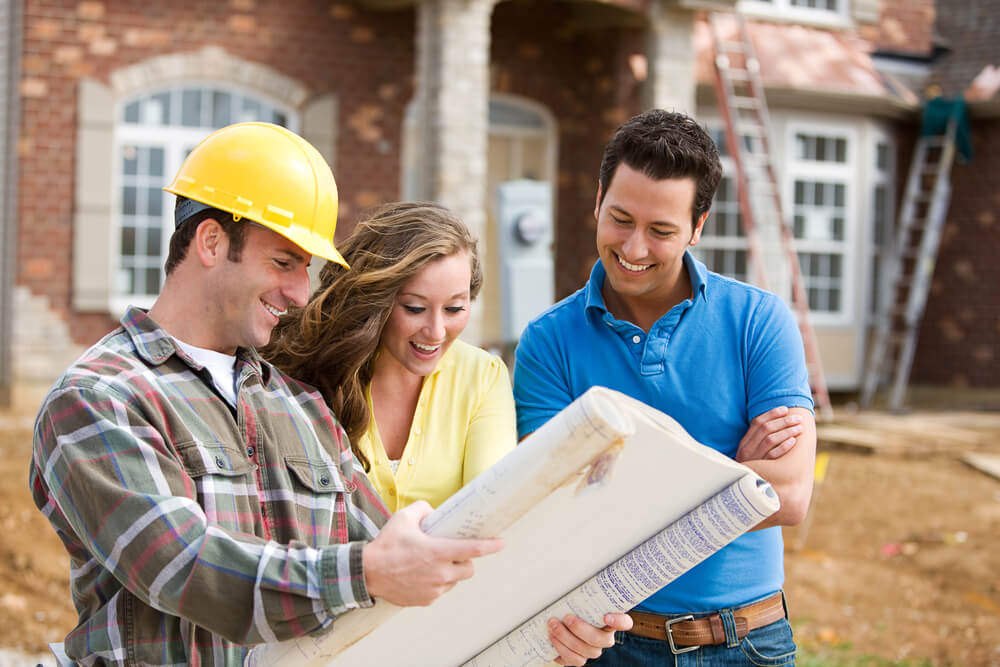
Though it's easy to estimate the price of a piece of land, it's not an exact science estimating the cost of building a home on it. The average cost of building a house in 2020 was about $320,000 on paper. However, different factors like quality, size, timeframe, location, and complexity determine the actual cost. Australian federal and state government have provided several schemes to encourage people to [buy and build](/guides/builders/the-average-cost-to-build-a-four-bedroom-house). These included the homebuilder grant and stamp duty fee discounts on first-time home owners. The average price of land in Sydney and Melbourne is $459,000 and $330,000, respectively. According to Australian Bureau of Statistics (ABS) data, the average cost per sqm is $1,393.55. This figure is exclusive of planning permits, cost blow outs, and site works. The build cost for an architecturally designed house varies, with the minimum estimated at being around $3,000 per square metre. ## What other costs can you expect to pay when building a house? Even though the cost of building a custom-design family home may be a drawback to most Australians, it' could be cheaper than buying as long as you can avoid extra costs associated with building. If you are not careful, these hidden costs may ruin your building budget. Below are five common costs you are likely to come across. ### Soil and contour testing A builder or a building company gives a fixed quote for soil test and contours, which cost about $1,000 to $2,000. But in case your site has rocky soil, in a slope, or any other issue that may make building difficult, it will cost you extra. ### Site costs The site cost varies based on the soil and contour test results. You may pay anything between $10,000 to $70,000. Plus, elevation costs if you need a sloping block, not forgetting connection and maintenance costs of water, gas, telephone, sewerage, electricity and fire control. ### Flooring Not all building quotes include flooring. But if you want your floor space to have tiles, carpets, or floorboards, You are likely to spend about $10,000. ### Driveways Like flooring, driveways don't appear on many building quotes. ### Modifications After agreeing on the design and signing off the building contract, it will cost more to do any variation on the plan. Any change in the projects leads to additional costs like more materials, legal fees, penalty clauses, and more labour. ## How much does it cost to build a 4 bedroom house in Australia? The overall cost of constructing a four-bedroom house is $1,900 to $3,900 per sqm. These figures are the actual costing used by architects, home builders, and quantity surveyors. Obvious factors bringing variance in cost are materials, finishes, fixtures, design, details, and accessories. Builders call it the level of finish. They are further divided into three - material, finishes, and fixture level of finish. It can be low, mid, or high budget, depending on you. More importantly, get house plans drawn and seek quotes from at least three builders. This way, you will have a firm idea of how much the project will cost. Architects and builders mainly compute average costs based on per square metre. With that in mind, an average cost to build a four-bedroom house would cost a significant amount based on the below. - $1,900 per sqm for a single level brick veneer with a level block using budget materials. - $2,400 per sqm for brick veneer single level on a level block if you use mid-range finishes. - $2.900 per sqm for the full brick two-level home level block with top quality finishes. - $3,900+ per sqm is designed by an architect and has a full brick, two-level home with a level block. ## Is it cheaper to buy a house or build one? Though it's easy to know the final price of land, it's much more difficult to estimate the exact cost of building a home. For example, in Victoria, the cost to build is about $423,808, while South Australia is around $314,736. Also, remember these figures are rough estimates and don't include extra costs like delayed timeframes, accessories, quality of material, among others. ## Factors affecting building costs Various factors add up the cost to build a home. To develop a final cost estimate of a project, you must include all estimates based on experiences and research. The obvious ones include permits, land acquisition, engineer review, and high construction costs. Other costs include: ### Comparison of similar construction projects Past projects can serve as a perfect reference to similar projects in the construction industry. Their pricing details can roughly show what to expect as an estimated cost in the new project. However, the prime cost must factor in the current market prices of construction items. ### Cost of construction materials Cost of constructions includes material costs, shipping, and applicable taxes if any. ### Labour costs Labour charges are not constant and change with supply and demand factors. ### Site conditions The state of construction can increase construction costs. Conditions like poor soil quality, contaminated materials, conflicting utilities, wetlands, among others. ### Insurance requirements The construction cost should also include insurance costs for covering construction workers, tools, and specialised equipment. ### Contingency During budget estimates, it's advisable to have a 10% contingency to cover the unforeseen cost and inflation. The above are just a few; other factors include inflation, timeframe, quality and specifications, regulatory requirements, project size, location, and engineer reputation,

Builders Guides & Resources

Masonry Adhesive vs Cornice Cement

Masonry Adhesive vs Cornice Cement

Masonry adhesive is a plaster based adhesive compound used to bond the stone pieces together. This makes it easier for the stones to move from side to side as they settle over time and helps prevent cracks in the mortar joint. It also allows for expansion and contraction with temperature changes instead of cracking if no movement was allowed at all. However, many people argue that this practice of adding such sealants encourages the fracturing of the stone by allowing too much movement. They feel that using a stronger material like cement will improve strength and reduce cracking. Others argue that such an approach may eventually lead to larger problems with cracking since the cement is harder than the stone. Cornice cement is a manufactured product made to work as both an adhesive and sealant. It's produced in various colours to match the colour of the plaster cornices, plasterboard surfaces, and the stonework on which it is used. It is used to stick plaster cornices or other plaster decorative products to plasterboard surfaces. Cornice adhesive is also used for reinforcing joints on plasterboard walls and back blocking plasterboard joints. You can also use this plaster based adhesive compound to join laminating plasterboard sheets to an existing wall. A white masonry adhesive or caulk finish can be applied over the top of the finished installation to give that nice hard shine that people expect with manufactured products like these. ## Is cornice adhesive the same as plaster? No, cornice cement is not the same as plaster. Plaster has little strength when dry and usually needs to be applied over a soft surface like wood or rough masonry to avoid cracking. Although we refer to these products as "cornice cement," what you see in stores and labelled by manufacturers is most often a vinyl-based material used to line behind stainless steel appliances and give them a hard, shiny finish. It comes in various colours, including white, but its intended purpose is not decorative stone installation. Cornice adhesive is a specially manufactured bonding agent. It is used for bonding [paper faced and plaster cornices](/guides/builders/cornice-vs-valance) to gypsum walls, ceilings, or plasterboards. ## What is masonry adhesive? Masonry adhesive is a very thin liquid often packaged in caulking gun cartridges for stone-based repairs such as reinforcing joints and internal corners in concrete structures. It can be used to bond stone to a concrete wall, and it's also commonly used as grout, but it has little strength when dry and should not be relied upon for structural support. A masonry adhesive may support a stone veneer application, but it won't last for years without cracking. ## What is grout? Grout is a mortar-like substance that is used between larger stones to fill the gaps and give a cleaner look with less visible mortar joints. Grout has little strength when dry and should not be relied upon for structural support. It's usually either white or grey in colour, matching the cementitious material from which it's made. Masonry adhesive can also be used as grout, although you will have more control over placement if you apply it by hand using a caulking gun or syringe. ## Can I use cornice cement instead of grout? No, this type of application is not recommended. [Cornice cement](/guides/builders/cornice-cement-vs-joint-compound) is not strong enough to support the weight of larger stones, and it's much too thin for grouting between stone pieces. This type of application would put undue pressure on the adhesive bond and lead to cracking. The use of cornice adhesive in this scenario would also make it much harder to control the placement since you'd be working with a water-based product that runs easily when wet and rinses away before you can get into position. It's still possible to achieve a clean look in spite of these limitations by using contrasting grout in darker or lighter colours (matching your mortar joints). Even better results will be achieved if you're able to choose complementary colours like black. ## Does cornice cement stick to render? You can use cornice cement to stick your stone tiles to your render, but make sure you clean it off with a damp cloth before applying the adhesive. It's important to leave it till it completely dries up and doesn't make any mess when applying cornice cement on top of the surface area. If you don't, the product won't stick to the render. You may need to apply a [decent base coat](/guides/builders/cornice-cement-vs-base-coat) to walls for a good finish. ## How does cornice cement work? Cornice cement works by filling the gaps and capillary action. This would allow for expansion and contraction with temperature changes instead of cracking if no movement was allowed at all. However, many people advise that this practice encourages the fracturing of the stone by allowing too much movement. They feel that using a harder material like cement will improve strength and reduce cracking. Others argue that such a hard material will prevent any movement and that the stone is just going to crack regardless. So what does this mean for your installation? If you feel strongly about preventing cracking, choose a mortar or grout material instead of cement-based products. ## What is the difference between cornice adhesive and masonry adhesive? Cornice adhesive is designed specifically for attaching stone veneers over drywall, wood, or plasterboard surfaces. It has been formulated to be thin enough, so it doesn't leave unsightly drip marks on surfaces behind where it's used. It's also water-based, which means it won't stain your wall if you're applying tiles over a painted surface with no primer/undercoat. Masonry adhesive is a thick, viscous product specifically designed for bonding stone to stone and has little strength when wet. Do not use masonry adhesive where you require support. ## What should I do if my cornice cement dries up? You can usually re-activate the cement by mixing it with water again. Just add enough water until it's pasty and starts to drip slowly from the nozzle of your caulking gun or syringe, then apply as normal. Make sure the surface you're working on is clean and free from dust before applying any water-based product. Otherwise, it will run into unwanted places while still in liquid form. You may also want a second caulking gun/syringe to mix the new. ## Can cornice cement be used as a base coat? No, cornice cement is not designed to be used as a base coat for painted surfaces. If you use it in this way, it will only serve to create more work for yourself when you paint your walls since the adhesive won't even stay put while wet! The cornice adhesive product was created specifically with drywall/wood substrates in mind. It's also too thin and runny to be used effectively as a covering layer on top of any material that isn't porous or absorbent. This includes primed or finished concrete surfaces. If your render doesn't have a rough texture, don't try to glue anything over it. Your best bet is to have a proper drywalling contractor do the job for you. ## What surfaces can cornice cement be used on? Cornice cement is a plaster based adhesive compound specifically designed for use on interior/exterior dry concrete walls or wood substrates that are painted with wall paint. It's also been known to work effectively on masonry surfaces such as mortar joints, stone veneers, and thin brick veneer. If the back of your brick surface has a porous texture, apply a thin coat of adhesive-based grout or a thin skim coat of clay plaster instead. ## What about tile adhesion promoters? Cornice adhesive provides no benefit over any other standard clear silicone-based construction adhesive – there's no point in using it as a tile adhesion promoter. It's also not a good idea to use cornice adhesive on your bathroom tiles (or any other wall tiles for that matter) since it won't stick very well and will fail against the moist environment of a bathroom. If you're working with ceramic or terracotta clay tiles, just apply a thin coat of cement-based grout instead. More information on masonry adhesive and masonry veneer can be found on the [National Construction Code website](https://ncc.abcb.gov.au/editions/2019-a1/ncc-2019-volume-two-amendment-1/part-33-masonry/part-335-masonry-veneer).

What Is A Cornice?

What Is A Cornice?

A cornice is a decorative moulding along the top edge of a building or furniture element. A cornice protects your home from excess water and sunlight and break up large expanses of the wall surface. Cornices can be found on many different buildings, such as modern homes, cathedrals, mosques, schools, theatres, and other structures. Unlike skirting boards that are found at the bottom, this architectural feature is found at the top of the wall. Cornices are made of materials like wood, stone, stucco medium density fibreboard or metal. A simple cornice can be formed using a crown. This process is called crown moulding. However, crown mouldings are not considered cornices unless it hangs over a window or vent. ## Advantages of a cornice The architectural detail of these design elements offers more than just their decorative aspect. They also have useful functions. The function of a cornice is to protect the exterior walls, fascia boards and roofing from weather elements. For example, a projecting cornice helps in throwing rainwater free of walls. However, you can use an interior cornice for interior walls. Most cornices are crucial in preventing water damage, leading to other problems such as mould building up over time. Additionally, crown moulding enhances the style and look of the exterior structure. They also provide contrast with trim underneath them or bricks above them. The ornamental design of a cornice can help to achieve an overall balance and consistency in the architectural style throughout the building. ## Different types of cornice There are different cornice types that vary in size, shape and scope depending on how elaborate they need to be. An example is the architrave cornice and the bracketed cornice. They also vary depending on whether it is for residential building or a commercial building. These can be interior cornices or exterior cornices and many installed with either [cement or compound](/guides/builders/cornice-cement-vs-joint-compound). There are three main types ; a box cornice, open cornice or closed cornice. Below is a brief list of the most common shapes and styles: ### House eaves (overhang) A projecting cornice that only extends over part of the wall rather than covering its entire surfaces like other cornices such as dripcornice, bargeboard, or raking-cornice. Roof eaves are an important inclusion for functionality and style. ### Simulated or false bracket A cornice that has the appearance of supporting elements but is actually decorative in nature. They are usually made of moulded wood or pressed metal and resemble actual timber brackets. ### Drip cornice A feature along the edge of a roof to protect it from water run-off which extends beyond the wall surface by approximately 2" to 4". ### Ogee (rafter) A type of cornice line where each section is shaped like an S curve to create the impression of an ogee archway. Other types of roman architecture cornices include: a box cornice, soffit, jockey, gable, cavetto cornice and garret, among others, depending on their function and scope. ## How do you install a cornice? Although the design and installation may vary slightly depending on your chosen material, there are several steps you can follow and techniques to keep in mind: Measure the length of the eave or soffit so that you know how much moulding you need. You can add an additional amount when cutting for mistakes or wastage. Cut one piece of moulding at a time by using a table saw with a fine blade to ensure accurate measurements and clean cuts. For curved sections such as ogee, use a band saw instead. To protect the wood from splitting, drill holes in it before screwing into place or use nails that fit snugly in the holes and butt up against the edge of the board. You may even consider using [masonry adhesive or cornice cement](/guides/builders/masonry-adhesive-vs-cornice-cement) for installation. Use a level to ensure that each piece is flat and parallel to the others, so you get an even final result. Measure and mark any locations where you need to fit in wiring, plumbing or HVAC ducts, so the cornice does not cover them. Cut holes through it using a rotary tool or jigsaw for them to fit in snugly. Fit in all pieces of moulding, ensuring they line up with one another at corners and intersections before driving screws into place from behind. ## What is the purpose of a cornice? The purpose of a cornice is to enhance the look of your exterior design. Cornices can come in many different styles and shapes depending on your preference and the overall architecture of the building. Many architects use cornices when designing homes or commercial buildings because they serve an aesthetic purpose and also protect the structure against rain, hail, snow, wind damage, etc. Due to weather elements, they are often made out of sturdy materials such as wood or metal to last for years without wearing down or breaking apart. ## What is the difference between a cornice and an eave? Cornices are overhanging elements that only extend over part of the wall, while eaves cover the entire surface of a roof. In many cases, eaves will also extend past the side of a house as well as above it. Cornices can be square or rectangular in shape or consist of smaller components such as mouldings or coils, which make up a more ornate design. They play an important role in protecting walls from weather elements such as rain which can cause damage to brickwork and other stone materials. Eaves do not provide this type of protection. ## What is the purpose of moulding? Mouldings are decorative elements that can be used on many types of surfaces. The main purpose of moulding is to give something an aged, elegant yet ornate look depending on the type and style you use for them. They can come in all sorts of shapes, such as square or circular ones, each with its own unique characteristics. The two main reasons architects often use mouldings when designing homes or any other structure have to do with. ### Protection Mouldings protect other elements like eaves and roof edges against water damage and rust formation. ### Aesthetics Cornices and mouldings help enhance the overall design of a house by adding an attractive finishing touch to the look of any wall. ## What is a cornice made out of? There are many different types of materials that can be used to create mouldings, each with its own unique characteristics. The most common material is plaster or plasterboard, which is inexpensive and easy for professionals to install on exterior walls of homes or other buildings. Wood also makes for a popular choice thanks to its sturdiness and often comes pre-painted in white colour, so it blends into the building's design without looking too conspicuous. ## Can you paint over a cornice? Yes, it is possible to paint over a cornice as long as you first take the necessary steps to ensure that water does not seep behind the moulding and cause damage to the bricks or stone material. The best way to do this is by applying a coat of waterproof sealant first to create a barrier between the paint and other elements. Once dry, apply at least two coats of exterior house paint or any colour you choose. The [base coat often hides the cornice cement](/guides/builders/cornice-cement-vs-base-coat). Interested in a career in designing or building cornices? Take a look at the [training.gov.au website](https://training.gov.au/Training/Details/CPCCPB3020).

Sloping Block Builder Prices

Sloping Block Builder Prices

You can either build a retaining wall to hold the land in place or terrace the block by splitting it into different levels. A sloping block is a block of land that has on an incline and often found in hilly and mountainous areas. Sloping blocks are more difficult to build on than levelled land as it can be prone to landslides. It should be cheaper than a flat block as there is less chance for issues with the construction, and it can also be changed into a great building sloping site by filling and levelling the area. Building on a sloping site will add additional construction costs of approximately $40,000 to $100,000 compared to a natural ground level. ## How can I build on a sloping block? You can either build a retaining wall to hold the land in place or terrace the block by splitting it into different levels. This is often done by building steps up the slope. Terraces are often used for housing as they can be used to maximise the use of a small block of land. Split terraced levels are good for building split level homes. ## Are there any blocks too steep to build on? There are a few blocks that are too steep to build on. If you have a very severe slope, then it may not be possible to build on the block at all, no matter what [the builder does](/guides/builders/what-does-a-builder-do). Generally, a downward sloping block poses structural and design challenges. These challenges account for the additional building costs associated with constructing a home on a sloping block. If you are unsure whether your block is suitable for building on, it is best to speak to a professional builder or landscape architect who will advise you on the best way to proceed. ## What are the benefits of building on a sloping block? When you build on a sloping block, it gives you the opportunity to create a great unique looking house that has a unique design. A sloping block house may offer sweeping views, privacy, or a sense of being in nature that a flat block cannot offer. A split level house can yield more room space without disadvantaging the building area. This advantage is best demonstrated in a stacked split level house where up to four rooms can be built back to back. Essentially, homes built on sloping blocks can have added outdoor space for additional amenities such as play spaces and [swimming pools](/guides/builders/how-much-does-it-cost-to-build-a-pool). Rooms of a well stacked split level home have enhanced natural ventilation, a superior solar orientation, and balcony designs that provide wonderful views. The multiple levels achieve this benefit in the house design. Where higher ceilings are incorporated, unique architectural designs are possible, which can be attractive to home buyers., enabling the developer to make a maximum return on the project. There are also some environmental benefits. When you terrace a slope, you create mini-ecosystems which can support different types of plants and wildlife. This can help to improve the biodiversity of an area. ## What are the drawbacks of building on a sloping block? Although there are some benefits to building on a sloping block, there are also a few drawbacks. One of the main problems with building on a slope is that it can be difficult and expensive to construct on. The steep slopes inflate the site costs even though development is not made on the entire block. Extra costs may arise as well. Additional costs involved can occur due to accessibility difficulties. Delivering materials to the building site can be a costly activity. Besides, the type of soil on site can necessitate specialized equipment to accomplish the foundation work. Potential costs accrue to erecting retaining walls or excavating rocky grounds. The expertise needed to build on a sloping site is also different. Volume builders tend to know about site works on a level surface. A project on a sloping site may call on the specialised services of a custom builder. Landslides occur, which can cause damage to property and loss of life. Poorly designed and executed house plans have the added risk of excess stormwater flooding parts of the foundations. Sloping blocks can present drainage issues. Your local council may raise critical reservations, impose the structure's height restrictions or deny you a development license altogether. Additionally, when it is time to sell your house, there may be some issues with marketing and selling your property. Not everyone wants to live on a sloping block, so you will need to ensure that you market your property effectively when it comes time to put it on the market. ## Is it hard to build on a sloping block? Building on a sloping block can be difficult for the foundations, floor plans, and structure of your house. You must have a good understanding of building on a slope before you start construction. Factors such as drainage and soil can greatly influence how your house will be constructed. As a general rule, experts strongly recommend you comprehensively discuss all possible scenarios with professional custom builders. They have the expertise to know if the project makes sense. They can foresee key areas that can pose implementation challenges and furnish you with a detailed home pricing structure derived from the house plans. ## Can I subdivide my sloping block? Yes, you can subdivide your sloping block into different levels by building steps up the slope. This will give you more options for building on your block. You may be able to [build a granny flat](/guides/builders/granny-flat-builder-prices). You may also want to consider terracing your block if it is very steep. Building on a sloping block can be difficult and expensive, but it can also offer unique benefits such as great views or a more natural environment. ## How is a foundation poured on a sloping block? A foundation of a house is the base where it will live on top. Different foundations can be used depending on what type of ground you have and how level it is. Land levelling may be required to build a house, and this requires digging and filling the area until the surface is flat and level. More than one step may need to be added to your block once it has been levelled, as the highest point must always be at or near ground level for your new home's structure to remain stable. On a sloping block, the foundation is poured on the ground surface in a similar way as it would be on a flat block. The difference will be that, as the foundation is being poured, it will be levelled along with the ground surface. ## What type of house can I build on a sloping block? There are many different types of houses that can be built on slopes of uneven levels. A builder or architect will be able to help you design a house that is suitable for your block. Some of the most popular types of houses that can be built on a sloping block include the below. - Single level - Double storey - Split level home - Multi-level It is important to remember that, although you may have more options for house designs and floor plan outlines, building on a sloping block may be more expensive. You should also factor in the additional cost of land levelling if this is required. ## Can I build a deck or patio on my sloping block? Yes, you can build a deck or patio on your sloping block. This will allow you to make the most of your outdoor space, whether you want to relax or entertain guests. There are many different types of decks and patios that can be built depending on how much money is available, desired features, and the size of the area that it will sit in. Remember to consider drainage when building a deck or patio on your sloping block. If possible, try to leave about half a meter between where your deck or patio begins and the edge of your property, so water has somewhere safe to go rather than collecting above deck level. For more information on choosing a site to build your dream house, take a look at the [YourHome website](https://www.yourhome.gov.au/buy-build-renovate/choosing-site).

What is a Bargeboard on a Building?

What is a Bargeboard on a Building?

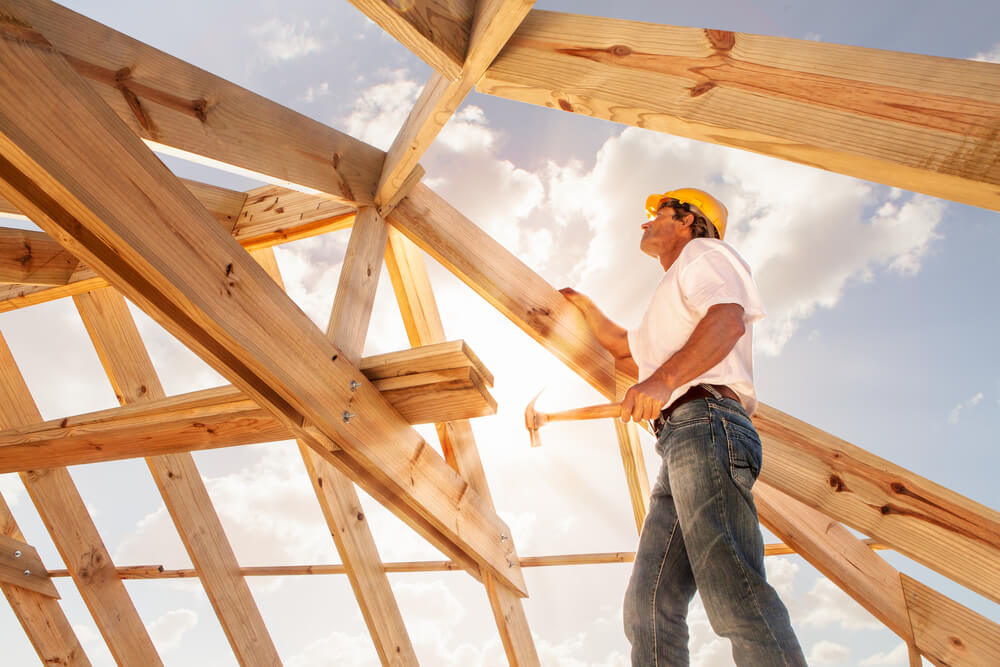
Bargeboards are a board that juts out from the side of the roof of a building site (resembling roof tiles) for soffit implementation. A bargeboard is used to protect the edge of the roofline from rain and wind. Gable boards are a type of bargeboard (used in roofing). They need fewer repairs or need for replacing. However, when it demands repairs, it can alternatively be replaced by roofing team or else the team can also carry out repairs. The repairs by the team won't be costly either. The point of the board, sometimes called a spur, is to deflect water away from the building. It also stops rainwater from falling onto the wall of the building below it and protect against windblown rain coming up under the roof edge. Bargeboards are often elaborately carved and decorated in many different architectural styles such as Gothic, Tudor or Victorian architecture. ## What is the difference between a fascia and a bargeboard? A bargeboard is a decorative wooden cresting that hangs from the edges of a roofline (or rafters) and fascia boards are an A-shaped vertical trim board that protects the soffit on the outside of buildings (used in roofing) that resemble soffits. It can be replaced by an expert team if there's a need to replace these boards. The need to replace occurs in case of leaks of break down. Soffits help improve the ventilation of air. There was a time when the fascia, bargeboard and soffits were used interchangeably and there was no need for a distinction to make soffits designs. Fascia boards are usually thin boards made from high-quality materials like wood, fibreglass, etc. The fascia boards are installed between the roofline to conceal the horizontal roofing boards and the exposed materials of the roof. The colours of the fascia boards usually match with that of the exterior siding on a house property. Various options of colours are available to match the aesthetics of your home. A bargeboard is usually thicker than the fascia boards and it may be capped with decorative finial patterns to enhance its aesthetics and quality appearance. It can have any design features carved into it but most designs are inspired by Gothic architecture of England. Bargeboards are attached directly to structural building support rather than being held up by trim boards as fascias would be. Bargeboards often create an overhang for protection or decoration purposes along the roof edge, gables or other roofline projections. Bargeboards are also called verge boards, kerb, ridge boards, springing lintel or 'weather-wing' by stonemasons. It is a piece of decorative roof timbers along the lower edge of a roofline that hangs down as a vertical row below the roof edge. This roof decoration can be sloping or horizontal depending on where it's being placed on the building roofing. The purpose of the decorative boards is to keep rainwater flowing away from the house walls of any property site, particularly on the gable end. Originally, it was made of oak because of the three features- it was a strong, durable and best material that could give protection from inclement weather. It could also be carved with pretty detailing and curlicues along its length which would help divert rainwater away from the exterior wall by creating channels for water to flow through into covered gutters. Hence gutter or guttering isn't affected. The [guttering won't need additional cover](/guides/builders/what-is-a-box-gutter) or a need to replace the existing cover. ## Do bargeboards need roof plumbing? It is not necessary for barge boards to have roofline/roofing plumbing jobs. In fact, the most company don't prefer this roofing job because the extra expense would outweigh any efficient benefits provided by it. That being said, if your home has a gutter, the water from the rain from the roofing will drain off the roof tiles (roofing tiles) through those gutters and won't flow over bargeboards directly into a wall or foundation of a building roof. This can be helpful in areas prone to heavy downpours as well as areas with high levels of humidity which lead to mould formation on roof surfaces that collect water. Because of these factors, some property owners choose to attach a small section of gutter behind the decorative boards. Guttering not only provides an additional water-diverting system but gutters also have a significant impact in enhancing rainwater drainage in areas that receive heavy amounts of rainfall by creating more openings for water to carry through the gutters, even if [using gutter guards,](/guides/roofing-supplies/what-are-gutter-guards) rather than over the bargeboards onto a wall surface which might cause potential damage in time. ## How much do bargeboards cost in Australia? Bargeboards can vary in price depending on the type and quality of construction materials being used, the style and design is manufactured, and whether it's a one-piece or two-piece board. There are several types of bargeboards that can be purchased. These include traditional wood ones made from oak, metal versions which could be either painted (with anti-rust paint) or galvanised to prevent rusting, PVC which are affordable but won't last as long as wooden or metal ones, and fibreglass versions which mimic the look of real wood perfectly but tend to be more expensive than plastic models. For basic bargeboards most people can expect to pay around $20 to $30 per length but some models have been known to cost as much as $300. On average, a two-piece bargeboard made from wood will cost between $60 and $100 per length while metal ones can be bought for around the same price. A fibreglass one can be found for about $110 per length and there are plastics that look like wood that requires no maintenance job that retails for less. ## What is a bullnose fascia board? Bullnose fascia boards are a special type of barge board used to add extra decorative elements to the top edge of a house roof. Fascias resemble a small version of the curved eaves found at the bottom row(in roof tiling) of traditional English-style homes and it's easy to see how fascia got its name. The curved shape of the fascia allows rainwater to slide off more easily and adds visual interest and beauty to the house roof. Bullnose fascia boards usually come in lengths between 2 metres and 4 metres and fascia can be made from any materials such as timber, metal or plastic. Fascias are not designed for use on roofs that have gutters or flashing installed because water will flow off into those instead. There are various types of fascia boards. ## Can I install new bargeboards myself? Most bargeboards or fascias can be installed without the help of a professional since they are designed to be simple to attach. Many models will come with their own fastening hardware so they can be attached for protection to the house roof in no time. However, before trying this you should check what's involved with installing your particular model and make sure that it is compatible with your roofline. It is possible that new flashing or brackets may need to be installed before attaching bargeboards or fascias which would require a professional if you wanted them done neatly and correctly. ## Do I need planning permission for bargeboards? For most types of exterior cladding including bargeboards or fascias, efficient planning and permission aren't necessary since they are not considered permanent additions to the house roofing. However, some evolved styles might be more intrusive or bulky than others so it's worth asking your town hall for guidance before installing them. Often times bargeboards or fascias that include roof plumbing jobs don't need any additional permits even if you're redesigning a property with a pitched roof. For more information on permits and applications, take a look at this [handy guide from the Victorian State Government](https://www.planning.vic.gov.au/permits-and-applications/planning-permits), however check if similar applies to your area.

How Much Does It Cost to Build a Pool?

How Much Does It Cost to Build a Pool?

Installation and maintaining a fibreglass pool may be about 20 per cent less expensive than a concrete lap pool. A brand new pool is a great way to spend those hot summer days. You can use it as your own personal oasis and enjoy the beautiful weather and refreshing water on sunny days. It's also a wonderful way to keep children entertained and help you create long-lasting family memories. Several other factors go into determining how much money you'll need to spend to build your dream swimming pool, such as: - The size of the swimming pool (small or large). - The type of material used (concrete, fibreglass pools, or vinyl). - Swimming pool costs per square metre and initial price tag. - Extras (water feature, grassy area, etc.). - Location of the swimming pool. Smaller concrete pools are the cheapest and most durable option compared to the larger vinyl swimming pool. However, a vinyl liner pool is more durable and can withstand years of wear and tear without breaking down when, therefore, cheaper for ongoing costs. Concrete pool prices vary depending on the region and company used for automatic covers installation by a swimming pool builder. Vinyl liner pools may cost a little more initially, but it also has a lower rate of ongoing maintenance, which can save you money in the ongoing costs. You should always check with your local pool suppliers to receive the best pool installation costs and pricing, as well as advice regarding any extras that you might want to include such as a [glass pool fence](/guides/glass-fencing/glass-pool-fence-cost). Once you have all of these in-ground pool cost figures and upfront costs, it's simply a matter of finding the area you want to install the pool vinyl liners and quoting the pool fencing dimensions. Backyard pools are typically installed 8 to 12 inches below ground (inground pool) level, so be sure to do your measuring accordingly to estimate the inground pool cost. The starting price for a professionally constructed fibreglass pool can be between $25,000 and $35,000, with costs ranging from $50,000 to more for compass pools. Regardless, it will tkae a few weeks for your pool to be [installed and functional](/guides/builders/how-long-does-it-take-to-build-a-pool). Decent concrete pools and in-ground pools can start from around $40,000. ## Is a concrete pool cheaper than a fibreglass pool? Installing and maintaining a fibreglass pool is about 20 percent less expensive than a concrete lap pool. This is because the fibreglass pool requires fewer coats of paint and no tiles to be replaced. Fibreglass pools also have a limited amount of moving parts, which are easier to maintain. The [excavation costs](/guides/excavating-earthmoving-equipment/pool-excavation-costs-and-pricing) may be similar. ## What are the costs associated with maintenance? Properly maintaining your backyard oasis will help ensure that you get the most out of it for years to come. This includes cleaning chemicals, an automated pool-style cleaner/vacuum system, solar panels, gas heaters, etc. Cleaning your pool is essential to prevent black algae or bacteria from growing in the water or pool area. If left unattended by solar heating, this in-ground can cause health problems for you and your family, along with ruining the water quality. It's recommended that homeowners spend at least 2-3 hours a week cleaning the concrete pool. It should not be left unchanged. ## What is the daily cost of maintaining a pool? How much does it cost the average cost of maintaining and running your swimming pool built in Australia ranges from $2 to $10 every day. This includes the electricity needed to run water pumps and filtration systems, chemicals that destroy pollutants and bacteria, and gas or electric heaters. Costs also depend on how much you use your pool which varies per family. Some families might prefer to spend more time in their backyard than others to opt for an extra pair of solar panels. These will add to the overall costs, but they can be beneficial if you choose to do so. Running expenses are approximately $200 to $300 during cooler months and $400 to $800 during peak summer months. The final price of your pool will also depend on the size and depth you choose. It's important to consider what type of maintenance you want to do yourself or whether you prefer to hire a professional for any upkeep. Price is dependent not only on the type of pool you install but also on its Location. A backyard with little sunlight may require extra panels, greatly affecting the cost. It's also necessary to consider how much surface area it covers. This includes everything from decking, stairs, skimmers, filters, etc. This should be done before deciding, as prices vary depending on building materials such as tile or concrete. In addition, preparation costs can also vary between $5,000 and $10,000. ## What are the extra costs of owning a pool? You might also need to consider additional expenses that may not affect the cost of your installation or maintenance but still add up over time. For example, if you choose a decking surface, then it's necessary to pay for its regular upkeep and replacement as needed. This can be expensive, especially if you have a large pool with a lot of foot traffic on it all year round. In addition, there are many outdoor furniture items such as umbrellas, tables, chairs, etc. which can also increase overall costs depending on how much you purchase and where from (i.e., brickwork around your patio). To make your backyard oasis comfortable throughout the seasons, you might want to consider a heating system. You will need appropriate and safe fencing. The Swimming Pool and Spa Association has some great information on [pool fence safety standards](https://www.spasa.com.au/consumer-info/fencing-laws/).

Box Gutter Price

Box Gutter Price

Box gutters are commonly made of high-quality materials like aluminium and zincalume. It will cost cost approximately $30 per metre to install or replace a box gutter. ## Price estimates for different box gutter materials Clips, anchors, rivets, or downpipes are not included in the below price estimates. ### PVC Box gutters are commonly made of high-quality materials like Polyvinyl Chloride (PVC). Vinyl guttering is a PVC guttering that works well when installed correctly. It's one of the most affordable and straightforward materials to install. Each meter material cost will set you back between $25 and $35 per metre. ### Zincalume Zincalume consists of zinc and aluminium, making it a cost-effective gutter material for metal roofing. Zincalume costs between $30 and $50 per metre, depending on the coating. Colour-coated Zinkalume may be more expensive. ### Aluminium Box gutters made of aluminium cost between $10 and $20 per metre. ### Stainless steel Stainless steel is a long-lasting product. You may expect to pay between $75 and $180 per metre. ## What are the benefits of box gutters? Purchasing and building box gutters is not expensive, and they have many benefits. One of the benefits is that they are easier to install than traditional gutters. They are also less likely to clog if you use custom flashings because the water flows through them in a more even way. It means that you will spend less time cleaning your gutters. Box gutters are also an excellent choice for homes with metal roofs, as they can help protect the roofing from corrosion. If you are looking for an affordable and functional gutter system, box gutters are a great option. Box gutters come in a variety of sizes and materials. The most common kind is the ABS plastic gutter. Other roofers also make them from galvanised steel or copper for different houses. They are usually sold in 10-foot increments to make it easier for you to find the size that works best for your home and location. Some metal options like aluminium may need some maintenance work and paint done every 8 to 10 years to prevent leaks and remove debris. However, this will depend on how often it rains where you live and whether there are droughts. A box gutter requires replacement than traditional guttering systems because they tend to shed and age faster due to their exposure to sunlight. ## What are the different types of gutters? The most popular guttering styles are box, traditional and half-round. Box gutters are a newer type of gutter whose service has gained popularity in recent years. They are easier to install than traditional gutters, and they drain well, making them less likely to clog. Traditional gutters are the most common type, and they attach to the roof at a 45-degree angle. An overflow of water can damage the ceiling or walls of your houses and exterior structures like sheds, trees, and garages. Leaking drain pipes can also lead to increased moisture and rot in the building. If you are unsure of the best type of gutter for you, consult with a professional gutter installer. ## What is the best material for box gutters? Box gutters are usually ABS plastic, ABS steel, or galvanised steel. Each of these materials has its benefits and drawbacks. For instance, ABS plastic guttering systems don't rust, but they may fade in colour when installed. Galvanised steel is more expensive than ABS plastic, but it won't fade in the sunlight. ABS steel has similar benefits to galvanised steel, but it can corrode if water stands in it for too long. If you are looking for an affordable option that does not require much upkeep, the ABS plastic variety is the best. However, if you want fixings that will keep their shape and colour better without fading or leaking, then galvanised steel or ABS stainless steel would be your best bet. ## How long does it take to install box gutters? Box gutters are very easy to install. Most people can have it done in the afternoon. Depending on the type you choose, they attach easily to the fascia of your home with screws or rivets. Attach it to your downpipe and you're good to go. ## What are the benefits of half-round gutters? A half-round gutter sweeps rainwater away from the foundation of your house more effectively than a square gutter or eaves gutters. They are shaped like a semi-circle rather than a rectangle or box shape, which makes them better at moving heavy rain or overflow away from walls. It prevents water stains from siding and keeps the foundation free from possible damage by the water flow. If this is a great deal to you, they are the way to go. ## What are some other benefits of box gutters? Box guttering can be an excellent choice for homeowners for several reasons. First, they are easy to clean out because they have fewer corners than traditional or half-round gutters for less clogs and other buildups. They also offer a large volume of water if maintained regularly than traditional gutters, so they are ideal if you have heavy rainfalls where you live. Their straight shape makes them very easy to attach directly onto your downspouts as well, which is not time-consuming during installation. Box gutters come in many different colours. In Australia, the market is full of different types and styles of gutters. But not all are ideal for ease of installation and they require more maintenance. A box gutter attaches easily to the fascia of your home, and they don't need much in terms of regular cleanings or repairs. The only real drawback is that they tend to age faster than traditional gutters because they are more exposed to sunlight. Because there are so many great benefits associated with box guttering, however, this is something you may want to consider when choosing what type of gutter system would work best for you and your house. ## Do I need to install roof plumbing with box gutters? You do not need to install roof plumbing on metal roofing. However, if your house is on a steep angle and the foliage around it prevents rainwater from running away naturally, installing roof plumbing can significantly help improve drainage. Roof plumbing is a series of pipes and elbows that redirects runoff water from the gutter system to your downspouts. ## Where should I attach my gutter hangers? Connecting your gutter hangers directly to the fascia of your home is the best way to keep them in place. It will also prevent them from sagging over time. If you are attaching them to a modern profile wood fascia, use corrosion-resistant screws or nails to secure them in place. If you are connecting them to popular styles like vinyl or aluminium fascia, use rivets rather than screws to don't damage the material. Make sure that the gutter hangers are evenly spaced along the length of the gutter. They should be pointing down at a 45-degree angle. That way, the water flows easily into the gutters without any leaks.

Builders Informational Articles
Cost of Building a 3 Bedroom House in Australia

Cost of Building a 3 Bedroom House in Australia

Material and construction costs constitute a considerable part of the construction build. The cost of building a three bedroom house involves investing a significant amount of money and significant costs in labour. Labour costs will depend on the expertise required and availability. Also, plan for other building costs such as getting a house plan and planning permits. Home builders unavailable to manage the construction of the new house may need the services of a project manager. Using one will increase the average costs. The average square metre cost of building a 3 bedroom house is below. - Basic $1500 per square metre. - Full brick $1700 per square metre. - Double brick $2000 per square metre. Basic construction cost is just the building itself, including foundations, walls, floors, and roof. Full brick includes all of these plus plasterboard for interior walls and exterior render to give your house a traditional look Double brick adds insulation in walls so you can turn down heating costs by up to 30 per cent. Double brick also increases sound insulation to cut out external noise. ## Benefits of building your own home The benefits of building your own home include the below. - Creating your ideal floor space on an affordable block of land within your budget. - Having some input into how the house is built as well as choosing the builder that you feel comfortable working with. - Saving money by using more energy-efficient products such as solar panels and triple-glazed windows can reduce the cost to build. - Developing skills for life. - Affordable home builder loans. ## What other costs can you expect to pay when building a house? You can expect to pay some additional costs such as the below. - Fees paid to council for permits and approvals. - Cost of landscape or garden design. - Additional storage space for building materials if you're not using them immediately. - Legal expenses. Although the builder may be responsible for obtaining council approval on your behalf, it's a good idea to have an independent solicitor check over any legal documents before signing. - Insurance. Most lenders require it for a home loan. ## What other factors increase cost of a project home? Other factors will impact the total cost to build other than the site costs of materials and labour. In the property market, the average price of an average house built by a volume builder will be lower. Custom built homes will lead to cost blow outs. Expect to pay extra costs to have soil quality testing. A house [built on a sloping block](/guides/builders/sloping-block-builder-prices) costs more to build. Expect to pay a higher price for the house because of the expertise required, special building requirements for flood prone areas, and cost to build retaining walls where they may be required. Imported materials affect the final cost of your three bedroom house. The cost of materials is affected by the volatile exchange rates. Significant delays in delivery of imported materials or labour or disruption of supply chains can occur, driving the final project cost to build way higher above estimates. Approximate costs for luxury homes or an average dwelling with amenities such as air conditioning, brick veneer, or ceramic tiles finish will cost more per square foot or metre. ### Finishing costs When you move into your new home, you'll need to consider the inclusions - Painting interior walls. - Installing blinds or curtains. - Floor coverings. - Bathroom inclusions such as vanities, basins and tiles. - Kitchen inclusions such as benchtops, ovens and cooktops. - Lighting. ## What's the average time to construct a home in Australia? Construction time varies from six to 12 months. You must take into account a variety of factors such as the below. - When you can start building after the contract is signed. - Whether approvals are needed from the local council before construction begins. - What type of design and materials you're using. - How busy the builder's schedule is. - Complex designs, renovations, or other projects may add months to your build time. ## What types of 3 bedroom houses can I build in Australia? A standard 3-bedroom house typically it has two bathrooms and two living areas. You can determine your own floor plan depending on the site constraints, budget, and personal tastes however [asking a builder](/guides/builders/what-is-a-builder) is the best place to start. Traditional home on a foundation with brick and tile exterior and a pitched roof. A modern design, such as an A-frame or flat-roofed home that makes the most of its compact size. Some types of materials such as steel and timber can support taller ceilings than conventional construction materials such as bricks and tiles. This enables you to create higher living spaces without building up, giving you the option to build a multilevel home. ## What room layout is best for families? If your family is still growing, there's no better feeling than building your own house for your growing family. Your own house is designed just the way you want it. It's not all about floor plans, though. You need to think about the below as well. - Plenty of outdoor entertaining space. - Fence or secure yard for kids playing outside. - More bedrooms with extra bathroom(s) if needed. - Larger living spaces with high ceilings to make the most of natural light flow throughout the property. - Carefully considered water usage. Simple options such as dual flush toilets can help reduce the amount of water used by up to 40 per cent. - Double glazing is another simple step to take that can reduce your heating and cooling bill by up to 20 per cent. ## What are the most popular 3 bedroom houses in Australia? - Bungalow style with an open plan living area for easy access between living areas. - L-shaped floor plans that provide more efficient use of space, especially in smaller blocks. - Bi-level designs for families that want the option to separate private and communal spaces. - Townhouses offer low maintenance, but they're usually small dwellings on small lots with little outdoor space. - Multi-level homes offer plenty of outdoor space and privacy without sacrificing too much storage space inside. They also reduce noise levels since not all rooms are below another room. - Multi-level homes can be either a modern, open floor plan that makes use of the building's shape or a more traditional layout with separate living areas for quiet and privacy. ## How long does it take to build a 3 bedroom house? Construction time varies from six to 12 months. You must take into account a variety of factors such as the below. [Your builder](/guides/builders/what-does-a-builder-do) would be the best person to ask. - When you can start building after the contract is signed. - Whether approvals are needed from the local council before construction begins. - What type of design and materials you're using. - How busy the builder's schedule is. - Complex designs, renovations, or other projects may add months to your build time. ## Is it cheaper to build or buy a 3 bedroom home? Depending on the project and level of detail, building a house can be more affordable than buying an existing house. There may be government incentives available for building project homes and reducing your carbon footprint. The cost of buying an existing home depends on the current market value and what's included in that price. You want to be sure you're getting more space for your money or that there aren't any hidden costs like renovations. If your home is already built, you can't change it to suit you. But if you build your own house, there's no limit to how much you can personalise it. It can be totally unique and designed to fit your family for life. Home buyers considering buying or building can seek independent advice from professionals and companies in the home building sector to get an accurate idea of what would be best for them. Take a [look at YourHome](https://www.yourhome.gov.au/buy-build-renovate/build-home) for more information on building a home.

What is a Balustrade?

What is a Balustrade?

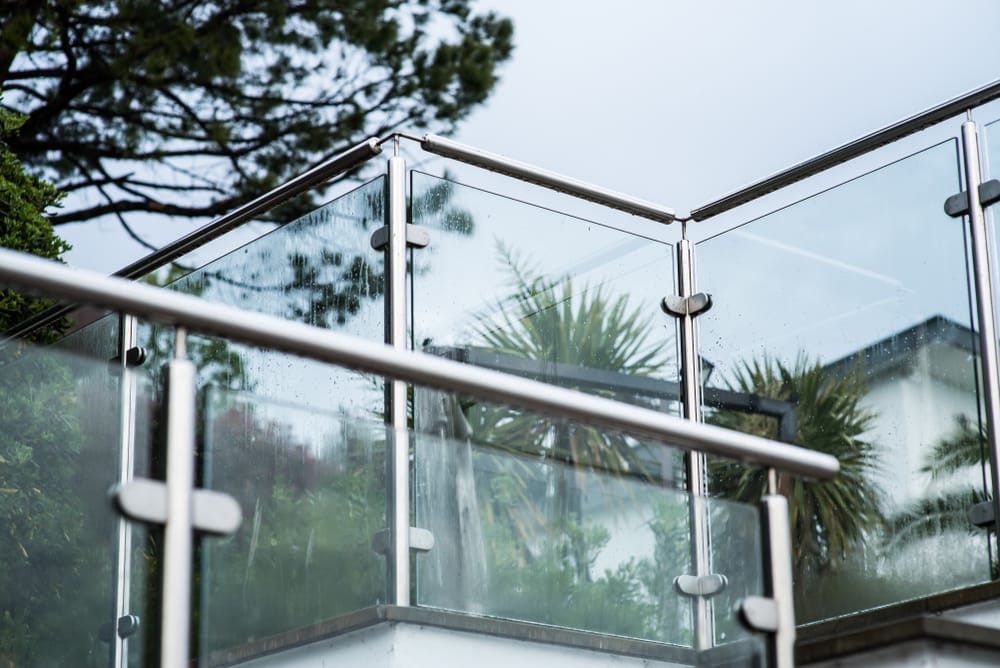
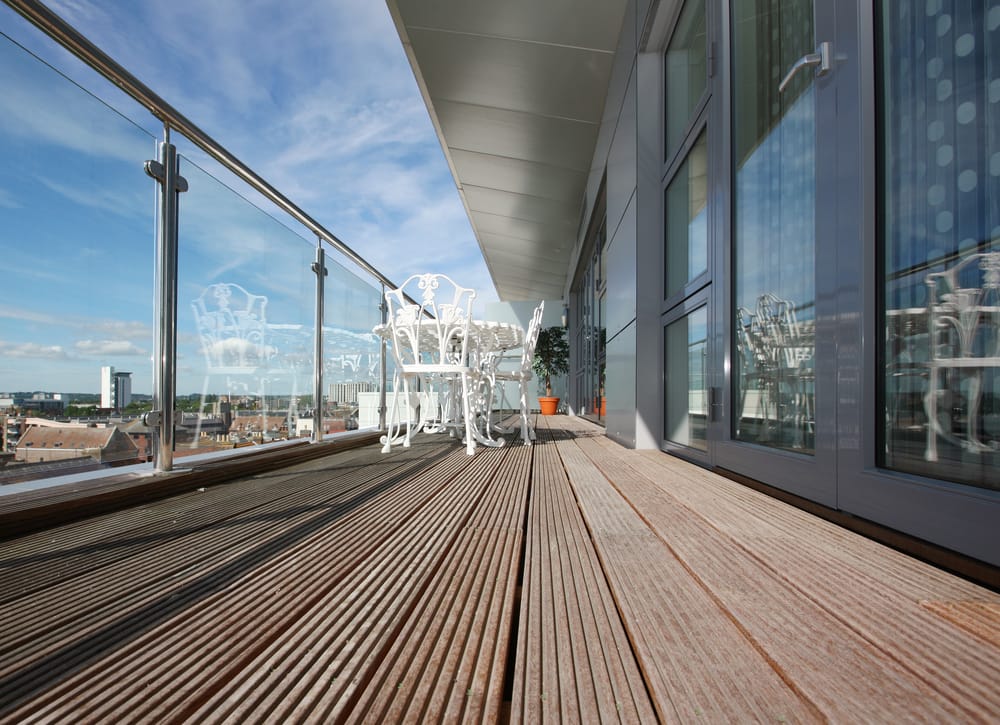
A balustrade is a kind of architectural decoration in the form of a railing that serves to prevent fall from a height. Balustrades can be attached directly to walls or climb along them with help of small columns or posts called balusters. A balustrade may also stand freely as a whole unit structure. Ancient temples were adorned by monumental marble-and-stone parapets with statues. Today balustrades are widely used in private house building both outside and inside doorways, roofs, staircases, balcony railing etc. These balustrades create beautiful decoration and style, adding elegance to any interior ensemble without diminishing its integrity even when they do not play a practical purpose. ## What does a balustrade do? A balustrade or a rail is a horizontal construction that goes around the perimeter of an elevated place such as a balcony, terrace, stairway etc. This balustrade is used to keep people from falling off the staircase. Thanks to its design and style, and also the various shapes which adds both visual interest and safety feature in any interior space so it can be considered a key element in modern-style architecture. According to history, this balustrade was used from the renaissance period for architecture purposes. They provide additional structural support for people climbing staircases, especially if the staircase is narrow or has several steps. These balustrades also help people move more smoothly along the stair passage because their hands don't have to hold onto something which makes moving easier without adding unnecessary pressure on certain parts of the body. They make conditions in case of fire safer because they prevent people from falling off. This is especially important in various public buildings such as schools, hospitals and an important consideration [when building your house](/guides/builders/how-much-does-it-cost-to-build-a-house). ## What does a balustrade consist of? There are different types of rails: glass, metals, wood and any other material that can be used to build them. Balusters or spindles refer to small vertical pieces which go around railing. Their design depends on the whole [building construction](/guides/builders/what-does-a-builder-do) so for instance if you choose glass then it has to be designed accordingly with regard to its shape and size. Round shapes look better when combined with wooden guards while square ones fit better with iron bars for example. Decorative elements can also be added depending on the overall design. ## What is a balustrade made of? Balusters are most often built of wood, stone, concrete or other materials. Metals balusters are used when the element in question has to be fireproof. Wooden elements are most common. The balustrade material used depends on many factors e.g. location, function, colour etc. The height of a given baluster is determined by the space available. In most cases, the space between two consecutive row of balusters is about 300 millimeters. If a greater distance must be covered, it's recommended to use a pillar or additional metals for posts in order to keep things visually consistent and elegant at the same time. A standard ratio is one baluster for every 3 steps on stairs. The balustrade varies depending on use and type of stair but this proportion seems to be ideal in most cases considering ease of stair climbing or stair descent as well as aesthetic appearance. ## What is the difference between a banister and a balustrade? a banister is a handrail running along with the steps of a stairway. Decorative handrails are not always present but they don't carry any functional purpose, the rail is just there to make it easier for people to climb up and down safely by providing them with something to hold on to. A balustrade on the other hand, does both: it serves as a guard railing and provides support at the same time. Balustrades can be used inside rooms as well as outdoors where stairs or balcony is located. Balustrades originate from ancient times when architecture like temples were adorned by huge marble parapets decorated with stone-statues and other ornaments. Balustrades are built with a great deal of care and passion by numerous professionals whose skills allow them to create a wide range of beautiful decorative designs combining looks and functionality perfectly. ## What materials are used for balustrades? For balustrades, in most cases wooden elements are preferred but what about metals? They're very popular as well because they can be made either fireproof or frostproof depending on circumstances. Different types of glass balustrades contribute elegance, transparency and bright light in certain house interiors where it's often needed so badly. [Your builder](/guides/builders/what-is-a-builder) will be able to give you some great advice on which suits best. ## What is a handrail? A handrail can be made of metals or wood and it's often used as a railing to prevent people from falling down from certain heights. It's most often used on stairs but they can also be installed on balconies, fire escapes, terraces etc. They usually have row and columns of balusters attached to them which provide additional support for those who need it. Other guards are available as well: wall grills, window grills, posts and so on depending on the purpose they serve and the space where they're applied. ## Are handrails and balustrades the same? No, the balustrades and rail are not the same. A handrail is a railing that keeps people from falling down when they need to climb up or descend certain heights. A balustrade is a combination of both: it keeps people in and prevents them from falling off the edge at the same time by acting as a guard and providing support thanks to its design. Many important building and architecture were decorated with marble parapets decorated with statues in ancient times. Some earliest examples of these ancient architectural features include assyrian palaces, sculptural murals, ancient bas-reliefs, etc. where balusters were used as architectural element. Today we use different materials for designing balustrades but the idea behind them has remained unchanged over centuries: they contribute both visually and functionally to any interior ensemble making it modern, elegant and safe at the same time - whatever shape they have, whatever material is used for creating them what type of stairs or balcony. Queensland has a number of [strict guidelines to follow](https://www.qbcc.qld.gov.au/blog/home-property-owners/make-sure-your-balustrades-railings-measure) when installing balustrades. Check to see if the same applies to your local area. ## How long does it take to install a balustrade? It depends on several features including the number of people involved, style of stairs etc. In most cases, installing a guard takes 1-3 days depending on the place and the style of stairs. ## What are the common types of balustrades? There are many different materials used for balustrades, each with its own unique design giving you countless options of balusters. Balconies and other outdoor areas can be decorated with glass parapets which contribute both to their visual attractiveness as well as safety because they make it easier for people to spot any dangers waiting for them down below. Fire escape stairs can also be fitted with similar constructions which comply with all local building regulations. This balustrade is popular from the renaissance period. ## Are there different types of metal balustrade systems available? There are different balustrade, but what type of balustrade is used depends on several factors including the place where it's installed, the number of people involved etc. Generally, low-cost guard solutions or extremely expensive ones are available depending on the circumstances. Working with iron balustrades is considerably more demanding than others because it's much harder to work with the material in comparison to wood or aluminium for example. ## What are the benefits of metal over wooden parapets? Here are some examples of the benefits of metal and wooden parapets. ### Durability Wood can easily deform especially when exposed to moisture, rain or snow; it's also flammable which isn't always a good thing when people are involved. High-quality metals don't really rust and they're usually suitable even in conditions where moisture may occur so they are perfect if you have a balcony especially near water or pools etc. ### Safety Iron rails are better because they're safer than other materials used for building posts, including wooden ones. It's also possible to design these materials in a way that deters people from climbing over them. ### Cost Iron is expensive because it's hard to produce and takes longer to do the job when compared with others. Iron is also much harder to work with it because of its weight, for example. On the other hand, aluminium is lighter which makes it easier for every worker involved in the installation process. ## Do all balustrades need railings? If balustrades are installed on balconies or terraces, their function is both aesthetic and functional at the same time so yes. The balustrade won't look very attractive without a railing attached. These balustrade are supported by row and small columns called balusters. However, if you need grillwork anyway then you can choose any style of railing you like without a guard such as a fence or a railing.

How much does it cost to build a 2 bedroom house in Australia?

How much does it cost to build a 2 bedroom house in Australia?

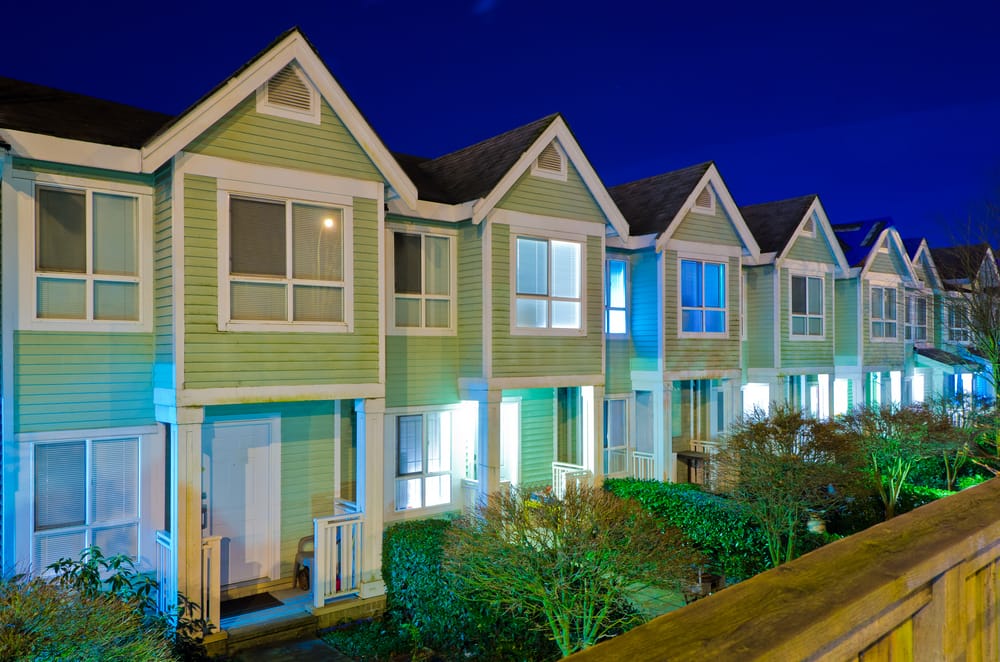
Generally, the cost of homeowners buying into a suitable housing development is likely to be cheaper than building. A 2 bedroom house build cost for a single level brick veneer townhouse has average costs of up to $3,000 per square meter in the property market. A two bedroom two storey home brick veneer townhouse can cost between $3,000 and $3,200 per square metre. ## What other construction costs can you expect to pay when you build a house? On top of the building price, the total cost to build a house includes various site costs, clearing and preparation. - Reticulation (water and sewer) - Driveways - Fencing - Building prices, insurance - Drainage works and building costs - Utilities ## Is it cheaper to build or buy? Building a new house is usually cheaper than buying an existing property, but this will depend on the property and its location. For example, Building on developed land, you may incur prime costs as the areas are easily accessible with utilities such as water. Building costs can be higher if the land has poor building covenants such as flood-prone areas or in a more expensive part of town. Generally, the cost of homeowners buying into a suitable housing development is likely to be cheaper than building. Still, buyers will need to consider the cost to build quality of the finished product, material costs, and the size of the land per square meter. If you are considering building your own house, make sure you instruct an architect or designer who knows what they are doing-especially if there's a need to pay upwards and get quotes of average price from several partner sites and supply chains for an accurate idea to avoid cost blow outs. Check the quality of construction materials, finishes, and artistry that will be used in your home building process. ## What is a house and land package? House and vacant land packages are set up on the floor space where the buyer typically buys from two different parties; they will have contracts for both land planning permits and construction. House and land packages can be a cheaper option than purchasing custom-built homes. ## What is a kit home? Or prefab home? A kit home is a house created by assembling prefabricated building materials manufactured off-site, including the floor coverings. These are usually built in the factory and delivered "kitted out" with everything needed to commence on site. The final price of kit homes can be cheaper than building from scratch because they don't require all of the work and labour costs involved with laying out plumbing or electricity services. However, they aren't as adaptable as custom designs that you build yourself with independent advice. Before purchasing one, give some thought to what features you'd like included and whether it's necessary to pay extra impacted costs for 'designer' options where practical alternatives exist at little or no additional charges. ## How long does it take to build a kit home? Building a kit home is usually much quicker than building from scratch. It all depends on the size, soil quality, volatile exchange rates, and type of house you want, as well as which home builders you hire to build it for you, but typically the construction process can take a significant amount of time from 6 to 12 months for an average house or display home. Reduced productivity of equipment can also drag a building project. You might want to employ a project manager to supervise the building project. ## What are the hidden costs of building a house? Crucial factors in hidden approximate costs include the below. - Costs of legal documentation such as strata fees, planning fees and council charges. - Stamp duty and land transfer costs are levied by state governments where the property is transferred into your name. - Services such as gas, electricity, water and sewerage connections - Site preparation work for utilities ## What types of 2 bedroom house can I build? You can build a standard or architecturally designed 2 bedroom house that includes. - Main bedroom with ensuite and walk-in robe - Second bedroom with walk-in robe - Additional main bathroom - Separate toilet - Dining room, study, or entertainment area - A laundry, kitchen/meals area and second toilet ## What are the most popular architectural styles for a 2 bedroom home? - Modern - Transitional - Traditional or Mediterranean - Industrial - Open plan layout with living, dining, and kitchen areas all open to each other - Covered verandah for summer entertaining ## What are some of the advantages of prefabricated homes? Prefab homes are built in a factory before being taken to site and assembled by a home builder; they are generally more time-efficient than traditional building methods by a volume builder using cheaper materials. Because prefab structures don't require as much work onsite, they can be less expensive than conventional builds. They also require less labour, so their overall cost, once completed, will be cheaper. You can often customise your prefab home to include finishes such as window treatments, additional floor system coverings and cabinetry selection. These options may not always be available with a house and land package. ## What other factors will I need to consider in a house and land package? When purchasing a house and land package, you'll need to consider the below. - The size of the block - You might also need to carry out soil tests - If there is a swimming pools included - The type of fencing included - Which appliances are provided with the residential projects such as a cooktop, oven, dishwasher, clothes dryer, etc. ## How long will a house and land package last? These home and land packages are designed to meet housing needs for a more extended period without significant delays as infrastructure is rapidly changing.

Cost to build a 4 bedroom house

Cost to build a 4 bedroom house

There are many benefits to the design and build process, but it may be cheaper to look at pre-designed homes. The total cost to build a four bedroom house varies. The prime costs in a four bedroom house project go into site costs as well as labour and material costs. The average price per square metre is lower if the home is to be constructed on a flat block instead of building on a [sloping block](/guides/builders/sloping-block-builder-prices). ## Where do I start if I want to build a home? Your dream home starts as an idea driven by your needs, preferences, and taste. The idea is turned into a house plan by an architect or a home designer. Eventually, your accurate idea could result in a single storey or double storey home. The construction costs will vary drastically based on the house plans you select. Seek independent advice from quantity surveyors or [home builders](/guides/builders/home-builder-price-list) to get a detailed home pricing schedule depending on the four bedroom house you choose. A rough estimate of the cost of residential projects is available online. You can also visit a display home to have an idea of how the final house will look and also get the approximate costs of a similar project. The next when planning a new home build is a conversation with your local council. Your local council will have the most up-to-date information on planning permits and how to go about getting them for you as well as building consents and how to get one of those too. The other thing your council can do is help you find a reputable builder to start this project with. They can also help you find a suitable piece of land, as well as advise on how best to go about getting title to that parcel. ## Cost to build a 4 bedroom house in Australia The cost of an average four bedroom house in Australia is below. ### Basic home A budget-style, basic home is under $200,000 for a 4 bedroom home. ### Standard home Around $250,000 for a 4 bedroom home. ### Premium home From $280,000 for a 4-bedroom home. A second storey will add about $100,000 to the build. The cost covers an additional floor system and the related sections like staircases and fall protection equipment. ## What is the process to build a house in Australia? If you have already purchased vacant land, the next step would be to engage a builder or architect to start the design process. After you have approved your plans, then you apply for a building permit, and then the construction can start in earnest. If you are using a builder or architect, then they may be responsible for obtaining the permits on your behalf, so all you need to do when starting them on their work is to approve of what they will be doing. Once the appropriate permits are obtained, your builder or architect will arrange for council inspections during the requested stages of construction to ensure that no unapproved work is taking place. Once construction is complete, further inspections take place before handover to ensure every detail has been attended to. After this final inspection, an occupation certificate is issued by the council, confirming that everything meets with building standards at that time. ## How long does it take to build a 4 bedroom house in Australia? The lead time for an average house is typically around 12-18 months. This is from the point that you have submitted your building application to your local council, and they have given you the go-ahead to start construction. Once you have found an area of land that suits your needs, there will most likely be a subdivision process required with your local council before you can build on it. The construction process could take several months. It may take shorter to build on a vacant block. Where demolition of an existing property has to be done before work begins, the project period can increase drastically. How long it will take to build a house is also impacted by supply chains where materials or labour is imported. Disruption of material or expert labour supply can cause significant delays. ## What is site clearing? Site clearing is the process that has to take place before you can start the construction of your new home. This involves clearing the land of any trees, stumps, or rocks that may prohibit construction. Site clearing is typically done with machinery such as excavators equipped with rippers and shears to grab and pull large rocks out of the ground. These are then placed into a dump truck for removal from your building site. Site preparation can be expensive depending on how rocky your land is, so you should do some research beforehand on how much it will cost to clear the land before buying it. ## How much land do you need to build a 4 bedroom house? When considering purchasing a plot of land for your new home, you should take into account how big the building itself is going to be. A greenfield site with the sizes below is a good starting point for a 4 bedroom home. - Block Depth: 32m x 14m - Block Size: 448m² ## Average costs to build a 4 bedroom house explained In order to get a better understanding of the cost to build a 4 bedroom house in Australia, it is important to take a look at some real-world examples of building costs. We've outlined some average costs below to give you an idea of the financial commitment you could be taking on when building your own home. ### Building at standard quality For a 4 bedroom house built at standard construction quality in Australian dollars, you would be looking at an approximate cost of $210,000. This is assuming that the land has already been purchased before construction begins. ### Material cost The material used to build your house will be one of the most significant factors determining its overall cost. The most common materials that you need to consider when building a 4 bedroom house are listed below. - Roof tiles - Cement - Bricks - Timber - Concrete - Aluminium - Fibre cement boards - Guttering - Floor coverings (timber) - Air conditioning - Plumbing - Inclusions Other costs relate to labour. Extra costs will be incurred to install an additional floor space for double storey home designs. Absent developers may need the services of a project manager, which affects the final price. Construction costs will increase in the project is in flood prone areas due to measures to mitigate the flood waters. These extra considerations can lead to project cost blow outs. ## Is building a project home cheaper than designing my own? There are many benefits to the design and build process, but it may be cheaper to look at pre-designed homes rather than designing your own. The cost of purchasing a project home is often much lower than building one from scratch. The volume builder will typically buy all of the materials in bulk order quantities, which can drive down costs considerably, especially for popular designs. This also helps them ensure there is no wastage on building materials, as these homes are custom built for you specifically. If you do want to design your own family home, however, you should make sure that you involve all members of the family throughout the design phase so that everyone can get exactly what they need out of their new house. This would include things like the below. - Number of bedrooms and bathrooms - Custom features such as a bar or pool - Other additions such as landscaping, decks, or water features ## Is it cheaper to build or buy a home? Building your own home is not necessarily cheaper than buying one from the property market. However, many Australians prefer to build a house because they can access home loans provided by firms holding the Australian financial services licence. Besides, potential home owners can buy in government schemes that make the average cost to build a house very affordable. Buying a house off the plan or choosing to build with a custom-design company is likely to be cheaper. Overall, a significant amount of the cost associated with the building will already have been taken care of by the builder. This can lead to some predictability in costs. Building your own home is likely to be cheaper in the long term. You will need to research different building products, though, as these can vary enormously depending on their quality and value for money. It's also worth mentioning that buying an existing property that needs work might not necessarily be any cheaper than building a brand new one yourself. This is because if you're spending all of your time and energy renovating rather than living in the home, it's very likely that this cost will outweigh whatever savings you get by not paying for construction materials or labour costs.

How Much Does It Cost to Build a Unit in Australia?

How Much Does It Cost to Build a Unit in Australia?

The construction cost will depend on whether you're doing a ground-up development or converting an existing property. This answer is as wide as the country. While it's impossible to give a specific construction cost for building a unit, several costs affect it overall. On average, it would cost about $470,000 to construct a finished one bedroom unit. ## What do I need to build a unit? To build the unit, you need to fund the construction of the new house, planning approval and site cost estimation for the average dwelling. [A builder](/guides/builders/what-is-a-builder) might be your best place to start. Construction is done in phases: excavation, foundation work, and structural work on columns, beams, and walls. For a ground-up five-story or flat block development, the construction costs per unit are between $250,000 and $300,000. Once the excavation is done, and the foundation has been built for your building block, it's possible to construct. ## What can affect my building costs? The construction cost will depend on whether you're doing a ground-up development or converting an existing house into a step process, thereby incurring subdivision costs. A renovation would present much lower site costs per unit, but this depends on what has to be done to turn the space into a multi-unit development. The location of the site also affects construction cost and the type of property you're looking to build according to personal objectives. Construction in an area with development potential /high-value areas can be seen as more expensive because you have to factor in the land cost, stamp duty and renovations. All in all, there is no simple answer. Construction costs vary based on the site you're looking to build on, its location, and how much work needs to be done to turn it into two units or apartments. High-interest rates lead to an [increase in building costs](/guides/builders/home-builder-price-list). ## How long does it take to build a unit? This depends on the type of project you're looking at and your financial situation. A ground-up build portion or volume builder can take up to 18 months, while converting an existing space into units might only take six months for a large block. Once you've started digging, it's best to factor in long lead times for construction materials and processes. ## Is it cheaper to build a house or a unit? This is also not a simple question to answer by many developers. While the two units may appear cheaper concerning land costs, other factors make it difficult to say whether building a house or unit is more cost-effective. A rough guide, construction cost can be more expensive on-site works with dedicated parking, as you need extra columns and beams to support the weight of heavy machinery that comes with excavation work. This often results in higher prices per square metre on the final price, especially when it comes to high-rise structures where you're stacking up units vertically. While building an apartment is generally seen as cheaper, it all depends on how much space needs to be excavated for there to be enough room to build. Whether you're considering building units in your own house or apartment, it's important to get in touch with a professional who can provide professional advice on your project, such as carrying out a soil test. A local architect will help map out the best planning overlays solution for you based both on your individual needs and budget/money. ## What are the hidden costs of building a unit? There are many factors to consider before you start building your unit or house. - Your budget - Site access - Builder's fees - Architect fees - Local council charges and planning permits as stated by the council requirements - Site preparation costs - Building insurance - undefined Once you've calculated the cost to build plus these cost increases, don't forget that there will be numerous cost blow outs other unexpected build costs involved in your project. This might include unforeseen structural damage to the land property, for example, which is something that your local surveyor should help you avoid by conducting regular checkups on site. ## What do I need to know about hiring a builder? [Choosing a builder](/guides/builders/what-does-a-builder-do) to oversee the project can be a difficult task. This is why it's best to work with more than one builder initially, so you can get a better idea of how the project is progressing and who your preferred option would be. It's also important to have a clear list of expectations before allocating a project. You should consult directly with the builder about their experience in this field and any other details that you feel are pertinent to your decision-making process. Once you've decided on a builder and set the construction costs, don't use this as an excuse not to communicate or remain involved throughout the building process. You still have every right to ask for updates, no matter how long it takes them to finish each stage of two-story house construction, as long as they're sticking to the timeframe and budget you agreed on. ## What type of site do I need? The size of your lot is one of the most important decisions in determining what kind of dwelling you can build, where it's located about other buildings, and so on. The average size for a block of land in the greater Sydney area is 250 square metres. Even though it's possible to build something on a smaller site, you need to be aware that it will likely require additional funds to achieve this goal. The larger your building footprint, the more difficult it becomes to fit everything within the space. For example, a duplex development should take up more space. This means you'll likely have less storage space and overall floor space than what would be available in an apartment or townhouse. For more information on building, buying or renovating a unit, take a look at the [ACT Government's handy guide](https://www.planning.act.gov.au/build-buy-renovate/build-buy-or-renovate/buying-into-unit-living). Check if any legislation applies to your area.

Aluminium Balustrade Price Per Metre

Aluminium Balustrade Price Per Metre

Balustrading can improve the safety of your garden, patio handrail or staircase handrail. Balustrade panels are very popular for both domestic space and commercial business properties. A properly custom designed balustrade fencing or stair handrails along with other safety measures will protect users from accidental falls over the edge of balconies or through staircases. The estimated cost per metre is below. Aluminium balustrade hand and base fencing Dimensions: Width: 57mm Height: 64mm Length:1200mm. $89.49 per section. The installation job of fencing is dependable on various factors that include material choice, load-bearing capacities, application type and access restraints among others. Before purchasing any fencing material the best solution is to measure and design a suitable building plan as per the requirements. There are various other stylish balustrade options like timber or glass balustrade. ## What is a baluster? Balusters are components of handrails that stand the main structure with a vertical top handrail and horizontal rails with slats between them to provide additional stability under load from human traffic or wind loads on balconies. Balustrades or handrail may be manufactured from timber, stone, iron or stainless steel. Balusters are often required by building codes of Australia and Australian Standards. Balustrades can have higher loads and reduce the opportunity of accidents, however, the balustrades are highly recommended to be properly designed and create a stylish look. Higher load-bearing balustrade panels require special custom brackets for installation. The material used for balustrades also needs to be taken into account as this will determine the most suitable type of support. Balustrade panels are usually made from aluminium and powder coated with corrosion-resistant finishes like paint colours. A variety of custom colours are manufactured for powder coating. Other styles of materials used for balustrades include stainless steel or hardwood planks attached by gluing or nailing at the joints depending on the desired level of aesthetics. ## What is a balustrade balcony? A balustrade balcony is a long, narrow balcony that goes round the perimeter of an upper floor or above a lower level. It uses balustrades to keep its shape and as a safety mechanism preventing people from falling off the deck. A traditional stylish design looks like a railing with parallel lines following the same pattern as stairwell from top to bottom on both sides of the deck. Balustrades usually have at least one horizontal handrail parallel to the ground for security purposes. Most open balconies will use only an outward-facing handrail without any vertical handrails. The purpose of this type of structure is mainly aesthetic than functional since it still provides the necessary protection. But it has an open instead of a closed structure which helps in landscaping. ## How far apart should balustrade posts be? As a rule of thumb, posts should be 1.5 metres to 2.1 metres apart depending on the type of balustrade panels used. There are also building standards of Australia that regulate this requirement which cover all balconies or decking which exceed a certain size. One other factor that affects how far apart posts need to be is the load-bearing capacity of the ground they are being constructed on. Not all surfaces can bear the same amount of weight so it's important for you to find out what you are doing the job with before setting out any post space. ## What are some common errors made when installing aluminium balustrades? The installation job of aluminium or glass balustrades is dependable on various range of factors that include material choice, load-bearing capacities, application type and access restraints among others. Before you purchase any aluminium or glass balustrading materials you need proper styles of building plan as per the requirements. One of the most common errors during the job of installing glass or aluminium balustrade panels is not creating a comprehensive building plan [set out by a builder](/guides/builders/what-does-a-builder-do). Another common error in aluminium balustrades or glass balustrades is using outdated or incorrect methods when installing the support brackets for the panel or exceeding a certain size. Other errors include not following safety and security codes and rules, and not observing the building code of Australia and Australian Standards. ## How much does a balustrade cost? The price for this type of fencing is based on various range of factors that include material choice (glass, aluminium, etc.), load-bearing capacities, application type and access restraints among others. The cost also varies depending on the type of decking, etc. Typically, [glass or aluminium balustrades](/guides/builders/glass-balustrade-staircase-cost) are more expensive than stainless steel yet less expensive compared to hardwood panels. You can expect to pay around $1 per mm for aluminium balustrade panels (cheaper than glass). The competitive price also varies depending on the suppliers in terms of supply, cost, quality and shipping costs. ## How long does a balustrade take to install? It depends on the size of the deck and job complexity. When doing the job with glass or aluminium balustrade panels you will need to consider not only how far apart your posts should be but also what type of support brackets you will need. Both factors affect installation job and fittings job time because they dictate how much material needs to be prepared and cut for each post which ultimately determines how fast you can proceed with the installation job. As a general job time estimate based on the common requirements, it would take at least 2-3 days to install an average-sized balcony using standard aluminium balustrade panels. There are various styles of options like frameless glass, glass panels or glass balustrade. Larger job projects (whether glass or aluminium), of course, would take more time to finish than a small job. ## How many parts do aluminium balustrades come in? Aluminium balustrade panels are mainly made up of 2 components: An outer metal piece called the face rails and inner metal pieces called the spandrels or braces. Both typically feature decorative patterns such as round or diamond-shaped holes or lines that complement them with their unique appearance. Overall, depending on the type of installation method used there is usually only one panel that is used per running metre. ## What is a wire balustrade? Wire has a number of advantages over other types of materials, including being lightweight which means they are easy to lift and assemble without the use of machinery. They are also very cost-effective, durable and simply stunning. Similar to aluminium, the wire also offers various qualities and a wide range of design options. This means you can install them in a way that fits your patio or house wall perfectly. ## How much does wire cost? Wire is one of the most affordable types of materials used to make balustrade fencing panel. However, prices are also affected by the quality of the product, meaning it's possible for prices to vary dramatically depending on which suppliers you get yours from. Prices typically range between $1-2 per mm. If you shop around, however, you could pay less to the suppliers than this average price. You may contact your local supplier for that. ## Can I install an aluminium balustrade myself? You should contact and hire the services of a professional installer to fit an aluminium or glass balustrade. Only experienced installers are equipped with all the knowledge, skills and equipment needed to correctly install aluminium balustrade or glass fencing panels. Hiring them not only ensures you get a great job but it also protects your own safety during the installation job. Since incorrect installation job of balustrades or handrail pose serious risks for users especially in high-rise buildings or business project where they can fall off very easily, contact a professional to get the job done whether it's glass or aluminium. Fixing it into concrete is challenging as making a concrete base will demand more materials. You may use screws to fix it to concrete or create a fresh concrete base. The Queensland Building and Construction Commission have [strict requirements regarding balustrades](https://www.qbcc.qld.gov.au/blog/home-property-owners/make-sure-your-balustrades-railings-measure). Check to see if similar conditions apply to your area.

Townhouse builders prices in Australia

Townhouse builders prices in Australia

The average price if the plan is to construct the property will be determined by the size of the unit, cost of materials, and labour. The construction cost of building a townhouse will also depend on other factors like location and the number of storeys. Although this is only a starting point, use square metre cost to estimate the average costs of your planned townhouse. The average cost to build a new house in 2017 and 2018 in New South Wales was $307,300. Home buyers planning to acquire ready townhouse units have to consider the forces in play in the property market. Imported build materials and components subject to volatile exchange rates and border closures that limit the entry of cheap labour by migrant workers will definitely affect the property costs. ## How to build a townhouse in Australia Building a house in Australia, whether a residential or commercial property, can be a daunting task. For this reason, federal and state governments occasionally step in with measures to encourage the building of new homes or update existing ones. One common measure is the waiver or significant reduction of stamp duty. The highest cost is consumed in materials and labour. Extra costs go to permits, approvals, and insurance. However, by doing your research and getting some expert advice, you can save money on your building and end up with the home you always wanted. The first step is to work out how much your project will cost based on the concept plan. You can get an estimate from a volume builder or a quantity surveyor. There are council requirements to meet. You will need planning permits and construction drawing approvals in the pre-project phase. You will also require a town planning permit to commence the project. Labour is another big construction cost, so getting quotes from qualified builders is important. Ask for references and check out their insurance and accreditation. Keep an eye on your budget. If you lack the eye, expertise, or time to supervise the property development process, engage a project manager to help you out. Alternatively, instead of building your own house, some volume builders offer complete house and land packages which you can purchase as complete units. ## Where should I build a townhouse? Townhouses are ideal for small blocks of land, making them popular in suburbs where there’s not much space. They’re also a great option if you plan to live in it yourself or rent out the property until you have enough money saved to build your dream home. There are a few things to consider when choosing a location for your townhouse such as is the area in demand, what are the council regulations, what’s the zoning and if there are any restrictions on height or colour. Additionally, consider the landscape. Building on a flat block is easier than on a sloppy block. The build cost for steep surfaces is higher because you may require custom builders and not just volume builders. Excavation of foundation, erection of retaining walls, and mitigating flood prone areas affect your final build price and project viability. Once you’ve answered these questions, you can start looking for potential sites. ## How should I build my townhouse? There are a number of ways to build a townhouse, so it’s important to find a builder who knows the right techniques. One popular option is modular construction, where the townhouse is built in modules off-site and then assembled on site. Building your house brick by brick is another option, but it’s time-consuming and can be expensive. ## What are the costs involved in building a townhouse? The cost of building a townhouse will depend on a number of factors, including location, size, and number of storeys. The average cost to build a new house in 2017–2018 in NSW was $307,300. This includes the cost of labour and materials but doesn’t include land purchase costs or stamp duty. An alternative method of calculating construction costs is applying the Regional Variation Percentage. For a project not based in Sydney, use Sydney's cost as a base and apply the regional variation percentage for your area to arrive at the approximate cost on a square metre rate basis. The number of storeys is a major factor in building costs, which can vary from around $450 per square metre for a single-storey home up to $750 per square metre for three levels or multi unit development. It can be up to double that amount if you add a basement under the house Build time also affects your final price. Your final cost will be higher if there are unplanned project stoppages not factored in the building contract. Some of the construction costs you can expect to incur during the build process include: - Architectural and engineering fees - Materials and labour costs - Permits and approvals from the local council - Fees for utility connections - Fees for moving services - Soil testing, drain searches, and foundation inspections are some of the other costs you may have to pay for ## What are the types of materials used in building a townhouse? There are many different material options available when it comes to building a townhouse. Some popular choices include the below. - Brick - Concrete block - Steel frame - Timber frame/plywood panels/insulated panels - Precast concrete wall materials ## What is the process involved to build a townhouse? The process of building a townhouse generally follows the same steps, regardless of the construction method you choose. - The first step is to work out the design and get council approval. - Once you have a plan in place, you can start shopping for materials and getting quotes from builders. - Once you have all the quotes, it’s time to start building. But be sure to keep an eye on your budget. - It usually takes around 12 months to build a townhouse, but this can vary depending on the size and complexity of the project. - Final finishes such as flooring, painting, and landscaping can add another $10,000–$15,000 to the total cost. ## Is it cheaper to buy or build a townhouse? Before you start looking to purchase or build a townhouse, there are some things you should think about. The price of vacant land can vary depending on location and whether you require council approval. Find out how much your site is worth by getting a site valuation If you want to sell your property in 10 years, the building probably isn’t the best option as it can cost more to maintain and renovate a new house. However, if you plan on living there forever, this won’t matter so much. In terms of money spent, you might find it cheaper to buy a townhouse that’s already built. ## What are the advantages of buying an established house over building? There are many reasons why you might want to buy an established property instead of building your own new house from scratch. For example When you buy an existing house, you won't have to worry about planning approvals, to deal with builders, and taking out an insurance cover. You get instant equity in the home when you purchase, whereas if you build a new house, it could take years before it increases in value so that you realise capital growth. If you plan on selling again in the future, buying an established property is more likely to make your property more desirable to buyers Material and labour costs can change drastically during the construction period. Similarly, contract variations and planning overlays can lead to significant cost blow outs. These site costs are not a factor if you buy an established house. Finding a house that you really like with everything on your wishlist will be much easier than if you were building from scratch and/or renovating. ## How long does it take to build a townhouse? Most modern townhouses are built within about 12 months, although there are some larger and more complex projects that take longer to complete A lot of the time, it will depend on how much work has to be done at the site before your house can be built. For example, if you need to build up an area or rock over an unstable section of land, this could take weeks. If you’re building a new basement, it could take between six and eight weeks before your builder can continue with other parts of the house. Sometimes external elements like weather conditions might also affect how long it takes for your home to get completed.

Cost to demolish a house

Cost to demolish a house

Experts suggest that rebuilding can be up to 20% more expensive than remodelling. Demolishing a three-bedroom house can cost somewhere between $15,000- $20,000 with $17,400 as an average price. For larger homes, this price can further settle between $40,000- $80,000. These are the estimated figures for the year 2019-20. Add the cost to salvage, recycle, and or dispose of the debris from the demolition location to the demolition expenses. Based on the location and house’s material, the average cost to demolish a house are as follows: In Perth, $40/m2 for a brick home and $35/m2 for a wooden frame home. In Brisbane, $46/m2 for a brick home and $40/m2 for a wooden frame home. In Adelaide, $47/m2 for a brick home and $39/m2 for a wooden frame home. In Melbourne and Hobart, $54/m2 for a brick home and $40/m2 for a wooden frame home. In Perth, $64/m2 for a brick home and $53/m2 for a wooden frame home. Other factors influencing the demolition cost include the size and location, and accessibility of the property, foundation removal, rubbish removal, existing vegetation, and landscaping, demolition permit, etc. Demolition costs can rise if water, gas, and electricity fitting are hard to remove and if the debris disposal site is far from the property. ## How is demolition cost calculated? The final cost of a house demolition job includes: - Demolition company’s hourly charges - Construction area of the building irrespective of the total plot size (in square metre or square feet) -best to <a href="/guides/builders/what-is-a-builder">ask your builder</a>. - The size of the property. - Asbestos removal cost. Add all these expenses to find the overall price of a demolition project. The list below shows a teardown of expenditure in estimated figures. Average hourly charges are $75/hour. For a small project, it can go as low as $50/hour and as high as $90/hour for a large building. Demolition cost per square metre can range from $35 to $124. These prices can fluctuate from $3- $11 if calculating in square feet. The cost of asbestos removal varies from $25- $50 in a square meter. Only a licensed professional is allowed to legally remove the asbestos. Therefore, homeowners must not attempt to remove it on their own. Assuming a demolition project of a brick residential building of 140m2 (roughly 1,500 square feet) in Perth, here is the expected demolition cost breakdown. - Expense per meter square: ($40 x 140) = $5,600 - Expected time for demolition ($75 x 5) = $375 - Asbestos roof removal = $5,500 - Demolition permit = $350 - undefined Assumed total cost = $11,825. Note that this is a mere assumption, and several other costs are excluded from this assumption. ## Is it cheaper to tear down a house and rebuild? In the simplest words, it is cheaper to remodel the existing house than to build a new one. Rebuilding will include the house demolition cost. Remodelling will allow homeowners to get rid of this entire demolition expense. Rebuilding comprises the prices of new building materials, which is not required when remodelling. A remodelling job primarily includes the interior redesign and minor demolition of walls. A mere wall demolition price range is around $4,000 in total. Please note that knocking down any internal structure of a building requires several things to consider - if the wall connects with a load-bearing beam, extra precautions are necessary. Experts suggest that rebuilding can be up to 20% more [expensive than remodelling](/guides/builders/how-much-does-it-cost-to-build-a-house). ## What is the average cost to tear down a house? As learned from the above facts, the actual cost of a house tear down depends on several factors covered above. Still, here is a list of the average amount one can expect to pay to get their house demolished. An easily accessible small house spread in 85m2, along with an asbestos roof can be demolished for around $16,500. If the project has trees, a pool, etc., companies charge extra money. That is because the owners are required to obtain permission to remove the trees. A pool requires backfilling, which is an additional job other than mere demolition. So, a 220m2 house with a pool can be taken down for around $21,000. A single-floor house owner needs to pay $14,250 in demolition cost on average in Perth. The same demolition project will cost $16,000 in Sydney. The average hourly charges ($75 per hour) are just labour costs that do not include machinery and debris dumping costs. ## How much would it cost to demolish a 1200 sq. ft. home? Assuming that the cost of demolishing a house is $4-$15 per sq. ft., the total expense to knock down a 1,200 sq. ft. house will be between $4,800- $18,000. Why so much variation? The variation is due to several factors - quotes in urban areas have higher demolition rates (up to $18,000), while rural areas have as low as $3,000 for the same task. Add home excavation costs that are about $140 per hour. Digging attachments in the machinery can further add $100- $500 per day. Debris will be collected and transported in a truck, which will add $40 per hour for the transportation costs. Using any drills will attract $180 per day, and rock grabs will be around $100 per day. For rocks that need cutting, add a diamond blade rock saw will cost approximately $500 per day. For a better estimate, people calculate excavation costs separately based on per cubic meter. Taking down a tree requires a mandatory inspection, which can cost about $100. The hourly rate for cutting the tree(s) is $70 per hour. Add final [tree cutting prices](/guides/tree-stump-removal/cost-to-remove-a-tree) (usually between $300- $10,000) to the total costs. Ignore this cost if pruning the tree will work, hence eliminating the need to cut it. The local council regulation permit costs will be $350- $700.

What is a builder?

What is a builder?

A builder co-ordinates the materials needed for a building project and the relevant personnel to transforming an architecture or building plan into a home or office. Builders source their materials, do manual labour, operate machinery and are responsible for the safety of their team and the entire building site. A builder may also knock down buildings, dig and renovate homes. A builder in charge of the construction schedules the building process, manages the purchase and delivery of materials, works within the project budget and inspects the work performed by other tradespeople. A builder in charge of a site also corrects any problems that arise during the building process, is responsible for submitting building plans to council and looks into the submissions up to the issuance of the permits. They further co-ordinate electricians and plumbers as well as organises and supervises the construction crew. A builder keeps the client informed of the progress raising problems that require their input or advice. ## What skill set is required to become a builder? A degree in construction management or building, Vocational Training Education (VET), or on-the-job training is required to become a builder. Usually, people interested in building a career have previous work experience in entry roles. One could have been a labourer or an apprentice that does not require academic qualifications. Building professional associations, trade unions, and employers may offer classroom and on-the-job training for entry-level workers. It could be as apprenticeships that last three to five years. Builders must have a license for them to offer their services in all the states. Those working in the construction sector undergo safety induction training to receive a Construction Induction Card (CIC). A builder can also gain eligibility for being a member of the Australian Institute of Building with appropriate building qualifications. ## What is the role of a builder? A builder co-ordinates the materials needed for the building project and the relevant personnel in transforming the architecture plan into a home or building. A builder ensures their client's satisfaction by delivering what they envisioned. Builders work with local zoning authorities to secure proper permits once the building plans are complete. Hire a professional builder with a thorough understanding of the code of conduct and good working relationships with the local authorities. A builder ensures building materials are available at the expected time and workers report to the site as expected. A builder organises and adjusts construction timetables in instances of bad weather during an ongoing building project. Builders also maintain good relationships with other tradespeople such as plumbers or [electricians](/guides//choosing-an-electrician) to ensure they deliver quality work. They ensure compliance with safety regulations that involve wearing protective gear and the safety of the site. A builder provides their client with the quotes for the project. They also [protect the homeowner](/guides/builders/what-does-a-builder-do) by providing the needed licenses and insurance policies, ensuring everyone working on the site is covered. ## Is being a builder a good job? A builder has a strong network of people because they nurture working relationships. Once you become an established builder, it is easier for you to get what you want from your contacts because of your strong working relationships. Builders tend to have beautiful homes and houses since they use their skills to make their dream homes. They also venture into the real estate business for extra income because of their expertise in the construction sector. Builders earn good money both in wages and salaries. Earnings generally increase depending on the years of experience of the builder. Builders can earn good money, especially when building specialised projects such as [residential housing](/guides/builders/how-much-does-it-cost-to-build-a-house). You have to be physically fit because the building is very demanding. After all, you spend most of the hours standing and lifting heavy loads using powerful equipment that requires extreme exertion. Building and construction is a messy and dirty job due to the dust that one gets exposed to while working the whole day. ## What's the difference between a builder and a developer? A developer buys land, creates building lots, obtains the necessary permits, puts in the sewerage, water, and electric lines and the streets whereas a builder executes the plan by building a residential or commercial building. A developer is responsible for the whole project and the building work. A builder is in charge of building materials and their workers. A developer may hire a building contractor to do a residential building or undertake the work themselves. A builder only hires his team for the task. A developer can hire two or more building contractors to undertake part of a residential building project whereas, the builder solely undertakes a project as the only contractor. A developer may also hire a licensed builder to supervise the technical aspects of the project or other contractors to carry out various trades in the building project. A builder does the supervision of the project themselves. ## Who is responsible for a building site? According to the Work Health Safety Act 2011, the builder is obligated to ensure the safety of the people entering the workplace, including visitors, electricians, labourers, painters, plumbers and homeowners. The construction site becomes the workplace of the builder and, the safety of everyone entering the site lies in their hands. The builder must conduct a risk assessment test to ensure the work environment is safe. They should ensure that contractors are provided with relevant safety information, instruction, training and supervision. The workplace conditions and health of the workers should be monitored on an ongoing basis while managing the risk of falls and ensuring equipment safety and workability. You should not enter a construction site without the builder's consent because you expose yourself to safety dangers that could lead to death, injury, or property damage. Breaching the Work Health and Safety legislation by the builder could put on hold the activities at the site. ## What's the difference between a builder and a carpenter? A carpenter carries out erecting, building, or repairing of structures made of timber or steel. They make cabinets, floors, doors, and windows in your home. They install metal and timber windows and doors, erect floor and wall framework, pitch the roof, erect suspended ceilings and lay timber floors. A carpenter also sets an outline of the building on the ground with strings and pegs to allow excavations. However, they cannot oversee building a home or its extension. A carpenter cannot do structural work but finishing the activities of a building. A builder carries out all the building activities from single-storey buildings to higher buildings. Domestic builders do brickwork, cabinet making, joinery and sub-floor works. They also do carpentry, building bathrooms, kitchen, laundries, and structural landscaping. Builders go through university degrees to qualify in their areas of expertise whereas carpenters go through an apprenticeship.

Average Cost to Build a Four-Bedroom House

Average Cost to Build a Four-Bedroom House

Depending on who you are talking to, a four-bedroom brick veneer house can cost from $ 1,500 to $ 3,500 per square metre to build. First, when planning your home, focus on the following integral components for getting an average cost to build: - Home design - Sustainability measures - Site preparation - Flooring - undefined The national average cost can be about $90,000 cheaper to [buy than to build](/guides/builders/what-is-a-builder). Here is a rough estimate of the costs of building versus the costs for buying by cities: | Location and estimate total build cost | Cheaper to build or buy? | | -- | -- | | Sydney, $867,865 | Build | true | | Melbourne, $764,494 | Buy | true | | Perth, $554,936 | Buy | true | | Brisbane, $753,595 | Buy | true | | Adelaide, $502,354 | Buy | true | _The above costs are a rough guide only. All care has been taken to ensure accuracy at the time of publication._ ## Cost to build a four-bedroom house per square metre To understand the price calculated per square metre [by a builder](/guides/builders/what-does-a-builder-do), you first need to know how to calculate the square metre. Measure the length and width of the surface, then multiply these two values, and you get a total square metre (m2). For example, a room 2.95 m long x 1.85 m wide = 8.4 square metres. But you still need to translate this "per square metre" into real costs to understand how much you need to pay. For a house of 150 m2, it would look like this 150m2 x $1,400 per square metre = $210,000. ## Average costs to build a four-bedroom house explained In the total building costs of plans for a four-bedroom house, the determining factor is the design. ### Building materials and quality Poor quality materials can lead to premature deterioration of your four-bedroom home, which in turn can lead to repairs and renovations to your home later. ### Sustainability measures Sustainability measures are built through various basic considerations of energy efficiency and water saving. These measures will increase construction costs in advance. ### Site preparation Site costs for your new house in Australia are included in the early stages of the construction process. These costs depend on the size of your features. If your design has great features, such as extra living space, then the costs of preparing your site will increase exponentially. ### Flooring The cost of floor coverings varies according to the quality (including tiles, carpet, laminate, polished concrete, linoleum, and vinyl). Depending on who you are talking to, a four-bedroom brick veneer house can cost from $1,500 to $3,500 per square metre to build. A [builder would be best](/guides/builders/home-builder-price-list) to provide an estimate. ## How long does it take to build a four-bedroom home? Many factors affect the time it takes to build a house, from planning and building permits to the size and complexity of the home design. Even the weather affects the duration of construction. However, there is an average of 4-12 months. Construction goes through several stages before your home is completely built. It takes, on average, 16 weeks to build a one-story home, while a two-story home can take an additional 20 to 24 weeks. Consequently, for the 4-storey home, you will need double, 48 weeks. However, there are additional factors that have a big impact, such as the weather. The [YourHome website](https://www.yourhome.gov.au/buy-build-renovate/build-home) is a great resource to check if you are considering building a home.

What does a builder do?

What does a builder do?

Builders must be able to think on their feet, prepare ahead, and perform several tasks at once. The job of builder may vary from month to month. One day, you could be working on a small residential unit and the next, on a multi-level office building. Builders are in charge of supervising, co-ordinating, and working on designing, repairing, and restoring building and construction works. Builders must adhere to stringent safety standards, which include the use of and wearing protective equipment and ensuring the safety of the construction site. To create and sell a quality product, a [home builder](/guides/builders/the-average-cost-to-build-a-four-bedroom-house) must understand how the home's intricate structures function, pay attention to detail, and organise multiple contractors in a team effort. A builder is first and foremost a supervisor who oversees skills of qualified artisans and technicians such as carpenters, architects, engineers, plumbers, electricians, painters, and landscapers. Builders must specialise in liaising between residents and local government officials. ## What skills do I need to become a builder? It is a physically and mentally demanding profession. A builder requires numerous skills, qualifications and characteristics. Builders who are self employed or work as subcontractors may work longer hours to meet with clients or handle administrative tasks. Builders usually obtain their education through on-the-job experience, apprenticeships, or a construction degree and often start in entry-level positions such as labourers or apprentices. Employers choose candidates who can complement their hands-on experience by enrolling in a construction course to understand the philosophy behind the profession. Not only can completing a course improve your skills, but it will also assist you in meeting the minimum qualification criteria for applying for a Builder's license. To get specialise there are many short term training program available in Australia. You may also become a builder by attending university and majoring in particular construction management or architecture course. Although degrees in this field are available, prospective builders may wish to obtain a bachelor's degree in construction management to improve their employment prospects. The majority of entry-level workers with a four-year degree in construction management or a related field begin their careers in management positions. These courses include an overview of construction, including an introduction to building codes, material testing, and project scheduling. Employers, labour unions, and professional societies can also provide training for entry-level employees through apprenticeship programmes, which last between three and five years and combine on-the-job and classroom instruction. The average salary for a builder is around $85,177 per year or $43.68 per hour. The starting salary for an entry-level job is $57,500 per year, while the most experienced builder can earn up to $175,000 per year. ### Key skills of a builder - Communication and interpersonal skills. - Leadership and management abilities. - Good co-ordination skills. - Ability to work well in a team. - Planning and organisational talents. - Aptitude for technical work. - Physical stamina. - Ability to make decisions and solve problems. - undefined ## What are the roles and responsibilities of a builder? A builder is responsible for both supervising a specific construction processes and often performing the work themselves. Builders frequently delegate tasks and supervise construction workers and labourers. Construction managers are often responsible for everyone health and safety on the job site and for adhering to all regulations within an organisation. Many builders enroll in a Construction Management course and training program. Construction management also entails administrative work. This includes administrative job responsibilities such as hiring employees and online and offline permits related duties. A builder's services can be quite varied. Numerous professionals choose to specialise in specific types of projects, such as green homes, housing developments, custom homes or homes of a particular style. When selecting a builder, a homeowner should schedule meetings with several builders. Builders may begin their work by assisting clients in obtaining building permits and surveying land to determine how to proceed with construction. Drainage and natural vegetation are frequently evaluated. Throughout construction, builders are onsite to ensure that all aspects of the structure are built according to plan. ## What does a building and construction labourer do? On building sites a construction worker does physical work that can involve cleaning and preparing sites and loading or unloading materials. A general worker may also operate some equipment or assemble and disassemble provisional structures. Builder's labourers focus on assisting project mangers or contractors by performing various unskilled and semi-skilled manual labour works. ### Building labourers may specialise in: - Unloading, transporting, and stacking construction. - Carrying building materials, tools and equipment. - Excavating trenches for footings and services with hand tools and, if necessary, jackhammers. - Assisting in the erection and dismantling of scaffolding, ramps, catwalks, barricades, and warning lights (subject to certification). - Concrete mixing, pouring, spreading and surface preparation for painters. - Builder's labourers may specialse by assisting specific tradespeople, such as bricklayers, carpenters, scaffolders or concrete workers. - undefined ## What's the difference between a builder and a developer? House builders meet clients to discuss work like floor plans, interior, and exterior design styles and upgrade options. Contractors and work crew will then turn it into a reality. The developer acquires the land on which commercial projects or [residential homes](/guides/builders/how-much-does-it-cost-to-build-a-house) and planned communities will be built. Developers are responsible for surveying the land, clearing vegetation, zoning, and planning lots and homes. They'll mark driveway beds, layout streets, sidewalks, and install streetlights. Additionally, they will establish boundaries and install water and sewer lines. Also responsible for landscaping, electrical lines, and occasionally, amenities such as parks, clubhouses, and pathways. Following the development, lots are sold in phases to buyers, and a homebuilder is brought in to construct the home purchased by the buyer. Builders and developers each play a unique role in home construction and frequently collaborate.

What is an Easement in Property?

What is an Easement in Property?

An easement is a nonpossessory interest given to a specific person in another's property providing certain limited rights. Some easements are those that run with the land and specific pieces of property even if they change hands. An example is an access easement allowing public access to adjacent lands. Other easement covers more than just a right of access, such as the right to build on an adjacent parcel or to allow utility companies run electrical lines, telephone lines, sewer pipe etc across it. They do not necessarily have to be related to the adjacent parcels, but they always touch or cross them. Easements are often referred to as any easement created to grant rights of use, egress, or only access to someone else's land for a specific purpose. It can be either exclusive (only one person can exercise it) or non-exclusive (several people may share it). A dominant tenement is a land that benefits from an easement, while another tenement puts some limitations on its use. Many properties also may also have a statutory easement. Additional types of distinguishing features include express easement and implied easement. An express easement concerns dealings that have clearly defined parameters with a specific purpose, establishing specific uses at certain times in designated ways. Implied easements are those not clearly stated but assumed to be accepted, such as an easement for access across private roads forming part of a development. Various forms of registered easement include: private easement, public easement, negative easement, statutory easements, common easements, prescriptive easement, telecommunication easements or drainage easements ## What is the purpose of an easement? An easement registered on your property title of the land burdened is created in order to benefit one piece of property, which is referred to as the dominant land or dominant estate, with certain rights over other's property, known as the servient estate. Generally, whether an easement is positive or negative decides who benefits from the easements created. They can be vertical or horizontal. Vertical easements (which can also be limited by duration) provide access to the easement to just the owner(s) of the dominant tenement whereas horizontal ones (which typically last indefinitely) grant access to anyone who may occupy that specific area. To create an easement requires both intent and agreement on behalf of all parties involved; some legally required restrictions exist regarding what can or cannot be done while occupying an easement or what someone can and cannot do, such as [using a builder](/guides/builders/what-does-a-builder-do) to build a permanent structure. ## Who can enforce an easement? Both the easement holder, owners of the servient and dominant tenements respectively can enforce an easement against the below. - Any person who is not a party to the instrument but claiming through someone who was. - Any person whom we could have made a party as landowner over which the easement runs (even if they were in fact served with notice). If you want to try enforcing an easement against someone else, then you will often need permission from your local council and some legal advice. It may be that it is impossible for you to do so because there is no right arising from contract and so there's nothing really "to enforce". Or perhaps you will need to rely on your rights under the common law. The most common way in which a person will bring an action to enforce registered easements is, perhaps unsurprisingly, where the new owner has suffered some damage for failing to comply with that which is required by their legal obligations. In general, this means that a right of passage for a road or path can often be enforced when a vehicle blocks it. Easements over land generally allow the dominant owner to do what they want on it-except when there's a "public duty" affecting them. This may lead to situations where someone erects something [with a builder](/guides/builders/what-is-a-builder) on their servient tenement that interferes with the easement and causes injury through blocking off light, air or access from the dominant tenement. ## Do easements affect property value? Registered easements can be a hindrance for the land owner when attempting to sell a property because some easements such as electricity, water, sewer pipe etc can be regarded as burdensome a person's land. A buyer may try to renegotiate with the seller or refuse outright to buy if easements are found on title. Easements can allow a potential purchaser considerable bargaining power, either by suggesting that they will not go ahead with the sale unless they are released from their obligation or by raising questions about who is responsible for the costs to maintain, repair and replace items that constitute the servient tenement. Property is only worth what someone else is prepared to pay for it. If you subscribe to this theory then yes an easement is likely to affect property value because it is something that needs to be taken into consideration when negotiating a price. On the other hand, there are people who believe that an easement does not affect the price of the property. In relation to this question, it is probably best to employ a legal specialist who may be able to advise you on your particular case. ## Who has the burden of proof? The general rule is that whoever brings a claim for breach of restrictions of an easement has the burden of proving their case. From thereon, if their case relies completely on documentary evidence, then once they have satisfied the court as to what the documents mean and how much weight should be given them, then it will be up to whichever party was demanding compliance with the easement at issue as to how they respond in regards as to whether or not they breached the other party's rights. In most cases though these would have been undertaken by one particular party. For example, if the burden of proof is on the defendant then the only way to get through it is to provide evidence that clearly states that they were not at fault and had no duty as such, or more simply put-that they did nothing wrong. ## Is it bad to have an easement on your property? When we say that easements can be burdensome for the property owner, it's because if you own the dominant tenement and someone has an easement over your property to get to their land-that'll affect the value of your land. In addition to this, if you have been affected in any way by a public or private nuisance then you could claim for damages. If the advantage from having an easement runs with the land then it should also continue even when two parcels are sold. If one party does not want to sell but does have an easement on their property which is being used by another party who wishes to purchase both parcels together, then there could be a problem arising because of this uneasiness. In order to avoid complications such as the above which may arise if two parcels are sold together but one has an easement on it, it's generally advisable to sever those parts from the property which is being sold. ## Can you change an easement? For the most part, no. An easement covers the right that can be created or extinguished through an agreement between both the easement holder parties-however it cannot be changed without the consent of both parties. It was assigned to its current owner once ownership of the servient tenement changes hands. If you wanted to change the terms of your easement in any way then you would have to contact your neighbouring property owners and make them aware of your intentions to change how it functions. This should not affect their rights in any way because they already have this right which has been set out in black and white-this only applies if you wanted to change this for some reason though. The New South Wales state government has a handy [guide to easements available here](https://www.industry.nsw.gov.au/lands/use/easementss), but check if it applies to your area.

Glass Balustrade Staircase Cost

Glass Balustrade Staircase Cost

The beauty of a frameless glass balustrade is the visual appeal of more space and light by creating a feeling of openness. Another great feature of frameless glass balustrade is you can create different looks by adjusting the stainless steel railings height or staircases without having to completely redo the balcony staircase. Just add or remove individual handrails or standard size glass panels depending on your needs. Frameless glass balustrades can be fragile and difficult to maintain if you are not careful, hence frameless glass fencing is not recommended for balcony stairs with a lot of traffic. This does not mean that you can't have frameless glass balustrade panels or frameless glass pool fencing, but you should know about the advantages and disadvantages to make an informed decision. If you want to make the most out of this architectural feature, there are ways to do so without compromising its safety and integrity. Here are some tips on how to use frameless glass balustrade or glass pool fencing properly: If the glass handrails or capping rail must be cut (for example if you're installing shorter ones), it's best to ask a professional diy glass contractor to do this for you as improper glass clamp cutting may cause big problems down the road. The cost of this sort of glass handrail is about $500-$600 per lineal metre. They're generally not available per metre. When installing frameless glass handrail on your staircase, keep safety in mind. Don't forget that glass clamps are fragile and should always be handled with care. ## Which glass is best for stairs? There are different supply of glass balustrade materials used for staircase handrail and some have better qualities than others do. A good quality includes glass to be tempered and come with a warranty. The glass balustrade will have no air bubbles or spots, be made by a trusted manufacturer and have the clarity that you are looking for. If your staircase is exposed to sunlight most of the day, you should opt for reinforced glass balustrade with UV protection. This type of glass balustrade is designed to withstand heat. New glass balustrade on staircases exposed to plenty of sunlight may require special cleaning techniques but typically this glass balustrade is not very fragile. ## What is a balustrade? A balustrade, also known as a stair handrail, is an architectural feature that gives protection to the people using stairs. Balustrades are commonly made of wood or metal but can be created out of other high quality materials which include a frameless glass balustrade or an [aluminium balustrade](/guides/builders/aluminium-balustrade-price-per-metre). Semi frameless glass balustrade stairs with glazing rubber are popular for interior design because glass balustrade supply protection while still allowing light to filter in through them. However, because these handrail are made from glass, the glass balustrade stair material is fragile and needs special care when cleaning or handling. ## How much does glass railing cost? Installation of pin fixed glass balustrade along with stainless steel fittings and covering cap is a fairly complicated process and it involves different skillsets. This makes the frameless custom balustrade installation price vary from one company to another. Usually, the cost of glass balustrade is around $5-$800 per lineal meter (different from per metre). The price varies with the fixing type of balustrades. Core drilling is done in concrete channel to give more strength to the glass balustrade. ## What factors affect the cost? The cost of an architectural feature such as a glass balustrade will depend on several factors. ### Materials used Heat soaked tempered glass balustrade or toughened or laminated glass balustrades? If you want your new railings made with materials that are not common then expect they will be more expensive than the price of other materials. ### Design Do you just need simple pin fixed handrails or would you like to install glass balustrade in your home's existing posts? What kind of look are you going for? You must do proper project planning ### Manufacturer some companies have more advanced machinery and tools which means they can produce a higher volume of glass balustrade products in a shorter period of time so their prices (per linear metre) tend to be lower than those who don't have such tools. ### Quantity Installing pin fixed glass balustrades on your entire staircase will be more expensive. If you only need railings for part of the stairs, then that's less material that needs to be purchased and installed. ### Additional items If the contractor needs to cut something, install new screws or includes hinges then this will affect the total cost as well. Application such as channel fixed application (start at $89), smarter spigot application, face fixed applications (start ay $350) and other fixed applications. ## How safe are glass balustrades? Glass is fragile material, hence the pin fixed glass balustrade can break easily but here are some tips for making the frameless glass balustrades or glass pool fencing safer. Be sure to have the frameless glass balustrade made by a trusted manufacturer that can guarantee its safety and make it suitable for commercial applications. Make sure that your [balustrade is strong enough](/guides/builders/what-is-a-balustrade) to not just keep you safe but also withstand pressure from other people using it so there are no accidents. If you need frameless glass balustrade installed on stairs for kids, elderly people or pets then have an expert check the whole structure before you proceed with installation costs. This will even help you save money. Keep objects away from the frameless glass. Don't put flower pots next to the frameless glass balustrade staircase or leave items laying around because they might fall accidentally and damage the glass balustrade. Avoid drilling into the glass. If you are thinking about making modifications to your glass flooring then consult an expert first as drilling into laminated, toughened or tempered glass panels will put you at risk of breaking the glass balustrade. ## How to clean a glass balustrade Every balustrade material needs regular cleaning to maintain its shine and beauty. Here are some tips for cleaning tempered, laminated or clear float toughened glass balustrades. ### For stains on the glass panels surface Polish the glass with a soap water solution, ammonia water solution or ammonium bicarbonate solution. Remove these quickly because any kind of dirt will scratch your custom glass panels in the long run. Use a lint-free cloth that won't leave fibres behind when the glass balustrade is wiped off. ### For algae or mould growth Wipe the glass with a mixture containing 10% household bleach and 90% water. Be sure to rinse everything once you're done so there's no residue left behind which might affect the glass structure. ### For rust Mix equal parts water and white vinegar to make a cleaning solution. If your railing is made from iron or stainless steel then it may corrode because of the moisture but this will be resolved once you clean it. ## Is there an Australian Standard for a glass balustrade? The minimum thickness of 10mm toughened safety glass is required by Australian Standards and Regulations for glass balustrade installation and project's ultimate completion. As required in the building codes and Australian Standards, minimum and maximum glass balustrade panels width must comply with 1000mm (to 1200mm with pool fence). The Queensland Building and Construction Commission have [strict requirements regarding balustrades](https://www.qbcc.qld.gov.au/blog/home-property-owners/make-sure-your-balustrades-railings-measure). Check to see if similar conditions apply to your area. ## How much does it cost to install a glass balustrade? There are a lot of factors to consider when it comes to glass cost as mentioned above. Here's how much cost you should expect for the glass installation and fully customised service. - A basic iron balustrade will cost around $1,000 to install. - Laminated glass balustrade will start at $5.00 per square metre to install. - Toughened or heat soaked tempered custom glass systems is more expensive to install which means the price can range from $10 up to $15 per square metre. - To install custom stainless steel balustrade designs by an expert with advanced equipment and machinery can make the glass balustrade cost anywhere between $12 and $25 per square meter. The lineal meter is another standard, which is made up of a glass and spigot. The lineal meter may cost $250, while the prices of lineal meter vary widely. Consider getting an obligation free quote of lineal meter and fence cost per metre. Since glass balustrade isn't available per metre, avoid sellers who claim to sell them at a price per metre since per metre isn't the standard.

What is BASIX in building?

What is BASIX in building?

The building sustainability index is a NSW Government planning tool to reduce home energy and water consumption and greenhouse gases emission. The BASIX tool has established minimal environmental goals for new and rebuilt homes. The BASIX certificate is generated after the BASIX report. The BASIX certificate cost is subject to vary. The NSW Government's sustainability targets to embrace environmental issues and meet climate-change challenges is through the NSW Climate Change Action Plan (CCAP). The CCAP outlines five key principles: transitioning to a low carbon economy; cutting greenhouse gas emissions; increasing specific energy efficiency; improving water security and protecting ecosystem integrity. BASIX targets to provide an integrated framework under which interested parties can work together, including industry, government agencies and the community to reduce the environmental impacts(like greenhouse gases) on new homes. The BASIXcertificate aims to foster partnerships between stakeholders in order to make increased use of green building practices in new housing developments - it serves as one of few online assessment tool that can be used across all urban planning schemes throughout New South Wales. An important aspect is that, BASIX targets its inclusion at a state level for households, as well as small and large-scale residential development. In addition to the occupation certificate, BASIX certificates hold importance for outdoor spa and swimming pool owners. These businesses should have resilient dwellings for reducing the water consumption to achieve water reduction targets. The thermal comfort certificate aims to know the accurate thermal comfort performance. ## What does BASIX stand for? The Basix assessment (to get basix certificate) or building sustainability index process considers building minimum performance levels against the following five categories of environmental impact. - Building energy consumption (the energy bills for space heating, water heating and ventilation). - Water (the water used for exterior and interior domestic purposes). - Materials (materials utilised in the building works, including building fabric, plumbing fittings and fixtures, furniture and electrical appliances). - Waste (construction waste generated at site during construction). - Transport (the distance travelled to transport materials to the site over the life of the building). ## What are the five key categories of BASIX? BASIX tool is a NSW Government initiative that was launched in 2004 to help reduction in greenhouse gas emissions from new residential development across New South Wales . It has five key categories, which are building energy use, water, materials, waste and transport These categories are rated against a BASIX report score, which is determined by comparing your home with an ideal standard, comparable houses built before 2004 or houses built after 2005 that have been audited on a voluntary basis. During the audit stage, you will be given tips from an accredited assessor about how you will financially benefit yourself by reducing water and energy consumption and greenhouse gas reductions. The BASIX online tool is used by local councils as a permit approval tool for new development application. Since early 2004, BASIX report function has been adopted as part of the relevant State Environmental Planning and Assessment Act to ensure that developments comply with strict guidelines before being approved. Here's how it works: At least 20% of surveyed homes must be audited during the construction process All new homes and renovations over $15,000 require an energy efficiency BASIX certificate; New residential building sites must display a notice indicating whether or not they are 'BASIX compliant'; and Councils can refuse to approve proposed project that do not meet audit requirements. ## What factors determine my BASIX? The are four stages that determine your BASIX rating and help obtaining a basix certificate are outlined below. - Assessing your home - Comparable standards stage - Getting an audit stage - Tips and tools phase - undefined The BASIX certificate is used by local councils as a permit approval tool for new development application. It's design features are to ensure that the construction of homes does not contribute unnecessarily to climate change and potable water consumption shortage. Rainwater tanks can help slash household water and power bills and hence delivers financial savings in the household expenses of residential sector. ### Assessing your home The first step to gaining your BASIX certificate is assessing your home's performance targets against the key categories. Independent research shows that the BASIX criteria will be used in the BASIX certificate assessment of all new homes and renovations over $15,000 in Australia. ### Comparable standards stage During this second stage for getting a BASIX certificate, you'll find out how similar houses in NSW built before 2004 stack up against your home. At this point, a plan of action should be drawn up for you to make modifications to reduce energy and water consumption within a realistic timeframe. This sets a standard or benchmark which can then be compared against a future audit. ### Getting an audit stage In order to receive a BASIX certificate, all new residential developments require an energy efficiency certificate from an accredited assessor for development application process. They will then compare your home against a number of benchmarks to determine how it compares with other houses throughout the state. The resultant is the BASIX report, after which the BASIX certificate is generated. This is covered by the BASIX certificate centre. ### Tips and tools phase During this final phase, you'll learn about simple ways to reduce the amount of energy and water scores of your home without sacrificing comfort or living standards. You can choose from a range of potentially cost-saving strategies designed to make a big impact on both your yearly costs and result in fewer greenhouse gas emissions. ## How long does it take? It takes approximately one hour for an accredited assessor to conduct several tests as part of the BASIX assessment process. The entire audit will also include some helpful tips on water and energy-efficient practices that everyone in the house can adopt. ## Why was BASIX introduced? BASIX was introduced to ensure development and have a sustainable future. The NSW Department of Planning says that BASIX certificates represent "the most comprehensive approach" in preparing for a sustainable future and living. It's designed to meet targets and help house builders, councils and consumers simplify sustainability commitments into a simple rating tool that identifies strong green credentials.

What is a Box Gutter?

What is a Box Gutter?

A box gutter is a drainage system in which the water is collected in an enclosed chamber. With box guttering, a spout in the side of this chamber carries the water down to the ground, where it can be directed into a drain or filtered before it is released out of the box gutter. ## What are the advantages of box gutters? There are many advantages to box guttering. The main advantage is that they allow for an effective drainage system without altering the overall look of your house. They can be installed in just about any kind of window, and you don't have to worry about trying to find something that will blend with your house's decorating scheme. These gutters are sometimes called concealed gutters because they can be installed discreetly, unlike eaves gutters. These gutters are also different from valley gutters. The aim difference is that valley gutters are installed inside and outside your building. When installing box gutters, you won't have to cover any wooden decks or patio areas because the water goes into the ground instead of forming puddles around your home. Also, the concealed gutter means you need not worry about colour choices. This style also allows you more space on the outside wall without adding anything else, which may make it easier for you. ## Where are box gutters used? Because box gutters collect standing water, they are used most often around the foundation of homes or buildings. They can also be installed on decks, patios, paths and driveways. While eaves gutters are placed around the house, a box gutter is a generally concealed gutter installed in the building structure. These gutters prevent water damage to your home while making it easier for you to maintain your property. A trough gutter collects rainwater. You can also install an internal gutter in your basement or garage inside the building. A parallel gutter is specifically meant to connect to the roof ## How much do box gutters cost? - Box Gutter .55BMT Colorbond $23.07 – $35.95 per lm (incl GST). - Box Gutter .55BMT Zincalume $27.36 – $42.24 per lm (incl GST). ## How does a box gutter work? The water is directed to the downpipe at one end of the gutter. The downpipe then channels the water into box gutters installed around your home. From there, it drains to a drainage point where you can connect it to another system or direct it into the ground for filtration before being released back into the environment. ## What should I know about installing box gutters? One advantage of box gutters is that they are easy to install. It does not matter if you have metal roofing or roof tiles. They typically come with fastening brackets, so you won't need other materials to get them up on the parapet wall quickly and effectively. You'll also want to make sure that you have enough room on your walls, foundations or decks before ordering your gutters because they do take up a certain amount of space around your home. You also want to make sure that the area where you install them is large enough to accommodate their width and length, which can change depending on what materials you choose. The box gutter should extend at least 70mm beyond the wall for drainage purposes. Also, you need to have an overflow so water can overflow and not flood your roof cavity. Best [ask an expert builder](/guides/builders/what-is-a-builder) if you have any concerns. ## Do box gutters need roof plumbing? A box gutter only needs a downpipe that diverts the water from your roof to where it can drain properly. Therefore, you don't necessarily need a whole new system for these gutters, but you may wish to look into one if you have concerns about any leaks or other issues with your current setup. You shouldn't place them in areas where they will be affected by additions such as decks and patios placed around the home, but you shouldn't install them over structures like wood fences since they could become warped when the water collects against them. ## What are box gutters made of? Box gutter material is often high quality materials like cast iron, steel or aluminium. Do these materials make box gutters expensive? No. For instance, aluminium tends to be the most popular material because it is low cost and easy to install, especially in areas where you need something that will last for many years. Cast Iron may be more durable than aluminium, but it can rust if it isn't sealed off well enough to prevent water from seeping through. Galvanised steel is used less often but may require less maintenance than aluminium. ## How do I clean my box gutters? You should clean your box gutters at least annually so that they continue to work properly over time. To prevent blockage, consider using a gutter guard. You can use a pressure washer or garden hose with a soft spray attachment to remove dirt and other debris from your gutter. You can also be scrub with a brush or scraper if you need to remove more stubborn stains or mould. Cleaning will keep them working as they should, even as the water collects in the box and flows as needed through them. As you clean the gutters, check out for rust holes that can cause leaking. To prevent rusting, you can use a colorbond box gutter. ## Do box gutters get blocked up? How do I unblock them? Box gutters are only blocked when they have become clogged with leaves, debris or other materials. If you notice water standing in your gutter system, it may be because these gutters are full of obstructions that prevent the flowing water from moving freely on its way to the drainage point. You'll need to clear this out so that it doesn't cause further problems for your home's foundation, walls and windows where it has the chance to warp [inclusions like cornices](/guides/builders/cornice-vs-valance). Once you have removed the blockage on the ladder, ensure there is no build-up of dirt where the gutter meets the downpipe (on the separate wall). Hence, flow is restricted and can cause back-ups inside box gutters. Put mesh guards over downpipes outside to stop leaves from blocking up. ## Do I need a diverter for box gutters? Most gutter systems can easily accommodate a regular rainwater diverter that comes in the form of a funnel or tube. Some have special fittings, which you will need to purchase if necessary. These typically plug into your gutters and direct water down towards the drainage point without getting clogged up in the process. Your system may be different, so check with manufacturer recommendations before proceeding with installation and don't forget to buy all of the appropriate parts before installing anything at all. ## What is the best material for a box gutter? The best material for box gutters is one that is not only durable but also cost-effective. Aluminium gutters are probably the most popular choice because they are lightweight, easy to install and last long if maintained regularly. They also look great if matched with other [inclusions like balustrades](/guides/builders/aluminium-balustrade-price-per-metre). ## What does box gutter installation involve? This process can differ depending on what type of gutters you're getting installed (and the overall design), but it typically involves attaching brackets along your home's exterior walls before installing either prefabricated sections or replacing existing sections with new ones which meet these brackets' specifications. Downpipes will be attached too to allow water to flow away from your home, while some sort of mesh guard should be placed over the downpipe. ## What are gutter guards and should I use them? Gutter guards are often integrated with an existing gutter system, but you can also buy kits that will allow you to create your setup. They make it harder for debris or leaves to get inside the gutters and clog them up, which will lead to water pooling against the walls of your house rather than flowing freely away from it, causing damage to windows and foundations over time. ## Does my gutter box need cleaning? You should clear out your gutters at least once or twice each year (depending on how much they collect) because accumulations like dirt, mud and other materials that do not belong in a drainage system can cause serious problems for any homeowner down the line. You may even be liable if your gutters caused property damage because of such issues. ## Do I need a professional to install my gutter system? You can certainly hire roofing professionals or property maintenance service to get your new system installed, but you should be able to do this job on your own if you know what you're doing and have the right tools and safety equipment at hand (particularly ladders and any other gear that will help with the installation process). You may need some help getting materials home from the local hardware store unless you already own them, but once they're there, it's up to you to learn how to put everything together correctly. Modifications are also possible without having to pay another service for assistance. If you are determined, have patience and take your time, you'll be able to quickly get your new gutter installed and operational in no time. For more information on guttering and downpipes, take a look at this handy information from the [Australian Building Codes Board](https://www.abcb.gov.au/resource/understanding-ncc/understanding-ncc-gutters-downpipes-and-overflow).

Frequently Asked Questions

Do I have to pick a build plan from the builders range?

This depends on your builder but many builders are willing to create custom plans, or can customise builder’s plans.

Does building on a sloping block cost more?

Yes, there are often extra costs involved in building on slopes due to the excavation, retaining of the land, and drainage systems.

I’ve created my own build plans can I have a new builder use them?

Many builders will accept build only jobs however it is recommended to check with the builder before entering a contract.

Can builders provide estimated construction costs?

Many builders can provide cost estimations to ensure the build is kept to your budget.

How do I start the building process?

Start by calling a local builder and organising a consultation to go through your site, design, and requirements.

Download Our App

Screenshot of the Localsearch App
Card highlighting that you can claim and future proof your business with the Localsearch App

Localsearch App

Find local businesses - anywhere, anytime.

Available on the Apple App Store iconAvailable on Google Play icon
Screenshot of the Localsearch For Business App
Screenshots of the Performance and Notifications sections of the Localsearch for Business App

Localsearch For Business App

Manage your business - anywhere, anytime.

Available on the Apple App Store iconAvailable on Google Play icon