Tyres Guides & Resources

Trending Searches

Plumbers

Dentists

Hairdressers

Electricians

What is Tyre Offset?

What is Tyre Offset?

Tyre offset refers to the distance from the mounting surface of a wheel to the hub mounting centre of the wheel. Wheels can have a negative offset and positive offset. if you have wide arches in wheels and tyres, you might need a wider offset so during cornering it doesn't rub against the bodywork due to the wrong offset. On modern vehicles which are developed using computers and engineering software, there will often be components that need to work within very tight parameters. Typically manufacturers want all suspension within +/- 2mm of each other at full travel. The offset of wheels becomes even more important so that they sit in the right place on all four corners as per the wheel's width. It is very important that your new wheel has an appropriate positive offset for your vehicle and correct PCD pattern otherwise it can cause all sorts of problems like accelerated tyre wear and poor handling. A good example of this would be if you bought a [set of 18" wheels](/guides/tyres/what-tyres-do-i-need) with a +45mm positive offset. These are typically designed for large saloon cars with large mounting surface which have deep arches; however if you put them on your sports car/ vehicle near the edge of the wheel or hatchback with shallower arches with positive wheel offset, you'd find that they sit too far out towards the arch making it impossible to get rid of negative camber in the side of the wheel. The tyre of your vehicle that won't track along the road as well and will wear out much more quickly than it would if it were sitting in the correct place on the centerline of the wheel. When you fit wider wheels to a vehicle, you need to stick with a specific offset otherwise things like negative camber will become worse, but also your turning circle can increase dramatically. Wheel width almost always requires a change of offset too. Depending on how much of a difference your negative offset makes, you might need new wheel bearings to better align with the centerline of the wheel. This is especially true if you're moving to wheels that are more than 1 or 2 sizes larger than what you currently have fitted. The bigger the wheel, the greater the effect of even small amounts of offset will be so it's worth thinking about carefully before making your purchase. ## Is offset bad for wheels? It's generally accepted that the optimum offset for an alloy wheel is one that sits in the line of the wheel with the outer edge of its tyre. So if you have a +45mm offset wheel, the tyre would sit 45mm towards the outside of the wheel compared to where it mounts on your hub/suspension. This helps to reduce negative camber of the back edge of tyres, increase contact patch and also keep everything within specification so the suspension is working within its design parameters for the wheel offset. Some car manufacturers specify a low wheel offset for certain models. This is because they don't want tyres rubbing on suspension components when you go over bumps or around corners. It can be difficult to get by with these lower offsets but sometimes making sure you buy wheels that are at least close to the recommended negative offset (if not even a touch higher) can help save you money and time in the long-run and protect the side of the wheel. ## What is a good offset for my car? A proper wheel offset example would be to look in your handbook where there's complete wheel offset explained and see what it recommends as a minimum/ideal wheel offset for your vehicle along the mounting surface. This way if you stick within 2mm offset measurements, or thereabouts you should avoid causing yourself any problems down the line of the wheel. You can then bump that number up by 5mm in wheel track for a more aggressive look in wheel size which will reduce negative camber and give you plenty of space between new wheels and suspension. ## What does 25mm offset mean? Offset is a measurement that describes how much the centreline of your wheel sits behind where the hub/suspension mounts are. If you have 25mm offset wheels fitted, that means that the hub will sit 25mm further back from where you see the alloy normally mounted on your car. This helps to reduce negative camber and increase contact patch as well as following vehicle specification. Some people think wheel offset is something to do with fitting tyres and how the wheel sits along the overall width but actually, tyre size has nothing to do with offset of the wheels at all. It's worth remembering though that using too low an offset can cause problems in mounting face like excessive wear, poor handling and even rubbing on suspension. ## What is wheel backspacing? Wheel backspacing is very similar but not the same as wheel offset. Wheel backspacing is measured from the hub mounting face to the plastic rim protector on your alloy near the edge of the wheel in the wheel arch. It's basically how much space there is between the outside of your wheel and this extrusion around it along the wheel. If you have wheels with a large backspace in front wheel drive cars, they're going to stick out from the car more than those with less space, meaning that they'll have reduced negative camber. The reason manufacturers recommend sticking within a certain wheel offset and backspacing is because it helps to ensure that your new [20-inch rims rims](/guides/tyres/2o-inch-tyres-price) only just fit into the wheel wells with too much positive offset. This way they're protected, your suspension can move as normal and you'll be able to avoid any rubbing problems along the mounting surface. ## What does camber do? Negative camber will help to improve the contact patch on the tyre inside the wheel (basically the rubber touching the floor) with the proper offset, reducing wear and giving you a better grip through corners. This is why performance cars that use [performance tyres like Pirelli](/guides/tyres/pirelli-tyres-price) tend to sit far closer to the ground. Using too much positive camber and wrong backspacing measurements can cause bad handling, excessive steering wear and even snap the studs on your alloy if it's severe. This is why you want to keep track of factory settings tweaking them for either looks or performance. ## Where is the offset stamped on a wheel? The wheel offset is usually on the outer edge of your wheel and has a 4-5 digit number on it. This is your offset/backspacing measurement. Most aftermarket brands will write '25' or '50' etc on their wheels to denote their size. ### Can I change offset? It is possible to change wheel offset very slightly by using different wheel spacer washers between hub and wheel but you don't want to go much more than around 2mm from zero offset either way. You can buy space washer and wheel bolts at many accessory outlets and they're pretty cheap to purchase if you decide that you need a bit more negative camber in your life. ## Does offset affect steering? Yes, it does. When you change the wheel offset, this can negatively or positively influence how much clearance you have in the hub mounting surface for components such as tie rods and ball joints depending on whether you go for a lower or higher offset. It's also why your car will handle worse with too much negative offset. Adjusting factory settings may make your car handle worse due to excessive scrub radius (the angle between tyre and steering axis). Looking to tune your car? The Queensland Government has a handy guide to [vehicle modification](https://www.tmr.qld.gov.au/Safety/Vehicle-standards-and-safety/Vehicle-modifications). Be sure to check what applies to your area.

Tyres Guides & Resources

215 55 r17 tyres price

215 55 r17 tyres price

Agile steering accuracy is one of the most important criteria for tyres. The low rolling resistance of the aerodynamic sidewalls improves fuel economy, while the tension reduction and modern profile reduce impact shocks for a more relaxed driving experience. The [Pirelli Cinturato P1](/guides/tyres/pirelli-tyres-price) an ideal 215 55r17 tyre for the city and compact vehicles providing low rolling resistance, excellent wet and dry control and load index and profile. Based on the tyre size, its price is $179. Yokohama BluEarth AE50: Created with the aim of providing a pleasurable driving experience. It combines outstanding manoeuvrability and convenience with fuel efficiency - priced around $195. Continental ContiSportContact™3: Agile steering accuracy is one of the most important criteria for tyres. These 215 55r17 tyres guarantee that the car retains strong road conformity - priced around $279. ## Are 215 55r17 tyres expensive? You get what you opay for, really. Not all tyres are black and round and just go around. The Diamondback TR918 is an everyday 215 55r17 tyre that is both durable and affordable. For the budget-conscious car owner, these tyres are priced from $95. The Laufenn S Fit EQ LK01 215 55r17 tyre is made for both wet and dry weather and is priced around $159. Goodyear Assurance TripleMax 2 215 55r17 tyre is priced around $205. Take a look at a few prices for [17-inch tyres.](/guides/tyres/17-inch-tyres-price) ## How long do 215 55r17 tyres last? When it comes to 215 55r17 tyre replacement, tread depth is an important thing to remember. Treadwear markers, which are small blocks of rubber moulded into the tread grooves at regular intervals, are used on all tyres. These blocks get closer and closer to the tread surface as the tyre wears. ### Examine for uneven wear Uneven wear is an indication that the 215 55r17 tyre is under more tension than normal. This may be the result of incorrect tyre alignment, worn suspension, or driving on tyres that are under or over-inflated. Inspect the entire contact area, including the tyre sides for irregular wear.

Tyre vs Wheel in Australia

Tyre vs Wheel in Australia

The size of tyre you should get depends on the wheel that you have. Two important dimensions to consider are wheel diameter and rim width. Wheels are the metal circles that your vehicle sits on. They are mounted onto the car via the disc and hold the tyre in place. Wheels should be fitted perfectly to each car or vehicle. Wheels also have a bolt pattern, which is how many bolts attach the wheel rim to the axle hub. The hub is the metal part that extends back to the suspension of the vehicle. An average passenger vehicle has four wheels. Light trucks and lorries will have more than that. There are also different types of wheel finishes, including chrome, polished aluminium, or black painted. Tyres are the parts that a vehicle uses to interact with the road surface. Tyres, usually made of rubber, are mounted on the wheel and form a seal so that air does not leak out. Compressed air is pumped to occupy the wheel rim and the tire space. Tyres have a specific tread pattern to help grip the ground, which is how well your car can handle corners. Due to the friction between the tyres and the roads, they wear out and need regular replacement with new tyres. If a wheel rim gets damaged, it also needs to be changed to ensure a smooth ride and [longevity of the tyres](/guides/tyres/how-long-should-tyres-last). ## What types of tyres can I get? There are many different types of tyres, which serve different purposes. There are summer tyres and winter tyres. Summer tyres give you a great grip in dry conditions but also last longer than wet weather or winter tyres. Winter tyres do not perform well in warm conditions because the rubber gets soft when it is hot. Instead, they have lots of little grips on the tyre to stop you from losing traction when it's cold outside. You can also get run flats and regular tyres. [Run flats are reinforced](/guides/tyres/what-are-run-flat-tyres) with a stiffer sidewall and can go up to 50 miles after running over a sharp object without needing to be changed. Regular tyres need to be replaced when they pop and have no air inside, or you can use sealant to fill the hole until it blows out again, but this isn't always effective. ## What are tyres made from? The rubber in tyres is usually made from two types of rubber: natural and synthetic. What's the difference? Natural rubber comes from the latex of a tree, while synthetic rubber is made in a lab. Many tyres also have carbon black in them, which gives them their black colour. This helps to make the tyre harder and last longer. Some tyres also have silicone in them, which helps to keep the tyre flexible in different temperatures. This is why winter tyres have a lot of silicone in them. They need to stay flexible when it's cold outside. ## What are the best types of wheels to get? There are many different wheels to choose from, and the best type for you depends on your driving style and what you want out of your car. If you're looking for a flashy look, then chrome or polished aluminium wheels might be right for you. No matter your choice, make sure that it has the correct bolt pattern and size for your car. Look in your car's owner's manual. Also, be sure to get the [right type of tyre](/guides/tyres/what-tyres-do-i-need) to go with your new wheels. ## What size of wheel is the most popular? The most popular size of the wheel is 18 inches. In normal conversation, this size is found on a lot of sedans and coupes. If you have a bigger car, such as an SUV or truck, you might need a bigger wheel size, such as 20 or 22 inches. ## How do I know what size tyre I should get? The size of tyre you should get depends on the wheel that you have. Two important dimensions to consider are wheel diameter and [Tyre Width vs Rim Width](/guides/tyres/tyre-width-vs-rim-width). To find out what size tyre you need, check the owner's manual for your car or look on the sidewall of your current tyres. The size is usually written as a series of letters and numbers, such as P235/55R18. The first number (235) is the width of the tyre in millimetres. The dimension measures the outer edge of the tyre. The tyre width is mounted on the metal part of the rim. The wheel assembly is attached to the axle hub using the stands and nuts provisions upon inflating the tire. The second number (55) is the aspect ratio or height-to-width ratio, and the last number (18) is the diameter of the wheel in inches. R stands for the radial construction technology used to make the tyre. So, in this example, the tyre would be 235mm wide, have an aspect ratio of 55%, and fit on an 18-inch rim width wheel. Additional labels for load and speed rating are also provided. Makers of a vehicle install the ideal rims and tires when the new car leaves the factory. When buying new tyres, refer to either the old tyres or the tyre placard located on the door jamb or your vehicle. It has all the relevant information. Some tyre dealerships provide a tyre size calculator on their websites. You can get a recommendation for suitable tires for your car after filling out the required details. You can also enter the registration number into the tyre size calculator and generate the correct tyre size for most registered vehicles in Australia. ## How many kilometres will car tyres last for? The lifespan of a car tyre varies depending on the type of tyre, the driving conditions, and the maintenance. Most tires will last between 40,000 and 60,000 kilometres. However, if you drive in a lot of stop-and-go traffic or regularly do burnouts, your tyres might not last as long. ## How do I know when my tyres need to be replaced? Basically, when they start to look worn down. The tread on the tyre should be at least 2mm deep. Otherwise, you risk losing traction while driving. You can also use a tread depth gauge to get an accurate reading of tread depth. If it's below 2mm, it's probably time to get new tyres. Sometimes, tyres have a wear indicator line that goes across the tread from one side of the tyre to another. When this line is flush with the rest of the tread, it's time for new tyres. ## What happens if I drive on my car tyres after they're worn out? Driving on worn-out tyres can be risky because you could lose control of your car while driving at high speed, especially when cornering or in wet conditions. You can also damage your rims and brakes. If you need to keep driving on a low tyre, don't go above 60km/h, and regularly check your tire pressure. Be sure to stop when it gets warmer outside so that your rubber doesn't overheat too much. ## What are wheels made from? Wheels are typically made from steel, alloy, or aluminium. They can also be made from carbon fibre, a lightweight and strong material. Steel wheels are the most common. [Alloy wheels](/guides/tyres/what-are-alloy-wheels) are made from a composite blend of materials. These include steel, aluminium, and magnesium. The best quality alloy rims have the highest percentage of aluminium in them – typically 30%. Wheels can also be produced using carbon fibre, which is an extremely lightweight material that adds strength to the wheel. This is what Formula 1 racing teams use to create their ultra-fast cars. But you won't find this type of wheel on the average cars. They're very expensive and only offer incremental performance benefits over mid-range alloys. ## How much do alloy wheels cost? The price of alloy wheels varies depending on the brand and style you choose. They can cost as little as $100 or as much as $1,000. The most expensive wheels are typically made from carbon fibre and can cost up to $10,000. ## What are the benefits of alloy wheels? Alloy wheels have a number of benefits over other types of wheels, such as steel or plastic. They're lighter than steel or plastic, which makes them easier to spin and accelerates your car's performance. They also look better than other types of wheels and come in a wider variety of styles. Finally, they're more durable than other materials and can withstand impacts that would damage other types of wheels. Need to recycle old tyres? The [NSW Department of Environment](https://www.environment.nsw.gov.au/questions/dispose-or-recycle-old-tyres) has a handy guide.

What Are Run Flat Tyres?

What Are Run Flat Tyres?

Run flat tyres provide better resistance when a puncture occurs and can allow a vehicle to be driven when deflated. They may also be described as self-supporting or auxiliary safety tires. Tyres with this technology have been around since the 1940s, but modern run-flat tires were developed in the mid-1970s with a tyre pressure monitoring system. A loss of inflation pressure does not immediately render the rim unsafe. Instead, the reduction in tensions causes an increase in the tyre's footprint (contact area with the road surface), which increases friction to allow continued motion down the roadway at speeds below 40 km/h. RFTs offer less vibration and higher rolling resistance than conventional tyres. When combined with electronic stability control, they reduce stopping speed and distance when compared to vehicles with traditional tyres in some cases. ## How are run flat tyres made? The most common run flat tyres are pneumatics, but some solid rubber tyres are available. A rim flange reinforcement ring helps prevent wheel damage caused by excessive lateral forces generated during high/maximum speed driving or cornering. The wheel flange is original equipment connected to the wheel by steel spokes, which stretch or compress axially under load, which causes them to move apart laterally from each other due to torsion, resulting in a twisting force on the wheel at its mounting points, making the tyre secure. To resist this, strongly reinforced structures are needed within the wheel itself, usually, an aluminium alloy metal matrix composite structure is used for this purpose. ## Are run flat tyres any good? Run flat tyres provide better resistance when a puncture occurs and can allow a vehicle to be driven, allowing an escape from dangerous situations or at least a reduction in danger. Their limitations are primarily load-related. They are designed to support the vehicle's weight, not necessarily [efficient driving](/guides/tyres/what-tyres-do-i-need). ## What materials are run flat tyres made from? The flat tyre uses a unique reinforced sidewall construction to keep the [tyre bead](/guides/tyres/what-is-tyre-bead) seated on the spare wheels when the average internal pressure is lost, creating more space. This means that even without air pressure, there will not be a period where the car does not have an inflated contact patch with the road surface, preventing it from skidding and hydroplaning. The run-flats tyre has a self-sealing sidewall designed to seal all but very large punctures, and the reduction of inflation pressure reduces the likelihood or extent of this run-flat type of damage. Solid tyres are generally made from natural hard rubber, polymers such as styrene-butadiene (SBR) and styrene-isoprene-styrene (SIS); fabric cords such as rayon; and steel wires such as nylon, aramid fibre (Kevlar), aluminium alloy metal matrix composites, steel/steel cord and multiple plies of mixed textile materials. Manufacturers use different blends depending on the end-use application and distance limits. The flat tyre becomes a structural component that supports part of the vehicle load. Temporary use tyres are a specialised form of solid tyre used on aircraft and some military vehicles for operations where a regular run flat tyre or spare wheel would be unacceptable. They have a reduced loading while inflated in a vehicle search compared to an equivalent conventional tyre, typically resulting in lower inflation pressure limits and softer construction hence limited speed. Run flat options include both temporary use tyres with multi-ply polyurethane sidewalls or maximum traction solid rubber tyres that can run without air indefinitely at high speed. ## Are run flat tyres more expensive than regular tyres? Generally yes. The cost of replacing regular tyres is much lower than run flat tyres and the generally offer better control. If you buy new wheels to use with run flat tyres, it may prove to offer better value for money as the wheels that come with them may be specifically designed or adapted to use run flat tyres. You will need to continue to [monitor air pressure](/guides/tyres/how-to-check-tyre-pressure) in run flat tyres as you would a regular set of tyres. ## What is the best way to avoid a puncture? The main reason for replacing a tyre is damage from impacts such as nails, screws, and broken glass. Such incidents are often unavoidable, but it is essential to check all four of your car's tyres regularly after hitting anything before you continue driving to minimise any risk of having a severe accident and sudden loss. It is essential to know that punctures are not the only potential problem with your tyres; if any of them show signs of damage or wear, then you should have them inspected by a mechanic. For more information on tyre maintenance, take a look at this handy guide from the [NSW Department of Transport](https://roadsafety.transport.nsw.gov.au/stayingsafe/vehiclesafety/tyres.html).

What is a Wheel Alignment

What is a Wheel Alignment

All vehicles need a wheel alignment and balance in order for them to work safely and efficiently at all times. A wheel alignment is a comprehensive adjustment to ensure the tyres are set to a predetermined position with the steering wheel according to a particular steering axis. Alignment angles help vehicles steer, brake and handle correctly and they will vary from one car model to another depending on the intended use (i.e. comfort, sports, off-road). If the wheels of the vehicle are not aligned properly they can cause uneven tyre wear or pull in one direction which may eventually damage your tyres and affect your safety if left unrepaired. Also, if the wheels of your vehicle sit at an angle other than 0° (centre line), when you brake or accelerate this could cause a lack of steering control and traction, which will reduce your safety. A wheel alignment of new tyres is done through a comprehensive 4-wheel inspection to determine what corners need adjusting on each wheel in order for them to sit in their desired position. These measurements are called 'alignment angles' and all vehicles have specific measurements they need in order for them to work properly in camber adjustment. These can be found in your car's handbook under 'Alignment Inspection Specifications'. ## Is a wheel alignment necessary? Yes, a wheel alignment is necessary for all vehicles and new tyres and you need a wheel alignment every time the tyres are replaced to prevent uneven tread and poor alignment. This way your wheel alignment will last longer and you will avoid uneven tyre wear or wheel damage in the vehicle's suspension. ## What does a wheel alignment include? A wheel alignment includes inspecting the wear on your tyres, steering axis, checking for damage or wear in your suspension system (ball joints, tie rods, steering rack), tracking (correcting side-to-side movement of wheels) and adjusting camber (tilting of the top of the tyre away from or towards the chassis). These are all necessary steps and closely related issues that need to be completed to restore safe driving conditions. When your car is lifted into the air, technicians can access many components under it so they will check everything in order to perform a proper wheel alignment by checking the steering axis inclination and many other suspension components. Don't underestimate any signs shown by your vehicle's steering or suspension as they might be telling you something isn't right with your car ball joints. Asymmetric tyre wear is often the result of incorrect wheel alignment and tire alignment on the outward tilt. This will happen when one side (either front or back) of your tyres has more wear than the other and has run out of proper alignment. The additional pressure that develops on one set of tyres will automatically cause them to wear out faster in order to maintain in a straight line. If you notice uneven tyre wear or incorrect tire alignment, unexplained pull in one direction when steering or sudden deterioration in vehicle performance at high speed you should get a wheel alignment and tire alignment check as soon as possible. Double check you have the [right tyres for your car](/guides/tyres/what-tyres-do-i-need). ## What are the benefits of a wheel alignment? There are various benefits when it comes to getting regular wheel alignments, including the below. - Improved handling safety, ride height and stability on all road surfaces. - Longer lasting tyres with better vehicle handling. - Reduced fuel consumption, better steering response and weight distribution. - Improved cornering ability and improved the tyre life. - Improved steering feel and overall performance. There are a number of safety issues that can arise from a bad wheel alignment of the car especially if its in one wheel, which is why it's recommended you seek professional help if your wheels aren't in good shape. Driving without proper tyre balancing and tyres that are not properly aligned will make for an uncomfortable ride as well as affect the handling and stability of your vehicle, especially if you have expensive tyres, [like 20-inch tyres](/guides/tyres/2o-inch-tyres-price). This is because your vehicle will try to compensate for out of alignment angles by applying uneven pressure on different parts of the tyre. This then leads to premature wear or flat spots of back wheels. ## Do four-wheel-drive cars need a wheel alignment? [Four-wheel-drive](/guides/tyres/4-wheel-drive-tyres-price) vehicles require regular wheel alignments and tyre balancing to work properly. If uneven wear is left unadjusted, drive components may start to wear out and you'll need to replace them. Don't ignore the warning signs even if you have new tyres. If the drive on the road surface doesn't feel right you need to have the alignment of the vehicle checked. ## What is toe? The two settings that you should familiarise yourself with are camber (positive or negative) and toe (in or toe out). Camber and true vertical refers to how much your wheels tilt away from the car in alignment- if one side tilts out that would be considered as positive camber, while negative camber describes a tilted wheel towards the vehicle's chassis. If your wheels are facing towards each other that is considered as toe-in, while toe-out means that they face away from each other in front of the vehicle. In order for your car to drive straight and comfortably, camber should be adjusted so it faces slightly inward and avoids wear and tear, while your side-to-side wheel angles should be set at zero degrees or even a little bit outwards (toe-in). This will provide the most comfortable driving conditions and good alignment. ## How does a wheel alignment service work? The first step in a wheel alignment check is to see how much wear has been done on your tyres and determine the ride height of the vehicle. Better driving habits lower this risk. There are a number of reasons why cars end up pulling to one side or the other, or why they perform differently on different surfaces. The first reason is an internal misalignment of the components within your vehicle suspension system which can be corrected by realigning them. Another reason why you might have irregular tyre wear is that there are some external factors that are affecting your vehicle. The most common external factor is road damage from things like tread blocks in the vehicle. The constant pressure exerted on your tyres will lead to cracks which will also affect their wear pattern from the front wheels. External factors include potholes and debris lodged between wheels and tyres which could also lead to irregular tyre wear. ## What is the cost of a wheel alignment service? The typical price for a wheel alignment check is $50-$80, though it could also be slightly more at around $100. If you require any repairs or replacements to your tyres that will lead to additional costs and this should be factored into your budget. Repairs and replacements can range from anywhere between $200 and up to $500, depending on how extensive the damage is of the vehicle. ## How long does a wheel alignment take? A wheel alignment usually takes between 30 minutes and an hour. A wheel alignment is an important part of vehicle maintenance that should not be overlooked. If unaddressed, irregular tyre wear will lead to your tyres wearing down prematurely which can be dangerous in terms of driving. if you do need new tyres, rest assured they are disposed of responsibly, as outlined by the [Australian Government](https://www.awe.gov.au/environment/protection/waste/publications/factsheet-product-stewardship-end-life-tyres).

How Long Should Tyres Last?

How Long Should Tyres Last?

The tyre's service life is determined by a number of factors, such as inflation pressure, wheel alignment and speed. High-quality tyres can last up to five or even ten years. Tyres that are of questionable quality generally don't last more than a few years. High external temperature and high humidity shorten tyre life. In order to keep your tyres in good shape for as long as possible, make sure they are regularly inflated and checked for wear. In addition to well-maintained storage conditions, you can also take care of the quality of your own tyres by observing the following rules: - The inflation pressure should be checked at least once a month. - Periodically do car tyre maintenance for signs of wear or damage. - Do not exceed a tyre speed limit indicated on the sidewall of your new tyres. - Do not rotate front tyres from side to side. - Avoid aggressive cornering. ## How many km should I expect tyres to last? You should change your tyres when they reach the end of their service life, as this will improve your car's safety and reduce fuel consumption. If you drive about 12,000 km a year, tyre replacement is recommended after 5 years for all-season tyres for a regular passenger vehicle. Remember that this service life is calculated under optimal conditions, i.e. according to standard procedures adopted in tyre production plants. If you want to get maximum mileage from your tyres, make sure they are checked regularly for wear, [correct air pressure](/guides/tyres/how-to-check-tyre-pressure) and signs of damage or ageing, and if necessary have them repaired or replaced with a spare wheel by an authorised retailer at the first sign of problems. ## What kinds of tyre tread can I get? There are various types of treads to choose from. ### Ultra-low profile Ultra-low profile tyres have a narrow tread pattern, which reduces the tyre's rolling resistance and results in improved fuel economy. This kind of tyre technology is often used in city cars. They consist of many thin layers, so they do not last very long and having a spare tyre is necessary. ### Low-profile tyres Low-profile tyres have a wide tread that increases the contact area between the tyre and the road surface, thus improving traction and stability - this makes them suitable for performance vehicles under extreme conditions. This type of tyre is made up of many layers as well, so their service life is significantly shorter compared to other types of wheels. ### High-performance tyres High-performance tyres are designed for high speeds. Their construction combines different types of thread to make them light and resistant. These tyres are also suitable for wet and colder temperatures. ### All-weather tyres All-weather tyres are designed for use in both winter and summer; they provide good traction both on dry roads and in the rain, which allows drivers to stay safe all year round. This makes them particularly popular with motorists living in regions that experience only mild winters. ### Off-road tyres [Off-road tyres](/guides/tyres/4-wheel-drive-tyres-price) feature extra bits of thread that increase their ability to grip rocky surfaces. ## How does tyre tread work? The tread is the part of the tyre that comes into contact with the road and provides traction and lateral stability. There are several types of [tread depth designs](/guides/tyres/what-is-tyre-tread), listed below. Tread patterns are divided according to their function into summer tyres, all-season and winter tyres. There are also specialised tyres for specific weather conditions, i.e., rain, ice or snow. Tread patterns may vary within a single model's range depending on its intended use. - A blocking pattern, designed to increase braking distances. - An open bitumen pattern. - Sipes are slits cut into the tread blocks to improve grip on wet surfaces. - Ribs are parts of the block reinforcing structure intended for off-road use. ## What affects tyre wear? The tyre's service life is determined by a number of factors, such as inflation pressure, wheel alignment and speed. It is important to keep the right inflation pressure because it reduces fuel consumption and increases load capacity, which also affects how long tyres last. Keeping the correct pressure in your tyres may not prevent wear completely - but with low inflation tyre pressure, you will get additional problems like poor grip and increased noise. Poor driving habits like driving quickly on poorly-maintained road conditions can damage tyres' sidewalls or treads; the car's suspension and other original equipment may also be damaged. A sudden change of driving style (accelerating and braking suddenly) makes the tyre deteriorate faster; higher speeds over rough surfaces cause vibrations that shorten tyre life; driving with flat spots on your tyres can cause them to wear down more quickly. ## How to check your tyre tread Your tyre will have a tread wear indicator, which is a series of raised bars that run from one side to the other across the tread. They are placed in different positions depending on the tyre's size and width. There may also be [other indicators on the sidewall](/guides/tyres/what-is-tyre-sidewall). The most important thing is to check the set of tyres regularly. When they become level with the bottom of their grooves, your tyres should be replaced as they wear evenly to a dangerous extent. ## Do car tyres come with a warranty? Most tyre manufacturers offer two-year, three-year or four-year warranties as a sign of long life. The length of the warranty depends on the size of the tyre and its speed rating. To check the speed rating on your tyres, just look for a number in the size specification on one of the walls. The markings also indicate the load which helps limit improper loading. ## What can be done to extend tyre life? Tyres wear down, so their service life is limited. It's important to use high-quality equipment and follow some simple rules on how to protect them from damage: - Follow your car's manual recommendation for inflation pressure. - Drive economically and avoid harsh acceleration and sudden braking. - Reduce speed before going over a bump or a pothole. - Do not drive with low pressure. - Check for correct PSI on the driver's door before you inflate your tyres. - Make sure the valve caps are secure. Summer, all-season and winter tyres offer a variety of solutions for drivers in different regions. Each type has its own properties, designed to provide the best grip on a specific type of road surface or weather conditions, but still provide traction on all types of surfaces at any time during the year. Demand for multi-purpose tyres is increasing as car manufacturers work to improve comfort by reducing vibrations from bumps and potholes while also improving grip. This means motorists need to pay more attention when choosing suitable models as they can't assume that one tyre will suit all their needs. New car tyres with low-speed ratings are generally less durable as they have reduced sidewall durability, which means it is more susceptible to damage from off-road use or from hitting road obstacles. Need to get rid of old tyres? The New South Wales Department of Planning, Industry and the Environment [has a handy guide](https://www.environment.nsw.gov.au/questions/dispose-or-recycle-old-tyres).

Nitto tyres price

Nitto tyres price

Nitto's Ridge Grappler features re-inforced sidewalls for extra protection against punctures when you are on the trails. Nitto Tyres offer a wide range of options for your vehicle in terms of category, tyre size, speed rating and price. The price for Nitto Trail Grapplers range from $150 to $300. Extreme terrain tyres, which are an option for off-roaders due to their good traction on rough grounds and rocks go for as much as $300 while Mud Terrains can be as much as $250 to $450. ## Are Nitto tyres good quality? Nitto tyres are known for their all-season, high performance and competition tyres. With hundreds of thousands of options to choose from, tyres can be the most frustrating vehicle item to shop for. Nitto tyres offer an affordable entry-level tyre range up to high-end specialised 4-wheel-drive tyres, which is a very competitive market given the [range of specialist 4-wheel-drive tyres](/guides/tyres/4-wheel-drive-tyres-price) available. ## What kinds of Nitto tyres are available? Nitto's Terra Grappler tyre is designed for trucks and SUVs and can be suited to highway cruisers and extreme off-road performance. The Nitto Motivo, NeoGen, INVO, and NT-Series are made for all four seasons and are for street performances, comfort tourers and winter performance driving. The Terra Grappler G2 These tyres are smooth and quiet on road but can tackle aggressive off-road applications. The Ridge Grappler features a tyre structure embedded with 3 ply re-inforced sidewalls for extra protection when you are on the trails against sharp rocks, sticks or debris. The shoulder block designs are more spaced out in these models and staggered. These help the tyre when moving through debris and terrain. [All Terrain tyres](/guides/tyres/all-terrain-tyres-price) are a hugely popular choice for those with 4-wheel-drives or an SUV.

Tyres Informational Articles
What are Alloy Wheels?

What are Alloy Wheels?

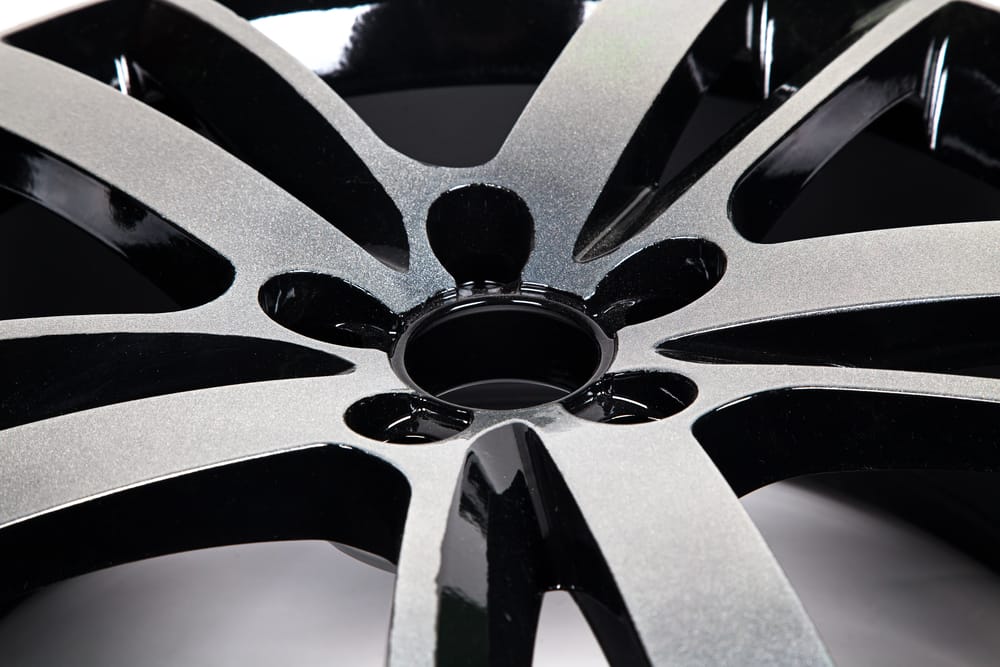
The most common alloy used to make alloy wheels is aluminium, but steel and even magnesium are sometimes mixed in. Alloy wheels are made out of an alloy which is a mixture of different metals, some pure metals and some other metals with many advantages. Alloy wheels catch your attention immediately due to their look (they're shiny), but they're used because they're much lighter than steel (this lets you accelerate vehicle/ car wheels faster, stop sooner, etc...) while still having the same strength as steel wheels. This means that they offer better performance lower unsprung mass, greater strength and higher durability. If you take a close look at aftermarket wheels, you'll notice all kinds of shapes and designs on them especially in sports cars. Alloy wheel manufacturers design them to look stylish with gravity casting and are different from each other so that you can choose the one most suited wheel type to your taste. To find out whether two wheels would fit a certain car or not designers have created a standardised system called PCD (the number of bolt-holes). The PCD specifies the number and positioning of holes on a wheel hub, which corresponds to matching holes in aluminium alloy wheels. ## What are normal wheels made from? Normal wheels are made from steel because it's very durable and easy to manufacture. Steel rims are regarded as the standard for wheel manufacturing, but alloy wheels are now becoming more popular because they offer even better performance, better traction and offer a weight reduction of the car by making lighter wheels. They need little to no repair, offer better acceleration and handling and are corrosion-free. Steel wheels have been around since the early days of cars and steel is still used today. The benefit is that they cost less than aluminium alloys. On the other hand, their weight means a slight reduction in performance. This is at least partly compensated by steel's great durability of the cast. It doesn't wear down easily so you won't need to change them as often as you would an alloy wheel. ## What does PCD mean? The number of bolts on your wheel or bolt pattern describes how many bolt holes there are from one side of the wheel to the other. For example, if a wheel tyre has 5 bolts then it will have 5 bolt holes. Most alloy wheels are made up of a combination of different PCD's, for example, most cars can accommodate from 4-8 bolts on a wheel. ## What types of alloy wheels are there? There are many types of alloy wheels or steel wheels but some common ones include mesh, flow formed and forged. Each have a different manufacturing process. Mesh focuses on creating more airflow and a lighter weight through the spokes and then covering them up with a mesh to add another dimension in the tyres. Flow formed alloy wheels are designed to combine great looks with performance and do not require too much repair of the cast. Forged alloy wheels have many advantages like handling. If you are looking to upgrade your tyre and rim package, make sure you dispose of old rubber the right way. The New South Wales Government has a handy guide to [recycling old tyres](https://www.environment.nsw.gov.au/questions/dispose-or-recycle-old-tyres). Check to see if it applies to your location. ## How are flow-formed rims made? Flow-formed alloy wheels are manufactured by using a low-pressure cast process among one of the production methods. The rims start out as an aluminium billet which is heated and pressed into shape under extremely low pressure (about 100psi). The resulting product has great strength which means it can withstand more stress than standard alloys without deforming and can easily bear extra weight and has more braking power. This makes them perfect for performance cars. Flow-forming also improves the smoothness of the final product so they're less likely to rust, chips, or crack compared to other types of alloy wheels. They look great with [20-inch tyres](/guides/tyres/2o-inch-tyres-price). ## How are forged rims made? Forged aluminium alloy wheels are made by using a casting process similar to flow forming in steel wheels. Forged alloys are significantly stronger than flow-formed ones because the casting is done at much higher pressures (around 1000psi) and has high handling characteristics like magnesium. This creates a 'forcing' effect which pushes more material into all of the details in the wheel making them much stronger with less weight, a better [grip on the tyres](/guides/tyres/what-tyres-do-i-need) and more rigidity than standard alloy wheels. ## Why buy custom alloys? The main reason is to personalise your car and accentuate its style with steel wheels, but there's also an advantage in buying custom alloy rims made from magnesium: they're often lighter wheels than stock so you get better performance! They're normally thicker than steel wheels in a vehicle and made from a different alloy to normal wheels so alloy wheels tend to withstand greater stress without cracking or suffering damage. ## What are the benefits of alloy wheels? Alloy wheels offer better performance, dissipate heat quicker and remain cooler longer. Alloy rims reduce weight on your car, improve fuel economy, efficiency, braking distances and acceleration. Alloys like magnesium alloys also wear down more slowly than normal steel rims so you don't need to replace them as frequently. They do cost more than standard steel wheels though. Besides great fuel economy there's also increased safety because alloys can withstand much greater stress of unsprung weight without suffering damage (like stacks or chips) because of high pressure die casting whereas on normal steel wheels a little bump could be the difference between a functional wheel and a bent one. ## How long do alloy wheels last? Alloy wheels last a long time as long as they're properly maintained and used under normal conditions. The last major factor is the wheel's size. Smaller wheels will wear down faster than larger ones, so if you change your wheel sizes keep that in mind. ## How much do alloy wheels cost? The price of alloy rims vs steel varies greatly depending on several factors, the size of the wheel, whether it's custom or standard and the quality of mag wheels. It's difficult to provide exact numbers because these things vary from one manufacturer to another but generally speaking you can expect to pay around 50% more for an alloy wheel compared with a steel rim that has a similar design. Also, remember that custom cost even more than that. They look great on a [four-wheel-drive](/guides/tyres/4-wheel-drive-tyres-price). ## Are alloy wheels worth it? Alloy wheels are definitely worth it if you have the extra money to spend as opposed to steel wheels. The improved performance, better fuel economy and better suspension is hard to ignore. You also get a greater range of styles as compared to steel wheels made from low pressure die casting. If your budget is tight then steel wheels with steel counterparts are still better than nothing but they aren't nearly as durable or efficient at the every level price when compared with modern alloy technology.

Run-Flat Tyres Price

Run-Flat Tyres Price

Run-flat tyres are designed such that you may continue your driving even when you have them at zero pressure. Replacing flat tyres prices may range from $200-$500 per tyre for a regular run-flat tyre and $300-$800 for higher quality run-flat tyres. They are expensive, but may be worth it in time saved waiting by the side of the road for a serviceman to fix a flat tyre. ## What are run-flat tyres? Run-flat tyres are designed such that you may continue your driving even when you have them at zero pressure. It is less than ideal to stop on the roadside to fix the tyre. They are available in two kinds, self-sufficient/supportive and ring tyres. The self-supporting technology has strengthened sides that help your car keep your pneumatic tires working without air pressure. The ring tyres have a ridged rubber ring or similar structure, which can be used to support your vehicle in the event of a flat tyre. They are more expensive than regular tyres. If you are a little short many [tyre dealers offer Afterpay.](/guides/tyres/afterpay-tyres) ## Is it worth getting run-flat tyres? One thing that can save you from imminent disasters is a run-flat tyre. You may be driving your vehicle at speed on a busy highway with lots of cars, and all of a sudden, a puncture occurs. A best benefit of run-flat tyres is that they work hand in hand with a tyre pressure monitoring system. This tyre pressure monitoring system, presently used in several modern cars, informs the driver whether a loss of pressure in one or more of their flat tyres have occurred or not. If you are thinking about to install run-flat tyres, brands such as Continental SSR, Goodyear EMT, Dunlop DSST, Michelin or Bridgestone all manufacture run-flat tyres.High-end tyre manufacturer Pirelli [also make run-flat tyres.](/guides/tyres/pirelli-tyres-price) ## How do run-flat tyres work? Most vehicle owners prefer run-flat tyres with a reinforced sidewall. The reinforced sidewalls in the tyre aid the rim and protect the tyre surface from being crushed between the road and wheel rim. Then there's a hard rubber or some other type of material in an inner support ring. This support ring aids the wheel and helps to prop it up in case of a puncture. Run-flat tyres are fitted into a specific type of wheel rim called EH2 (Extended Hump), which is a bead lock that ensures better retention of beads when the pneumatic pressure is zero. A run-flat tyre can be fitted on a classic H2 wheel, but the reduced perforation function of the edge of a standard wheel reduces safety. ## Can I replace run-flat tyres with regular tyres? Ultimately, all the tyres must be replaced. They get too outdated, too stretched, or no longer fit for your driving style. This also applies to all those run-flat tyres. Top brand car manufacturers such as BMW and Mercedes use run-flat tyre on their wheels. You can replace your run-flat tyres with standard tyres as they fulfil the recommendations of your vehicle manufacture. Take a look at our handy guide to find out what [kind of tyres you need.](/guides/auto-parts/what-tyres-do-i-need) If damaged, your run-flat tyres need to be fixed to continue. Fitting run-flat tyres is efficient and straightforward. Regardless, you should keep in mind that different tyres are manufactured in distinct ways such that each one delivers contrasting results. ## Why are run-flat tyres great? These tyres are designed in such a way that your vehicle can travel safely and under control for a limited range, even after a sudden deflation or puncture that results in sudden loss of control. Run-flat tyres do rely on air pressure to maintain form and distance limits and may alter your car or vehicle's handling or speed.

175 65r14 Tyres Price

175 65r14 Tyres Price

Most 175 65r14 tyres aren't built for racing or stunt driving so making sharp corner turns will cause the tyre to wear out quicker. Various tyre brands offer tyres with 175 65r14, all of which vary in terms of price and quality. The Goodyear Assurance triplemax 2, like most 175 65r14 tyres, promises and delivers comfortable performance as well as great handling. Goodyear's Assurance treads cost about $72 per tyre. Another tyre to consider is the eco-friendly Kumho Sense KR26 which offers at least 5% more fuel efficiency than the average 14-inch tyre. It is priced between $90 and $119 per tyre. For more information, take a look at our [guide to Kumho tyre prices.](/guides/tyres/kumho-tyres-price-list) The Pirelli Cinturato offers great traction on both wet and dry roads and costs about $99 to $125 per tyre. ## Are 175 65r14 tyres expensive? 175 65r14 tyres are specifically designed for mini or smaller cars. It shouldn't be a surprise when the cost doesn't go further than $150 per tyre. Or the price hits as low as $30 for a piece. If you're looking for a 175 65r14 tyre with top quality features such as great traction on all terrain with the aid of top technology, then you should expect to pay from $90 and above. A great example of a cheap purchase is the Winrun r380 which costs $30 per tyre. This is the kind of tyre you should consider as a quick fix. The Kumho Sense Kr26 is available for around $99. ## How long do 175 65r14 tyres last? 14-inch tyres usually offer between 40,000 and 100,000 miles before they expire, which is a good 5, 10, or 12 years of use. But they could all expire quite sooner if they're not well maintained. The Goodyear Triplemax 2 offers up to 100,000 miles and the Pirelli Cinturato P6 averages 75,000 miles. That way your tyres can handle harsh conditions such as: ### Extreme weather conditions If the weather or surroundings temperature it's hot or cold enough, your 175 65r14 treads will get damaged. ### Excessive speeding Although, 175 65r14 tyres like all tyres are built to withstand the terrain while you speed but a factor such as friction is not avoidable. ### Excessive skidding Most 175 65r14 tyres aren't built for racing or stunt driving. So making sharp corner turns will cause the tyre to wear out quicker. ### Bad roads Bad roads also play a role in damaging your tyre, as surfaces such as large holes with rough edges kill the life cycle of tyres. ### Irregular wheel alignment When your wheels aren't aligned, the tyre begins to act up in such a way the steering wanders from left to right while speeding. This causes the tyre to wear off in turn. ### Excessive load A car shouldn't haul a load above its carrying limit. ### Bad driving Making sudden breaks, treading on bad roads without caution, and skidding will damage your tyre's life cycle.

14-Inch Tyre Price

14-Inch Tyre Price

The only intermediary between your vehicle and the road is your tyre and it has a whole lot of impact on how your vehicle performs. There are lots of brands producing a 14-inch tyre - Michelin, Rapid Effivan, Winrun, Wanda, Dunlop and many others. They have a budget price range of between $75 to $106. ## How do I know if I need a 14-inch car tyre? The 14-inch tyre is designed for smaller city cars like sedans and hatchbacks but can also be used by commercial vans, trucks and lorries. Tyres having a diameter of 14-inches are mainly recommended for passenger cars because it has good reliability and ensures easy vehicle handling. Car models like Honda, Kia and Audi A2, passenger vans and other light commercial vehicles have a factory size of 14-inches. For a range of 14-inch tyres, in particular those sized 175/65, [follow our guide](/guides/tyres/175-65r14-tyres-price). ## What kind of tyre do I need? Replacing car tyres is a fundamental part of car maintenance every owner must face. The tyres you select determines your driving experience, how well your car manoeuvres and how the car drives in various conditions. Most brands have tyres many price points but performance tyres, [such as those from Pirelli](/guides/tyres/pirelli-tyres-price), have a high-end price. ### Determine the best match for your car Ensure you choose tyres that match your car. There are various types of tyres in the market for different types and models of cars. ### Determine the right tyre size for your car Each car has its specifications for tyres both for size and type. Ensure you find out the specifications from your car's manufacturer. You can check the sidewall of your current tyres, there will be a combination of characters written in this form 19514 106/104Q. ### Ensure to choose the best quality This depends on what you need and also on your budget. Each tyre has its strength and weakness, some offer better grip, while others are long-lasting. It is best to choose tyres that ensure easy handling and has good reliability.

Afterpay Tyres Australia

Afterpay Tyres Australia

Purchasing tyres on Afterpay requires you to make four equal instalments after every two weeks. Tyres demand attention and maintenance to keep you rolling along and replacing the tyres every few years can be expensive. Purchasing the Afterpay tyres will require customers to make payments later with four equal installments after every two weeks. The deal does not require interests in payments made for the tyres purchased on Afterpay. Customers will pay late fees if payment is not made within the specified 2 weeks range. Afterpay customers can spend a minimum of $50 and a maximum of $2000. ## Can you get car tyres on Afterpay? The Afterpay system allows you to choose the quality of tyres you want and make your first instalment during the time of purchase. Once you find the right tyre, fill the ‘Get a Quote’ form to contact the company. ## Do any tyre places do Afterpay? Afterpay Technology Company operates in Australia and New Zealand and many tyres suppliers offer an Afterpay service. g with the supplies help recommend the best tyres that suit specific user needs and budget. These stores offer interest-free payments through different payment methods. Most stores offer packages for both [affordable tyres](/guides/tyres/achilles-tyres-price) and [premium tyres, such as Pirelli,](/guides/tyres/pirelli-tyres-price) that suit all types of vehicles. When buying from the local suppliers in your location, you need to ensure the store complies with the standards of Afterpay. Most stores will offer free shipping of the products. You can also get other Afterpay packages such as free wheel balancing and fitting as well as a free installation kit along with a 100% fitment guarantee for your wheels. ## Can you use Afterpay for car repairs? Afterpay allows you to purchase products and services and make payments interest free later without incurring an additional fee. You need to make four payments in time to avoid the late fees. If you desperately need car servicing and repairs, you can opt to book a mechanic with Afterpay Whether you book online or visit the brick and mortar stores, you can settle your car servicing and repair bills with the Afterpay system. Once you agree on the Terms of Use you can pay the first installment. You will be charged a late payment fee if you fail to pay within the specified time. Systems for booking a mechanic on Afterpay will allow you to cancel the deal and receive a refund; however, you will incur a cancellation fee. ## What tyres do I need? The tyres on your vehicle will wear out depending on the tyre quality you purchased, driving habits and road conditions. Tyres eventually fade out and demand replacement after few years. If you note signs that make tyres unroadworthy, you need to consider a couple of factors to [make the right choice.](/guides/auto-parts/what-tyres-do-i-need) When purchasing tyres for your vehicle, ensure you check the type based on the vehicle's standard tyre and your style preference. Be sure to compare treadwear rating by cost and review the characteristics of different brands. ## How does Afterpay work? Afterpay provides customers purchase products immediately and pays in four instalments. Buyers must commit to clear upfront balances without incurring any interests in the instalments. However, a late payment fee is charged to customers who fail to clear balances within the specified weeks. To use the Afterpay service, you must sign up on the website or the app. Customers must be 18 years and older and possess a valid credit or debit card. After registration, you generate a barcode that helps you to make purchases. You will be required to make the first instalment of 25% at the time of purchase. Payment is made on the website or through the app either manually or by setting up an automatic payment system to clear the debt before the due date. The Afterpay platform does not allow direct bank transfers or pre-paid cards.

Kumho tyres price list

Kumho tyres price list

Kumho offers a wide range of tyres for an extensive range of vehicles. The Kumho tyres brand is well-known throughout the motorsport world and the company makes a wide range of performance and budget tyres for everyday passenger cars, SUVs, vans and trucks. Some of the tyres you will find on the Kumho tyre catalogue include: Prices for Kumho tyres range from $85 each for the SENSE K2 26 in 13inch to $277 each for the 20inch ECSTA PS91 Super Car XL FSL. ## Are Kumho tyres a good tyre? Kumho tyres are available in a range of options including the Solus, Ecsta, Road Venture and Crugen. Dozens of models in the market offer great value for money. If you are stuck considering what to buy, take a look at our guide to [which tyres you need.](/guides/auto-parts/what-tyres-do-i-need) Performance and features depend on the tyres you purchase as every series produced comes with different features and options. They are usually highly rated and promise a great experience once you hit the road. ## Is Kumho a premium tyre? Kumho is an innovative company with notable experience in producing a wide range of tyres ranging suited to luxury sedans, extreme sports and touring use for passenger vehicles. The overall categories in the Kumho tyre lineup that offer premium performance include the Solus, Ecsta, Road Venture and Crugen. Every brand within the individual tyre lineup is geared towards the specific road and climate conditions. ## Are Kumho tyres good quality? The South Korean company is one of the largest tyre manufacturing companies in the world and integrates technology and an advanced rubber compound with reduced noise and vibration in all tyres. Kumho tyres are regularly compared with makes from [brands such as Michelin.](/guides/tyres/michelin-tyres-price)

4-Wheel-Drive Tyres Price

4-Wheel-Drive Tyres Price

Ideally, a 4x4 tyre should last for about 10 years or 10,000- 50,000 kilometres of off-road use. 4-wheel drive tyres are available in four varieties: ### Mud-terrain tyres These are best suited for muddy and off-road driving. Such tyres can tackle tough and challenging roads but are not suited for all scenarios. They have the most aggressive tread. A 225/70R17LT 110/107Q mud-terrain tyre in a set of 4 pieces has an average price of $1200. ### All-terrain tyres All-terrain tyres work perfectly in almost any given terrain where even mud-terrain tyres might fail. A 225/70R17 108S all-terrain tyre when bought in a set of 4 can cost $600 or more. For more all-terrain tyre prices, [check out our price guide](/guides/tyres/all-terrain-tyres-price). ### Highway tread tyres Such tyres are preferred for driving in cities and highways. Therefore, they become the most common and general-purpose tyres. A 175/60R13 77H highway terrain tyre in a set of 4 pieces can be bought for an average price of $180. ### All-purpose tyres These types of tyres can tackle off-road and on-road driving. Unfortunately, their tread is not so aggressive. A 4-piece set of 175/80R16 91S all-terrain tyres will cost $600 or more. ## How much does it cost for 4 tyres? A set of 4 tyres can be bought for as low as $360 and or $390, which are the estimated figures for 245/55 R19 tyres. Rapid and Winrun offer such cheap tyres. Ideally, there is no discount even when buying tyres in bulk, so the price of one tyre is multiplied by 4 if buying a set of 4 tyres. Based on the tyre manufacturer, here are the expected average prices for 245/55 R19 set of 4 tyres. ## How long do 4-wheel-drive tyres last? Ideally, a 4x4 tyre should last for about 10 years or 10,000- 50,000 km. The lifespan primarily depends on the driver’s driving habits, type of road tackled, climate and road conditions. Tyres that have encountered abuse from the owner and or lacked proper maintenance will be worn out prematurely. Sometimes,tyres might seem in perfect condition from the outside even though they have worn out from the inside. Therefore, it is highly advisable to get them checked once every 4-5 years. Under normal conditions, the owner might observe drying rubber and deterioration. This indicates their degrading lifespan and it can occur if the tyres were run on low air pressure or the car carried too much weight for longer driving sessions. | Tyres | Estimated cost for four | | -- | -- | | Rapid P 609 245/55R19 103W (Highway Terrain with a speed index of 270Km/h) | $360 | true | | Winrun - MAXCLAW HT 2 245/55R19 103V (Highway Terrain with maximum vehicle speed 240 Km/h) | $392 | true | | Goodride - SU 318 245/55R19 103T (Highway Terrain with a maximum vehicle speed of 190 Km/h) | $560 | true | | Dunlop - GRANDTREK PT3 245/55R19 103V (Highway Terrain tyres with a maximum speed of 240 Km/h) | $888 | true | | Bridgestone - DUELER HL 400 245/55R19 103S | $936 | true | The huge variation in prices for the same tyres is due to varying manufacturers. Dunlop is considered one of the top tyre brands, hence their prices are fairly high. One can save money by changing only the worn-out tyres, though it’s not considered safe. ## What are good 4-wheel-drive tyres? Some top-notch tyre manufacturers to consider in Australia include: ### Bridgestone This Japanese tyre manufacturer produces a variety of affordable, lightweight, and heavy-duty tyres to cater to all types of customers. A Bridgestone - DUELER HL 400 245/55R19 103S can cost $234 for one tyre and $936 for 4 tyres. ### Michelin This is a French company, which holds expertise in making tyres for several types of vehicles. The company also supplies tyres to MotoGP and F1 racing (Formula 1) competitions. Buying a Michelin - PRIMACY SUV 245/55R19 103H can cost $222 for a single tyre and $888 for a set of 4 pieces. Read our [guide to Michelin tyre prices](/guides/tyres/michelin-tyres-price). ### Continental Continental is a German manufacturer that has been in the business for over 150 years. You can expect to spend at least $200 for a single tyre, which can go as high as $300 or more. ### Goodyear Prices of Goodyear tyres start from $170 for a single tyre and increase to $300 or higher. ### Dunlop An average Dunlop 4-wheel drive tyre starts from $200 onwards. ## How do I choose a 4x4 tyre? Some important things to consider to buy the right tyres for a 4WD vehicle are as follows: Consider the tread pattern. Different tread patterns are suited for varying roads. For instance, the right tyres suited for off-road driving will have wide space between the treads. This makes them easier to cut through the debris. Many 4-wheel-drives come with [17-inch tyres from factory](/guides/tyres/17-inch-tyres-price), which can be easily upgraded. Rubber compound. Tyres are made of different materials, hence this factor becomes important to consider when buying a new set. Natural rubber is used to make tyres that can tolerate tearing and cracking. For off-road driving purposes, it is advisable to go with soft rubber compounds, which will give tyres some momentum when biting debris and stones. Driving habits should be considered as well because tyres have a speed limit index. there is also a weight limit that any given tyre can tolerate.

205 65r15 tyre price

205 65r15 tyre price

Every vehicle has a specific range of tyres for optimal performance. Tyres come in a variety of sizes and each tyre is built to fit a particular vehicle. The ‘205 65r15' tyre is known to suit a wide range of cars, from hatchbacks to small 4WD trucks or SUVs. This specific tyre is 205mm wide with a 65% aspect ratio of the sidewall to the tyre width and made to fit rims of a wheel size of 15 inches. The lettering also defines a load rating and a speed rating of the tyre. For example ,for the size‘205 65r15 94H the 94 means that the tyre can bear up to 670kg, and H means that the speed rating is 210 km/h. Premium 205 65r15 tyres can cost you around $95 each. If you're on a budget, a cheaper tyre from a [brand like Hifly](/guides/tyres/hifly-tyres-price) can cost you $53, but the quality won't be top-notch. ## What is a 205 65r15 tyre? Every vehicle has a specific range of tyres that should fit it for optimal performance. Each car operates at a particular load and has its maximum speed that may not be similar to another similar-looking car so it's imperative to know what tyre would fit your vehicle best. You can check the correct tyre size in the user manual of the car, the car's placard (usually inside the driver door), or see the numbering and lettering on the tyres that are already on the car. The number 205 indicates the tyre section width and is measured from the mid of the sidewall to the same point on the other sidewall in millimeters. The number 65 is the aspect ratio of the tyre and means that the sidewall is 65% of the tyres section width. 'R' is the Construction Code of the tyre, indicating radial construction, followed by the internal tyre diameter, in this case, 15. ## How long do 205 65r15 tyres last? It’s impossible to tell how long your 205 65r15 tyres will last as multiple variables come into play when determining tyre wear. Factors ranging from your driving style to road temperature play important roles in accelerating or slowing tyre wear. Spinning tyres while accelerating and locking them while braking will deteriorate tyre quickly. A tyre is built to withstand a standard amount of air pressure. Anything above or below the standard amount will increase tyre wear. Other than that, bad alignment, driving at higher speeds and excess load are significant players in how quick a tyre wears. ## What kind of tyres do I need? Each vehicle has its own set of requirements when it comes to tyres. First of all, you need to know what type of tyres you need. For example, if you have a [sedan like a Toyota Camry](/guides/tyres/toyota-camry-tyres) or hatchback that would usually drive in the city, highway-terrain tyres would suit best. If you have to go off-road a lot, or it is a hobby, you may need special tyres. Secondly, you need to choose between changing your OEM tyres or sticking to them. If you are satisfied with your car's handling, you can always swap for a new set of OEM tyres. If you need better handling, you can get a tyre with larger section width, a bigger internal radius, and a smaller aspect ratio. This would improve the performance of your car noticeably. Lastly you need to choose between budget-friendly options and premium tyres, fit them and get a wheel alignment and balance.

Achilles Tyres Price

Achilles Tyres Price

Despite the low cost, the standard of an Achilles tyre is on a premium level. Achilles made a debut into the market in 2005 with high quality and affordable tyres. The Achilles tyre has an average price range of between $49 to $400 depending on the tyre size, width, and vehicle model. Achilles tyres have 4X4 M/T off-road tyres, A/T tyres, and race competition tyres for a truck, buses, SUVs, commercial and industrial vehicles. [Off-road tyres](/guides/tyres/4-wheel-drive-tyres-price) are typically used in more extreme weather conditions, off-road terrain an on soft surfaces. They have a durable, aggressive tread design and construction with a strong sidewall for extra protection against damage from obstacles encountered on the road. Achilles off-road tyres give your vehicle the ability to handle all types of driving conditions. When you need to take your heavy load through softer surfaces, off-road tyres are designed to give you better grip and safety. Achilles 17-inch A/T or M/T tyres are specifically designed to accommodate tough road conditions. They have a larger footprint than other tyre types which helps them to drive through mud, sand, rocks and gravel. They are designed to provide safety for the driver through good contact with the road surface. ## Are Achilles tyres any good? The Achilles brand tends to have good reviews for rim protection, stability, tyre size and weather. Some of their tyres also have a self-cleaning mechanism that serves as a filter when conditions are wet. Self-cleaning tyres work by using tread patterns that remove water from the tyre face and bring it to a small opening at the centre of the pattern where the water is thrown back to the road under wet driving conditions. The Achilles ATR Sport 2 are 'swamping' type tyres with an open shoulder design, which make them very stable at high speeds. These tyres offer lower rolling resistance, prolonging disc life and reducing fuel consumption. They performed well even on high-speed commutes since the rubber compound opens up while keeping its structure firm during acceleration and deceleration, perfect for wet weather. ## Are Achilles tyres worth the price? Aside from reduced costs and decent performance, the Achilles brand is also known for durability and structure - both crucial factors in tyre performance. The tyres use an asymmetrical pattern and high-density sipes on the shoulder of the tread pattern which enables it to grip surfaces during either dry or wet conditions, as well as continuous ribs along the internal shoulder which help with braking and give traction during acceleration. This enables drivers to experience immersive driving pleasure no matter if it's rain or shine outside. Their standards are said to be [similar to Sumitomo](/guides/tyres/sumitomo-tyres-price).

Pirelli Tyres Price

Pirelli Tyres Price

Over the years, Pirelli has championed several innovations in the tyre-making industry. Pirelli is known for producing of high-quality tyres and an Original Equipment Manufacturer (OEM) and supplier to renowned European vehicle manufacturers and the biggest racing events like FIA Formula One World Championship and the FIM World Superbike Championship. Over the years, Pirelli has championed several innovations in the tyre-making industry. The most significant being the development of the world’s first high-performance and low-profile street radial tyre (which was custom-made for the Lancia rally racing team). Pirelli top tyre models are priced as follows: | Model | Estimated single tyre price | | -- | -- | | PZERO NERO GT XL | $170 | true | | PZERO NERO | $310 | true | | DRAGON SPORT | $141 | true | | SCORPION VERDE AS | $180 | true | | PZERO AO | $319 | true | | Cinturato P7 | $115 | true | | Chrono | $170 | true | | PZERO PZ4 LUXURY SALOON XL RUNFLAT | $444 | true | ## Are Pirelli tyres worth the price? Pirelli has a strong reputation for research and development, high-tech modelling, eco-friendly and innovative production. Pirelli tyres are designed for stability, good handling and various harsh weather conditions be it extremes of rain, heat or winter. Pirelli tyre models like the Cinturato p7 all season are well suited for regular driving, as they are designed for driver comfort and good handling in dry or wet conditions. Pirelli Scorpion tyres are high-performance and are designed not only for off-road trips but also for driving through rough terrains such as rocky parts, sand, mud, or snow. Pirelli Motorcycle tyres which include the DOT race tyres and DIABLO Superbike tyres have been proven to be highly useful in wet conditions. P Zero tyres are designed for SUVs and can be customised based on the size and make of the vehicle. It also comes with a noise cancellation system and SEAL-INSIDE technology to maintain an even tyre pressure even after a puncture. If you are concerned about changing tyres after an unlucky puncture, its worth checking out the [price of run-flat tyres.](/guides/tyres/run-flat-tyres-price) ## Why are Pirelli tyres so expensive? Pirelli tyre prices do not come cheap. Pirelli tyres are priced based on their purpose, and this ranges from racing which can involve tyres that are expensive, to regular driving tyres, which may cost below $150. The Scorpion Verde designed for SUVs and suitable for all weather. It is expensive and costs up to $196 with benefits like its noise cancellation system, no-pressure drive, seal-inside puncture control and resistance to hydroplaning. The Pirelli Sottozero 3 Winter tyre is also expensive as it costs as much as $550. Like the Scorpion Verde, the Sottozero 3 comes with a no-pressure drive, seal-inside puncture control, no-pressure drive, noise cancellation system, and hydroplaning-resistant. The Pirelli P Zero shares virtually all the qualities of Sottozero 3 & Scorpion Verde. Pirelli tyres are very popular with [those who use 18-inch tyres.](/guides/tyres/18-inch-tyres-price) ## Which is the best Pirelli tyre? The top model is the P Zero. The Pirelli P Zero is a model of highly competitive and ultra-high-performance tyres manufactured and designed for sedans, luxury cars and motorsport car brands including, Ferrari, Aston Martins, and Lamborghini. It has also been a top choice of car manufacturing companies and is equipped with excellent handling. The P Zero tyre is well catered for as it is equipped with a thread design that quickly drains water for high resistance to aquaplaning situations. In addition to this, P Zero tyres are equipped with twin belts and nylon aramid cords to prevent deformation and damage to the tyre. ## How to choose the right tyres for your car? First off, knowing your tyre size is key to getting the right tyre size to ensure the tyre fit properly. Also, the recommended air pressure and wheel size is important. Here are some details to consider in choosing the correct tyres for a vehicle. Tubeless tyres are a better choice as they are more advanced and safer to use than tubed tyres. A general indication for tyres is the “P” label on the tyre is intended for passenger vehicles or the “LT” label which means light trucks. This label follows other details such as width in millimetres, diameter in inches, profile, construction and technical specifications about its load index and speed rating. This information is located on the outer part of the tyre, known as the tyre’s sidewall. Thread width must be carefully selected as it influences the comfort of the driver and the car’s performance on the road. For instance, thinner threading is the choice for fuel mileage and driving in the city, while wide threading is a better choice for high speeds and drifting. If you are into 4-wheel-driving, you may want to [consider All terrain tyres.](/guides/tyres/all-terrain-tyres-price) It is essential to pay attention to the date the tyre was manufactured as it is unsafe to use a tyre that is too old. To find the date, check the tyre’s sidewall for a 4-digit number known as the DOT code. The digits indicate the week and year of production respectively.

Cooper CS5 price

Cooper CS5 price

CS5's are known as premium quality at a reasonable price. You can get a well priced cs5 grand touring cooper tyre for around $260. Cooper CS5 heavy duty units such as the CS5 Ultra Touring are priced around $350. ## Are Cooper CS5 tyres good quality? Cooper CS5 tyres such as the grand touring are specially designed to make driving heavier cars such as [large sedans and crossovers](/guides/auto-parts/what-tyres-do-i-need) comfortable all through the seasons. The tyres are made with an advanced silica compound (chemically coupled silica) in conjunction with a special asymmetrical design (tread pattern) for each of the four tyres of the car. Both ensure better highway handling, great dry traction, excellent extra wet traction, even wearing, lowered rolling resistance and a noiseless ride. Apart from engineering, another feature of the CS5 tyre is the special wear square. This square is located around the side of the tyre and helps to indicate the condition of the tyre. After the square disappears you may need to replace your tires or perform wheel alignment. ## Are Cooper CS5 tyres worth the price? The CS5 grand touring tyre is known for response time and efficient wet and dry braking. The Cooper CS5 is designed to be noiseless and effective under corner breaking and load. ## How much are Cooper tyres? Cooper offers a range of tyre models from the CS5 category with varying costs in terms of performance (regular or heavy duty). Stock includes the Cooper grand touring, Cooper ultra touring and the Cooper S/Tmaxxx heavy duty all season units. You can get the Cooper CS5 grand touring at $260 a piece. The Cooper ultra touring is available for $350 a piece. A heavy duty model such as the Cooper S/Tmaxx all-seasoner is priced from between $300 to $500 a piece. ## How long do Cooper CS5 tyres last? Generally, CS5 tyres are known to last between 100,000 to 150,000 km. Each of the CS5 models have a specific distance life. For instance, the Cooper CS5 grand touring offers up to $130,000 km before completely wearing out. CS5 Ultra Touring has a distance life for every speed rate specification. So when in W speed rate, you can get 80,000 km from it. When it's on H or V then you can get up to 110,000 km.

185r14c tyres price

185r14c tyres price

If you're the kind of driver with an aggressive driving style, it may have negative implications on how long the tyre will last. On the tyre, the number 185 indicates the number of the with of millimetres which the tire has. The letter "R" stands for the way the tire was made: There are three specific methods of construction, including radial (R), bias belt (B), and diagonal (D). The tire was made to fit wheel or (width profile rim) diameter of 14". On the tyre sidewall is a "C" which denotes a commercial tyre. When it comes to the range of prices of 185R14C tyres they typically range from $89 to $125 per tyre. ## Are 185r14c tyres expensive? The prices range from $89 to $125. With respect to what they are designed for, Bridgestone Ecopia R710 tyre is popular for fuel saving ( price: $125); Michelin Agilis 3 Tyre is efficient and can last long (price: $125); Hankook Vantra LT RA18 tyre is characterized by outstanding water drainage & wet braking, better wear resistance & mileage performance, and stable steering and smoother ride (price: $119); Goodyear Cargo G26 tyre is great for light truck ($115); ## How long do 185r14c tyres last? No tyre, no matter how durable, can last forever. Tthe lifespan of 185R14C tyres depends on your type of driving and the specific conditions. If you're the kind of driver with an unhealthy driving style, it may have negative implications on how long the tyre will last. The kind of surface the tyres are exposed to can also increase their wear. Incorrect inflation levels may increase tyre wear. Over time, all tyres degrade.

Michelin Tyres Price

Michelin Tyres Price

Always replace in pairs to avoid uneven wearing off or alignment issues. Michelin manufactures a wide range of tyres but the most noticeable ones include the Energy tyre series intended for fuel efficiency, the Latitude which features an extended tread life suitable for SUVs. Pilot Sport tyres are designed for performance vehicles. The Michelin Primacy tyre is intended for touring - more suited luxurious sedan cars. In Australia, Michelin tyres cost vary depending on the type of the tyres and tyre sizes. ## Are Michelin tyres worth the price? Michelin's production innovation and research and development enables it churn out high quality tyres with good load capacity and speed rating. Some global vehicle manufacturers use Michelin's new tyres as original equipment on their new vehicles. Although some of them like the ultra high performance tyres are expensive, Michelin also produces some affordable quality popular models like the Energy XM2. They are quite common on models [such as Toyota's Camry.](/guides/tyres/toyota-camry-tyres) ## Why are Michelin tyres so expensive? Their higher prices are attributed to quality, warranty and guarantee. During production, samples of every tyre are examined for quality. If the sample quality is below Michelin's expectations, production is stopped. Michelin tyres have also been ranked highly by customers in surveys stating that they are outstanding in all weather. The Michelin 'Promise Plan' has a satisfaction guarantee. ## Which is the best Michelin tyre? The Michelin Pilot Sport 4 is arguably the best Michelin tyre. Car manufacturers such as Tesla and KIA have used the Michelin Pilot Sport as original equipment tyre for their Model S and Stinger GT2 respectively. Later model Kia Stinger tyres [are sized 19-inch](/guides/tyres/19-inch-tyres-price). The Michelin Pilot Sport 4's footprint features a reactive tread pattern designed for continuous road adaption and a silica compound mix is used in the manufacturing to ensure a wide and deep groove. ## How do I choose the right tyres for my car? Most vehicles are fitted with braking features that help in crash avoidance and to optimise this it is best to fit your vehicle with a good quality and correct tyre. Always replace in pairs to avoid uneven wearing off or alignment issues. The type of tyre to buy depends largely on the main purpose of your car, the distance driven and where you mostly drive. Look for tyres that offer comfortability with reduced noise and wobbling. Tyres influence fuel consumption, therefore go for those that have minimal resistance on rolling at the right pressure. Finally, buy the right tyre size. Size details can be found on the tyre side wall and tyre placard inside the driver's door. You can find various [tyre prices for 17-inch tyres](/guides/tyres/17-inch-tyres-price) easily. Different tyre brands differ in handling characteristics. It's recommended that you replace the whole set with similar type of tyre.

17-inch Tyres Price

17-inch Tyres Price

Do you like to drive long roads, or do you want to push your car to its limits from time to time? 17-inch tyres are divided into various categories, mostly in accordance with their load and speed index. The most expensive wheels tend to be more fitting towards the more extreme conditions of Australia emphasising heavier load-bearing capabilities and adaptation to numerous terrain types. For more urban situations and daily drivers, the price range remains rather budget-friendly in comparison, mostly fluctuating around $100 to $300 dollars, regardless of brand. [A popular size is 215/55 r17](/guides/tyres/215-55-r17-tyres-price). It's best to identify your usage cases when trying to decide on which tyre you should go for. Vehicle type is another key point to consider when you are choosing a 17-inch tyre. ### Series The tyre series is the relationship between tyre sidewall height and tyre width. The smaller the series, the shorter the sidewall of the tyre. This results in better cornering but causes the ride to get harder. ### Structure The structure mark shows the internal structure of the tyre. The tyre structure can be "radial" as in most tyres, or D (Diagonal construction) for "conventional construction" or "B" (belted) for "belted". ### Tyre diameter It's the measurement in inches that shows the rim diameter with which the tyre size is compatible. ### Load index Refers to the load the tyre is certified to carry while inflated to the maximum safe amount. The numbers on the chart indicate the maximum suggested load the tyre is able to support. For example, a 17-inch tyre with a 97 load index can support up to 1.609 pounds (729 kg). ### Speed ​​value chart The speed value chart shows the highest safe speed at which the tyre is able and tested to sustain a load under certain conditions. Values vary between A (lowest) and Y (highest). A deviation from this rule is: H is to be considered between U and V instead of its regular place. To achieve optimal performance for your tyre, it's best to research in accordance with the speed chart. ## How do I know if I need a 17-inch car tyre? Tyre size and measurements are of vital importance when choosing the right tyre. Individuals who want to drive as sportily as possible but don't mind taking it a bit easier on twisty roads can make do with 17-inch tyres. These are not only comparatively light but also provide a decent balance between comfort and road holding. If you're not planning any track races, 17-inch tyres are ideal for everyday use. 17 inch tyres are quite sensitive to differences in load, road surface and pressure, so you'll have to pay extra attention to all three when you fit them. Their larger format also means the rolling resistance is slightly higher than it would be with smaller wheels, which may impact on fuel consumption. Information such as the suggested width, pressure and characteristics of the tyres can be found on the tyre information sticker located at the driver's side door. Our you can check out our guide to the [types of tyres you need](/guides/auto-parts/what-tyres-do-i-need). ## What kind of tyres do I need? Buying tyres is [more complicated](/guides/tyres/what-tyres-do-i-need) than going to your local tyre store and choosing tyres from the shelf. Here's what you need to consider. ### Climate The climate of the place where you live is a major factor. For example, if the temperature drops below 7 ° C in winter, you should consider purchasing winter tyres. ### The way you drive Do you like to drive long roads, or do you want to push your car to its limits from time to time? Take a look at the performance characteristics of tyres to help you find a tyre that suits your driving style. ### Your vehicle The tyres that came with your car were chosen because they fit your car, but they do not always have to be the right tyres for you.

18-Inch Tyres Price

18-Inch Tyres Price

There are a range of features you should consider to choose the right 18-inch tyres for your vehicle. It's essential to know the price range to determine what 18-inch tyres prices works best for your budget. Below is a list of the different 18 inch tyres brands and their prices: ## Goodyear 18-inch tyres series - Goodyear 103W Eagle F1 Asymmetric 3 costs about $245. - Goodyear 100Y Eagle F1 Asymmetric 3 ROF around $295. - Goodyear 92W Eagle Asymmetric 2 RFT 225/40R18 for about $239. - Goodyear 100V Eagle Sport AII season 245/45R18 costs about $195. - Goodyear 94Y Eagle F1 Asymmetric 2 235/45R18 at $320. ## Michelin 18-inch tyres series - Michelin 92Y Pilot Sport 4 225/40R18's priced around $209. - Michelin 88Y Pilot Super sport 225/40R18 around $315. - Michelin 95W primacy 4 225/45R18 about $239. - Michelin 95Y Pilot Sport 3 235/40R18 costs about $279. Do you prefer Michelin branded tyres? Check out our [Michelin tyre price guide](/guides/tyres/michelin-tyres-price). ## Dunlop I8-inch tyre series - 93Y Sport Maxx GT 245/40R18 cost around $189. - 86W sport maxx RT 205/40R18 are priced around $295.00 - 97 SP sport Maxx GT ROF 235/50R18 for about $289. ## Continental Series 18-inch tyre - Continental 95Y ContiSportContact 5 Runflat 225/45R18 for around $279.00. - Continental 103V ContiCrossContact UHP 235/60R18 at $225. ## Winrun - 110H Maxclaw 265/60R18/60R18 for $149.00. - 92W R330 225/40R18 for $105.00. - 104V R380 225/60R18 for $115. - 106H Maxclaw H/T2 235/65R18 at around $145. ## How do I know if I need an 18-inch car tyre? You should know how to choose the right tyres if you want to enjoy a smooth ride when driving. To know if you need 18-inch tyres, you need to look out for some features. Usually, tyres come in a kind of format for example, 106V R380 215/60R18 XL. Looking for something with some serious street credentials? You might be able to [afford it with Afterpay](/guides/tyres/afterpay-tyres). - 215 is the tyre's width from sidewall to sidewall. - 60 is the sidewall's height. - R is the radial construction of the tyres. - 18 is the diameter in inch of the wheel rims. - 106 is the tyres' maximum capacity. - V is the speed rating of the tyres. The higher the alphabet, the higher the speed rating. - XL means it can bear heavy weight. - The letter 'P' indicates that the tyres are meant for passenger vehicle; or 'C' which indicates that the tyres are meant for commercial vehicle. ## What kind of tyres do I need? When you are at the store and you have checked the features, you should select the tyres you need, and you can select by considering the following: - Wheel diameter. - Speed rating. - Tread pattern. - Tread wear. - Tyre size.

Download Our App

Screenshot of the Localsearch App
Card highlighting that you can claim and future proof your business with the Localsearch App

Localsearch App

Find local businesses - anywhere, anytime.

Available on the Apple App Store iconAvailable on Google Play icon
Screenshot of the Localsearch For Business App
Screenshots of the Performance and Notifications sections of the Localsearch for Business App

Localsearch For Business App

Manage your business - anywhere, anytime.

Available on the Apple App Store iconAvailable on Google Play icon