Tree & Stump Removal Guides & Resources

Trending Searches

Plumbers

Dentists

Hairdressers

Electricians

How much to remove a tree?

How much to remove a tree?

The cost of cutting down a tree varies with the height and breadth of the tree. Houses, power lines, garden beds, fences and accessibility of the tree determines the amount you spend to cut it down. It will cost you around $350 to remove a tree from your property, $1,434 for a medium, and $4,500 for a large or extra-large tree. The type of tree to be cut also affects the pricing. Gum trees will cost you between $900 and $4500 depending on their size and accessibility. Cutting an oak tree and taking it away ranges from $1,200 to $5,000. A conifer will cost $250 to $850, a Radiata $1,700 to $3120, and $2,200 to $4,500 for a Norfolk Island pine to cut down. Removing a fallen tree is more expensive than cutting it down due to labour. ## Why is tree removal so expensive? The cost of removing a tree depends on the location on your property. Cutting down a tree close to power lines will cost more because of the expertise needed to bring it down. [Cutting down a tree](/guides/arborists/how-much-will-it-cost-to-cut-down-a-tree) with a 30-centimeter diameter at the base will cost you around $750 to $1,000. A gum tree will cost more because it has many branches and heavier timbers are more expensive due to workload. Cost-cutting measures like removing lower branches yourself could make it hard for an arborist to work higher up the tree. ## What do tree trimmers charge per hour? Hiring an arborist will cost you $45 to $55 per hour according to the [size of the tree](/guides/arborists/tree-trimming-prices) or its accessibility. Trimming services in Queensland, Victoria, and Western Australia cost around $ 5 per hour. In New South Wales they cost on average $52.50 per hour. The average cost of pruning a standard tree is around $214.53.

Tree & Stump Removal Guides & Resources
Where To Plant Trees And Shrubs

Where To Plant Trees And Shrubs

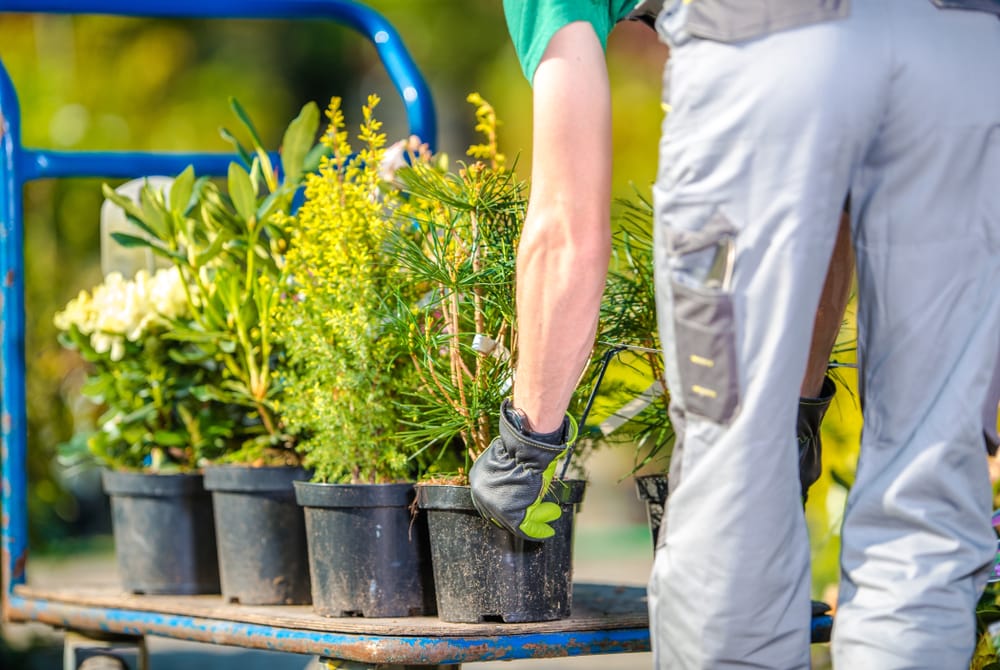
When it comes to privacy, evergreen trees and shrubs are typically the best option. When deciding where to plant your trees and shrubs, consider the amount of sun or shade the location receives, as well as the type of soil. You need space for the tree or shrub to mature. If you are considering planting a citrus tree there are a [few specific fertilisers](/guides/tree-stump-removal/what-is-the-best-fertiliser-for-citrus-trees) you may want to use. ### Planting in full sun Trees and shrubs that prefer full sun should be planted in an area that receives six or more hours of direct sunlight each day. ### Planting in partial sun or shade Plants that prefer partial sun or shade should be planted in an area that receives three to six hours of direct sunlight each day. ### Planting in full shade Trees and shrubs that prefer full shade should be planted in an area that receives less than three hours of direct sunlight each day. ### Soil type The soil structure you have will also affect where you place newly planted trees, plant flowers or create a vegetable garden. If you have sandy soil, for example, you'll want to avoid planting in an area that is prone to flooding, has poor drainage or use a certain plant species. If you have clay soil or rocky soil, you'll want to make sure the location you choose has good drainage. ## Which trees and shrubs are drought tolerant? There are a number of trees and shrubs that are drought tolerant, which means they can survive in dry conditions without frequent watering. [Grass trees](/guides/tree-stump-removal/what-kills-grass-trees) are a good Australian native to consider. Some of the most popular drought tolerant trees and shrubs include the below. | Type | Name | | -- | -- | | Evergreens | Pine, spruce, cypress, cedar | true | | Deciduous trees | Oak, maple, elm, ash | true | | Fruit trees | Apple, pear, plum, cherry | true | | Flowering shrubs | Hydrangea, azalea, rhododendron, rose | true | ## Which trees and shrubs are best for privacy? When it comes to privacy, evergreen trees and shrubs are typically the best options because they maintain their foliage all year round. ### Pine Pine trees are fast-growing and can reach heights of 10 to 30 metres, making them an ideal choice for privacy hedges or screens. ### Spruce Spruce trees are slower-growing than pine trees, but can still reach heights of 10 to 30 metres. They have dense foliage that makes them excellent choices for privacy screens or hedges. ### Cypress Cypress trees are evergreen conifers that can reach heights of 40 metres. They have dense, feathery foliage that provides excellent privacy. ### Cedar Cedar trees are evergreen conifers that can reach heights of 40 to 50 metres. They have dense foliage that makes them excellent choices for privacy screens or hedges. ## What should I plant in a shady spot? Some of the best plants for shady areas include impatiens, ferns, hostas and begonias. Be sure to choose varieties that are specifically bred to tolerate low-light conditions. Also, consider adding a ground cover such as English ivy to help fill in empty spaces and add visual interest. With a little bit of care and attention, your shady spot can be transformed into a beautiful garden retreat. [Avocado trees](/guides/tree-stump-removal/how-big-do-avocado-trees-grow) only really like full sun. ## How long do trees and shrubs take to grow? Some fast-growing varieties can reach their full height in just a few years, while others may take decades to reach their mature size. When choosing plants for your landscape, be sure to ask about the expected growth rate so you can plan accordingly. Planting a seed from a seed packet may take a while to show results, which is common sense, so it may be a good idea to plant a sapling if you are looking for quicker results. ## How do I replant a tree? The best time to replant a tree is in the early spring before new growth begins. Carefully dig up the tree, being careful not to damage the roots, and then transplant it to its new location. Be sure to choose a spot that has well-drained soil and plenty of room for the tree to grow. Once the tree is planted, water it deeply and keep the soil moist until it becomes established, which may take a few weeks. Most plants and new flowers like a particular soil surface so make sure your new plants are in good soil with the right compost and mulch. ## Can I replant a shrub? Yes, you can replant a shrub. You will need to dig up the shrub and root ball to replant. To prune it, wait until the shrub has finished blooming and then cut back the stems by one-third. ## Which Australian native trees and shrubs can I plant? Some popular choices include eucalyptus, acacia, banksia, grevillea, melaleuca and wattle. Speak to your local nursery or garden centre. ## How long does it take trees and shrubs to grow? Fast-growing trees like eucalyptus can reach maturity in as little as 10 years, while slower-growing trees like acacia can take up to 20 years. Shrubs typically take longer to reach maturity than trees, with some taking up to 30 years. Newly planted flowers can take a few weeks to settle into your flower garden plot. ## How often do I need to water my trees and shrubs? Most trees and shrubs need to be watered once a week. During periods of drought, you may need to water more frequently. When watering, make sure to soak the roots thoroughly and avoid getting the leaves wet, as this can promote fungal growth. ## Can I prune my trees and shrubs? Yes, you can prune your trees and shrubs. The best time to prune is before the growing season begins. When pruning, make sure to remove any dead, diseased, or damaged branches. You can also trim back overgrown branches to promote new growth. Pruning helps to keep trees and shrubs healthy and looking their best. It also helps to control the shape and size of the plant. Proper pruning can also help to increase air circulation and sunlight exposure, which can reduce the risk of fungal diseases. For more information on which trees to plant, the [NSW Dept of Planning and Environment](https://www.dpie.nsw.gov.au/premiers-priorities/register-your-tree/tree-types) has a handy guide.

Fallen Tree Removal

Fallen Tree Removal

If a tree falls on your property, it is important to act fast and contact a tree removal service as soon as possible. Trees may fall due to many reasons such as heavy rains, strong winds, or even lightning strikes. Fallen trees can damage your home, your car, or even injure someone if they are not removed properly. [Tree removal services](/guides/tree-stump-removal/why-is-tree-removal-so-expensive) will take care of all the necessary paperwork and contact the appropriate authorities to have the tree removed from your property. The sooner you get the tree removed, the less damage it will cause and the safer your property will be. Talk to your insurance company to make sure that your property is covered for any damage. ## Who is responsible for fallen tree removal? In most cases, the owner of the property is responsible. If the tree fell due to human activity, such as construction work or a car accident, the person responsible for the activity may be held liable for the cost. If the tree fell due to natural causes, such as high winds or heavy rains, there is usually no one who is held responsible for the cost of tree removal. In these cases, it is up to the property owner to decide whether to remove the tree themselves or to hire a tree removal service. Many property owners choose to hire a tree removal service because it is often cheaper than removing the tree themselves. Tree removal services can also help to prevent future problems by trimming trees and removing dead branches that could fall and cause damage. ## What are some of the dangers of fallen trees? Fallen trees can damage your home, your car, or even injure someone if they are not removed properly. In addition, fallen trees can block roads and driveways. If a tree falls on power lines, it can cause massive problems for the community. Fallen trees can also create environmental hazards by blocking drainage ditches and causing flooding. The best way to avoid the dangers of fallen trees is to have them removed as soon as possible. ## Who pays for tree removal on a property line? In most cases, the property owner is responsible for tree removal on their property line. If the tree is shared equally between neighbouring homes, you may need to approach your local council for advice. ## Do I need to get a permit for tree removal? You may need to get a permit for tree removal depending on where you live and the size of the tree. In some cases, you can remove a tree without a permit if it is less than a few metres tall. The cost of a permit can vary depending on the size of the tree and the location It is important to check with your local government to see if you need a permit for tree removal. Many tree removal services are familiar with the permitting process and can help you obtain the necessary permits. ## How much does tree removal cost? The average cost of tree removal services is around $200 per hour. The total cost of tree removal will also depend on whether you need to get a permit, which can cost an additional $100 or more. In some cases, your insurance company may cover the cost of tree removal if the tree fell due to human activity or natural causes [such as insect or borer infestation](/guides/tree-stump-removal/how-to-get-rid-of-borer-in-trees). It is important to get multiple estimates from different tree removal services before you choose one. ## How to level ground after tree removal After a tree has been removed, it is important to level the ground as soon as possible. This will help prevent any future problems, such as trip hazards or drainage issues. The best way to level ground after tree removal is to use a Bobcat or similar machine to remove any remaining roots and stumps. Once the area has been cleared, you can use a shovel or rake to level the ground and remove any debris. You may also need to add new topsoil to the area if the original topsoil was disturbed during the tree removal process It is important to have the ground levelled by a professional if you are not comfortable doing it yourself. Many tree removal services also offer ground levelling services and can do it for you after the tree has been removed. ## How to remove roots after tree removal Once a tree has been removed, it is important to remove any remaining [roots and stump](/guides/tree-stump-removal/what-is-the-fastest-way-to-remove-a-tree-stump) as soon as possible. This will help prevent any future problems, such as trip hazards or drainage issues. The best way to remove roots after tree removal is to use a Bobcat or similar machine to remove any remaining roots and stumps. Once the area has been cleared, you can use a shovel or rake to level the ground and remove any debris. You may also need to add new topsoil to the area if the original topsoil was disturbed during the tree removal process It is important to have the ground levelled by a professional if you are not comfortable doing it yourself. Many tree removal services also offer ground levelling services and can do it for you after the tree has been removed. This will save you time and ensure that the job is done correctly. For those in New South Wales, the [SES has a handy guide](https://www.ses.nsw.gov.au/when-to-call) on when to call. Check with your local area.

How Can Plants Make Dogs And Cats Sick?

How Can Plants Make Dogs And Cats Sick?

There are many weeds that are harmful to dogs and cats that pet owners need to look out for. There are several ways that plants can make dogs and cats sick. One way is if the plant is poisonous if ingested. Some plants contain toxins that can cause vomiting, diarrhea, and other gastrointestinal issues if eaten. Another way plants can make dogs and cats sick is if they cause an allergic reaction. Some plants release pollen or other irritants that can cause sneezing, itching, and other allergic reactions in sensitive dogs and cats. Finally, some plants can cause physical irritation to the skin, eyes, or mouth if touched. If your dog or cat comes into contact with a plant that causes any of these reactions, it is important to seek veterinary care immediately. ## What plants are safe for dogs? There are many non toxic plants that are safe for dogs and pet friendly. Some common pet friendly plants include aloe vera, bamboo, basil, catnip, rosemary, and thyme. Most ferns are pet safe plants. These plants are not poisonous if ingested and will not cause any allergic reactions. However, it is still important to supervise your furry friends around these plants, as they may try to chew on them or eat them. If pet parents have any concerns about a plant being safe for their dog, please consult with your veterinarian. ## What are some common symptoms of plant poisoning in dogs and cats? If your dog or cat ingests a toxic plant, they may experience vomiting, diarrhea, drooling, lethargy, and weakness. They may also have trouble breathing, seizures, and collapse. ## What should I do if my dog or cat comes into contact with a poisonous plant? If you think your dog or cat has come into contact with a poisonous plant, the first thing you should do is rinse their skin or fur off with water. Next, call your veterinarian or the Australian Animal Poisons Helpline for guidance on what to do next. They will likely recommend bringing your pet in for an examination and may even suggest giving them a couple of doses of activated charcoal to help absorb any toxins that may be in their system. ## What plants are dangerous to dogs and cats? Some common dangerous plants include lilies, oleander, rhododendron, sago palms, tulips, and yew. These plants are poisonous if ingested and can cause serious health problems including vomiting, diarrhea, drooling, lethargy, weakness, trouble breathing, seizures, and collapse. ## What weeds are harmful to dogs and cats? There are many weeds that are harmful to dogs and cats that pet owners need to look out for. Some common harmful weeds include dandelions, ivy, morning glories and thistles. In some cases, these plants can also cause physical irritation to the skin, eyes, or mouth if touched. Seek veterinary care immediately. ## How can I prevent my dog or cat from being poisoned by a plant? The best way to prevent your dog or cat from being poisoned by a plant is to be aware of which plants are poisonous and keep them out of reach or [remove them completely](/guides/tree-stump-removal/how-to-remove-small-trees-and-shrubs). It is also important to supervise your pet when they are outside, as they may come into contact with poisonous plants while exploring their surroundings. If you have any concerns about a plant being safe for your dog or cat, please consult with your veterinarian. ## Are any Australian native plants toxic to dogs and cats? Some common toxic plants include baeckea, eucalyptus, grevillea, hibbertia, and wattle. These plants can cause vomiting, diarrhea, drooling, lethargy, and weakness. In some cases, they can also cause seizures and collapse. Seek veterinary care immediately. A whole range of greenery is [available for a small garden](/guides/arborists/small-trees-for-small-gardens) that is safe for pets. ## What is cat grass? Is it safe for cats? Cat grass is often used as a way to help them fulfil their natural need to graze on grass. Cat grass is a type of grass mixture cultivated from seeds, such as wheat, barley, oats, or rye. It's not to be confused with the lawn grass outside that may include poisonous pesticides. Indoor cat grass is produced specifically for pets. ## Why do dogs like to eat grass? Some believe that it is a way for them to fulfil their natural need to graze on vegetation. Others believe that it may help them with digestive issues, such as nausea or an upset stomach and some think dogs simply enjoy the taste of grass. Regardless of the reason, if your dog likes to eat grass, there is no need to worry as long as they are not eating any poisonous plants. ## How does a vet help a dog or cat if they are sick from eating something? Treatment will be based on the underlying cause of the illness and may include giving them activated charcoal to help absorb any toxins in their system, IV fluids to prevent dehydration, or medication to control vomiting or diarrhea. [Animal Welfare Victoria](https://agriculture.vic.gov.au/livestock-and-animals/animal-welfare-victoria/dogs/health/toxic-plants-for-dogs) has a handy guide to plants that are toxic to dogs.

What Kills Grass Trees?

What Kills Grass Trees?

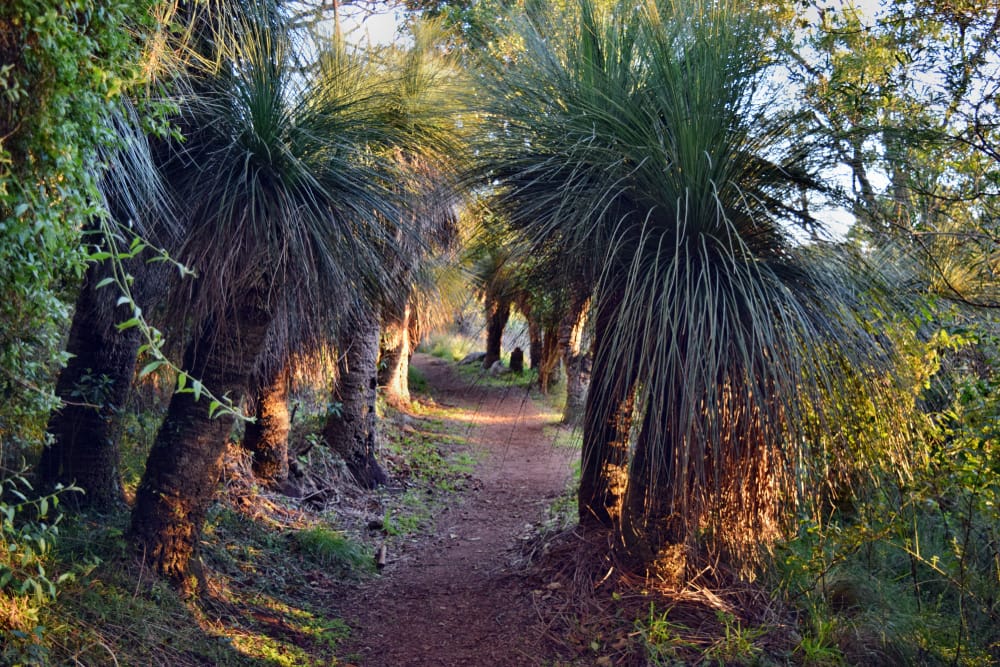
Grass trees are relatively easy to care for and dislike constant watering. The most common reason for grass trees to die is too much or too little water. This can be from either too little rainfall or from irrigation systems not working properly. They are susceptible to pollution and all manner of environmental stresses. ## What are grass trees? Grass trees are native to Australia. They are also known as Xanthorrhoea, and their scientific name is Xanthorrhoea Preissii. Grass trees can grow to be up to 15 metres tall and they have long, slender leaves that are green in colour. The trunk of a grass tree is usually black in colour, and it is covered in a thick layer of bark that may look like a black skirt. The flowers of a grass tree are white in colour and they grow in clusters at the top of the tree. Grass trees are found in open woodlands, heathlands and scrublands. The Royal Botanic Garden Sydney has some [great information on grass trees](https://www.rbgsyd.nsw.gov.au/learn/living-learning/primary-school-resources/roots-shoots-flowers-and-fruits/grass-trees-grass-or-trees). ## How do you care for a grass tree? Grass trees are relatively easy to care for and dislike constant watering. They prefer well-drained soil. Grass trees need to be watered regularly, especially during the summer months to help the plant and encourage root growth. They should be fertilised annually with native plant fertiliser. It's best to regularly remove dead foliage and dead leaves to control scale and sooty mould and ensure the plant grows naturally. They look great in a landscape setting with [trees and shrubs](/guides/tree-stump-removal/where-to-plant-trees-and-shrubs). ## What are the benefits of grass trees? Grass trees have a number of benefits in a home garden. They are drought tolerant and can help to stabilise the soil in areas that are prone to erosion. Grass trees also provide food and shelter for a variety of native animals. The nectar from the flowers of a grass tree is a favourite food source for birds. The bark of the grass tree and the green foliage are used by animals to build their homes. Grass trees are an important part of the landscape in Western Australia and they play a vital role in the ecology of our country. ## Are grass trees drought-resistant? Yes, grass trees are drought resistant and they don't like areas with insufficient drainage. Grass trees are also able to tolerate poor-quality soil, extended hot weather and consistent watering. ## Do grass trees need a lot of water? No, grass trees do not need a lot of water, but they will need to be watered more frequently during the summer months. ## Can grass trees be grown in pots? Yes, but they will need to be watered more frequently, as the roots will not have access to as much water. It is also important to use a well-draining potting mix, as grass trees do not like to sit in wet soil. ## Are grass trees native to Australia? Yes, grass trees are native to Australia. They are found in all states and territories except for the Northern Territory. There are two species of common grass tree: Xanthorrhoea minor and Xanthorrhoea australis. Xanthorrhoea minor is the smaller of the two, growing to a height of around 2 metres. Xanthorrhoea australis can grow up to 10 metres tall. Grass trees have thick trunks. Their flowers are white or cream-coloured and they produce black fruit. Some have a flower spike poking up and if planted near fruit trees, may help keep [birds like cockatoos](/guides/tree-stump-removal/how-to-keep-cockatoos-away-from-fruit-trees) at bay. The nectar from their flowers is also a favourite of birds and bees. Grass trees play an important role in the ecology of Australia's bushland. They help to stabilise the soil and provide shelter. ## What are the alternatives to planting grass trees? Some other native Australian plants that can be used include acacias, eucalypts, banksias, melaleucas and hakeas. These plants all have different requirements in terms of soil type and climate, so it's important to choose the right ones for your area. ## Are grass trees a fire hazard? Grass trees are not a fire hazard. In fact, they can help to prevent bushfires from spreading. This is because their thick trunks and leaves act as a barrier to the flames. However, grass trees must be well-watered during fire season. If they become too dry, they can catch fire and burn readily. ## How do I know if my grass tree is thirsty? If your grass tree is looking wilted or its leaves are drooping, then it's time to give it a good drink. Always check the soil before watering. ## How often should I water my grass tree? Grass trees should be watered every one to two weeks. They can be watered less frequently in winter when they are dormant. ## What type of soil do grass trees like? Grass trees prefer well-drained soil that is high in organic matter. If your soil is heavy or compacted, try adding sand or grit. ## How long will a grass tree live? Grass trees can live for hundreds of years. ## How do I propagate a grass tree? Grass trees can be propagated from seed or by division. To grow from seed, sow the seeds in spring or summer in a well-drained seed-raising mix. Keep the soil moist and place the pot in a warm, sunny spot. Water regularly and fertilise monthly with native plant food. Division is the quickest and easiest way to propagate grass trees. Choose a healthy plant that has several offsets. Using a sharp spade, carefully divide the offsets from the main plant. Transplant each offset into its own pot filled with dirt. Water regularly and fertilise monthly with native plant food. ## What are the pests and diseases that affect grass trees? Grass trees can sometimes be affected by scale insects, mealybugs or caterpillars. These can be controlled with an oil-based spray such as white oil.

How To Get Rid Of Borer In Trees

How To Get Rid Of Borer In Trees

A tree borer is a type of insect that drills into trees and feeds on the living wood. There are a few different ways that you can get rid of borers in infested trees. You can use chemical insecticides, mechanical traps, or natural predators. Chemical insecticides will kill borers when they come into contact with them and are handy if you have a large infestation as long as you follow the directions Mechanical traps can be effective at catching borers before they have a chance to do any damage. These traps usually consist of a piece of wood or metal with a sticky substance on it that traps the pests. Birds and bats can also help to control borers. Avoid stressing the trees by pruning them too much or doing other damage to them. If you have borers in your area, you may want to consider treatment options before planting new trees. ## What is a tree borer? A tree borer is a type of insect that drills into trees and feeds on the living wood of susceptible trees and tree bark. They leave behind sawdust-like frass from building the larvae tunnel. There are many different types of wood borers and wood boring insects but the most common in Australia are the emerald ash borer, elm borer, clearwing borers and oak borer. ## What damage do tree borers cause? The larvae of some species can tunnel through the wood, which weakens the tree and makes it more susceptible to wind damage. Insect borers can also introduce diseases to the tree, which can further weaken it and might [eventually require removal](/guides/tree-stump-removal/how-to-remove-small-trees-and-shrubs). ## How can I tell if my tree has borers? There are a few signs that you can look for to see if your tree has borers, such as small holes in the bark of the tree and sawdust around the base of the tree or on branches. Wilting or dying leaves are also possible signs of borer infestation. ## What do tree borers look like? Adult tree borers are usually between 1/2 inch and 1 inch long. They have long, cylindrical bodies with hard wings. The colour varies depending on the species, but they are often dark brown or black. The larvae (young) of tree borers are white or cream-coloured with a dark head. They are legless and can be up to 2 inches long. ## How do tree borers damage trees? Tree borers damage trees by drilling into the bark and feeding on the wood. This can cause the tree to weaken and even die. The holes that they leave behind on the infested branches or maybe even dead trees can also provide entry points for other pests and diseases. Tree borers can cause a lot of damage to trees and should be removed as soon as possible. You may have to plant again [in another location](/guides/tree-stump-removal/where-to-plant-trees-and-shrubs). ## How can I prevent tree borers? There are a few things you can do to prevent tree borers. - Mulch around the base of your trees to deter borers from getting into tree trunks. - Prune dead or dying branches and cracked bark from stressed trees regularly, as these are attractants for borers. - Avoid using broad-spectrum insecticides near your trees, as these will kill off the natural predators of tree borers. If you already have tree borers in your trees, you can try to treat them with an insecticide labelled for use against borers. Some of these come as sticky traps Be sure to follow the instructions on the label carefully, and always contact a professional arborist if you are unsure about how to treat your trees. ## Are termites tree borers? No, termites are not tree borers. Tree borers are insects that tunnel into trees to lay their eggs. Termites are wood-destroying pests that eat wood. However, both termites and insects from the tree borer species can cause damage to trees. If you think you have either of these pests in your trees or any type of insect species it is best to contact a professional arborist or pest control specialist for treatment options. ## How can I kill tree borers? If you have tree borers in your trees, you can try to treat them with a contact insecticide or systemic insecticides labelled for use against borers to help prevent infestation. Be sure to follow the instructions on the label carefully, and always contact a professional arborist if you are unsure about how to treat your trees. ## Which insecticides kill tree borers? There are a few insecticides that are effective against tree borers such as neonicotinoids, which work by interfering with the larvae feed cycle. All of these insecticides are effective against tree borers and can be used to kill them. There are also a few biological control agents that can be used against tree borers. These include parasitic wasps and nematodes. Parasitic wasps lay their eggs inside the tree borer larvae, and when the wasp larvae hatch they eat the borer larvae from the inside out before turning into small wasps. Nematodes are tiny worms that infect borer larvae and kill them. Both of these options are safe to use around people and pets and can be very effective at controlling tree borers, beetles and many insects in the early signs of infestation. ## How long do tree borers live? Most tree borers only live for one year. The larvae spend the winter inside the tree and then emerge as adults in the spring. They mate, the female starts laying eggs, and then they die. The eggs hatch into larvae, which then spend the winter inside the tree and larger branches before emerging as adults the following spring. There are a few species of tree borer that can live for two or more years. These include the shot-hole borer and the twig girdler. The shot-hole borer spends two winters inside the tree and adults emerge in the spring of the second year. The twig girdler spends three winters inside the tree, emerging as an adult in the spring of the third year. For more information on native plant pests, take a look at the [Department of Primary Industries and Regional Development](https://www.agric.wa.gov.au/pest-insects/native-plant-pests).

How Big Do Avocado Trees Grow?

How Big Do Avocado Trees Grow?

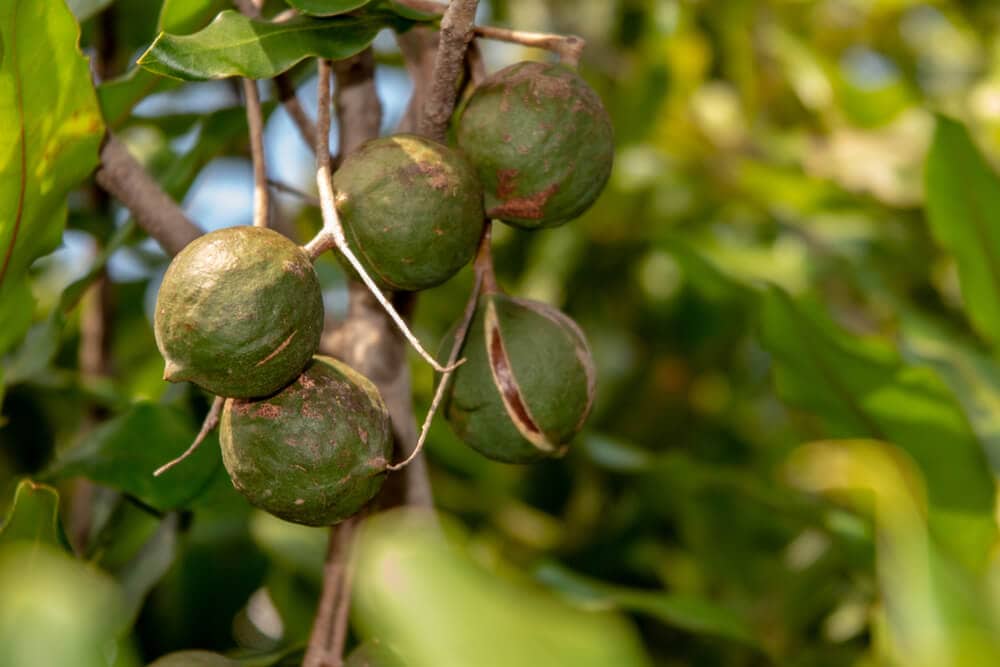
Avocado trees can grow to be quite large, sometimes reaching over 10m in height. Most mature avocado trees are between 4 and 5 metres tall. Dwarf avocado trees are also available and these typically only grow to be about 2 metres feet tall. Avocado trees are fast-growing and depending on the variety, the avocado plant can be self-pollinating. ## How much space does an avocado tree need? An avocado tree needs a [fair amount of space](/guides/tree-stump-removal/where-to-plant-trees-and-shrubs) to grow and thrive. A mature avocado tree can spread up to 10 metres wide, so it's important to allow for this when planting one. It's also important to make sure that the tree has enough room to develop a strong root system. An avocado seed needs at least 1 metre of space all around in order to grow properly. ## How often do I need to water an avocado tree? For growing avocado trees, you should aim to water the tree once a week, making sure that the soil is moist but not soggy. It's also important to make sure that the tree is getting enough drainage, as avocado trees will not do well in waterlogged soil. ## What type of soil does an avocado tree need? Avocado trees prefer a rich, well-draining soil surface. For clay-like soil, try mixing in some organic matter, such as compost or peat moss. This will help to improve the texture and drainage of the soil and will create a more hospitable environment for the tree with a better chance of bearing fruit. ## When is the best time to plant an avocado tree? The best time to plant an avocado tree is in the spring or autumn when the weather is mild and less strong winds. It's important to make sure that the soil is not too wet or cold, as this can damage the feeder roots and root ball. ## What is the best way to fertilise an avocado tree? Avocado trees need to be fertilised regularly. You can use a variety of different fertiliser types, such as compost, manure, chemical fertiliser or potting mix. It's important to follow the directions on the fertiliser package and not to over-fertilise, as this can damage the roots of the tree or hinder it to produce roots. Avocado trees typically need to be fertilised three times a year: once in the spring, once in mid-summer, and once in late autumn to remain healthy and produce more fruit. Organic mulch is a good product to consider when attempting to harvest homegrown avocados. They may need [different fertiliser than citrus trees](/guides/tree-stump-removal/what-is-the-best-fertiliser-for-citrus-trees). ## How do I know if my avocado tree is getting enough sun? Avocado trees need full sun or direct sunlight to produce fruit and without enough sun, the leaves will begin to turn yellow and the fruit will be smaller in size. Sometimes low branched open canopies will shade lower limbs as well. If you think your tree is not getting enough sun, you can try moving it to a sunnier location if possible. If you have indoor avocado trees you should be able to relocate easily. If it is a dwarf tree this may not present a challenge. ## What are the main pests and diseases that hurt avocado trees? Some of the most common include root rot, scale insects, and fungal diseases. It's important to inspect your tree regularly for signs of pests or disease and to contact a certified arborist if you think there may be a problem. If your forest green leaves are wilting or brown or your tree has yet to start producing avocado fruit you may have to consult an expert. Any [tree borers](/guides/tree-stump-removal/what-are-tree-borers) should be removed and the tree treated immediately. ## Can you keep an avocado tree small? Yes, you can keep an avocado tree small by pruning it regularly. This will help to control the size and shape of the tree that will continue growing avocados. Avocado trees can also be kept small by growing them in a pot or container. There are a few avocado varieties and some dwarf varieties that naturally grow small and start producing fruit as a young plant. ## How long does it take for an avocado tree to bear fruit? It typically takes an avocado tree about 3 to 5 years to bear fruit. However, some varieties may take longer. Once the tree begins to produce fruit, it will typically produce a large crop every year. ## How do I harvest the avocados from my tree? When the avocados are ripe, they will fall from the tree. You can then collect the ripe avocado from the ground. Avocados can also be harvested by hand by gently twisting the fruit from the stem. ## How long do avocado trees live? Hass avocado trees can live for many years if they are properly cared for. With proper care, a Hass avocado tree can produce fruit for decades. However, trees that are not cared for properly will typically have a shorter lifespan and may only produce fruit for a few years. ## Can I replant an avocado tree? Yes, you can replant an avocado tree. but take care of the avocado roots. You can either plant the tree in a new location or you can pot it. ## Are there different species of avocado tree? Yes, there are different species of avocado tree. The most common varieties are the Hass and Fuerte varieties. However, there are also many other less common varieties such as the Pinkerton, Lamb Hass and Gwen varieties. For more information on growing an avocado tree, the [Queensland Government](https://www.daf.qld.gov.au/business-priorities/agriculture/plants/fruit-vegetable/fruit-vegetable-crops/avocado/planting-and-growing-avocados) has a handy guide. ## Can I grow an avocado tree indoors? Yes, but it's important to choose a variety that is specifically grown for indoor cultivation.

Tree & Stump Removal Informational Articles

What Are Tree Borers?

What Are Tree Borers?

It is easier to look for signs of borers rather than the little insects themselves. Tree borers are little animals that lay eggs in trees. The larvae hatch and dig into the tree, where they feed on the sap and adult borers emerge. Tree borer infestations can weaken and even kill the tree. Tree borers are found in late springtime or as summer begins. This is when the larvae are active and feeding in the infested tree. The damage they cause is usually not noticed until later in the season, when the leaves of the affected tree begin to turn yellow or brown and drop off. Without treatment there is a chance the tree may die. To prevent a tree borer infestation, keep an eye out for signs of infestation such as a larvae burrow and remove from stressed trees as soon as possible. Cuts in tree bark can provide easy entry for borers. Finally, keep your trees healthy by providing them with proper care and maintenance. This will make them less susceptible to damage from borer larvae or adult beetles. Contact a professional arborist or tree service company for assistance. They can recommend a course of treatment for most borer species. Tree borers are a threat to trees, but with proper care and management, such as early inspection for telltale signs such as borer holes, sawdust-like frass around the tree and cracked bark you can prevent infestation and avoid borers laying eggs. ## What do tree borers look like? It is easier to look for signs of borers rather than the little insects themselves. Tree borer larvae are whitish, legless little insects. Adult tree borers are very small and look like little long beetles or ants. ## How do I prevent tree borers? Keep your trees healthy by providing them with proper care and maintenance. This will make them less susceptible to damage from pests. Tree borers are a serious threat to trees, but with proper care and management, you can avoid destructive pests such as the longhorn beetle, clearwing borers and other wood moths. If a tree is infested, you [may have to remove it](/guides/tree-stump-removal/how-to-remove-small-trees-and-shrubs). ## How long do tree borers live? Tree borers only live for one generation or life cycle, meaning that they will lay their eggs on trees, tree trunks or healthy plants and then die. The young larvae will hatch and bore tiny holes into the tree, where they will feed on the oozing sap, leading to damaged trees. ## Can tree borers kill a gum tree? Yes, tree borers and common borers can kill a gum tree. Gum trees are particularly susceptible to damage from these insects because of their soft bark. The larvae of the insect bore into the tree and feed on the sap, which can weaken and kill the tree. If you think your gum tree has been infested with tree borers, contact a professional arborist or tree service company for assistance. They can help you identify the problem and recommend a course of treatment. The issue may require a soil injection or soil treatment, pheromone lures, insecticide sprays or systemic insecticide. If the tree is young you may consider replacing it with a smaller evergreen. ## Where do tree borers live? Tree borer larvae hatch and bore into the tree, where they feed on the sap. Damage from borer activity is usually not noticed until later in the season, when the leaves of the affected tree begin to turn yellow or brown and drop off. In severe cases, the entire tree may die or you may have to pay to have it removed. ## Are there any natural predators of tree borers? There are some parasites and predators that eat tree borers, like clearwing moths, but they are not very effective at controlling the population. The Queensland Government has some [handy information on clearwing borers](https://www.daf.qld.gov.au/business-priorities/agriculture/plants/fruit-vegetable/insect-pests/clearwing-borer). One example is the braconid wasp, which lays its eggs inside the tree borer. When the wasp larvae hatch, they eat the wood borers from the inside out. However, there are so many different kinds of tree borers that it is difficult for any one predator to have a significant impact on the population. Contact insecticide and systemic insecticides may wipe out future infestations. Some [fertilisers for citrus trees](/guides/tree-stump-removal/what-is-the-best-fertiliser-for-citrus-trees) may help curb infestation. ## Can tree borers infect a wooden house? No, tree borers cannot infect a wooden house. These insects only attack living trees. They do not bore into wood that has been cut or made into lumber. If you have a wooden house, you do not need to worry about tree borers causing any damage.

Cost to Remove a Tree

Cost to Remove a Tree

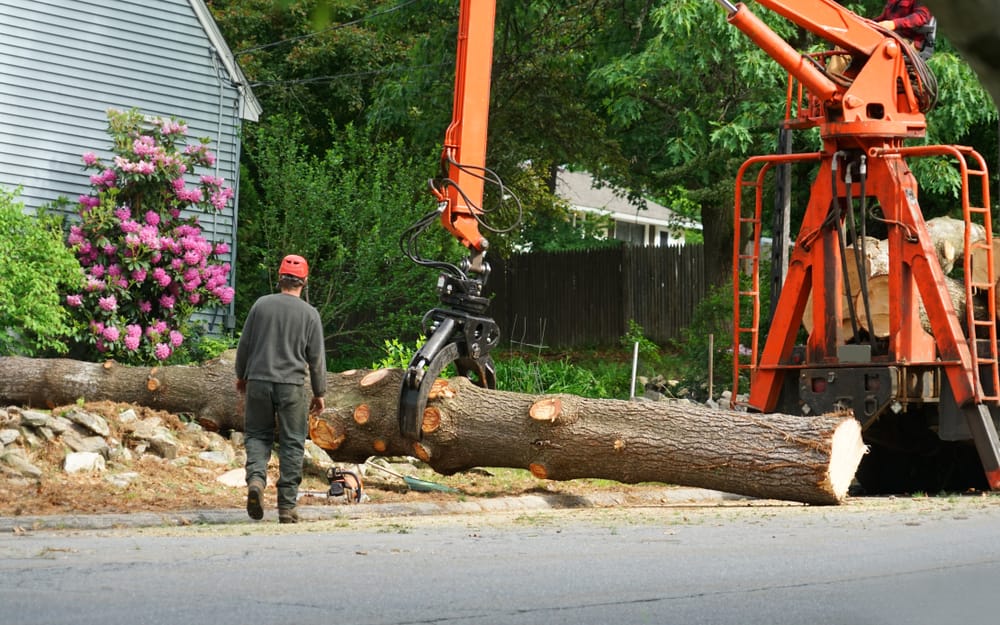
Tree removal job is complex, and in most cases, trees are cut down in various sections to avoid them falling. There are several factors attached to the cost of removing a tree like the size of the tree, species, height, location and how difficult or easy it is to access. Precautions needed to to haul the tree away for recycle by the removal company and finally permit fees. After all these factors have been considered a rough quote can be made on pricing tree removal costs. Removing an average tree can cost from $150.00 to $1500.00 depending on the size, and there’s also the council fee that costs $50.00 to $150.00. Other challenging factors can cause an increase in the cost of removing a tree to as much as $10,000.00. Prices of tree removal only go up in cases of unique situations like time of the job, tipping levies, presence of toxic things onsite, complete stump exhumation, destruction due to a storm, and situation of tree in locations where it’s hard to access. Another element that should be considered when trying to quote the cost of taking down a tree associating with location - is the tree in the front yard or back yard? ## How much does it cost to take down a large tree? Since trees are of different sizes the prices in the cost of taking down a tree varies. The cost of [taking down an average tree](/guides/tree-stump-removal/how-much-to-remove-a-tree) can range from $150.00 to $1,500 but in cases of large trees, the price ranges between $1,000 and $5,000. There are various factors responsible for tree removal of large trees, such as the height and spread of such tree. The cost of taking down a skinny gum tree or gum trees with miniature foliage as tall as 3 stories high would be approximately $1,000. Older specimen of the same height with larger spreads and trunk would relatively cost higher around $,2500. In the case of larger tree lopping, determining the cost of felling a tree depends on the tree size spread, how accessible it is, and how complex it is to remove the tree. Types of large trees include Bluegum, Radiata pine, Angophora. In cases where it is an extra-large tree, you might have to pay a relatively higher price for tree services. Large tree type like Norfolk Island Pine have their tree removal cost in the price range of $5,000.00 to $7,000.00. ## Why is the cost of tree removal so expensive? It is not so difficult to determine why tree removals is expensive due to the complexity and dangers involved in the process. The process of felling a tree might sound as simple as just chopping off a tree but to the tree removal company involved, there's always more job done in tree felling than just making one cut with a chain saw. Tree removal job is complex and in most cases, trees are cut down in various sections to avoid them falling over the property or nearby buildings. Site visits are important because It is necessary to know up- front the basic knowledge of how the tree stands and what direction it would fall after being cut with the chain saw. There are specialized types of machinery used by a climbing arborists in removing tree waste and removing trunks for complex situations to reduce the risks involved. Heavy machines such as aerial lifts, cherry pickers, and cranes are often used. Due to the risks involved in tree service, qualified tree specialists or tree removal services are expected to have liability insurance and worker's compensation insurance. ## Cost to remove a tree stump Stump removal cost is a different cost from tree removal cost because this involves completely removing the stump and in most cases, it involves the extraction of the root system as well. Costs of removing a tree stump include: - Cost of machinery and crew. - Access considerations of the location. - Type of tree ( Palm trees or Hard trees). - Proximity of the tree to buildings and windows. - Density of rocks in the soil around and sloppy ground. - Time to remove. - Location of underground cables or pipes. The average [cost of stump removal](/guides/arborists/how-much-to-grind-a-stump) in Australia falls in the price range of $110.00 to $350.00, depending on the diameter of the stump. It is measured by its widest point, including everything that is above the ground level. In the process of tree stump removal, precautions are usually observed by the arborist to protect all the areas that glass, power lines, underground cable or gas and water pipes are located, and if they are hard to access, there will be an additional cost due to the time it takes to set up and remove. ## Can I remove a tree myself? Yes, it's possible to remove a tree by yourself, if you are feeling adventurous. As exciting as it sounds, removing a tree yourself requires research and safety is unquestionably important - [so is council approval](/guides/arborists/can-i-cut-a-tree-down-on-my-property). To save the stress of tree removal, it is advisable to hire a professional to do the job. Benefits of hiring a professional to do the job include: ### It helps to save cost There would still be a need to purchase all the required equipment for tree removal and safety equipment that would be used which can be avoided by hiring a professional. ### Execution of job with efficiency Hiring a professional with all the correct qualifications will guarantee that the job details would be carried out effectively. ### Assurance of safety One of the most important condition to be considered in removing a tree is safety and this why it’s better to preserve your health by leaving the job for professionals Council permission often must be granted before tree pruning or removal. There are some conditions where trees may be cut down or pruned without a permit. Some determining factors include the tree species, size, and condition of the tree.

What is the Fastest Way to Remove a Tree Stump?

What is the Fastest Way to Remove a Tree Stump?

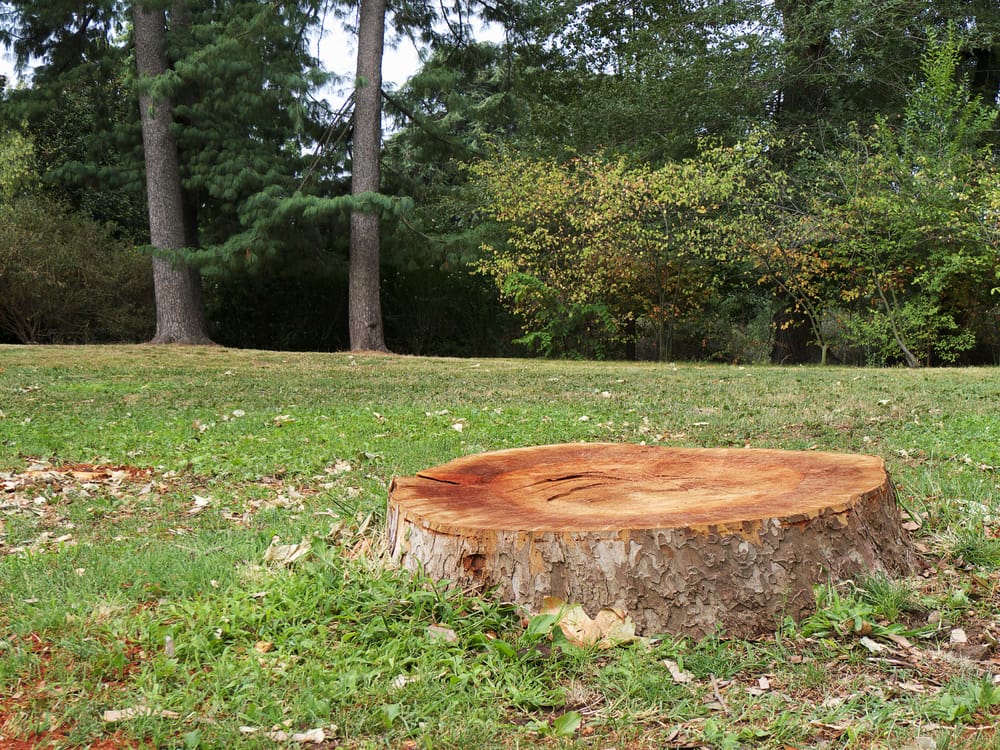
Tree stumps are resilient, and removing them is not such an easy project. Tree stumps usually take years to decompose completely and large stumps can take twenty years or even more to completely decompose. Stumps can usually harbour fungi, reptiles, insects, and rodents and also provide the perfect conditions for another tree to sprout and grow again. There are various methods to consider when a stump needs to be removed. Typically, the stress-free way to [get rid of a tree stump](/guides/arborists/how-much-to-grind-a-stump) is to employ the services of a tree removal company. The use of stump remover chemicals, which usually contain potassium nitrate and nitrogen, can dissolve the stump in a period of between 4 to 6 weeks. These chemicals can be used at any time during the year. However, it is best to apply them when conditions are dry. To start with you need to put on some protective clothing. This is because although these chemicals won't harm you, they'll make your skin feel dry and itchy after exposure to them. You could also end up with brown or yellow stains on your clothes if the chemicals come in contact with them. If you're going to work in a small area, such as around a tree stump, then you just need a spray bottle. If you're going to treat a large area, then you'll want to use a watering can with a long spout attached. ## How long does it take to remove a tree stump? The time spent on removing a stump is determined by its size or location. The removal can take as little as 20 minutes or as long as 3 hours. The process involved in getting rid of a stump involves crushing and mulching the stump. Crushing of the stump converts it to mulch, which is then used to protect the top layer of the garden soil from the growth of weeds and retain moisture. A tree surgeon ([also known as an arborist](/guides/tree-stump-removal/how-much-to-remove-a-tree)) will determine the depth of the stump required for it to decay. The crater left by the removal of the tree stump is generally filled with mulch. This will aid the growth of new vegetation and make that portion of the land available for new construction. The chemicals used in stump removal are non-toxic, so you shouldn't have to worry about them contaminating the soil. However, it is important that they don't come into contact with any other plants or vegetation in your garden. This is because although these chemicals will kill off all unwanted forms of plant life, they won't discriminate between them. It's advisable to apply these chemicals during dry conditions because the damp ground will reduce their effectiveness. There should be no need to water the area after you've applied them, but it is important that there isn't too much rain in the following days. If there is, then this is likely to wash away your chemical barrier and it will need to be reapplied.

Drought Tolerant Plants

Drought Tolerant Plants

Drought tolerant plants can survive in conditions of low rainfall and little water. They are often found in arid or semi-arid regions, where they have adapted to the harsh conditions. Some have special features including deep roots that can reach underground water sources, leaves that lose less water through evaporation, waxy or hairy surfaces that reflect sunlight and heat and the ability to thrive in poor soil. Drought tolerant plants provide shelter and food for wildlife and help to prevent soil erosion. Drought tolerant plants include cacti, succulents, acacia trees, and grasses. ## Are Australian native plants drought tolerant? Many Australian native plants are drought tolerant, as they have adapted to the dry conditions of the continent. Some species, such as certain eucalyptus trees, can even thrive in periods of drought, prolonged dry spells or in extremely well drained soil. Some Australian natives are not as drought tolerant as others and die quickly due to moisture loss. These include rainforest plants, which require more water and humidity to survive. [Grass trees](/guides/tree-stump-removal/what-kills-grass-trees) are extremely hardy. In general, Australian native plants are often low-maintenance with distinctive flowers, dark green leaves and thick foliage. ## What are the benefits of planting drought tolerant plants? They are less thirsty than some plants, require less maintenance and can also help to prevent soil erosion. These plants can provide a habitat for wildlife. ## Are drought tolerant and drought resistant plants the same? No, drought tolerant and drought resistant plants are not the same. Drought resistant plants are those that can survive in conditions of low rainfall, but they will not thrive. In contrast, drought tolerant plants are those that can survive in conditions of low rainfall and little water. Drought resistant plants are often found in arid or semi-arid regions, where they have adapted to harsh conditions. ## Which Australian plants are highly tolerant to drought? These include cacti, succulents, acacia trees, and grasses. These plants have adapted to the dry conditions of the continent and can thrive in periods of low rainfall. Other drought tolerant Australian natives include eucalyptus trees, which are able to survive without regular watering. Other drought tolerant natives include the silver wattle, mulga, and kangaroo paw. ## Which outdoor plants need the least amount of water? There are many outdoor plants such as cacti, succulents, acacia trees and grasses. They will save you money on your water bill, and they won’t need as much care as other types of plants. [Placement may also play](/guides/tree-stump-removal/where-to-plant-trees-and-shrubs) a role in how well the plant grows. ## How can I make my garden more drought tolerant? Firstly, choose plants that are known to be drought tolerant. These include cacti, succulents, acacia trees, and grasses. Secondly, consider installing irrigation systems. These can help to water your plants during periods of drought andmake sure that your garden is well-drained. This will help to prevent waterlogging, which can damage roots and lead to plant stress. ## What are the best drought tolerant plants for pots? Cacti and succulents are a great option. Other drought tolerant plants that can be grown in pots include acacia trees, kangaroo paws, and eucalyptus trees. These plants will need more water than cacti and succulents, but they can still thrive in dry conditions. Finally, consider using native grasses in your landscaping. ## Is there any lawn that is drought resistant? Yes, there are several types of lawn that are drought resistant. These include kikuyu grass, buffalo grass, and couch grass. These grasses are native to Australia and have adapted to the dry conditions of the continent. They will need less water than other types of grass, making them a good choice for drought-prone areas or around large established trees [like palm trees](/guides/tree-stump-removal/what-to-put-around-palm-trees). ## What are the best trees for drought? Good trees include acacia trees, eucalyptus trees, and silver wattle. These have adapted to the dry conditions of the continent. They will need less water than other types of trees, making them a good choice for drought-prone areas. ## Which vegetables are drought tolerant? There are several types of vegetables that are drought tolerant. These include tomatoes, potatoes, onions, garlic, and carrots. These vegetables can survive in periods of low rainfall and little water. They often grow in arid or semi-arid regions, where they are used to the dry conditions. ## How long do drought resistant plants live? Drought resistant plants can live for many years. Some, such as cacti and succulents, can live for decades and withstand long dry spells. Some use underground tubers to store water. Others, such as acacia trees and eucalyptus trees, can live for centuries. These plants have adapted to the dry conditions of the continent and can thrive in periods of low rainfall. The NSW Department of Planning and the Environment has a handy guide to [water management during drought](/https://www.environment.nsw.gov.au/topics/water/water-for-the-environment/about-water-for-the-environment/managing-water-in-dry-times).

When To Fertilise Fruit Trees In Australia

When To Fertilise Fruit Trees In Australia

Fruit trees need to be fertilised twice a year, in spring and autumn. In general, you should use a low-nitrogen fertiliser for fruit trees to ensure good quality soil. Nitrogen is good for foliage growth, but too much can lead to less fruit production. You should also avoid using high-phosphorus fertilisers, as this can encourage root growth at the expense of fruit production. ## What is the best fertiliser to use for fruit trees? The best fertiliser to use for fruit trees and citrus trees is a low-nitrogen fertiliser. Nitrogen encourages foliage growth, but high nitrogen levels can result in [less fruit production](/guides/tree-stump-removal/what-is-the-best-fertiliser-for-citrus-trees) and poor soil PH. You should also avoid using high-phosphorus fertilisers, as this can encourage root growth at the expense of fruit production. If you're unsure about which fertiliser will best nurture baby fruits and the tree's nutritional needs, ask your local nursery or garden centre for advice on what works for young trees and when to add fertiliser. ## Is it better to grow fruit trees from seed or from cuttings? It's generally better to grow fruit trees such as apples and pears from cuttings, as this will produce a tree that is true to the parent. Growing fruit trees from seed can result in a tree that is different from the parent, as the seed may have been pollinated by a different tree. If you want to grow a fruit tree from seed, it's best to get the seed from a reputable source, such as a nursery or garden centre. ## What is the best time of year to plant fruit trees? Planting in the spring gives the tree a chance to establish itself before the hot summer weather while planting in autumn means that the tree won't be put under stress by the cold winter weather. If you live in an area with a Mediterranean climate, you can [plant fruit trees](/guides/tree-stump-removal/where-to-plant-trees-and-shrubs) at any time of year. ## What is the best way to water fruit trees? Fruit trees require deep watering about once a week to keep the soil moisture ideal. Watering deeply encourages the roots to grow down into the soil, which makes the tree more drought-resistant. A soaker hose or irrigation system will deliver water directly to the roots of the tree, without wetting the leaves or fruits. If you're using a sprinkler, make sure that it's on for long enough to soak the entire root zone of the tree. ## How often should I prune my fruit tree? Fruit trees, [such as mango trees](/guides/tree-stump-removal/how-to-prune-mango-trees), should be pruned every year. ## Why is my fruit tree not growing? It may not have enough water, sunlight, or nutrients. It could also be that it's being damaged by pests or diseases. If you're not sure what's causing the problem, take a sample of the leaves or fruit to your local nursery or garden centre for diagnosis. ## What are some common pests and diseases of fruit trees? Some common pests and diseases of fruit trees include aphids, mealybugs, scale insects, caterpillars, leaf curl and fungal diseases such as powdery mildew and blackspot. These problems can usually be controlled with specially formulated pesticides or fungicides. ## How can I protect my fruit trees from pests and diseases? The best way to protect your fruit trees from pests and diseases is to choose varieties that are resistant to the problems that are common in your area. You should also keep your tree healthy by watering it regularly and feeding it with high-quality fertiliser, chicken manure or other nutrients. If you do find that your tree is affected by a pest or disease, ask your local nursery or garden centre for advice on how to deal with the problem. ## Where should I plant a fruit tree? When choosing a spot to plant a fruit tree, make sure that it's in an area that gets full sun for at least six hours a day to promote new growth. The tree should also be in a well-drained spot, as waterlogged soil can lead to problems such as root rot. ## What kind of soil do fruit trees require? Fruit trees need well-drained soil that is rich in organic matter. For mature trees to thrive, organic fertilisers are ideal, even when out of fruit growing season. ## How do I plant a fruit tree? The tree needs space for roots to spread out as well as water and mulch. Keep an eye on how much fertiliser is used and make sure it is the best fertiliser for a standard fruit tree. ## How do I care for a fruit tree? Fruit trees need to be watered regularly, especially during dry periods. They also like high-quality fertiliser and you should also prune the tree every year. For more information on caring for a fruit tree and ensuring it flowers, ask your local nursery or garden centre. The NSW Department of Primary Industries has a wealth of information on [growing fruit trees](https://www.dpi.nsw.gov.au/agriculture/horticulture/citrus/content/orchard-development/young-trees).

What Is The Best Fertiliser For Citrus Trees?

What Is The Best Fertiliser For Citrus Trees?

Citrus trees may require anywhere from one to three years to bear fruit. Some general tips on choosing a fertiliser for citrus trees include selecting one with a high nitrogen content and avoiding those with too much phosphorus, as this can encourage excessive leaf growth at the expense of fruit production. It is also important to choose citrus plant food that is designed for use on a citrus fruit tree specifically, as other types of fertilisers may not provide the right nutrients in the right proportions. When in doubt, it is always best to consult with a professional who can recommend the best fertiliser for fruit trees. ## What can I feed fruiting citrus? Citrus trees need high nitrogen fertiliser. It is also important to make sure that the tree has access to plenty of water, as citrus fruits are particularly susceptible to drying out. If possible, try to avoid using chemical fertilisers on your citrus trees, as these can potentially damage delicate fruits. Instead, opt for organic options or those specifically designed for use on citrus trees. ## Can I use manure on my citrus trees? Manure can be an excellent source of nutrients for citrus fruit trees, but it is important to use it correctly. It is also important to avoid using manure from animals that have been fed citrus fruits, as this can spread diseases. ## How often should you fertilise citrus trees? Fertilising citrus trees like lemon trees is an important part of maintaining their health and helping them citrus trees thrive and produce plentiful fruit. In general, outdoor citrus trees should be fertilised once every two weeks during the spring and summer months, and then every four weeks during the fall and winter. However, it is always best to consult with a professional before fertilising your tree, as different trees and tropical fruiting plants have different needs. Over-fertilising can also be damaging to trees, so can [incorrect placement](/guides/tree-stump-removal/where-to-plant-trees-and-shrubs). It is important to follow the directions on your chosen fertiliser carefully. ## What is in organic fertiliser? Organic fertilisers are made from natural materials, ideal for citrus trees. Additionally, organic fertilisers are less likely to damage delicate fruits than chemical fertilisers. Some examples of organic fertilisers that can be used on citrus trees include compost, manure and bone meal. ## Is it better to use liquid or granular fertiliser on citrus trees? Granular fertilisers are typically less expensive than liquid fertilisers and are easier to store. However, they can be more difficult to apply evenly, which can result in hot spots where the tree gets too many nutrients. Liquid fertilisers are more expensive but are easier to apply evenly. Ultimately, the best type of fertiliser to use on your citrus tree depends on your personal preferences and needs. ## How long do citrus trees take to grow? Citrus trees generally take between three and five years to reach maturity and start growing citrus fruits. Some dwarf citrus trees and other fruit trees may only take a year or two to reach full size, while other types of citrus trees may take longer. ## How long does it take citrus trees to fruit? Citrus trees may require anywhere from one to three years to bear fruit. Some dwarf citrus trees may begin bearing fruit within a year, while other types of citrus trees may take longer for healthy fruit. Additionally, certain types of mature trees may only produce fruit every other year. ## Can I grow citrus trees indoors? Citrus trees can be grown indoors but they need to be in an area with plenty of sunlight and should be watered regularly. Additionally, it is important to fertilise indoor citrus trees regularly to ensure that they are getting the nutrients they need. They [can be replanted](/guides/tree-stump-removal/how-to-remove-small-trees-and-shrubs) into a pot or decorative container. ## How long do citrus trees live? Citrus trees can live for many years, but their lifespan will depend on the specific type of tree and growing conditions. Some citrus trees may only live for 10-20 years, while others may live for 50 years or more. Ultimately, it is difficult to predict how long a particular citrus tree will live, as there are many variables that can affect its lifespan. ## What are some common problems with citrus trees? Some common problems that can affect citrus trees include root rot, fungal diseases, and pests such as aphids and scale insects. Additionally, citrus trees can be damaged by cold weather, so it is important to protect them from frost if they are growing in colder climates. Birds, [such as cheeky Cockatoos](/guides/tree-stump-removal/how-to-keep-cockatoos-away-from-fruit-trees), shouldn't attempt to destroy citrus trees. ## How do I protect my citrus trees from frost? There are a few ways to protect citrus trees from frost, including covering them with blankets or plastic, moving them indoors, or using special frost-resistant varieties. Additionally, it is important to water citrus trees regularly during the winter to help prevent them from drying out and becoming damaged by the cold. ## Can I grow a citrus tree from a seed? Citrus trees can be grown from seeds, but it is generally not recommended by most citrus growers. This is because it can take many years for a seedling to reach maturity and begin bearing fruit. Additionally, citrus trees grown from seed are often less vigorous and productive than those grown from cuttings or grafts. Lime trees and potted citrus trees such as the Meyer lemon tree all respond well to all manner of organic nutrients and fertilisers for citrus trees. The New South Wales Department of Primary Industries has some handy information on [growing citrus trees](https://www.dpi.nsw.gov.au/agriculture/horticulture/citrus/content/crop-management/orchard-management-factsheets/garden). ## Which oranges are easiest to grow in Australia? There are a few different types of oranges that are well-suited for growing in Australia. Some popular varieties include the Navel orange, Valencia orange, and blood orange. Additionally, they are fairly tolerant of different climatic conditions, they can be grown in a variety of locations throughout Australia and respond well to citrus fertilisers. ## Which lemons are easiest to grow in Australia? There are a few different types of lemons that are well-suited for growing in Australia and respond well to organic citrus fertilizer. Some popular varieties include the Eureka lemon, Lisbon lemon, and Meyer lemon. These varieties are all relatively easy to grow and produce high-quality fruit. Additionally, they are fairly tolerant of different climatic conditions, so they can be grown in a variety of locations throughout Australia. ## Which limes are easiest to grow in Australia? Some popular varieties include the Tahitian lime, Kaffir lime, and finger lime. These varieties are all relatively easy to grow and produce high-quality fruit. Limes respond well to most types of citrus tree fertilisers.

Why Plant Native Australian Plants?

Why Plant Native Australian Plants?

Australian plants are well-adapted to the local climate and soil, require less water and fertiliser and support the local wildlife. Many have striking flower buds when they have finished flowering. Native plants also add beauty to the landscape and can help reduce erosion. ## Which Australian native plants grow in shade? There are many native Australian plants that grow in shade. Some examples include the common heath (Epacris serpyllifolia), the stinging tree (Dendrocnide excelsa), and the kangaroo paw (Anigozanthos flavidus). These plants will thrive in shady areas of the garden. ## Which Australian native plants grow in full sun? There are many native Australian plants that [grow in full sun](/guides/tree-stump-removal/where-to-plant-trees-and-shrubs). Some examples include the desert rose (Gossypium sturtii), the golden wattle (Acacia pycnantha), and the silky oak (Grevillea robusta). These plants are all adapted to high-light conditions and will thrive in sunny areas of the garden. ## What is the best time of year to plant Australian natives? The best time to plant Australian natives is in early spring or autumn. Planting during these seasons will help the plants establish themselves before the hot summer months which can be harsh on new plantings. Spring is also a good time to plant as the days are getting longer and there is more sunlight available for the plants to grow. ## What are some common problems with Australian native plants? Common problems include fungal diseases, pests and poor drainage. Poor drainage can be improved by adding organic matter to the soil or by planting in raised beds. Some common fungal diseases include powdery mildew, rust, and black spot. Some common pests include aphids, [tree borer](/guides/tree-stump-removal/how-to-get-rid-of-borer-in-trees), caterpillars and scale. ## How can I make my Australian native garden more drought tolerant? There are a few things you can do, including choosing plants that are adapted to dry conditions, mulching the soil to retain moisture, and watering deeply and infrequently Some plants that are adapted to dry conditions include the desert rose (Gossypium sturtii), the golden wattle (Acacia pycnantha), and the silky oak (Grevillea robusta). To mulch the soil, use organic materials. Water deeply and infrequently so that the roots have time to grow deep into the ground where they will be able to access moisture even during drought conditions. ## What is the best fertiliser for Australian native plants? Choose one that is low in phosphorus because phosphorus can be toxic to native plants. Native plants are also adapted to low nutrient soils, so they do not require high levels of fertilisation. ## Where to buy Australian native plants There are many places where you can buy Australian native plants. These include nurseries, garden centres, and online retailers. You can also find native plants at local markets or through community groups. ## Do I have to prune Australian native plants? Pruning Australian native plants is not essential for most. Pruning can help encourage new growth and new flowers. If you are unsure about how or when to prune your plants, or which is the [right type for your garden](/guides/arborists/small-trees-for-small-gardens), it is best to speak to a professional. ## How much water do Australian native plants need? There are a few things you can do to help your plants stay healthy during periods of drought. These include choosing plants that are adapted to dry conditions, mulching the soil to retain moisture, and watering deeply and infrequently Some plants that are adapted to dry conditions include the desert rose (Gossypium sturtii), the golden wattle (Acacia pycnantha), and the silky oak (Grevillea robusta). ## When to fertilise Australian native plants The best time to fertilise Australian native plants is in spring or autumn. This is because the weather is cool and there is more rainfall, which means the fertiliser will be washed away less easily. Native plants are also adapted to low nutrient soils, so they do not require high levels of fertilisation. ## When to prune Australian native plants Tip pruning is not essential for most Australian native plants and they generally don't need to be pruned constantly. If you are unsure about how or when to prune your plants, it is best to speak to a professional. ## How to grow Australian native plants from seed Growing Australian native plants from seed is a rewarding and inexpensive way to add native plants to your garden. Native plant seeds are available from many nurseries and suppliers. You can sow them directly into the ground or grow them in pots. Once the seedlings have germinated, they can be transplanted into the garden. ## How to propagate Australian native plants There are a number of ways to propagate Australian native plants. These include seed propagation, cutting propagation, and division propagation. This involves collecting seeds from the plant and sowing them in pots or in the ground Cutting propagation involves taking a cutting from the plant and rooting it in potting mix. Once the cutting has rooted, it can be transplanted into the garden. Division propagation involves dividing up an existing plant into multiple smaller plants. This can be done by digging up the plant and replanting it into multiple pots or by splitting it up with a shovel. For more information on Australian natives, take a look at the [Australian Plant Name Index](https://www.anbg.gov.au/apni/).

Why Is Tree Removal So Expensive?

Why Is Tree Removal So Expensive?

The main reason tree removal is so expensive is it requires special equipment and expertise. Tree removal companies have to invest in heavy-duty machinery like cranes and chippers, and they need to be properly insured in case of accidents. They also need to have a certified arborist. Furthermore, tree removal can be very dangerous work, so companies have to charge enough to cover their risks. Finally, many tree removal companies also offer other services like stump removal and land clearing, which can add to the overall tree removal cost. ## How much does tree removal cost? On average, a minor tree removal job costs between $500 and $1,000 and large tree removal, such as for fully grown pine trees, can cost more than $5,000. Tree removal services will be able to give you an accurate estimate. ## How can I save money on tree removal? You may be able to remove it yourself with some basic tools. Second, you can contact your local city or town hall to see if they offer any subsidised tree services. Finally, if you have multiple trees that need to be removed, you can often get a discount by hiring the same company to remove them all at once. ## How do professionals remove a tree? For small trees, tree removal professionals may simply dig around the roots and pull the tree out by hand. For larger trees, they will use a crane or cherry picker to lift the tree out or cut it into smaller pieces that can be more easily removed. Finally, for trees located near power lines or other structures, they will often need to use specialised equipment to avoid damaging the surrounding area. ## Do I need a qualified arborist to remove a tree? In some cases you may. Many tree removal companies will only work with arborists who are properly licensed, trained and insured. ## What are the dangers of removing a tree myself? If you do not have the proper equipment, you could seriously injure yourself or damage your property. Second, if the tree is located near power lines or other structures, you could cause serious damage by trying to remove it yourself. Finally, even if you are able to remove the tree without incident, you will need to dispose of it correctly. ## How is a tree stump removed? After a tree has been removed, the stump will need to be [ground out with a stump grinder](/guides/arborists/how-much-to-grind-a-stump), which chops the tree stump out. Alternatively, the stump can be removed by hand, though this is a much more difficult and time-consuming task. ## What are the dangers of not removing a tree stump? Tree stumps can be unsightly and can attract pests like termites. Finally, if the tree stump is located in an area where people walk or play, it could pose a tripping hazard. ## What tools do I need to remove a tree? If you are removing a small tree, you will likely only need a shovel. However, if you are removing a larger tree, you will need to rent some heavy-duty equipment like a crane or a chipper. Renting this equipment can be expensive, so it is often cheaper to hire a tree removal company to do the job for you. ## When is the best time to remove a tree? In general, deciduous trees are best removed in the late autumn or early winter, while evergreen trees should be removed in the spring. However, it is always best to consult with a qualified arborist before removing any tree. ## Are there any permit requirements for removing a tree? You may need to obtain a permit from your local council before removing a large tree. The process for obtaining a permit can vary depending on your location, so it is best to check with your local authorities before proceeding with any tree removal project. Sunshine Coast Council has a great guide to [tree and vegetation management](https://www.sunshinecoast.qld.gov.au/Pay-and-Apply/Tree-and-vegetation-management) but check if any laws apply to your local area. ## How long does it take to remove a tree? In general, it will take several hours to remove a medium-sized tree [like an avocado tree](/guides/tree-stump-removal/how-big-do-avocado-trees-grow). If you are removing a large tree or a tree located near power lines or other structures, the job may take several days to complete. ## Should I remove a tree myself or hire a professional? In most cases, it is best to hire a qualified arborist to remove a tree as an arborist is trained extensively. Once it is cut down, the tree will need to be removed. This can be done with a mulcher or wood chipper. You can then use the mulch as compost or add it to your garden. A stump grinder is a specialised piece of equipment that is used to grind tree stumps down into small pieces. Stump grinders can be rented from most hardware stores. [Small trees and shrubs](/guides/tree-stump-removal/how-to-remove-small-trees-and-shrubs) may not require as much work. Hiring a professional tree removal company has a number of advantages over doing the job yourself. Professionals have the proper equipment. Many tree removal companies will only work with arborists who are properly licensed and insured. This means that if something goes wrong, you will not be held liable. Finally, tree removal companies often have relationships with local disposal companies, which means they can dispose of the tree for you.

Tree Stump Removal

Tree Stump Removal

There are a few different ways to remove a tree stump, including grinding and chemical removal. Grinding is the most popular form of stump removal. Chemical removal involves drilling holes into the stump and applying a chemical solution that will break down the wood. If you're removing a tree stump yourself, always wear proper safety gear, including gloves, ear protection, and eye protection. If you're not comfortable removing the tree stump yourself, contact a professional tree service for assistance. ## How much does tree stump removal cost? The cost of tree stump removal can vary depending on a number of factors, such as the size and type of tree, the location of the stump, and whether you're doing it yourself or hiring a professional. Expect to pay between $150 to $300 for tree stump removal. If you're removing the stump yourself, you'll just need to factor in the cost of renting a stump grinder, which is usually around $100 per day. Hiring a professional tree service will typically cost more, but they will have the necessary equipment and experience to get the job done [quickly and safely](/guides/tree-stump-removal/what-is-the-fastest-way-to-remove-a-tree-stump). ## Do I need a permit for tree removal? You may need a tree removal permit, depending on your area's regulations. In most cases, you will need a permit if the tree is located in a public space, such as a park or greenbelt. You may also need a permit if the tree is protected by law, such as certain types of heritage trees. If you're not sure whether or not you need a permit, contact your local city or county office for more information. ## When is the best time to remove a tree stump? Any time of year may be fine. Be sure to use caution when operating any power equipment, and always follow the manufacturer's instructions carefully. If you're not comfortable removing the tree stump yourself, contact a professional tree service for assistance. Always check for permits before getting started, and be sure to wear proper safety gear when operating any power equipment. ## How to level ground after tree removal Once you've removed the tree stump, you'll need to level out the ground where it was located. Once you've levelled out the ground, you can replant grass seed or sod to fill in the area. With a little care and attention, your lawn will soon look as good as new. ## How to get council to approve tree removal If you need to [remove a tree on your property](/guides/tree-stump-removal/why-is-tree-removal-so-expensive), you will likely need to get approval from your local council first. This is because most councils have strict regulations in place about tree removal. The council will then review your application and make a decision. If you're unsure whether or not you need approval from your local council, contact them directly for more information. ## What is tree stump removal? Tree stump removal can be done for a number of reasons, such as to improve the look of your landscaping or to make it easier to mow your lawn. If you're not comfortable removing the tree stump yourself, contact a professional tree service for assistance. Always check for permits before getting started, and be sure to wear proper safety gear when operating any power equipment. With a little care and attention, you can safely and easily remove a tree stump from your property. ## How long does tree removal take? A small tree can usually be removed in a few hours, while a large tree may take a whole day or more. This may or may not include [stump removal](/guides/tree-stump-removal/what-is-the-fastest-way-to-remove-a-tree-stump). The best way to estimate how long it will take to remove a tree is to contact a professional tree service for an estimate. They will be able to give you a more accurate timeline based on the specific details of your job which may include the size of the tree, the type of tree and the location of the tree. ## How to remove a tree stump with a grinder A tree stump grinder is a power tool that is designed to remove tree stumps from your property. It works by grinding away the wood until the stump is below ground level. Tree stump grinders can be rented from most home improvement stores or online. ## How to remove roots after tree removal? After a tree has been removed, the roots can still be left behind in the ground. These roots can often continue to grow and spread, which can damage your property or pose a safety hazard. To remove the roots, you will need to dig them up with a shovel or rent a small excavator. With a little care and attention, your lawn will soon look as good as new. For more information about staying safe while working with trees, take a look at [SafeWork NSW](https://www.safework.nsw.gov.au/hazards-a-z/tree-trimming-removal-and-arborist-work), however check if any laws apply to your state. ## Why do I need to remove a tree stump? You can remove a tree stump from your property for aesthetic reasons, such as to improve the look of your landscaping. Or, it could be for practical reasons, such as to make it easier to mow your lawn. It's important to take the necessary precautions and follow the manufacturer's instructions carefully when using any type of power equipment.

Wedding Flowers In Australia

Wedding Flowers In Australia

Wedding flowers are the blooms that make a beautiful addition to any wedding ceremony and reception. They add romance, elegance, beauty and a needed colour palette to the day. The most popular wedding flowers for brides in Australia are roses, lilies, orchids and gerberas. A rose bouquet is great, as are double tulips but there are many other beautiful blooms to choose from. ## How much do wedding flowers cost? A good idea is to set aside 3 to 5 per cent of your total budget for flowers. If you are on a tight budget, there are a few ways to save money on your wedding flowers. Firstly, choose in-season blooms which will be cheaper than out-of-season flowers. Secondly, opt for native Australian flowers which are often more affordable than imported blooms. These make ideal flower crowns. Finally, ask your florist about using greenery and filler flowers to bulk out your bouquets and table arrangements. ## Which Australian natives are good as wedding flowers? There are many beautiful [Australian native flowers](/guides/tree-stump-removal/why-plant-native-australian-plants) that make stunning wedding blooms with bright gorgeous flowers against dark foliage. The most popular natives for weddings include banksias, waratahs, proteas, grevilleas and bottlebrushes. Banksias are iconic Australian flowers with large cone-shaped heads. Waratahs are another popular choice with their large crimson blooms. These beautiful flowers are native to New South Wales. Proteas are a unique type of flower with large petals and a wide variety of colours. They originate from Western Australia but can now be found all over Australia. Grevilleas are a popular choice for native bouquets with their clusters of small flowers in shades of pink, red and purple. Bottlebrushes are colourful Australian natives that make beautiful filler flowers. ## How do I make a wedding bouquet? If you are on a tight budget, you may want to choose in-season blooms or native Australian flowers. You can also ask your florist about using greenery and filler flowers to bulk out your bouquet. The traditional way to make a bouquet is by wrapping the stems in florist tape and then securing them with wire. You could try using ribbon, string or even twine to tie up your stems. You may want to wrap the stems in ribbon or add a boutonniere for your groom. ## Are wedding flowers expensive? There is no definitive answer to this question since the cost of wedding flowers can vary greatly depending on a number of factors, such as the type of flowers you select, the size of your wedding, and the location of your event. However, some couples report spending an average of $1,500 on their wedding flowers. If you are planning a large, formal wedding with many guests, you may need to budget more for your flowers. On the other hand, if you are having a small, intimate ceremony with only close family and friends, you may be able to get away with spending less on your floral arrangements. Ultimately, it is important to work with your florist to create a wedding flower budget that fits your needs and budget. ## Where is the cheapest place to buy wedding flowers? The cost of flowers can vary greatly depending on a number of factors. However, some couples report saving money by purchasing their flowers from a wholesale market or online florist. You may also be able to find cheaper blooms by opting for in-season flowers or native Australian varieties that stand up during summer, autumn, winter or spring. Cheaper blooms may not always be the best quality or have the longest shelf life. It is important to work with a reputable florist who can help you choose the best flowers for your budget. If you have a garden, you may be able to use some greenery from your [trees and shrubs](/guides/tree-stump-removal/how-to-remove-small-trees-and-shrubs). ## Where are wedding flowers grown? Wedding flowers are grown all over the world. Some of the most popular varieties, such as roses, lilies and tulips, are cultivated in warm climates such as Spain, Italy and South America. Other flowers, such as orchids and anthuriums, grow best in tropical regions like Hawaii and Southeast Asia. It is important to remember that some flowers may not be in season when you need them for your wedding. If you have your heart set on a particular type of flower and don't want any artificial flowers, be sure to work with your florist well in advance to ensure that they will be able to source the blooms for your wedding day. ## How long do wedding flowers last? It depends on the type of flower and the conditions in which they are stored. Generally speaking, most wedding flowers will last anywhere from 3 to 5 days. If you want your flowers to last longer than your wedding day, it is important to take good care of them and keep them away from drafts, heaters and direct sunlight. You should also mist your flowers regularly and check the water level in their vases to make sure they are not wilting. You may even consider artificial wedding flowers if you want to keep a memento from the special day. ## What is the best time to order wedding flowers? It is generally recommended that couples order their wedding flowers at least 6 to 8 weeks in advance of their wedding date. This will give you enough time to work with your floral designer to select the perfect blooms and make any necessary changes to your order. If you are planning a last-minute wedding or are working with a limited budget, you may still be able to find beautiful flowers a few weeks or days out from the big day. It is important to remember that some flowers, such as phalaenopsis orchids, calla lilies, sweet peas and other stunning flowers may need to be ordered well in advance so that they can be shipped from overseas if not found locally. The Attorney General's Department has more information on [marriage in Australia](https://www.ag.gov.au/families-and-marriage/marriage/get-married).

How To Keep Cockatoos Away From Fruit Trees

How To Keep Cockatoos Away From Fruit Trees

Cockatoos can be quite destructive if they are not kept in check. You can do a few things to keep cockatoos away from your fruit trees. One is to hang fine mesh bird netting around the tree. This will physically block the birds from getting to the fruit. You can also try using ultrasonic sound emitters to scare the birds away. Or even devices that just make a loud noise. Ultrasonic sound emitters make a high-pitched noise that is only audible to animals so that it won't bother humans. Cockatoos are very sensitive to sound, so these devices can effectively keep them away. Another thing you can do is to make the fruit trees less appealing to cockatoos. This can be done by spraying them with a mixture of water and vinegar. The sour smell will prevent birds from eating the fruit. Sometimes predator decoys like owl decoys, cutouts of predator birds or shiny objects such as moving blades or old CDs may also deter them. ## Do cockatoos eat fruit? Yes, cockatoos are known to eat fruit. In the wild, they typically eat a variety of fruits, seeds, and nuts. If you have fruit trees like [avocado trees](/guides/tree-stump-removal/how-big-do-avocado-trees-grow) on your property, it's important to take measures to keep cockatoos away from them so that they don't damage the fruit. ## Why do cockatoos destroy trees? There are a few reasons why cockatoos might destroy trees. One is that they are looking for food. If food sources are limited, they may turn to eating the bark or leaves of trees. They also may be trying to build nests. Cockatoos typically nest in hollow tree trunks, so they may damage trees in order to create a suitable nesting site. Finally, it's also possible that they simply do it for fun. Some birds like to chew on things and play with their environment, and cockatoos may fall into this category. Regardless of the reason, though, it can be very damaging to trees and should be avoided if possible. The NSW Department of Planning and Environment has some handy information on [protecting property from cockatoos](https://www.environment.nsw.gov.au/questions/cockatoo-attack-property). ## Are there any trees that cockatoos don't like? They will eat the leaves, flowers, and fruits of any tree they can find. However, they prefer certain types of trees over others. Some of their favourites include acacia, eucalyptus, and Banksia trees. Cockatoos also like to nest in hollows of trees, so they often choose trees with large hollows or cavities. ## How can I protect my fruit tree from pests? You can protect your fruit tree from pests by spraying it with an insecticide or fungicide. You can also wrap the trunk of the tree in a protective material, such as chicken wire. To protect against insects, you can also place traps around the tree. Finally, you can try to attract natural predators of pests, such as ladybugs, to your property by using special plants that they like to eat. Offering an alternative food source such as grains or various garden scraps may attract pests away from your potential harvest. Moving objects like small windmills, wind chimes or even a predator decoy may help protect fruit trees, scare birds and keep birds away from your backyard or fruit crops. ## Which are the hardiest fruit trees to plant? Some of the hardiest fruit trees to plant in your home orchard include apples, pears, and plums. These trees can tolerate cold weather and some drought conditions. However, they require full sun and well-drained soil to thrive. Apricots, cherries, and peaches are also quite hardy, but they are more sensitive to frost and require more water than other fruit trees. [Citrus trees](/guides/tree-stump-removal/what-is-the-best-fertiliser-for-citrus-trees) are very popular as well. ## What are some tips for growing healthy fruit trees? Some tips for growing healthy fruit trees include planting them in an area with full sun and well-drained soil. You should also water them regularly, fertilise them monthly, and prune them regularly. It is important to choose the right variety of tree for your climate. When planting fruit trees, it is important to choose a location that receives full sun for most of the day. Fruit trees need at least six hours of direct sunlight each day in order to produce healthy fruit. It may be best to plant your tree in an area that gets some afternoon shade. The soil you plant your tree in should be well-drained or the roots of the tree can become waterlogged and rot. Fruit trees also need regular watering. They should be watered deeply and slowly so that the water can reach the roots of the tree. Fruit trees should be watered twice a week unless there has been significant rainfall. In addition to watering, fruit trees need to be fertilised monthly. Fertiliser helps provide nutrients that the tree needs in order to produce healthy fruit. There are many different types of fertiliser available, so it is best to consult with a gardening expert to find one that is right for your tree. Finally, tree branches need to be pruned regularly. It is best to prune fruit trees in late winter or early spring. ## Which trees can I plant to attract native birds? Some of the most popular include eucalyptus, acacia, and bottlebrush. These trees provide food and shelter away from wind and predators such as an eagle or owls for a variety of birds, making them an important part of the ecosystem. Additionally, these trees are also beautiful and real assets to the local wildlife. ## Are there any native birds that are non-destructive? Most native birds are not destructive. However, some species, such as the cockatoo, can be quite destructive if they are not kept in check. Some native birds that are non-destructive include the Australasian magpie, willie wagtail, and eastern rosella. ## Do I need a permit to remove a tree on my property? It depends on the tree. In some cases, you may need a permit from your local council in order to [remove a tree](/guides/tree-stump-removal/how-to-remove-small-trees-and-shrubs). This is usually the case if the tree is considered to be significant or if it is located in a conservation area. If you are unsure, it is best to check with your local council before proceeding.

How To Remove Small Trees And Shrubs

How To Remove Small Trees And Shrubs

The first thing you need to do is assess what kind and size of tree or shrub you are dealing with. There are a few different ways that you can remove small trees and shrubs from your landscape design. If the tree or shrub is young and small, you may be able to dig it up with a sharp shovel and a slow steady pull. However, if the tree or shrub is larger, you will likely need to use a saw or other cutting tool to remove it and the root system. You may also need to use herbicides to kill the tree or shrub's roots so that it does not regrow. ## How do you dig up a shrub and replant? The best way to start digging up a shrub is to use a spade or shovel to loosen the soil around the shrub. Then, you can place your shovel under the roots of the shrub and lift it out of the ground leaving the root ball intact. Once you have removed the shrub and entire root ball from the ground, you can replant it in [another planting hole](/guides/tree-stump-removal/where-to-plant-trees-and-shrubs). ## How do you cut down a small tree? If you need to cut down a small tree, you will likely need to use a saw. You will first need to make a cut on one side of the tree trunk. Then, you can finish cutting through the tree trunk on the other side. Once the tree has been cut down, you can remove the stump by breaking it up or using a stump grinder. ## How can I remove a tree stump? There are a few different ways that you can [remove a tree stump](/guides/tree-stump-removal/what-is-the-fastest-way-to-remove-a-tree-stump). One way is to dig up the stump with a shovel. Another way to remove a tree stump is to use a stump grinder. This is a machine that grinds the tree stump into small pieces. You can then remove the pieces of the stump from your property. ## How does a stump grinder work? A stump grinder has blades that spin very quickly and [chop up the tree stump](/guides/arborists/how-much-to-grind-a-stump). You can then remove the pieces of the stump from your property. The stump grinder can be a very effective way to remove a tree stump, but it is important to be very careful when using this machine. ## Do you need permission to remove a small tree or shrub? Whether or not you need permission to remove a small tree or shrub from your property will depend on the laws in your area. Sometimes, you may need to obtain a permit before removing a tree or shrub. ## How can I get rid of an unwanted tree or shrub? If you have an unwanted tree or shrub on your property, you may be able to get rid of it by taking it to a recycling centre or landfill. You can also try to sell the tree or shrub to someone who may want it. Another option is to simply remove the tree or shrub yourself. This can be a difficult task, but it is possible to do it if you have the right tools and equipment. ## What tools do I need to remove a small tree or shrub? The first thing you need to do is assess what kind and size of tree or shrub you are dealing with. If the tree is no taller than 6-8 feet, then you can probably get away with using a simple pruning saw. A chainsaw is handy for taller trees. Chainsaws can be dangerous, so if you have never used one before, it is best to ask someone who knows how to operate one to help you, or better yet, use professional services. Once you have the tools, you can begin cutting down the tree or shrub. Start by cutting away any low-hanging branches. Then, cut the main trunk of the tree or shrub into several smaller pieces. Be sure to wear safety goggles and gloves to protect yourself from the saw blades and debris. After you have cut down the tree or shrub, you will need to remove the roots with a shovel or an axe. You may need to dig up quite a bit of dirt and rock to get all of the roots out. Once the roots are removed, you can dispose of them. ## How can I turn a small tree or shrub into mulch? If you want to turn a small tree or shrub into mulch, the best way to do it is to use a chipper. A chipper is a machine that will grind up the tree or shrub into small pieces. You can either rent a chipper from a hardware store, or you can buy one outright. If you only plan on it once, then renting might be the best option. Once you have a chipper, feed the branches and trunk of the tree or shrub into the machine. The chipper will do all of the work for you and spit out a mulch that you can use in your garden. It may be cheaper and more efficient to hire a professional tree service to mulch large trees. ## Can you uproot a tree and move it? Yes, you can uproot a tree and move it as long as the roots are intact, otherwise, it may go into transplant shock. First, you will need to make a trench that is twice the size of the tree's root ball. Then, you will need to carefully loosen the roots from the ground and lift the tree out of the hole. Be sure to support the trunk of the tree so that it does not break. Next, you will need to transport the tree. You can do this by using a wheelbarrow. Once you have arrived at the new location, you will need to replant the tree in a hole that is the same size as the root ball and ensure any air pockets in the new hole are replaced with soil once the tree has been transplanted. Finally, you will need to water the tree deeply to help it adjust to its new location and promote the growth of new leaves and lateral roots. South Australia's Department of Environment has a [handy guide to tree planting](https://www.environment.sa.gov.au/goodliving/posts/2017/07/tree-planting-tips).

How To Prune Mango Trees

How To Prune Mango Trees

Healthy pruned mango trees will have green, glossy leaves and a strong trunk. Mango trees are generally pruned in the late winter or early spring. This allows the tree to heal any wounds from pruning and helps to shape it for the upcoming growing season. Depending on age and size, you can trim them in different ways. For a young mango tree, you will want to remove any dead or dying branches so the tree grows evenly. For older trees, thinning out the canopy. You can also remove any low-hanging branches that are causing fruit to rot. If your tree is overgrown, you can do a general pruning of dead or diseased branches to reduce size. When you are finished pruning, water the tree well. ## How to remove a mango tree To [remove a mango tree](/guides/tree-stump-removal/how-to-remove-small-trees-and-shrubs), you will first need to cut it down to size. Use a sharp saw to remove any large branches, then cut the trunk down to about 2 to 3 metres tall. Next, dig a hole around the base of the tree that is slightly larger than its roots. Carefully lift the tree out of the hole and gently shake any loose dirt from its roots. Move the tree to its new location and plant it. Water the tree well. ## How big do mango trees grow? Some varieties can reach up to 7 metres tall, while others may only grow to 3 or 4 metres. The size of the tree will also depend on the growing conditions and whether or not it is pruned of diseased or dead branches regularly. ## How long does it take for a mango tree to bear fruit? It generally takes about 3 to 5 years for trees to begin bearing fruit. Once the tree starts producing fruit, it will continue to do so for many years. Regular pruning can help to increase fruit production. ## What are some common problems with mango trees? Mango trees are susceptible to a number of different problems, including fungal diseases, pests, and nutrient deficiencies. Pests such as aphids, scale, and mealybugs can damage the leaves and fruit of the tree. Mango trees also require nutrients to remain healthy. If the soil is lacking in nitrogen, phosphorus, or potassium, the tree may become stunted or produce fewer fruits. Regular fertilisation can help to prevent these problems, as will [planting the tree in the correct spot](/guides/tree-stump-removal/where-to-plant-trees-and-shrubs). ## Do mango trees need a lot of water? Mango trees generally require quite a bit of water. ## What type of climate do mango trees prefer? Mango trees like the humidity and thrive between 20-35 degrees Celsius. ## How often should I fertilise my mango tree? Mango trees should be fertilised every 2 to 3 months during the growing season. ## Which mango trees are best for a backyard? Popular varieties that produce high-quality fruits include 'Alphonso', 'Haden', 'Kent', and 'Valencia Pride'. ## Can I replant a mango tree? If you have a mango tree that is no longer bearing fruit, you can replant it in a new location. First, remove the tree from its current location and prune away any dead or damaged branches. Next, dig a hole. Gently lower the tree into the hole and fill it with soil. Water the tree well and mulch. The Department of Primary Industries and Regional Development has some great information on [propagating from a mango tree](https://www.agric.wa.gov.au/mangoes/propagating-mangoes). ## What conditions do mango trees prefer? Mango trees prefer a warm, humid climate. They can tolerate some cold weather, but the ideal temperature range for mango trees is 20 to 35 degrees Celsius. Once the tree is established, it will be more drought-tolerant and will need less water. ## What tools do I need to prune a mango tree? Pruning a mango tree is not difficult, but you will need a few tools to prune fruit trees properly. First, you will need a sharp pair of pruning shears, lopping shears and maybe some pruning saws to remove any large branches. Once the branches are removed, you will need to use the pruning shears to shape the tree. Once the branches, leaves and dead twigs have been cut, you can dispose of the main branches in your compost bin. ## How do I know if my mango tree is healthy? Healthy pruned mango trees will have green, glossy leaves and a strong trunk. The branches should be evenly spaced and the leaves should be free from pests or diseases. The fruit of the tree should be plump and juicy with no signs of rot. If you see any black spots on the leaves or fruits, this could be a sign of a fungal disease. If you see any small, white insects on the leaves, these are likely to be aphids. You can use fungicide or insecticide. If you have an sick adult tree, it [may have a borer problem](/guides/tree-stump-removal/how-to-get-rid-of-borer-in-trees).

What to Put Around Palm Trees?

What to Put Around Palm Trees?

One of the biggest challenges of growing palm trees is dealing with pests and diseases. If you want to add some extra flair to your palm trees, consider wrapping them in lights or hanging lanterns from their branches. You could also drape fabric or ribbon around the trunks of the trees. Another option is to paint the trunks of the palm trees in bright colours or patterns. Whatever you do, make sure that you don't damage the tree's bark. For stability, palm trees may need to be staked. You can use decorative stakes or simply drive a metal rod into the ground next to the tree. Once the rod is in place, use wire or rope to secure the palm tree to the stake. Be sure not to wrap the wire or rope too tightly around the trunk, as this could damage the tree. ## Will a palm tree fall over? Most palm trees are quite sturdy and won't fall over in moderate winds. However, if you live in an area with high winds, it's a good idea to stake your palm tree. Additionally, if you have a tall palm tree, it's always a good idea to have it professionally pruned so that it doesn't become top-heavy and topple over. ## What can I plant near palm trees? There are a few different options for plants that can go near a large palm tree and create the ideal tropical garden. If you want to add some colour, consider planting tropical plants such as hibiscus or bougainvillea. For a more natural look, try adding some ferns or impatiens. Climbing jasmine vines and creeping vines can provide some shade for smaller plants that don't tolerate the full sun too well. You could also plant other palm tree species nearby, which make great companion plants. Or even [dig up and move](/guides/tree-stump-removal/how-to-remove-small-trees-and-shrubs) some small plants around it. Proper spacing will help ensure that each plant gets the sunlight and water it needs to thrive. ## What looks good growing under palm trees? Some common plants include impatiens, coleus, vinca, ferns, pothos, and philodendrons. All of these plants enjoy partial shade and moist soils and it's good to mix smaller plants together to make an interesting grouping. When selecting plants to grow under palms, be sure to choose species that are not aggressive rooters, as they can damage the tree's roots once there is sufficient ground cover. Deciding [where to plant](/guides/tree-stump-removal/where-to-plant-trees-and-shrubs) may be tricky. ## How tall do palm trees grow? Most palm trees grow to be between 15 and 30 metres tall, although some species can reach heights of up to 40 to 50 metres. Palms are typically single-trunked plants, meaning that they have one main trunk that extends upward from the ground. However, some species of palm tree (such as the bamboo palm) have multiple trunks. ## How long do palm trees live? A palm tree can live for decades and even centuries easily. Palm trees are relatively low-maintenance plants, but they do require regular watering and occasional pruning to keep them looking their best. ## What kind of palm tree is best for indoor use? The best palm tree for indoor use is the Areca Palm, which grows to a height of 3 to 5 metres. This palm prefers bright, indirect sunlight and moist soils. It is important to note that Areca palms are poisonous to pets, so if you have cats or dogs, it is best to choose a different species of palm. ## What conditions do palm trees like? Most palm trees prefer warm, tropical climates and plenty of sunshine. However, some species of palm tree can also thrive in more temperate regions. Some common types of palm trees that can be found growing in various parts of the world include the coconut palm, date palm, and oil palm. Palm trees are often cultivated for their fruits, leaves, or wood. For example, coconuts and date palms are grown for their edible fruits, while palms such as the oil palm are grown for their valuable oil. Some species of palm tree are also used as ornamental plants. ## How tall can palm trees grow? The height of a palm tree depends on the species. Some dwarf varieties only grow to be a few metres tall, while others can reach over 50 m. For more information on palm trees, take a look at the [Wet Tropics Management Authority](https://www.wettropics.gov.au/palms) website. ## What are some of the most common uses for palm trees? Palm trees have a variety of uses. Some common uses for palm trees include the below. ### Fruits Coconuts and dates are two of the most popular fruits that come from palm trees. The oil from coconuts is also used in many products, such as cosmetics and cooking oil. ### Leaves Palm leaves are often used for thatching roofs or making baskets and mats. ### Ornamental plants Some species of palm tree are grown as ornamental plants. They are often used in landscaping designs. ### Oil The oil from palm trees is used in many products, such as cosmetics, cleaning products, and biofuels. ## How much do palm trees cost? Palm trees can range in price from a few dollars to several hundred dollars. For example, a small coconut palm tree can cost around $100, while a 15 metre tall date palm tree may cost upwards of $1,000. ## Can I replant a palm tree? Yes, palm trees can be replanted. However, it is important to choose a location that has well-draining soil and plenty of sunshine. Palm trees also need to be watered regularly. Overwatering can kill a palm tree. When replanting a palm tree, it is also important to prune the roots so they are not too long. If the roots are too long, they will not be able to absorb enough water and nutrients from the soil. ## What are some of the challenges of growing palm trees? One of the biggest challenges of growing palm trees is dealing with pests and diseases. Palm trees are susceptible to pests, such as scale insects and mealybugs, which can infest the tree and damage the leaves. Palm trees can also be affected by diseases, such as lethal yellowing and ganoderma butt rot. These diseases can kill a palm tree if not treated properly and you may have to [pay to have it removed](/guides/arborists/how-much-does-it-cost-to-remove-trees).

Frequently Asked Questions

How does a root barrier work?

A root barrier is an underground wall that allows roots to walls but directs them away from paths and landscaping.

Does tree removal include the stump?

This will be discussed as part of your arborist’s quote. You should also ensure your quote include root removal.

Do you need to remove stumps?

You don’t have to remove a stump, but they can be a safety risk and are unsightly. They can also impact growth of new plant life.

What is an arborist?

An arborist is qualified and trained to assess and treat numerous tree issues, including tree surgery and removal.

Is better to grind or remove a stump?

It depends on the end result you want. Keep in mind stump grinding is faster but the stump can grow back.

What does a tree surgeon do?

Tree surgeons are qualified to assess and maintain hazardous trees to ensure the safety of surrounds and people.

Download Our App

Screenshot of the Localsearch App
Card highlighting that you can claim and future proof your business with the Localsearch App

Localsearch App

Find local businesses - anywhere, anytime.

Available on the Apple App Store iconAvailable on Google Play icon
Screenshot of the Localsearch For Business App
Screenshots of the Performance and Notifications sections of the Localsearch for Business App

Localsearch For Business App

Manage your business - anywhere, anytime.

Available on the Apple App Store iconAvailable on Google Play icon