Pest Control Guides & Resources

Trending Searches

Plumbers

Dentists

Hairdressers

Electricians

Termite treatment cost

Termite treatment cost

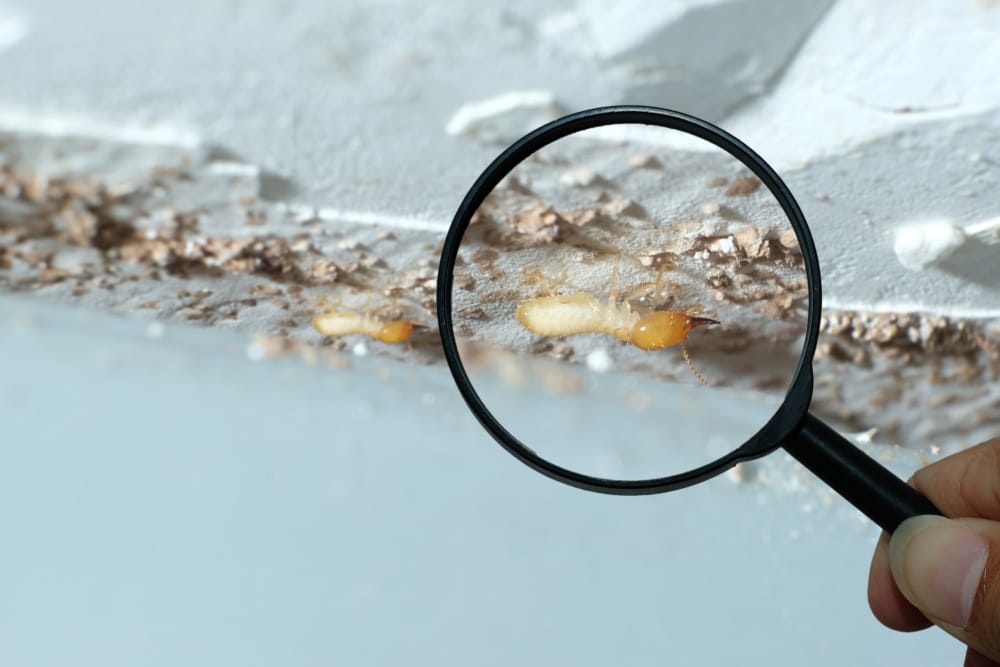
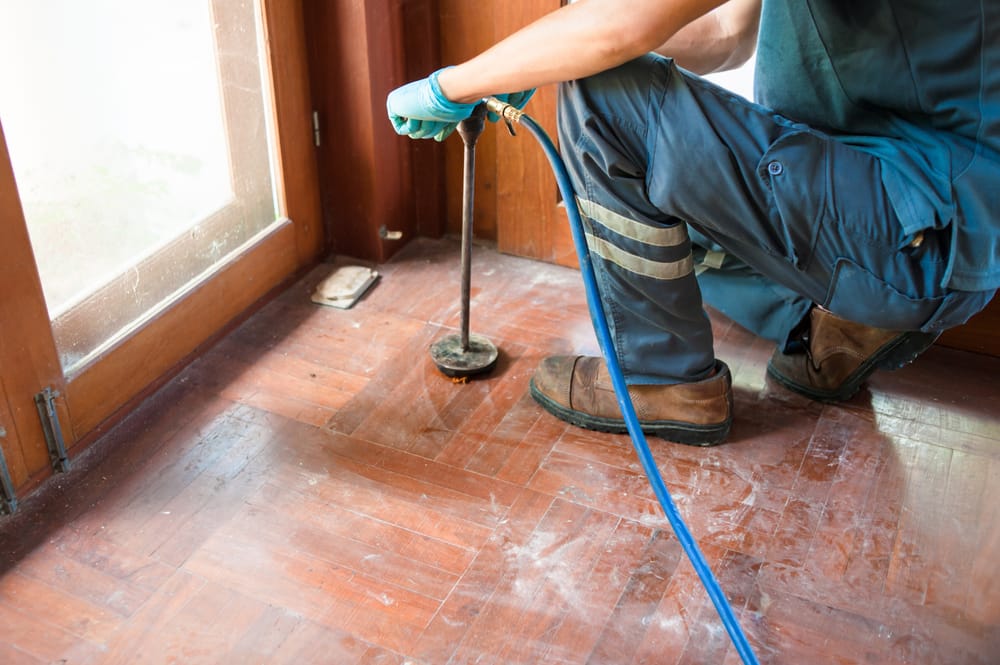
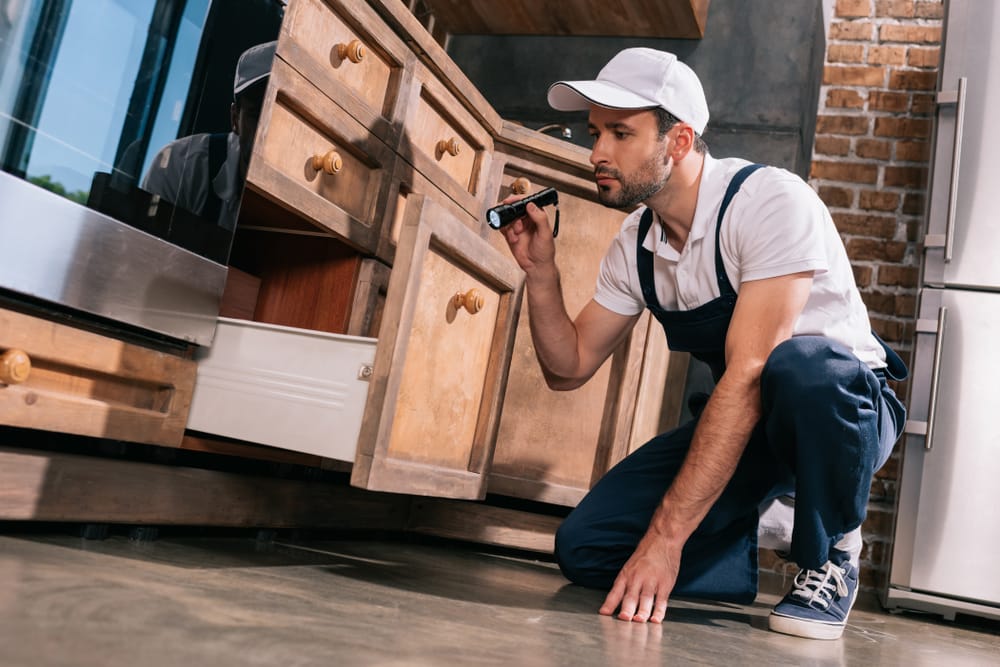
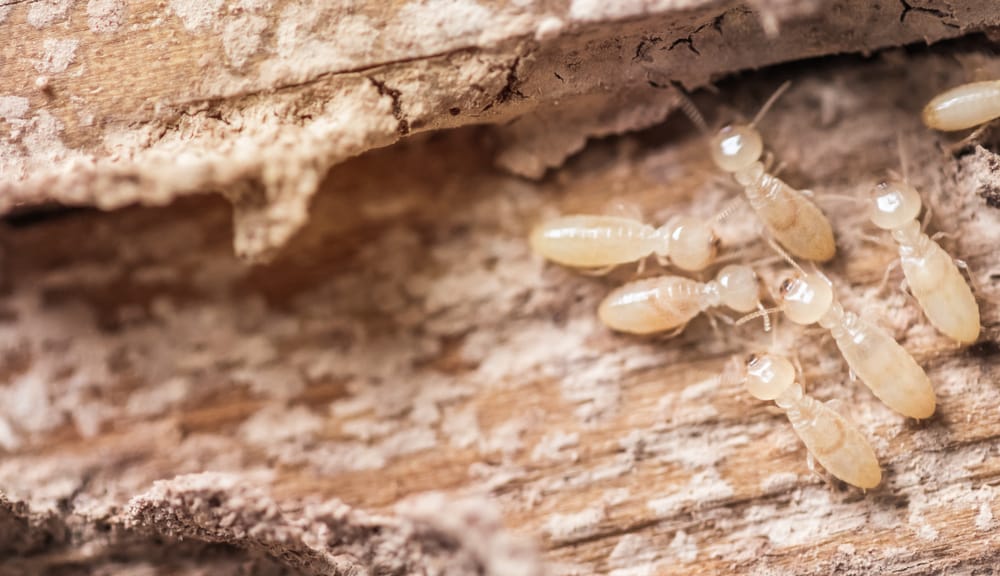
These tiny insects silently eat up the walls and foundations of your home. Termites are are tiny yellowish, translucent pests that feed on decomposing wood and plant matter. They can live both underground and above the ground. Termites have the potential to lower your home's value, impose huge maintenance costs and most of all, risk residents with structural collapse. In case of a termite infestation you will certainly have to hire a professional termite control service to get your home treated. The termite treatment cost for an average-sized house can be anywhere from $300 to $3,500, based on the type of treatment used. Before the team treats your home, you will have to schedule a professional inspection of the termites. Then, based on the assessment, which costs around $250 to $350, the type of treatment needed will be decided. There are three standard [termite treatment options](/guides/pest-control/signs-of-termites); spray termite treatment, termite baiting, and soil treatment. The termite spray treatment is a solution that would cost around $330 to $660. The termite treatment cost of baiting can be from $2,500 to $3,500. Finally, if you want a long-lasting treatment of termite infestation and get a soil treatment, it can cost between $2,500 to $3,500. ## What is the most effective treatment for termites? Spray-based treatments used to only repelled the termites from the treated area temporarily. The termites retreated to an area where the spray couldn't reach them and were trapped there. Needless to say, they still posed a threat. Another termite prevention method was to lay a plastic or metal sheet between the foundation and structure of the home. With time the sheet deteriorated and the threat of termites returned to the house. Modern pest control solutions are better and more effective. The ideal treatment depends on the structure of the home. For slab homes, there is a concept known as a termite barrier. This is installed by digging a trench around the house and [treating it with a chemical barrier.](/guides/pest-control/what-is-a-termite-barrier) For split-level homes, the chemical barrier is not as effective. Rather a procedure known as termite baiting is better suited. In termite baiting, holes are made in the floor, and a high cellulose substance is poured into the ground. It is irresistible for termites. Once the termites have been intercepted, they are exposed to a growth regulator. This substance interferes with their ability to form a new exoskeleton and ultimately kills them. ## How long does a termite barrier last? A termite barrier is one of the best treatments against termites that a homeowner can have. Basically, a termite barrier is an area around the perimeter of the house chemically treated with an anti-termite chemical. The chemical can also be applied beneath the ground around the foundation of the house. This barrier is designed in a way that inhibits the natural spread and path of termites. It intercepts their path and treats them with a chemical solution. While the barrier stops the termites from entering the house, the termites already inside are slowly killed off. The concept of the termite barrier is not a modern innovation. Somewhere around twenty years ago, a kind of a physical termite barrier was installed between the foundation and structure of the home. This barrier lasted not more than twelve months. Present-day chemical barriers are expected to last from eight to ten years before they have to be restored. ## How often should you treat your house for termites? Termite infestations can be very detrimental to the home structure and risk even the collapse in extreme cases. Regular inspections of termites need to be done to ensure the house is safe against any such threats. If you have had a history of issues with termites and there is no termite management system in your home, inspections after every three or six months are recommended to ensure that termites are not causing damage. How often you need to get termite treatment would be determined by the results of the inspection. There is no pre-determined time you should [wait before getting treatment.](/guides/pest-control/what-is-termite-treatment) If you have a termite protection system in place, such as a barrier or termite baits, your house should be inspected annually for any termite trouble. If you have set a chemical termite barrier, usually you would not have to get a new barrier set for about 8 years. Still, the results of the inspection may determine a sudden breakout of termites that needs immediate treatment. Before buying a new house, you should get it inspected for termites as well. Finding out that a home has termites after your shift can lead to a loss of thousands of dollars. ## How much does white ant treatment cost? Termites are also called white ants. The prevention of white ants should not be taken lightly whatsoever. If your home consists of many kinds of wood or timber elements, that is all the more reason to be more cautious of white ant infestation. You shouldn’t just be concerned if there is visible evidence of termite damage; they can be very well hidden and may only become noticeable when the damage is too far done. If you have the slightest doubt that termites may be active around the house, it’s never a bad idea to hire professional help. In a short time, termites can do tremendous damage if left unchecked, so in the long run, you would only be saving yourself money. There are three common types of white ant prevention; spray or foam, termite baiting system, and soil treatment. First is inspecting any infestation, which can cost you $250 for a pre-purchase inspection and $300-600 for a combined building pest inspection. How much does termite treatment cost depends on the solution you choose - costs are outlined below. - Spray, dust, or foam treatment ($330-$660). - Termite baiting ($2500-$3500 and repeat for $800). - Termite barrier treatment ($2,500-$3,500 - does not require frequent repetition).

Pest Control Guides & Resources
How to Get Rid of Flies

How to Get Rid of Flies

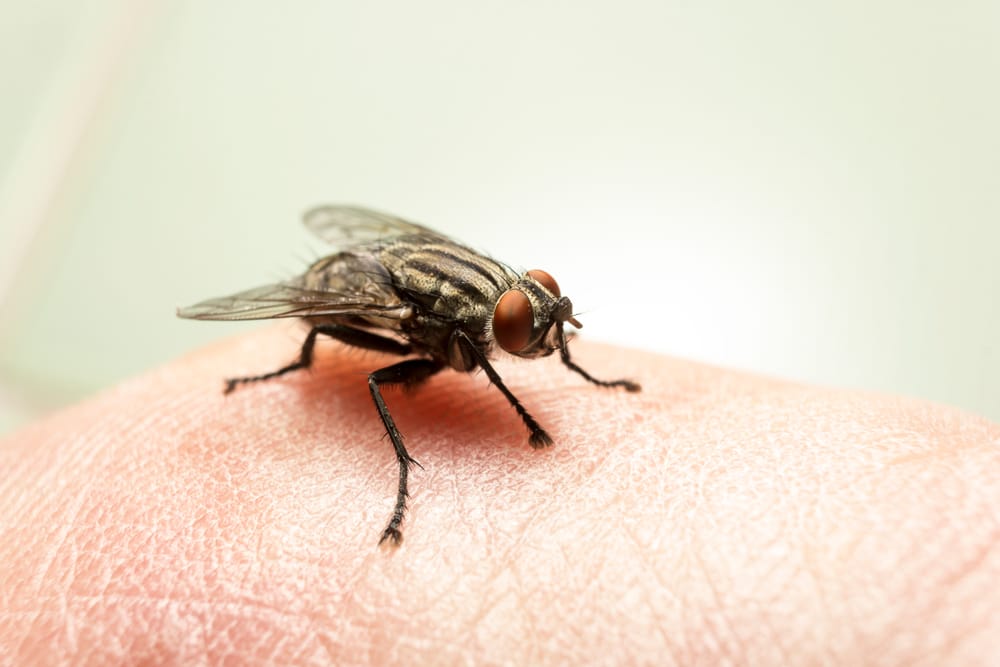
It is possible to get rid of annoying houseflies just by using natural odours. Persistent nuisance flies are a major headache, especially during the summer months. The good news is that you can do some basic things to eradicate them from your home for good, or at the very least make your home less appealing for flies. Every home has dirty and unsanitary areas such as trash bins and these are the areas that attract flies. The earliest thing you can do to get rid of flies is to maintain proper sanitation around your home. ## Correct fly control treatment While some fly sprays and homemade traps can be effective methods of getting rid of flies, it's time to [call in the professionals](/guides/pest-control/pest-control-prices) if all else fails. Pest control professionals will use specific treatments to eliminate flies at all stages of their lifecycle and make your home unappealing to new flies. You must clean your food preparation areas like kitchen countertops regularly. It is also critical to remove any pet food scraps as soon as possible in order to make your home less appealing to flies. It is also a good idea to cover rubbish bins. ## What will keep flies away? You could seal up your house and close every door, window, hole and crack but that won't still be sufficient to keep these annoying pests away. There are some natural, cheap and effective fly control treatments that you can go for in order to get these pesky little buggers out of your home for good. First and foremost, the best way for fly control and prevention is sanitation. You should recycle or dump your garbage regularly, cover dishes and human food with plastic wrap and clean your surrounding on a regular basis. You can also use a light trap or sticky trap to kill the flies already present inside your home. ## What smell makes flies go away? It is possible, and often advisable, to get rid of houseflies just by using natural odours. Take a look at a few listed below. ### Basil The easiest way to deter flies from your residence is to introduce basil in your home. Fortunately, flies despise the aroma of basil. So put a few basil plants in your kitchen to make the flies disappear. ### Cloves and cinnamon Flies also loathe the smell of cloves and cinnamon. Set a bowl of drained cloves or cinnamon in each room where you encounter house fly problems. ### Mint To prevent flies outdoor, you can plant mint, as these plants are ideal for growing if you are short on space yet still striving to restore your outdoor space from flies. ### Vinegar Flies are attracted to the smell of apples and vinegar. In a bowl, mix apple cider vinegar and dish soap to make a homemade trap. The scent will attract the flies, but they will be caught by the soap. ## How to get rid of flies outdoors Eliminating flies that are infesting indoor areas is one thing, but it can be hardly possible to keep them away from your home if there are loads of outdoor flies. The actual prevention of flies is primarily about denying them the necessary food and humidity for reproduction. This can keep fly populations controlled when combined with various trapping and repellant methods. In case of outdoor fly infestation, make sure to check traces of unsealed garbage cans, animal waste, rotting meat or any other decaying organic matter in your surroundings. ## How to deal with a housefly infestation Food odours generated in homes attract a variety of fly species such as house flies, fruit flies, and blowflies. It is critical to identify the type of fly present before controlling it - a fruit fly is attracted towards sugar water and a house fly is attracted towards a general food smell. Once you identify the problem, there are simple methods for getting rid of flies and reducing their population on your property. You can use home remedies, make cost-free practical changes around your home or [contact a professional](/guides/pest-control/what-is-pest-control) for housekeeping and hygiene recommendations and to guarantee a long-term solution to your fly problem.

White Ants vs Termites

White Ants vs Termites

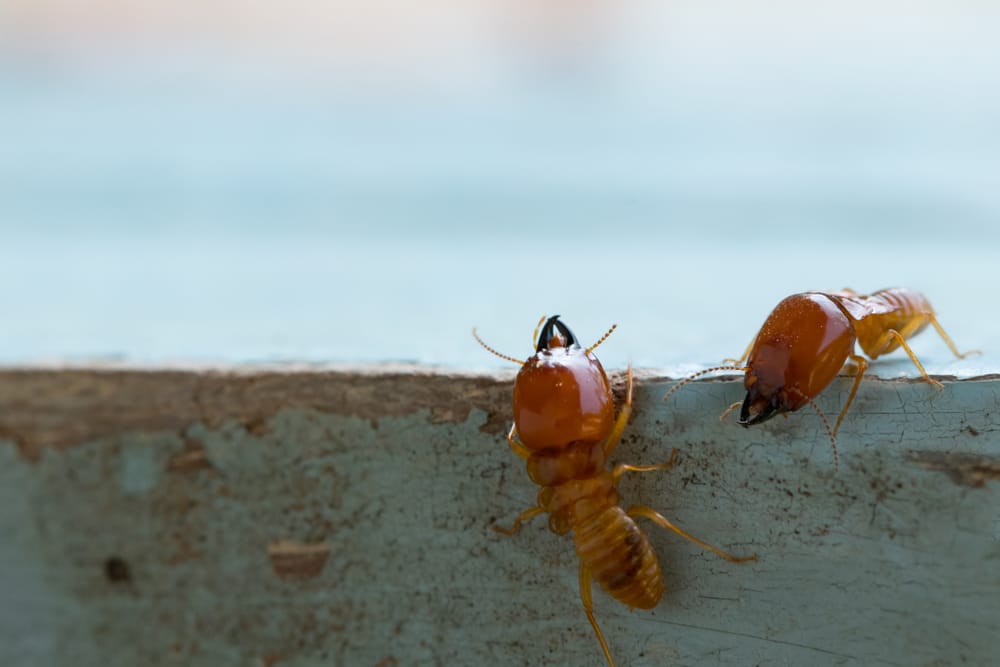
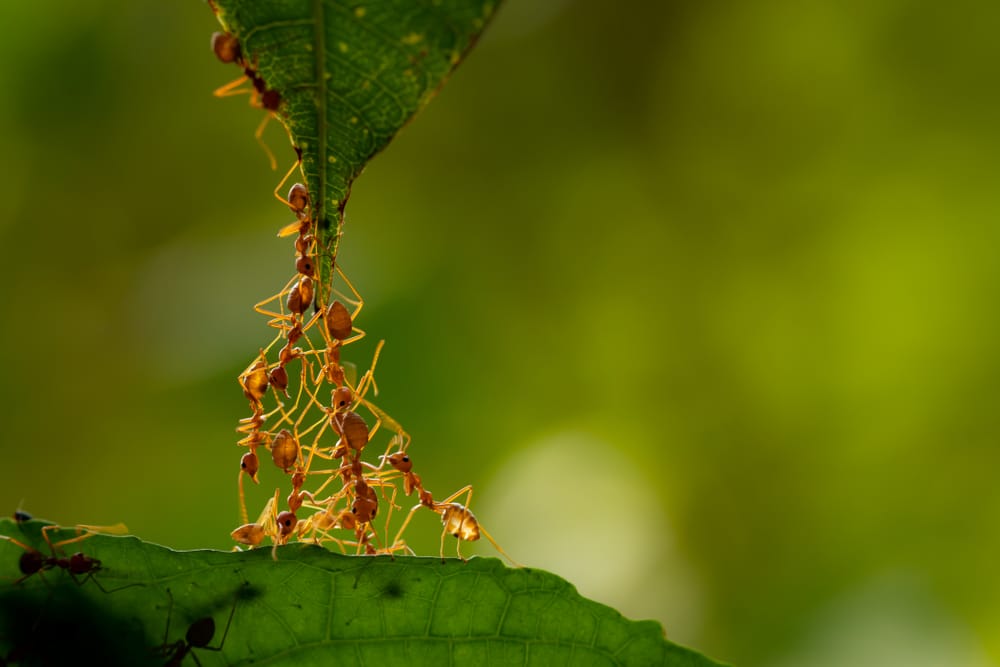
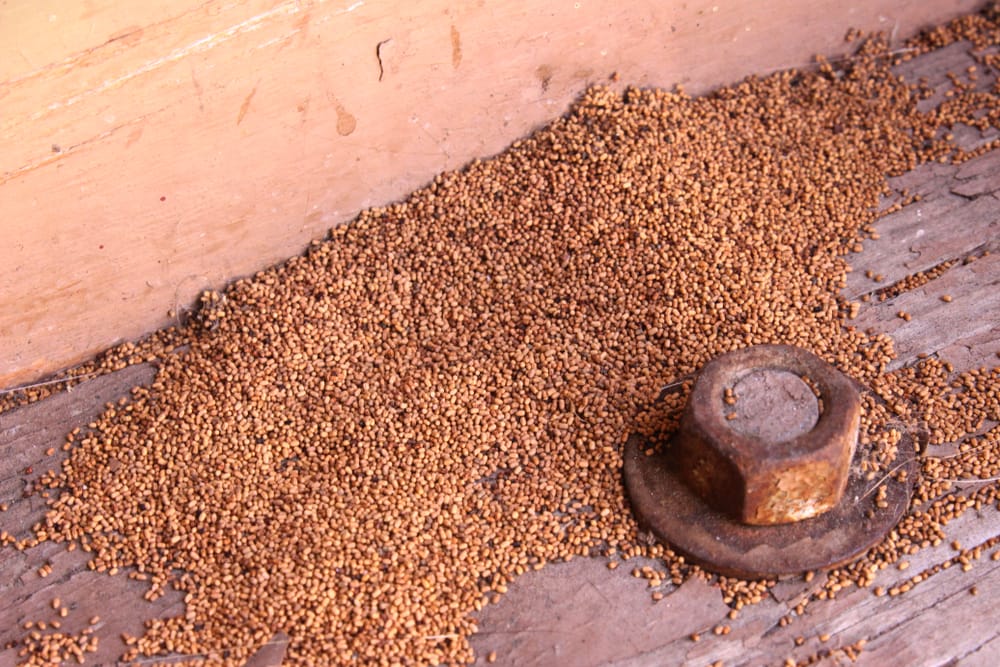
Even though termites are usually called white ants, they are not scientifically classified under the same family. They look closely related but are remarkably different. White ants are found in several different families around the world, while all termites belong to one single family only. Termites can be easily identified by their straight antennae and pinched waists. Unlike the white flying ants, winged termites have two pairs of wings that cover their bodies when at rest. The four wings are of equal length. They also have shorter legs that don't reach beyond their body, whereas an ant's front pair of legs are longer than its torso. Ants have three clearly separated body parts; the head, thorax, and abdomen. Flying ants have bigger front wings and smaller hind wings. As mentioned before, termites have straight antennae compared to the elbowed antennae in ants. Ants have a thin waist line where the thorax meets the stomach. In contrast, termites have a thick waist. Generally, ants are a dark colour. Subterranean termites have a whitish light colour and avoid light. That is why they construct the mud tunnels. Unlike ants that have great vision, worker termites are blind and find their way by following the scent trails of other termites. A colony of ants and termites live by a caste system. Termite castes define roles among the termites. Worker termites look for food to feed the soldiers and the queen. The queen lays eggs to ensure the continuity of the colony. To prevent a potential pest infestation, a [pest control expert](/guides/pest-control/what-is-pest-control) must identify and destroy the nest or apply pest controller substances that kill the entire colony in the long run. ## What are some differences between ants and termites? When it comes to nests, termites build them underground or inside trees, while white ants build theirs above ground (usually in wood). Look out for traces of mud tunnels outside the affected area, as this might indicate a termite presence. Alternatively, seek the opinion of a pest control expert. [White ants](/guides/pest-control/white-ant-treatment) feed on dead plant material such as leaves and wood, which they digest using tiny organisms that live in their gut. They may cause damage to your houseplants or stored food that is kept inside cardboard boxes, just like rodents can do, but white ants don't eat wood. They will never burrow into solid wooden structures looking for cellulose; the organic compound found in wooden products that termites seek. Instead, they use their jaws and strong digestive enzymes to bore deep channels through beams, doors, window frames, etc. Interestingly enough, both are considered pests to humans because of the damage they cause. However, there are also some differences between them aside from what we've already mentioned. Termite species are more abundant and widespread than white ants because they have a wider palate and can survive on cellulose and starch (i.e., plant and animal-based products). Termites also lack those powerful jaws that white ants have; instead, they use their strong jaws to form tunnels through wood and their saliva, which contains chemicals that make them even stronger. White ants live in colonies inside special worker caste members who feed other nestmates with secretions from their salivary glands. These substances help digest food and maintain the colony's health. ## What are the signs of white ants? Ants appearance differs from that of termites. These two insects have a life cycle similar to other insects. Therefore, for effective pest control, it is important to differentiate one from the other. The damage they cause can start small, but it will include tunnels that are packed with mud. These tunnels are what termites build to travel between areas or reach food sources. Tunnels are usually built in moist areas where the wood is damp enough for them to be able to eat it. Once you spot them, make sure there isn't a potential pest infestation by checking the following places around your house. - Floors and baseboards - Window sills - Wood studs - Stored firewood The presence of white ants can also be detected by their droppings which resemble coarse sawdust. Some species may leave behind feces that look like tiny rocks instead, so be on the lookout for anything that resembles these two things. You can tell the presence of carpenter ants if you notice wood shavings scattered around their nest. ## Do termites eat wood? Yes, termites consume wood. Termites live on cellulose, an organic compound found in wood, timber, plants, and many wood products found in Australian homes. They cause wood damage as they seek this organic compound. Termites are able to digest cellulose and starch with the help of microorganisms that live in their gut which break down these materials into simple sugars. You can identify a termite infestation by looking for these habitats Mud tunnels packed with soil on walls and ceilings. Termite droppings may even be found above ground if there is more than one level in your house. Termites leave [tiny mud tubes behind](/guides/pest-control/signs-of-termites) as they travel from one area to another; look for them on damp surfaces of your floor, baseboards, window sills, etc. If it's a dry season and you notice more of them, it means they are trying to find a water source. Check the plumbing in your house, outside faucets, and any other place that might be moist enough for them to feed on. Some species form protective nests out of saliva mixed with soil or tree bark that they have chewed. If there is a wood-based structure inside your walls, you may see this kind of nest in places where termites have built a colony (i.e., kitchen cabinets). ## Natural ways to get rid of termites You can use certain natural ways to [get rid of termites](/guides/pest-control/diy-termite-treatment) because, if unchecked, they can cause significant structural damage. ### Boric acid This works best on termite infestations because boric acid sticks to their bodies as they move around and will poison them after some time. Sprinkle on different areas where you've noticed them, especially inside kitchen cabinets and other wooded areas. Leave it there for a few days and see whether they have been affected by it because this might be the reason why you're seeing fewer of them. Boric acid can be highly dangerous. ### Diatomaceous earth This is a natural substance that can help get rid of termites in a safe way. This works by taking away the protective coating from their bodies, leaving them exposed to drying and dehydration. Once they are weakened, this powder will also poison them. You can use it similarly to how you would use boric acid - sprinkle it on different areas where you've seen them living and feeding on your house's structure. ### White vinegar Spray white vinegar directly onto termite infestations because it contains acetic acid, making it very effective against these bugs. Simply soak a piece of cloth with white vinegar and place it where you've seen them, or pour some inside their nests. ### Get rid of moist areas By fixing leaky plumbing, clearing away stagnant water sources outside your house (i.e., flowerpots, pet dishes, etc.), and turning off any faucets inside or outside, you can keep termites from having access to the wood in your home because these pests prefer wet environments where they can feed on wooden structures without drying out quickly. ## How do I get rid of white ants? The white ant can be found everywhere, from your kitchen cabinets to your garden furniture, so it's essential that you isolate the affected area, so they don't spread over time. ### Identifying and dealing with termite infestations If you notice mud tunnels on your wall, floor, or wooded furniture, then there is a good chance that you have white ants living in your home. These tubular structures can be found anywhere from the ground to the ceiling (within reason) and are usually made up of soil and saliva. Keep an eye out for sawdust-like droppings. The Victorian Department of Health has some helpful information on [dealing with termites.](https://www.health.vic.gov.au/environmental-health/pest-control-termites) ### Isolate affected areas Once you find evidence of these bugs within your house, try to isolate the area and limit its surroundings as much as possible. White ants need wood-based material to survive, so removing this substance from their environment will be a lot easier to get rid of them. ### Identify the species There are over 2000 types of white ants. For instance, fire ants are different from carpenter ants. Identifying which species are present in your home can help you determine what they feed on and how best to get rid of them. Some species eat through different types of wood, while other ants type might prefer specific substances, and fly to [extend their colony.](/guides/pest-control/where-do-flying-termites-come-from)

How do mice get in the roof?

How do mice get in the roof?

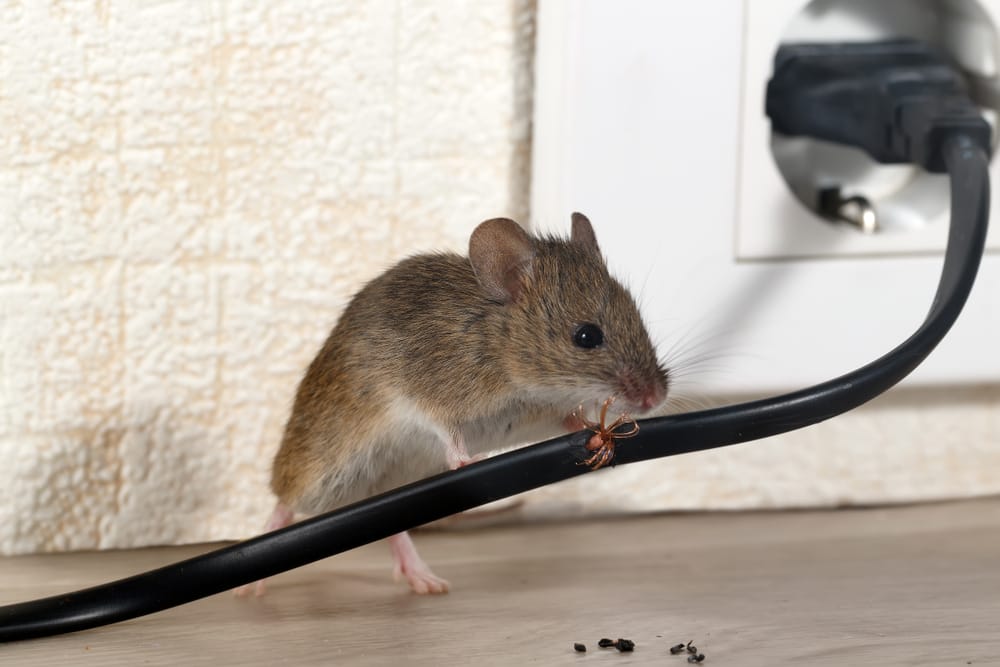
Rodents can store food in summer and then use it in winter while living on the roof of your home or under floorboards. If you are noticing nibble marks in your food, smell something foul, or hear certain creepy noises in your home then you might be facing a mice intrusion. Mice and rats typically live in the attics, walls, or under the floor. These rodents can reproduce in no time and eat everything in their surroundings. Mice and rats are a common household problem and can lead to severe problems. The flexible bodies of mice and rats helps them to enter your house through any hole in the wall, ground, or attic. ## How do mice get into the roof? Rats and mice can get inside your home quite effortlessly. We can track their activity easily. However, the objective is to understand their ways of intrusions and then block those paths. Following are some common ways through which rats and mice can get inside into the roof. ### Windows and door frames Window and door frames are fixed in a way that a gap is left at certain places. These gaps become the source of the rat entry. After getting entrance into the house, these roof rats start climbing the walls. Roof rats are very intelligent. They find the holes in rooftops and start settling. ### Walls The roof rat has numerous entry points. These rats can enter through those points and then search for a safe place. They can climb up the walls into the roof area and get easy access to food and other shelter areas. ### Weeping vents Weeping vents are holes between bricks that allow the water to flow. These weeping vents can allow rodents an entrance into your home. Rodents bite the plastic vents and hide in various places in the house. ### Air vents and water pipes Air vents and water pipes are other main entry places for these rats. They enter into the roof cavity and make their colonies. Apart from these points, roof rats can enter through several other places. ## How do I know if there are mice in my roof? You will quickly notice if you have mice in your house. The below are certain signs of their presence. ### Mice droppings These are the often the first signs of mice intrusion. Mice are good climbers and climb up walls to enter attics. Norway rats, black rats, and various other rodents leave these droppings in several places around the home. ### Source points Rodents and mice can easily gain entry through several openings inside the home - window's, doors and any slight gap between the home and the outside. ### Chew marks, footprints and noise Mouse footprints and chew marks on food packaging are common signs and their scurrying about causes noise. By tracking these footprints, noise, marks, and urine stains, you can easily and effectively set traps. ## How to get rid of mice There are various ways to kill rodents or eliminate rats from houses. Firstly, you all need to track the infested area. Before tracing these areas, you need to look for the entry points of these rodents. Some of these points are near the sealed food containers, cardboard boxes, dog food, water sources, skirting boards, and other places. ## House mouse proofing One of the best methods to get rid of the mouse infestation is to make your house rats and mice attack-proof. For this purpose, you must seal all the points of the house. You can use tiles or glass on the walls to make the surface smoother. It will not allow the mouse to climb up. Secondly, you must seal all the roof vents. These roof vents can prevent the rats and mice from settling inside the house. ### Minimise open food preparation areas Mice require food for their survival. Prevent these rodents from contaminating food or getting anything. Use peppermint oil, mothballs, ammonia, and other similar things that mice hate near these food sources. ### Bait station Using a bait station is also the best method to trap roof rats. Control the rodent's activity inside the house by using bait stations where a mouse will set up its colony and you can then remove those stations. ### Set traps It's pretty easy to set snap traps. Mice prefer to come out at night when humans sleep so, set these traps every night and do not forget to remove bodies every morning. ## Cost to remove mice from your roof? A home with pests is a problem seeking a permanent solution. Professional removal services give you the insurance of long-term and complete removal of these mice and rodents. It can cost you from $120 to $750 from minor services to full-internal and external removal services. It will require full house inspection, advice regarding the best treatments, and follow-up with the removal.

What Is Pest Control?

What Is Pest Control?

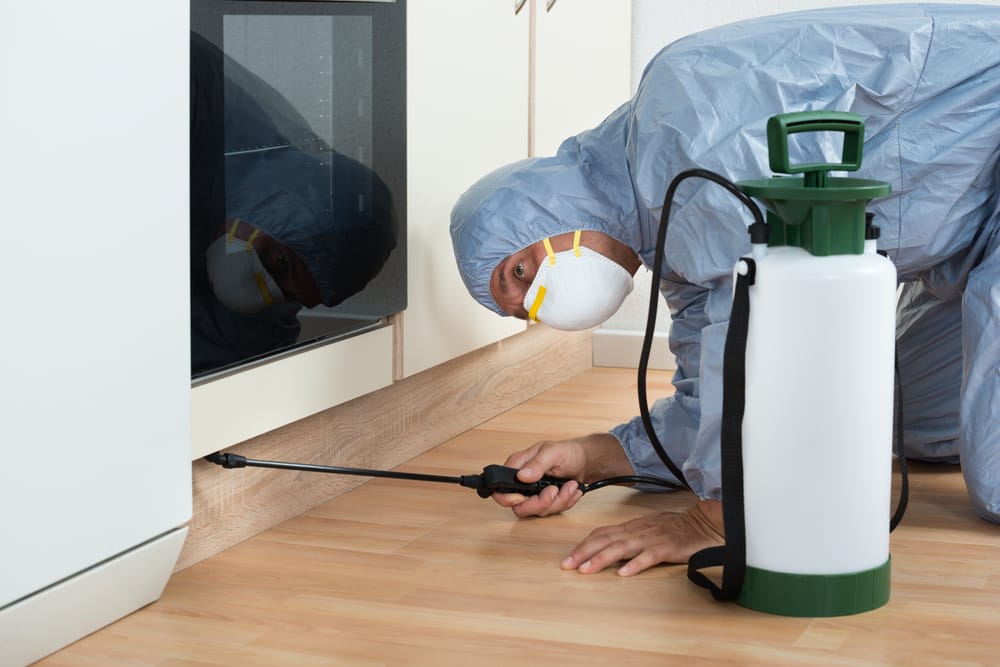
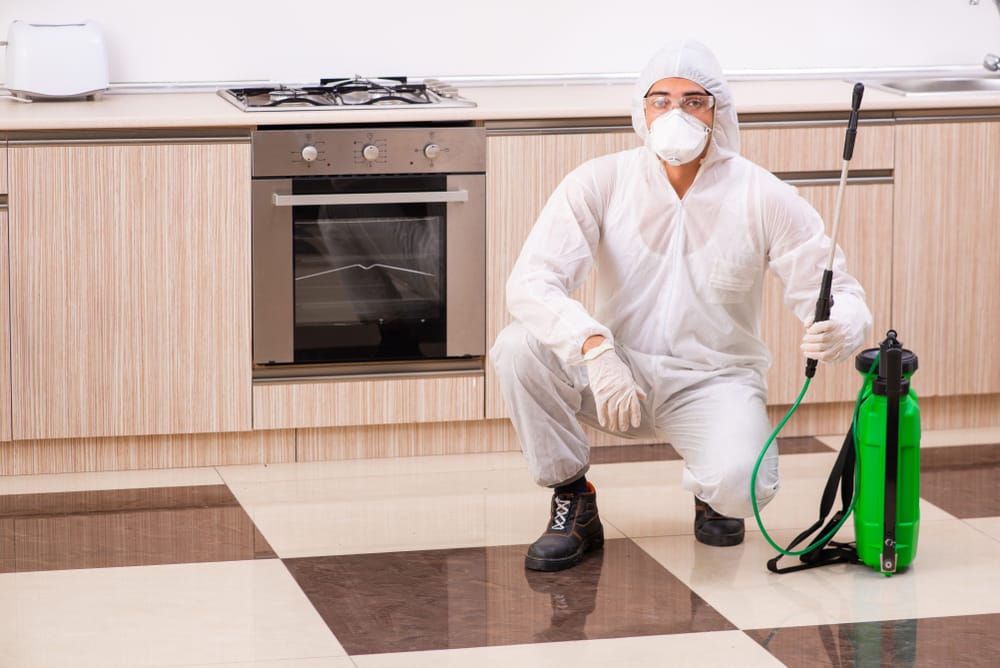
Each different type of household pest requires a different solution to repel or remove. A pest problem can be as easy as dealing with bugs, cockroaches or insects or rodents like rats, possums and the like. Pest can cause damage to property or lead to an increase in diseases and health concerns. ## How does pest control work? The pest control solution depends on the type of pest intrusion you have. The first step is identifying the pest - each leaves its distinct trail or sign. The [pest control company](/guides/pest-control/pest-control-prices) you hire will also carry out an inspection to determine the pests in your environment. Once you’ve been able to identify the pest infestation, you need to do the following. ## Decide on the method of control The control method is dependent on the type of pest to be exterminated. The most common method is chemical control which includes pesticides or insecticides. The biological method is the use of natural enemies like suitable predators or parasites. Then there is the physical removal of the pests like the removal of possums from your house. ## Prepare for the pest control treatment It is important to prepare, especially when it involves the use of chemicals. Some of these chemicals can be toxic to humans and pets. Some type of chemicals to be used may require you to leave home for a few days. ## Why is pest control important? Apart from the nuisance of having pests in your home, there are other important reasons why these invaders should be kept at bay. A few are listed below. ### Curb the spread of diseases Pests are notorious for being carriers of disease-causing parasites and bacteria harmful to human health. Regular pest control helps reduce the likelihood of illness. ### Prevent damage to your belongings Pests pose a threat to your belongings as pests like mice will eat almost anything from books, insulation to wires. ### Preserve your home Pest infestation can overwhelm your home and end up causing much damage. Termites can destroy a home by [eating away wooden structures.](/guides/pest-control/what-are-wood-termites)

How to Get Rid of a Wasp Nest

How to Get Rid of a Wasp Nest

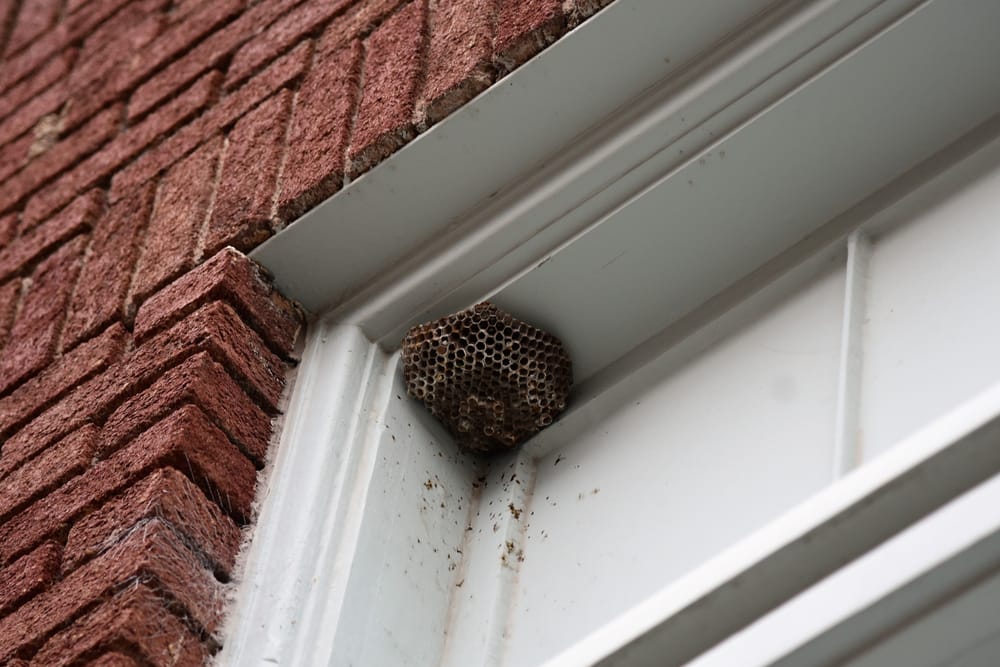
Knocking down a paper wasps nest can backfire quickly - leaving you to deal with hundreds of angry wasps. Before you attempt to remove wasps nest, be aware that wasp stings are painful, and if you are allergic, can be threatening as well. Safety should be a priority. The best thing is to rely on a pest control professional who has protective clothing and the correct equipment for removing a wasp nest without suffering stings or damaging property. Although you can still remove wasp nest by yourself, you should [avoid DIY pest control](/guides/pest-control/what-is-pest-control) since most homeowners are not aware of safety precautions of removing wasp nest safely. If you have a wasp problem, here are some tips to help you get rid of them. - Wasps are less active at night so it is the right time to remove the nest and in most cases all the colony is usually inside. - Identify which type of wasp in your property. Is it Paper wasp or European? - Find the nest location, approach with a garbage bag and cautiously cover the nest. Seal completely. - Apply pest control dust or a liquid insecticide to the nest. - You can also lure European wasps using wasp traps. ## How do you get rid of a wasp nest without getting stung? The process of successfully removing wasp nests can be a very dangerous task. Hence, you should prevent wasp nests at all costs. Below are some explanations on how to go about removing these aggressive insects. ### Use pesticide spray Purchase a wasp pesticide control product. Read the instructions on the pack and follow them to the letter. Common practice is spraying the pesticide at the nest's opening for 20 seconds. If you notice some activity the next day, repeat the spraying process. Do so until there is no activity in the wasp nest and then knock it down. ### Use insecticidal dust Very effective on a nest close to the ground. Apply generously on the nest. After two days, check if there is any sign of wasps. If there is, repeat the process. ### Smoke them out If the nest in question is on a tree branch or away from the house, you an opt to smoke them out by lighting a fire beneath the nest. The rising smoke will suffocate or force them to leave. After they're gone, knock the nest down. ### Dunk the nest in a bucket of water Although very dangerous, it's the most effective means. It involves carefully covering the nest with a cloth bag and then dunking it in a bucket of water. Secure the top of the bucket with a heavy stone and let it stay overnight. All wasps will be dead by morning. ## What kills wasps instantly? Using a home made solution for DIY wasp nest removal can be effective, but it's not an easy task. Below are a few cheap options that can be effective in controlling pests. ### Peppermint oil and water This is a reliable wasp killer and repellent. Also, it kills larvae and eggs. The recipe for this solution includes a tablespoon of peppermint oil and four cups of water. After preparation, use a spraying bottle to spray on the wasps. Night is the best spraying time as they are less active. ### Dishwashing liquid and vinegar This is a mixture of dish liquid, vinegar, and water. It works like peppermint oil and water. Once you spray the solution, the wasps loose air and suffocate to death. Just measure an equal ratio of vinegar and water, then add a quarter of liquid dish soap. ### Liquid soap and water This is a simple mixture of soap and water - the soap has a degreasing effect and is said to kill wasps quickly and easily. You need one bottle of soap, water, and a garden pump sprayer. Spray the solution at the wasps from a distance. ## Is it OK to leave a wasp nest? Just like bees, wasps defend their nests and rarely attack unless provoked. If there is a wasp nest in your home, it's best you stay away and don't even get close. You can't relocate a wasp nest - the pest control technician usually destroys it. The answer is yes and no. As mentioned above, wasps can be harmless unless provoked, meaning it's OK to leave their nest well alone. Besides, if you are a farmer or gardener, you will find the benefits outweigh their nuisances. Wasps help pollinate your garden or farm. Also, they can act as pest controllers because they eat common pests that destroy crops like grubs, weevils, and caterpillars. On the flip side, wasp nests can damage your house and may lead to pest infestation, among other issues. Wasps build a new nest during summer and raise new queens and then the whole colony will disappear again. ## How much does it cost to have a wasp nest removed? The average price you would pay to remove a wasp nest can vary from a minimum of $100 to a maximum of $550. In Australia, removal costs of wasps vary according to the region of residence and job size. Another thing, [pest removal companies](/guides/pest-control/pest-control-prices) charge their service on an hourly basis. For example, in New South Wales, it cost $50; in Victoria, it cost $30; while in Queensland and Tasmania, it cost $60 and $30 respectively. Keep in mind the prices is per hour. In cases where wasps build a nest between walls, caves, tree trunks, or underground spaces the job of finding their nest is difficult compared to those located outside in an open area. As a result, the hive location impacts the average cost. Other factors that influence cost include the type of wasp, the extent of the infestation, accessibility of the nest, and call urgency. When the size is small at early stages, a paper wasp nest removal could cost as little as $60.

Rats in the Roof

Rats in the Roof

Rats create scurrying noises at night and an infestation can quickly become a costly health concern. If you suspect you have rats in your roof, immediately perform the below steps. - Get a pest inspection done by a pest control professional. - Make sure all vents and windows are screened. - Seal all the holes, cracks and crevices in the home and roof with silicone or caulk. - Trim all the tree branches and shrubs (if any) hanging over at the building. - Clean the yard and roof. Sometimes fruits fallen from the trees attract rodents on the roof. - Seal all dry food items and keep pet food in a closed container. - Remove any water source like a leaky sprinkler head, pipe, birdbaths and pet water dish. - Keep roofs, attics and yards dry and clean. The primary reason for roof rats entering a house is the presence of food, water and shelter. Homeowners should keep these things out of reach of rats to keep them away from home. ## What are roof rats? Roof rats, otherwise called black rats or ship rats, are species (different from a Norway rat or a brown rat) found in higher places around the home, in particular the roof, rafters, treetops and attics. They feed on plants, seeds, stems, leaves and small prey like tiny birds and insects. They are around 5 to 7.5 inches long with an equally long tail. They create scurrying noises at night and leave droppings and debris and invite diseases like typhus and jaundice wherever they go. Roof rats are the common cause of food poisoning if they infect the food or surface where food is kept or prepared. They contaminate food by touching with their body. Common diseases associated with rats are listed below. - Hantavirus - Lymphocytic Choriomeningitis - Tularemia ## Signs you have rats in the roof Significant symptoms of rat infestation and [rodent activity](/guides/pest-control/mice-in-roof) are listed below. - Rat droppings are an initial sign of rodent infection. - Rodents make noises when scratching, digging, gnawing and scurrying. - Places infected with roof rats will have an unnatural, musky smell caused by urine. - Rats make tracks inside and outside the house and these tracks are traceable through grease and dirt they leave behind on the floor. - Rodents are known to gnawing through electrical wires. ## How do I get rid of rats in the roof? To get rid of rats in the roof, consider the below options. ### Rodenticides Rodenticides are poison and or baits and contain an anticoagulant, which, when consumed enough, causes internal bleeding, resulting in death. Depending on the dosage consumed and the rat’s size, the rodenticides need around 3-10 days to show the results. It is a successful method for complete eradication of the rats, leaving a long-term impact. Install several bait stations for effective results. ### Contacting professional services For complete eradication of rats quickly, contact professional pest control and rodent control services. They will identify their entry points, locations and food supply areas and eliminate them without damaging the house. They will also make necessary arrangements to prevent re-infection. If you think you have a [possum in the roof](/guides/pest-control/possums-in-roof), you will need follow certain protocols. ### Trapping Traps are placed in areas where rats travel the most. This method prevents the rat from dying and decaying in different corners of the house. Once the rodent is trapped, homeowners can free it far away and reuse the trap. Traps become inefficient in case of severe rat infestation.

Pest Control Informational Articles
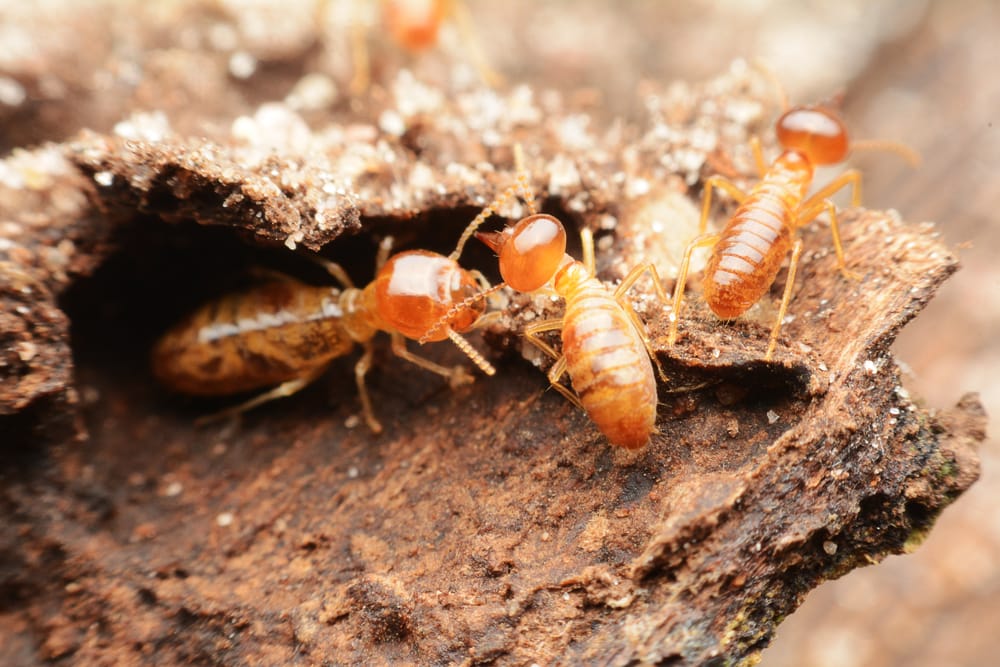
Flying Termites

Flying Termites

While an infestation of these insects can cause you a significant amount of grief, the good news is that they don't live very long. These termites are no different than regular termites – they are simply in the reproductive stage of their lifecycle, which allows them to start flying around the place. While this insect may seem [similar to winged ants](/guides/pest-control/difference-between-ants-and-termites), there are some subtle indications that allow you to identify if you’re looking at a flying termite, listed below. - Four equal-sized wings. - Straight antennae. These termites are also known as alates or swarmers. The good news is that they aren’t very long-lived – in fact, once they take flight, their lifespan is less than 24 hours. While you can develop an infestation at any point in the year, flying termites are most common following rains and in warmer, spring weather. This makes Australian homes especially vulnerable to these insects, as the country’s climate is perfect for these insects. ## Should I worry about flying termites? Flying termites in and around your home essentially means that a new colony has been created nearby. There is a chance that your [house has been infested](/guides/pest-control/signs-of-termites) as well. That said, just because you’ve noticed alates in your home doesn’t mean you should panic. The termites may have flown in from a neighbouring property. If you have an infestation, there’s a risk of significant damage to your home. It’s essential to get in touch with professional pest control services as soon as possible. A professional will be able to let you know whether or not you should be concerned about the flying termites you noticed. If there is an infestation, it will need to be dealt with as soon as possible before it becomes a major issue. Signs that your home may have a termite infestation include: - Mud tubes in and around your property. If you damage a tube and find it has been repaired, there’s a good chance you have an active infestation. - Structural issues, such as sagging, broken wood fixtures like door jambs, or buckling floors. - Termite droppings and broken wings and other remains of dead termites, including flying termites. ## What causes flying termites in your house? Alates indicate that there is a new colony located [somewhere in the area.](/guides/pest-control/where-do-flying-termites-come-from) However, even if the colony isn’t in your home, these insects may find their way there. Some reasons that winged termites enter your home include: ### Light Flying termites are attracted to light and may find their way inside your light fittings if possible. ### Moisture Leaky pipes, poor airflow, and bad drainage create a moisture-rich environment in which all types of termites, including winged termites, thrive. ### Cracks If there is a crack in your home’s foundation or a gap in the siding, termites have an opportunity to make their way into your home. Once inside, they can start breeding and setting up new colonies. There are measures you can take to reduce your susceptibility to flying termite invasion. These include: - Correcting any moisture issues you may have, including leaks and excess condensation. - Checking weather control units to make sure there are no issues that can increase the moisture in your home. - Avoid wood to soil contact and remove unnecessary wood around your home and yard, including fallen trees and branches, leaf litter, construction materials, etc. - Ensure that there is no accumulation of water in and around your home, including pools of rainwater. - Not using untreated wood for construction projects. ## Are flying termites bad? Flying termites are not inherently harmful to humans – they are neither toxic nor disease-carrying, which means you don’t have to worry about falling sick due to an infestation the same way you do with mosquitoes. Some people have suffered asthma attacks due to living in a home infested with flying termites. The major issue that these insects pose to people isn’t health-related and more about the warning signs seeing them in your home poses. Unless you’re able to find a colony, you will likely have to get in touch with a professional to determine the extent (if any) of the flying termite infestation you are facing. If your house has been infested, it’s essential to get it treated as soon as possible. Winged termites indicate a new colony, and without professional help, you risk your house being overtaken by termites. ## Are flying ants termites? While they may look similar at first glance, flying ants and termites are two different types of flying insects. Indications of a flying termite include straight antennae and waists, as well as wings of equal size. On the other hand, flying ants have bent antennae, a pinched waist and wings of unequal length. Aside from differences in appearance, flying ants and alates differ in behaviour as well. While both termites and some types of ants can be found in trees, wood debris and other wooden locations, only termites actually eat the wood and cause structural damage. If ants are present in wood, they only make their home there – they do not eat the wood, nor do they cause structural damage. Instead, they mainly consume nectar, other seeds, food debris, and similar items. If you have flying termites in your home, it’s [essential to begin treatment](/guides/pest-control/termite-treatment-cost) as soon as possible, especially if you see more than a single insect or you see broken wings around your house. A professional will be able to provide you with the best possible guidance over what your next steps should be.

What Are Wood Termites?

What Are Wood Termites?

Termites have strong survival instincts and are capable of eating through the foundations of your home. Termites are known to infest wood and feed on cellulose. There are three categories they can be grouped into, listed below. ## Drywood termites The drywood termite gets its name as it needs no soil to get in contact with soil. Drywood termites have wings that allow them to reach the frame of a house and nest there. They do not need much contact with moisture and can be found in places even far away from water. ## Subterranean termites These are the most common ones to encounter. Unlike the drywood termite, the [subterranean termite lives underground](/guides/pest-control/what-are-black-termites) and makes their way into the house from there. This termite species is the the common culprit in household termite infestation. ## Dampwood termites This species lives in damp or water-damaged wood. Even though not as common as the subterranean and drywood termite, these too pose a severe threat to house integrity. ## How do you get rid of wood termites? Below are three steps you can take to get rid of termites from your home. ### Get your home inspected If you think that your home has a termite infestation, the first step should be an inspection. An inspection would reveal all the places that are damaged in detail. Also, not all species of termites are detrimental to house health, and some don't need a termite treatment. ### Use a pest control procedure Once the inspection reveals that treatment is needed, get a treatment. There are three common types of treatments. Spray treatment is a quick and cheap fix but is temporary and not recommended. Termite baiting and a chemical barrier are long-term fixes. ### Get routine inspections Getting a treatment once is not permanent pest control. They can always return. You need to get your home inspected every 3-6 months for a spray treatment and an annual inspection for termite baiting or a chemical barrier treatment. ## What is the lifecycle of a termite? Just like any living creature, the lifecycle of a termite begins with reproduction. Reproduction starts with swarming winged males and females, who establish new colonies and procreate. These termites shed their wings after fertilisation. These insects then become kings or queens of the colonies that they have established. They are the center of the termite life cycle and are primly responsible for reproduction. Next, the queen lays her eggs, which hatch into larvae. The larvae then moult into workers, soldier, and reproductive based on the colony's needs. Nymphs are young termites that go through several moults to continue their duties based on the colony's requirements. Moulting is a process when termites shed their exoskeleton to expose a new exoskeleton, which then enlarges and hardens. As the larvae grow, they assume new roles in the colonies, the last function being reproductive, after which they die off. Each stage is assigned duties and they can be distinguished with a distinctly different physical appearance. Workers are responsible for making tunnels; soldiers are tasked with protection but cannot feed themselves. The last role is of the alates, which are reproductive termites. They are born with two pairs of wings, so they can [fly off and make new colonies.](/guides/pest-control/where-do-flying-termites-come-from)

How long does pest control last?

How long does pest control last?

Some pests lay eggs which may not be destroyed with a single pesticide spray or any single treatment. A pest infestation is more than annoying, which is why a regular pest inspection or pest control treatment cannot be underestimated. Pest control solutions can vary depending on the type of pests. General pest control takes at least 3 weeks for mild treatment while extreme treatment may last up to or beyond 90 days. The precise effectiveness period depends on the pest control measure applied. There are several types of treatments for pest problems - the two main ones are insecticides meant for insects like ants, termites and cockroaches and rodenticides meant for rodents. Liquid insecticide will kill ants immediately while solid form may take up to three weeks. Pest control treatments for cockroaches can be in liquid, solid or in powder form and can last for 6 weeks. Rodenticides are mostly in solid form. They target rodents like [rats and mice.](/guides/pest-control/mice-in-roof) The time frame for this treatment depends on the available number of rodents and where it's placed. If placed at main rodent gateway, it can last up to two days. Always hire pest control services from certified pest control technicians especially if you are unable to find an ant nest or locate the rodents. ## How often should you get your house pest sprayed? The frequency of pest control treatments depends home location and which type of pest to treat . First, you need a thorough inspection done by a professional to determine the extent of the pest problem. If your home has been previously treated for [pests like ants](/guides/pest-control/difference-between-ants-and-termites), spiders or bed bugs, the infestation might recur from remnants. Some pests lay eggs which may not be destroyed with a single pesticide spray or any other treatment. Therefore, eggs hatch, another treatment must be done and also because treatments become ineffective over time. In some cases it's advisable to have monthly inspections and in other cases up to a year. For instance, if you have been [infested by termites](/guides/pest-control/signs-of-termites), it's advisable to do the next inspection and treatment within three months. Two treatments per month are recommended for common pests such as cockroaches and bed bugs. You will be advised on the treatment process by a professional depending on the types of pest infestations that you have. ## How long will pest control take? The time taken to finish a pest control service is highly determined by the type of treatment that's being applied. For a general pest control service on a complex with several small units, at least 30 minutes will be spent on each unit. This is not a complicated job and will only require spraying surface and gelling of cabinets. This kind of treatment is for general infestations like spiders, cockroaches and silverfish. A job to treat a serious infestation will take a bit more time, approximately one hour 30 minutes. For instance if it's an ant infestation, internal spraying, gel baiting, crevices dusting and thorough treatment on every surface to eliminate the ant issue. A termite treatment will take 16 hours if it's only one technician on call. However, it's usually handled by a team of two to reduce the time spend to 8 hours for a termite barrier treatment. Some jobs like bed bug problems might take up to two days for a small unit.

How to Get Rid of Spiders

How to Get Rid of Spiders

Most dangerous spiders are agile and small, making them challenging to spot in the house. Spiders are generally bundled into two categories- web-building and running or hunting spider. Here's how to get rid of them both. ### Non-repellent treatment Non-repellent chemicals kill spiders slowly in their hideouts. The method is effective against several dangerous spider species. ### Spray treatment Chemical sprays containing insecticides like Cislin 25 are the leading insecticides in Australia. Sprays are used for residual spider treatment leaving a long-term effect and usually have a low odour. ### Dust treatment Dust treatment is a highly effective method where the dust enters the void and attaches to sticky spider strands. Permethrin-based powders are typically used in this treatment. ### Natural pesticides Pyrethrin is a natural pesticide extracted from Chrysanthemum flowers that kills a spider if directly hit or sprayed on it. ### Sticky trap Install a sticky trap at the spider’s entry point or near the voids with suspected spider activity. The traps are boxes available in various designs and shapes and the spiders will crawl in and get trapped. ## How to get rid of spiders naturally Ensure filling cracks and voids in the building because these are the primary hideouts of spiders. Spiders consider wall cracks as a safe and warm environment. Eliminating these hideouts can drive them away from the building. ### Peppermint oil Peppermint oil's intense sensation and odour are intolerable to spiders. It contains a Monoterpenoids chemical having insecticidal and fumigant properties. Mix water and peppermint oil and spray it around the house for getting rid of spiders. ### Preventive measures Always cover food items because common house spiders will contaminate the food by merely touching it. Flies are attracted to food, and these flies are food for spiders. Keeping the house clean reduces spider activity. Ensure there are no spider webs in any corner of the house. Avoid keeping the lights turned on unnecessarily because spiders make webs near the lights to trap insects. Eucalyptus trees are native to Australian people that are oily and have smelly leaves. Using eucalyptus oil in a diffuser at home will keep them away. ## What is the easiest way to get rid of spiders? Use a vacuum cleaner to catch spiders, baby spiders, webs, and loosened eggs. Target areas for vacuuming include walls, furniture, the attic and corners of the house. Empty the vacuum waster outside in a plastic bag. Gently trap the spiders in a box and dispose. A hard blow from a fly swatter or a rolled-up magazine easily kills a spider. DIY sprays and other [DIY pest control solutions](/guides/pest-control/diy-termite-treatment) made with simple ingredients can be effective in getting rid of spiders. Sprays can be made by combining vinegar and water, warm water and lavender essential oil, bleach and water, or peppermint oil and water. Certain combinations of tea tree oil and water is effective as well. Fill the solution in a spray bottle for easier use. Seal the home where spiders can potentially enter the house. Any cracks and or gaps in the house's doors and windows are the typical entry points for new spiders. Covered chimneys and vents block the path for spiders. Outdoor lights attract spiders at night so avoid keeping them on to prevent spiders. Any vegetation around the perimeter of the building attracts spiders due to sufficient food. Remove debris, wild vegetation, mud and stones to discourage spider activity around the house. ## Different types of spiders Spiders are generally in two categories: web-building and running or hunting spiders. ### Web-building spiders A few typical web building spiders are listed below. #### Redback spiders Females can be up to 3cm in length while males are shorter. They are black and have a red mark on the abdomen. Redbacks live in dry and sheltered areas. #### Black house spider Being black and or grey in colour, these have a faint pattern in the abdomen and can be up to 2.5cm in length. They build a web around windows, doors, and funnels. #### St. Andrew Cross spider These are common garden spiders that make webs between trees and bushes. The spiders make a St. Andrew Cross sign while resting, pairing their legs together. ### Running or hunting spiders Common running or hunting spiders are listed below. #### Funnel-web spiders This spider is larger than other spiders and attacked when provoked. It is often confused with a mouse or black house spider. They live in moist areas like sandy soil. #### White-tail spider It has brown and black striped legs and is up to 2.5 cm long. They have a white tip to the abdomen who prefer cooler areas like garden beds. #### Huntsman spider Several species of huntsman spider exist, and all have the same body shape and size. Adult huntsman spider can be 6cm- 15cm long. ## How do I know if a spider is dangerous? The funnel-web spider and redback spider are extremely dangerous. Funnel-web spiders are one of the most dangerous species of spider globally. People can find them in the garden, near swimming pools and backyards. They are black or blue-black with a size ranging from 1.5cm- 3.5cm. They have powerful, large and shiny fangs with shiny head. Moist areas have the most funnel-web spiders. Redback spiders are far less dangerous than funnel-web spiders. These are common species of spiders found throughout Australia, including urban neighbourhoods. Their bite is not fatal but causes severe pain. Females are more aggressive and dangerous than male. Females have a length of 3cm- 4cm with sprawling large legs. The male is much smaller with a blue hue. Even if some spider bites are not life-threatening, they will invite severe infection, making immediate medical treatment necessary. Most dangerous spiders are agile and small-sized, making them challenging to spot in the house. Brown recluse spiders are highly venomous tiny spiders whose bite require an immediate treatment.

DIY termite treatment

DIY termite treatment

There are many DIY products available in retail outlets which are cheap and easy to apply, making them ideal. The internet is awash with recommended ways to deal with termite infestations. But the basics are termites dislike sunlight and exposure. They construct soil pathways to protect themselves from light and attack from ants and birds. [Mud tubes on walls](/guides/pest-control/signs-of-termites), timber surfaces, the foundation of the house and the concrete slab indicate a termite problem. Termites litter their paths with their droppings too. If you notice termite droppings, damaged wood, or hollow sound on tapping wood, it may indicate an attack by termites. Whether you will need a professional or prefer DIY termite treatment will depend on several things, listed below. - Level of infestation. If the colony is mature and advanced, its best left to the professionals. - Species of termite. Some are very destructive, create robust living structures and long dig tunnels. - Where you live. Some areas are more prone to infestations than others requiring a more elaborate termite treatment than a simple DIY treatment. - Technical know-how. If you don't know how to handle the equipment and chemicals to remove termite threats, the do it yourself options will not work. Look for a professional solution. ## Can I treat my home for termites myself? House maintenance is an essential responsibility. Termites are a natural threat to the durability and aesthetics of houses. They burrow the ground and invade wooden parts of the structure. The effects of termite damage is structural weakness or direct visible damage. The repair bill to replace damage caused by termites can be astronomical. There are many DIY products available in retail outlets - they are cheap and easy to apply, making them ideal. Most of them are sprayed on the ground and the areas surrounding the house using hand sprayers. They are formulated to work as repellents to deter the presence of termites and pests, not to kill them. Applying repellent insecticides might halt an infestation but termite control is not straightforward. When termites experience interference, they change course and seek an alternative path. To eradicate the menace of termites, the technical use of termiticides and a [termite barrier is necessary.](/guides/pest-control/what-is-a-termite-barrier) Pest control chemicals used by pest controllers attack the termites and kill the entire colony. Others create a barrier deterring the termites from reaching the house. The quantities required and treatment plan developed by the professionals helps achieve maximum effect. Professionals use a barrier rig to pressurise the termite chemical into the ground so that the termiticides reach termite tunnels. ## What is the fastest way to get rid of termites naturally? Those who live in areas infested with termites may need to use chemical treatments alongside natural ways to termite prevention. Natural preventative methods are also ideal before complete termite infestation. Below are some ideas for termite protection without using of harsh chemicals. ### Boric acid Boric acid is a naturally occurring fatty acid and is a potent pesticide against a range of insects. It is also a wood preservative. It is fatal to termites. Dissolve boric acid powder with water and apply regularly to surfaces or areas frequented by termites. ### White vinegar and lemon juice solution A mix of lemon juice with vinegar is also an effective termite killer. A mixture of half a cup of vinegar and juice from 2 lemons works fine. Pour the solution into a hand spray and squirt it on the termite entry point, crack or other places where the termites attempt entry to the house. Apply for a few days and check. ### Orange oil This method yields the best results if the orange oil is applied at the early stages of infestation. Apply orange oil extracted from the peels or buy orange oil from a store. Apply to the surfaces numerous times to attain desired results. ### Cardboard Using cardboard is an easy way to reinforce other approaches. Cardboard contains cellulose, which is the same chemical termites look for in wood. When damp, place the cardboard in termite-infested areas or their pathway. After the termite build-up, remove the cardboard and burn. Repeat multiple times to depopulate the termite numbers rapidly. ## How do I get rid of white ants? The white ant is an aggressive, highly destructive timber pest. The worker will scout for places to nest or find food. One way to stop them before they attack is to set up termite monitors. The termite monitor entices and intercepts the scouting termites. You can add termite baits to the monitors. Additionally, you can control white ants by using termite bait to kill entire colonies. The chemicals in the bait do not kill the termites immediately. It slowly poisons the worker termites and all those around them. When the workers take the bait back to the nest for food, they feed the rest of the colony, including the queen. Bait can also be fed to the ants by mixing it with bottled water (not tap water) and placing it in an area infested with termites. With wood already attacked, you can drill pencil size hole on the wood. Place the bait bag over the hole. The termites will eat it out and carry it to the nest, infecting the others. ## How much does a termite treatment cost? The price of termite treatments depends on a few things. Termite behaviour and biology will affect how they attack, the nesting and reproduction. These will affect the necessary termination efforts. Your location may also be highly vulnerable to infestation. The regularity of attack and the prevalent termite species will affect the [termite treatment cost.](/guides/pest-control/what-is-termite-treatment) The age of the colony is also a major factor. Where a mound is identifiable, the professional cost of digging up the nest if it’s in the ground or a tree will cost approximately $600 for two termite treatments. Where termites have been identified and the location of the nest is unclear, the whole process including the initial treatment can cost anywhere between $1,200 and $3,500. Application of a termite barrier will set you back $65 per metre, with a full job costing between $1,500 and $5,000 depending on the size of the house. Irrespective of the manufacturer’s replenishment indications have a regular termite inspection. It can make a huge cost difference in case the termites may have survived past treatments.

Pest control prices

Pest control prices

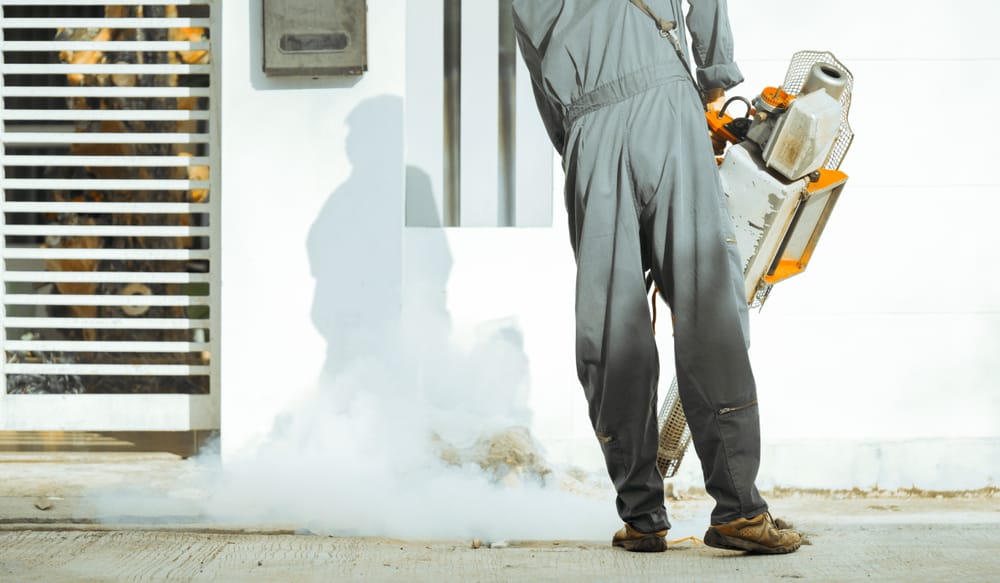
Complete removal of pests demands serious treatment, which could be dangerous if handled by an inexperienced person. The national average price of pest control in Australia is between $120 and $700. There is a huge range of pest control services with varying costs. General services and costs are listed below. | Service | Cost | | -- | -- | | Internal and external spray (one-off treatment) in a three-bedroom home | $130 | true | | Internal and external spray (one-off treatment in a four-bedroom home) | $170 | true | | Indoor flea and tick treatment | $150 to $275 | true | | Rodent removal | $250 to $300 | true | | Possum removal | $225 | true | | Termite treatment (in an isolated area) | $180 to $225 | true | | Pre-purchase of pest inspection | $250 | true | | Building and pest inspection (combined) | $300 to $600 | true | Pest control costs and services are further classified as general treatment (indoor and outdoor) or regular internal treatment. ## General treatment (indoor and outdoor) Pest control experts will treat cockroaches, spiders, silverfish, and ants inside and outside the home. Treatment includes thoroughly spraying pest control spray, dusting wall cavities (cracks and crevices included) and roof, and applying gel in the kitchen(s), bathrooms, and other sensitive areas. Homeowners are entitled to a 12-months warranty on these services. The average cost is between $180 to $220 for a complete service. ## Regular internal treatment This covers indoor pest treatment, including dusting of roof void and applying pest control solutions in the kitchen, bathrooms and other sensitive areas. The warranty is 12 months. Pests treated under this service include fleas, rodents, mice, ants, termites and [termite barriers.](/guides/pest-control/what-is-a-termite-barrier) Expected expense ranges from $120 to $145, where each pest control service is chargeable separately. ## How long does fumigation last? Fumigation presence can last from 3 weeks to 3 months, where a mild pest control shows its effects for at three weeks while a strong pest control retains results for 3+ months. Insecticides and pesticides are two types of pest control treatment that are in solid and liquid form. ### Insecticides These are used to eliminate termites, cockroaches, ants and other small insects. Liquid insecticides kill the pests immediately. Solid insecticides are used when liquid pesticides fail. Any solid insecticide can take up to 3 weeks to show the results. If solid chemicals show no results, pest control companies use a different solution that consumes six weeks to show the effects. Heat treatment is another way for killing the cockroaches taking up to 120 days, along with regular re-treatment. Pest control treatment with powered chemicals demands checking it once every 3-4 weeks. ### Rodenticides These are in a solid form that is used with bait for attracting rodents. Solid rodenticides use Bromodialone, Difethialone, and other similar chemicals, effective enough to kill the rodents in a single feeding. Place the rodenticides in their main entryway once every 12 hours to 2 days. Please beware as rodenticides are harmful to pets and other small animals. Most pest control companies offer a 3-month warranty on rodent remedy. ## What does fumigation kill? Fumigation is an effective and fast solution for the complete eradication of the following pest and insects. ### Termites [Different types of termites](/guides/pest-control/what-are-wood-termites) requires different eradication solutions. Pest control experts prevent subterranean termite infestation through gas fumigation. Some termites and pests can survive the lethal process for up to a week. ### Cockroaches Cockroaches are highly versatile and can resist radiation. But a pest control expert can eradicate them with poisonous gas pumped during fumigation. The gas kills all species of cockroaches by entering wall voids and all potential hideouts, taking a maximum of two weeks to completely exterminating cockroaches from home. Time can vary depending upon the extent of the infection. ### Bed bugs Poisonous gas (Sulfuryl Fluorid)e is pumped in a sealed place (where bed bugs are present), suffocating them and their eggs by removing oxygen. Under a specific temperature, these pests can be killed within 80 hours of fumigation. Professional fumigators can kill spiders, rodents, pantry pest and wood-boring beetles by pumping chemical gases. Current temperature, amount of fumigant and the extent of infection govern the time required for completing the job. On average, it will take a week for the complete eradication of all these insects. ## Are pest control services worth the money? Yes, pest control services are worth the money. Benefits and reasons to opt for professional pest control services are listed below. ### Reduced hazards Pests and insects carry different diseases and infections with them, which is hazardous to human health. Complete removal of pests demands chemical treatment, which is dangerous if handled by an inexperienced person. Hiring a pest control service is much safer, eliminating the health risks and risk of improper chemical handling. ### Saves time and effort An inexperienced person doing DIY pest control will take a lot of time to produce questionable results. A professional will work faster because they are aware of the procedure. ### Effectiveness DIY pest control does not guarantee effectiveness neither in the short run nor in the long run. Hiring a pest control service guarantees full effectiveness for a long time. Professionals follow a protocol that includes observing the type of pests, coverage area and sources (nests). They then develop an extermination plan to achieve maximum effectiveness. ### Expert advice and tips Upon completing the job, professionals give free advice and tips to homeowners, targeting prevention from re-infection. They educate individuals on how the pests make their way to the home and ways to control the damage done by them. These tips and advice help keep the house pest-free. ## Are pest control chemicals safe? Pesticides and gases used for pest removal contain toxic elements harmful to humans, pets and plants. These chemicals become severely dangerous for pregnant women, children, older people, and people with respiratory issues. The ingredients are listed below. - Pyrethroids (Cyfluthrin. Deltamethrin) - Fipronil - Baits (Hydramethylnon) - Botanicals (Pyrethrum) You can ensure safety from pest control chemicals by proper handling. Professionals take precautions and safety measures to ensure their and homeowners’ safety and store them cautiously. Please note that all pest control solutions are not dangerous as some of them have natural ingredients like lemongrass oil, sodium chloride and thyme, called the minimum risk pesticides. The strength and concentration of the chemical govern their toxicity level. Highly concentrated chemicals pose a greater health hazard. There are some pest control tasks you can [do yourself safely.](/guides/pest-control/diy-termite-treatment) The use of chemicals with lacking guidance and training causes people to get exposed to the chemicals through inhalation or direct skin contact. The exposure leads to mild or severe poisoning. Mild side effects include dizziness, headache, and eye and skin irritation. Moderate side effects include abdominal pain, hair loss, seizure, diarrhea, fever and vomiting. Moreover, severe consequences can be fatal, leading to nervous system issues, skin cancer, organ failure, brain damage, sterility and fertility issues. Seeking professional help is critcally important.

Building and pest inspection cost

Building and pest inspection cost

Building inspection can take up to 3 hours for a normal-sized house and pest inspection takes approximately 60 minutes. The combined cost for building inspection and pest inspection start from around $495. The individual building inspection cost and pest inspection cost starts from $399 and $350 respectively. Building inspection cost varies from place to place. Inspection in a regional area is between $400 and $500, while it costs from between $800 and $1000 in metropolitan area. The building and pest inspection cost in different major cities, listed below. | Location | Estimated cost | | -- | -- | | Victoria | $380 | true | | Brisbane | $400 to $600 | true | | Melbourne | $500 | true | | Sydney | $200 to $420 | true | Smaller properties require less time and efforts than bigger properties. The building inspection cost of varying sizes in Brisbane are below. | Size of property | Estimated cost | | -- | -- | | Granny flat / one bedroom apartment | $200 to $260 | true | | Apartments less than 100 square meters | $300 to $360 | true | | 2 bed unit / homes less than 100 square meters | $310 to $370 | true | | Medium size homes (three bedrooms and two bathrooms) | $340 to $400 | true | | Large size homes (four bedrooms and two bathrooms) | $350 to $410 | true | | Extra large size homes (five bedrooms and two bathrooms) | $360 to $420 | true | ## Inspection packages Different inspectors offer different building inspection service packages, each varying in the included services, cost and discounts. Buying a combined package is cheaper than individual services. ## Additional cost A property with a private well system, septic system, outbuilding, barns or extended travel time, adds to the cost. the inspector may charge. ## What's involved in a building and pest inspection? Building inspections are very thorough. They typically include the below. - Leak stains. - Mould. - Cracks in walls. - Rust. - Dampness. - Electricity or plumbing issues. - Doors and windows. - Ventilation. - Hot water services. - Heating and cooling. - Fencing. - Wiring. - Roof space and ceilings. Building inspectors examine the areas unreachable by the property owner, which include: - Underneath the house: footings, stumps and drainage. - Structural integrity. - Locked garages or sheds. - The roof space: structure, leaks, insulation. This building inspection is carried out following the Australian Standard 4349.1. According to the standard assessment, the identified defects must fall under these categories- damage, water/damp related and deterioration. An inspection report is generated by the building inspectors that contains all the potential future issues, exposing past and current problems. An experienced inspector can suggest possible solutions. ## Pest inspection [Pest inspection](/guides/pest-control/what-is-pest-control) includes detailed, methodical and careful examination of the property. The Inspector looks for evidence of the below. - Wood decay. - Fungi. - Borer. - Evidence of damage of timber in all area of the house. - Termites. It involves inspection through moisture meters, motion detectors, thermal imaging cameras in areas of concern and special borescopes. Once the assessment is over, the homeowner is provided with a pest inspection report containing information about visible damages made by pest, areas conducive to general pest attack and advice and techniques to avoid any future attacks. ## How long does a building and pest inspection take? On average, it takes 90 minutes to 2 hours to do the job in a normal-sized house by two professional inspectors. The following factors contribute to the length of the job. ### Size of the house Bigger houses take more time than medium or small-sized ones and you will pay accordingly. ### Design and materials This plays a vital role. A home built on stumps takes longer to inspect than a house constructed on a concrete slab as slab floors have no subfloor. Building inspection takes 2-3 hours for a normal-sized house, and pest inspection takes approximately 60 minutes. It takes an hour to inspect a new property, while an old house with poor conditions may take up to 2 or more hours. ### Comprehensive building and pest This type of inspection takes 3- 4 hours, including inspecting every major and minor defect and other safety hazards. ### Structural building and pest inspection This takes approximately 1.5 hours to get this job done, as only significant defects related to the primary structural elements of the building are examined. ### New house building inspection This type of inspection takes 3-5 hours, depending on the size of the property. All the aspects of the property are thoroughly examined. A detailed report stating all major and minor defects can be delivered to the homeowner in around 24 hours. ## When should I get a building and pest inspection? Before buying a property, it is recommended to get a pre-purchase building inspection (including [pest inspection](/guides/pest-control/pest-control-prices) and building inspection) done to know whether or not the property is worth an investment. Understanding the property's current situation is the best place to start negotiations with the seller. The buyer can prepare a clause in the agreement to repair the property before locking the deal. Illegal renovation in a house will hurt insurance and taxes. A pre-purchase building inspection can save the buyer from future obligations. ### While selling the property Before selling the house, a pest and building inspection will help correct any defects in the property,possibly increasing its value and attracting potential buyers. ### When choosing insurance Some insurance companies do not provide insurance without a specific inspection. This will help decide the type of insurance cover, including warranties that a person should consider according to their home's current condition. ### If the property is old A pest and building inspection is critical as old buildings are more vulnerable to termites and pest attacks. Water leakage and other deterioration signs are common in old properties. ## What does a building inspector look for? Building inspectors focus on reviewing (checking the working capacity and condition of) electrical, mechanical, heating, plumbing and air conditioning/ventilation system. Minor systems like the fire control system is also checked. Electrical conductors, circuit breakers, meters, panel boards, attic, insulation and ventilation are examined. ### External structures Outer walls, parking space, roofing, fencing path, driveway, and landscaping are inspected to give insight into the building's construction structural soundness and external health. An inspector checks if there are any safety-related hazards. Rooms dimensions are checked to ensure they are the same as advertised by the seller. Inspection includes damages like broken windows and cabinet doors, which are generally ignored. ### Internal structure The building inspector looks for issues with internal elements like floors, bathrooms, offices and kitchens and check if the building space meets local building codes. This check includes an examination of leakage or seepage on walls and ceiling. ### Documentation The inspector performs a documentation check during the inspection. They go through appraisals, building plans, citations, certificates of occupancy, construction permits, evacuation plans, environmental studies, fire safety system records, floor plans, maintenance records and surveys. Based on the observation, inspectors make a report complying with the Australian standard inspection report. It contains the inspector's unbiased opinions on the property, all detected faults, significant issues requiring an immediate attention, and recommendations and tips for the homeowner.

Where do flying termites come from?

Where do flying termites come from?

If a large number of termites land near or inside your property,you should probably take it as a future warning. Termites generally live underground and survive by feeding on wood, grass and decayed organisms. They are a kind of pest and there are 250 species of this insect in Australia. But there are only a few of them that can cause damage to your home. Flying termites emerge from their underground colonies after three years when they are ready to reproduce and expand their family. This process is called social swarming and its purpose is to find new locations for a new colony. [Winged termites flying together](/guides/pest-control/flying-termites) in a group is called swarm and consists of reproductive termites of the colony. A termite generally has a short life span of a day or two and can fly for a few minutes. Though they have two pairs of same sized wings that help them fly, they soon loose them and fall to the ground. ## Do flying termites mean infestation? Swarming is a natural event that takes place when the weather becomes sunny and warm after the rain during springtime. It happens when subterranean termites become mature and capable of reproduction. Termite swarms contain hundreds of insects and may seem like an attack to some people when they see flying termites around. In reality, this pest causes no harm unless they are in your house. Termites, unlike flying ants, around your home eat the wood and may cause structural damage. ## Flying termites vs flying ants A flying termite has straight antennae, wide bodies without pinched waists and two pairs of same-sized wings. In contrast, a flying ant has elbowed antennae, pinched waists and four wings of different size with brown colour. Swarms fly to the nearest favourable place [where termites land](/guides/landscape-supplies/does-cypress-mulch-attract-termites) and shed their wings since they do not use them again. Then the termite males follow females and begin mating when she finds wet soil to make a home to lay eggs. Surviving termites are the future king and queen. A winged termite is not harmful to humans and flies only to expand their colony and species. ## How do you find where flying termites are coming from? Flying termites does not mean a termite infestation as they come out only to start a new colony. Termites with wings leave their underground homes to mate during a warm environment after the rain. ## How to get rid of flying termites If a large number of termites land near or inside your property, you may be concerning. It is a warning sign and you would want to avoid termite problem in the future. Winged termites fly from the holes in the soil into cracks of the wooden foundation or walls of your house. They use [mud tubes built by worker termites](/guides/pest-control/signs-of-termites) to come out and take flight for their new colonies. Collect samples of dead insects and call a pest control expert to get rid of flying termites once the source is known.

Signs of Termites

Signs of Termites

Wood infested by termites usually looks similar to water-damaged wood or timber decaying through wood rot. There are over 2,300 termite species worldwide with 300 species found in Australia. They can cause a lot of damage to your property if left unnoticed. Doing a termite control immediately you detect termite infestation will save you a lot of money. Below are the signs of termites that can lead to an infestation. ### Clicking sounds in walls and woods If you have a termite problem in your house, you will hear some noise from the walls and wood as they eat through. You will also hear soldier termites bang against the tunnels to signal danger to the others. Sometimes you may also detect vibrations in termite colonies. ### Look out for discarded wings Flying termites [drop their wings after mating.](/guides/pest-control/where-do-flying-termites-come-from) They are mostly attracted to light and so you will find them near the window or around the security lights. This is the sign of an impending infestation or that their old home is mature enough and they are looking for a new colony. Their early detection will save you from property damage. ### Mud tubes Subterranean termites build mud tubes to ensure protection and adequate moisture. These mud tubes are usually built on walls, wood and on the floor from termite droppings and soil. Walls and wood that sound hollow when knocked upon and doors or windows that fit imperfectly are also signs of termites. ## What does termite damage look like? Wood infested by termites usually looks similar to water-damaged woods or wood rot. Termite-damaged wood will sound hollow when knocked and have tunnels. Termites eat wood and destroy its structural formation. The wood is left hollow, weak and much less stable. Termites will also cause costly damage to the appearance of the walls as they are get covered with termite droppings. The rate and kind of termite damage caused will also depend on the type of termite. For example, subterranean termites will damage mostly softwood and along its grain and at a faster rate. Drywood termites tend to eat hardwood at a slower pace and against its grain. Damage can also be seen when doors or windows start to stick. Termites damage doors, door frames and window frames. If termites attack a roof with wooden trusses, the roof may start to lose shape, bend and fall. ## What do termites look like? Termites might be [easily mistaken for ants](/guides/pest-control/difference-between-termites-and-ants), however, they are different insects. The body shape is the major difference between them. A termite has a thick waist while the ant has a thin waist. The antennae of the termite are straight while ants have a bent antenna. Termites mostly have a white or brown body colour - ants have dark bodies. Termites also have a strict division of labour. The queen termite is for laying eggs and they usually have a bigger body than the other termites. The king termite's responsibilities are to identify new colonies and control the population. Its colour is dark brown. The most common are the worker termites. They cause the most termite damage when compared to the rest. Their responsibilities are to find food and do all the work to maintain the colonies. They are blind and they also lack wings. Soldier termites have a bigger body with huge mandibles as compared to workers. They are for colony protection in cases of invasion. Winged termites are also called swarmers. Their work is to reproduce for continuity. When the colony is mature, they will fly out of the nest to explore other colonies. Their wings are two-paired and are flat. ## How to check for termites Termites are noisy eaters - you can listen to them chew through the walls and any wooden structures. If you hear click-like sounds and chewing noises, they might be the termites in the timber. If you find these unwanted guests living beneath the walls, apply suitable pest control measures. Do termite inspection in and out of the building. Tap the wood with a screwdriver. Any termite activity in the timber will cause holes inside and make it fragile. A tap by a screwdriver head will make the wood break. This shows termite presence. Make use of the moisture meter to determine the level of moisture in the wood. When termites attack the wood, they increase wood moisture which may also cause a wood colour change. High moisture content may be a result of termites. Always apply pest control immediately if you spot them. Check out for termites in window sills and house furniture. A thorough termite inspection should also be done in wet rooms like the kitchen and the bathroom. Moisture is essential for termite activity and these rooms are prone to have water disappear into timber and walls which might host the termites. ## What kinds of termites are there? Termites are insect species from the order of Isoptera. They are mainly categorised into three major groups. These are dampwood, subterranean and [drywood termites.](/guides/pest-control/what-are-wood-termites) These categories are based on their eating, their location and how they form their colonies. Below are the common termite types. ### Coptotermes acinaciformis Coptotermes acinaciformis is said to be a highly destructive species in Australia. Their high secrecy level enables them to evade being detected and continue causing damage. ### Coptotermes lacteus Coptotermes lacteus is another common species around coastal areas. They are known for making clay-walled mounds and they like to consume any wood damp. ### Heterotermes ferox Heterotermes ferox likes decaying wood and can coexist with other termite species. ### Nasutitermes extiosus Nasutitermes extiosus is another species that appears different from the other species types. It has a black head with cream in colour. They always build nests under other structures to conceal them. For example underneath a deck. ### Nasutitermes walkeri Nasutitermes walkeri species build their nests above ground mostly in trunks of trees. ### Schedorhinotermes intermedius Schedorhinotermes intermedius nests are mostly built in tree stumps and like timber that's on the ground for accelerated decaying.

Difference Between Ants and Termites

Difference Between Ants and Termites

Both species are similar in size and appearance, live in colonies and are often confused with each other. Ants and termites have characteristics that are strikingly in several ways. Both termites and ants are well known for causing wood damage. There are ways you could spot the differences between termites and ants. If you could take a closer look at both insects, you'd notice a significant difference. ### Body shape Looking at an ant's body, it has a thorax, narrow around the waist, compressed and well-defined at the abdomen area. Termites have no narrowing on their bodies, have no waist and a more rectangular, thick body. ### Antennae An ant antennae is bent or "elbowed", while the termite's antennae are straight, shorter and have tiny beads around the antennae. ### Wings Both the winged termites and ants swarm. [Termite wings](/guides/pest-control/where-do-flying-termites-come-from) are of equal size, much longer than the body. The flying ant's wings are of different sizes, with the front wings more extended than the hind wings. ### Colour Flying ants are dark coloured, brow, or reddish and are often seen in new colonies searching for food while the termites are transparent, light or creamy white with no brown colouring. ## What is the difference between carpenter ants and termites? Both insects are often mistaken for one another. Check out their differences below. ### Carpenter ants Carpenter ants are pests that can be found in moist soil, trees, and many other places. They are mostly seen moving in colonies in search of food. Flying ants (black, brown etc.) are mostly reproductive during harsh weather. Flying ants and workers are generally seen above the ground moving in a colony to their nests. Ants use the woods to create a nest. This nest is where they inhabit. ### Termites Termites are pests that inhabit woods, swarm places and mud tubes. Termites feed on wood while carpenter ants don't eat wood. ## How can you tell if you have a termite problem? Termites are mighty home invaders that can eat the wood none stop and a termite infestation can cause massive damage to your house if not controlled. Common signs that termites might have [infested your home](/guides/pest-control/signs-of-termites) are listed below. - Mud tubes climbing the foundations and corners of your home. - Damaged and falling wood. - Discarded termite wings littered around your house. - Floor and ceiling damage. - Discoloured and falling paint. - Tiny pinholes on the walls. Even though several ways to notice termites have invaded your house, the above are the most important clues.

White Ant Treatment

White Ant Treatment

It is essential to periodically check your home for any initial indications of termite activity and infestation. White ants are destructive pests that may be lurking around your property. It is essential to periodically check your home and effectively detect initial indications of termite activity and infestation. You will have to find a reliable and experienced [pest control technician](/guides/pest-control/what-is-pest-control) for the termite inspection and treatment. Once you find a pest control manager, you can show them the symptoms of termite damage in your house so they can decide the severity of termite infestation. Pest controllers may also check the area surrounding your homes, such as trees, garden beds, fences, or any other place which can have the susceptibility to white ant activity. You can choose from three distinct options to control the termite problem, listed below. ### Physical barrier Physical barriers are long-lasting, non-toxic and require little, if any, repair or renewal. The effectiveness of physical barriers is quite similar to soil treatments. They won't kill a white ant, but they will hold them out of your residence. Termite shields, woven stainless steel mesh or finely graded stone particles, composite systems and reticulation systems are examples of physical barriers. ### Chemical barriers [Chemical barriers](/guides/pest-control/what-is-a-termite-barrier) are placed beneath and around concrete slabs, piers and footings. They create a region of treated soil that can persist for several years before it eventually needs to be replenished. ### Bait stations Bait stations are a less toxic but more expensive termite treatment option that needs regular maintenance. These monitoring stations affect the termite's exoskeleton and eliminates them without hurting other beings or humans. Despite all these, early termite prevention is the best way to avoid termite encounters. So, you must include regular termite inspections in your termite management plan. ## What chemical kills white ants? In an attempt to save money, home owners frequently self-diagnose termites and attempt to treat them with gimmicks and home remedies that do not work. Unlike home treatments that only treat at the boundary, professional pest controllers typically treat from the inside out. They use products that have been particularly designed over decades to eradicate termites fully. Fipronil and Triflumuron are the two major pesticide barriers used to kill white ants. Fipronil is a chemical that is utilised as an active ingredient in a variety of liquid termiticides. It can kill termites on touch in high enough concentrations. It is used by pest control professionals around the perimeter of homes. Triflumuron is a termiticide intended primarily for use in termite bait. Termites locate the bait station, consume the poison, then leave a trail directing other termites to the food source. The termites then transport the chemical back to the colony, infecting and killing all of the bugs. ## What damage do white ants do? White ants, [also known as termites](/guides/pest-control/what-are-wood-termites), are cunning creatures that cause millions of dollars in damage. These near-silent pests can wreak havoc on your home from within, causing minimal disruption. With a white ant queen capable of laying 7,000 eggs per day, it is critical to understand what to look for when dealing with these pests. First and foremost, damaged timber, such as rough wood, is a dead giveaway that you have white ants. White ant eats the wood from the inside out, causing damage to it. The most common example is when a homeowner inadvertently puts their vacuum through the wall due to rotting wood. The smell of rotting wood is also a hint of white ants that many people are uninformed of. As a result, if you smell mould and are certain there isn't another odour source, contact pest control right away. If a white ant nest is around, you may also see the presence of droppings (frass) around the areas they have inhabited. Have you discovered that a once-easy-to-open window has become difficult to operate? It could be an indication that white ants have taken up habitation in your window frame or the area encompassing it, causing damage to the wood and making it hard to open. Tunnels in wood are generally found in fragments of splintered timber and are difficult to notice. If you see this type of wood near your house, it's a hint that flying white ants or their colony are present nearby. ## How much does white ant treatment cost? In general, the cost of white ant treatment is determined by the type of treatment chosen. Termites can be treated in two distinct ways. To begin, you can use the quick-fix solution. This only treats the area where live termites are present and can be accomplished through a foaming treatment, a spray treatment, or a dusting treatment. For example, if you have termites in your window frame in the living room, a quick fix would cost between $330 and $660, and the affected areas would be treated with dust, foam, or spray. Non-repellent chemicals must be used for this as they are sluggish and allow the product to be transported from termites back to the nest. On top of that, non-repellent chemicals are much more expensive than repellent chemicals because they only kill termites on contact. ## Are white ants and termites the same insect? There has always been a misunderstanding amongst people regarding white ants and termites. Most people think that they are different insects. White ants and termites are all names given to the same pest. Many white ant species were introduced in Australia, while some are native. White ants differ from normal ants profoundly and in diverse ways. First, white ants are lighter-skinned in colour than the majority of ant species. The colour of termites may vary from pure white to light chocolate brown. An additional indicator is the shape of the insect if you can't tell from the colour alone. Ants have three body segments and a distinct 'waist.' Termites do not possess this. They have no observable waist, giving their bodies the impression of being longer and more tube-like than usual ants.

What is a Termite Barrier?

What is a Termite Barrier?

Think of a termite barrier as a form of bioweaponry that not only keeps termites away but also poisonous their colony. Termites are one of the most common threats to homes. This is why heavy pre-emptive measures for controlling this prevalent pest should always be followed. This is where chemical termite barriers come in. A termite barrier is a special technique to help prevent termite infestation and the complete annihilation of the colony. ## How does the chemical barrier work? The chemical termite barrier keeps termites away with carriers taking the poisonous effect back to other termites in their colony. The active chemical used for the chemical barrier or in most chemical barriers is usually Termidor. ## How much does a chemical termite barrier cost? The typical cost of chemical barriers ranges between $2000 to $3500. The process involves inspecting the environment for termites, trenching the perimeter of the building you wish to protect, and some strategic holes will be made around the perimeter. ## Factors behind the cost of physical termite barriers The barrier costs could involve instant pest control of affected areas within your house. As it could be the window frame, a wooden staircase, or shed door. The price for this termite treatment ranges from $330 - $660. With the price climbing due to the material being used. Another factor that influences the price of this [termite pest control technique](/guides/pest-control/termite-treatment-cost) is the chemical being used. If it's a repellent then the cost for the chemical is $500 or possibly less because it's a much cheaper option. The non-repellent option (Termidor) could cost much higher because it is a special variety that sticks on the termites and transfers the chemical to other termites or possibly the whole nest. ## How long do chemical termite barriers last? Two or three decades ago, termite barriers could last between 30 to 50 years. The nature of the chemical used was a repellant, so it only deterred the pest away from advancing instead of killing them. Today, it is usually combined with [other methods of pest control.](/guides/pest-control/what-is-pest-control) Modern chemical termite barriers are different as the barrier lasts between 5 to 8 years. Within those 8 years, you can successfully eliminate prevailing nests in the surrounding area. Apart from its effectiveness, the modern termite barrier is much safer for pets, humans and the environment.

Possums in Roof

Possums in Roof

You need to follow stipulated possum pest control regulations to remove one from your roof space. Possums living in your roof can be more than a minor irritation and lead to many sleepless nights due to noise and possibly bad smells. Brushtail possums are the most common possum species that live in the roof however, Ringtail possums may also take shelter. The first basic step is to locate the entry point of the possum to the roof. Potential gateways are below the eaves from trees and bushes that are next to the house. Monitor these places for possible possum movement. Once you confirm the doorway points the possum is using, seal them. Make sure the possums are out of the roof before sealing. Put a light bulb in the roof and leave it on for a few days to light the roof cavities. This will discourage the possums from taking shelter in the roof because they love sleeping in dark places. You should also remove any food sources around the house that may attract the possums to the roof. You can also hire a possum trap to capture them. Be advised that it's illegal in Australia to release a trapped possum too far from where it's captured. The possum needs to be set free at a nearby tree and the point of entry into the roof sealed. ## How do I get rid of possums in my roof space? In Australia, possum species are protected under the law so if you plan to get rid of a possum, do it within stipulated possum pest control regulations. Provide a substitute shelter on your property for the animal. Build a possum box that's weatherproof for brushtail possums and a possum drey for ringtail possums. Place fruits near these shelters to attract them. Make sure the roof is adequately secured to bar these animals from entering. Sealing access points will help prevent the possums from getting into the roof to start with or re-enter after they are evicted. Seal all possible entry points with wood and chicken wire after the possums have left. You can also construct a one-way access door to the roof that can only allow them to leave but not to re-enter. Seek the advice of a qualified pest control expert on how to install one. Alternatively, find a possum trap permit. Hire a trap from your council and put it in the roof or ceiling close to their passage. Make sure you release the possum within 24 hours. Release it at sunset but within 50 metres from its region of capture next to a tree. ## How much does it cost to remove a possum from the roof? Generally, possum removal prices depend on structure size, roof condition and the level of possum infestation. Removal from a single-storey building with a tiled rooftop will cost you around $369 and $594 for a 12 and 24-month warranty respectively. Removal of brushtail and ringtail possums from a two-storey building will cost you around $422 if you want a package that has a warranty of 12 months. If you opt for a package that has 24 months warranty, you have to pay at least $660. For any building that is either single or double-storey and has a steel deck roof be it flat or pitched, you will have to pay a minimum of $500 if you want a one-year warranty option. For a warranty package option of two years, you will be charged around $739. For a weatherboard structure, either single storey or double, charges will be around $500 to $739 for one and two year warranty package respectively. ## Do possums in the roof cause damage? A possum may appear adorable at first sight, however they will cause damage to your rooftop and destroy insulation, [just like mice.](/guides/pest-control/mice-in-roof) Their urine and droppings will also cause stains on the ceiling. They will cause damage to garden fruit trees by eating and destroying the fruits and also damage your vegetables. The smell from their urine may also affect the breathing of asthmatics.

What is Termite Treatment?

What is Termite Treatment?

Termites cause irreparable damage to property by undermining the integrity and stability of your home. Termite damage costs hundreds and thousands of dollars a year and an equal amount is spent trying to prevent termite damage. Below are a few typical treatments to rid your home of termites. ### Soil treatment Underground termites require termiticide to treat the soil near and around a property to serve as a barrier against termite nests. This system acts as pest repellent to control infestation around the perimeter. ### Wood treatment This program involves using pesticides like insect growth regulators or Termidor [applied to the wood](/guides/pest-control/what-are-wood-termites) to regulate termite infestations and growth. Most of the time, this spraying and injecting are made during construction. ### Baiting system The primary objective of termite baiting is to poison the colony. ## What are the most effective termite treatment systems? There are many different termite control methods. There are also some factors to be considered when preventing or curing termites - the formation of the building, the ground type, and the type of termites in question. ## What factors determine the choice of pest control? ### Building type Australian homes are a good example. In Melbourne, homes are either erected on brick landings or built on a concrete slab. Typically, [chemical barrier treatments](/guides/pest-control/what-is-a-termite-barrier) are the best option for both construction types. ### Soil type To make the termiticide moisture very effective, the floor of your house must be rock-free to some extent. It should ideally be sandy loam for the easier access of a liquid termiticide. A hard surface is not ideal as it will prevent treatment from evenly applied, thereby creating voids. ## How long do termite treatment methods last? Sometimes, the impacts of a procedure can fade away early due to superficial circumstances such as poor maintenance and workmanship and substandard products. Employing a licensed pest control company will guarantee adequate protection and [longer life for your products.](/guides/pest-control/how-long-does-pest-control-last) ### Liquid termite treatment Depending on the quality of the repellent chemicals, the maintenance plan and the soil condition, a properly installed and maintained chemical termite impediment in a trench can last for up to 5 to 8 years in the right soil conditions. ### Termite bait stations These are non-repellent system using timber, bait stations are employed to lure and poison termites. This slow-acting poison is taken back to the nest and spread in the colony. During termite inspection by a professional pest controller, termite baits are set up for 7-14 days to confirm the activity of termites in the property. It is highly recommended to have the baiting stations examined every 2-3 weeks during the initial phase of treatment.

How to get rid of cockroaches

How to get rid of cockroaches

It is important to know what kind of roaches you are dealing with to know exactly how to get rid of them - hopefully for good. The most common types of cockroaches you would find in and around the home are listed below. - German cockroach. - Oriental cockroach. - American cockroach. - Australian cockroach. - Brown banded cockroach. - Smoky brown cockroach. ## What attracts cockroaches? Cockroaches are attracted to moisture, food, heat, and shelter. If you have leftovers in the kitchen, dirty dishes in the sink, or if you leave crumbs on the floor, cockroaches will stay in your home. Cockroaches and cockroach eggs can come into your home even when your home is completely clean. They can come through cracks, pipes, and vents, and even through grocery bags, boxes, and shoes. ## How to get rid of cockroaches naturally To choose the right cockroach control method, first need to identify which areas in your home are possible roach infestations. Notice both the cockroaches and cockroach droppings. Use a torch to search for the most popular hiding places such as cracked shelves or cabinets, under the sink, bathroom cabinets, closets and behind the refrigerator. A [pest control expert](/guides/pest-control/pest-control-prices) can easily find the source of all major infestations quickly and easily. ### Use adhesive tape to block large infestations This will reduce the existing number of cockroaches, but it is also necessary to prevent outside attempts to breakthrough. It's best to fill in the possible entry points - all entrance holes, small cracks as well as gaps between the walls and the tiles. ### Use boric acid powder Borax (boric acid) is a substance found in hygiene products. It is found in detergents for clothes, toothpaste, etc. This substance is a chemical combination of boron and water and can be one of the best killers for cockroaches. ## How do you get rid of roaches overnight? Take a look at the three powerful roach-killing formulas below. ### Essential oils Cockroaches cannot cope with the refreshing scent of mint - they avoid the smell as if it kills them - which is why these oils are so effective. Try lemongrass oil - one strong natural remedy for cockroaches. Cypress oil is also effective. Catnip oil works, but do not allow your cat to be near it. ### Soda and onions The fastest, easiest method is baking soda and onions and you probably already have both groceries in the fridge. Chop a few onions, sprinkle with baking soda and place them in the cockroaches' favourite places in your home. This will kill cockroaches overnight. ### Make cockroach cookies You should use just 2 ingredients: boric acid and peanut butter. Boric acid is the most effective substance for killing cockroaches, even more effective than soda. ## How do I permanently get rid of roaches in my kitchen? Dealing with a cockroach infestation can be difficult if you haven't called a [pest control service in a while.](/guides/pest-control/how-long-does-pest-control-last) Besides being disgusting, these insects can also be harmful to health. It is important to use the right ingredients when cleaning, so using the right ingredients can keep these insects at bay. Take a look at the list below on how to prevent cockroaches in your house, with the help of ingredients you can find in your kitchen: - Mix white vinegar and warm water, then wipe the surfaces with that solution and pour into the kitchen drain overnight. This way you will disinfect the pipes, which will prevent cockroaches from climbing up into the kitchen. - Mix warm water with one lemon and two tablespoons of baking soda. Stir and wash the entire area under the sink, then pour into the drain. - Keep your food in closed containers. - Remove excess water from the sink and kitchen surfaces. - Do not leave any pet food, wash the food bowl every night. - Take the rubbish out of the bin regularly and ensure you have a tight lid. - Keep a few Neem leaves in the kitchen.

Frequently Asked Questions

Are your chemicals pet friendly?

Most Pest Controllers will offer pet friendly chemicals, please speak with the pest controller to ensure this is available for your furry friends.

If I can’t see any visible pests can I skip the treatment?

It is best to remember that when you can’t see the pests it doesn’t mean they aren’t there. Don’t become complacent, to maintain control of pests in your property it is important to continue the services regularly.

Do the chemicals smell in any way?

Most chemicals have no odour at all, some have a slight odour but do not affect your ability to inhabit your home comfortably. It is best to contact your service provider for more information.

Are your chemicals safe for my children to be around?

It is best to contact your service provider for clarification however generally chemicals used are of low toxicity to humans and they are applied in such a way that reduces the amount of over spray.

Download Our App

Screenshot of the Localsearch App
Card highlighting that you can claim and future proof your business with the Localsearch App

Localsearch App

Find local businesses - anywhere, anytime.

Available on the Apple App Store iconAvailable on Google Play icon
Screenshot of the Localsearch For Business App
Screenshots of the Performance and Notifications sections of the Localsearch for Business App

Localsearch For Business App

Manage your business - anywhere, anytime.

Available on the Apple App Store iconAvailable on Google Play icon