Panel Beaters & Smash Repairs Guides & Resources

Trending Searches

Plumbers

Dentists

Hairdressers

Electricians

What is Paintless Dent Removal?

What is Paintless Dent Removal?

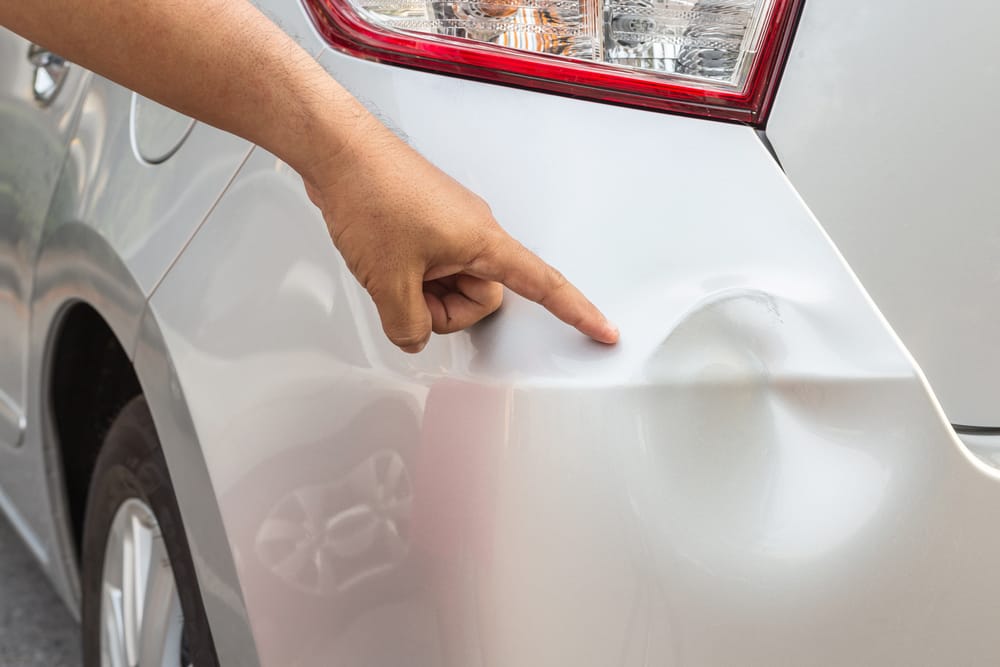
Paintless dent removal removes small dents and dings from your vehicle without painting or refinishing. Using specialised tools, trained technicians are able to target specific areas on your car in order to remove dents quickly and safely. Paintless dent repair can save you time by not having to wait for paintwork or bodywork to dry. It is a method widely used in the automotive industry because it delivers quick repairs to small dings, shallow dents on the car's exterior to original factory condition. Since no painting is involved, there's no need to match colours either. If you were ever curious about performing the paintless dent repairs yourself, it's really pretty simple if you know what you're doing. There are kits available for purchase so anyone can get started but remember, it takes more than just a few tools and some elbow grease in order to properly repair dents. The process almost always guarantees less work for you and fewer headaches down the road. ## Paintless dent repair (PDR), collision repair and dent removal process Just like traditional dent repair, there are three steps involved in the paintless dent repair process: assessing the damage, removing the dented area, and finally restoring your vehicle to its original state. If you have ever seen someone use a stud finder at home to locate studs behind drywall or plasterboard, this method works much the same way, only with a few "studs" holding your car's metal body panels in place. A technician will use an array of equipment to mark the locations of these studs and then proceed with removing your dent. Because paintless dent repair work requires smaller tools and targeted equipment, the damage is typically limited to the dented area only. This means that there won't be any secondary bodywork required to restore your car's original finish. Even though paintless repair uses heat for removing the auto body dents, it forces no additional chemicals into your vehicle or onto its surface so you can have peace of mind that no harmful toxins are being used on your car. The process of paintless dent removal is faster than traditional dent repair [methods by a panel beater](/guides/panel-beaters-smash-repairs/what-is-a-panel-beater), but the results are quicker. You don't have to wait for longer times for repairs to be completed. The paintless dent repair method is definitely the more economical choice to remove dings with a better end product. Most paintless dent repairs are less time consuming and take a day or less to finish. ## How does paintless dent removal work? The process begins with a technician inspecting the vehicle to gauge how many dents there are and what kind of damage they have caused. This can be done by using a special light source, which reflects shadows from the dents to provide a clear view of their location and depth. Once the damage has been identified, all loose or broken paint will be carefully removed from around the area. The dent will then be 'pushed' out with a special tool to return it back to its original shape. At this point, almost all repairs could be completed in a single step. However, if further attention is needed, a second round of pushing may be required. After this process has been finished, any exposed metal will be treated with chemicals that prevent rust and corrosion. Paintless body repair does not utilise body filler nor paint to fill dents in repairing dents. Paintless dent repair is non-invasive. Generally speaking, custom tools are used to restore the vehicle's body to its original position. The process is repeated severally to repair a deeper dent. This approach to small dent removal helps preserve the resale value, which is the case when body filler and paint are used. ## What does paintless dent removal cost? Paintless dent repair (PDR) is less expensive than traditional auto body repair work. The way it is performed means there is less labour and wastage involved. Repairing a single dent with PDR can take between 30 minutes and an hour, whereas traditional repairs may take two or three hours. You may even be able to do the repairs yourself if you have the correct tools and knowledge ## What kind of dents can paintless dent removal fix? Paintless dent removal (PDR) is ideal for smaller dents. It is recommended where the paint surface has not sustained any damage. Some examples include: - Hail storm damage. - Fender benders. - Minor door dings. - Minor bumper scuffs. - Small bubble repairs. You can't fix major damage, such as holes in the body of a car. Paintless dent repair is suitable for larger shallow dents damage. The PDR process is ineffective in the repair of very sharp dents and body creases. You can use paintless dent removal to make your vehicle look better than it did before an accident. There are some bigger dents that are simply too complicated to repair with PDR. If this is the case, you may be better off consulting an [auto body shop or panel beater](/guides/panel-beaters-smash-repairs/panel-beater-costs-australia) for traditional repair methods. ## How successful is paintless dent removal? Paintless dent repair is very successful at bringing the vehicle's exterior back to its pre-damage condition. Once repaired, dents are much less noticeable than before because the paint has not been affected, and the damages blend in with existing damage on the vehicle. It is an alternative to standard body repairs, which involves repainting the entire vehicle. There are many benefits associated with paintless damage repair, including: ### Better quality repairs PDR returns your car to its normal state without affecting the original paint job. PDR only works on small dents that do not require extensive bodywork. If you leave larger dents alone, you can save yourself some money because there will be no need for touch-ups or repainting after the dent is removed. However, touch-ups may still be needed if deep scratches were caused by dents. ### Less downtime When you have PDR carried out, your car will be ready to drive away in less than an hour. This means it has minimal impact on your day-to-day activities. You don't have to waste time transporting your vehicle to and from a service centre or waiting around while repairs are completed. ### Saves you money PDR is the cheapest way of repairing minor dents, saving you up to 70% off traditional methods of repair work. It is a virtually no-risk method for returning a damaged car back into its original condition at a much lower cost than that required for body shop work or repainting. Car owners with older cars should especially consider paintless dent removal, as it is a cheaper and more practical option than repainting. Paintless dent removal (PDR) requires professional-grade tools, skills like those with highly trained technicians who use specific techniques to deliver lasting results. If you attempt these repairs yourself, you might end up causing more damage than good. ### How can you fix hail damage? Hail damage repair works by pushing the metal surrounding the damage back into its original shape. This means that no filling materials are required, just some gentle tapping with special tools that form an extremely hard alloy to push out dents without adding any extra weight. Hail damage will only affect the surface of the metal, so it will not have much impact on your car's structural integrity. PDR hail damage on both aluminium and steel panels. ## How much does paintless dent repair cost? Paintless Dent Repair (PDR) is around 30% cheaper than traditional repairs, with prices, often including call-out, around $150. There are a variety of factors that can influence the cost of PDR, including the below. - The severity of damage to your vehicle. - Number of dents needing repair. - Bodywork is needed to restore the original shape and finish. For example, if you have hail damage to your car's hood and fenders, as well as a couple of door dings, the overall amount of damage will be greater than just one large dent on one panel or door. In turn, there will be an increase in the labour time required to complete the task. The same applies to vehicles with extensive paintwork damage after being involved in accidents. This type of repair is much more involved and will take a lot longer to complete. Interested in a career in collision repair? Take a look at the [JobOutlook website](https://joboutlook.gov.au/occupations/panelbeaters?occupationCode=3241).

Panel Beaters & Smash Repairs Guides & Resources
What is a Panel Beater?

What is a Panel Beater?

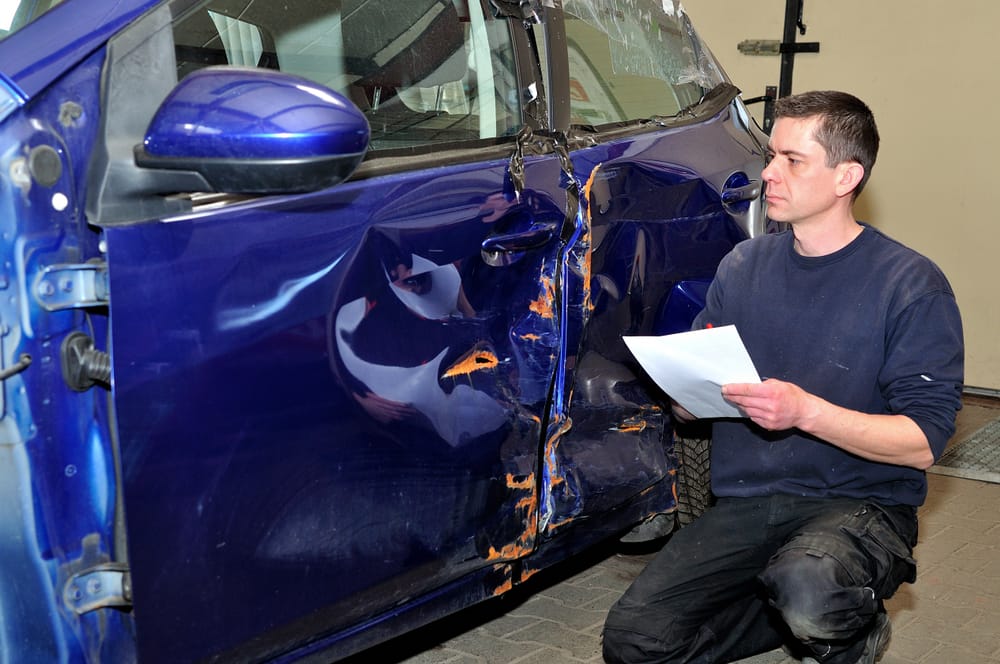
A panel beater is a person who repairs dents and replaces damaged panels on cars. A panel beater typically works in an auto body shop, which can also include mechanics who service and repair any damaged car. ## What are the skills of a good panel beater? The panel beating sector in Australia is stable, and job growth for panel beaters is projected to continue rising. This is partly due to more people becoming car owners, a trend that is on the rise. Job opportunities are therefore available to those with the right panel beating skills. A good panel beater should have experience in bodywork, know how to use different hand tools and equipment, and understand undercoating. A good eye for damage is also important as it can affect the final outcome of the repair. Having advanced knowledge of other auto systems can also help you improve efficiency during accident repairs. You should have excellent communication skills so that the customer feels confident giving you their car to fix. For example, if they are unhappy with your panel repairs service, they should feel comfortable enough to approach you about it without being made to feel intimidated or embarrassed. ## What education do I need to become a panel beater in Australia? By completing an apprenticeship, most panel beaters are trained to become trade qualified. You'll need on-the-job training as well as classroom education and experience to complete an apprenticeship, which you can do in [New South Wales at TAFE](https://www.tafensw.edu.au/course/-/c/c/AUR32116-01/Certificate-III-in-Automotive-Body-Repair-Technology). Alternatively, you can enrol in a registered training organisation to complete the Certificate III in Automotive Body Repair Technology (AUR32116). ## What can a panel beater do? A panel beater performs a variety of tasks, including removing dents and replacing damaged panels. They can also replace broken windows, lights, bumpers, bonnets, and headlamps. In some cases, they will also install car accessories such as spoilers or alloy wheels but may require the help of a mechanic. ## What are the working conditions like for a panel beater? Most panel beaters work in an auto repair shop. Some may also work from home, where they restore and repair cars for private customers to a desirable pre-accident condition. Many shops pick up and deliver damaged vehicles to save time, so this is something that you should consider if you're planning to do your own repairs outside of a shop environment. A panel beater must have good manual dexterity and emotional resilience to deal with different types of people who will come into their workplace with all sorts of problems related to their car. They need to stay calm under pressure and not become agitated when dealing with others who are frustrated about the damage done to their car. For more information on panel beaters, and why it may make a good career, take a look at the Australian Government's [Your Career website](https://yourcareer.gov.au/careers/3241/panelbeatert). ## How does a panel beater does fix a dent in a car? There are a variety of processes that a panel beater must follow when fixing a dent in a car. They begin by assessing the damage and deciding what tools or equipment may be needed to complete the job. Panel beaters generally use their hands to ensure that they can get into all angles and places where dents may have formed. If this isn't enough, then more heavy-duty equipment such as hammers and dollies will be required, along with other materials such as springs or pressure bars, depending on the severity of the dent. The panel beater shapes these materials to ensure that they can pull out any area of damage easily, without damaging surrounding areas. Sometimes levers such as screwdrivers are used under plates such as bonnets and trunks for leverage when metal is being pushed inwards. Once all of the damage has been removed, the panel beater cleans away any dirt or debris from the area before painting over it. ## What are some daily tasks of a panel beater? Panel beaters usually start their day by inspecting damaged vehicles that have come into their shop to determine what different types of tools will result in an efficient job. They may also prepare necessary equipment needed for completing repairs on broken parts, along with checking which suppliers have available stock. After this, they complete the initial assessment on the car and begin work by removing dents found through hand-shaping or using more powerful tools such as pneumatic guns. If there are scratches, these are usually removed first by sanding down the area. When the paintwork is ready, they then begin to strip out old layers of paint until all that remains is bare metal. The next step involves masking up the car to prevent any damage while stripping off old paint through chemical application. Dipping baths are sometimes used for this task which may also involve adding materials such as fibreglass to strengthen certain areas before painting begins using spray guns and specialist roller brushes. ## What tools does a panel beater use? Panel beaters use a variety of tools for repairing dents on cars to restore vehicles to near factory state. These can be as simple as mallets and dollies, which they use to gently tap and shape metal, right through to more complex gear such as pneumatic guns or dipping baths. An auto body mechanic can also use mechanical and hydraulic equipment when removing or refitting body hardware. Panel beaters also gain experience with equipment such as sanding machines which help them remove paint from areas where scratches may have occurred. They rely on panel beating drop sheets to protect carpets and other interior surfaces such as seats while these repairs are underway, so they cannot afford to damage any of the vehicles themselves. Other important tools include masking tape, protective gloves, and face masks, along with spray guns that they use for under-coating and painting over damaged areas once all work is complete. Smash repairers may also use welding equipment to weld together panels or damaged body parts. ## Do panel beaters paint cars? Although many panel beaters carry out repairs on dents and scratches or fit replacement panels, they do not usually paint cars. Panel beating can exclusively involve repair work of vehicle bodies. The spray painting work can then be finished by a technician knowledgeable in auto paintwork. ## What are some safety precautions taken by a panel beater? Safety is always one of the most important things to consider when being a panel beater. They must ensure they have protective equipment such as gloves and face masks along with drop sheets, sanding grids, and other materials so that they can work safely in their workplace. Offering training for staff to ensure everyone knows how dangerous chemicals used for stripping paintwork maybe if not handled correctly, means that they will work more efficiently, thus protecting them from any harm. Disposing old paint correctly ensures that these chemical containers do not end up in landfills which could cause environmental problems down the line. When using power tools such as pneumatic guns, it is important that they avoid these from extending beyond their palms or arms as this could cause serious injury. They must also be aware of the dangers involved if any moving parts such as levers and screws are left exposed where fingers can accidentally become caught in them, causing injuries. ## What are the working conditions of a body shop? A body shop is usually very busy, so there isn't a lot of downtime. It's important to not lose focus on your job at all times. Otherwise, it could take longer for you to finish fixing cars which means you don't get paid as much or have customers waiting longer for their cars to be fixed, resulting in dropping sales and customers leaving. You should always wear steel-capped boots as it is important to have a secure area where repairs can be carried out, with good ventilation and lighting. All of this ensures that everyone is kept safe while they work within the panel beating industry. ## How much do panel beaters charge in Australia? Panel beaters within Australia are generally paid per hour. They can earn anywhere from $35 to $50 per hour, depending on their experience and the type of car they are repairing. Simple jobs such as front bumper replacement can be charged less. Notably, though, the cost will vary greatly depending on the extent of damage sustained by the vehicle. The cost will rise if body hardware (like door locks, the body itself to enable chassis alignment) needs to be removed for repair work to take place. Contact your panel beating service provider for an assessment of the vehicle and how much it may cost to restore damaged parts. ## Can I fix my own car dents instead of using a panel beater? It is often cheaper and much less hassle if you take it to a professional for repairs. However, there are many people who enjoy repairs as a hobby and will perform these tasks on their own car or other vehicles such as motorcycles. It's important to always buy quality materials when doing repairs so they last longer and everything is done properly, which means checking if the tools, equipment, and paints being used are top-quality. You must have a lot of patience when repairing or painting because it will take time for this process to be complete which means no instant gratification from finishing a job quickly. Repairing a dent requires a lot more work compared to just painting, but if you're up for the challenge, then it could prove extremely rewarding at the end of the day.

What Does a Panel Beater Do?

What Does a Panel Beater Do?

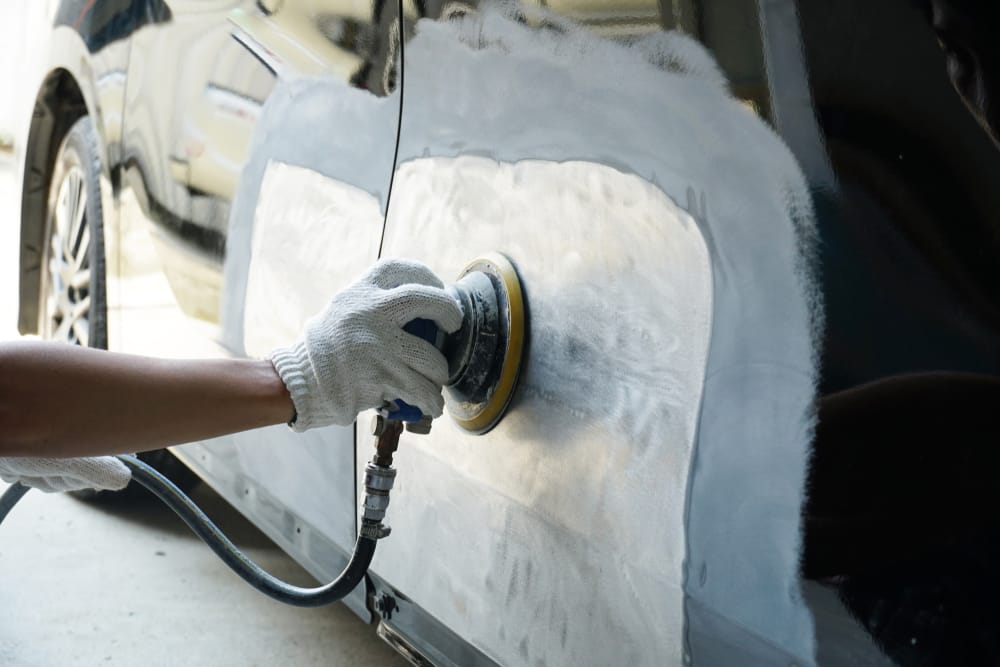
A panel beater repairs damage to the body of an automobile with metal filler and body tools. Panel beaters repair damage on vehicle bodies and endeavour to restore damaged vehicles to factory state. A panel beater, also known as an auto body mechanic, may work in a large shop that provides many services or in a small independent shop that concentrates on high-end vehicles or racing cars. In some shops, a worker designated only as a panel beater does all the various jobs in the course of repairing a car from start to finish with no one working under him or her. In most cases, however, there are separate workers who specialise in such areas as cutting out dents, patching panels, chassis alignment, and spray painting. The term "panel beating" comes from the older days when it was common for cars to have separate external panels. Before dent-resistant modern plastics were used in place of metal, cars had external metal bodywork that could be dented or damaged. The damaged panels would then need to be beaten back into their original shape with a hammer and dolly (a pair of tools). ## Which are some of the panel beating tasks? A panel beater may do one part only of fixing an automobile, such as replacing a section of metal on either side of the doors called "door skins," but many other tasks are also required before a [panel beater](/guides/panel-beaters-smash-repairs/what-is-a-panel-beater) is finished. Some common ones include: ### Cutting Cutting out any dents or creases in the metal of the car body. Irreparable sections of the vehicle body are fitted with replacement panels. Cutting may also entail replacing damaged panels. ### Priming Bulk priming any bare metal to stop it from rusting so soon after replacing damaged panels. ### Welding Spot welding attaches replacement pieces of sheet metal by melting a small amount of metal on the panel being repaired and adding it to the new piece, then holding until cool enough to allow handling. ### Sanding Sanding down excess filler material. If body filler was applied in the panel beating process, it must be sanded down until the car body is flush with the original parts. ### Milling Sanding down excess filler material to a smooth finish. ### Painting Cleaning the panel with solvents before painting and refitting body hardware that may have been removed to enable easy repair of damaged panels. The above list is not exhaustive but gives an example of the many tasks which are required by a body shop to repair one vehicle alone, never mind multiple vehicles at once. When all these steps have been completed, the worker then applies the relevant auto paint sealant coatings to protect it from damage in the future. ## What tools does a panel beater use? As well as a standard bag of tools, often including hammers and dollies, the majority of automotive panel beaters will also have access to the below tools. - A welder or plasma cutter. - Welding rod, flux core wire electrode. - Edge sealer. - Sandblasters with different grades of paper. - Spray gun for applying primer. - Spray gun for paint care coatings. Typically water-based paints or sealants with anti-scratch properties that are applied by airless spray systems. - Mechanical and hydraulic equipment necessary to repair cars of a vehicle. The equipment used determines the type of repair process needed. For example, if the filler is used, then certain types of sandpapers may be required to ensure an even finish prior to painting, whereas if a panel needs to be cut out, then a plasma cutter or welder will be needed. Damage that goes down to the metal may also mean that an edge sealer is required before welding the new piece in place, further adding to the range of equipment necessary for undertaking a repair. In addition, tools such as sheet metal shears, clamps, and dollies are needed when traditional body building methods are used without modern-day adhesives and fasteners. Using dollies during this process, otherwise tight areas can become stuck together, which could cause further damage down the line if the connection is broken by prying them apart. ## What skills do you need to be a panel beater? Panel beaters must first complete an automotive body repair technology course at a Registered Training Organisation, and a supervised apprenticeship. In addition to being able to work with a range of tools, automotive panel beaters must also have the following skills: - Manual dexterity. - Good eyesight and visual awareness. - Understand how different tools, materials, and techniques work together to restore vehicles. - Be able to use a variety of power tools, including grinders, welding equipment, etc. - Familiarity with a range of chemicals used in the repair process, such as solvents for cleaning metal/filler material or paints/primer coatings which may be water-based or solvent-based or acrylics. ## How much does panel beating cost in Australia? It is worth bearing in mind that good repairs are not cheap, and cheap repairs are usually not good. There is a wide range of prices quoted for panel beating alone, and it is worth noting that a cheap quote does not always mean a good job. However, costs can be broken down as follows: ### Evaluating the damage It could cost $50 to $150 depending on the extent of damage and what needs to be done. ### Repair work Around $120 per hour is an average based on quotes from service providers in major Australian cities like Sydney, Adelaide, Perth. Quotes by smash repairers can vary significantly depending on where you are, which has its own set of variables such as location, distance to supplier/repairer, etc. It then follows that a good panel beater will also be expensive. It is important for customers to remember that however cheap a quote may seem, they still need to consider the quality of work which is ultimately more important than price alone. The average cost of a small panel beating job in Australia starts at around $1,000 and can easily go up to $10,000. ## How much does it cost to panel beat a car door? The cost to panel beat a door can vary depending on the extent of the damage. For example, if the door has been in an accident and needs significant repairs such as welding, then this would mean that panels inside the door also need to be repaired, which would add to the overall price. For small jobs such as dents or scuffs that do not require cutting out of metal, it is possible to get quotes for around $200- $300 dollars per door though costs can go up significantly if: - The job involves cutting out and replacing damaged metal. - The work involves removing and replacing door handles, windows, door locks, etc. In addition, it may be necessary for the door to be repainted if any bare metal is exposed after removing dents. In terms of labour costs, many small jobs tend to take 1-2 hours per door which means that a three-man crew can complete around 6 doors during a standard 8 hour day. ## Why are panel beaters so expensive? Panel beaters are not cheap because they put in a great deal of effort and skills to meet certain standards of workmanship in order to ensure that the quality of the repair is up to par with what it would have been if no accident had occurred. This applies both during initial repairs and for ensuring that paint match colours, gloss levels, etc. are as close as possible to pre-accident condition. In addition, many panel beaters are now part of large national/international companies in the automotive industry, which means they can tap into local research and development, which has enabled them to become more innovative when it comes to repairing cars based on their structural soundness. All this adds time and costs, which is why customers need to consider whether their car really needs a complete repaint or if the damage can be repaired by just priming and painting, door handle replacement, etc. For more information on panel beaters, and why it may make a good career, take a look at the Australian Government's [Your Career website](https://yourcareer.gov.au/careers/3241/panelbeatert). ## Can I fix my own car dents instead of using a panel beater? There are various costs associated with DIY panel beating, which include the below. ### Tools Tools will include hand tools such as hammers, dollies, files, etc, plus the cost of any specialist equipment that is required, such as an electric or pneumatic sander. ### Materials Materials such as filler material, paint primer, and spray paints all of which need to match factory requirements for gloss level, etc. Many dealerships have a supply of colours from major manufacturers, but they may not necessarily have the specific type of material needed, e.g., a filler suited to one particular model, so this needs to be sourced through a third party supplier/panel beater/body shop before work begins. ### Labour costs The hours spent on research, sourcing materials, and completing small jobs need to be calculated as part of the overall cost. All up, it is not possible to put a dollar amount on DIY repairs since there are so many variables involved, but these can range from around $100 per for simple repairs that do not involve welding spots or painting to several hundred dollars an hour depending on the complexity of the job. For example, if doors need to be removed and hinges repainted, then labour costs go way up.

Panel Beater Costs Australia

Panel Beater Costs Australia

Some panel beaters will organise for an accident replacement vehicle in situations where car repairs might take a long time. The cost of a panel beater job around Australia will vary depending on your location and the extent of the damage but on average, panel beating damage to a car will cost between $2,000 to $3,000. Dent and deep scratch automobile repair costs start at around $1,000 and may rise considerably. ## How much does panel beating cost? Many factors determine the panel beating cost. Repairing dents and paint scratches will differ depending on the size, depth, and location of the dent or scratch. You can also budget for an additional panel beater cost associated with repainting a damaged area which should be quoted prior to starting any smash repairs. Panel beater prices for vehicle dent removal start from around $500 and much more if extensive car damage has been caused. Bear in mind panel beating jobs will also depend on your car type. Smaller dents that are surface defects can be removed by sanding down the affected area, and applying body filler may start at around $300. Cost is also dependent on the amount of metal or paint that needs to be removed and how much filler will be required for the job. ## What does a panel beater do? A [panel beater](/guides/panel-beaters-smash-repairs/what-is-a-panel-beater) repairs or replaces steel panels on cars, trucks, and other vehicles to make them look as good as a new car. The process usually involves removing scratches or dents from the body of your car, car door repairs, restoring any damaged pieces of metal with aluminium or plastic filler, and repainting the area. If your car has become a victim of hail damage, it will require specialised tools that are designed to hammer out small dents in windshields, roofs, or hoods. ## What tools do panel beaters use? Many panel beaters use a number of tools to complete car repairs, including dollies, which are used to form sheet metal around curves, crimpers for making sharp creases, and mallets that are struck against dollies or other tools that require reshaping. A panel beater's job is [considered an art](/guides/panel-beaters-smash-repairs/what-does-a-panel-beater-do), and the combination of technology and skill required to carry out successful repairs means that getting your car repaired at a panel shop can be expensive because of the time that can be involved in getting your car back to its former glory. ## How long do panel beaters take? The amount of time a panel beater takes will depend on the extent of work required and whether you have an appointment or you're paying for an express service. A simple vehicle repair can take as little as a few hours, but a more complex job may mean the panel beater needs to have your car for a few weeks. In conjunction with the insurance companies, some panel beaters will organise for an accident replacement vehicle in situations where car repairs might take extended periods to complete. ## When do I need to use a panel beater? There are several warning signs that indicate your car needs the attention of a panel beater, such as delamination panels, minor body dents, and paint scratches or scuffs on the rear or front bumper. Much like an oil change in a car, getting damage to your vehicle fixed early means that you're less likely to incur additional panel beating costs down the track, so it's best to get these repairs attended to at a panel shop as soon as possible. When you get involved in an accident that damages the body of the vehicle, you need the best panel beater available in your local area to restore the car to its pre-accident condition. Smash repairs will be cheaper than buying a new car which may set you back several thousand dollars. ## What damage does a panel beater fix? Panel beaters can fix any kind of body damage, including the below. - Hail damage. - Minor accidents where another vehicle has caused minor scrapes or scratches along with paint transfer from one vehicle to another. - Car park mishaps when someone has bumped into your car. - Dents on the surface of the vehicle and deep scratches. - Minor dents that don't require extensive work or metal replacement. - Complete body panel replacement and large dent repair services. ## What is the difference between a panel beater and an auto body technician? Panel beaters are tradesmen who carry out repairs to vehicles, including cars, trucks, and motorcycles. In contrast, an auto body technician is a skilled worker who can carry out extensive work on vehicles. Auto body technicians have been trained in the required skills needed for more complex repairs on metal panels that have been dented or damaged from accidents involving different kinds of vehicle damage. ## Why is panel beating expensive? Getting your car repaired at a panel shop can be expensive because of the time that can be involved in getting your car back to its former glory. Doing repair work for dents on the surface of your vehicle will take less time than working on more intricate damage that involves removing paint or de-lamination panels. The type of vehicle you own and where it has been damaged is also another determining factor. If it has suffered hail damage, this means specialised tools will need to be used, so expect to pay more compared with minor scuffs or scratches. ## How much does a panel beater charge per hour? On average, an experienced panel beater charges around $40 per hour. Part of a panel beater's job is to assess the extent of work that needs to be done, how long it will take, and then provide you with an estimate as to what the smash repair costs are likely to be so if they've given you a free quote you should expect this price won't change as it includes their assessment time. This is standard practice within the industry. ## Will panel beating increase the value of my car? Hail and accident damage will affect the resale value of your vehicle, but fixing these issues with a panel beater may increase its marketability as it's an indication that your car was repaired using genuine materials, high-quality paint job done to the highest standards, so you don't have to worry about further problems occurring. When replacing damaged panels, request genuine parts, even though doing so may hike the total cost of the panel beater. The use of non-genuine parts may decrease the value of your car. ## Will my car insurance pay for panel beating after an accident? Insurance companies will pay for the total cost of panel beating a vehicle after an accident only if it falls under comprehensive insurance. As a general rule, you won't be covered if your insurance policy falls under third party or third party fire and theft. ## What are the advantages of using a panel beater? Using a reputable company or a reliable panel beater that specialises in dents, scuffs, and scratch repairs minimises the risk of further problems occurring after repairs have been carried out, which means you're unlikely to experience any loss of value on your car. Quality smash repair work will thus save money in the long run. Another advantage is that your insurance company will only pay insurance claims for work that an approved repairer has completed. Hence, doing repairs with a quality tradesman makes it easier to claim your vehicle insurance. Looking for a career as a panel beater? Take a [look at JobOutlook](https://joboutlook.gov.au/occupations/panelbeaters?occupationCode=3241).

Frequently Asked Questions

Can you match the paint colour?

Most factory finishes now utilise multiple coats of specialised paints.

If the car structure is damaged, is the car going to be a write off?

The car is a write off if the repairs exceeds the value of the vehicle. This is determined by your elected insurance company.

Do I need to use genuine car parts to keep my warranty?

Non-genuine parts will generally come with their own warranty, even if it voids your car’s warranty to cover the part in the future.

What is an itemised account for car repairs?

Before approving car repairs, ensure you get an itemised account of the cost breakdown to ensure you’re receiving fair prices on parts and labour.

Who do I pay my excess to?

If you have insurance excess, it’s up to you to pay the panel repair shop. Your insurance company will handle the rest.

What happens if my vehicle is not drivable?

If the vehicle is not drivable, you can arrange to have it towed to a workshop and where it can be taken care of.

Do I pay the excess if the accident was not my fault?

Third party insurance should cover the need for excess through your insurance. Talk to your personal insurance provider for more information.

Do I need to notify my insurance provider before car repairs?

Definitely. Let your insurer know prior to repairs so they can inspect the vehicle, if needed, and to ensure they can cover the cost.

Download Our App

Screenshot of the Localsearch App
Card highlighting that you can claim and future proof your business with the Localsearch App

Localsearch App

Find local businesses - anywhere, anytime.

Available on the Apple App Store iconAvailable on Google Play icon
Screenshot of the Localsearch For Business App
Screenshots of the Performance and Notifications sections of the Localsearch for Business App

Localsearch For Business App

Manage your business - anywhere, anytime.

Available on the Apple App Store iconAvailable on Google Play icon