
Glass Repairs & Replacements Guides & Resources
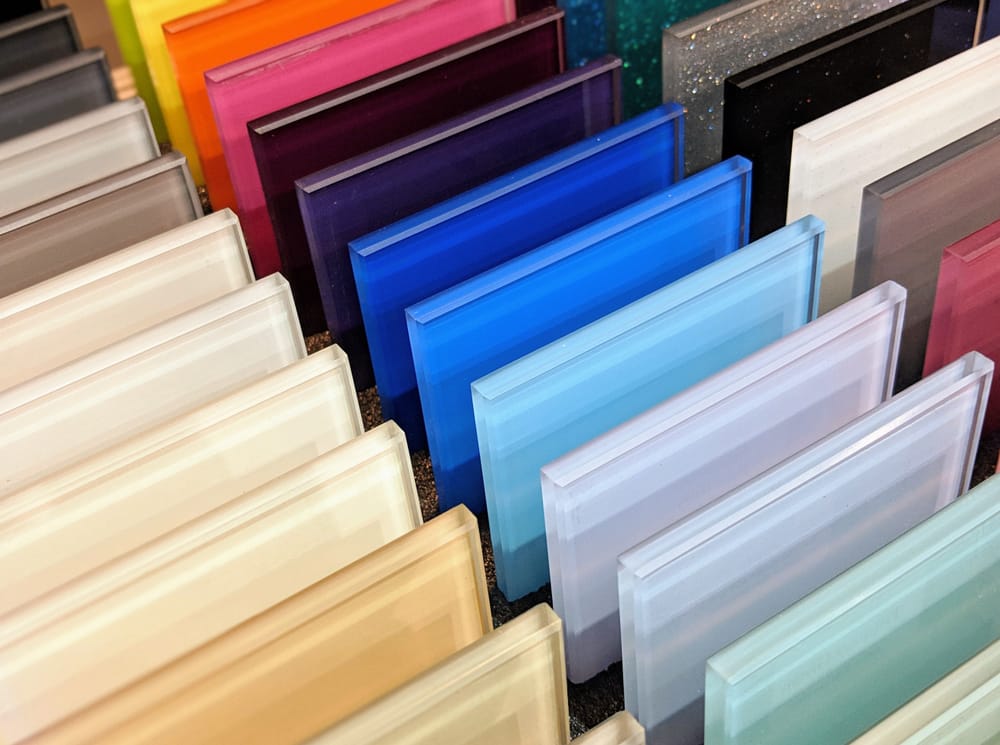
E glass vs S glass
S glass is much cheaper than other types of ordinary glass, but it’s also weaker and more susceptible to scratches. When it comes to choosing between e glass and s glass, there are a few things you need to consider. Both types of glass have their own unique features, so it’s important to understand what each one can offer before making a decision. E glass, also known as electrical glass, was the first type of glass used for continuous filament formation. It is the most standard material between different composite materials used to make most glass fibres. E glass is made from annealed molten glass, which is tempered and then treated with an electric current. This treatment causes the surface of the glass to become harder and more resistant to scratches and staining giving it high tensile strength. E glass also is alkali-free and has higher mechanical properties and insulation value than untreated glass, making it a better choice for energy-efficient homes. S glass is a high-performance glass fibre and is also used as a composite material for glass fibres. It is made from soda-lime silicate (also known as soda-lime glass), which is a type of non-tempered glass. It’s less expensive but it’s weaker and has low tensile strength. But if you need a material that’s easy to cut or drill into, such as in the case of stained glass projects, then S glass is your best option. It even comes with its own set of benefits, including: - Higher light transmission levels than E glass - Lower price point than E glass When choosing between E glass and S glass fibre for your decorative project, think about what type of lighting will be installed behind the finished product. If you know you need low-iron tempered laminated safety class 1 clear decorative float, then you can use either type of glass. However, if you plan on using an LED strip for lighting, you’ll have to use E glass because the light emitted from an LED strip will look brighter with lower iron content. When it comes time to order your decorative glass, make sure you request samples so you can see how each type of glass looks under different lighting conditions. Both types of glass are available in clear and textured finishes, so adding texture or colour is easy if you choose S glass. However, keep in mind that any scratches or staining will be more noticeable on textured S glass than non-textured E glass. ## Which is stronger, S glass or E glass? S glass is the greater strength glass fibre of the two types of composite materials glass with much higher tensile strength, but it also has a higher price point. S glass is less expensive than E glass, but it’s also weaker and more susceptible to scratches. If you need a material that’s easy to cut or drill into, then S glass is your best option. But if you need a material that’s strong and durable, then e glass is the better choice than other fibres. When it comes to choosing between E glass and S glass, there are a few things you need to consider. Both types of glass have their own unique features, so it’s important to understand what each one can offer before making a decision. ## What are the benefits of E glass? E glass is one of the most popular glass fibres with good resistance to chemicals and high acid resistance and very good strength properties as compared to carbon fibre and other synthetic fibres. It's composite materials mainly include silica (SiO2) and alumina (Al2O3), which gives it these properties. E-glass has high tensile strength, low thermal expansion, excellent stiffness, low water absorption. Moreover, it is a high alkali-resistant glass and can also be made simply. Because of its excellent properties in all aspects of corrosion resistance, mechanical properties and electrical insulation, E glasses are used for many applications in different fields like surfboard construction, aerospace industry or the building and construction sector to make brake disks for vehicles. ## What are the benefits of S glass? S glass was originally developed for military use since it has much better strength than E glass. It is the best option in textile reinforcement where high strength and fit are required. It is also used in building and aircraft construction along with military missile applications. The benefit of this glass is its ability to be spun into very thin threads (Crimp yarn). So it can give an extra thin protective layer against cuts or abrasion, but at the same time, the cut resistance properties cannot match textiles like Twaron or Kevlar carbon fibre which is an alternative woven fabric. ## How does S glass compare to other types of glass? The difference between the two glasses is that S-glass is much cheaper than other types of ordinary glass, but it’s also weaker and more susceptible to scratches. If you need a material that’s easy to cut or drill into, then S glass is your best option. But if you need a material that’s strong and durable, then E glass fibre is the better choice than any carbon fibre. They are not comparable to [comfort glass or double glazed glass](/guides/window-tinting/comfort-glass-vs-double-glazing). When it comes time to order your decorative glass, make sure you request samples so you can see how each type of glass looks under different lighting conditions. Both types of glass are available in clear and textured finishes, so adding texture or colour is easy if you choose s glass for fibreglass cloth. However, keep in mind that any scratches or staining will be more noticeable on textured S glass than non-textured eEglass. ## Which type of glass should I choose for my project? That depends on what you need the glass for and how you plan to use it. If you need a material that’s easy to cut or drill into, then S glass is your best option. But if you need a material that’s strong and durable, then E glass is the better choice. With much higher tensile strength. When it comes to choosing between E glass and S glass, there are a few things you need to consider. Both types of glass have their own unique benefits and drawbacks, so it’s important to understand what each one can offer before making a decision. Requesting samples is the best way to make an informed decision, so be sure to ask your supplier for a few samples of each type of glass before you make your final choice. You may even consider using [laminated or toughened glass](/guides/glass-repairs-replacements/laminated-glass-vs-toughened-glass).
Glass Repairs & Replacements Guides & Resources

Frequently Asked Questions
How much does a window cost?
How much does a window cost?
The cost of any window changes depending on the size, type and labour involved in fixing the window.
Why does my window have to be safety glass?
Why does my window have to be safety glass?
The current Australian Standards AS-1288 states: any glass under a certain height, size and location has to be glazed in safety glass.
What’s the difference between float and safety glass?
What’s the difference between float and safety glass?
Float glass breaks into big sharp chunks everywhere. When safety glass breaks, it breaks into millions of little pieces reducing the potential harm.
What’s the difference between repair and replacement?
What’s the difference between repair and replacement?
Depending on the damage, glass can be repaired without having to replace the whole sheet of glass in the window, door, partition, etc.
What does commercial window, door or shopfront renovation consist of?
What does commercial window, door or shopfront renovation consist of?
Over time, seals around or between glass panels can become worn or dull looking. Maintenance on existing glass will make it look like new.
How does my business maintain for our newly installed glass?
How does my business maintain for our newly installed glass?
Use clean water and if necessary, mild detergent to clean the glass, and never use harsh chemicals which can damage the glass or the aluminium.
How often does the hardware or other materials need to be cleaned?
How often does the hardware or other materials need to be cleaned?
Hardware or materials that are exposed to harsh environments such as being close to the ocean or a pool typically require more frequent cleanings.
How long does it take to fix a door/window?
How long does it take to fix a door/window?
On average a door will take about 1 hour and an average, accessible aluminium window will take about 45 minutes.
I just want the cheapest glass because I rent, why can't I use any glass?
I just want the cheapest glass because I rent, why can't I use any glass?
The Australian Safety Standard (AS1288:2006) denotes what type of glass is used for your property, for the safety of you and your family.
Will double glazed units fit my existing frames?
Will double glazed units fit my existing frames?
If your frames are timber they most likely will. If they are aluminium the new units probably won’t fit.
Download Our App
Localsearch App
Find local businesses - anywhere, anytime.



Localsearch For Business App
Manage your business - anywhere, anytime.