
Paling fence price per metre
What's on this Page?
How do I estimate the cost of a fence?What wood should I use for a paling fence? What about metal fencing?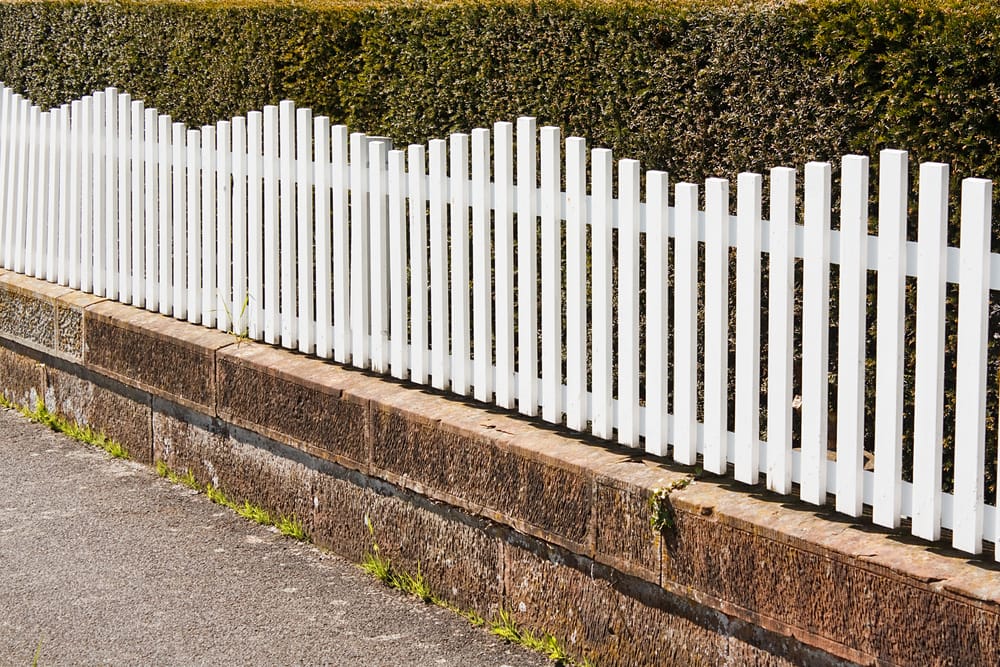
20 March 2023 · Last updated on 20 March 2023
A paling fence is made from wooden stakes or posts, with evenly spaced gaps to make a fence with "pales" between them. Paling fences are often installed by fencing contractors for homeowners to enclose a backyard or create property lines. A fencing project is important for security purposes,old fence removal and installing a new fence. For hardwood fence palings, you can use specific wooden materials. Paling fences and can be plain or decorative. There are many types of hardwood paling fences with varying patterns and designs. These fences have a carrying price per metre. Common patterns installed in timber fencing include horizontal rails between posts, picket-style fences with "V" shaped patterns in the middle, and most commonly - with vertically aligned boards in rows on either side of a post. Paling fences are often made using different fence materials, but timbers are most common. Metal may also be used for certain styles. The sections between posts may hold several different materials, including wooden rails, panels or solid material such as concrete. Paling fences are more decorative than functional since they do not act as a barrier to people or animals. Excluding labour, the indicative timber fencing installation costs per linear metre are:
-
$70 to $130 per metre for treated pine
-
$80 to $140 per metre for a hardwood paling fence
-
$30 to $50 per metre for a 1.5m hardwood timber paling fence
-
$50 to $70 per metre for a 1.8m hardwood timber paling fence
-
$300 to $400 per metre for treated pine timber slat fence
-
$300 for a pre-primed treated pine fence (92mm x 18mm)
-
$60 to $100 per metre for a 1.5m high butt-jointed timber paling fence/picket fence
-
$300 per metre for a 1.5m hardwood Merbau fence (42mm x 18mm)
How do I estimate the cost of a fence?
To get an accurate quote of the cost of a timber fence installation, first measure the length of the desired fence. Then, calculate the number of posts needed and the prices per metre for each type of paling fence. Finally, add up all the costs to get an estimated total installation price. It is important to note that these are just average costs of the timber fencing cost and may vary depending on a few things such as the specific requirements of each fencing project. For example, labour prices and the cost of materials may increase or decrease the fencing cost depending on the quality and type of material used.
What wood should I use for a paling fence?
When choosing a type of material for a timber fence, the following factors need to be considered.
-
Prices and availability
-
The environment in which it will be built
-
Landscape and garden style There are several types of wood that a fence builder can use for a timber fence depending on specific needs.
Pine
Pine is an affordable timber fencing option that is easy to maintain and comes in different grades, such as hardwood or treated pine paling fence. However, this type of timber fence may rot over time when exposed to water and other harsh conditions such as direct sunlight.
Red cedar
A good choice for timber fencing due to its durability. It is naturally resistant to heat, insects and decay. It has a beautiful dark colour and features a straight grain structure.
Merbau
A popular choice for paling fences due to its durability and colour variation. Although expensive, it is worth the investment since it is hardy and resistant. Other types of hardwood, such as Jarrah, may also be used since they last longer than pine.
What about metal fencing?
There are many different metal fences that a contractor can use for a paling fence. These include steel, aluminium, stainless steel and wrought iron fence. Each material has unique pros and cons depending on desired use and costs.
Steel
Steel is an affordable option since it can reduce your fencing cost, but it rusts quickly when exposed to moisture. Therefore, steel fencing is not ideal for humid climates or high rainfall. However, it is highly durable and versatile since galvanized coatings can be applied to provide additional protection against rusting.
Aluminium
This material has the advantage of being lightweight yet durable enough for prolonged exposure to harsh elements such as heat or rain. It does not rust like steel but may flake over time due to oxidisation. This material is also available in different finishes, such as powder coating, to increase durability.
Wrought iron
A popular choice for its traditional look, this type of metal is known for being long-lasting and durable. It does not rust easily, but it has a high cost per metre compared to PVC fencing ,timber fences and other types of fencing materials. To increase the life of iron fences, the existing fence is often coated with paint or an exterior finish.
Stainless steel
This type of metal has many characteristics similar to aluminium, but it has a more affordable cost per metre than wrought iron. It is highly durable due to its high resistance to rain, snow, ice and sunlight exposure precluding any need for maintenance or refinishing over time.
Download Our App


Localsearch App
Find local businesses - anywhere, anytime.




Localsearch For Business App
Manage your business - anywhere, anytime.