Dentists Guides & Resources

Trending Searches

Plumbers

Dentists

Hairdressers

Electricians

Dental Crown Cost

Dental Crown Cost

Dental crowns cover only the top part of your tooth, giving it a protective shield and you a new look. Your dental health is as important as your physical and mental health. If you have cracks or cavities in your teeth due to decay, covering them with crowns becomes inevitable. Having dental crowns fitted is not a cheap process and knowing about the causes, symptoms, and procedure will be of great help in understanding the importance of dental crowns. The dental crown cost is between $1,100 to $2,000. Crowns may last for around a decade or more. You can also remove some cost of a dental crown if your health insurance includes dental treatments. Most insurance policies include a fund for one crown placement every year. ## Is a crown cheaper than an implant? An implant replaces the entire tooth. Generally, your dentist will advise this if your tooth has decayed and there is no other option. Dental crowns only cover the top part of your tooth. Generally, you can get it when your tooth has damage due to an accident or decay, but the root stays intact. It gives your tooth a protective shield and an aesthetic appeal. The procedure is quick compared to the implant that requires you to make multiple visits to your dentist. A dental implant costs more compared to a crown procedure, and both have certain benefits as well. If you prefer to keep your natural teeth, a [root canal treatment](/guides/dentists/how-much-does-a-root-canal-cost) and placing porcelain crowns is a good choice. But if your tooth is completely decayed and you can afford an implant, it may be a better option. Porcelain fused to a metal crown is cheaper than an implant. Given the distinct reasons for each treatment your dentist will be the person who can suggest if you need a dental crown or an artificial tooth. ## How long do dental crowns last? Knowing the factors that decide the life of a dental crown are helpful. The life of your dental crowns depends on the factors outlined below. - Location and condition of the tooth. Whether it is on the rear or front side and its inside and root are healthy. - Care and hygiene habits, i.e. you brush your teeth twice a day or have bad habits like chewing fingernails and removing bottle caps with your teeth. - The manufacturing process, the material used and the installation process also plays a role in the durability of porcelain crowns. - Dental crowns will last long if your gums are healthy and free from any disease. Though there is no fixed answer, a dental cap may last for 5 to 15 years or even a lifetime unless it is a temporary crown. Longevity depends on the types of dental crowns, type of material used, the quality of the treatment, and maintenance after applying the crowns. Without proper care, it may not last even for a couple of years and with enough attention on oral hygiene, it may protect your tooth for multiple decades. ## How painful is getting a crown? It doesn’t cause pain during the procedure due to numbness, but it may cause some discomfort after a few hours when the sensation returns. The placement involves root canal drilling to remove infected parts of the teeth, which is often the cause of discomfort. Covering the tooth with a crown should prevent any infection in the future. Some patients feel tenderness which can be relieved with over-the-counter pain medicine. You can take it for a couple of days to reduce the discomfort. If you feel gum soreness after a dental crown procedure, it is because of the edges of the cap that run into the gums. It will cause swelling and inflammation for some time and it is normal. Before you go through tooth crown treatment, your dentist will explain everything, including the pain and discomfort that may happen after the placement of the dental crown. There are solutions for these post-operation effects and you don’t need to be afraid of them. ## Does dental insurance cover crown replacement? Not all policies include this treatment and you will need to check your own to confirm if a tooth crown procedure is covered. If you think you will need to replace your temporary crown in less than a year, you might be able to purchase a policy covering this - the waiting period for minor treatments like check-ups and cleaning is a few months. Some insurance companies provide a waiver of these shorter waiting periods allowing you to get the preventive treatment required for major dental procedures. If you are a pensioner or a concession cardholder, you may get a permanent crown covered free of cost or at a discounted rate depending on your state’s public dental health scheme. Some companies fund this expense for children who need treatments like a dental crown under the family assistance benefits. Most people generally need a [private health insurance policy](/guides/dentists/dentist-prices-without-insurance) to cover tooth care costs like dental crowns - you can compare insurance policies available in the market to ensure that you get it included.

Dentists Guides & Resources

How Do Dentists Pull Teeth?

How Do Dentists Pull Teeth?

If the tooth is only partially broken, the dentist may be able to save it by placing a crown on it. Dentists use a variety of tools to pull teeth. The most common tool is an elevator, which is used to loosen the tooth so that it can be removed. Other tools include forceps, which are used to grip the tooth, and extraction keys, which are used to remove the tooth from the jawbone. Firstly, they will give you a [local anaesthetic](/guides/dentists/how-long-does-dental-local-anaesthetic-last), elevate the tooth to loosen it then use forceps to remove it. Recovery time is typically short. ## Does having teeth pulled hurt? Most patients report feeling some discomfort during and after the procedure. You may be prescribed a strong pain medication If the pain is severe, tell your dentist immediately. ## How do dentists pull wisdom teeth? Because each patient's mouth is unique, there is always a slight risk of complications. Often, if you need all [four wisdom teeth removed,](/guides/dentists/wisdom-teeth-removal-price) a patient may be put under general anaesthetic and require day surgery for them to be removed. ## What problems can wisdom teeth have? Wisdom teeth can grow incorrectly and break through the gums. In some cases, wisdom are unable to grow through the gums. ## What are some complications of wisdom teeth removal? Complications from wisdom teeth removal are rare, but they can occur. The most common complication is damage to nearby teeth. In rare cases, patients may experience bleeding or infection after the procedure. If these complications occur, patients should seek medical attention immediately. ## What is the recovery time for wisdom teeth removal? Recovery varies from patient to patient. For most people, the swelling and pain will peak two to three days after the procedure and gradually improve over the next week. However, some people may experience dry socket, which is a condition that can prolong healing time. If you experience dry socket, your dentist will usually prescribe a medicated dressing to put in the socket, which will help relieve pain and promote healing. Dental specialists may provide a strict care routine following the operation to minimise discomfort and severe pain, which may include a gentle rinse with warm salt water. ## How does a dentist pull teeth that are broken off? If the tooth is only partially broken, the dentist may be able to save it by placing a [crown on the tooth](/guides/dentists/what-is-a-crown-in-dental). But if it is fully cracked or in a bad state the dentist may choose to remove it. ## How do dentists pull teeth that are impacted? If a tooth is impacted, meaning it is stuck under the gum line and unable to erupt through the gums, the dentist will need to use forceps to pull it out. If the tooth is severely impacted, patients may need to have surgery to remove it. This will require a longer recovery time. ## How to heal a tooth extraction The dentist will usually place special cotton ball over the space where the tooth used to be to help stop the bleeding. After about 30 minutes, the patient can remove the gauze and rinse their mouth with salt water. Patients should also eat soft foods and avoid brushing their teeth near the extraction site for at least 24 hours. For the first few days, patients may experience some swelling and discomfort. Ice packs can help reduce swelling. It may take around a week to recover fully. A dry socket can prolong healing time. ## How long does the pain last after tooth extraction? For most people, the pain from a tooth extraction will peak two to three days after the procedure and then gradually improve over the next week. The dentist may prescribe prescription medications to help manage this. Ice packs can also help reduce swelling. Most people will recover from a tooth extraction within a week if the blood clots completely and there are no harmful bacteria. ## What is the difference between a simple and surgical tooth extraction? A simple tooth extraction will be a tooth that is easy to get to and has no complications. A surgical tooth extraction is a procedure in which the dentist removes a tooth through oral surgery that is not otherwise easily accessible, such as an impacted tooth. Recovery time is typically shorter for a simple extraction than for a surgical extraction. However, both types of extractions result in some soreness and discomfort for a few days after the procedure, which is perfectly normal. ## What happens after a tooth extraction? After a tooth extraction, it is normal for there to be some bleeding. There also may be some swelling hours after the extraction. You may also be given a special rinse to use as part of the tooth extraction aftercare process. Follow your dentist's instructions carefully and make sure you book a follow-up appointment. Your dentist can prescribe pain medication if needed. For more information on tooth extraction, take a [look at HealthDirect](https://www.healthdirect.gov.au/tooth-extraction).

What Are Dental Braces?

What Are Dental Braces?

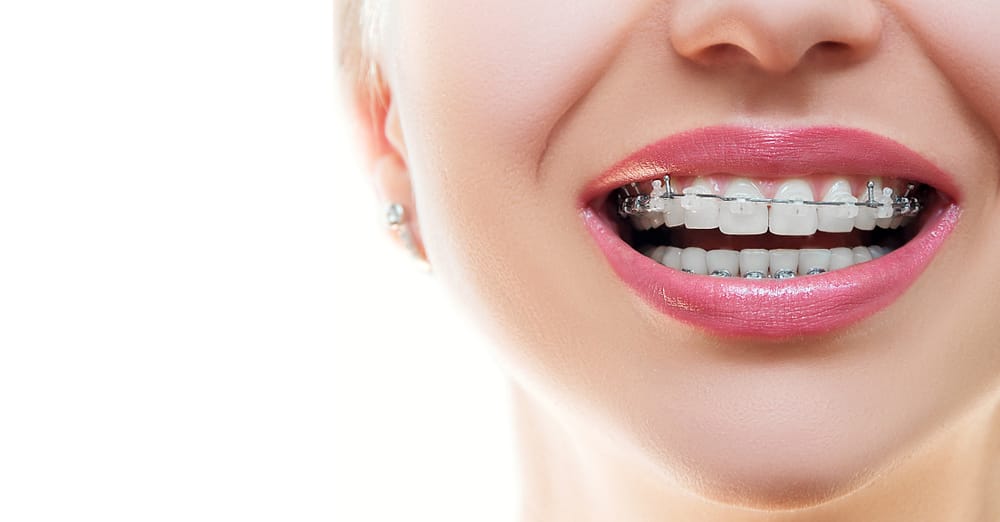
Dental braces gently apply pressure to the teeth and jawbone to reshape. These devices are worn to straighten teeth. They are often used in conjunction with other orthodontic appliances to help move teeth, jaw bones, and even change the shape of someone’s face. Braces are usually attached to the teeth with special adhesives and are tightened periodically to move teeth into the desired position, which can take several months to a few years. An orthodontist will be able to determine the best type of braces for your individual needs and can provide you with more information on what to expect during treatment. ## How do dental braces work? Dental braces gently apply pressure to the teeth and jawbone to reshape. Brackets that are attached to the teeth are connected by a wire and the wire is adjusted periodically to maintain the pressure and keep the teeth moving in the desired direction. The type of braces that you choose will affect how long treatment takes and how comfortable you are during treatment. Metal braces are the most common. Ceramic braces may be more expensive. Invisalign clear aligners are a popular alternative to traditional braces that use clear plastic trays instead of wires and brackets. Treatment with Invisalign generally takes longer than traditional braces but may be more comfortable for some people. ## What is a dental retainer? A dental retainer is a custom-made mouthpiece that may be worn after braces. Retainers are usually worn at night while you sleep but may also be worn during the day for a few hours at a time. Removable retainers are made of clear plastic and wire and can be taken out of the mouth for eating and cleaning. Fixed retainers are permanent until removed by a specialist. They are generally less visible than removable retainers but may be more difficult to clean. Your orthodontist will usually give you a retainer when your braces are removed. It is important to wear your retainer as directed to maintain your new smile. ## How much do dental braces cost? Your orthodontist will be able to give you a more accurate estimate of the cost of treatment after evaluating your individual needs. Many insurance plans cover some of the cost. Some orthodontists also offer financing options to help make treatment more affordable. With proper care, they can last for several years and help you achieve the straight, healthy teeth that you have always wanted. Basic metal braces may cost between $5,000 and $10,000. ## What types of dental braces can I get? The majority of braces are metal braces, which are the most prevalent variety and the most cost-effective. They're constructed of brackets that are connected to the teeth with a wire. To maintain the tension and keep the teeth moving in the proper direction the wire is periodically tightened. Ceramic braces may be more costly than metal braces, but they're generally considered to be more aesthetically attractive. A [dental technician](/guides/dentists/what-is-a-dental-technician) or dentist will be able to help you decide what's best for you. ## How long does treatment take? This depends on the severity of the misalignment and the type of braces that are used. In general, metal braces take the longest to correct dental problems, while clear aligners may be the quickest option. Treatment with metal braces may last between one to three years. Ceramic braces may take a bit longer, while Invisalign treatment may be around six months. ## What are some common side effects of dental braces? The most common side effect of dental braces is discomfort or soreness in the mouth. The soreness usually goes away after a few days, but you can take over-the-counter pain medication to help relieve the discomfort. Some problems are usually caused by poor oral hygiene, which may be [fixed with fillings](/guides/dentists/how-much-does-a-dental-filling-cost) before the braces are installed. ## Are there any risks associated with dental braces? The most common complication is mouth soreness. In rare cases, the brackets and wires of braces can cause injuries. ## What is the best way to care for my dental braces? The best way to care for your braces is to brush and floss regularly. You should also avoid eating hard or sticky foods. It is important to see your orthodontist for regular check-ups to ensure that your braces are working properly. ## How to use dental wax for braces If you're experiencing discomfort from your braces, dental wax can help alleviate the pain. The wax will create a barrier between your braces and your skin, preventing the brackets and wires from rubbing against your mouth. The wax is made from safe, non-toxic materials and can be easily removed with a toothbrush. ## How long do dental braces last? In general, metal braces are worn for one to three years, while clear aligners may be worn for six months to two years. For more information on dental braces, [take a look at HealthDirect](https://www.healthdirect.gov.au/dental-braces-and-retainers).

How Long Does Dental Local Anaesthetic Last?

How Long Does Dental Local Anaesthetic Last?

The effects of dental anaesthetic can vary from person to person but local anaesthetic works quickly, regardless of any medical conditions. The effects of dental local anaesthetic can last for several hours. In general, dental local anaesthesia will wear off after about 4 to 6 hours. ## How long does dental anaesthetic take to work? You will begin to feel numbness, tingling and a stinging sensation in the injection site, then a loss of sensation. Your mouth, lips, gums and bottom jaw may feel heavy or swollen and not be working properly. You should avoid eating or drinking or any physical activity until the numbing effect has worn off completely. This is because you may still be at risk of hurting yourself or even biting something and not feeling it, which is common for many patients. ## What is local anaesthetic? A local anaesthetic is a medication that numbs a specific area of the body. Local anaesthetics are usually injected into the tissue around the treatment area to work as a nerve block yet maintain blood flow. Many dental procedures require local anaesthetics, and the majority will also make your tongue numb. Some local anaesthetics can be used as general anaesthetics (such as propofol), which cause loss of consciousness and total body numbness. However, these are not commonly used for routine procedures. ## How does local anaesthetic work? Local anaesthetics work by blocking nerve signals. They do this by binding to the protein channels in the cell membrane that are responsible for sending pain signals to the brain. When local anaesthetic binds to these channels, it prevents them from opening. This prevents pain signals from being sent to the brain, and the area of the body that is affected by the anaesthetic will become numb. ## Are there any side effects to local anaesthetic? Any temporary numbness or tingling usually goes away when the anaesthetic wears off. Other possible side effects include allergic reactions (such as hives, itching, or swelling), low blood pressure, dizziness, nausea or vomiting and slow heart rate. The area in the mouth around where you had work done, such as a [dental crown](/guides/dentists/what-is-a-crown-in-dental), may be a little tender when the anaesthetic wears off. ## What are the risks of local anaesthetic? Local anaesthetics are generally safe and have a low risk of serious complications. Some of the more serious risks associated with local anaesthetic include allergic reactions, low blood pressure, and slow heart rate. ## What is local anaesthetic made of? The most common local anaesthetics are lidocaine, bupivacaine, and mepivacaine. These local anaesthetics work by blocking the action of sodium channels, which are responsible for transmitting electrical signals between nerve cells. When injected, local anaesthetics can cause temporary numbness and paralysis of the muscles in the area. For more information on local anaesthetic, take a look at [Health Direct](https://www.healthdirect.gov.au/local-anaesthetic). ## Are there different types of dental anaesthetics? Yes, there are different types of dental anaesthetics. The most common dental anaesthetics are listed below. ### Local anaesthesia This numbs a specific area of the mouth and is ideal for work like [dental fillings](/guides/dentists/how-much-does-a-dental-filling-cost). It is usually injected into the gum around the tooth that is to be treated and will make the area numb for a few hours. ### Nitrous oxide (laughing gas) This is a mild form of sedation that can help you to relax during dental treatment. It works to reduce anxiety and make you feel less aware of what is happening around you. ### General anaesthesia This puts you to sleep during dental treatment. It is usually only used for more complex procedures. General anaesthesia is administered through an IV drip or a gas that you inhale through a mask. ### Intravenous (IV) sedation This involves injecting a small amount of medication into a vein in your arm.

What Is A Holistic Dentist?

What Is A Holistic Dentist?

A holistic dentist has an approach to dental care that focuses on the whole person rather than just the teeth and gums. Holistic dentists believe that oral health is connected to overall health, and they take a more natural approach to dental care, using materials and methods that are less likely to be harmful to the body. Holistic dentistry is sometimes called biological dentistry or natural dentistry. ## What does holistic mean? In dentistry, this means considering the mouth and teeth as part of the whole body and taking into account the impact that oral health has on overall health. ## What is the difference between holistic and traditional dentistry? Holistic dentistry takes a more preventative approach to treating dental problems, focusing on keeping the mouth healthy to avoid issues in the first place. Holistic dentists also believe that oral health is connected to overall health, so they may recommend treatments that go beyond just the teeth and gums, such as nutritional counselling or stress reduction. ## What are some of the methods used in holistic dentistry? Holistic dentists may use different materials and methods than traditional dentists. For example, they may use mercury-free fillings, fluoride-free toothpaste, or metal-free braces. They may also use more natural cleaning products and avoid using x-rays unless absolutely necessary. Some holistic dentists even incorporate alternative therapies into their practice, such as acupuncture or homeopathy. ## Do holistic dentists fix cavities? While holistic dentists do [treat cavities](/guides/dentists/what-is-a-tooth-cavity), their focus is on preventing them in the first place. They may recommend dietary changes or use sealants to prevent cavities from forming. If a cavity does form, a holistic dentist will likely use a more natural filling material, such as composite resin, rather than metal. ## What are the benefits of holistic dentistry? The main benefit of holistic dentistry is that it takes a more natural approach to dental care. Holistic dentistry may also be less expensive than traditional dentistry, since it focuses on prevention rather than treatment. Additionally, some people prefer the personalised care that they receive from a holistic dentist. ## Is a holistic dentist more expensive than a regular dentist? The short answer is "it depends." A holistic dentist may charge more for certain services, but overall the cost may be about the same. It really depends on your individual needs and what services you require. Work such as a [dental crown](/guides/dentists/what-is-a-crown-in-dental) should cost the same. ## What work won't a holistic dentist do? A holistic dentist will not do any work that they feel is unnecessary or harmful to the patient. This means that they may not recommend or perform certain procedures, such as teeth whitening, that they feel are unnecessary or could potentially be harmful. ## What are the benefits of seeing a holistic dentist? One of the most important benefits is that holistic dentists take a comprehensive approach to oral health care. Holistic dentists believe that it is important to promote overall wellness in order to maintain good oral health. ## Where are holistic dentists trained? Most holistic dentists have received traditional dental training. ## What are some of the things that holistic dentists do differently? There are many things that holistic dentists do differently than traditional dentists. One of the most important things is that they use natural and alternative therapies instead of traditional treatments. This means that they may use acupuncture, homeopathy, and other therapies in addition to providing dental treatments. Holistic dentists also often focus on education and prevention. They may provide their patients with information on how to maintain good oral health through diet and lifestyle choices. They may also offer services such as teeth cleanings and fluoride treatment to help prevent tooth decay and other problems. ## Is holistic dentistry more expensive than traditional dentistry? Holistic dentistry may not be any more expensive than traditional dentistry. ## Do holistic dentists use anaesthetics? Yes, holistic dentists [may use anaesthetic](/guides/dentists/how-long-does-dental-local-anaesthetic-last) when providing dental treatments. However, they often use less anaesthetic than traditional dentists. This is because they believe that it is important to minimise the use of chemicals and drugs in order to promote overall wellness. ## What are some of the most common treatments provided by holistic dentists? Some of the most common treatments include teeth cleanings, fillings, crowns, and bridges. Holistic dentists may also provide services such as acupuncture, homeopathy, and nutritional counselling. ## Why use a holistic dentist? One of the most important reasons is that holistic dentists take a comprehensive approach to oral health care. Holistic dentists believe that it is important to promote overall wellness in order to maintain good oral health. Another reason why someone might choose to see a holistic dentist is that they use natural and alternative therapies instead of traditional treatments. This means that they may use acupuncture, homeopathy, and other therapies in addition to providing dental treatments. Finally, many people choose to see a holistic dentist because they offer services such as teeth cleanings and fluoride treatments to help prevent tooth decay and other problems. For more information on dentists, take a look at [health.gov.au](https://www.health.gov.au/health-topics/dentists/about).

What Is An Endodontics Dentist?

What Is An Endodontics Dentist?

An endodontics dentist specialises in the innermost layer of the tooth. Endodontists are also experts in performing root canals, which are a common procedure used to treat diseased or damaged teeth. Root canals involve removing the damaged pulp. Endodontics dentists help prevent tooth decay and other dental problems. They are often the first line of defence against these problems, and their skills and knowledge can help to keep teeth healthy and prevent further damage. ## How does an endodontics dentist fix teeth? Endodontics dentists use a variety of techniques to fix teeth, depending on the specific problem. For example, if a tooth has become infected, an endodontist may perform a root canal to remove the infected pulp and then seal off the tooth to prevent further infection. Endodontists may also use other procedures such as fillings, crowns, or bridges to repair damage to teeth. In some cases, an endodontist may refer a patient to another dental specialist for more complex treatment. ## What are the benefits of seeing an endodontics dentist? Endodontists are experts in diagnosing and treating diseases and disorders of the pulp, and they can often provide more effective treatment than general dentists. Endodontists are also skilled in performing [root canals](/guides/dentists/how-much-does-a-root-canal-cost), which can also help to prevent further damage to teeth by sealing off the tooth and preventing infection. Finally, endodontists often have experience with a variety of different dental procedures, which means they can provide comprehensive care for their patients. ## Is an endodontist more expensive than a regular dentist? In general, endodontic procedures are more expensive than [general dental procedures](/guides/dentists/dentist-prices-without-insurance). However, insurance plans typically cover at least a portion of the cost of endodontic treatment. ## What is the difference between an endodontist and an orthodontist? An orthodontist corrects teeth and jaws using braces, retainers, and other appliances. An endodontics dentist specialises in the innermost layer of the tooth. Both endodontists and orthodontists require years of dental school and specialised training. However, endodontic training focuses on the diagnosis and treatment of diseases and disorders of the pulp, while orthodontic training focuses on the alignment of the teeth and jaws. ## Are endodontists expensive? The cost of seeing an endodontics dentist will vary depending on the specific treatment needed. In general, endodontic procedures are more expensive than general dental procedures. However, insurance plans typically cover at least a portion of the cost of endodontic treatment. ## How long does endodontic work take? Some procedures only take one visit. Other procedures, such as fillings or crowns, may take longer. Endodontists typically schedule patients for appointments that last one to two hours. However, the actual time needed for treatment may be shorter or longer depending on the procedure being performed. Patients should discuss the expected length of their appointment with their endodontist before beginning treatment. ## Where do endodontists work? Endodontists work in private practices, dental clinics, and hospitals. Many endodontists have their own private practices, where they see patients by appointment. Endodontists who work in dental clinics typically see patients on a walk-in basis. Hospitals also employ endodontists to provide care for patients with dental emergencies. Endodontists who work in hospitals may also provide care for patients who are unable to visit a dentist's office, such as those who are bedridden or have disabilities. ## Does an endodontist do fillings? While endodontists do not typically place fillings, they may be involved in the treatment of teeth [with existing fillings](/guides/dentists/how-much-does-a-dental-filling-cost). If a filling becomes loose or falls out, an endodontist may need to perform a root canal to clean out the inside of the tooth. In some cases, an endodontist may also need to remove an existing filling before performing a root canal. ## What is the average cost of a trip to an endodontist? In general, endodontic procedures are more expensive than general dental procedures. However, insurance plans typically cover at least a portion of the cost of endodontic treatment. Endodontic treatment can range in cost from $600 to $2,000, depending on the procedure. The average cost of a root canal is between $700 and $1,500. The cost of an apicoectomy is between $1,000 and $2,000. Patients should consult with their dentist or endodontist to get a more accurate estimate of the cost of treatment. For more information on root canal treatments, take a [look at Health Direct](https://www.healthdirect.gov.au/root-canal-treatment).

Wisdom teeth removal price

Wisdom teeth removal price

Wisdom teeth are usually the last set of teeth that grow in and most commonly appear in your late teens or early 20s. There are usually two sets of wisdom teeth, so four teeth in total – two from the top of your mouth and two from the bottom. Not everyone will develop all four wisdom teeth and some people may not develop any wisdom teeth at all. If you do develop them, however, they can cause an issue. The human mouth is usually too small to comfortably accommodate these new teeth. Due to this, as the teeth start to grow in, your jaw might start to throb and ache. At this point, it’s essential to get in touch with your dentist and come up with a wisdom tooth [removal plan](/guides/dentists/tooth-extraction-cost). While there are several factors that can impact wisdom teeth removal cost, on average, you can expect to spend between $250-$500 per wisdom tooth. Factors that impact this price include the complexity of the removal, whether or not the tooth is impacted and what type of anaesthetics need to be administered. If you are administered a general anaesthetic, the wisdom teeth removal cost can rise to between $1,500 and $3,000 per tooth. ## What happens if you don’t get your wisdom teeth removed? There are some occasions in which you can leave your wisdom teeth as they are, without any negative consequences. If your dentist says that you can leave them in, you should be okay to continue as you are. However, if the dentist recommends that you get them [pulled out](/guides/dentists/tooth-removal-cost), even if they haven’t been causing you issues so far, it’s essential to get them pulled out as soon as possible. If you don’t opt for wisdom teeth removal even when advised to do so, you can experience major dental issues. These include: ### Overcrowding For most people, there’s simply not enough space in their mouth to accommodate extra teeth – especially if all four wisdom teeth start to grow in. Overcrowding can lead to significant problems, including impacted and crooked teeth. ### Sideways eruption Most teeth come in vertically from your gums, which is how they are meant to. Wisdom teeth, on the other hand, can sometimes come in sideways instead. This can damage neighbouring teeth, your bite and cause other dental issues that will be more costly to fix. ### Infections Even when perfectly formed wisdom teeth come in, they can be challenging to reach when brushing and cleaning your teeth. This can, in turn, lead to food and bacteria getting trapped between the teeth and your gums, which can cause major bacterial infections. ## How long does wisdom teeth removal take to heal? Once you get your wisdom teeth removed, you will have to follow all the post-operative instructions provided to you by your dental surgeon. These guidelines will help limit the risk of complications and help you recover faster. While tooth removal may seem like a minor procedure, it is often considered a surgical or invasive procedure, especially when extracting impacted wisdom teeth. An invasive procedure carries risks, which means it’s crucial to follow guidelines to prevent issues such as an infection. The best place to start is [with an x-ray](/guides/dentists/dental-x-ray-cost). In general, you should be able to return to your normal routine in just under a week. However, actual recovery time differs from patient to patient and can take up to two weeks. That said, it is possible to speed up this timeline. Some steps you can follow to do so include: - Staying hydrated. - Avoiding hot foods. - Avoiding alcohol and tobacco products. ## What to expect after wisdom teeth removal You should be ready to follow all your dentist’s guidelines after getting your wisdom teeth removed. You can expect to experience some discomfort over the next few days, such as the below. ### Bleeding You can expect oral bleeding for as long as two days (48 hours) post-wisdom tooth extraction. If bleeding continues for longer, place ice packs over the area on which surgery was performed and bite down on a moistened tea bag, which helps your blood clot and stops bleeding. ### Pain Pain is common post-wisdom tooth removal, and your dentist will likely prescribe your pain medications to help control it. If the pain worsens over time, instead of easing, contact your dentist for help. ### Swelling Your face will likely swell post-wisdom tooth extraction and continue to do so until it reaches its maximum 2-3 days post-removal. You can minimise this issue by applying ice packs to the side of your face where the removal occurred. ### Bruising In some instances, your skin can bruise post-wisdom tooth removal. This can happen anytime after removal, up to 2-3 days post-surgery. You can speed up healing by applying heat to the affected area. There are, of course, several other complications that can occur. Speak to your dentist to understand what to expect and what steps you should take if any issues arise post-wisdom tooth extraction. ## What is an impacted wisdom tooth? One of the biggest concerns when it comes to wisdom teeth is the threat of an impacted wisdom tooth. This is when the tooth gets trapped in the gum and does not erupt completely. There are several reasons why a wisdom tooth can become impacted, including the below. - Other teeth preventing the wisdom tooth from coming out. - Growing pointed toward the back of the mouth. - Growing at a right angle. If you do suffer from an impacted wisdom tooth, you can be faced with multiple complications, including: - Cysts. - Gum disease. - Tooth decay of the impacted tooth. - Damage to other teeth. - Ulcers. - Overcrowding. - Infection and inflammation. If your wisdom tooth is impacted, your dentist will likely recommend surgical removal. While it is possible that the impacted tooth is not causing issues, some dentists may recommend that you monitor the tooth in question until removal is medically necessary. Many dentists prefer a proactive approach. Removing impacted wisdom teeth even when there is no current issue will prevent you from suffering complications in the future, which is why it’s always essential to follow your dentist’s advice.

Dentists Informational Articles
What Is A Dental Laboratory?

What Is A Dental Laboratory?

Dental laboratories provide dentists with the materials and tools they need. Dental laboratories help to ensure that dental treatments are performed correctly and safely. Some dental laboratories focus on making crowns and bridges, while others may specialise in making full or partial dentures. ## Who works in a dental laboratory? Dental laboratories typically have a staff of trained dental lab technicians who use specialised equipment to complete various dental tasks. These technicians typically have an associate's degree or certificate in dental technology. In addition, many dental laboratories are staffed by dentists who provide supervision and guidance to the [dental technicians](/guides/dentists/what-is-a-dental-technician). Dental laboratory services are usually located in office buildings or clinics, not necessarily in a dental surgery. ## How do I become a dental technician? In order to become a dental technician, you must first complete an accredited dental technology program. ## Does a dentist have a dental laboratory on site? No, a dentist does not usually have a dental laboratory onsite, they usually work from private dental offices. Dental laboratories are usually located in office buildings or clinics, not necessarily in a dental surgery. Dentists typically work with one or more dental laboratories where dental technicians work to make various dental prostheses for patients such as a crown and bridge and ceramic restorations that custom fit a patient's mouth. ## What will a dentist send to a dental laboratory? A dentist will send a prescription that includes instructions on what type of work needs to be done, as well as any special instructions that the dentist wants the laboratory to follow. The dentist will also send along any impressions, moulds or [OPG x-rays](/guides/dentists/what-is-an-opg-dental-x-ray) that the laboratory will need in order to create the dental work. Dental technicians work closely with dental professionals and dental practices to make a whole range of medical devices and orthodontic appliances. ## How long does it take for a dental laboratory to make dentures? It takes about 2 to 3 weeks for a dental laboratory technician to make dentures. If you need your dentures urgently, some dental laboratories offer a rush service for an additional fee. You may be able to get temporary dentures in the meantime. ## What is the difference between a full denture and a partial denture? A denture is a complete set of false teeth, while a partial denture only replaces some missing teeth. Partial dentures can be removable, or they can be permanently attached to implants Dentures are usually made of acrylic, and they rest on the gums. They are not attached to anything, so they can be removed for cleaning. Partial dentures are worn by people who still have some natural teeth. ## Will a dental laboratory make a sports mouthguard? Most dental laboratories offer a mouthguard service. You can usually get your mouthguard custom-made to fit your teeth, or you can buy a ready-made one from a sporting goods store. However, custom-made mouthguards offer better protection, are more comfortable to wear and provide a good fitting and direct contact with your teeth and gum line. To get a custom-made mouthguard, you will need to visit a dentist or dental laboratory and have an impression of your teeth made, possibly even by a cad cam system. ## Will they fix cavities in a dental laboratory? No, dental laboratories do not fix cavities. This is a job for a dentist. Dental laboratories make dentures, mouthguards, and other dental appliances. They do not provide dental treatment. If you have a cavity, you will need to see a dentist. They will decide if you need a filling, crown, or some other form of treatment. Once the cavity has been fixed, you may need to get a new denture or mouthguard made if the repair has affected the fit or function of your appliance. ## Are dental crowns made in a dental laboratory? Dental crowns are usually made in a dental laboratory. The laboratory will then use the impression to make a model of your tooth, which is used to create the crown. The process usually takes 2-3 weeks. [Dental crowns](/guides/dentists/what-is-a-crown-in-dental) are made from a model such as a plaster casting. The model is used to create the crown, which is then fitted to the tooth. ## What is the difference between a dental laboratory and a dental clinic? A dental laboratory makes dental appliances and a dental clinic gives treatment. Dental laboratories do not provide dental treatment; they only make dentures, mouthguards, and other dental appliances. A dental clinic is for dental treatment. Dental clinics provide dental treatment, while dental laboratories usually only make dental appliances. For more information about dental work, take a look at [health.gov.au](https://www.health.gov.au/health-topics/dentists/about).

Tooth extraction cost

Tooth extraction cost

When a bad tooth has outlived all possible treatment, the next step may be to consider tooth extraction. In theory, teeth are supposed to last a lifetime, however, the lifespan of a tooth is made short by decay or infection. Calculating tooth extraction cost is not straightforward and it depends on many factors. The extraction process can be a simple activity or a very complex operation. The price of extraction will be affected by the current condition of the tooth or teeth. Incisors will be easier to extract than molars. Your medical history and any health conditions (chronic illnesses) that may affect the operation and the healing are also important. Based on these factors, the dentist may recommend a simple extraction, a sectoral extraction or a surgical extraction common in wisdom tooth removals. According to past studies and data from the Australian Dental Association, simple extractions can cost from $135 to as high as $295. For wisdom tooth extraction, prices start from $500 per tooth depending on the complexity of the procedure. Health insurance cover can cater for some or all of the tooth extraction costs. ## Is it cheaper to get a tooth pulled or filled? Dentists recommend tooth extractions after exhausting all other preventative maintenance procedures. There are alternatives to tooth extraction depending on the level of damage to the teeth. You can choose between a cavity filling and a root canal treatment. Just like with extraction, patient-centric conditions will determine the cost of [filling a tooth](/guides/dentists/how-much-does-it-cost-to-get-a-tooth-filling-in-australia). The type of teeth is crucial. The four wisdom teeth are the most difficult to fill. The number of cavities and the severity of each will impact the filling costs. Finally, the type of material used for filling will also influence the costs. Amalgam and composite materials are the most affordable tooth fillers. Gold and porcelain are the most expensive. The average filling cost is between $100 to $300. The dental association glossary rates a simple filling at $200 and a complex filling procedure at over $300. Tooth filling rates are not standardised. Most health insurance service providers in Australia will cover the filling cost, but this may not be the case for everyone. It is preferable to maintain a tooth rather than remove it. ## When should a tooth be extracted? After checkups, there are several reasons that a dentist can give as to the necessity of tooth extraction. The teeth may have experienced decay and developed an irreparable cavity. The severity of damage can make the filling of the dentals impossible or hamper [root canal procedures](/guides/dentists/how-much-does-a-root-canal-cost). You could be suffering from periodontal diseases like gingivitis. It could also be a result of dental trauma due to an accident or physical injury. Additionally, you could be having an impacted or invisible tooth. This is a situation common with wisdom teeth. As the wisdom teeth erupt, if they find no room to occupy, they can grow sideways. When it happens, it can cause pain in the jaw and discomfort in the mouth. Wisdom teeth removal helps to prevent teeth overcrowding, decays caused by congestion and gum infections. In other cases, if a tooth is blocking other teeth from erupting, tooth extractions can solve the anomaly. Some people experience situations whereby baby teeth overstay. The result is permanent and wisdom teeth are unable to grow. The baby teeth may need to be extracted. Where a patient requires teeth straightening removal of any teeth preventing proper fitting of braces may be necessary. ## How long does a tooth extraction take? The time taken to extract a tooth is typically influenced by the below factors. ### Nature of procedure Both the severity of the damage and the type of tooth determines the treatments and the procedure. Incisor teeth can be extracted by a simple single extraction which may not be possible with molars and wisdom teeth. Wisdom tooth removal may require an advanced procedure like sectional or surgical operation which are more complex and need more time. ### Medical history If you have multiple cavities, the procedure takes longer and may even spread over different sessions. If you have dental cysts, the preoperative requirements will inflate the overall time for an extraction. People with historical medical conditions like diabetes, high blood pressure, cancers, or a compromised immune system will need special care during the operations. Which as well may increase extraction times. ## Complications during the extraction Some aspects of the operation may not be apparent until the extraction starts. Any eventualities like excessive bleeding or further drilling will influence the time. In general, a simple single extraction can take about 20 to 40 minutes from preoperative preparations to discharge. With sectional or surgical operations, more time is required to remove impacted wisdom teeth. Issues to do with ease of accessing the back of the mouth or breakage of gum line affects total time. Based on historical extraction data, this operation can take between 45 to 90 minutes. Before the operation consult the dentist for advice on how long the procedure may take. ## Does tooth extraction hurt? Irrespective of the type of extraction the dentist indicates, prepare physically and mentally. Modern-day medical practices, tools and techniques ease tooth extraction and with as minimal discomfort or pain as possible. This mix ensures the provision of quality dental services. To prevent pain during the extraction, it's a standard requirement to give patients a local or general anaesthetic. For local anaesthesia assisted operations, the dentist or the oral surgeon may find it suitable to complement it with twilight sedation to lessen anxiety. After the operation, the sedated area will experience numbness. You will be provided with a gauze to bite on to quicken up the blood clot. As the sedation drugs abate, pain and discomfort are experienced. Patients may have swelling and tenderness of the area operated on. Use pain killers as prescribed to manage the pain. You may also use icepacks to lessen pain. Do so but no more than 10 minutes per application. Avoid strenuous physical task for at least a day and do not smoke. When sleeping, lie flat on the back and use a pillow to prop the head -that way, you avoid putting excessive pressure on neck and jaw muscles which may aggravate the pain and the discomfort.

Tooth removal cost

Tooth removal cost

The cost of tooth removal varies due to several factors, most importantly the general dental condition. A simple extraction can cost as little as $130 per tooth and as much as $200 per tooth, while more complex procedures can cost between $295 and $400 per tooth. For instance, if you want to remove your wisdom teeth, the price of extracting all four wisdom teeth at once will approximately cost you around $2,322. While the Australian Dental Association creates pricing benchmarks, fees for tooth extractions are not governed. After your dentist has provided you with a cost estimate, you can inquire with your health insurance provider [if you have coverage](/guides/dentists/dentist-prices-without-insurance). ## Is tooth removal painful? The measure of discomfort that a patient may feel during tooth extraction is frequently determined by the type and size of the tooth that needs to be extracted. If not removed on time, it can lead to severe problems within your mouth, such as gum infection and tooth decay. ## Wisdom tooth removal Wisdom tooth extraction surgery is conducted by a skilled oral surgeon. They administer anaesthesia to ensure the patient's comfort. When getting your wisdom teeth removed, the dentist extracts the tissues and bone encompassing the wisdom tooth. The elimination of these tissues guarantees that the wisdom tooth is extracted efficiently and clearly. Wisdom teeth removal cost typically lies around $294. Because prices vary depending on a variety of factors, it is critical to consult with your dentist. If you have insurance, the cost for wisdom tooth removals may be reduced as well. You may have to consider [installing crowns](/guides/dentists/dental-crown-cost) to fill the place of any teeth removed. ## How long does it take to remove a tooth? The tooth removal process can vary depending on the patient's needs, and therefore, several considerations need to be taken into account. The procedure for pulling teeth begins with a local anaesthetic. Depending on the circumstances, your doctor may choose a local anaesthetic or something more substantial, which may put you to sleep for a short time. Generally, it takes around five minutes to half an hour for the completion of this step. In most cases, the teeth are solidly rooted in the jawbone and held in position by a ligament. Enlarging the socket is the first step in the extraction process. This procedure can last from fifteen to thirty minutes depending on the characteristics of the tooth. Usually, a blood clot develops in the socket after tooth removal. When the extraction is finished and cleaned, your oral surgeon may request that you wait for the anaesthetic to wear off before being released. When you have completed all of the procedure steps, it is time to begin post-procedure care.

Dentist Prices Without Insurance

Dentist Prices Without Insurance

Many postpone going to the dentist for fear of high dental care costs - especially those without dental coverage in their health insurance. There is a great deal of variation in the cost of dental treatment and services in various dental practices. Prices for different types of basic work can range from $156 to $300, including examination, scale, clean and fluoride treatment. According to Australian Dental Association data, the average price for these three items is around $215. Below are some average costs associated with common dental treatments and procedures. | Treatment | Average cost | | -- | -- | | Oral exam | $49 to 90 | true | | Periodic oral exam | $40 to $76 | true | | X-ray (per exposure) | $30 to $56 | true | | Scale and clean (removal of plaque and calculus) | $90 to $165 | true | | Fluoride dental treatments | $22 to $55 | true | | Fissure sealing (price per tooth) | $40 to $88 | true | | Simple teeth extraction (non-surgical) | $144 to $280 | true | ## Why do dental services costs vary so much? Prices depend on a number of factors such as general costs, location, physician experience, differences in method or materials, time involved in performing the procedure on a particular patient and health factors influencing the degree of difficulty. ## What services does dental insurance cover? Additional health insurance policies include a range of dental services - everything from general and routine services, such as cleaning, scale, and extraction, to major services such as bridges, [crowns,](/guides/dentists/dental-crown-cost) and dentures or [partial plates](/guides/dentists/partial-dentures-cost). Private health insurance can provide different levels of coverage according to your needs and help reduce the cost of dental treatment. The additional policies include the range of services divided into two groups - General and Major. ## General dental work General dental work generally covers preventative treatment services such as: - Oral exam. - Scale and cleaning. - Simple fillings. - Mouthguards. - X-rays. - Teeth extractions. - Teeth whitening (in some cases). ## Major dental work Major dental work is generally considered any of the below procedures. - Root canal treatment. - Endodontic work (treatment of the soft tissue of the teeth). - Periodontics (treatment of diseases of the gum tissues, such as infection, inflammation or gingivitis). - Tooth extraction due to tooth decay or damage. - Wisdom teeth removal. - Complex fillings. - Crowns and bridges. - Veneers. - Dentures. - Orthodontic work. ## What is the cost of dental insurance? Dental insurance on private health insurance is usually part of an extras policy. Some basic plans which will help you manage the cost of your dental examination start from $13 per month. Most health funds pay only about half the cost and the rest of the dental fees are your to pays. Policies vary widely between different health funds, so there are big differences in what they will cover and how much they will pay.

Dental x-ray cost

Dental x-ray cost

X-rays help your dentist to quickly and easily identify the source of a tooth or gum problem. Many people postpone a visit to the dentist for fear of unknown or unexpected costs. X-rays allow the dentist to have a clear picture of how much work needs to be done and what the total costs will be. X-ray costs depend on many factors, from what type of rays you need, to whether you have [dental insurance](/guides/dentists/dentist-prices-without-insurance). Dental insurance covers most of your X-ray costs. If you do not have dental insurance, there are interest-free payment plans, which will help you manage the cost of your dental examination. The average range for tooth X-rays is from $25 to $750. A periapical x-ray and is usually $35. While panoramic X-rays will cost you about $132. ## Other dental services and price | Service | Estimated cost | | -- | -- | | Check up and clean (X-rays included). | $280 | true | | Consultation. | $80 to $150 | true | | Emergency dentist appointment. | $200 to $400 | true | | Root canal treatment. | $700 to $1,500 | true | ## Are dental x-rays necessary? X-rays are not necessary at every dental examination. Without the help of X-rays, it will be very difficult to diagnose problems that start between the teeth or under the gums which can lead to pain and much more expensive [dental treatment](/guides/dentists/tooth-extraction-cost) and procedures. X-rays are the only way to diagnose such problems. Early x-ray diagnosis can make treatment far easier and more effective. In the past, dentists recommended having x-rays done annually. But today, if you do not have any particular problems with the gums and teeth, the Australian Dental Association recommends healthy adults to do x-rays every 2-3 years. The x-rays use small amounts of radiation but the benefits of early diagnosis of oral pathology and disease, when found through dental x-rays, are far greater than the risk of such radiation. ## What kind of dental x-ray do I need? Below are the five most common dental X-rays and their uses. ### Bitewing X-rays (OPG) These are used to look at a specific area of ​​the mouth. The bite of a certain part captures the exposed (visible) part of the teeth (upper and lower), half of their root canal, as well as the supporting bone. ### Periapical X-rays (OPG) Periapical X-rays (OPG) capture the whole tooth and show everything from the surface to the root (below the gum line). ### Full mouth survey x-rays (OPG) These are a combination of nibbling and periapical. X-rays of the full mouth are usually done when you are a new patient. Your dentist uses these initial images as a basis for the health of your mouth, also often done if you suspect you have a jaw cyst or tumor, or for significant dental work such as root canals, extractions, or treatment of gum disease. ### Panoramic x-rays (OPG) These x-rays are used to paint the entire area of ​​the mouth. Panoramic images in one image show the position of fully growing and impacted teeth. With a referral from your doctor, you can get a free Panoramic X-ray (OPG), as a service under Medicare, made at your nearest x-ray centre. ### Occlusal x-rays (OPG) Occlusal X-rays help monitor the tooth development, as well as the placement of part or all of the tooth arch in the upper or lower jaw. This method is most often used by pediatric dentists in order to find kids' teeth that have not yet penetrated the gums. ## What does a dental x-ray find? Dental x-rays detect problems in the mouth early, before any symptoms are present, like [tooth decay](/guides/dentists/how-much-does-it-cost-to-get-a-tooth-filling-in-australia), damage to the bones of the teeth and dental injuries. X-rays carry minimal risk, but you can still refuse x-rays as part of your dental examination. Talk to your dentist to better understand the use of x-rays as part of your oral treatment so that you can better understand why they are so useful in maintaining healthy teeth and gums.

How much does a root canal cost?

How much does a root canal cost?

A root canal treatment will be effective for a lifetime - it preserves the tooth and helps the jawline remain intact. The expected root canal cost (without a crown) on a natural tooth is between $2,000 to $3,400. A molar root canal with three root canals can cost around $2,760 (without a crown) and $4,760 [(with a crown)](/guides/dentists/dental-crown-cost). The total cost generally depends on a few factors, listed below. - Crown requirement (whether or not the crown is needed). - Number of canals to be filled. - Complexity of case. Additional expenses include: | Service | Cost | | -- | -- | | X-Ray | $40 to $50 | true | | Chemo-mechanical preparation | $250 to $300 | true | | Expiration of pulp | $200 to $300 | true | | Obturation | $200 to $350 | true | | Adhesive | $150 to $200 | true | | Consultation with an endodontist | $100 to $200 | true | | Root canal therapy | $1,700 to $3,400 | true | | Tooth filling after the treatment | $200 to $550 | true | Expected root canal cost in different states are outlined below. The expenses include an oral examination, [X-ray](/guides/dentists/dental-x-ray-cost), obturation, adhesive, chemo-mechanical preparation and canal's debridement. | Location | Average cost | | -- | -- | | New South Wales | $1,025 | true | | Victoria | $1,044 | true | | Queensland | $1,026 | true | | South Australia | $998 | true | | Tasmania | $1,092 | true | | Northern Territory | $1,055 | true | | Australian Capital Territory | $1,128 | true | | Western Australia | $987 | true | General dental insurance covers oral examinations and minor treatments. The standard insurance often excludes major dental cover like a canal, so you may need to opt for a higher level of [health insurance](/guides/dentists/dentist-prices-without-insurance) cover in case of major dental issues. ## Is a root canal worth it? If the internal tooth nerve is infected, decayed or damaged, it will cause severe pain while eating or drinking anything hot or cold. In the case of swollen gums, root canal treatment is the best treatment. To avoid losing the infected tooth, don't put it off. It is impossible to leave the infected tooth mash set up and expect the situation to improve. Untreated dental decay will invite additional tooth issues. The benefits of a root canal are: - Good bone and gum support around the damaged tooth. - No more pain, inflammation and infection. You can eat and drink normally. - Treatment is affordable. - No chance of tooth misalignment. A root canal treatment will be effective for a lifetime. No issues should be expected if an excellent oral hygiene routine is maintained. Infection causing bacteria will be eradicated, eliminating the chances of further spreading of infection in the future. Root canal treatment preserves the tooth, helping the jawline remain intact. A missing tooth will create trouble with the jawline. ## How does a root canal work? A root canal treatment (otherwise known as endodontic treatment) helps repair internal parts of the affected tooth. In the beginning, the dentist takes an x-ray to analyse the current state of root channels, tooth infection and determine the source of contamination in the bone around the tooth. A sheet or elastic called an “elastic dam” is set over the tooth. You will still be able to inhale normally. The dental specialist will numb the region around the tooth with a sedative before drilling an opening in the tooth to remove the pulp. Depending on the tooth, it will have 1- 4 canals. The dentist will clean, shape, and sanitise each canal. Dentists use drillers (designed specifically for dental treatment) to make an opening in the tooth and remove the delicate pulp, known as the dental pulp. The dental mash comprises connective tissue, nerves and blood supply, reaching the tooth’s root. After taking out the mash, the cavity is filled and fixed. The dentist needs to make necessary arrangements to clean and shape the opening inside the tooth before setting a sterile filling inside. With the help of medicines, they will seal the tooth with a minor filling. The dentist might need a metal band to fasten the tooth. Once the treatment finishes, the dentist will fill the canal cavity with “gutta percha”. They may put a minor supporting stick-like structure into the root canal (if required) to give strength to the tooth. An artificial cap may be placed on top of the tooth if necessary. An appropriately qualified health practitioner such as a dental specialist or an expert endodontist can perform root canal treatment. ## How long does a root canal take? Ideally, it requires 1-4 appointments to treat the root canal. If front teeth need treatment, it will take one appointment due to less area to be treated. Molar teeth require 2-3 appointments since more area needs to be treated. If the root canal therapy is covered in two appointments, the first one includes shaping and cleaning the tooth's internal tissues. This process comprises drilling the tooth, filling it, and rinsing. The second appointment is aimed to treat the exterior, including filling and sealing the cavity. To avoid bacteria from flourishing in the tooth during the treatment, the dentist will use medications between the two appointments for the root canal procedures. The infection and medication decide the time between each appointment, which is expected to be 1-3 weeks. One appointment demands 30-60 minutes under normal circumstances that can reach up to 2 hours in case of complications. Incisors, canines and premolars (in some cases) have a single root, which settles the treatment time to a single appointment. Therefore, the expected root canal treatments time will be at most 2 hours. Molars have up to 3 roots, demanding 2-3 appointments, hence taking the treatment time to a few months. Moreover, precautions after the treatment last several months to eliminate the chances of re-infection. The dentist may suggest an occasional visit for examination. ## Is a root canal painful? Root canal therapy can be painful, but dentists give anaesthesia to kill the pain. People have reported sensitivity after undergoing root canal procedure. Under normal scenarios, the pain is expected to last a few days. If the pain is not relieved in the treated tooth and the patient experiences an increase in pain and discomfort following the treatment, immediate medical attention is necessary. The procedure aims to treat the infected or dead pulp (otherwise called diseased tissue). It does not bother the healthy parts of the tooth. Drill touching the nerves or healthy part of the tooth will trigger immense pain. However, anaesthesia will help reduce it. ## Understanding normal pain Patients can feel discomfort and normal pain arising due to the following. - Swollen or inflamed tissues surrounding the gum can trigger pain in the nerve endings. It will feel like pinched needles in the tooth root. Eating extremely hot or cold things can further increase the pain. - As stated previously, instruments touching the healthy part of the teeth will cause minor damage, resulting in immediate pain. - Sometimes the dentist fills the tooth unevenly, causing a slightly increased height than the surrounding teeth. As a result, biting the food will cause a sore and immediate pain in the tooth and nearby gums. Either the extra uneven filling will fall off with time or can be corrected during another appointment with the dentist.

Cost of dentures

Cost of dentures

The price of dentures is directly proportional to the quality of materials used and overall fit. Dentures are customised, detachable false teeth. They are usually recommended by dentists if the patient has some missing teeth or the whole set of teeth is missing. As per the Australian Dental Association (ADA), dentures cost an average of $3,231 for both upper jaw and lower jaw dentures. An upper or lower jaw denture costs around $1,782. There are many factors that play a role in determining the cost of dentures. Complete dentures will cost more than partial dentures. The denture cost can also be influenced by the customisation material chosen. Acrylic dentures have an average cost of $4,620 for both upper jaw and lower jaw complete dentures. The treatment plan chosen, dentist, the extent of preparation involved and whether extraction of natural teeth is a necessity all influence denture prices. ## What types of dentures are there? Dentures are made according to specific dental needs. They are customised to meet a set of specific requirements including the size, shape and location in the mouth. ### Complete dentures These replace the whole teeth set in either of the jaws or both. They are further categorised into traditional and cosmetic dentures. ### Immediate dentures These can be partial or full dentures that are implanted instantly after undergoing tooth extractions. Immediate dentures fit perfectly and are gentle to the swollen gums to facilitate the healing process. ### Partial dentures These are used in cases where only a few replacement teeth are required. Removable [partial dentures](/guides/dentists/partial-dentures-cost) have a detachable base matching the colour of the gums. These dentures rely on natural teeth for support and are adjustable for easier removal. ### Implant-supported dentures These are dental implants put intact by the use of implants in the jaws. Dentures may wear off over time, luckily, instead of replacing them, you can just do a repair at a cheaper cost and use them for more years. ## What are the best dentures to get? The making of dentures is different from one to the other depending on the dental requirement of the patients. For proper oral health, go for dentures that fit perfectly and complement well with your face for a better look and an awesome smile that will boost your self-esteem. The best dentures are those that are made from quality material and are customised to ensure a perfect fit. Be advised that the best dentures cost more. Before an implant, a dentist should advise on the best suitable denture for each case. The quality of dentures also depends on the kind of material used. Most of the dentures are made from acrylic resin, metal and porcelain. If you have had teeth removed, an immediate denture is the best for you. For cases of tooth loss and the gums are healed, conventional dentures are the best option. A partial denture is also best for fitting gaps between the natural teeth. They come in both removable and fixed forms. Fixed dentures are also considered the best because they last longer. They include fixed bridge and implant-supported dentures. These are fixed on the jaw bone through a surgical procedure. Even though you may go for the best dentures, they may also not last due to poor oral hygiene. ## How long does it take to get dentures? The precise time for having dentures made is based on on the type of denture you need, teeth condition and gum state. The full process might go from weeks up to months. You will require several visitations to the dentist for a dental check-up, consultations and discussions. A dentist will first assess your teeth and gum and give recommendations on a suitable denture. If you have teeth that [should be removed](/guides/dentists/tooth-removal-cost), the teeth will be extracted before going any further. You can also be fitted with immediate dentures after removal if you meet the conditions for a temporary replacement solution. These are made earlier before you go for tooth removal so that they can be fitted immediately after the removal. Your impression is also recorded. The actual impressions of the mouth and appearances of the teeth and gum are recorded for perfect designing of the denture. This ensures that patients get correct dentures that will complement perfectly their face and smile. Impressions are taken to the lab for the creation of dentures and this may take a few weeks. This may involve bite moulds and test on wax models to ensure it's comfortable in the mouth. Once the final versions are ready, the patient tries them on to ascertain whether they fit well and are comfortable. Necessary adjustments can be made to ensure perfect functionality. ## Are dentures painful? Dentures come with their challenges. They can get loose during the healing process or the mouth fit can change. Sometimes, people who wear dentures experience pain when they chew or for wearing them the whole day. This can be nerve pain which is a side effect or the pain may be a result of the improper fitting of the dentures. Improper cleaning procedures of the dentures may lead to the breeding of bacteria leading to yeast formation underneath the dentures. It's essential to ensure that they are thoroughly cleaned to avoid bacterial infection. During healing, the mouth can change. These changes may cause the dentures to misalign or fit imperfectly. An improperly fit denture will rub the gums leading to terrible pain when eating because of the pressure exerted on the sensitive nerves of the jaws. Patients may also experience pain during the early days of wearing. This may be because the jaws are taking time to adjust. However, if the pain continues, one should see the dentist for adjustment or denture treatment.

How much is Invisalign?

How much is Invisalign?

It is recommended to wear the aligner 22 hours a day as this will ensure rapid positioning of the teeth. The average Invisalign cost in varies from between $6,000 to $9,000, while some cheapest options start from around $1,800. The below factors govern the final treatment cost. - Varying treatment plan required. - Required number of aligners and adjustment. - Health care funding. - Reputation and experience of the dentist. Different treatment plans and Invisalign costs are below. | Dental product | Cost | | -- | -- | | Traditional braces (metal). | $4,500 to $8,000 | true | | Ceramic braces. | $5,000 to $8,500 | true | | Invisalign full treatments. | $6,000 to $9,000 | true | | Clear alternative (like Clear Correct). | $2,000 to $5,500 | true | | Lingual braces (single arch). | $7,500 upwards | true | | Lingual braces (complete treatment). | $12,500 (approx) | true | | Invisalign minor treatments. | $4,500 upwards | true | A complete Invisalign treatment plan costs $6,500 to $8,500 in Brisbane. In Sydney, it will cost $6,500 to $9,500. Expect to pay at least $4,000 in Perth and Western Australia and $6,000 to $9,000 in Melbourne. Expenses in addition to Invisalign cost include the Orthodontist's initial consultation ($100 to $200), x-ray ($25 to $250) and an extra retainer ($1,000 onwards). ## Saving money on Invisalign treatment Expenses reduce if the patient has private health insurance (or health savings account) to claim benefits from the [insurance company](/guides/dentists/dentist-prices-without-insurance) or dental cover that will cover the treatment cost, including Invisalign. Different orthodontic practices provide various offers, packages and flexible payment plans making the treatment affordable. ## Is there a cheaper alternative to Invisalign? Some alternatives to Invisalign are listed below. ### Clear aligner Both are clear plastic and high-quality aligners that put pressure on the teeth tightly and strategically, slowly changing the teeth’s position over time. An at-home aligner eliminates the need to visit any dentist or Orthodontist. People with minor Invisalign issues use it. In-office aligners are for people with major misalignment issues like underbite or crossbite. ### Byte Considered the best Invisalign alternative in Australia that provides the most efficient teeth alignment services. Prices are relatively higher than other aligner products. ### EZ smile Considered a quality at-home aligner at affordable rates. Their customer satisfaction rate is above-average and prices are considered to be the second-lowest in the market. They also provide the first set of retainer free. ## How does Invisalign work? Firstly, you meet and consult with an Invisalign provider to decide the required treatment plan to align the teeth. It will help know the number of aligners needed and the time it will take to show the results. A professional will look for any gum infestation and or symptoms of any disorder and then recommend the particular type of treatment to them. ## Get started with the treatment The professional will get a custom aligner made from the laboratory and make sure the aligner is the right fit by examining the patient’s mouth. Multiple aligners shall be given to the patient that needs to be changed once every two weeks or as advised by the dentist. Since the aligners are clear and easy to handle, there will be no problems when eating and or brushing. ## Retention and review After completing treatment, the patient will be given a final retainer (whether fixed or removable) to avoid any problems in the near future. Finally, the professional will conduct a review session to check whether or not the patient is following the prescribed oral care maintenance. ## How long do I have to wear my Invisalign? The average time required by the Invisalign treatment to straighten the teeth is 9 to 18 months. The below factors govern the exact time. ### Level of complication Treatment time will increase if several teeth need to be moved. The required number of invisalign braces will increase with the increased number of teeth to be moved. If the teeth need to move a lot in order to reach the appropriate place, it will demand increased treatment time. Patients with a minor misalignment issue take less time than those with severe misalignment. ### Time the aligners are worn Generally, it is recommended to wear aligner 22 hours a day and they should be removed while brushing and eating. The more the individual wears the aligner, the lesser the time it takes for the teeth to get aligned. ### Adjustments during mid-treatment Sometimes complex situations demand a technician to make adjustments during the treatment. Adjustments include major changes in the aligner’s size and structure, and a new aligner will take 2- 3 weeks to get ready. ### Retainers after treatment After completing the treatment, the patient has to wear the retainer as directed to avoid the chances of teeth shifting back to their original position, making the patient retake the whole treatment. ## Is Invisalign better than braces? Invisalign aligners are virtually invisible, making it appear better than metal braces. Braces make some teens and adults conscious about their smile. Invisalign treatment requires less consultation with an Orthodontist than braces. In the case of braces, the patient needs to visit the dentist every 2—3 weeks to check progress and adjustments. Patients can feel pain and sense slight discomfort in both treatments, where Invisalign carries fewer chances of mouth and gum issues. The Invisalign retainers are made of plastic and fitted to every patient's mouth. Ideally, dental braces are preferred for complex cases. Invisalign treatment is helpful for basic dental issues, but dental braces are utilitarian and considered an excellent alternate for fixing complex issues. Supports might be required to adjust the teeth faster than Invisalign.

Teeth Cleaning Cost

Teeth Cleaning Cost

Dentists generally recommend having your teeth cleaned and scaled every six months. The average cost of dental cleaning ranges between $76 and $200. The Australian Dental Association (ADA) suggests the average cost of teeth cleaning, examination, and a fluoride treatment to be around $215. The total cost [includes an x-ray](/guides/dentists/dental-x-ray-cost) ($25 to $250) and physical examination by a dentist which generally costs between $50 and $200. Expenses are subject to change based on teeth condition, geographical location and the type of treatment needed. Children are eligible for free basic dental care, including cleaning, check-up, sealing and root canal if the child’s parents or legal guardian have a relevant Australian Government payment, private health insurance, or the Family Tax Benefit. The estimated cost of teeth cleaning in different states, including the cost check up, of x-rays, comprehensive examination, and removal of tartar, are below. | Location | Average cost | | -- | -- | | New South Wales | $262 | true | | Victoria | $272 | true | | Queensland | $259 | true | | Western Australia | $264 | true | | South Australia | $270 | true | | Tasmania | $284 | true | | Australian Capital Territory | $307 | true | | Northern Territory | $303 | true | The [estimated cost](/guides/dentists/dentist-prices-without-insurance) of different type of teeth cleaning, such as regular dental work is between $50 and $100 and periodontal scaling and root planing is between $150 and 300. Patients having private health insurance covering dental care insurance can get about 40% to 50% back from the total medical treatment cost. ## How long does it take to clean teeth? The most basic type of dental cleaning takes at least 30 minutes to an hour for completion. The total required time is subject to change according to the patient’s current gum and teeth condition and the type of cleaning needed. Additional procedures such as X-rays can increase the cleaning time. Dental cleaning is highly advisable once every six months. A physical examination performed by a dental hygienist or the dentist to check around the teeth and gum for major and minor issues takes between 15- 30 minutes. Different type of dental check up and clean performed by a dentist includes: - Prophylaxis cleaning - Scaling and root planing - Gross debridement Most people need a general type of preventive dental check up and clean, which includes Prophylaxis, scaling and root cleaning that can be done in an hour. A few days after completing the process, the dentist will give the patient a final check-up session lasting 30 minutes or less. ## Is teeth cleaning painful? Based on the current gum and teeth situation, the level of pain and discomfort during a dental cleaning can vary. The process is almost pain-free for people with no oral health issue. Patients with some gum infection will experience pain. The most sensitive part of the teeth is the roots. When gum disease makes the tissues pull back, it makes the root surfaces vulnerable to changes in temperature and microscopic organisms. During the treatment, cleaning the tartar and plaque causes significant discomfort and pain (in some cases). Patients with the following oral health issues are more likely to experience pain and or discomfort: - Inflammation in the gums or gum disease - Tooth decay - Heavy tartar build-up - Sensitivity problems To numb the area, the dentist makes the treatment less painful or even painless by using the below. - Use of local anaesthesia to numb the patient's gum. - Using topical anaesthetic gel but it is less effective than local anaesthetic. - Nitrogenous oxide, also known as laughing gas, is also used to relieve patients' stress and anxiety before treatment. ## What does teeth cleaning involve? The step-by-step teeth cleaning process includes the following. ### Physical examination The dentist or a dental hygienist performs a physical examination or check up of the entire mouth with tiny mirrors. They will check up, observe, and look for major or minor oral issues like gum infection and more. ### Removal of tartar and or plaque The dental hygienist removes plaque present between the teeth and or along the gum line with medical equipment called a “scaler”. This process consumes time depending on the tartar amount. Regular brushing and flossing helps get rid of plaque that hardens to become tartar. ### Cleaning The dental hygienist brushes the teeth with a high-powered toothpaste that tastes and smell like a regular one. It has gritty consistency that polishes the teeth to remove any leftover plaque and or tartar. ### X-ray analysis The professional may take and check up x-rays before and during the cleaning to analyse the jaw and teeth alignment over time. ### Fluoride treatment At the end of the cleaning process, fluoride is applied to the teeth to strengthen the enamel, which helps teeth fight against cavities. Fluoride treatment is highly effective against tooth decay and the results are visible for several weeks or perhaps months (in some cases). ## What is a dental scale and clean? Dental cleaning and scaling are how a dentist removes and completely eliminates the bacteria touching the tooth's root or hiding in the gum line. It is a standard procedure designed to be a part of a person's oral hygiene routine to keep the teeth and mouth healthy and clean, eliminating the risk of tooth decay and or cavities. ### Procedure The procedure involves a dentist using special dental equipment called an “electronic scalar” and or an “ultrasonic scaler” to get rid of tartar. The scaler vibrates at high speed, which is enough to deep clean the teeth without causing any damage to the mouth. As the ultrasonic scaler vibrates, it transmits a jet of water. The blend of an electric scaler and spray of water serves to viably scrap away and clean the debris stuck between the teeth. Hand scaler is another tool used by dentists to fine clean the hard-to-reach spots in the mouth. ### Polishing It is the last step of dental cleaning and scaling. The dental hygienist polishes the teeth with a toothbrush and toothpaste. ## Additional details The complete scaling and cleaning process consumes at most 1 hour, while most cases require 30 minutes under normal circumstances. Even though the treatment causes minor discomfort, the professional will numb the mouth to prevent the patient from feeling the pain. The dentist recommends having cleaning and scaling done once every six months. Regular check ups are advisable. Dental cleaning and scaling are essential because untreated tartar or plaque can invite gum infection and significant dental issues.

Teeth whitening price

Teeth whitening price

Teeth whitening treatments are not a permanent solution but they can be long-lasting, if you take good care of your teeth. Many people lose self-confidence due to the appearance of their teeth, but good teeth whitening techniques can easily restore a good-looking smile. Teeth whitening is much like bleaching tooth discolouration away. Carbamide peroxide and hydrogen peroxide are the top teeth whitening agents that doctors usually use. The effect of these substances is long-lasting and does not have any adverse reaction to the insides of your mouth. The cost of teeth whitening all depends on your dentist, the type of procedure you're going for and how many times you are getting it. If you're looking for a professional teeth whitening expert like a dentist to do it for you then the price range is usually around $800. If you'd rather do it at home then the price usually stands between $400 and $500. An over the counter teeth whitening kit costs about $100. ## Is teeth whitening permanent? Teeth whitening treatment is not a permanent solution but it can be long-lasting if you take good care of your teeth. If you practice good oral hygiene after you get the teeth whitening done by the dentist, chances are that you will have lasting white teeth. The longevity of the procedure depends on two things. - Your habits. - The procedure chosen. - Current teeth condition. If the staining is intrinsic, then it might be difficult to remove the stains. Intrinsic stains appear because of ageing, trauma, and infections. But can go away with the right kind of treatment. Extrinsic stains are superficial and mostly stain teeth because of the type of food one consumes. This type is easy to treat and most whiteners work on superficial staining. Following is a list of the common teeth whitening procedures and the duration in which they usually last. | Procedure | Results | | -- | -- | | Whitening toothpaste | Can last for up to 3 to 4 months | true | | Whitening strips | Can last up to 6 months | true | | Whitening pens | Undetermined | true | | At-home whitening gel-tray | Can last up to 12 months | true | | Chairside bleaching | Can last between 1 to 3 years | true | ## What type of teeth whitening should I get? Discolouration of the teeth is unavoidable but your oral hygiene goes a long way into treating it. If you take care of your teeth you can keep the staining under control. The teeth do not contain a hard smooth exterior but are rather porous. These pores tend to get clogged over time. In this case, getting a professional teeth whitening expert to make your teeth shine again is a pretty simple process. Even if you just start with a simple clean your teeth will [look much better](/guides/dentists/teeth-cleaning-cost). There are many types of teeth whitening procedures you can get, some of these at-home procedures are below. ### Custom fit tray bleaching These trays contain the whitening product and are directly fitted to the teeth having a direct effect. The process is quite reliable because the product is not lost and remains fitted on the denture. On the downside, however, the trays may rub against the gum, causing irritation. The hydrogen peroxide can cause soreness over longer use. ### Whitening strips This whitening treatment uses strips that can sit at the top and bottom of the teeth. The results can start showing in just three days. The treatment is ideal if you are pressed for time and much rather do it all at home. ### Whitening toothpaste The process is not as apparent as the others and you will have to wait for some time to see the results. ## Is dentist whitening worth it? It is a common question to consider which type of procedure to get, the at-home one, or book the appointment with the dentist. While the price is the main consideration of many people, the quality of the procedure you get and the longevity of the treatment also matters. Pus, the dentist can also look after any issues, [such as fillings](/guides/dentists/how-much-does-it-cost-to-get-a-tooth-filling-in-australia) easily. At-home treatments or over-the-counter ones do not have the same effects that a trained dentist can give. There are a bunch of reasons why. - While it is easy to try the whitening treatment at home, the results are never the same or remotely close to what you get at an in-chair appointment. - Some whitening treatments are not that good for the rest of your mouth. They dehydrate the gums and the adjacent skin which can be very uncomfortable. - At-home procedures do not last long. Treatment from your dentist can last for 1 to 3 years. - The at-home procedures are time-consuming and you will be required to do multiple applications before you come close to the results. - The cost of teeth whitening may appear to be less with at-home treatment, but multiple applications over the course of months will eventually cost. ## How long does teeth whitening take? It is a common question that many people consider that how much does teeth whitening take? The answer depends on multiple factors, such as: - Condition of your teeth. - Type of staining you have. - Procedure you are opting for. Professional teeth whitening will take up to 1 or 2 sittings to complete. It's a completely safe procedure that would not harm your gums, tongue or skin. Usually, after just a couple of hours, you will get the desired results.

How much does it cost to get a tooth filling in Australia?

How much does it cost to get a tooth filling in Australia?

Although quality dental treatment may be costly, saving yourself from the pain of tooth decay more than justifies the price. The tooth filling cost varies depending on the extent of the decay, the type of material required and the dentist. The Australian Dental Association estimates an average tooth filling costs $172 for smaller teeth and around $374 for bigger teeth. The dental filling cost will rise if a much more complex procedure is required, for example, if the cavity is deep and goes up to the sensory nerves a root canal dental treatment should be done. The dentist cleans the tooth of all the rot and ensures that the pain does not reach the nerves. The cavity is then sealed with a suitable filler material. Unfortunately, all the dental services involved in a [root canal](/guides/dentists/how-much-does-a-root-canal-cost) come at a higher cost. This procedure can cost between $2,640 and $4,488. A dental filling involving a root canal can be expensive for most people, so check your health insurance provider if you have coverage. ## What are tooth fillings made of? Dental filling materials vary in appearance, strength and cost. The most popular materials include amalgam, composite resin, glass ionomer, gold and porcelain fillings. ### Amalgam Amalgam fillings are made from several metals and can last more than ten years. An amalgam filling is affordable and preferred by most patients. ### Composite fillings Composite fillings are filler materials made in a way that they match the original colour of your teeth. This material is preferred in most dental practices because it's tooth-coloured and gives a natural look. It's relatively expensive and less durable, specifically when used in the back teeth of adults. ### Glass ionomer Glass ionomer cement is a rarely-used filling material. It's made out of acrylic and glass and lasts for a shorter period. The material is commonly applied below the gums and produces fluoride for some time to strengthen the tooth structure. It's a weak material that's preferably applied in small cavities. ## How long does tooth filling take? Generally, it takes between 20 minutes to one hour to fill a damaged tooth. Anaesthesia is first done in the mouth to make the procedure painless. Any [decay is removed](/guides/dentists/teeth-cleaning-cost) before the cavity is filled up. Although it looks simple, several factors can influence how long it takes. The time taken may be influenced by whether it's a direct or indirect procedure. For a direct process, the cavity is filled straight away after cleaning. The most commonly used fillers for this dental care process include amalgam material and composite resin. For the indirect type of filling, dentists will have to record your dental impression first. This is then taken to a dental lab for customisation of the filler material to ensure it perfectly complements the existing teeth. Indirect procedures usually take more time and they are often done during the next visit. This is [different to an x-ray](/guides/dentists/dental-x-ray-cost). Although it generally takes at least 20 minutes up to one hour, the precise time may also be influenced by material type and cavity size. You may require only a single visit for direct dental work and at least two for an indirect one. It's essential to consult a dentist to ascertain how long the process will take. ## Do tooth fillings hurt? People fear dental processes because of the perception that they are painful. However, they're usually painless in most cases. There are usually no sensory nerves in cavities that are to be filled. Anaesthesia is also administered to numb the region for a painless procedure. A numbing gel is used to ensure a painless injection. This is a necessary precaution to facilitate a smooth and pain-free filling. Some patients may experience a localised pain from the injection and cavity filling. This pain will not last for long and it may be gone after a day. Sometimes it may be because the mouth is still adjusting to the work and it should feel better after some time.

What are tooth veneers?

What are tooth veneers?

Dental issues can be a massive blow to a person’s confidence and the right dentist can quickly turn that around. There are countless dental issues that can change your appearance for better or worse. Teeth can be discoloured, disfigured; they may have chips that need to be filled or may even be oddly placed in your mouth. If you don’t have a dental problem and just feel as if your teeth don’t look right, a tooth veneer can be a quick and easy solution. Before getting a veneer, you need to research thoroughly as they are permanent, and you will “wear” them everywhere. There are various composite and porcelain shells for your teeth that you can get based on the look, type, and budget that suits you. Various composite materials are used to make a tooth. fitted by a dentist over your teeth. They are aimed to improve the look of your smile, and to everyone else, they look exactly like natural teeth. They are not just for straightening such as [something like Invisalign](/guides/dentists/how-much-is-invisalign). Veneers need to be specially designed by a dentist for both colour and shape, so they look like improved versions of your own teeth. ## How much do veneers cost? The cost of a veneer mainly depends on the type of composite mixture the veneer is made from and the complexity of their installation. The most common types of veneer are porcelain veneers and composite resin veneers. The cost of porcelain veneers is generally more than what a dentist charges for composite ones. The price of veneers made of composite material can range from $250 to $1,500 for each tooth. Porcelain veneers can cost you from $650 to $2,500 each. High-quality porcelain usually costs around $1,400 at most clinics. If you look for discounts on multiple veneers, you can expect to pay a dentist $725 to $840 based on the number of teeth you choose. The reason for the difference in price between porcelain and composite veneers is the quality of material and durability. ## How long do veneers last? Veneers may wear down and may not function properly with time. You should get your veneers looked at when you see a stain where the tooth meets the gum. This may indicate that the gum has pulled back from the veneer, and [plaque may develop](/guides/dentists/teeth-cleaning-cost). You should get them checked out if there is a chip in the veneer. With time, veneers weaken due to the pressure of daily use. When there is a loss in teeth health due to decay or erosion, the veneer may break due to changes in the bite. On average composite resin veneers can last from 4 to eight years, while porcelain laminate veneers have a life span of 10 to 12 years.

Partial dentures cost

Partial dentures cost

Partial dentures help fix an injured smile, look natural and fit in your mouth just like normal teeth. Missing teeth as a result of injury, gum disease and tooth decay can occur to anybody at any age. A partial denture looks natural and functions just like natural teeth. Several factors influence the price of partial dentures, listed below. - Materials used. - Number of teeth to be replaced. - Missing teeth location in the mouth. - Denture production methods. According to a survey by the Australian Dental Association, the average cost of partial dentures is listed below. - Upper partial denture with a resin base is $1,215. - Upper partial denture with a cast metal base, resin saddles is $1,685. - An upper flexible denture is $1,444. Generally a partial denture, unlike [complete dentures](/guides/dentists/cost-of-dentures), is an inexpensive alternative when compared to others if your case is just a missing tooth. It costs anywhere between $650 and $2500 (upper or lower jaw, not both). Flexible partial dentures vary from $900 to $2,000 while flipper teeth cost between $299 and $499. ## How long do partial dentures last? Dental services are not cheap. Dental materials vary and this alone can determine longevity - the material used sometimes is a determining factor. Dentures with proper care and maintenance will definitely last longer. No matter the cost or level of sophistication, good oral hygiene is the key to long-lasting dentures. Partial dentures should last between 3 and 6 years. You may need to reline and do minor adjustments regularly. ## How many teeth do you need for partial dentures The general idea behind partial dentures unlike dental implants is that you can restore one or more missing teeth. In other words, to fix one, you don't have to [remove the remaining teeth](/guides/dentists/tooth-removal-cost). You can easily find a perfect replacement for the affected tooth/teeth either as a result of injury or decay. To know the number of teeth for a partial denture, one needs to consult a dental prosthetist to determine what step to take depending on your specific situation as this can vary from one patient to another. ## What are partial dentures made from? There are several materials used for the production of dentures. The materials vary and it is not a bad idea to learn about them before going for any denture procedure. The materials include the following; Acrylic materials, metal materials, and flexible materials. ### Acrylic materials This is like the go-to material for a partial denture, this is because it's gum-like and can be moulded into several designs and requirements easily. ### Metal materials Just as the name implies, it is composed of cobalt and chromium. It is the second most used material for a partial denture. This costs more when compared to acrylic and tends to last longer. In addition, it can be designed to fit perfectly without affecting the natural teeth around it. It can also be designed to be light, thin, or otherwise, depending on choice and requirements. ### Flexible materials This is the most sophisticated, advanced, and preferred material for a partial denture. This is because it performs seamlessly just like natural teeth. It is composed of nylon, polycarbonate, polyester, and polypropylene. Although this can be everybody's favourite, it is expensive.

What is Tooth Enamel?

What is Tooth Enamel?

The outermost layer of your teeth is called enamel. Enamel covers the surface of your teeth like a protective clear coat. The developing enamel varies from light yellow to a grey white colour. It contains many minerals including calcium and phosphate. The enamel does not contain any nerves or blood vessels. Because the enamel is tough and sturdy, your teeth can stand up to years of chewing and biting forces without breaking down or wearing off. ## Why is tooth enamel important? Enamel is important because it helps to prevent decay and protect your teeth from everyday wear that comes from chewing and brushing. Brushing with fluoride toothpaste can help protect your enamel from enamel erosion. Plaque, which contains bad bacteria, doesn't stick to enamel as well as to other parts of your teeth. If plaque bacteria isn't brushed away through regular cleaning, the food particles on the enamel surface will harden into tartar (also called calculus) or form dental plaque, which leads to periodontal and gum disease-the [leading cause of a tooth cavity](/guides/dentists/what-is-a-tooth-cavity) or enamel erosion in adults. The plaque bacteria is caused by certain hot or cold foods like fruit drinks, carbonated sodas, etc which contains excess sugar and acids. ## What is tooth enamel loss? Over time, teeth enamel wears down and become shorter as the enamel come in contact with more forces than the enamel was meant to handle. To help prevent this from happening, small amounts of minerals are lost across the surface of your teeth enamel each day through a process called demineralisation. Acidic foods and drinks, such as certain candies, sports drinks, citrus fruits can increase how quickly your teeth lose bodily fluids and contribute to weakened enamel and result in enamel loss. Once minerals have been lost from tooth surface due to acid erosion or other factors explained below, you cannot get them back. Without these important minerals protecting your teeth from everyday wear, once the tooth enamel begins to erode. In extreme cases where good oral hygiene is not maintained, tooth enamel loss can cause teeth to become unstable and possibly lead to damaged tooth enamel. Using products which contain fluoride can help prevent further decay and reduce enamel erosion. ## What causes loss of tooth enamel? While tooth enamel is the hardest substance in the body, it can be worn down or damaged. Tooth surface that are not cared for properly are more prone to enamel loss. Binge drinking of various acidic drinks like fruit drinks, soft drinks and certain foods such as candies, chewing gum, sugar-free gum, etc can dissolve minerals from tooth enamel. Once these minerals have been dissolved by acid attack or other factors explained below, they cannot be replaced! Without these important minerals protecting your enamel from everyday wear, once healthy tooth enamel structure begins to erode. In extreme cases where proper oral health is not maintained, tooth enamel loss can cause teeth to become unstable and possibly [lead to tooth removal](/guides/dentists/tooth-removal-cost). Tooth enamel erosion may occur even when brushing but is mostly not related to brushing habits. It occurs mainly due to acid buildup from tooth decay and cavities, which produce acid as an effect of bacterial breakdown. In reality, tooth decay is a secondary problem to the overconsumption of acidic food and drinks that erode enamel directly. S some medications such as antacids, anti-inflammatories and antibiotics may be highly acidic and can damage enamel if frequently taken without water or milk. Never hold antacids in your mouth to dissolve. Infection of the gum line, which can cause an inflammatory response in the body. Treatment of gum line inflammation requires antibiotics in most cases to kill infection-causing bad bacteria in the mouth. The problem is that in addition to killing infectious bacteria, antibiotics also kill off healthy flora (beneficial bacteria) in the oral environment. This results in increased levels of acidity and de-mineralisation due to elevated levels of stomach acid production by bacteria often present after taking antibiotics . Certain health conditions may respond with high amounts of acid reflux substances when stressed or sick such as diabetes or gastroesophageal reflux disease (GERD). In this acid reflux disease, the stomach acid reach the mouth and can cause enamel erosion. These stomach acids may be produced within the body itself when stress hormones are increased during times of mental stress. ## What are the symptoms of tooth enamel loss? Symptoms may vary depending on how much tooth enamel has been lost. You could have one or more of the following tooth decay symptoms. - Your teeth have increased sensitivity to heat, cold, sweets, or any other sensation-especially when eating acidic foods and drinks. - Your teeth look longer because they are now exposed where the tooth enamel has worn away. - You may notice sensitive teeth begin to look more yellow or grey than white, especially because now there is no enamel protecting them from staining. ## What happens if tooth enamel is gone? The loss of tooth enamel can lead to a significant increase in the risk of developing dental cavities and tooth decay, when not cared for properly. Once minerals have been lost from tooth enamel due to acidic damage or other oral cavity explained above, they cannot be replaced and you might have to look at another solution, [such as dental crowns](/guides/dentists/what-is-a-crown-in-dental). Without these important minerals protecting your teeth from everyday wear, once healthy tooth structure begins to erode. In extreme cases where proper oral health is not maintained, tooth enamel loss can cause teeth to become unstable and possibly lead to their loss. However, by using fluoride products regularly the damage can the reduced. ## Can tooth enamel regrow? While the outer layer of teeth has no living cells and cannot regrow, there is hope for repairing damage to tooth enamel. Unfortunately, tooth enamel loss is irreversible, however, there are options for repairing decayed or damaged tooth structure by removing the dental decay and replacing it with a filling material that looks natural. A dentist fills the cavities with composite resin fillings in most cases, which are aesthetically more natural-looking than silver amalgam. Tooth bonding is another form of cosmetic procedure which can be done in case of teeth discolouration from enamel erosion. A dental professional can also apply [veneers to the damaged teeth](/guides/dentists/what-are-tooth-veneers). You cannot control genetics or stress levels in life but there are many things that you can do to prevent enamel loss and keep your teeth healthy for years to come. As fluoride strengthens teeth, any food and drink with fluoride will help to promote saliva production and strengthen the teeth. Proper hydration (drinking fluoridated water), limiting certain foods and drinks, using fluoride-containing products such as fluoride toothpaste and fluoride mouthwash, proper dental health (brushing with soft bristled toothbrush at least twice daily) and regular check-ups (from dentist who provide medical advice) is all it takes to keep your pearly whites healthy for many years to come. ## What is tooth enamel made from? Tooth enamel is the hardest tissue in the human body. The enamel a very tightly packed mineral structure that is not alive and cannot regrow or be regenerated after tooth enamel erosion has occurred. Tooth enamel is mostly made up of hydroxylapatite, which is a calcium phosphate mineral. This tightly packed structure helps to make tooth enamel the hardest substance in the human body. The Australian Government's Health Direct website has some further information on [dental procedures](https://www.healthdirect.gov.au/guide-to-dental-procedures).

What is an Abutment?

What is an Abutment?

An abutment is a term used in dentistry that refers to the tooth or teeth that serve as anchors for a dental prosthesis. A prosthesis is an artificial substitute for any missing tooth structure, such as crowns and dental bridge. Dental abutments can also be fixtures (i.e., posts) on bridgework or implants. An abutment has an obturator that provides a means to attach the prosthesis. Depending on the type of restoration, this can be done by adhering or luting it to either the bridge abutment itself or some other surface immediately adjacent to it. The adjacent structure could be another tooth, part of the abutment, or even some additional material used for support. The abutment is placed in line with the natural teeth in an artificial tooth root by a dental professional so that it does not stand out when viewed from a front-on perspective. ## What is the difference between an implant and an abutment? An implant is a biocompatible (i.e., body compatible) device used in the mouth and may be made of titanium or other materials. It has no nerves or blood vessels but it does originate from living tissues and, when it is placed in the mouth, becomes fused to the surrounding bone via biological processes known as osseointegration. Once this fusion takes place, the implant acts like part of the person's natural tooth or teeth; that is, an abutment can then be attached to the implant. At that point, an artificial tooth restoration [such as a crown](/guides/dentists/what-is-a-crown-in-dental) can be placed on top of both the abutment and the implant so they blend in with adjacent structures and appear normal when viewed from a front-on perspective. ## What does an abutment do? An abutment does several things. It provides a means to attach a prosthesis, it allows for adjustment of such as prosthesis (if needed) and it exposes the tooth's root which is necessary when placing implants. After any adjustments to the abutment or its attachment to the implant are made, metal posts that match those already in place on adjacent teeth are fitted into the prepared sites. The final step involves attaching [body-contoured crowns](/guides/dentists/dental-crown-cost) made from porcelain and gold alloy over these posts and cementing them in place with special dental cement. This creates an attractive appearance and bonds everything together so that you have a complete restoration. ## What dental treatments require an abutment? Any treatment that involves the preparation of a tooth's surface(s) to receive an artificial crown, bridge, or other prosthesis requires the use of an abutment. Examples include: - Procedures involving restorations placed directly on a single tooth. - One-side bridges. - Fixed partial dentures. - Removable partial denture teeth. - Dental implants. In each case, the dentist prepares the tooth by removing some of its structure so it can support a restoration. After this is done, an abutment is attached to it via either adhesion (i.e., luting) or to adjoining surfaces with screws. In some cases, both procedures are used and the abutment is then placed in a special apparatus known as a jig. The teeth on either side of the space are prepared in a similar manner and each receives its own abutment which allows for retention of the prosthesis. Once again, cementation with dental cement is used to complete this process. ## What types of implants can be used as an abutment? Implants that have been placed into or closely adjacent to the jaw bone may be used as anchors for crowns, bridges, and other types of prosthesis like bridge abutments, gravity abutment, concrete abutment, and healing abutments. They may also serve as a base upon which dental implant posts can be mounted. In some cases, they may even replace existing tooth roots entirely by being integrated into tissue so closely that they become part of the natural tooth. In such cases, another restoration is then attached to the implant itself. ## How is an abutment done? When a dental implant is placed, no one can see it because it's under the gum or bone. So a metal post is attached to the implant and a crown is then cemented over that post which will show on your smile. That way, people won't know that you have implants unless you tell them. An abutment serves as an anchor for crowns, bridges, and [removable partial dentures](/guides/dentists/partial-dentures-cost). The abutment itself is inserted into prepared sites where it bonds with surrounding tissues to help keep teeth in place! In most cases, tooth-coloured porcelain fused to metal alloy caps is used so they blend in nicely with adjacent healthy-looking teeth. These types of restorations are called crowns and they are commonly used to replace missing teeth. ## What is an abutment made from? An abutment is made from metal (titanium, stainless steel, or gold alloy) in order to bond properly with neighbouring teeth. Porcelain fused to metal alloys is also used which makes the restoration appear like a natural tooth. ## How long does a dental abutment take? It takes about twenty minutes to an hour and a half depending on what it's being used for. if there's an infection, that is a common type and is connected to the embankment of the substructure, it feels wrong and services can take more time to be supported. The infection can bite through the wall and web, which supports the health and word of the abutment. ## How much does a dental abutment cost? It's around $450 to $550 for an abutment. An implant crown is around $1,200.00 so it takes about two hours to do both procedures. It can be more or less depending on your insurance and the dentist doing the procedure. If you keep good oral hygiene, only a small incision might be needed for prosthetic appliance in a secure platform and at the same time in the gums. ## Are there different types of dental implants? There are various types of dental implants but most commonly they are either subperiosteal, endosteal, or transmucosal. These three terms basically mean that the implant follows 1) under the gum line (subperiosteal), 2) inside the jawbone (endosteal), or 3) inside the mouth by way of thin tissue (transmucosal). Each of these types is used for a specific reason. For example, subperiosteal implants are commonly used to secure crowns or bridges over implants that have been placed into the jawbone. Endosteal implants on the other hand are more often employed to replace missing roots. In cases where one tooth has been lost, an endosteal implant may be placed alone without a replacement crown being attached to it. Transmucosal implants offer a less invasive way of using dental implants as anchors by going inside the gum line where tissue is somewhat elastic and flexible compared to the bone which can sometimes be difficult to penetrate. Take a look at the Health Direct website for more [information on dental procedures](https://www.healthdirect.gov.au/guide-to-dental-procedures). ## How long does an abutment last? An abutment can last anywhere from about eight to ten years depending on the quality of its construction. The higher quality ones are better made and will therefore have a longer life span.

Frequently Asked Questions

What is considered a dental emergency?

Needing to save a tooth, or stopping persistent bleeding or severe pain are all reasons to call an emergency dentist.

Why is fluoride important?

Applying fluoride to teeth helps to strengthen the surface, which helps to prevent cavities.

What is HICAPS?

The Health Industry Claims and Payments Scheme (HICAPS) is an electronic health fund claim system for eligible recipients.

When should you start cleaning a child’s teeth?

It’s good to start a routine as soon as teeth appear. Your family dentist will be able to guide you on how to do so.

Is gingivitis contagious?

Bacteria can be transmitted through saliva, which can impact a person’s oral health depending on their own hygiene routine.

What is holistic dentistry?

A holistic dental practice combines traditional dentistry with natural values to provide oral health care.

How often should I go to the dentist?

Visiting your dentist twice a year will help maintain your oral health. It may be less or more depending on the current health of your teeth.

How often should I replace my toothbrush?

You should replace your toothbrush at least a few times a year, if the bristles are frayed or you’ve had a cold, flu or other illness.

Do all wisdom teeth need to be removed?

It depends. Wisdom teeth may not need to be removed if they’ve grown in fully, can be easily cleaned, are healthy and in a good position.

Why do my gums bleed when I brush my teeth?

Bleeding gums when brushing can be a sign of gingivitis. It’s best to visit your dentist to ensure you’re caring for your teeth correctly.

Download Our App

Screenshot of the Localsearch App
Card highlighting that you can claim and future proof your business with the Localsearch App

Localsearch App

Find local businesses - anywhere, anytime.

Available on the Apple App Store iconAvailable on Google Play icon
Screenshot of the Localsearch For Business App
Screenshots of the Performance and Notifications sections of the Localsearch for Business App

Localsearch For Business App

Manage your business - anywhere, anytime.

Available on the Apple App Store iconAvailable on Google Play icon