Concrete Products Guides & Resources

Trending Searches

Plumbers

Dentists

Hairdressers

Electricians

What Is Concrete Made From?

What Is Concrete Made From?

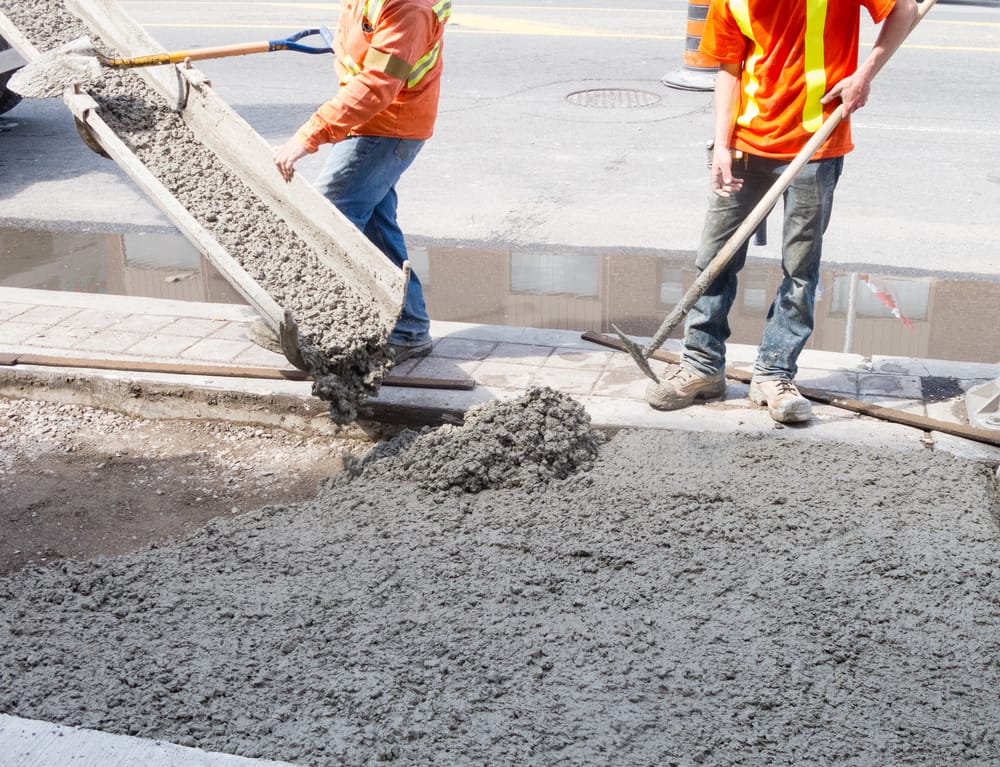
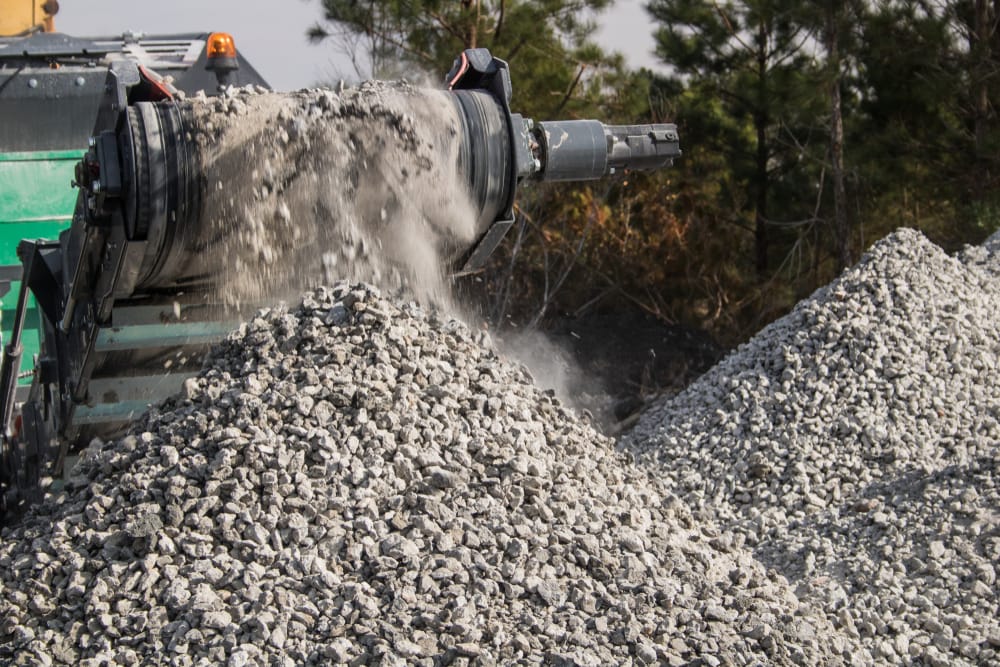
Concrete can be made from many materials, depending on the form of construction and types of design work involved. Concrete is a composite material composed of coarse aggregate bonded together with a fluid cement that hardens over time. In modern construction, concrete develops structural strength after all the ingredients have been combined and water has been added. As a building material, concrete can be cast in almost any shape desired by an architect or engineer including plain concrete for basement floors or foundation walls to precast architectural elements such as panels and lintels. It can also be used to make hollow blocks as well as both concave and convex curved surfaces through slip forming. Concrete has many uses-in foundations, as a structural element in buildings, as piping for water and sewage, in roadways, steel bars, ball mill, as well as many other existing structures and ready mix plant places where strength, resistance to wear or to the hot weather elements are needed. Concrete is also used in making pavements for highways and other projects. As used by ancient romans, concrete continues to be used on all types: fine and coarse, in mix proportions and water form. Concrete is made by mixing specific materials such as an [aggregate consisting of large chunks](/guides/concrete-products/what-is-exposed-aggregate) of rocks with sand and small gravel mixed together with cement. The mixture forms what is called a mortar which becomes hard when it combines with water inside the concrete blocks or items that are being moulded into shape. The most common type of aggregate consists of broken pieces of rock, pebbles or crushed stones that ranged between 1/4 inch to 3/8 inch (6 mm) in size. It has sharp edges which tend to cut the bonding agent. Fine aggregate, on the other hand, contains particles that are smaller than 1/4 inch (6 mm). It generally consists of crushed stone dust which, when mixed with water has less tendency to erode the cementing material. Coarse and fine aggregates for concrete are usually selected according to the nature of the job they will perform within concrete structures. Concrete is made in different ways without changing its basic composition. It can be cast against formwork or poured in place; it can also be precast into blocks, beams, panels, walls and other shapes. Concrete can also be used in combination with steel reinforcing bars or mesh placed either within or outside of the concrete forms during casting to produce reinforced concrete. This type is especially strong and is used in many forms of construction work. Concrete that allows the passage of water through it is called permeable concrete. It can contain high cement ratio or low water cement ratio and great quantities of large aggregate and other materials, be made thin and still resist strong compression or tensile stresses. Since the small stones or pieces of gravel cannot move apart, water that falls onto its surface passes into it by way of channels among the larger stones and porous concrete . If this does not happen, all the parts stick together under the action of water to form a block called impermeable concrete which stops up all openings through which water could pass; this type has little use for anything except as road surfacing raw materials in the cement industry. Normal concrete hardness varies depending on how hard or fine each component is but generally ranges between 2200 psi (15.5 MPa) in the lower end to 8000 psi (55 MPa) in the higher end. ## What are the four main ingredients in concrete? The four basic ingredients in modern concrete are cement, aggregate, water and admixtures. Cement is composed of fine powder and larger chunks or rocks. The main components of the aggregate are large chunks of rocks with sand and small gravel properly mixed together with cement for cement production to make high-quality concrete mixes and ready-mix suppliers for construction companies. It also contains raw materials or basic components called admixtures which when added to the concrete mix causes the concrete to harden over time because it reacts with water in a chemical process, allowing the concrete to cure and harden into a stone-like material. This results in hardened concrete. Some of the [concrete basics](/guides/concrete-products/concrete-mixing-ratio) are that water is the main solvent that reacts with the cement in a process called hydration which forms a new material called calcium silicate hydrate. The chemical process between water and cement creates a gel-like cement paste that allows for the development of crystals when the wet concrete mixture sets up without any tiny air bubbles or entrained air (air entrainment) so the concrete dries and paste hardens for the formation of fresh concrete. The [Safe Work Australia website](https://www.safeworkaustralia.gov.au/silica) has a thorough guide to keeping safe from chemicals during various concreting tasks. ## What is Portland cement? Portland cement is an artificial binder created by roasting certain types of limestone at very high temperatures (1300°C). Portland cement takes its name from its resemblance to natural Portland stone, quarried on the Isle of Portland in Dorset, England. The calcium, silicon and iron present in the rocks are heated under carefully maintained conditions to form clinker. The heat drives off carbon dioxide, leaving quicklime (calcium oxide). Groundwater is added to this mixture and mixing water causes a chemical reaction that forms what's called calcium silicate hydrate or C-S-H gel. This process, known as the 'pozzolanic' reaction takes anywhere from 4 hours to 3 days to occur and produces an elastic paste with excellent adhesive qualities (it sticks very well to sand and mineral aggregate) but has poor early strength. By adding extra ingredients such as pulverized coal, ground blast furnace slag or other additives along with small amounts of Portland cement, C-S-H crystal grows stronger and gains strength and larger together with the development of U-shaped microscopic bridges that link them together and enhance the concrete's strength. These newly formed crystals are called calcium hydroxide, tricalcium silicate or C-S-H gel. ## Is concrete waterproof? Concrete is not waterproof on its own but can be made more resistant to water penetration by adding a membrane to the surface of it or making more complex forms such as precast hollow blocks which have an inner empty space giving more opportunity for water to escape if it does manage to penetrate through small cracks in the block. Water repellent chemicals are also available that bond an invisible coating on top of existing cement surfaces which fills in any micro cracks and increases the amount of time needed for water droplets to penetrate through the surface. ## What are the properties of concrete? Concrete is very strong in compression, that is pushing or squeezing forces, but relatively weak under tension or pulling forces. This means that if you weigh down on or hang anything from concrete, it will resist your weight and hold fast. However, if you were to pull on an unsupported span of concrete (such as a crack between two slabs), it would break quite easily. The strength of concrete can be increased by adding [steel mesh reinforcement](/guides/concrete-formwork/what-size-steel-mesh-for-a-concrete-slab) or fibres such as glass fibre which allows the strong material to withstand tension more effectively than plain concrete would normally allow. The ability of cement and concrete to expand and contract without fracturing makes it an ideal material for flooring.

Concrete Products Guides & Resources
What is 32 MPa Concrete Used For?

What is 32 MPa Concrete Used For?

Generally, 32 MPa is high strength concrete is used for the construction of structural elements or infrastructure such as bridges and roads. It is also used for pre-cast elements (i.e., panels) to form building envelopes, such as exterior walls and house slabs, which are factory-fabricated in controlled environments, transported to the construction site and then lifted into place by a crane or other means of raising components into position. ## How is 32 MPa concrete made? A concrete slab made with this strength generally has three parts cement; two parts aggregate mix constituting greater loads of fine aggregates of concrete; and water making up the remainder of 100 parts by weight. The amount of water added determines how much workability is imparted on the fresh mix so it can be placed properly in forms or around reinforcement bars without too much difficulty. While it may require special techniques such as vibration equipment to properly place high-strength concrete, it will still flow into forms and be self-consolidating if not over-stressed. This is because the cement paste in a 32 MPa mix will behave like a gel when compared to the watery behaviour exhibited by a lower strength mix with less cement content that you [might have pumped](/guides/concrete-pumping-services/what-is-concrete-pumping). ## What are the uses of 32 MPa concrete? The 32 MPa is used commercially in base course applications on roads where very high traffic levels would otherwise damage conventional pavements. It is also used for making precast elements such as floor slabs and wall panels that can then be placed at site by crane or other means without too much difficulty due to its workability. However, this does require special techniques such as vibration equipment to ensure proper placement. On the other hand, high strength [concrete slabs](/guides/concrete-products/what-is-a-concrete-slab) are also used in some structural applications such as in bridge and elevated road construction. This mix can be placed without too much difficulty due to its workability and self-consolidation characteristics even if not overstressed. ## How long does 32 MPa concrete take to cure? This high tensile strength concrete mix takes around 28 days to reach its designated strength. For [precast concrete](/guides/concrete-pre-cast-panels/how-much-do-precast-concrete-panels-cost) elements such as floor slabs and wall panels, the free estimated time for reaching target compressive strengths is about 21 days, even polished concrete. However, for structural elements such as bridge and elevated road construction, the free estimated time for reaching target compressive strengths is about 28 days. ## Is 32 MPa concrete waterproof? The 32 MPa concrete is only waterproof when it has been properly sealed after the curing process. If this is not done, water may penetrate the concrete surface from any water supply outlet which can cause damage to its internal structure. ## What is the compressive strength of 32 MPa concrete? It has a compressive strength range from 28 to 50 MPa. For precast elements such as floor slabs and wall panels, the targeted compressive strengths are usually at 37 and 42 MPa. This will be higher than that for structural elements such as bridge and elevated road construction which has a targeted compressive strength at 25 MPa. ## What does MPa mean? MPa stands for Mega Pascal which is a unit of measurement used to measure the pressure that a substance exerts either due to its bulk or surface properties. The standard symbol used in engineering and material science is psi, psi being an abbreviation for pounds per square inch. Elevators also use MPa as a measurement to indicate how much weight it can hold before the door fails and the elevator falls to the ground floor. ## Does 32 MPa concrete require vibration tools to set? No, 32 MPa concrete does not need vibration tools to set. The only time where vibrators are used is when the mix has been over-stressed or applied in tensioned or thin applications that would otherwise cause damage to its structure. Vibration tools include mechanical vibrators and pneumatic vibrators which work by transmitting the vibration energy through a kinetic source such as an electric motor or compressed air. Vibrating tools are used to enhance dispersion of the cement paste inside the mix, improve contact between aggregate particles, and reduce segregation. ## Can 32 MPa concrete be recycled? No, 32 MPa concrete cannot be recycled since it would likely cause damage to its internal structure due to water infiltration. This is because water weakens the binder system of 32MPa concrete over time. Mixing recycled materials with worn-out asphalt pavements will not change its compressive strength nor make it harder to crush under pressure. Therefore, recycling these materials will only increase the stress on aggregates and reduce the durability of the mix. ## What are the applications for 32 MPa concrete? It is used in applications where its high compressive strength overcomes any damage that might have otherwise been caused by subsurface conditions such as expansive soils or poor subbase conditions. Also, it can provide a finished floor with no major cracks nor defects which will not be harmful to pedestrians even if they experience greater loads placed on top. Moreover, 32 MPa concrete is also used in long-term structural elements because of its high resistance against freeze-thaw damage. ## What MPa concrete should I use for my driveway? The compressive strength of 32MPa concrete is usually used when designing large-sized structural elements such as floor slabs and road panels. However, the compressive strength range for precast elements such as wall panels is only at 37 and 42 Mpa while bridge structures have a targeted compressive strength of 25Mpa. Depending on the desired serviceability requirements of your driveway, you will need a mix with a lower or higher compressive strength. For driveways where heavy trucks pass through them on a regular basis, it would be best to use a mix with an average compressive strength from 28 - 34 MPa. ## Will 32 MPa concrete crack easily? It is not prone to cracking over time because its high compressive strength prevents cracks from forming even if there is uneven pressure on it. Cracks are more likely to form in applications where 32 MPa concrete is used for structural elements because of the deep-seated nature of stress on these types of mixes. Also, polished concrete that has a high water-to-cement ratio will most likely crack heavily since it cannot withstand coarse aggregates nor expansive soils underneath. ## What thickness should I use 32 MPa for my driveway? For driveways where heavy trucks with large weights pass through them, you will need to use deeper slab depths so that the compressive load over its surface area would be distributed equally throughout. This way, there won't be any major cracks nor defects which could pose harm to pedestrians. Slab depths for such applications can be around 200 to 250 mm thick. For the next project, its best to hire a concreting expert or professional who is more capable and possesses more information which might require an upfront price but with the overall cost of the job being low. And any builder guys can produce and create the perfect footpaths or deliver other suitable labour services without much risk. For information on using precast concrete panels, take a look at the [YourHome website](https://www.yourhome.gov.au/materials/precast-concrete).

What is Concrete Spalling?

What is Concrete Spalling?

Concrete spalling is the peeling of concrete surfaces that leaves reinforcing steel exposed. The peeling can affect sizeable sections of the concrete slab. Concrete spalling is caused by either acidic chemicals or poor quality concrete. Spalled concrete shows in form of rust stains, cracked, flaked or bubbling concrete. Concrete spalling can be more common in some climates than others, such as those with high humidity, precipitation or very cold winters like the American northern states. It is not unusual for concrete to spall naturally, even if exposed to these conditions for an extended period of time. The most common concrete spalling problem is caused by the use of low quality or poorly mixed concrete, which can be more susceptible to damage from corrosive materials. ## How do you fix spalling concrete? If spalling damages are left untreated, it will lead to structural weakness. Repairing spalling concrete can be a relatively simple process. If it is a small area, the easiest thing to do would be to chisel out the loose parts and replace them with new material. However, if there are larger areas or deep cracks, you might need to use an epoxy injection system instead of just filling in the crack with concrete. If the repair work gets technical, seek expert advice. Concrete spalling may also indicate that the concrete has been exposed for too long to weather elements without being properly protected from those elements. In this case, complete replacement of the damaged area may be necessary. ## What causes concrete spalling? Below are some common causes of concrete spalling. Avoid these mistakes to prevent spalling. ### Shallow concrete cover If the concrete placement does not provide adequate cover around the embedded reinforcing steel, the shallow cover will easily lead to spalling. ## Chemical reaction Concrete spalling occurs when salt penetrates deeply into newly poured concrete because water gets in as well if the concrete surface has no waterproofing membrane. If a sealer isn't applied before the freeze-thaw cycle commences, more spalling will occur. [Mixing cement](/guides/concrete-products/concrete-mixing-ratio) with air entrainment chemicals before placing concrete will significantly slow the freeze-thaw effects that lead to peeling. Peeling can also be caused by exposure to acidic chemicals or poor quality concrete. ## Inadequate preparation of concrete Use of poorly mixed concrete element or failure to properly cover the steel reinforcing a concrete structure. With time especially in heavy structures, the badly prepared mix becomes weakened concrete. ### Joint failure For structures with joints, improper construction of the joints will quickly lead to concrete peeling or shedding off concrete cover around the joint area. ### Corroded steel reinforcement The steel reinforcing structure can get corroded due to trapped moisture. When the steel bars are exposed to moisture, iron oxide is formed, which is rust. The corroded steel occupies more space than the [original steel bars](/guides/concrete-formwork/what-size-steel-mesh-for-a-concrete-slab). The damaged concrete as a result of the corrosion process causes the surrounding concrete to bulge, thus causing cracks. Deicing salts used in road maintenance and to unfreeze car parks, if applied close to walls can penetrate the surface. If de-icing salts or salt-laden air reaches the steel reinforcement, the resulting chemical reaction can lead to corrosion and spalling. ## What are some examples of common spalling? Spalled concrete is most commonly found in areas where water gets trapped within the concrete for an extended period of time. Areas that are more likely to have problems with this include parking lots, sidewalks, roadways, driveways, garages, and other places where people walk frequently. It isn't uncommon to find small amounts of concrete spalling on vertical surfaces either due to acid rain or because they were poured at a low height without reinforcement bars. ## What does concrete spalling look like? Concrete spalling can manifest as a number of different problems, but the common thread is peeling and flaking away from the concrete. Spalling can occur in a number of different problems with concrete, but the most common is from expansive soils. Spalling often looks like small chips or flaking on the surface of the area affected. The main symptom of spalling is material appearance, although it can be an indicator that larger issues are developing beneath the surface. The most visible type of spalling is caused by improper surface preparation prior to applying new paint or other decorative treatments. Rust and corrosion hidden beneath this thin layer often form around rocker panel edges where lack of wheel well clearance causes them to rust from the inside out. ## Is concrete spalling and concrete cancer the same? Concrete cancer is often referred to as spalling, but while they are similar in appearance, there are different causes. The way that each one develops can vary widely, but both types of damage tend to be caused by moisture leaking into the concrete and reacting negatively. What causes this reaction can have a huge effect on how it manifests itself. For example, many forms of concrete peeling occur because of poor quality or poorly mixed concrete rather than from an issue with the substrate beneath it. In situations like these, the only real solution is to replace all of the concrete affected by it. It isn't always necessary for replacement when concrete cancer occurs, though, since sometimes applying a seal over existing surfaces is enough to resolve the problem. ## What does concrete cancer look like? Concrete cancer is a form of spalling that occurs because of reactions to moisture or other liquids. Concrete cancer often looks like large flaking and pockmarks on the surface of the concrete, but different circumstances cause many different variations. The cement reacts with carbon dioxide in the air around it to slowly turn into calcium carbonate. When this happens, large amounts of calcium hydroxide and other chemicals leak out and slowly damage nearby surfaces' appearance and structural integrity over time. ## How to fix concrete spalling If minor spalling is the only issue, concrete repair is possible with a mixture of paint and sealant. If you choose this route, make sure to read the instructions on each container carefully and apply it in thin layers so that you can build up several coats instead of trying to get complete coverage on the first try. Bear in mind that in the concrete repairs process, it's is critical that the repair material you use is compatible with the material used to make the original concrete surface. If the spalling is in an area that receives a lot of pedestrians or vehicular traffic, it may be possible to fix it by applying more concrete over the top of the existing surface. This method requires complete removal of the old concrete followed by additional reinforcement bars and new concrete. It isn't always necessary to replace all of the concrete when working on repairing spalling problems, though, especially in areas where people aren't likely to walk or park heavy vehicles. In some cases, people will even use paint designed for outdoor concrete as patching material to cover up minor spalling issues because it can provide a similar level of moisture protection without requiring any other changes. It's important that you read the instructions carefully before trying this, though, since [some concrete elements](/guides/concrete-products/what-is-concrete-made-of) in repair material may not be compatible with the affected area. ## How to fix concrete cancer To fix concrete cancer, you'll need a combination of a sealant and a mixture of sand and cement. The amount of each ingredient varies depending on the size of the damaged area being treated. Spread the mixture over the affected surface using a trowel until it is just shy of being level with it after drying completely. When choosing between these two methods, keep in mind that applying paint to your existing surface won't add any extra integrative strength. Adding new concrete to replace old spalling surfaces increases overall durability. However, when people choose to replace all problematic areas when fixing spalling problems, they often have more aesthetically pleasing results and make sure their concrete can hold up for years to come without any other repairs. Pouring a concrete slab floor? The Australian Government's [Your Home website](https://www.yourhome.gov.au/materials/concrete-slab-floors) has some handy things to guarantee a top job.

What is Off-Form Concrete?

What is Off-Form Concrete?

Off-form concrete is a construction material made by pumping concrete through a nozzle which forms it into a predetermined shape. This project can be done to create wall panels, floor tiles and ceiling tiles quickly with little waste of materials or time on site. It is also possible to create more irregularly shaped items, such as chairs and tables. Because of its composition of cement and sand it is very strong. It can be used for building concrete furniture pieces with a unique design. Off-form concrete is normally used by professionals in the construction industry, but it can be done at home with no special equipment. The steps include [mixing sand and cement](/guides/concrete-products/concrete-mixing-ratio) to form a base layer for the nozzle to easily push through. Once this has been done, adding colour additives will give the concrete its final colour. Finally, water must be added to help the concrete move smoothly through the nozzle. ## How is off-form concrete made? 1 Mix the cement and sand together in a mixer until it has formed into a solid base layer. The thickness of this base layer should be such that it can help produce the desired product (for example, for making tabletops, about 0.2 m to 0.25 m thick). 2 Now add water and stir to obtain a mixture with the consistency of cream which is easily pourable but not too runny in order to avoid spills and wastage in later steps in situ. 3 Finally add any colour additives required, stirring them to a large degree with a drill-mounted paddle attachment. 4 If a spray nozzle is to be used for the next step, it must first be attached and tightened securely to a standard water hose which should be connected to a tap or other source of clean water in sit under pressure. 5 The nozzle itself consists typically of three parts: a knobbed ring onto which the mould will fit; a cylindrical piece containing the hole through which the concrete will pass; and finally an end piece with its own handle. In order to achieve different break effects from the same nozzle, all three components may sometimes need to be changed as well as their angles in relation to each other. 6 When off-formwork has been poured into a mould, it must cure until strong enough not to deform before it can be removed from the mould. Note that the exact time required for this project depends on factors such as the thickness of the product and the ambient temperature, but it is often several days. ## Off-form concrete surface finish variations Off-form concrete is a construction material created by [pumping concrete](/guides/concrete-pumping-services/what-is-concrete-pumping) through a nozzle which forms it into a predetermined shape. This can be done to create wall panels, floor tiles and ceiling tiles quickly with little waste of materials or time-consuming projects. It can also be used to create more irregularly shaped items, such as chairs and tables using a different method. Off-form is made by mixing sand and cement with water until it has formed into a solid base layer. Then the mixture must be added by pouring into any colour additives required to obtain the desired colouration, stirring them thoroughly with a drill-mounted paddle attachment. Finally, if a spray nozzle is used for the next step, it must first be attached and tightened securely to a standard water hose which should be connected to a tap or other source of clean water under pressure. The nozzle itself consists of three parts: a knobbed ring onto which the mould will fit; a cylindrical piece containing the hole through which the concrete will pass; and finally an end piece with its own handle. When it has been poured into a mould, it must cure until strong enough not to deform before it can be removed from the mould. ## What is the off-form concrete used for? Off-form is best known for its use in construction to create wall panels, floor tiles and ceiling tiles quickly with little waste of materials or time. It can also be used for building more irregularly shaped items, such as chairs and tables. Off-form concrete is made by mixing sand and cement combined with water until it has formed into a solid base layer. Finally, if a spray nozzle is used for the next step, it must first be attached and tightened securely to a standard water hose which should be connected to a tap or other source of clean water under pressure. The nozzle itself consists of three parts: a knobbed ring onto which the mould will fit; a cylindrical piece containing the hole through which the concrete will pass; and finally an end piece with its own handle. When off-form concrete has been poured into a mould, it must cure until strong enough not to deform before it can be removed from the mould. Off-form concrete surfaces finish variations Off-form concrete is often used as a supportive element in architecture as opposed to being structural itself. In this sense, off formwork can both provide structure as well as serve as finishing materials. The basic idea of using off formwork for architecture is that suspended floors are able to bear their own weight by having wall panels interposed between them instead of requiring loads bearing walls and this is generally preferred as this can help save overall cost. This process achieved open environment with the affect of greater flexibility of spaces and potential for larger rooms. ## Does off form concrete need treating? It is vital that concrete mix designs are carefully planned and controlled when they are used for off form concreting. Concrete must be allowed to cure before it can be safely removed from the mould in which it is formed. If this does not happen, the concrete will deform and no longer hold its shape. It can even shatter if removed too suddenly or with excessive force, potentially causing injury to workers and surrounding objects. ## Off-form concrete surface finish variations Off-form concrete is often used as a supportive element in architecture as opposed to being structural itself. In this sense, off-formwork can both provide structure as well as serving as finishing materials. The basic idea of using off form for architecture is that suspended floors are able to bear their own weight by having wall panels interposed between them instead of requiring load-bearing walls. This results in a more open environment with greater flexibility of spaces and potential for larger rooms. Finishing materials are not treated because it does not require any treatment other than what would be necessary for off-form concrete used in general construction. However, the moulds themselves may need to be cleaned or replaced periodically if they become too damaged or worn to continue use. It is also important that the [concrete mix design](/guides/concrete-products/what-is-concrete-made-from) shows good strength after curing before the light plywood or concrete can be safely removed from its moulding surfaces ensure safety during removal. The use of forms that are generally able to reveal some element of critical installation through their markings takes full advantage of formwork possibilities; while marking is done mainly to serve as a tool for checking the concrete during the finishing process, it can also serve as an aesthetic element of architectural design. The colour and shape of markings can serve as part of the overall aesthetics of the off-formwork structure itself. The surface finishes themselves include: - Smooth. - Rough with sand and/or aggregate included in the finish. - Rough with sand and/or aggregate mixed into the cement paste after curing. - Embossed by pressing, rolling forms into freshly placed mortar or fresh concrete (sometimes called "wheel marking"). A broom or squeegee can be dragged across wet concrete so as to leave a pattern of ridges perpendicular to the direction of motion; these ridges will become more prominent as precast concrete continues to cure and gain strength for a great final appearance as a result of high quality workmanship. This type of finish is almost always left unpainted unless its appearance forms part of the design concept. [Chipped aggregate](/guides/concrete-products/what-is-exposed-aggregate) may also be embedded into freshly placed concrete as it cures, which will become apparent after final finishing has place. For more information about concreting for slab floors, take a look at the Australian Government's [Your Home](https://www.yourhome.gov.au/materials/concrete-slab-floors) website.

What is Spray-On Concrete?

What is Spray-On Concrete?

Spray-on concrete is a conversion coating that provides the appearance of polished, coloured cement surface. Spray-on concrete creates decorative effects as well as protecting porous substrates from water and stains. It increases the life expectancy of any surface it is applied to without changing the chemical composition or altering existing physical properties. The polymers used in spray-on concrete are specifically designed to be flexible and crack resistant so they can expand, contract and move with a substrate while still providing a protective barrier against dirt, grime and oily substances. This allows for daily cleaning without loss of colour or lustre. No matter how much traffic an area gets there will never be any need to re-coat because the polymer will retain its original sheen. Our product can also be applied to interior walls, creating a smooth surface or concrete resurfacing that is washable and without dust or grit. because our product interacts with the substrate it transforms any ordinary brick, concrete or stucco wall into a decorative work of art. The process begins in much the same way as standard painting procedures in two methods. The spray-on concrete is in powder form and needs to be mixed in water for 30-45 minutes before being applied using paint application equipment. The product is then sprayed on in thin coats to give it a smooth, even surface, stamped concrete or concrete resurfacing. each layer must be allowed to dry completely before the next one can be applied. It will cover up existing flaws that couldn't be fixed using traditional methods while creating an attractive, flawless finish that is resistant to most types of damage. It's incredibly flexible and can adapt to any substrate without the worry of peeling or flaking. It also provides a barrier against stains and moisture penetration making it ideal for bathrooms, kitchens and other areas where water could otherwise cause damage. Once covered with the cement based polymer, porous substrates such as [brick or concrete](/guides/concrete-products/what-is-concrete-made-of) become waterproof and maintenance-free. ## How does spray-on concrete work? No matter which method you use, the spray-on concrete powder is mixed with water and applied using a standard paint application gun. Each layer must be allowed to dry completely or else it will stick to itself and create lumps. Once applied, the product creates a strong bond with the substrate and cannot be removed without destroying it entirely. The finished surface can also receive a regular base coat of paint or other decorative elements such as wallpaper or vinyl decals, though the last step should always be an application of clear sealant to protect against spills and stains that usually penetrate porous substrates or even low permeability such as brick and concrete area. The polymer doesn't add any strength on its own but bonds tightly with binders added in previous layers so that they all take equal amounts of stress and the product itself never fails. Each application is designed to work with a certain number of layers so our product can be used on exterior walls as well as interior ones without requiring any additional steps or materials. ## What are the benefits of spray-on concrete? Spray-on concrete is a maintenance-free alternative to traditional paint and wallpaper, though any additional layers can be applied with regular decorating materials for decorative climbing walls, swimming pools and pool surrounds, patios and commercial projects with high compressive strength. Each layer typically dries within the hour so painting over it can occur as soon as 12 hours later. Because the application doesn't require special techniques or equipment, spray-on concrete is open to anyone with good DIY skills. It can be applied by individuals seeking an easy way to spruce up their homes without the cost of professional assistance or those seeking a permanent solution for unsealed surfaces that are difficult to maintain using more conventional methods. Spray-on concrete provides protection against most types of damage including stains, grime, humidity and general wear and tear. Because it adheres tightly to porous substrates, it creates a waterproof barrier that's resistant to mould, mildew and common household spills. The wet process of applying our product begins with standard painting procedures but continues atypically because after the first layer is applied, the next one must be allowed to dry before laying another coat on top. Each successive layer causes covered surfaces to become more adhesive and durable; eventually creating an impenetrable barrier that maintains its appearance for years with little or no maintenance required. ## How long does spray concrete last? The overall lifespan depends on the number of layers applied and the substrate it's used on. In most cases, it can last up to 25 years or more before requiring a repair or replacement procedure. Even highly corrosive elements such as bird droppings can be [easily washed away](/guides/concrete-decorative-resurfacing/how-to-clean-concrete-driveway) by a simple hose or wiped away with a damp rag. In most cases, homeowners add between five and fifteen layers of our product but the number needed depends on the type of substrate being covered, its porosity and overall condition. Our product is not designed for exterior use in areas that receive heavy foot traffic from animals or from individuals wearing shoes so it's important to know exactly what your intended application will require before beginning the dry process. ## Why do you need to spray concrete? Spray-on concrete is a fast and easy way to add an extra layer of protection without significant cost or effort. In most cases, one layer provides adequate protection for existing concrete from the elements while multiple applications create a much thicker barrier that's more resistant to wear and tear. This process is a lot easier than resurfacing or [concrete honing](/guides/concrete-polishing-sealing/what-is-honed-concrete). ## What are the benefits of spray-on concrete? it very useful for homeowners who don't want to spend money on expensive upkeep services or renovations. Below are just two benefits. ### Extremely durable Each layer bonds tightly with the ones underneath it so instead of peeling or cracking, they all take equal amounts of stress and keep looking great for years without requiring any additional procedures. It is ideal in climates that are prone to rain, snow or high humidity because both interior and exterior surfaces can be protected with little maintenance required. All professionals will need to wear the correct PPE gear while working with spray-on concrete, as outlined by [Safe Work Australia](https://www.safeworkaustralia.gov.au/covid-19-information-workplaces/industry-information/building-and-construction/ppe"). ### Extremely low-maintenance Spray-on concrete doesn't generally need special equipment or techniques during the application or regular cleaning services afterwards. Because each layer dries within an hour, painting over it can occur within 12 hours afterwards which makes it easier to maintain than other surfaces.

What Is Precast Concrete?

What Is Precast Concrete?

Precast concrete is a composite building material used in architectural applications for floor and roof slabs, retaining walls, hollow-core floors and stair components. Precast concrete is a composite building material used in architectural applications for floor and roof slabs, retaining walls, hollow-core floors and stair components. this type of material is "prestressed" before it is fixed into its final position on-site to improve its properties-reinforcing steel provides compressive strength while the concrete gains flexural strength. [Prestressed concrete](/guides/concrete-products/what-is-pre-stressed-concrete) can usually be identified by the presence of small coloured wires (known as tendons) protruding from each side of the slab or beam; these are extended or 'tensioned' prior to fixing in position to put pre-stress onto the concrete which improves its load bearing capacity and carrying safety during construction. ## How does precast concrete work? Precast concrete works by placing a mould, or form, in the desired shapes of the finished product. This mould is often composed of wood, reinforcement of materials such as steel or plastic. A liquid concrete mixture (also known as "slurry") is poured into the mould and allowed to harden. When completed, this results in a single solid element that only has to be transported to its desired location; no further assembly work is required. [Concrete mixtures](/guides/concrete-products/concrete-mixing-ratio) can include cement, sand, coarse aggregate, water and admixtures such as: superplasticisers, concrete lifting inserts air-entraining agents and retarders. Pre-cast concrete allows builders to achieve rapid construction and site-cast concrete workability in the construction industry by quickly and efficiently creating and retaining walls, beams, architectural panels, reinforced concrete panels, double tees, reinforced concrete surface, floor slabs and other elements in any shape or size required. On-site forming is not necessary. ## Why choose precast concrete? There are many reasons to use prefabricated concrete formwork over the traditional building method of onsite cement pouring, like the below. ### It is quick and safe Prefab concrete reduces construction time by up to 50%. This allows builders to complete projects such as office buildings, apartment buildings, tunnel segments, railroad ties, burial vaults, precast bridges and other entire buildings in half the time with less mess, dust and disruption to residents. The risk of accidents and injuries at a construction site is also reduced for an entire building as there is no need for a large workforce onsite all day long. ### Efficient materials usage Onsite forming uses more materials because it needs supports such as posts and bridge beams, which usually end up as scrap once the construction is completed. Precast concrete can be easily cut to size and reused elsewhere if need be. In addition, it has superior fire resistance so let's not forget the fire insurance rates, energy efficiency, helps prevent corrosion even in open spaces and requires less labour. ### Cost-effective and eco-friendly Onsite forming not only wastes valuable resources such as wood and metal, it also uses an enormous amount of energy due to long hours spent pouring cement at high temperatures. Prefab concrete creates cost effectiveness, cost savings, less waste and has a smaller carbon footprint. ### Recyclable Concrete itself is recyclable and there are many precast concrete products that use recycled aggregate or industrial byproducts such as fly ash or blast furnace slag in their composition. This allows builders to create green buildings with minimal environmental impact. ### How is precast different from the regular cast? Regular cast tends to have sand being one of its main components while precast concrete has cement as its major constituent Another difference is that in precast concrete construction and precast products, the design perimeters are more flexible with choices for shape geometry up to about 45 degrees when compared to regular cast where accuracy in dimensions must be respected down to fractions of an inch or even thousandths of an inch. A further distinction between regular cast and precast concrete structures is that the latter has a much more variety in terms of shapes and finishes enabling it to be adapted easily to architectural structures and designs such as parking structures. ## Precast concrete vs onsite poured concrete When building with concrete, builders have two options: they can either pour wet concrete onto the site when it's needed or construct components in a factory using dry materials before shipping them to site where they are assembled into position using mortar. There are pros and cons for both methods depending on budget, space availability and time constraints. Precast concrete tends to cost slightly more than regular cast due to the additional processes involved in its manufacturing, but this is offset by the fact that it is both quick and safe to build with. On-site concrete tends to be cheaper, but this advantage is negated by the slow speed of construction despite doing it in a controlled environment. Precast concrete also offers more design options than onsite poured concrete as there is no need for a large number of skilled workers or equipment onsite, which means builders can create structures in shapes and sizes impossible with traditional building methods. ## What is precast concrete made of? Precast structures are usually created with [high strength concrete](/guides/concrete-products/what-is-concrete-made-of) containing high proportions of cement and water. Aggregate such as sand, gravel or crushed stone is used to strengthen the mix and give it texture. Granite, marble or even recycled materials can be introduced into the precast concrete structures and precast products in order to create attractive finishes on buildings. The precast concrete industry has expanded and precast concrete products are available in a huge variety of shapes and sizes. Because casting doesn't need to be onsite, components can be produced as small as 1m x 1m x 1m or as large as 10m x 20m x 30m. ## What are the benefits of building with precast concrete? Precast concrete has become popular in the industry due to a number of positives. ### Speed refabricated buildings can be erected far faster than traditional methods because there's no requirement for skilled labour onsite all day long. The wall panels used in constructing buildings using precast concrete don't require mortar either - instead, they interlock together forming a solid structure that is capable of supporting itself. Moreover, the fast installation process saves time and money. This means precast concrete offers more advantages for obvious reasons, especially structural advantages. ### Strength and durability Precast components are incredibly strong and durable due to their thick concrete walls. A typical precast plant wall might be 6 inches (150mm) deep with an additional 7 inch (180mm) airspace inside, creating a wall that is almost 2 feet (600mm) in total thickness. ### Versatility The fact that each component can be manufactured to suit specific dimensions means builders don't need to worry about designing bespoke details for projects of all shapes and sizes. Each individual element can have different finishes or even be designed so they interlock together without the use of mortar. ## What are the disadvantages of building using precast concrete? Take a look at the below drawbacks to using precast concrete. You can also find more information on the Australian Government's [Your Home website](https://www.yourhome.gov.au/materials/precast-concrete). ### High cost Precast concrete products are usually more expensive than regular cast buildings due to the additional processes involved in the precast concrete industry. ### Maintenance Regular cast buildings have a smooth, even finish that's easy to clean without damaging. However, mass production or manufacturing of precast concrete products tend to be bumpy which can provide an ideal surface for dirt and grime which is difficult to remove.

What is Exposed Aggregate?

What is Exposed Aggregate?

Exposed aggregate concrete is a construction technique where the material at the surface of the concrete mix is left uncovered. Normally, this material is broken into small pieces of hard rock or other materials. Exposed aggregate concrete has become very popular in recent years because it allows architects to create many different designs that can be found on walkways, patios, driveways and other structures. The installation consists basically of pouring the [normal concrete mix](/guides/concrete-products/concrete-mixing-ratio) into the formwork, compacting it and allowing it to set. Once the concrete is dry, the formwork can be broken away revealing an exposed aggregate concrete surface that is rough in appearance. In order for this to be achieved, the concrete mix must have a very high cement content and a coarse aggregate size. ## What is exposed aggregate? Exposed aggregate also known as pebble dash is a type of masonry coating that consists of small pieces of stone or rock set in concrete base material such as cement or an adhesive after being fixed with a binder. The most common use is on exterior surfaces like block walls, brickwork or stucco siding. It's often used to cover the grey colour of cement which doesn't look attractive outside buildings. It can come in different colours to suit your taste including white, black, brown etc. Exposed aggregate concrete surface, exposed aggregate paving, exposed aggregate driveway and exposed aggregate finish have become popular over the years because it provides several benefits like easy installation, low maintenance and long-lasting quality. There are different types of distinctive exposed aggregate finishes that were developed by using a variety of techniques which include: ### Rubble finish Involves breaking large pieces of stone into smaller fragments and then laying them regularly across the surface of the plinth. The joints between stones must be tightly packed to prevent water from seeping in behind the wall. It's recommended, especially for a plain concrete and sand base, to use a sand-cement mortar mix or another type of cementing material for this kind of job. ### Pebbledash concrete It's very similar to rubble finishing where small pieces of rocks are laid across a foundation surface instead of on top of it after being fixed with a binder. The difference is that pebbledash doesn't require the use of a fixative and instead water is used to smooth over the surface. However, it's important not to apply too much pressure as you wipe down the surface otherwise some of the stones will end up breaking. ### Tile dash This involves applying a thin layer of mortar or adhesive on top of a substrate that contains crushed rock that has been graded into appropriate sizes. Tile dashing is normally done with either a roller or trowel where you have to evenly spread out the material onto your wall before proceeding with laying tiles on its top. The best part about tile dash is that it requires little maintenance and can be applied on vertical or horizontal surfaces. ## Is exposed aggregate worth it? The main reason why exposed aggregate has become very popular over the years is that it provides several benefits like easy installation, low maintenance and long-lasting quality. It's also an economical choice compared to other kinds of materials used for surface finishes like timber, stone or plastic. Exposed aggregate can come in different colours to suit your personal preferences and tastes making it perfect for exterior landscaping projects. Exposed aggregate is normally available in black, white or brown colour options which make it suitable to be installed on driveways, walking paths etc. ## How is exposed aggregate done? Exposed aggregate is a simple procedure where you can do it by yourself provided that you have the right tools and equipment. This means that following these steps will allow you to install exposed aggregate on your own: ### Use formwork First, create formwork (a box-like structure) that will act as an enclosure for the exposed aggregate mix or laid concrete mix. Formwork is very important because it gives shape to your product which would be smooth and flat on top if no formwork was used. The size of this structure depends on how large or small your project is; generally speaking, it has to be big enough to accommodate the desired outcome without any compromises. ### Pour cement base Make sure to follow all safety precautions like wearing protective gear before pouring the base. It's also worth mentioning that [different proportions](/guides/concrete-products/what-is-concrete-made-of) are required for various types of exposed aggregate concrete such as seeded aggregate or internal aggregate mix so be careful with mixing your own version to avoid mistakes. ### Add the aggregates After pouring the base, start adding the stones and materials that you've chosen for your exposed aggregate job. Add-ons can include hydrochloric acid, liquid limestone or any other acid wash or stone from sea beds. You should whole mix them with wet cement or adhesive depending on what kind of subtle aggregate finish you're going to do after laying the stones. To make things easier, choose a uniform-sized stone instead of using a variety. ### Clean up It's recommended to remove any excess material before proceeding because doing so will help the surface dry faster which ultimately results in a better quality product at the end. Exposed aggregate concrete is normally allowed to dry for several days before applying any sealing material but if it rains during this time, you'll have no choice but to wait until everything dries up again first. Using decorative concrete or concrete finishes for exposed aggregate finish can give a finer texture and appearance. ### Apply sealer Once your exposed aggregate has dried up enough, apply a sealer on its surface to create polished aggregate or even decorative aggregate using surface retarder and also protect it from three elements that can compromise the condition of your project. Applying too much sealant will result in a glossy surface which can be very slippery when wet so make sure to test out several samples of slip resistant, skid-resistant sealant on concrete slabs before choosing the best one for your job and the amount best suited on a concrete slab. Testing is the most common type of method to ensuring standard concrete has the desired ratio of a non-slip surface. You may even want to [hone the final product](/guides/concrete-polishing-sealing/what-is-honed-concrete) for a different finish. ## What are exposed aggregates used for? The main reason why people install exposed aggregate surfaces in their homes is that it's more cost-effective compared to using other more expensive materials like porcelain or ceramic tiles. It also gives any exterior landscaping projects an elegant look and feel. but what most homeowners don't know is that you can apply exposed aggregate or aggregates not only on concrete driveways or pavements but also inside your home. It also looks great when applied on fireplace surrounds and kitchen countertops so if you want to give your home a modern and attractive look, exposed aggregate is the way to go. The Australian Government's Your Home website has [more information on home material construction](https://www.yourhome.gov.au/materials).

Concrete Products Informational Articles

What is Pre-Stressed Concrete

What is Pre-Stressed Concrete

Pre-stressed concrete is installed using ready-made fabricated strands, commonly referred to as tendons. Pre-stressed concrete is a material made from reinforcing steel and concrete. Reinforcing steel provides the tensile strength to resist tension, compression or both. Concrete resists compression loads but has relatively poor tensile strength unless reinforced with thin walled steel forms or steel strands called tendons, encased in ducts formed into the concrete section. The section is then stressed (placed under tension) before it hardens through pulling on the tendons by jacks using hydraulic pressure. Once hardened, this increases the compression strength of the concrete section. Pre-stressing makes a beam more resistant to bending moments caused by overloading tensile stresses, such as those due to earthquakes, as well as countering some effects of shrinkage and temperature-induced compressive stresses and tensile stresses imposed. Purpose-made high strength steel tendons are used which can be stressed to approximately two-thirds of their ultimate tensile strength, without suffering from creep because of the internal stresses as is the function of the high strength steel tendons. Pre-stressed concrete structures are widely employed in structures such as bridges, parking garages, railroad ties and power plants that require structural strength and resist not only compressive stresses, but also enough space for bending movement caused by the forces that it will have to support. It allows larger clear spans than would otherwise be possible at a given width and height with comparable overall structural rigidity. ## Are there different types of pre-stressed concrete? In general, pre-stressed concrete can be divided into two large categories: "stress-controlled" and "crack-control". In stress-controlled or ordinary external pre-stressing, each tendon is stressed to a level that achieves the specified compressive strength in the concrete. In crack-control, however, the tendons are stressed to levels greater than those needed for sufficient compressive strength of the surrounding concrete. The resulting stress level prevents cracks from opening up due to shrinkage. ## How is pre-stressed concrete installed? Pre-stressed concrete is installed using [prefabricated strands](/guides/concrete-products/what-is-precast-concrete), commonly referred to as "tendons." First, holes are drilled into the designated area where pre-stressing will take place. The tendons are then inserted into the holes and affixed to either end of the structure (or other anchor points). Next, any temporary supports are removed so that the tendon can be pulled taut at a predetermined level of stress. After this step, the concrete is poured around the tendon which keeps it in place after all temporary supports have been removed. Finally, the pre-stressing force is released and the tendon remains in place. Once hardened, pre-stressed concrete is much stronger than regular reinforced concrete due to its high compressive strength properties. It also has virtually no shrinkage problems because its low tensile strengths prevent cracking. ## What types of structures use pre-stressed concrete? The most common structures that utilise pre-stressed concrete are: residential and commercial buildings, water tanks, bridges and highways, parking decks and plazas, overpasses and flyovers. At home, pre-stressed concrete is commonly used for slabs, metal bands, beams, columns and walls so that the [concrete mix](/guides/concrete-products/what-is-concrete-made-from) reaches long term durability, required strength and longer unsupported spans. ## Is pre-stressed concrete expensive? The cost of pre-stressed, high strength concrete primarily depends on whether it is crack-controlled or stress-controlled. Crack-control is more expensive because the tendons must be stressed to levels greater than those needed for sufficient compressive strength. Also, if a structure using pre-stressing must meet certain seismic requirements, it can become even more expensive as additional steel may have to be added for the required ultimate strength of the materials used in the design. WorkSafe Queensland has a handy guide to [precast concrete here](https://www.worksafe.qld.gov.au/safety-and-prevention/hazards/workplace-hazards/construction/tilt-up-and-pre-cast-construction). ## How long can pre-stressed concrete last? If cared for properly, pre-stressed concrete has an extremely long life span. The average compressive and flexural strengths in a well-designed structure are usually between 50 and 70 megapascals (MPa). In cases where the loading is extreme in service loads, dead load and external load, or the structure must meet specific seismic requirements, the ultimate strength of pre-stressed concrete and concrete construction can be as high as 160 MPa. ## What are "post-tension" tendons? Post-tension tendons are similar to regular prestressed tendons, but these are used in conjunction with "jacketed" structural steel bars. First, the jacketed bar is positioned at the desired location. Next, holes are drilled into both sides of this bar and post-tensioning cables are inserted into them. The end of each cable is then connected to its corresponding tendon on either side of the structure wherever it needs reinforcement, especially steel reinforcement. Finally, the jacked bars are pulled taut with high tension stress so that any designated amount of force can be applied between them and the concrete without causing damage to either material. ## What types of structures use post-tensioning? The most common structures that utilize post-tensioning include: residential and commercial buildings, bridges and highways, parking decks and plazas, overpasses and flyovers. At home, post-tensioning is commonly used for floor slabs, floor beams, columns and walls. ## What is the difference between pre and post stressed concrete? Pre-stressed concrete is a type of concrete that uses a pre-tensioning process with steel cables or bars that are stretched prior to the concrete being poured. During later stages, this material that has undergone pre-tensioning will then be put under compression, which gives it sufficient strength than conventional concrete. Conventional reinforcement is an important element in such strengthening procedures. Post-stressed concrete, on the other hand, is a technique where steel cable or rods are tightened after the pour. They allow engineers to create a pre-stressed concrete beam and slabs with specific amounts of curvature, twist and tension. Post-tensioned tendons are used in conjunction with jacketed structural steel bars. First, a jacketed bar is positioned at the desired location. Holes are then drilled into both sides of this bar and post-tensioned cables are inserted into them. The end of each cable is then connected to its corresponding tendon on either side of the structure wherever it needs reinforcement. Finally, by pulling the jacked bars with high tension stress any designated amount of force can be applied between them and the concrete without causing damage to either material. ## What concrete mix is used in pre-stressed concrete? A pre-stressed structure is usually made out of a [normal concrete mix](/guides/concrete-products/concrete-mixing-ratio), although there are some exceptions to this. Depending on the needs of the project design engineers will choose between air-entrained concrete, high rebound concrete or un-reinforced material. ## What are some common types of post-tensioning tendons? Common types of post-tension tendons include carbon steel; stainless steel; and in more recent years, fibre optics. Carbon has one major benefit over its counterparts, which is lower cost. However, [stainless steel and steel mesh](/guides/concrete-formwork/what-size-steel-mesh-for-a-concrete-slab) tends to last much longer than any other option and certain types can be switched for higher tensile strength without too much difficulty or expense. With these properties in mind, most newer projects use this material using technological advancements. Post-tensioned tendons are strong, steel cables that connect areas of a structure requiring reinforcement and transmit tension from one to another. Such as: a structural, larger beam span, slabs and columns. Post-tensioning is typically accomplished by pulling these tendons very tight with hydraulic jacks and then fixing them in place to ensure they do not slip once the concrete hardens.

What is a Concrete Slab?

What is a Concrete Slab?

A concrete slab is a construction material that is poured in place or placed in formwork. Slabs are typically flat horizontal segments of reinforced concrete flooring supported on all edges by the underlying foundation or steel framework. These slabs can also be used to cover roofs. A basic slabs deck is typically formed by excavating or blasting to a depth below the top of the slab and filling it with a suitable base material such as sand, gravel or dirt. A finishing layer of waterproofing is then applied. ## How long does a concrete slab last? Under normal conditions, a properly installed and maintained slab will last for decades. The [majority of pours](/guides/concrete-products/concrete-mixing-ratio) are expected to remain serviceable for 50 years or more. This does not include unfinished poured-in-place cores that may be left exposed. Cores made from materials such as cinder block can leave voids that can cause de-lamination of the finish coat if not completely sealed with waterproofing materials like latex after they have dried completely. ## What are some common uses of concrete slabs? Concrete slabs are found in a wide variety of domestic and commercial structures. Typical residential uses include exterior porches, garages, basements, patios and a concrete slab floor inside the home. Commercial applications often involve finishing over entire new floor decks or covering expansion joints on existing slabs and floors to control cracking. Additional benefits provided to sheet metal decking is sound reduction under foot traffic which can be an advantage for a suspended slab on apartment buildings with thin walls located above retail stores, where noise may be an issue for tenants living directly overhead. ## How thick should a concrete slab be? In general terms, a thick slab is better when it comes to strength and durability as more reinforcement material can be used. Slab thickness is often between 5cm and 20cm, depending on local building codes and finished concrete floors requirement. Thinner slabs are easier to work with but do not leave much room for error when mistakes are made during construction or finishing. Generally speaking, the more support that is provided to the subfloor, the better results can be expected. ## How long does it take to install the slab? Under normal conditions, most prefabricated slabs only require one worker once they have been set in place and prepared before pouring begins. Time taken will vary depending on existing site conditions such as the location of utilities, the thickness of existing foundation material and final grade level of surrounding ground surface. The majority of pours can typically be completed within one day with proper preparation time factored into the total project duration. ## How much does it cost to pour a concrete slab in Australia? The average cost of a standard poured slab in Australia typically runs between $8 and $15 per square metre. This price can often be reduced by up to 10% if the project is suited to precast concrete slabs rather than those poured on-site. There is a wider range in price depending on local building codes, finishing requirements and the availability of qualified tradespeople. Concreters have strict guidelines to work by when pouring, which you can check out on the [Safe Work Australia website](https://www.safeworkaustralia.gov.au/topic/concrete-pumping). ## Is a slab the same as a foundation? A foundation is a term used to describe any supporting structure constructed beneath ground slabs. This can include items such as steel beams, concrete footings or even water tanks. Slabs are designed to help distribute the weight of the finished floor directly above them over a larger area by evenly distributing their load through foundation material which in turn helps prevent sinking of the surrounding ground surface. Bearing capacity is an important factor when it comes to the thickness of flat slabs or footing materials, especially if they are required to support heavy machinery or large pieces of furniture on lower levels inside the home. Loading calculations will also be based on Occupational Health and Safety legislation which often changes with time. ## How does a slab get its strength? Concrete has unique properties that can be manipulated to create various finishes for interior and exterior applications. When properly mixed with the correct ratios of other materials like sand, aggregate and Portland cement, concrete gains strength. It forms what is known as a chemical bond between particles. The vast majority of modern slabs poured today are reinforced with steel which helps to strengthen the mix. Waffle slabs are a good example of this. Unlike conventional slabs, they can support more weight. For concrete to completely cover the steel, use plastic bar chairs to keep it away from touching the wooden planks on the formwork. Doing this also ensures concrete completely envelops the bars. Soil type will determine the type of slab to use. [Steel reinforcement](/guides/concrete-formwork/what-size-steel-mesh-for-a-concrete-slab) also creates hidden channels for electrical wiring or plumbing in finished interiors. Waffle raft slabs work well for lightly or moderately reactive soils. Unlike the stiffened raft slabs, a waffle slab is not lodged to the ground. But, the stiffened raft slab is still most commonly used in construction on sites with non- reactive soil. At its most basic level, concrete has an average compressive strength ranging from around 2MPa up to 20MPa. The strength depends on early additions or admixtures added during the mixing process. Concrete is classified using grades 1 through 5 where Grade 5 has the highest compressive strength and grade 1 has the least. ## What does compressive stress mean? In simple terms, compressive stress is a load that tends to compress an object rather than stretch or tear it as tensile forces do. This type of force is common in concrete slabs or even steel beams used for carrying significant loads. Good examples are used in building bridges or any large ground slab. Compressive stress can also be applied to columns of water, meaning that these same forces are present inside an average household hot water cylinder. It is important to note that concrete has a very low tensile strength which means it does not perform well if exposed to forces that try and stretch or tear it apart rather than compress it. ## What are the different types of slabs? Generally speaking, there are two common concrete slab types used in residential construction projects. These include precast flat plate which is typically available as either a one-piece hollow shell or solid poured floor option and post-tensioned slabs which utilize high strength steel cables to create an ultra-strong foundation for upper floors. Precast homes can be constructed up to four storeys in height while post-tensioned structures should not exceed three without additional support framing around perimeter walls. Both are typically laid over compacted sand to gravel base, with the addition of reinforcing mesh. Post-tensioned slabs are primarily used in areas where the ground is unsuitable for excavating due to native soils or underground services while flat plate options offer maximum design flexibility to architects and home builders alike. Both forms of the slab should only ever be installed by qualified tradespeople who have received training in proper safety procedures and steel reinforcement installation to avoid any potential collapse. Additionally, moisture testing prior to pouring both types of the slab is essential as it can cause permanent damage if left unchecked during the early stages of construction. Post-tensioning cables used inside post-tension slabs are typically pre tensioned which means they are stretched before being incorporated into the slab. Concrete finishes vary depending on desired aesthetics. The most common finish is the smooth surface, created [using a floor polisher](/guides/concrete-polishing-sealing/how-much-does-concrete-floor-polishing-cost). ## What is the difference between a concrete slab and a cement slab? There is little difference between the two terms, with both referring to a foundation of reinforced concrete that often supports walls and upper floors. On the other hand, 'cement' refers to Portland cement which is one of many ingredients used within modern-day concrete mixes. Cement has been widely replaced with substitutes like fly ash or blast furnace slag for reasons including its long curing time (24 hours) compared to alternatives or improved performance when exposed to fire or impact damage. Understanding this key difference makes it easier to understand why some people refer to their slab as being made out of concrete while others say cement.

What is Concrete Curing?

What is Concrete Curing?

The ideal curing temperature is during concrete works is around 23°C. Concrete is a mixture of water, cement, and various other ingredients. When concrete cures, it generates heat because the chemical reaction that takes place while the concrete hardens causes heat to be produced. This heat will continue to rise until all excess water has evaporated from the concrete mix. The concrete curing period varies depending on several factors, such as the size and thickness of the slab, air temperature, and humidity levels among many other variables. For example, large concrete surfaces take much longer to cure than smaller slabs because they have more volume in proportion to their surface area, so they retain more moisture. Sufficient moisture in the concrete elements slows down evaporation rates. The ideal curing temperature during concrete works is around 23°C (68°F). That means if your project is in extremely cold or hot weather conditions, extra concrete curing conditions must be observed in order to realise properly cured concrete. For more information on water-cement ratio, minimum curing period etc, take a look at the [Queensland Building and Construction Commission](https://www.qbcc.qld.gov.au/concreting-0) website. Colder climates slow down evaporation rates due to lower temperatures which means less evaporation also means a longer curing period. The ratio is exponential because the lower concrete temperature delays evaporation and slows down the chemical reaction, which in turn creates less heat. Cold weather concreting projects may require more than 28 days for proper curing of slabs if they are cast in colder climates. Also, frost will delay the evaporation process pushing back when concrete can be used or even walked on. ## What is the purpose of curing concrete? Curing is the process that gives concrete its concrete strength. The purpose of curing concrete is to eliminate excess water from the mix as much as possible after concrete placing. [Eliminating excess water](/guides/concrete-products/does-concrete-absorb-water) from the concrete will prevent it from cracking, heaving and other common problems associated with cured but uncured concrete. Curing of concrete can be done in several ways, and all of them must be combined to produce the best results. ### Watering This is done by misting the surface using a spray nozzle that emits a stream of water droplets to ensure the structural concrete has adequate moisture. Excessive dryness during the early hardening period causes shrinkage cracks. Water curing will, thus, protect concrete from surface cracking. ### Heating Radiant heaters or some other type of warm air blower can be used to add more heat to speed up evaporation rates. Precast concrete producers use steam curing to accelerate the curing of the precast concrete slab. Steam curing can cut the curing days from highs of 28 in very cold temperatures to only 3 days. ### Covering A tarpaulin, concrete blankets, plastic sheets Impervious paper, or any cover will help trap humidity in exposed surfaces on the slab reducing moisture loss and speeding up curing times. Coverings insulate concrete surfaces subjected to freezing temperatures to serve as effective insulation reducing heating costs. ### Curing compounds Adding curing compounds is also a way of keeping the concrete wet, enhancing the curing process. You can use a curing compound like calcium chloride, wax, or acrylic liquids that assist the formed concrete surfaces attain the desired moisture. Slabs larger than 800mm x 800mm should be covered for at least 7 days [after screeding](/guides/concrete-decorative-resurfacing/how-to-screed-concrete). ## What is the process of concrete curing? Mark out areas on the concrete surface that will be covered with plastic sheeting to prevent them from drying too fast and causing cancer cracks. This is very important because if the slab dries too quickly, affecting cement hydration, it will shrink and cause plastic shrinkage cracking that may compromise the concrete surface or even its structural integrity. The plastic sheeting should be [taped onto the slab](/guides/concrete-products/what-is-a-concrete-slab) using duct tape with mastic asphalt patches on both ends of each seam. Using multiple layers will not speed up the curing process, and it will simply be a waste of money. The sheets must overlap by at least 100mm to prevent rain from seeping through the seams. Slope the ground around the covered slabs so that water can drain easily after it rains. This is done because leaving standing water on cement surfaces for prolonged periods may compromise their strength or even cause them to delaminate due to pressure exerted by hydrostatic forces in areas prone to flooding. The next step is drying everything with blowers or some other source of warm air like propane gas heaters placed under tarps (the same ones used during screening ). Make sure that the blowers are kept at least 200mm away from the surface of the concrete; otherwise, this will create a "hot spot" and cause cracking. The slabs should be inspected daily for cracks or other potential problems. As time passes, these problems will become more apparent, so they should be fixed as soon as possible to prevent them from getting worse. Also, if water starts accumulating under the plastic sheeting, it must be removed immediately because leaving it there for too long may compromise the integrity of the slabs. ## What happens if concrete is not cured? If concrete is not cured, it will be very weak and susceptible to damage caused by water, frost or even foot traffic. If the concrete does not attain specified compressive strength during curing, its abrasion resistance capabilities will be compromised. It may also cause problems like delamination, heaving and even structural failure because of pressure exerted by hydrostatic forces in areas prone to flooding. ## What materials should be used to cure concrete? For the curing process of concrete to go smoothly in the entire curing period, the area where it is located must be dry and free from materials that will interfere with evaporation, such as gravel, mud or even standing water. Also, tools must be used properly while screening or screeding because failure to do so may cause problems during the curing process. And finally, make sure that no air pockets are left between slabs by tapping them initially with a rubber mallet and then finishing the job off using a hand tamper. This last step can either be done manually or mechanically, depending on how small the slabs being laid are. For slabs larger than 800mm x 800mm, this should occur within 7 days of pouring. A slab must be covered, especially in hot weather concreting, to prevent it from drying too quickly and causing cracks that may compromise either its surface or the integrity of the concrete structure. You can minimise plastic shrinkage cracking of fresh concrete by maintaining low concrete temperatures, moist curing the surface, or using saturated wet coverings. Make sure you slope the ground around the slabs so that water can drain away after it rains because standing water on cement surfaces for prolonged periods may cause delamination or structural failure because of pressure exerted by hydrostatic forces in areas prone to flooding. Last but not least, inspect your work daily for problems like cracking or other potential issues because if left unattended, these problems will get worse over time, compromising either the surface or even its structural integrity. And remember to always keep curing equipment out of the way of screeds, so they don't interfere with construction. ## What is the difference between concrete and cement? Concrete is a [mixture of aggregates](/guides/concrete-products/what-is-concrete-made-from) such as gravel, sand or crushed rocks and portland cement that hardens into a solid mass once mixed with water and allowed to dry out or cure properly through hydration chemical reactions involving calcium ions and hydration bonds within the cement crystalline structure. On the other hand, cement is composed primarily of calcium silicates (a compound made up of calcium, silicon and oxygen) known as clinker, which undergoes extreme heat treatment to cause it to bind together. This creates a very hard and durable substance when mixed with water. ## What is concrete screeding? Screeding is a process used to create a perfectly smooth and level surface on freshly poured concrete. There are three main stages involved in screeding, listed below. ### Initial stage The screed's side edges will be held tightly against the edge of the forms with temporary stakes. The screed's side edges will be held tightly against the edge of the forms with temporary stakes. ### Middle stage This is also known as "skimming" because, during this time, the excess concrete mixture from the surface will be removed using either a hand float or power trowel. This can only be done after enough time has been allowed for it to dry slightly but not too much otherwise, it will start drying out and cracking. ### Final stage Once enough material has been taken off, screens made out of mesh wire can then be dragged over the surface and pulled towards the user to remove any remaining high spots.

How Long Do Concrete Roof Tiles Last?

How Long Do Concrete Roof Tiles Last?

The lifespan of concrete roof tiles is usually more than 50 years, with most averaging around 30-50 years. A 25-year-old roof will still look new and a 50-year-old roof may have some visible wear but will still be performing at a high level. While some manufacturers warranty their product for life, this typically only covers the tile itself or a limited time period. The sealer applied to the surface of the tile is generally not covered under any type of warranty by the manufacturer and therefore unlikely to be warranted for longer than 15-20 years from the installation date. If you have an older roof it's best to inspect the condition of your roof yearly and replace or reseal as needed before major damage occurs. The colours and patterns of concrete roof tiles can fade over time depending on the amount of direct sunlight they receive. Having trees or another natural shading around your home can really help protect your roof from becoming too faded. Concrete roofs in general do not need to be resealed every couple of years like some asphalt shingles do, however resealing is recommended if you have faded areas that need colour restoration [or if you notice leaks](/guides/concrete-products/does-concrete-absorb-water) beginning to form anywhere on your roof. Your roof does not require any type of maintenance such as cleaning but it may become dirty over time and may even accumulate mildew in humid climates. Applying a gentle cleaner with high-pressure water will remove most mildew and dirt buildup with little effort and won't cause any damage to your roof, so there is no need to avoid getting up on your roof with a broom. Your concrete tiles do not contain any type of insulation but they are installed over felt paper pads which act as an insulator and will help keep your home more comfortable in the winter months. Removing your tiles during the summer season will strip away this layer of insulation and can cause your home to be much hotter inside than outside if you live in a climate that experiences hot summers. ## Do concrete roof tiles deteriorate? Concrete roof tiles are very durable and will not deteriorate unless they become damaged. Rodents, hail, winds, falling tree branches and lightning strikes are just some of the factors that can cause concrete roof tiles to become damaged or break. If you have any cracks in your tiles or missing pieces it's best to repair them immediately before further damage occurs. Even minor damage may lead to major leaks down the road if ignored long enough which could cost you lots of money if it is not repaired in time. [Concrete roofs](/guides/concrete-products/does-concrete-absorb-water) are also susceptible to moss growing on the surface if water accumulates for an extended period of time between cleanings. If there is moss growth you need to properly remove it using a solvent-based cleaner before it damages your tiles and causes leaks. Applying a tough moss and algae cleaner once or twice a year will help prevent this problem from occurring and keep your roof looking like new for many years to come. The price of concrete roof tiles can vary greatly depending on the type, colour, size, shape and supplier you choose to buy from. You should expect to pay at least $8-$10 per square foot installed if you have asphalt shingle roofs currently which are an inferior product compared to concrete tiling despite being cheaper initially. If you are replacing your expensive heavy clay tiles with lighter weight concrete tiles you might be able to save some money on installation costs. ## How often should you replace roof tiles? Roof tiles are designed to last for decades, but there comes a time when replacement is necessary. Most concrete roof tiles will not need replacement until the end of their 50-year lifespan, but if you live in an area prone to high winds it can push your tiles beyond their expected life expectancy. Replacing your roof is one of the most expensive home improvement jobs so it's best to prevent any problems before they occur. Once you factor in labour costs for removing old tiles and installation charges for new ones there may be little cost advantage over simply repairing what you already have installed on your roof. Before replacing any broken or cracked roof tiles it is important that all repairs are done properly first. Leaving loose nails exposed will allow water to seep into your roofing material which will eventually deteriorate the hidden nails and create even more leaks. If you are considering replacing your tiles due to fade or minor damage, there might be a better option available that will give you many years of extra life for very little cost. Cleaning, resealing or colour restoration costs much less than new tiles but can make a big difference in appearance. If you clean and reseal your entire roof with an appropriate chemical cleaner it may require resealing only once every 5-10 years depending on climate conditions. Colour restoration treatments are another great way to extend the life of existing concrete roofs without breaking the bank. ## How much does it cost to replace a concrete tile roof? It will cost you between $50 and $70 per m2 installed for new concrete tiles, but this is usually the best option when replacing your roofing material. Replacing asphalt shingle roofs with concrete tiles can save you money on installation costs because the weight of the tiles is much lighter than clay or concrete roofing material which will require fewer nails to keep them in place. When you factor in the cost of labour for removing your old roof and installation costs for concrete tiles or clay it is usually less costly to simply replace asphalt shingle roofs with an equivalent product. ## How long does it take to retile a roof? The length of time it takes to re-tile a roof will depend on the size and shape of your roof as well as how many tiles need to be replaced. For most projects, you can expect the standard three-man crew (one for demo, two for tiling) to complete 500 sq/m per day, depending on weather conditions. It takes a lot of skill to become a roof tiler, according to the Australian Government's [training.gov.au](/guides/concrete-products/can-you-pave-over-concrete) website.

Can You Pave Over Concrete?

Can You Pave Over Concrete?

Most people use asphalt over their concrete pavers to create another surface. This makes the driveway more walkable for your convenience. You can also use stamped concrete or flagstone to pave over your concrete slab as well. This is the most common practice of paving over an existing concrete surface. Asphalt is made from heavy oils and crushed rocks, so it has a very high density and compressive strength. It is perfect for use as a walking and driving surface because it does not break or crack under foot traffic or vehicular friction. Stamped concrete is one of the most durable alternatives to asphalt. This type of paving comes in a wide variety of colours and textures, so it looks like natural stone or brick pavers. Stamped concrete is often used as an alternative to brick or stone because they are easy to install over any hard surface. For example, you can use stamped concrete on your driveway if it is made from exposed aggregate. Stamped concrete does not require much maintenance, but you must seal the material at least once per year for maximum durability. Brick pavers can be used overexposed aggregate surfaces for walkways and concrete patios; however, they are more expensive than other options such as asphalt or stamped concrete. You can also use flagstone on your concrete pavers. These natural paving stones are perfect for walkways and patios because they come in a wide variety of colours and shapes. You can also stamp flagstone with a textured finish to make it look like natural stone. ## Can you go over concrete with pavers? Yes, you can go over concrete slabs with pavers; however, the design of your paver installation will depend on the type and condition of your underlying concrete. If you have an [exposed aggregate surface](/guides/concrete-products/what-is-exposed-aggregate) like gravel or crushed stones, you can cover it with any material such as bricks to create a uniform look. ## Why install pavers on top of concrete? Some people decide to install pavers on top of the existing patio because it is a lot easier than digging up the existing driveway. You can simply remove the top layer of gravel and cover your exposed aggregate with asphalt, stamped concrete or flagstone. If you already have an asphalt installation with exposed aggregate, you can also pour a new slab over the asphalt. However, it is very important to note that concrete pavers have a different load-bearing capacity than asphalt or concrete. You should always talk to a paving professional prior to installing concrete pavers over any existing hard slab because the weight and pressure of vehicles can cause serious damage. Do not attempt a concrete patio installation if you are not 100% sure about the design of your paver. ## What sand to use under pavers? Once you have finished laying the masonry patio, use either washed river sand, washed mason sand, or polymeric sand to fill the gaps between your pavers. You should [never use cement sand](/guides/concrete-products/concrete-mixing-ratio) because it will shrink over time and cause your paver installation to crack. If you use flagstone, stamped concrete, or cobblestone, you will also need gravel to fill underneath the stones for drainage purposes. This is typically not required if you are laying asphalt on top of your existing driveway because asphalt provides its own drainage system. However, most paving professionals recommend adding gravel under any paver installation regardless of the type of material used for better support and stability. ## Can pavers be laid over an existing driveway? Yes, they can; however, not all types of pavers can be installed directly over an asphalt driveway without doing damage to your existing surface. For example, you can install asphalt, stamped concrete or flagstone over an existing asphalt installation because they are very easy to cut and shape. These materials are also very strong and will not break under the weight of vehicles. However, if you have a concrete driveway that is more than 10 years old, in that case, you should always consult with a paving professional before installing any new material on top of your surface. The concrete condition tends to shrink over time because it is subject to changes in humidity and temperature; this will cause the formation of small cracks all over the surface. If your existing concrete patio has large cracks, installing pavers directly on top of your driveway may do serious damage that will be difficult to repair. ## How to level sand for pavers When laying pavers, follow our process below. ### Rake the sand Start by raking the sand to remove any large aggregate and debris. Smooth out the surface with a steel rake so that it is even across the entire area where you will be installing your paver installation. ### Compacting the sand Compact the sand bed by rolling a plate compactor over it in multiple directions. The goal here is to create a flat, hard surface as the concrete base that does not allow water to pool anywhere when it rains or when you run your lawnmower over it. If needed, add more sand after compaction until you have reached the desired consistency. ### How to grout pavers with mortar? When it comes to installing pavers to an existing concrete slab, you need mortar for proper installation. ## Mixing the mortar Mix the mortar (typically made of cement, sand and lime) with water until the mixture has a smooth consistency that allows you to apply it directly with a trowel without any effort. You want the mortar to be thick enough so that it does not flow all over your pavers; however, do not make it too dry because you will need some excess material to fill in empty spaces between stones. For large paver installations, pour 1/3 - ½ of your mortar on the first row and evenly spread it across the surface using an edging tool or steel rake. ### Setting the concrete foundation Before proceeding to mortar application, the old concrete requires proper preparation. You can [pressure wash some concrete areas](/guides/concrete-decorative-resurfacing/how-to-clean-concrete-driveway) to remove all dirt and debris. Once you have applied all the mortar, use the edging tool to create an even edge around your entire paver installation. Flip each stone upside down and press it down firmly until it sticks to the mortar below. Use your fingers to gently tap each stone so that it lines up perfectly with the one next to it. If needed, add more sand or water once you have finished grouting all of your pavers so that you can fill in any gaps between stones. A smooth concrete surface improves the curb appeal. It is also a tripping hazard deterrent, especially if the concrete patio is installed on pool decks. Ensure that you drill small drainage holes. Puddling water needs to seep through these small holes. Also, when laying pavers, see to it that they are properly sloped. The drainage slope ensures the runoff does not settle on the surface of the concrete slab paver patio. ## Maintenance after new patio installation Once your paver installation has dried for at least 24 hours, sweep sand over the surface using a leaf blower to even out the area and remove excess material. Sweep sand in multiple directions to create an even surface that does not allow any water to settle into cracks or holes in the pavers. Glue down the border pavers with a suitable construction adhesive. Applying mortar to the perimeter course enhances the bonding of all the pavers. For more information on concreting, and concrete slabs, take a look at the Australian Government's [Your Home website](https://www.yourhome.gov.au/materials/concrete-slab-floors).

Concrete Mixing Ratio

Concrete Mixing Ratio

The concrete mixing ratio is a building concept comprised of four basic materials - cement sand, coarse aggregate and water. The most common concrete ratio mix for household use is generally the 1:2:3 method,1 part cement, 2 parts sand and 3 parts fine aggregate. Cement is usually the most expensive of the three components of concrete and generally makes up slightly less than half of the total material cost of a typical concrete mix. The sand is next in cost, but more significantly, it represents about 75% (by volume) of all aggregate used in home mixtures. The gravel or coarse aggregates fills out the rest. Mix proportions are measured by weight, not volume, so metric conversions can be helpful when doing your own calculations at home with commercially sold sacks of cement and masonry products. The standard ratio when mixing concrete for the 1:2:3 mix is approximately: - 1 part cement. - 2 parts washed silica sand. - 3 parts coarse aggregate. The amount of water required for consistency and durable concrete mix follow the cement manufacturer's instructions. Aggregate is the finest part of the mix and can consist of crushed stone or gravel. [Stone aggregate](/guides/concrete-products/what-is-exposed-aggregate) is usually more expensive than crushed concrete or brick/block debris, but it provides a more durable surface when applied to vertical structures such as walkways and steps. Washed sand is simply sand that has been processed through a screen of some sort to remove dust and other impurities that occur naturally in most sands. This makes for a "cleaner" final mix. Less dust means less reaction between the cement paste and air (causing weak points). Even if you run your own screening station at home, we recommend buying washed rather than unwashed sand where available. A number of manufacturers offer special mixes designed for use by homeowners. These include bags of "premix", which combine the cement and sand and "stockpile" mixes, including a supply of coarse aggregate separate from the mixture. You will find that most of these products do not follow the standard 1:2:3 ratio exactly. Instead, they are usually blended to support consistent performance in certain applications, such as parging (applying concrete over masonry surfaces) or around large rocks where you may be forced to use slightly different ratios than usual. A few masonry suppliers offer packages with more than [just three components](/guides/concrete-products/what-is-concrete-made-from). Some add fly ash or lime into their base powders, for example. In contrast, others sell special curing agents intended to solve problems associated with winter weather conditions in specific geographic areas. A number of suppliers also offer a line of additives designed to be blended with the mix to alter its properties. Items such as waterproofing, stain blockers and mildewcides are often available from cement companies and specialty masonry retailers. If you're doing a job yourself on a budget, keep in mind that many mixes designed for home use can be made by mixing your components. For example, buying a bag of ready-mix concrete involves only the cost of the material itself (after any discounts). Purchasing separate ingredients allows you to make up your own custom blend at a lower cost. Still, it does involve an additional step - measuring and mixing those individual components before they can be used. Keep this in mind when planning your purchases if time is of essence to your project. ## What is the strongest concrete mix ratio? There is no single concrete mix ratio that can be called the "strongest". What's most important is selecting high-quality cement, appropriate fine aggregate and proper water content. However, concrete mix ratios will depend on the purpose of the concrete. The concrete mix ratios determine the strength of the concrete. This fact implies that you need to properly understand your building needs so that you or your mason can apply the correct concrete mixing ratios. In practice, the construction industry has a concrete mix ratio table for reference. The guidelines in the concrete mix ratio table detail the standard concrete mix ratios. Following the cement mix ratios will help you attain various levels of hardened concrete strength. There are three categories in the concrete mixture formula. These are the nominal mix concrete category, standard concrete mix grade and the high strength concrete grades of concrete. The concrete grade ranges from M5 in the nominal concrete category to M70 in the high strength concrete grades category. In the nominal category, the concrete mixture ratio is provided. The right concrete mix ratio is achieved by concrete mix design in the standard and high strength grades. Accurate concrete mixing ratios are attained by using standard devices. The rules of thumb for concrete mixing are designed to prevent the separation of ingredients before they have been properly mixed together. In order to do this, they usually err on the side of caution - that means that it's always better to add too much water than too little because you can add more cement mix gradually. Also, note that if you are adding chemicals or admixtures to your mix (even common items like lime or fly ash), these should only be added after the initial batch has been well blended using clean tools - never dump them directly into an unmixed batch of concrete. When mixing, you should always use potable water for the best results - avoid contaminating your mix with anything that may be dirty or contain contaminants that can lead to weak points in your final product. Once thoroughly mixed in the cement mixer, you'll notice that concrete is more like clay than any other common building material (except perhaps clay brick). It's very stiff and thick at first, but it will begin softening up within an hour after mixing, depending on how much water was used in the initial mix. Water cement ratio in concreting works is critical. Adding too much water in concrete mixes results in weak concrete. Do a slump test to test if the water in the mixed concrete is in the correct proportions. You can find details of how to do a slump test online. Concrete takes several days to fully cure (depending on the ambient temperature) to hardened concrete. The curing process cannot be accelerated by additives or admixtures, typically added to improve certain desirable properties rather than "harden" the concrete. ## Are concrete and cement the same? Concrete is not just another name for cement or concrete mix. The term "concrete" refers to the finished product after all of the ingredients have been mixed together. Like yeast in bread-making or cheese in pizza-making, cement is an ingredient added to concrete that serves two purposes: it allows the finished material to harden by reacting with water, and it strengthens the final product by binding together loose particles within it. Cement itself is a fine powder made from limestone (calcium carbonate) and clay (silica), combined with other trace elements (such as iron oxide) to alter its properties. During the chemical reaction that takes place when water is added to cement, both calcium and silica are converted into compounds with different chemistries - this process forms crystals of calcium silicate hydrate (C-S-H—a primary component of concrete) within the concrete mixture. ## How long does concrete take to set? The speed at which concrete sets is related to the amount of water used in the initial mix - more water, slower set. It can vary from several minutes to several hours depending on conditions, but typically it will be touchable within half an hour of mixing and fully cured within a day of mixing (depending on temperature, humidity and other factors). For projects where the concrete is being used to anchor something in place (such as a fence post), you can speed up the process by adding "accelerators" such as calcium chloride or sodium hydroxide. Keep in mind that these chemicals can degrade your finished product if too much is added, so be sure to follow the recommendations carefully. ## What is the curing of concrete? Curing refers to all aspects of protecting new concrete during its first few days after being poured. It's essential to keep the concrete moist during this time by spraying it with water regularly. You should always avoid walking on newly poured concrete for at least three days - after that point, it can typically support your weight without impacting its ability to cure correctly. [Once cured](/guides/concrete-products/what-is-concrete-curing), you'll notice that the top layer of the material has a dusting of fine white powder that comes from within - this is actually a sign of an effective cure. There are no adverse effects to be found from leaving it there after the concrete has fully dried. ## When can I park my car on fresh concrete? You should wait several days before parking your car on freshly poured concrete, and in fact, it's recommended that you keep foot traffic to a minimum during the first week or two after pouring. Depending on temperature and humidity, you might be able to drive over fresh concrete after one day after the mix hardens (depending on how much water was used in mixing), but for best results, let it cure for at least three days. Keep in mind that even though the top layer may feel dry enough to walk on, there will likely still be moisture deeper within the mix - this can lead to serious damage when combined with the weight of your vehicle if you park too soon. For more information on concreting, and concrete slabs, take a look at the Australian Government's [Your Home website](https://www.yourhome.gov.au/materials/concrete-slab-floors). ## How long does cured concrete last? This tends to vary widely depending on where you live and the usage of the concrete, but in most cases, it can be assumed that concrete will remain stable for between 30 and 40 years without any major effects. Some sources claim that properly cured (and maintained) concrete can last as long as 100 years but bear in mind that these circumstances are very specific and by no means the norm. ## What is reinforced concrete? Reinforced concrete is a mixture where steel bars or mesh have been embedded within the wet concrete as it's being poured. This provides extra strength to the finished product and helps ensure that it will withstand heavy loads. [Reinforced concrete](/guides/concrete-reinforcements/what-is-reinforced-concrete) can be found in most major construction projects and is especially ideal for use as large slabs or floors.

Does Concrete Absorb Water?

Does Concrete Absorb Water?

Concrete does not absorb any noticeable amount of water in a normal time frame. A concrete mixture can be made from fine aggregates like sand, rocks, and cement but it doesn't dissolve in the rain or even when submerged underwater. The concrete also goes through a process called curing. It occurs when reactions eventually prevent water tightness on the concrete. There is no way properly prepared concrete will absorb water. The purpose of using [sand and gravel in the mixture](/guides/concrete-products/what-is-concrete-made-from) is to keep the particles porous so that when water does land on or near a piece of concrete it will flow through all these voids between the sand and gravel particles until it reaches beneath an impermeable layer such as soil which acts as a sump for the flowing water. The final reason that concrete floor does not absorb water is that it already contains a high amount of water. The water is responsible for all the chemical reactions in your cement mix. Semi-solid concrete must be damp throughout the mixing and placing process so that all the ingredients mix together correctly and set to their optimal strength. Also, you can use portland cement which stays hard even on high relative humidity. So why doesn't concrete floor crumble when it rains? The combination of sand, gravel and cement hold each other in place by forming an interlocking matrix through chemical reactions. The [curing process](/guides/concrete-products/what-is-concrete-curing) holds everything together and because it has some give and flexibility to it, no matter how strong nor thick nor heavy a slab might be if set properly it will never need support because gravity won't cause it to fail. Concrete absorbs only an infinitesimally small amount of moisture until its ideal calcium-to-carbonate ratio has been reached. If the mixing process is started correctly, that ratio will never be reached because concrete sets properly within a couple of hours and then it will naturally resist absorbing any more water. Therefore, do not worry about your hardened concrete walls or concrete floors absorbing water. ## Does the surface of a concrete wall absorb rainwater? No, there is no way concrete absorbs water. The cement mixture hardens and becomes waterproof to prevent any water absorption. Thus, it is not only indoor concrete surfaces that are safe from absorbing rainwater. Your outdoor surfaces can be safe too. When making concrete you need to set and cure it properly to allow the chemical process and avoid coarse aggregates. Other concrete floors will not absorb an excessive amount of moisture in the soil due to its high-quality mixture. It already contains too much water and there's no need for additional moisture to make it work correctly. The sand and gravel particles in the cement harden and concrete mix interlocks with one another to keep everything sturdy. Since each particle also forms thousands of tiny air pockets between itself and its neighbours, gravity can pull water down through them until any puddle evaporates or moves somewhere else. So, does concrete absorb water poured on top of it? No. Concrete will not absorb surface water even if you pour hundreds of gallons of water on top of a [newly poured slab](/guides/concrete-products/what-is-a-concrete-slab). Concrete is a porous structure, but not in a way that allows water to through the entire slab. But, it can absorb moisture and cause damage if too much builds up beneath your concrete for too long. There are chemicals that are released into concrete when it's being poured that seal the pores shut and prevent any more absorption. ## Sources of excess concrete moisture There are several reasons why moisture might build up beneath the slab of your new concrete installation. If you don't seal the porous material until the concrete set and cures, then you should worry about the concrete absorbing water. There's a chance that water will flow through and pool underneath. If you don't choose an appropriate site for your project, rainwater might flow across the surface too quickly and wash away some of the sand and gravel particles holding together your steel mesh or other material that forms an internal frame for your concrete. Small tunnels, humid environments can cure slowly and bring down the concrete. There may be chemicals used to treat or prepare your soil that cause poor drainage. The water will pool underneath rather than sink into the ground. Those chemicals can take weeks or years to dissipate fully depending on what they're made from. ## How moisture affects concrete strength and durability Too much moisture and concrete won't set properly (or at all) and this can cause serious damage to your concrete structures. However, what you're more likely to see after weeks or months of excess moisture beneath the slab is that the strength and durability of your new installation will be compromised. Part of this is due to microbial growth that causes corrosion. There are two components of your concrete's strength: its compressive strength and its flexural strength. If the amount of water under the surface reaches a point where it begins compromising either one or both of these types of strength, then you'll know there's too much water in place for [proper curing](/guides/concrete-products/what-is-concrete-curing). Concrete's compressive strength refers to how well it supports itself vertically and holds up against lateral loads such as wind and earthquakes. Moisture underneath the surface can cause this strength to decrease by several percentages. Concrete's flexural strength refers to how well it supports itself when force is applied at its exterior, such as when it's supporting your new deck or patio slab. As with compressive strength, too much moisture beneath the concrete's surface will decrease this type of strength by several percentages. ## How to mitigate excess moisture content in concrete Once you've determined that there is too much water underneath your concrete installation for proper curing, what steps can you take? First, remove any impermeable material from the space so that it doesn't continue acting as a barrier between pools of water and the concrete itself. Then you'll need to sweep away all standing puddles on your wet concrete floors. Doing this ensures they don't remain in place and gradually evaporate. You may also want to treat the area with a dehumidifier if it's safe and convenient to use. Doing this removes moisture from wet surfaces and leaves the concrete dry. If you can't immediately take any steps toward mitigating excess water, then you should at least cover the installation with a tarp or a vapour barrier until you can remedy the situation. Make sure that whatever material you use is taped down securely so that it doesn't flap loosely in windy conditions. Then weigh down the edges of your covering material with something heavy enough to hold everything taut. Yet, it should be small enough that rainwater won't pool on top of it instead of flowing across its surface into drainage areas below your concrete slab. ## Does sealant help concrete from absorbing water? As long as a good concrete sealant is applied before the concrete dries, then it will help to seal concrete. The pores on the concrete's surface are blocked so that water flows across it rather than sinking into its pores. But even if you apply a quality concrete sealant like polyurethane sealants to your new installation, there are still several possibilities that moisture might infiltrate your concrete surface. Acrylic sealers are best for basement floors to ensure structural integrity and prevent water tightness. First of all, if you don't use appropriate site preparation techniques prior to setting and curing your installation, then rainwater may flow across the surface too quickly for any sealant you use to be effective. Second, soil treatments used on your site, either chemicals or other additives, may compromise how well the sealant adheres over time. Keep an eye out for any peeling edges around areas where the sealant was applied. Finally, if the concrete itself lacks climate control and has poor ventilation, then excess water may seep into it from below and compromise its strength and durability. For more information about concreting or concreters, take a look at the New South Wales [Department of Fair Trading website](https://www.fairtrading.nsw.gov.au/trades-and-businesses/licensing-and-qualifications/general-concreting).

What is Concrete Made Of?

What is Concrete Made Of?

Concrete is often made of cement, sand, varying amounts of coarse aggregate (gravel), water, and additives. The concrete mixture is then poured into a form, allowed to set and cure, and the finished product can then be polished or treated in a number of ways to achieve a variety of surface finishes. Cement paste or mortar may be used as the finish coating. Still, it has been found that this is not always enough when smoothness and durability are required in exterior or interior surfaces where wear from foot traffic is common. To give added protection against erosion or wear, it is customary to add a thin overlay of polish repellent over the cured hardened concrete surface. To most people, polishing concrete seems like an unnecessary step in the production phase and would be considered just another process that adds time and cost to the project. This could not be further than the truth. Cured concrete is a porous material and, as such, it will allow water to penetrate its surface. Over time, this penetration will cause the surface of the concrete to corrode and deteriorate. This deterioration can be prevented by [polishing or honing](/guides/concrete-polishing-sealing/what-is-honed-concrete) (if necessary) curing concrete surfaces after they have been placed. ## What are the key components in concrete? In cement and concrete basics, the raw materials typical in modern concrete mixes are: water, cement, aggregate or crushed stone, sand or gravel, fly ash, water reducing admixture/plasticiser, superplasticiser, air entraining agent, and colouring agents. Other agents may also be added depending on the application. Additives such as reinforcing fibres to help improve strength, fireproofing agents to carry a higher temperature load without damage, or retardants that prevent damage from freeze-thaw cycles may also be found in certain mixes. The main part of most concretes is made of fine aggregate and or coarse aggregates (sand). The function of the aggregate is twofold; firstly, they act as "fillers" taking up space that might otherwise be taken by the cement paste (and hence lower the strength of the concrete). Secondly, they greatly increase the toughness of the finished product. The sand used may be either natural sand or sand produced by crushing stone or gravel. The cementing material for [most concrete mixes](/guides/concrete-products/concrete-mixing-ratio) is portland cement. This type of cement sets through a chemical process between dry calcium-silicate crystals with hydrated magnesium-silicate crystals formed when mixed with water. When portland cement is properly combined with water, its minerals begin to chemically react, producing a binding effect that forms these strong interlocking crystalline structures. These interlocking crystalline structures in the cured concrete provide it with much of its strength, rigidity, and durability. Concrete can also be made using other hydraulic cement like fly ash, slag cement, masonry cement, and polymer concretes. The desired type of concrete will vary depending on the application. For example; A blend of portland cement with some of these hydraulic cements can be used to make high quality concrete that is extremely hard. Alternatively, portland cement can be used to make high permeability porous concrete in projects where ground infiltration is paramount. However, it would not be ideal for [producing a polished surface](/guides/concrete-polishing-sealing/how-much-does-concrete-floor-polishing-cost). ## What is the difference between concrete and cement? Concrete is made of cement, sand, water, and additives. Cement is one of the ingredients necessary for concrete to work. One of the most widely used cement is portland cement. It sets the concrete solid by allowing calcium-silicate crystals to form between dry powdered chemicals with water through a chemical process. This creates strong interlocking crystalline structures in the cured concrete, providing its strength, rigidity, and durability. ## What is cement made of? Cement is a fine powder that comes from a mechanical process of grinding clinker. Its main ingredient is calcium silicate, with small quantities of aluminium and iron oxide, magnesium oxide, and various admixtures. "Clinker" is the product obtained by heating together with a mixture of certain commonly occurring minerals - mainly clay or shale, limestone, and/or seashells. A calcining kiln provides the heat required for this reaction to take place. The type of material used and the temperature at which it is calcined determines the composition of the clinker. In mining operations where rock with high amounts of clay or shale are being mined as the primary resource, clinkers are often found as a secondary item in those mines as well as other locations. In processing, the clinker is ground into very small bits inside a ball mill, becoming cement when mixed with water. ## How does concrete harden? When concrete is mixed, the cement sets. This chemical process between dry calcium-silicate crystals with hydrated magnesium-silicate crystals that are formed when mixed with water. When properly combined with water, portland cement's minerals begin to chemically react with one another, producing a binding effect that forms these strong interlocking crystalline structures. It is these interlocking crystalline structures in the cured concrete that are responsible for the concrete's strength, rigidity, and durability. To accelerate the concrete setting time, calcium chloride or aluminium silicate is added to the cement to slow down the shrinkage process, thus avoid concrete cracking. ## Is pre-mix or poured concrete better? Typically, pre-mixed concrete will be more expensive than poured concrete, prepared before pouring at the ready mix plant. Poured concrete is frequently made from a blend of dry cement and aggregate that requires only the addition of the appropriate water to cement ratio to create a ready mix. Pre-mixes typically contain powdered chemical additives mixed with the cement and fine aggregates, requiring only the addition of water before it can be installed. Additionally, certain types of poured concrete may require placement in steel forms rather than wooden forms, which are generally required for pre-mix installations. The placement in steel forms is mandatory for prestressed concrete, which combines the compressive properties of concrete with the high tensile strength of steel. Concrete pumping has a raft of safety concerns, most of which is [outlined by Safe Work Australia](https://www.safeworkaustralia.gov.au/doc/guide-managing-risk-construction-concrete-pumping). ## Why does concrete crack? Concrete cracks can be a result of a number of reasons: ### Adding too much water in the concrete mix Cement, the binding agent in a concrete mix does not require a lot of water to form strong concrete. If the [mixing water is excessive](/guides/concrete-products/what-is-concrete-slump), as the water evaporates during the drying process, it can lead to concrete cracking. To avoid this problem, be familiar with the recommended water-cement ratio and practices. ### Use of wrong concrete mixture in high strength structures The concrete mixture on its own is one of the weakest elements to carry vertical loads, especially one that has no reinforcement. This cracking problem is solvable by the use of reinforced concrete in combination with steel bars, which help the resulting concrete to withstand tensile stresses. ### Rapid drying During curing, the chemical reaction that turns fresh concrete mix into hardened concrete continues for days. Concrete expands and contracts due to temperature changes, moisture in the air and other conditions like groundwater. If the drying process is rapid it will cause concrete to crack. Also, if asphalt is placed on top of concrete, it also prevents the natural process where concrete gets harder as time goes by (self-healing). ## What are the most common reasons for cracking? The most common reasons for cracking are: - A lack of steel reinforcement in concrete structures to hold vertical loads, causing them to crack under stress. - Poor quality control where too much mixing water is used and/or cement and sand ratios changed during batching and placing the concrete, which causes it to be weak and less durable than normal. - Concrete placed in sections versus being poured all at once to reduce temperature differentials between the top and bottom of the slab, which also causes it to be weak and less durable than normal. - Driving on fresh wet concrete while it is too soft pushes up on the surface, causing cracking under stress over time. - Placing new asphalt or other hard surfaces over existing concrete that has not had the chance to cure completely before covering, which prevents self-healing from occurring, causing early deterioration of the surface below. - The design itself where flat slabs (other than driveways) that lack steel reinforcement and control joints like expansion joints normally require a thicker layer of concrete that is more prone to large cracks unless special care is taken during installation. - Fluctuations in moisture content due to groundwater movement underneath or on top of the concrete, causing it to crack over time. Water that seeps into the surface can also cause cracking by freezing and thawing with temperature changes, especially if no control joints are cut into the slab ahead of time, which is common for driveways. - Concrete installed on the ground that is not prepared properly where water can collect under it, causing it to be weak and less durable than normal until the soil dries out completely without any puddles remaining for more than a few days before placing it. - Placing concrete directly on new dry soil instead of compacting the soil first before pouring wet concrete, which is not recommended. - Not watering down or misting fresh concrete to keep it damp, causing it to be weak and less durable than normal. The water in the concrete evaporates completely over time which usually takes at least a few days depending on the weather conditions. Wind and temperature changes affect how slowly or quickly concrete dries. Extremely hot weather and dryness cause rapid shrinkage that can lead to normal concrete cracking.

What Is Concrete Slump?

What Is Concrete Slump?

As the water evaporates from this concrete mix, chemical changes occur in the cement paste. When concrete is mixed, it's put into a truck and taken to the site where the job is being done. Then, it's poured into forms (shoveled or otherwise) where it will be set up. As the water evaporates from this concrete mix, chemical changes occur in the cement paste. This causes solidification to begin at some point. That point is called a slump. The ability of the material to flow after placement is determined by its slump. When the concrete slump is too low, there are no problems. However, too high a slump creates construction difficulties. This is because the critical dimensions of objects made from it are not accurate anymore. There isn't one common concrete slump test value. It varies depending on the application. More wet concrete mixtures are suitable for trench-filled foundations. On the other hand, hard-standing slabs need dryer mixes. The [Australian Government's Your Home website](https://www.yourhome.gov.au/materials/concrete-slab-floors) has a host of information available about concrete slabs. A concrete slump test is important for several reasons. The more slumped concrete you create, the easier it flows through forms (and on-site). But, it also gets weaker due to less compaction in its matrix. On the other hand, too low values mean that you will get cracks later. These arise from improper consolidation during placing and finishing. Besides that, critical dimensions on objects made out of it can be off by several inches. This makes uniformity in work almost impossible. There's a need to determine an optimum value between strength and workability. Then, all calculations are done based on this value. When [mixing materials](/guides/concrete-products/concrete-mixing-ratio) for hydraulic cement mixtures, water is added. The percentage of water creates a difference in the consistency of a mixture and its ability to flow. This is called a slump. Carrying out a concrete slump test ensures you have the correct amount of water in your mixture. If you find a collapse slump, zero slump, or shear slump then you need to repeat the test. Concrete, when mixed, is very fluid with a minimum amount of force required for moving it. A concrete mix must be consolidated after placement. Otherwise, it would develop cracks. For this process, proper strength is needed. You will then have a high slump test value. However, if the value gets too high, the material might run off forms or destroy itself while being moved. ## What is a good concrete slump? Slump is one of the most important measurements in concrete work. The concrete slump test is very simple. It's done by taking a small amount of fresh, [non-sealed concrete mix](/guides/concrete-products/what-is-concrete-made-of) and placing it in a cone-shaped container (looks like a miniature volcano). When you pull the sides away from the sample and they break, that's considered good enough for most purposes. The closer to zero the value is, the better. If your value is too low, you're going to have big problems placing concrete onsite. A true slump means having material with medium to high values. This happens when there's lots of water in the mixture so it flows easily but doesn't cause cracks after removal from forms. It also doesn't get damaged during transportation because of low density. A common concrete slump test can be done with a cone. You should never add water to your concrete mix after placing it or during transportation. This is the most important rule to remember. Doing so will cause major issues for many reasons: First, the mixture is less dense and thus doesn't become as solid as it should be. Second, the chance of developing cracks later increases. This is because there's no way for cement paste to meld together properly when you constantly add more material to it. Third, good workability probably won't happen anymore because not enough water evaporates from concrete while being placed. The result is very weak concretes which are prone to damage while being moved around. If you have low slump values from your slump test, you can add more cement. You can also try to mix another batch with slightly less water. If the concrete slump is way too low, you will have zero slump. If this happens, you're done. You need to start all over again and make fresh concrete. It's simply not possible to achieve a true slump in any other way than through the trial and error method. ## What is the slump range for concrete? Slump is the distance that a cone of concrete will slump (fall) under its own weight. How do you measure concrete slump? A concrete slump test measures the consistency and workability of freshly mixed concrete. This is done by rolling it into a 3-inch diameter log and dropping it 6 inches into a cone-shaped container filled with water. The number of inches the sample drops before stopping is called "slump." Slump ranges for concrete are as follows: - 1 - 3 inches is a coarse slump. This means that your mix is slightly wet. Thus, it will require tamping during placement. It will also have a tendency to segregate. - 3 - 6 inches is medium. This means that your concrete has a high workability mix. It shows that the consistency is good and without too much or too little water. But, it may still segregate during transportation if care isn't taken to prevent this occurrence. - 6 - 8 inches is fine. Your concrete mix contains just the right amount of water so it won't segregate during transportation. It doesn't need excessive vibration or tamping during placement to achieve proper compaction. It's an ideal measurement of consistency for general-purpose construction applications. Here good flow-ability, moderate surface finish, and early strength are required. - 8 - 12 inches is an extra-fine slump. This means your mixture contains more water than ideal for most construction applications. This will increase segregation potential during transportation. And, it will require exceptional care to avoid problems with compaction during placement. It's not advisable to use an extra-fine mix without adequate vibration or tamping equipment. If you do this, you may get a weak finished product (particularly if it contains aggregate larger than 3/8"). ## What is the ideal value of slump? The ideal slump measurement value is between 6-8 inches. A common concrete slump test can be conducted using a standard 120 mm diameter slump cone. This metal cone is also known as an Abrams cone. It is filled with fresh concrete mixed with normal consistency. Then, remove excess concrete at the top. The mix should slowly fall away from the sides of the slump cone without dropping out horizontally or vertically. This means you have achieved well-slumped concrete. If it drops vertically more than 25 mm or horizontally more than 150mm, it is too wet. Thus you will get a collapse slump. In this case, more cement should be added to the mix. If it doesn't drop out at all or drops out less than 25mm vertically and 150mm horizontally, it falls under dry mixes. More water should then be added to the mix before carrying slump testing again. A slump cone helps to ensure you do not create an improperly mixed batch of concrete. ## What is slump loss? Slump loss is the amount of concrete mixture that falls from a slump cone when lifted vertically. This follows 5 minutes of hardening after casting. If your slump test value changes drastically after this time has passed, there was too much water in your previously tested mixture. You need to add extra cement and repeat the slump test until an ideal value can be found. You want to avoid things like segregation during transportation. When your materials settle into layers before shipping, then during placement they'll be mixed together again. Hence, your slump value will change. You could have a mixture that falls more than 150mm or 25mm straight out. Then, you know it has settled into layers somehow. Its consistency is probably not ideal anymore. ## What factors lead to lower slump values? There are many things that cause a low concrete slump. The most common problems are materials balance (not enough cement), adding too much water during mixing, or not doing enough work when tamping the mix within the formwork. If the concrete mix is too wet, it can lead to the segregation of ingredients. Segregation makes for an uneven mixture. Areas of greater strength and cohesion are surrounded by areas of lesser strength where aggregate fell away from cement paste. This results in a weak finished product. Adding too much water is an easy mistake to make when you're in a hurry. You are likely to do this when using your hands rather than power mixing equipment. Tamping the [mix within the formwork](/guides/concrete-formwork/what-size-steel-mesh-for-a-concrete-slab) during placement will help work out air bubbles and segregation. This means you will have achieved a more uniform result with less shrinkage and cracking.

What is Etching Concrete?

What is Etching Concrete?

There are several different products that can be used for concrete etching depending on the look you want. Etching is a chemical reaction. Acid etching means using acid as the main ingredient. It etches the top surface of your concrete porch causing it to develop a pitted look. Aluminium oxide is an acidic compound that reacts with water to form hydrogen and aluminium hydroxide. These compounds are responsible for chemically eating away at surfaces they come in contact with. Concrete has a high level of alkalinity so when it is exposed to airborne acids, such as aluminium oxide powder, it becomes progressively weakened until it begins deteriorating or eroding. Aluminium oxide can be mixed with sand and used as sandblasting abrasive material by hanging sandpaper on the end of any regular garden hose and attaching this sandblasting tool to most household or industrial pressure washers. The high-pressure water that shoots out of the hose attaches to the sand grains causing them to cut into the concrete floors they are directed at. This process is a lot more effective than using a pressure washer alone. ## How do I keep etching from occurring? There are 2 ways in which you can prevent etching from happening: add inhibitors to your [concrete mix](/guides/concrete-products/concrete-mixing-ratio) when it's being poured or add what is called "reactive silica" for exterior applications after its been poured and has set. Reactive silica is a sand additive that has a high absorptive capacity for acidic compounds. It works by releasing acidic ions into the concrete structure and then capturing them to prevent damage from occurring. If you have just had your concrete porch poured or if it's been a while since being poured, adding reactive silica can add protection against etching. ## What is the purpose of etching concrete? There are instances where etching is warranted. For example, do it for concrete preparation before you apply an anti-skid coating when you don't want to make it too slippery for pedestrians or garage floors. You can use other mechanical means to achieve the same result. But, applying a light abrasive coating works well. Another purpose of acid-etched concrete would be for decorative applications such as epoxy coating or artistic designs that need texture or patterning across the surface of your slab. For epoxy resin to bond well with concrete, etching is your answer. ## What can I use to etch concrete? There are several different products that can be used for concrete etching depending on the look you want. Here's a list of common chemicals and their pros and cons: Muriatic Acid is what our grandparents would have been using as it works by converting calcium hydroxide into calcium chloride molecules which then break up into microscopic particles. If you've ever seen what rainwater does to a dirt or gravel road then you will know that as those fine particles collect together, cracks begin to develop throughout the whole structure, eventually leading to all other surfaces crumbling away. This is why an acid-based etching solution should never be applied over other coatings or sealers, especially not something like an acrylic concrete sealer. Hydrochloric Acid is another common solution used but it has its disadvantages too. It erodes concrete surfaces by converting the calcium hydroxide into calcium chloride molecules which then travel throughout the structure of your concrete, causing cracks to develop and leading to disintegration of all other surfaces. You can also use a buffer solution of phosphoric acid etching. Other acids can also be used if they are suitable. Muriatic Acid can be found at most hardware or home improvement stores while Hydrochloric acid is typically only available from industrial chemical supply outlets. ## Is etching concrete necessary? The short answer is yes. Etching concrete is always your best bet if you need a smooth surface for applying an anti-skid coating or any decorative, artistic or texture patterning on top of the concrete. An example is when you want stained concrete. Also, etched concrete bonds well with paint. It works by creating microscopic particles that will adhere properly onto anything they come in contact with allowing for things like traction to be applied to a concrete floor without creating slippery surfaces. If you want to etch over pre-existing coatings, make sure the coating isn't acrylic as it won't hold up very well under repeated application of acids. So there you have it! if you're looking for a polished finished look on your new concrete surface, etching is something that needs to be done every once in a while. Just remember not to apply acid-based etches over other coatings or sealers as they tend to hold up better. Although etching is necessary to ensure smooth surfaces for certain applications, there are alternatives that can be used if acid-based compounds aren't what you're looking for. You can apply shot blasting or diamond grinding. Use a [concrete polishing kit](/guides/concrete-polishing-sealing/how-much-does-concrete-floor-polishing-cost) that uses sanding down equipment and diamond pads to create matte finishes with plenty of traction at the same time. This method is much safer than doing it yourself with chemicals because you won't have any harsh chemical reaction occurring beneath your current surface which may cause damage or prevent future applications from sticking properly. ## Does vinegar etch concrete? Not really. If you're looking for a safe alternative, vinegar should not be used for acid etching concrete as it will damage the surface of your concrete and will require a thorough cleaning afterwards. When applying acids like vinegar, make sure you've other surfaces like stone or acrylic that can withstand this type of application. ## How to etch concrete with muriatic acid Muriatic acid can be purchased at any hardware or home improvement store. You need to make sure you take appropriate safety precautions. Get the appropriate protective gear including rubber gloves, safety glasses and an air mask as you acid etch concrete. Muriatic acid is an extremely caustic substance. Avoid getting the acid fumes into your eyes or inhaling it. The acid can also cause chemical burns. Its application can be a labour-intensive exercise. You need to pour water on the concrete before etching. The reason for this is that it will start producing hot vapours that can cause burning to surfaces around it if not properly managed. The water acts as a neutralizing solution. Doing so opens the pores of the concrete in preparation for acid washing. Hence, you get a uniform result. Also, remember to let the concrete dry before you begin applying anything. So, soak up excess wetness with a damp cloth or paper towel. Be careful not to slop anything dirtying the concrete surface itself. For the next treatment, add acid to water in a plastic container to make a diluted solution. The acid will corrode and destroy a metal container. Mix one part muriatic acid into 3 parts of clean water. For an appropriate mixing ratio, use technical datasheets. But, make sure you check the acidity of your acid solution with a ph level indicator. It should register around 7 before it is safe to use on your surface, but feel free to experiment with different ratios until you find what works best for your specific application. Apply the acid solution onto the surface of the concrete using a rag or sponge mop. Evenly distribute it to avoid uneven areas. Also, make sure that it doesn't produce puddles of liquid. You may need to re-etch smooth concrete to get a proper surface profile. Let the muriatic acid sit for 5-10 minutes until its bubbling has stopped. Then, neutralize it using rinse water in a watering can. Carry out this final rinse and scrub off any excess liquid from the etching process with a broom. You can also add baking soda to acid wash. Doing this removes any calcium carbonate formed. Then, carry out a ph test and let it dry completely for at least 8 hours. ## How long does concrete need to dry after etching? After you've applied muriatic acid onto your surface, it is extremely important that the area has completely dried out before applying paint or any other material. When you paint wet concrete, you run the risk of having a reaction between the two compounds and ruining both surfaces permanently. Make sure the concrete has dried for at least 8 hours after etching in order to ensure proper adhesion before applying new materials and products over top. Concreting can be a lucrative profession. Take a look at the Australian Government's Job Outlook website [for more information](https://joboutlook.gov.au/occupations/concreters?occupationCode=8212). ## Do I need to seal my concrete after etching? If your goal was just to etch with no additional application of traction or anti-skid coatings then yes! You will definitely want to apply a sealer on top of your newly etched surface. Just like anything else, [water can cause damage](/guides/concrete-products/does-concrete-absorb-water) when left unattended to. Once you've etched your concrete, take a look at what type of application you need to use on top and follow the manufactures instructions accordingly.

Download Our App

Screenshot of the Localsearch App
Card highlighting that you can claim and future proof your business with the Localsearch App

Localsearch App

Find local businesses - anywhere, anytime.

Available on the Apple App Store iconAvailable on Google Play icon
Screenshot of the Localsearch For Business App
Screenshots of the Performance and Notifications sections of the Localsearch for Business App

Localsearch For Business App

Manage your business - anywhere, anytime.

Available on the Apple App Store iconAvailable on Google Play icon