Cabinet Makers Guides & Resources

Trending Searches

Plumbers

Dentists

Hairdressers

Electricians

What does a cabinet maker do? DUPE

What does a cabinet maker do? DUPE

Cabinet makers can design and make furniture such as tables, chairs, dressers, bookshelves and other items out of wood. Cabinet makers can comfortably repair or make different variety of furniture with the help of various timber-based products such as solid timber and flat panel. As a cabinet maker, you help people make their homes more comfortable and attractive by designing and building furniture. Cabinet makers have expertise in specific areas such as making antique furniture and reproduction of antique furniture as well. Cabinet workers can work for departments stores, custom shop furniture manufacturers or in a carpentry shop where they may repair furniture, restore or refinish antique wood pieces to preserve them. A cabinet maker is one of the most skilled carpenters. It takes many years of training to learn the specialised skills that are required for this type of carpentry. ## What type of work does a cabinet maker do? A cabinet maker typically reads written instructions and interprets plans and specifications, blueprints and sketches. They use hand tools such as chisels, hammers, saws and screwdrivers; power tools such as drills, routers, jigsaws and radial arm saws; stationary equipment like band saws, jointers and table saws and wood finishing equipment like sanders. Cabinet makers create orthographic drawings and specifications showing accurate measurements of the furniture in various views (front/back; side; top; bottom). Drawings detail all features of furniture including dimensions of parts (length/width) and fasteners (size/type), machinery instructions (screw size), material requirements (size/thickness of wood), as well as assembly/finishing instructions. They fabricate, assemble and install custom cabinetry using a variety of manufactured or natural materials such as plywood, MDF board, hardwoods, plastics and metals. ## What skills do you need to be a cabinet maker? A cabinet maker usually needs skills related to: - Advanced math and geometry, carpentry - Excellent hand-eye co-ordination and fine motor skills - Ability to work in a team environment or alone with limited supervision - Good speaking and listening skills - Problem-solving skills, good hand-eye coordination - Requires patience and the ability to follow detailed instructions without deviation ## Do I need a cabinet maker, joiner, furniture maker or carpenter? The term carpenter is used to describe those who work with wood, from furniture makers through to those involved in framing houses or individual structures. ### Cabinet maker Typically working for large retail outlets or workshops that produce custom-made items of furniture, cabinets are made up of drawers that may be free-standing or built into other projects such as desks and beds. They can also be made of glass, metal and even plastic materials. Cabinetmakers use a saw table, drum sander. dust extraction system and other hand tools which require manual dexterity as well as laminate trimmers, cordless drills, finish staplers. There are some woodworking machines used but it is generally accepted that cabinetmakers should have good hand skills so they can use machines with precision to ensure high-quality outcomes in furniture making. A cabinet maker should be an expert in specific areas: cabinet making, shop fittings, preparing and making manufactured boards. Cabinet makers can concentrate on the finer details of wood easily. ### Joiner Working for carpentry companies or building sites, joiners are responsible for assembling frames using both metal and timber components. They are mostly used in commercial construction, particularly on projects that require large numbers of employees such as shopping malls, hotels and hospitals. There is some overlap between the duties of a joiner and those of a carpenter but their main function is to make sure frameworks are built correctly so they support roofs and walls at the required levels. Assembling these frameworks requires strength as well as knowledge about angles, materials and physics principles. Sometimes there will be gaps that need filling before plastering can begin so this involves mixing up cement or adding filler materials such as insulation. ### Furniture maker People who operate independently or for a business that specialises in furniture often work out of small workshops or studios. The main materials used are timber and metal although some makers have developed excellent relationships with other businesses so they can acquire specialty items such as stained glass. There is also the option to buy prefabricated units, which can make projects easier, but furniture makers should be able to design without them if necessary. Furniture makers are not concerned with building houses or large structures but will repair damaged pieces, make new items from scratch and even take on custom-designed projects. Some purists argue that furniture making shouldn't include modifying existing pieces but others say this practice is an important part of the craft because it allows them to give old items new life. ### Carpenter Carpenters can work with tools to assemble frameworks that are the basis for any project. Frameworks provide support so walls can stand upright and roofs don't cave in Frameworks can be made from a number of materials including metal, wood and plastic. The measurements given for frameworks include angles as well as length and height so carpenters need to be able to visualise the end product and understand how it will appear when complete. To build their skills they might draw plans or work with CAD software that takes some of the manual effort out of the process. Working on construction sites requires physical strength because these strong, tall frameworks require careful assembly so they don't topple over and injure workers on lower levels. ## Do cabinet makers make good money? Cabinet makers typically make around $35 per hour. They can also make higher wages if they are experienced enough to become supervisors, which would require them to train other people in their field. ## Are there any prerequisites for cabinet making? Many gain their experience through part-time work while studying. There is also the option of taking courses that teach general knowledge about materials used in carpentry along with some hand skills. Some schools offer full-time programs while others only run evening classes so students must be prepared to make a long-term commitment if they want an advanced education. No matter how much training someone has, however, it's important for them to be able to communicate easily with clients or customers who need help choosing appropriate products, colours or features. If you want to become a good cabinet maker or pursue a related career in cabinet making then you will have to complete an apprenticeship in cabinet making. ## Can cabinet makers work on their own? Some cabinet makers start off working for others and then decide to own a business and do it full time once they've got enough experience under their belt. The term cabinet maker can apply to a wide range of workers. It covers people who work in large businesses and spend their entire career making cabinets, shelving and other items that fit into homes and offices. Cabinet makers also work on construction sites so they build frameworks such as roofs and walls, which are used in residential buildings, schools, hospitals and even commercial properties. They normally need some form of certification before they can take part in jobs at this level because working at heights is dangerous and it's important to know how to use equipment safely.

Cabinet Makers Guides & Resources
What is a Cabinet Maker?

What is a Cabinet Maker?

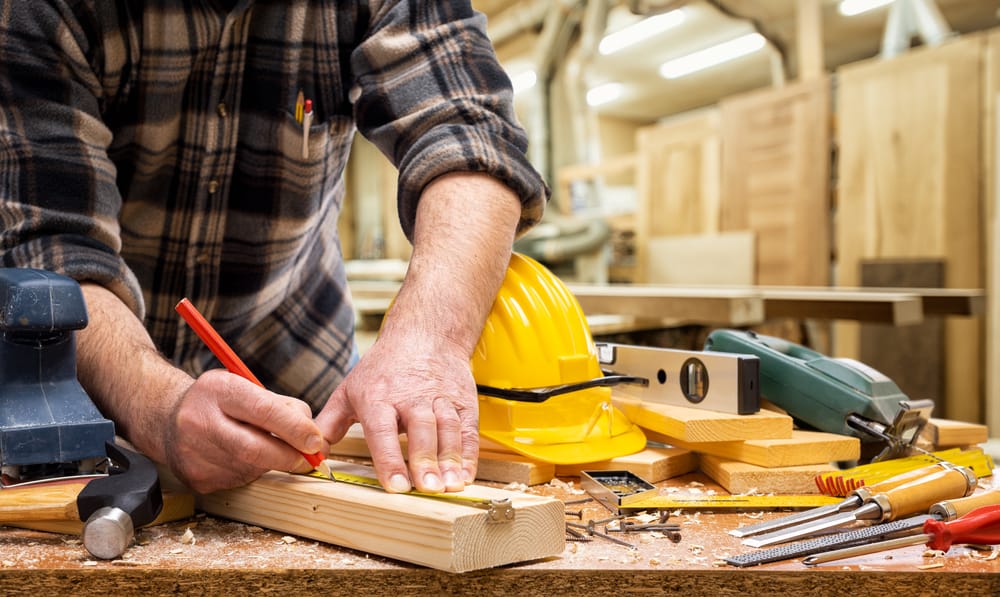
A cabinet maker also has to understand building codes, basic mathematics and know how to measure accurately. Being a cabinet maker is more than just making cabinets. A cabinetmaker can work with his hands to create custom furniture and cabinetry for homes and businesses or work long hours outdoors building decks and fences. Some cabinet makers do restoration work and repair antique furniture. Cabinet makers also undertake interior decor furniture works. They fit all sorts of cabinets, including kitchen cabinets, study room cabinets, or bedroom cabinetry. [Cabinet makers](/guides/cabinet-makers/what-does-a-cabinet-maker-do) mainly use refined wood in cabinet making works. They use wood based materials such as plywood and a manufactured board like Medium Density Fiberboard (MDF), veneer, and particle boards. Cabinet makers also carry out shop fittings, and other fine detail works like entertainment units such as high visual wine display units. A cabinet maker is involved with heavy equipment and tools. A cabinet maker works with many different types of materials to create cabinets, furniture, and other cabinetry such as wood, metal, or glass. Some basic skills necessary for this job include computer use and putting together intricate designs from diagrams and measurements. A cabinet maker also has to understand building codes, basic mathematics and know how to measure accurately using tape measures, laser levels and plumb bobs. Professional cabinet makers use all types of woodworking machines and materials. These include table saws, mitre saws (chop saws), band saws, compound mitre saws (sliding compound mitre saws), radial arm saws, routers, planers, lathes and vertical band saws. Cabinet making also involves using powered equipment like cordless drills and associated tools like laminate trimmers and using adhesives like wood glue to fit wood sections or reinforce joints. ## What is the difference between a carpenter and a cabinet maker? The main difference between a carpenter and a cabinet maker is that a carpenter builds structures such as decks and fences, while cabinet makers focus is on making cabinets, fine wood furniture, and other cabinetry. Cabinet making is a creative art. It requires an ability to prepare or interpret cabinet drawings and specifications and translate the ideas into finer details in the form of finished wood products. Carpenters will often work with wood on structural projects like constructing timber houses and making on-site trasses and house frames. ## What makes a good cabinet maker? Cabinet makers need to be able to work precisely and accurately. They also must know how to make calculations based on measurements, diagrams and blueprints. Additionally, they must keep up-to-date with their tools and machines to stay competitive in the industry. A cabinetmaker must have excellent math and computer skills, be able to work with their hands and lift heavy items. They must also be able to work in a team. A cabinet maker's main responsibility is making custom cabinetry and furniture for homes, businesses and other structures such as museums, churches and schools. They usually work with wood, metal or glass to create cabinetry that matches the style of their clientele. Some basic skills necessary for this job include computer use and putting together intricate designs from diagrams and measurements. A cabinet maker also has to understand building codes, basic mathematics, follow written instructions and make furniture keeping with very high levels of accuracy. Cabinet making also requires knowing how to measure accurately using tape measures, laser levels and plumb bobs. ## What jobs can a cabinet maker do? A cabinet maker can work with his hands to create custom furniture and cabinetry for homes and businesses or work long hours outdoors building decks and fences. Some cabinet makers do restoration work of drawers and shelves and repair antique furniture. They may also have opportunities to travel or be on-call. Cabinetmakers are involved with heavy equipment, power tools, precision saws, hammers, screwdrivers, clamps, pliers, levels etc. A professional cabinetmaker needs to know how to operate the machines correctly as well as keep them clean. They must wear protective gear such as ear protection or eye glasses while working. Cabinetmakers also need steady hands to make precise cuts using laser-guided saws or table saws. ## Do cabinet makers create furniture? A cabinetmaker is a skilled craft worker who designs and builds custom cabinets, furniture, millwork, bedroom suites, shop fittings and other decorative items for the home or office. Cabinet makers may be able to somewhat customise some ready-made cabinets, but most of the work that they do requires a construction process in order to allow them to create customised cabinetry that matches their client's requests. ## Where does a cabinet maker work? Cabinet makers can work for building supply firms where they will construct stock of cabinets and might have the ability to sell these products directly to consumers. They can also work independently either from home or in an established workshop where they will produce finished pieces of furniture on demand. Cabinet makers often find employment with woodworking shops, furniture stores or cabinetry shops where they will build cabinets from scratch. If you intend or are looking to undertake home improvement work at your home or office, get online and search cabinet maker near you. ## What is a cabinet maker's day like? Cabinet makers work indoors and outdoors depending on the type of cabinetry that is being built. In order to create custom pieces of furniture, a cabinetmaker needs to have knowledge about different types of wood as well as metal hardware and locks. They must be able to read diagrams and blueprints in order to understand their client's design goals for each project they undertake. Cabinet makers need steady hands and good eyesight to accurately measure, cut, drill etc., as well as a strong sense of colour co-ordination in order to ensure that all components are installed properly into the product. Furniture making requires good hand eye co-ordination. Cabinet making involves working with either solid timber or timber based products. It also involves spending a lot of time standing or working with different tools at the saw table. Any furniture maker does a lot of heavy lifting. If you are self employed, you have to be physically fit else, use machines and able persons. Find out more about the career of a cabinet maker on the [JobOutlook website](https://joboutlook.gov.au/occupations/cabinetmakers?occupationCode=3941). ## What does a kitchen cabinet maker do? Kitchen cabinet makers are responsible for building cabinetry pieces that will be used in kitchens. They usually work with wood, metal or glass to create kitchen cabinetry that matches their clientele's style. Cabinet makers may have to travel to the job site in order to complete their work on time, so having a driver's license is beneficial. Sometimes, they may also need experience working with particular materials or hardware. ## How much do cabinet makers earn in Australia? The average salary for most cabinetmakers in Australia varies, but the national average is about AU$33 an hour or $67,000 a year. If you are self employed running your own business, the average annual income can rise significantly depending on your area of specialisation and number of customers. ## How do you become a cabinet maker? Cabinetmakers usually start by completing an entry-level training course on carpentry and joinery, which will teach them how to use hand tools, power tools, and machinery while building cabinetry pieces. Entry requirements will be different in different training institutions. Check with your nearest Registered Training Organisation for the minimum qualifications. If you are a trained cabinet maker, your potential employer will indicate the level of training and years of experience they may require. Many cabinetmakers who want more advanced skills in cabinetry or related careers may choose to enrol in a post-secondary certificate or diploma course on cabinetry which can be done at colleges or technical schools. Becoming a real professional will require years of practice and experience once your complete the basic and advanced courses.

What Does a Cabinet Maker Do?

What Does a Cabinet Maker Do?

Cabinet makers are responsible for creating cabinets and other wood furniture. They are trained in carpentry, joinery and related disciplines. Cabinet makers usually specialise in either designing cabinets or building them. While cabinet makers can specialise in different areas of the trade, they typically have a basic knowledge of all aspects of their work. The main job duties include the below. ### Design and draw plans Cabinet making requires a cabinet maker to understand design criteria to meet customers' requirements, interpret drawings/specifications to fit specific needs. This is the ability to develop or read drawings and specifications. With the dawn of industrial design, cabinet making requires a person who has skills in maths and the use of computers. ### Cabinet making based on sketches or product plans Beyond an ability to develop drawings and specifications, many cabinetmakers have the skills and capabilities to construct wooden objects using hand and power tools such as laminate trimmers and cordless drills. A qualified cabinet maker should be able to use fasteners such as nails, screws, and staples to secure wood pieces together. They should know how to reinforce joints and fit sections using woodworking machines or wood glue. [Cabinet makers](/guides/cabinet-makers/what-is-a-cabinet-maker) often perform finishing work, including painting or staining surfaces, assembling furniture, and other woodwork tasks. This career is not without hazards. Cabinet makers must follow safety rules to avoid injury from saws and other equipment. They also handle sharp tools like knives and chisels, which can cause injuries if used unsafely. Cabinet makers should always wear protective eyewear when operating machines or sharp instruments. ### Creativity in furniture making and fine detail application Creativity in furniture making is required when making custom furniture. The same principle applies to all fine wood furniture work. Quality work and visual appeal are two key design elements in all interior designers work. It is the responsibility of the cabinet maker to transfer the finer details in a drawing to reality. This applies to all cabinetry work, whether it involves making kitchen cabinets, bedroom suites, entertainment units, or shop fittings. A career as a cabinet maker requires knowledge of carpentry techniques, good hand-eye co-ordination, precision skills, and attention to detail while completing repetitive tasks over long periods of time. ### Cabinetry repair works Cabinetry break or weaken with time, necessitating repair works. Performing cabinetry repairs over and above making furniture is also a key job for cabinetmakers. Being called on to repair furniture is a routine job for cabinetmakers. Cabinet makers usually work in small repair shops or as part of a large construction team. Many cabinet makers travel to job sites and must be able to lift heavy objects and spend hours on ladders and scaffolds. This is not a desk job. It requires hard physical work, and sometimes a cabinet maker will have to work overtime. However, this career offers challenging and rewarding opportunities for those who enjoy working with their hands and building things from scratch. ## What skills do you need to be a cabinet maker? Cabinet makers need to be able to work with their hands and have steady, careful movements. They must also be good at following tasks instructions and procedures to ensure high-quality results. The following skills are important in becoming a cabinet maker: - Knowledge of proper safety rules and precautions when working with tools like drills, saws, knives, and chisels. - Experience using all types of tools found in woodworking shops - hand tools like hammers, hand planes, and templates; power equipment like table saws, band saws, jointers, and routers. - Ability to use measuring devices like tape measures, calipers, and levels. - Awareness of the different types of woods used for cabinet making (pine, maple, oak) or manufactured board, as well as techniques for staining, varnishing and painting. - Precision skills to work with tools precisely without injuring yourself or damaging materials. - Creative ability to visualise how wood pieces can be assembled into an appealing cabinet design. ## What is the difference between a joiner and a cabinet maker? A joiner is a person who specialises in assembling pieces of wood together to create furniture or cabinets. A cabinet maker creates the designs for cabinets and other wooden objects, which are then built by a joiner. Cabinet makers often specialise in certain aspects of their craft. Some may specialise in designing cabinets, while others focus on building them. However, all cabinet makers have an understanding of how to design and build custom wood furniture. They use their knowledge of carpentry techniques and hand tools to complete tasks within specific time limits according to project specifications that meet customer needs. A cabinet making career requires manual labour with long hours spent hunched over work surfaces or at the saw table, but it offers opportunities for challenging and rewarding work such as with different types of woods and equipment. The Queensland Building and Construction Commission has some great information on [cabinet making](https://www.qbcc.qld.gov.au/cabinet-making). ## What kinds of tasks do cabinet makers complete? Cabinet makers complete several different tasks throughout the day to produce high-quality furniture or cabinets. They begin by reading blueprints, sketches, and other plans to create designs for wooden objects. Next, they cut wood using hand tools like jigsaws and chisels or power tools like table saws or jointers. They then sand surfaces flat with hand sanders or a drum sander if sanding big pieces of wood. A cabinet maker will then proceed to assemble parts together with nails, screws, and adhesives such as glue. After assembling surfaces, cabinet makers use finishing techniques including painting, staining, varnishing, and polishing to produce the desired colour/finish for their finished product. The final step is handing off completed projects to customers who will pick them up for delivery or installation elsewhere. ## Do cabinet makers make good money in Australia? Cabinet makers in Australia earn good salaries because they complete challenging, physically demanding, and rewarding work. Entry-level employees earn around $60,000 each year, with most experienced professionals earning up to $80,805 per year. Your earning will also vary depending on your level of training and experience. As a cabinet maker, you can choose to work at small repair and joinery workshops with cabinetmaking contractors or be a self-employed cabinet maker. ## What is the difference between a cabinet maker and a carpenter? Carpenters learn how to build structures out of wood, whereas cabinet makers work with wood pieces to create furniture and cabinets. Cabinet makers often specialise in design while carpenters concentrate on carpentry techniques. ## What is a joiner? A joiner is a person with a broad range of carpentry skills, including building structures out of wood in addition to creating furniture and cabinets. They must understand different types of woods and how to work with tools that include hand saws, drills driver bits, routers, and band saws. Cabinet makers often design custom furniture based on blueprints that they then build themselves. They may also specialise in painting, staining, and varnishing surfaces to ensure they're attractive while making finishing touches like adding hinges or handles. Cabinet makers don't necessarily need formal education beyond high school but typically learn on the job through apprenticeships or internships. In cabinet making, you must have knowledge of how different wood pieces are assembled together to create a pleasing appearance and may need to complete specific tasks like sanding pieces flat or adding finishing touches like polishing. ## Do cabinet makers use hand tools? Yes, cabinet makers use several hand tools that include jigsaws for cutting wood pieces, chisels for cutting notches into surface edges, and sandpaper to smooth surfaces. More advanced workers may also learn how to operate power tools like table saws and jointers, which allow them to create specific cuts into wood pieces. Cabinet makers typically work closely with customers throughout the process of creating custom furniture or cabinets. They must be able to construct designs based on customers' preferences while still creating products that meet project specifications outlined in blueprints. Cabinet makers must also have a broad knowledge of carpentry techniques and hand tools but may complete tasks related to specialising in painting, staining, or varnishing surfaces depending on the need.

Frequently Asked Questions

What is a cabinet maker?

A cabinet maker designs, builds and installs wooden fixtures and furniture.

What do cabinet makers build?

A cabinet maker builds various wooden furniture such as chairs and tables, as well as built-in cabinetry for the kitchen, laundry and bathroom.

What’s the difference between a cabinet maker and a carpenter?

Both professions work with wood, however a cabinet maker provides a more stylish and precise finish when creating cabinetry, bookcases, tables, etc.

What is a commercial cabinet marker?

A commercial cabinet maker designs, constructs and installs commercial wooden products including office furniture, shop-fittings, and office fit-outs.

Download Our App

Screenshot of the Localsearch App
Card highlighting that you can claim and future proof your business with the Localsearch App

Localsearch App

Find local businesses - anywhere, anytime.

Available on the Apple App Store iconAvailable on Google Play icon
Screenshot of the Localsearch For Business App
Screenshots of the Performance and Notifications sections of the Localsearch for Business App

Localsearch For Business App

Manage your business - anywhere, anytime.

Available on the Apple App Store iconAvailable on Google Play icon