Air Conditioning Guides & Resources

Trending Searches

Plumbers

Dentists

Hairdressers

Electricians

What is Dry Bulb Temperature?

What is Dry Bulb Temperature?

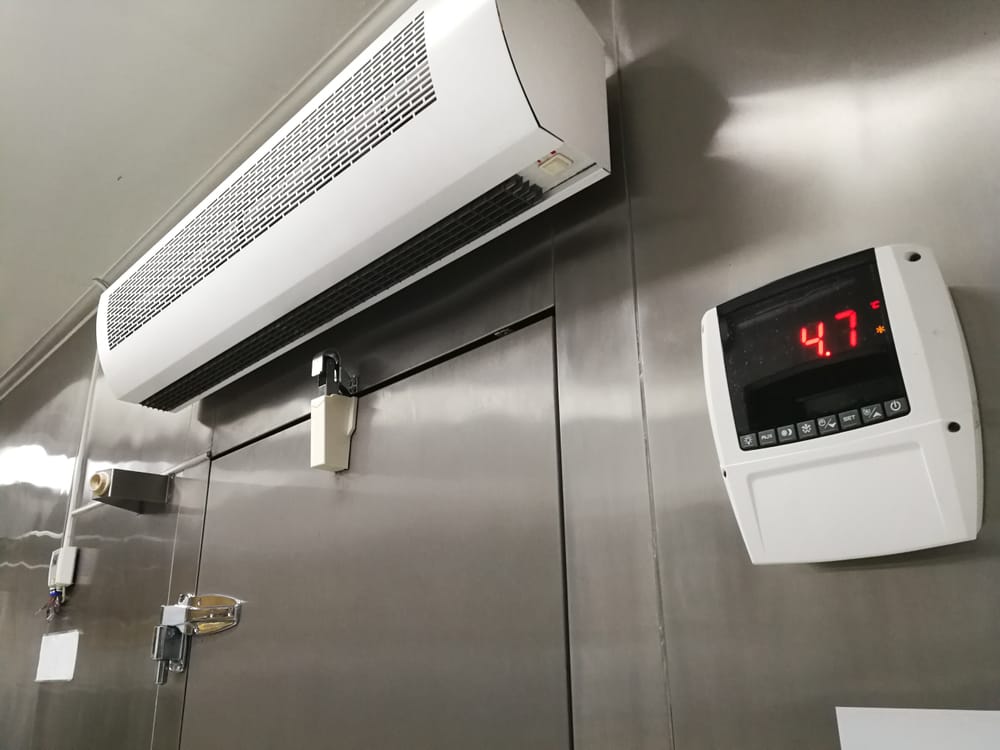
Measuring dry air temperature allows for direct measurements of ambient air temperature. The dry bulb temperature is just what it sounds like. The term 'dry' denotes that measurements are being taken off the moist air movement, as opposed to measuring ambient air humidity or ambient temperature levels . As a result, this temperature differs from wet bulb temperature. The dry-bulb temperature (opposite of wet bulb temperature) is measured by allowing the sensor tip of a thermometer to rest directly in the humid air pressure. At sea level, this will provide an accurate reading of the humid air temperature unlike wet bulb temperature. The dry bulb temperature can be measured by a normal thermometer freely exposed to the actual air but it must be shielded from moisture, while this process isn't applicable to measure wet bulb temperature. The temperature is measured in degrees Fahrenheit or degrees Celsius or Kelvin. Zero Kelvin is equal to -273 deg C. ## How is it different from a wet bulb temperature? The wet-bulb temperature is measured by allowing moisture content to evaporate off of an moistened thermometer bulb exposed to the moist air molecules, cooling it in the process. By comparison, measuring dry air temperature allows for direct measurements of ambient air temperature. Since both methods are used to measure the same general phenomenon, they are related by what is known as a psychrometric chart. To properly use this tool one must be familiar with the various properties and environmental factors that will affect readings of an air parcel. The wet bulb temperature is also called as adiabatic saturation temperature or some experts use "isobaric wet bulb temperature" to define thermodynamic wet bulb temperature. Wet bulb temperatures and dew point temperature are usually correlated. Dew point temperature can also be measured through dew point temperature thermometer. The dew point temperature around a wet bulb will be different from the dew point temperatures in the surrounding. The temperature difference is corrected through relative humidity. The relative humidity also plays a role in measuring wet bulb temperature. The dew point will have a saturation line because after all, dew is the completely saturated water vapour that was created when the heat gained. This saturation line stays constant. The partial pressure of the water vapour around the wet bulb will be different from the partial pressure near the steam. The wet bulb temperature also denotes adiabatic evaporation. ## What affects dry bulb temperatures? The amount of solar radiation received at ground level affects dry-bulb temperature, as do wind speeds and cloud cover. Other elements, such as the height of the station above the ground and the amount of water vapour present in the saturated air parcel also help to change the same temperature readings. Dry-bulb temperature measurements are only useful in evaluating the air temperature. This is because humid air starts to vary considerably from visible moisture to gaseous water vapour concentrations. In most cases, the height at which a thermometer is placed will affect how much water vapour present in the air sample. When one is measuring the temperature of a cloud layer, for example, it's important to make sure that the thermometer is high enough above the ground. If it isn't, the dry bulb temperature reading will not be true and a lower wet bulb reading will show up in its place. ## How does a dry bulb thermometer work? A typical dry bulb thermometer is made up of a small aluminium or copper-bimetallic strip which turns red when the air temperature has risen enough. This strip is attached to the metal cap covering the bulb of an ordinary thermometer. As the sun warms things up, this thin strip expands, pulling on the metal cap and turning it until eventually, all of the mercury in the column is at the top end. At this point, some of it starts to flow back down into its original place again while most will have gone over into a reservoir at the top end. The amount that does this depends on how hot it was outside originally. More mercury comes out if things are really hot than if they are just warm or cool. Once the temperature starts to drop again, the strip contracts and pulls on the cap which turns it back once more until all of the mercury is at the lower end again. In this way, a continuous record of temperature variations is created. The relative humidity helps find dew point temperatures, which is figured out by the water vapour and latent heat around the bulb. The water vapour will evaporate near the bulb, which is measured through a thermometer. A bulb wrapped with any coating will have less latent heat and increased water vapour near it. For more information on calculating relative humidity, take a look at this explanation from the [Bureau of Meteorology](http://www.bom.gov.au/climate/averages/climatology/relhum/calc-rh.pdf). To understand how a bulb thermometer works, you should be aware of these terms- constant pressure, heat content, wet bandage, latent energy, vapour pressure, mass transfer coefficient, etc. The difference between a dry bulb thermometer and a wet-bulb thermometer is that in a wet-bulb thermometer version, water vapour from water at the bottom end of the thermometer evaporates up into its place creating a cooling effect which is measured by the lowering of the mercury in both columns. ## How do I use a dry bulb thermometer? A constant dry bulb temperature thermometer is typically used in conjunction with a constant wet-bulb temperatures thermometer to determine the dew point and relative humidity levels. The two readings, when plotted on a psychrometric chart, can also help meteorologists and climatologists estimate future weather conditions including rainfall totals. In order to use this tool properly, it is necessary to find out what the prevailing wind direction is from reliable sources such as weather stations or even wind direction maps published online at various websites. This information will be needed to determine which end of the strip should face into the wind. One must also make sure that there is no obstruction preventing accurate measurements from being taken. ## Where are dry bulb thermometers used? Dry bulb thermometers can be used in a wide variety of applications which include testing the accuracy of other types of weather instruments and recording temperature range variations at various points in different environments such as near airports or shipping ports. Because the information is transmitted via radio waves, it is possible to monitor such things without having to place equipment directly on the ground. They're different from thermometers used to measure wet bulb temperature. These tools are also commonly used in meteorological applications such as weather stations and by companies looking for ways to keep track of outdoor conditions in order to optimise product storage and transport. ## How is atmospheric pressure measured? A dry bulb thermometer works by measuring how much heat has been removed from the air property in order to form water droplets (droplets are formed when the moisture condenses, and the technical term is evaporative cooling). The wet bulb version does this by producing an uninsulated canvas sleeve that is kept wet with distilled water. As this evaporates, it cools down the surrounding air, just like when perspiration evaporates off your skin. The difference between these two temperatures can then be used to determine relative humidity levels and dew point details. Atmospheric pressure can also be measured using a barometer. If you bring ice cubes or a cold bottle near the bulb, you'll notice the heat lost and reduced water vapour in the case of a wet bulb as opposed to a dry bulb. Latent heat will be less and less water vapour will be produced (also called wet bulb depression). The convective heat transfer in a wet bulb is low, hence the atmospheric pressure will be low (also called thermodynamic wet bulb temperature). Sensible and latent heat (otherwise called sensible and latent energy) are different from each other. ## How do I choose the right thermometer? When looking to purchase a dry bulb thermometer, it is important to consider what it will be used for and whether you will need any additional accessories such as adapters or stands. Some models also come with an integrated hygrometer and wind gauge as well as a [complementary thermometer](/guides/air-conditioning/what-is-a-dry-bulb-thermometer). If you know the dew point and humidity levels, it will be easier to make sure that the device being considered provides accurate readings. ## What are the alternatives to a dry bulb thermometer? Today there are relatively low-cost devices that can provide information on atmospheric temperature variations via mobile phone apps or consumer websites. These may not always be suitable for more demanding professional use but they can help to determine current weather conditions with a degree of accuracy so it is possible to plan accordingly. A more sophisticated alternative that can be used to measure dew point and relative humidity levels is a data logger which can collect information automatically for longer periods of time while providing high-resolution details. ## How can I get the most out of my dry bulb thermometer? When taking measurements, you need to ensure that the device is stable during operation so it remains accurate. There should also be no obstructions blocking the dry airflow between it and the object being measured. Since these devices are not overly expensive, it makes sense to purchase one with an integrated hygrometer in order to collect additional data on airflow speed and direction if they are needed. It may help you run your home [air conditioning more efficiency](/guides/air-conditioning/energy-saving-air-conditioner).

Air Conditioning Guides & Resources
Air conditioner installation quote

Air conditioner installation quote

Air conditioning cools down room temperature by eliminating heat and moisture, adding liveability and maintaining comfort in your home. Before you get a quote for an air conditioner, tradespeople will look at the range of ambient temperatures and humidity levels of your locality as well as the insulation capability of materials used in the house. Poor insulation may allow heat into your home through the walls, windows and roof. The direction the house faces is also a factor to consider. Another consideration is the natural environment like shady trees and grassed areas that can provide more resistance to incoming heat than large concrete pavements that reflect heat towards the house. Choose an accredited air conditioning system installer with current knowledge of recent developments and system designs directly from the manufacturer, spare parts, and experience of many installations in residential, commercial, and industrial applications. The right air conditioner system for you could be a wall-mounted system, an individual [vented system](/guides/air-conditioning/vented-air-conditioner) or a range of ductwork that supplies cooling for areas larger distributed in a 360-degree pattern. ## How much does it cost to install air conditioning? The average cost of a ducted air conditioner costs between $10,000 to $ 30,000, while a small window unit costs $300 to $5,500 to suit a whole house. The installation prices vary according to the location because of the shipping and labour costs. They range between $70 to $90 per hour, depending on the local rates. In New South Wales, the average air conditioner installation costs $500-$1000, $500-$900 in Victoria, $500- $900 in West Australia, and $600-$1000 in Queensland, Australian Capital Territory, South Australia, Tasmania and the Northern Territory consecutively. Choosing an [energy saving air conditioner](/guides/air-conditioning/energy-saving-air-conditioner) will save you money in the long run,. A reverse cycle air conditioner can cost between $0.25 - $0.35 per hour and $0.01 for a ceiling fan. A whole house ducted system costs about $2.45 to $3.45 per hour, while a 36 square metre room costs $0.36 to $0.70 per hour, and 50 square metre will cost approximately $0.70 to $0.95 per hour. ## What factors affect the price of air conditioner installation services? The installation of air conditioning services is affected by the following factors; ### Ductwork - Ductwork distributes airflow from your heating or cooling system in your home. A leaky duct system will cause your heating ventilation and air conditioning system to be inefficient, causing increased energy bills. The cost of installation rises if your ductwork requires an update, whether it is just for a section or complete replacement. ### Heating, Ventilation and Air Conditioning system type - The cost of your air conditioning unit depends on the system type you choose for your home. You can choose from a straight air conditioning system, heat pump, packaged, geothermal or ductless systems according to your financial muscle. ### System size - The bigger the heating, ventilation, and air conditioning system your home requires, the more you will pay for it. Make sure you install the right size to get top comfort in your home.

What Temperature to Set Air Conditioner in Winter Australia?

What Temperature to Set Air Conditioner in Winter Australia?

There are no strict rules as recommended temperatures vary for different seasons because every person has different comfort levels. For most, the most comfortable summer daytime temperature is around 23-25 degrees Celsius. For people experiencing cold weather conditions, their ideal air conditioning heating temperature should be anywhere between 16-20 degrees Celsius. At night, many sleep well with an air conditioner temperature somewhere around 18 degrees Celsius. If you are using your air conditioner for 5-8 hours a day, this would be an ideal temperature to save some bucks on electricity bills. You should also purchase a digital air conditioner thermostat to avoid overcooling or overheating of the rooms and spaces inside your house. There is no specific setting that has been mandated by any government organisation for cold or warmer climates because every individual has his/her own comfort level with regards to the indoor temperature at which they feel most comfortable while working/sleeping. Some people like their rooms extremely cold while some would opt for a warm environment. ## The best temperature to set the air conditioner in winter If you suffer from occasional breathing difficulties like asthma or respiratory infections, then the ideal AC temperature could be between 16-18 degrees Celsius only. Because too much dryness can lead to further complications in breathing and cause discomfort to people suffering from such medical conditions. Also, keep in mind that adjusting your air conditioning unit temperatures is not an exact science, and it all depends on how much time you spend inside the air-conditioned room/space, current outside temperature and wind chill factor (if applicable) and whether or not you use an [energy efficient air conditioner](/guides/air-conditioning/energy-saving-air-conditioner). ## What is the best air conditioning temperature in Australia? The best set air conditioner temperature for an Australian climate is between 24 degrees Celsius and 26 degrees Celsius. To achieve the most efficient temperature levels, you should also consider the humidity levels inside the room/space where the air con has been installed. Because if humidity levels are very high, then it would be better to decrease the temperature by 1 degree Celsius or so. If you feel that the indoor environment isn't the right temperature and is becoming uncomfortable due to low-humidity conditions, then you can increase the humidity level by using a humidifier to achieve a comfortable temperature. If the outside temperatures are still hotter, it doesn't always imply that your air conditioning unit should be turned down by 2-3 degrees. There could be other factors. ## How to set a reverse cycle air conditioner in winter In the wintertime, a [reverse cycle air conditioner](/guides/air-conditioning/what-is-reverse-cycle-air-conditioning) is efficient and saves electricity as well. It can reduce temperatures inside rooms/spaces by 1-2 degrees Celsius in comparison with window-type ACs. A timer is a great feature on your air conditioner. For example, if your office timings are from 8 am till 6 pm, then you can set an ON timer for 7 am so that your room temperature keeps increasing gradually before you start working in the morning. As the afternoon draws on, you can set a pre-cooler timer so that your room/space cooling temperature is around the desired level when you enter the room after a break in the afternoon. For energy efficiency and knock out a few bucks off your electricity bill, you should also keep an auto-restart timer on as you'll avoid wastage of electricity and unnecessary power consumption. ## Advantages of reverse cycle air conditioners in winter Reverse cycle air conditioners are ideal, as they offer not only cooling but also reverse cycle heating saving on your energy bill as they use chemical refrigerant to absorb heat from outside air (in the summer as well as in the winter) to either heat or cool your home. This makes reverse cycle air conditioning energy efficient and much more adaptable because they're fitted with the inverter technology that ensures the aircon quickly attains the set temperature. ## Is it efficient to heat my home with an air conditioner in winter? It boils down to the amount you're willing to pay in the form of electricity bills. For the best energy-efficient air conditioner, you should opt for the [split AC unit](/guides/air-conditioning/what-size-split-system-do-i-need), which is much more cost-effective in relation to its heating efficiency in heating the rooms, since it has a heat pump installed. Setting an optimum temperature will also help in electricity savings and money. ## How long does an air conditioner take to heat a normal-sized room? This is based on the capacity of your air conditioner and your space/room size. Typical lounge rooms would take anywhere between 10-15 minutes to heat up at the desired temperature. For optimal efficiency consider closing blinds, curtains, doors, and windows to prevent heat loss. You can also set your air conditioner in winter for auto cool/heat mode so that it detects fluctuations in indoor air temperature and accordingly adjusts cooling or heating operations with no manual intervention required. ## How much electricity does an air conditioner use? A typical air conditioner will have a Rated Cooling Capacity, which is the amount of power it takes to cool your room. For example, if you have an 18,000 BTU/hr AC that would be equivalent to 575 watts when operating at 100% efficiency. This number does not take into account any type of inefficiencies and applies only to ideal conditions (wide-open doors and windows). Real-world energy use is usually double this number or higher. For more information on the energy use of air conditioner's, take a look at the Australian Government's [Energy Rating guide](/guides/air-conditioning/air-conditioner-installation-quote).

What is a Hydronic System?

What is a Hydronic System?

A hydronic system is a way of heating and cooling your home by circulating water through pipes. This is also known as radiant heat. For heating, water is sent through piping in the floor or wall as heat radiates from the warm pipes and heats up the room. The amount of heat can also be controlled by a thermostat for your comfort. During the summer months, the process reverses so that cool water is circulated through the piping. This pulls air across our skin cooling us down as it evaporates moisture on our skin and leaves us feeling refreshed and comfortable. A hydronic system provides two major benefits: radiant heat and humidity control. It's an efficient heating system that provides warm air and hot air with radiant heating without a forced air system because it uses central heating systems and heat pumps. Hydronic heating works to provide heated air with radiators that are efficient. ## How does a hydronic system work? A hydronic system can be used to both heat and cool your home by the process of heating piped water water to a specific temperature. This heated water is then pumped through baseboard or radiator type unit where it transfers heat into the air in your room. When you want to cool, cooler water is circulated through the piping resulting in it pulling moisture from the air. This also has the added benefit of lowering humidity levels which can help with allergies, colds, flu and other common ailments that are associated with high humidity Recovery time for a hydronic system is is good, which means that you don't have to wait long for either heating or cooling temperatures. A hydronic system can recover at rates up to five times faster than forced-air heating and cooling systems. Natural gas, baseboard heaters, HVAC systems, heat exchangers and heat emitters can work at lower temperatures as cooling systems and as an HVAC system. ## Are hydronic systems energy efficient? Forced air systems require a fan to circulate air throughout your home. This continuous circulating of air can actually [waste valuable energy](/guides/air-conditioning/energy-saving-air-conditioner) as it is both cooling and heating outside air that is not being used in the home. A hydronic system does not circulate air which means that you are heating or cooling only the heated or cooled water that is situated in your baseboard units, radiator units, or wall convectors. For additional savings consider adding an HRV (heat recovery ventilation) system with your hydronic system for even greater savings. The HRV will recover most of the heat from stale indoor-outdoor air before reintroducing it into your living space. ## Where does my hydronic system water come from? The hot water that is used in your hydronic heating system comes from one of two places; either your existing water heater or an additional hot water tank. If you are using an existing electric or gas-fired storage tank, heat pump or heat strips to heat your home's water supply, then the heated (or cooled) water will be supplied by the product itself. If you already use an indirect gas-fired or electric-fired hot water heater, your home is already set up for hydronic heating. The hot water heater can simply be activated to supply the additional heat and then deactivated again when not needed without any negative effects on your existing system. A heat exchanger uses [air filters, which you need to clean](/guides/air-conditioning/how-to-clean-an-air-conditioner-filter) and thermal radiation control valves to heat water. ## What are the benefits of a hydronic system? Heating and cooling your home directly, resulting in energy savings. In the summer months when you do not want to be cooled down too much, use a fan for air circulation instead of using the hydronic cooling unit. You can also add a hot water tap in any room if desired so that you have an instant supply of hot water available at all times. This is perfect for laundry rooms, kitchens and bathrooms where you want to be able to access a supply of hot water immediately. The heat from the baseboard or wall convector units provides radiant heat which creates a more even distribution of heat throughout your home rather than just heating one area at a time like forced-air heating systems. A hydronic heating system will maintain a more even temperature throughout your home which provides for a cozier, more comfortable environment in the winter months and a cooler environment in the summer months without having to ever turn on your air conditioning unit. In addition, an HRV (heat recovery ventilation) system may be added to your hydronic system for even greater savings by capturing heat from stale indoor-outdoor air before reintroducing it into your living space. ## Can homeowners do their own hydronic system installation? Maybe. The system is easy to install and usually only requires the assistance of a plumber to hook up any hot and cold supply sources that you might already have. Most do-it-yourselfers can easily install their hydronic heating systems with a little pre-planning, research and by following the manufacturer's instructions carefully. ## What maintenance is required for a hydronic system? The hydronic heating system itself will require minimal maintenance throughout its lifetime as it does not contain many moving parts (such as fans) which may need replacement over time. However, certain elements such as the boiler or furnace will require periodic servicing but these units are very low maintenance overall when well maintained. As far as the piping is concerned, periodic super-inspections are recommended to ensure that expansion and contraction in the piping is not causing any damage. A cooling system and modern systems have high operating costs when installed. Equipment and boilers are high maintenance. But they use less energy as pet dander in a building, walls, and other forms of living areas with dust and steam. ## How much does a hydronic system cost? The initial installation cost of a hydronic heating system can vary greatly from one make and model to another. To determine the answer, you will need to contact local suppliers for quotes. The costs are just part of the equation. There are other considerations to make as well, especially if you want to achieve maximum results and use your hydronic heating system for many years. If you pay $1,000 per year or more for energy costs then chances are that a hydronic heating system will be able to cut these costs. ## Are there long-term benefits to owning a hydronic heating system? Not only do they offer significant savings in terms of energy costs but also because they operate so efficiently they actually increase their lifespan by many years. This means that you will get more out of your investment by spending less money on replacement costs for parts and components which are not expected to last very long anyway. For more information on choosing the right system for you, take a look at [this guide from Sustainability Victoria](https://www.sustainability.vic.gov.au/energy-efficiency-and-reducing-emissions/save-energy-in-the-home/reduce-heating-costs-at-home/choose-the-right-heating-system-for-your-home).

What is a Dehumidifier?

What is a Dehumidifier?

A dehumidifier is a device that helps to remove excess humidity from the air and improve air quality. Ideal for anyone who suffers from condensation problems, house dehumidifiers can help prevent allergy triggers like dust mites, mildew and mould growth around the house, while also preventing damage to furniture and other household items. A typical unit will contain a large tank that's placed in a room or area of your home where there's likely to be high levels of moisture damage, e.g., near an indoor pool or laundry room. As the machine operates, it sucks up humid air from its surroundings and the warm air passes through a compressor. As the air cools, the air turns into cold liquid water which then drips down into the collection tank below. Once full, simply collect water by opening the tank and pouring it down your sink. Desiccant dehumidifiers have silica gel which helps in better absorption of moisture. The dehumidifier somewhat works like air conditioners, converting wet air into dry air [similar to air conditioning](/guides/air-conditioning/energy-saving-air-conditioner). Depending on the size of your living space, you may need a dehumidifier per room or possibly just one centralised whole-house machine that covers every area. For a large country house that contains a pool room, double garage and several other areas where indoor humidity are likely to be high, a large single-model suited to an entire property will be required. If you're living in a small flat with little space for bulky items, it makes sense to use the smaller portable dehumidifiers as needed around the home. In any case, make sure there's easy access to emptying/filling as part of your decision process. ## When should you use a dehumidifier? If you live in a humid climate, or if you have an indoor swimming pool or steam sauna in your home, then there's likely to be high levels of moisture in the air in your home much of the time. This water vapour can cause problems with condensation and mould growth on walls, ceilings and floors around the house. A dehumidifier works to help reduce this problem by extracting the excess collected water from damp/wet areas before it has a chance to damage walls or other surfaces. A dehumidifier is very useful for areas that experience damage due to various natural disasters like rainfall, etc. After heavy rainfall, if water leakage is a problem then dehumidifiers are useful for the drying process of this excess water. Although it's less common for smaller homes, excessive humidity can also be caused by an ill-maintained central heating system that leaks moist air into your property at all times of the year. It could even result from faulty extractor fans which pull too much indoor air into your kitchen or bathroom, causing the moisture levels to rise. Whatever its cause, dehumidifiers work in all of these scenarios for successful humidity control and improved fresh air . There are three main types of machines available, listed below. - Freestanding console units designed to sit in a single area and remove excess water from the vicinity. - Portable dehumidifier wands are hand-held devices that can be moved around a house or dragged along walls/ceilings to reach hard-to-reach areas where there's dampness/condensation present. - Centralised whole home machines are much larger than traditional freestanding models, they help keep excess humidity under control across your entire property 24 hours a day, 365 days a year. ## What should you consider when buying a dehumidifier? Take a look below at the common considerations when buying a humidifier. ### Capacity The amount of water your machine can extract from the air in one day will depend on its size. If you live in a relatively small home then anything around 30-50L capacity per day should be sufficient, but if you have an outdoor pool or run a steam sauna in your home then opt for something larger (over 100L/day) and prioritise features like auto restart and dual compressor technology. ### Ease of use When shopping around, make sure the units are easy to carry up stairs and that all ports and tanks can be removed easily when it's time to empty them. Be aware that some models need to be drained every 12 hours if they're working at maximum capacity, so factor this into your thinking. ### Removable tanks If you need to carry the tank around your home for emptying you'll want it to be small and lightweight. Look out for units with removable lids and handles that make carrying an empty tank up and down stairs a lot easier than carrying a large cylinder-style unit. Units with wheels attached to their base will also help here as they allow the machine itself to move freely, leaving you with just one hand required for moving the water tank around. ### Continuous drainage options Some dehumidifier models offer continuous drainage options (i.e., no need to empty the tank every 12 hours). Depending on its capacity and the rate of water extraction, you may find that this is a real time-saver. ### Maintenance Most dehumidifiers require some regular cleaning to keep them operating at maximum capacity for longer. Taking care of your unit will ensure it lasts as long as possible and removes more moisture in the air in between servicing sessions. Make sure you check which parts need cleaning regularly and factor in how much work this will add to using the machine. ### Noise level All dehumidifiers make noise when in operation, but powerful models can be quite loud so take note of their decibel rating/s if they're not self-evident from the description on offer. ## How does a dehumidifier work? A dehumidifier collects moisture in the air and transfers it into a removable tank or tray that you'll need to empty regularly. This works somewhat similar to an air conditioner. The dehumidifier's efficiency depends on the machine's capacity, but if you live in an area with too much humidity then expect to empty your unit quite often (or use its continuous drainage option). Desiccant dehumidifiers have silica gel which helps in better absorption of moisture. Refrigeration dehumidifiers work well in a hot humid climate. If you choose a centralised model for your home, cooled coils will take any excess moisture out of the air and send it down through your pipework where it can be collected by your plumbing system (if dehumidifying isn't enough for you then remember that whole-house humidifiers are another option worth considering). ## What is the difference between a humidifier and a dehumidifier? A humidifier raises the humidity level of a room or home, adding moisture to dry or stuffy air whereas dehumidifiers work to remove excess water from the atmosphere using a compressor and fans. High humidity can be monitored digitally on some machines, helping you keep an eye on your home's climate and make adjustments accordingly. ## What are the disadvantages of a dehumidifier? Dehumidifiers are effective at removing moisture from the air but they can also lower your home's relative humidity too much if you don't regulate them properly. If this happens, especially in winter when cold air doesn't hold as much extra moisture as warm moist air, then expect problems with condensation and mould on windowsills and walls. If you're using a dehumidifier to combat condensation then you'll want an energy star certified model. They use less energy and won't increase your heating costs or raise the humid environment by adding water back into the atmosphere if the indoor humidity falls below a set point. Look out for models that monitor relative humidity of the room where they're stationed so they know when it's time to add more moisture level to the dry air. ## What are the advantages of a dehumidifier? Energy-star certified dehumidifiers offer a number of advantages over other home climate control systems like air conditioners. For starters, there's no need to regularly change air filters as they don't work with ionisers and require no maintenance from you once they're up and running. You also won't need to use chemical sprays or humidifying gels/tablets as these machines do the job for you without making any mess whatsoever. Humid weather can cause various allergy symptoms of respiratory illness like dry cough, stuffy nose, runny nose. If you face these health problems in your household then dehumidifiers can help tackle this by removing excess dust particles from the dry air. They help to keep common allergy triggers like dust mites, pet hair and pollen at bay (for maximum effect it's recommended that you invest in an HVAC/ air conditioning system for your entire home). Dehumidifiers give out cooled air so they can lower your greenhouse effect and also help you in saving energy costs on summertime cooling costs by reducing the relative humidity level in your home. They're easy to set up and can be used as portable units if you need extra cooling equipment for a specific area. They help the air conditioner work more efficiently. ## How do I maintain my dehumidifier? The frequency with which you'll need to clean and service your machine will depend entirely on the model in question and how often it's used, but most units will need a weekly cleaning session at least. Most dehumidifiers come with indicator lights that display when they're due for service, although some require the user to check them manually. Check your instruction manual (or consult the manufacturer directly) if you're unsure and stick to their recommendations. This should ensure your unit lasts as long as possible. Keep an eye out for mould build-up around the water tank or tray of any dehumidifier you buy, especially if you live in humid or cold climates. You may have to clean it regularly like an [air conditioner filter](/guides/air-conditioning/how-to-clean-an-air-conditioner-filter). ## How do you compare dehumidifiers? Standard dehumidifiers remove moisture from the air by condensing it onto a cold plate, but smarter models will monitor humid environments in the room before kicking into action. Look out for models with hygrometers so you can tell when your home's humidity is getting too high and machines that have an automatic restart function if they ever get knocked off during use or lose power at any point When you visit home improvement stores, compare air dehumidifiers pay attention to noise levels, running costs and energy efficiency. These factors are all crucial if you're looking to invest in your home climate control system. Make sure whatever model you go for is easy to clean and move around your house (some come with casters) while checking that they're not too bulky for your home. ## What are the drawbacks of running a dehumidifier? Consider how much power your unit will use before purchasing it to ensure you pay for its running costs in the long term. Also, make sure that whatever model you buy is suitable for the size of your home. Some smart models may be unable to lower the high humidity levels down to very low temperatures if they're operating in a larger space and several units working at once could increase air humidity levels rather than reduce them due to increased airflow across their fins. If any machine emits an unpleasant musty smell then this is likely caused by stale water from previous sessions or dirty machinery parts, which should fade after having been cleaned with distilled water and dried thoroughly. For more information on indoor air quality, take a look at the [Your Home website](https://www.yourhome.gov.au/live-adapt/indoor-air-quality)

Air Conditioning Statistics Australia

Air Conditioning Statistics Australia

Air Conditioning Statistics Australia ===================================== ### Air conditioner problems Most people only think about their air conditioner when it’s hot outside and they need it to keep them cool. However, air conditioners can provide more benefits than just keeping you comfortable. They can also improve your home’s energy efficiency and help protect your health. Air Conditioner Problems ------------------------ Despite their many benefits, air conditioners can also cause problems. One of the most common problems is that they can be very expensive to run. If you have an air conditioner, it’s important to make sure that you use it efficiently. One way to do this is to make sure that your air conditioner is properly sized for your home. If it’s too small, it will have to work harder and use more energy to cool your home. If it’s too big, it will cycle on and off frequently, which can also lead to increased energy costs. Another way to save energy is to make sure that your air conditioner is in the right place. You should try to avoid putting it in direct sunlight or near heat sources like ovens and stoves. You should also make sure that there’s enough space around it so that the airflow isn’t blocked. **Most common air conditioner problems in Australia** ----------------------------------------------------- The most common air conditioner problems in Australia are improper sizing, placement, and maintenance. If you're experiencing any of these issues, it's important to take action as soon as possible to avoid further damage and increased energy costs. **Improper sizing** ------------------- One of the most common problems with air conditioners is that they are often not properly sized for the space they are cooling. This can lead to the air conditioner working harder than necessary, which can increase energy costs. **Placement** ------------- Air conditioners should be placed in a spot where they have plenty of room to breathe. If they are placed in direct sunlight or near a heat source, it can cause them to work harder and use more energy. Maintenance It's important to keep your air conditioner in good condition by regularly cleaning and servicing it. If you don't properly maintain your air conditioner, it can lead to a variety of problems, including increased energy costs. **Average air conditioner lifespan** ------------------------------------ The average air conditioner lifespan is about 10-15 years. However, this can vary depending on the type of air conditioner and how well it's maintained. What is a climate zone in Australia? ------------------------------------ A climate zone is an area in Australia with a certain climate. The zones are mostly determined by the amount of rainfall and temperature. There are eight major climate zones in Australia, listed below. Zone Description ---------------- * Zone 1 Hot humid summer, warm winter * Zone 2 Warm humid summer, mild winter * Zone 3 Hot dry summer, warm winter * Zone 4 Hot dry summer, cool winter * Zone 5 Warm temperate * Zone 6 Mild temperate * Zone 7 Cool temperate * Zone 8 Alpine Each of Australia's climate zones has its own unique weather patterns. For example, in Zone 1, you can expect hot, humid summers and warm winters. Whereas in Zone 8, you can expect cool temperate winters and alpine summers. If you're not sure which zone your home is in, you can use this map to find out: [https://www.yourhome.gov.au/getting-started/australian-climate-zones](https://www.yourhome.gov.au/getting-started/australian-climate-zones) Which are the most common air conditioners in Australia? -------------------------------------------------------- The most common air conditioners in Australia are split system air conditioners. This type of air conditioner is popular because it's affordable and easy to install. It also has a wide range of features that make it an ideal choice for many homes. If you're looking for a new air conditioner, it's worth considering a split system air conditioner. Split systems work by cooling the air in one room or area of your home and then distributing it throughout the rest of your home. This makes them a great option for smaller homes or apartments. If you're looking for an air conditioner that is specifically designed for large homes, you may want to consider a ducted air conditioner. Ducted air conditioners work by cooling the entire home by distributing cooled air through ducts in the ceiling or floor. This type of air conditioner is perfect for larger homes with multiple rooms. It can also be used to cool commercial spaces like offices and retail stores. Average air conditioner installation prices based on state or territory * Victoria - 500 to $1000 * NSW $500 to $1200 * QLD $600 to $1100 * SA $500 to $900 * NT $600 to $1200 * ACT $600 to $1100 * WA $500 to $1000 * Tas $600 to $1100 Fontier Economics Data Residential energy consumption benchmarks - 9 December 2020 [https://www.aer.gov.au/system/files/Residential%20energy%20consumption%20benchmarks%20-%209%20December%202020\_0.pdf](https://www.aer.gov.au/system/files/Residential%20energy%20consumption%20benchmarks%20-%209%20December%202020_0.pdf)

What is thermal comfort?

What is thermal comfort?

Thermal comfort is all in the mind. It's the condition of satisfaction a person feels with their environment and immediate surroundings. Simply put, thermal comfort means an individual does not feel too cold or too warm. Air temperature is the most typically used indicator of thermal comfort. There is a higher tendency that you will get tired when you are too warm; and when you are too cold, you will become restless and distracted. ## Why is thermal comfort important? Optimal comfort is very important to your health and productivity both at home and work. In an interior space, feeling comfortable directly impacts the mood of people and if you are in a satisfactory environment with optimal conditions in the workplace, you can think and work better. Maintaining perfect thermal comfort at home and work can help avoid likely health issues. Poorly designed ventilation systems and lack of [maintenance and cleaning](/guides/air-conditioning/how-to-clean-an-air-conditioner-filter) significantly hinders optimal thermal environments. ## How is thermal comfort achieved? There are different ways to achieve optimal thermal comfort in a home or business - design, structure, and maintenance. One way is ensure that you use an HVAC system that regulates MRT (mean radiant temperature) to measure and regulate operative temperature. You should also reduce the air leaks in the building that can relatively reduce the efficiency of an HVAC system. It is important to be mindful of the constraint of air temperature and relative humidity between seasons. ## What is comfort zone temperature? The temperature of the human body is about 37°C and the ideal comfort zone temperature with ventilation is said to be between 17° and 24°C. Thermal discomfort can occur if under an air-conditioning vent or skylight or near heat-generating equipment or an open door. ## What is the general comfort condition in air conditioning? The ideal temperature and air conditioner settings for general comfort is up to personal preference, but a good rule of thumb is it is best to keep your temperature settings between 23 and 28 degrees in the summer months. Air conditioners designed to [save on energy costs](/guides/air-conditioning/energy-saving-air-conditioner) are ideal for the summer. ## Is comfort cooling the same as air conditioning? Air conditioning and cooling are different. Air conditioning t involves charging, controlling and regulating the climate conditions. A cooling system lowers the temperature for use or comfort - in many cases cooling systems are just enough to bring comfort in summer ## What is comfort condition? Comfort condition or comfort zone is when your body feels comfortable within a specific range of temperature settings, relative humidity and air velocity. The four factors that contribute to the comfort condition of someone include temperature, humidity, air movement and mean radiant temperature. For temperature, people prefer between 21 and 26 degrees Celsius. Air humidity relates to how much moisture is present in the air ( the ideal range of relative humidity is 40 to 60). Too low or too high of relative humidity can increase the chances of bacteria, mould, and dust mites. Mean radiant temperature has to do with how cold or hot the surfaces around you are. ## What are the factors of thermal comfort? Thermal comfort factors are accurate and valid indicators of thermal comfort or thermal stress. Several factors may be independent of each other; however, they all determine people's thermal comfort. These factors include air temperature ( the most commonly used indicator), clothing Insulation, radiant temperature, air velocity, metabolic heat, and humidity .

Air Conditioning Informational Articles

What size split system do I need?

What size split system do I need?

Dealing with the summer months can be tedious when you don’t have an air conditioner and if you do, a small air conditioner can be just as ineffective as not having one. There are many different air conditioners available but, most importantly, when looking to determine the right size, you need to take the size of the room into account. Once you have the right size of the room, you can buy an air conditioner that will sufficiently cool the entire room. As a rule of thumb, many experts believe that having 0.15-kilowatts for every square meter should be sufficient to cover the entire room This means that the room, which spans 20-square metres, will effectively need a 3-kilowatt air conditioner. You can use these measurements as your baseline and if you want a cooler room, you might need something that is even more powerful. If your AC unit is not powerful enough for the room, you will not be able to effectively lower the temperature. Should this be the case, you will need to keep your doors and windows closed and run the AC for as long as possible. Eventually, it should cool down the room, but it can be very timely and costly. ## What is a split system air conditioner? Split-system air conditioners have gained more in popularity over the last couple of years. These are mounted to the wall and they exceed the power of the box or window air conditioners. Generally, these are reverse cycle systems, which means that they are effective for heating and cooling your home in the same areas. One of the main benefits of these systems are additional features. These units can include an allergen filter that will filter out any dust or allergen particles in your house. These [require regular cleaning](/guides/air-conditioning/how-to-clean-an-air-conditioner-filter). One of the downsides is that air conditioners are very hard to install on your own. It is important to keep in mind that these systems need a professional to assist you with the installation and hiring technician install the unit might be a little more expensive. However, it is worth the price and you will have fewer flaws. The warranty also demands that an expert technician installs these systems in your home. ## How do you size a split system air conditioner? You need to measure the room to determine the right size. We have broken down some of the most important tips for measuring your room to find the right air conditioning size: One of the first things you need to do is get the size in square metres. To do this, you will want to measure the length and the width to determine the room size. Once you have measured these two measurements, you can multiply them with one another to determine the square metre of your home. Generally, you might just need the floor space, but for a home with a high ceiling, you might want to include the ceiling height as well to get the right room size. If your home has a different layout, it might be harder to determine the room size. When your home has a triangular shape, the formula will be length x width x ½. Another way that you might want to go about measuring the size of the room is by looking at the house plans. Many people who move into new homes will still know where the house plans are stored. These are handy to give your tradie if getting a quote for an [air conditioner install](/guides/air-conditioning/air-conditioner-installation-quote). You will need an air conditioning that pumps out at least 1.5-kilowatts for every 10-square metres to ensure that you have the right cooling capacity for your home. ## What size room will a 2.5 Kw air conditioner cool? If we use the calculations of 1.5-kilowatt for every 10-square metres, you should cool a room that is around 18-square metres in total room size. This will make it ideal for smaller rooms like bedrooms and small living rooms. If you have high ceilings, the 2.5-kilowatt air conditioner might not be enough. If your room is larger than 20-square metres, you might need a 3.5-kilowatt air conditioner. The larger air conditioning will generate enough power to ensure that your rooms are cool to the right capacity. If you are unsure, you might want to get an expert to help you. Since the air conditioning will probably need to be installed by a professional technician or professional team members, you might as well have a consultant advise you on the correct size, which ensure sufficient cooling capacity in your home. ## What size room will a 10,000 BTU air conditioner cool? BTU or British Thermal Unit is another measurement that refers to the power output of an air conditioner or heater. It refers to the amount of power needed to raise one pound of water 1-degree Fahrenheit at sea level. When looking at many heaters and air conditioners, you will find that the power output is measured in BTU. Keep in mind that a bigger BTU will have more range and range is great for bigger rooms in your home or store. Having more BTU is not always the answer as this can lead to a big spike in your energy usage or power bill. Much like you use kilowatt to determine the right air conditioning to find, you can use BTU to do the same. If 10,000 BTU is used as a baseline, you will find that it covers around 450-square feet of cooling capacity. This is a large area to cover and when translated, it is around 42-square metres. However, it is not a consistent measurement like you have with kilowatt. You will need 1000 BTUs for every 4.6 square metres area that need to be cooled. Keep in mind that this number is subjective and in certain situations, it might not be enough. Many people choose to round it down and they believe that you need 1000 BTU for every 4-square metres of room space. The 10,000 BTU unit should be sufficient for a store or larger room sizes. ## What size air conditioner do I need for a 12x12 room? Since it is 144-square metres, you will need one of the larger air conditions to ensure that the room is sufficiently cooled and you have enough power to get the job done. When you have such a big room, you might need to consider two opposing air conditioning systems. Or install something like a [evaporative air conditioning system](/guides/air-conditioning/evaporative-air-conditioning). At 144- square metres, the power output should be around 20-kilowatts. ## What size air conditioner do I need for a small bedroom? In a 10-square metre room or smaller, you should be fine using a 1.5-kilowatt unit. However, when your room exceeds 10-square metres, the 2.5-kilowatt unit should have better range. Keep in mind that the heat range will play a big factor in which unit to buy.

Evaporative air conditioning

Evaporative air conditioning

Evaporative air conditioning provides a healthy indoor environment throughout your home with an eco-friendly innovative approach to cost-effective cooling. Evaporative air conditioning cools the air in your home through water evaporation - the system uses hot air from the outside forced through water which absorbs the heat, allowing cooled air to be sent through the home. ## What is an evaporative air conditioner and how does it work? An evaporative air conditioning system is a type of air conditioner which uses the power of evaporation. A good comparison for this method is sea wind, which is cooled from the moisture evaporation off the ocean. The cooling unit from where the evaporative cooling starts is located outside the house. The internal tank of the cooling unit supplies cooling pads with water and the fan draws hot air. The hot outside air passes through the humidified water filters and when the water evaporates, the air conditioning system sends the cooled air into your home. ## Is evaporative air conditioning effective? Evaporator systems are an innovative option, require less maintenance than air conditioners and have cheap running costs. They use water for natural cooling and work best with plenty of access to fresh air. The temperature of the air the systems filter and cool cannot be selected. ## Is evaporative cooling better than air conditioning? Air conditioners can reduce temperatures to a selected ambient temperature, and this does not depend on external conditions. While fixed evaporative conditioners are expensive to install, operating costs are minimal. They can be more [energy-efficient](/guides/air-conditioning/energy-saving-air-conditioner) than air conditioners. Air conditioning systems can be expensive to install and monthly operating costs from high if not run efficiently. ## How much does it cost to replace an evaporative air conditioner? If you want to replace the evaporative air conditioning unit, a small model with a new controller can start from around $2,000, plus installation cost - which can be as much as the actual unit. The price depends on ease of installation, state of existing ductwork and size and brand of the system. ## How long do evaporative air conditioners last? The average lifespan of an evaporative air conditioner is 15 to 20 years. ## How much is ducted evaporative air conditioning? Prices depend on the brand, size, and energy rating. A small system, suitable for an apartment or small home is estimated at $5,000 installed. Take a look at our guide to getting a quote for an [air conditioner installation](/guides/air-conditioning/air-conditioner-installation-quote). A system for a three-bedroom single storey home is priced around $6,000 to $10,000 installed, with a complete system for a four-bedroom two-storey home estimated at $11,000. ## What is ducted evaporative air conditioning? Evaporative ducted air systems cool the entire house through flexible ducts and outlets. There is no need to zone rooms or close doors or windows to isolate cooled air. Evaporative air conditioning cools the air in your home through water evaporation - the system uses hot air from the outside forced through water which absorbs the heat, allowing cooled air to be sent through the home. ## Is evaporative cooling cheaper than air conditioning? Evaporative cooling has lower starting and running costs when compared to air conditioning systems. Operating costs are up to 80% lower per year compared to air conditioners and the initial capital investment low - up to 50% less than an air conditioning system. [Vented air conditioners](/guides/air-conditioning/vented-air-conditioner) are popular options. ## How effective are evaporative coolers? The operating costs of evaporative coolers tend to be far lower than those of traditional air conditioning systems. Evaporative cooling systems improve air quality and reduce the risk of allergies due to poor indoor air quality and air pollution.

Energy saving air conditioner

Energy saving air conditioner

Air-conditioning is essential for comfortable living and today’s energy efficient systems are eco-friendly and cost effective. ## Things to look for when buying an energy efficient air conditioner There are a few important points you'll need to check for when looking to buy a new energy-efficient air conditioner. These features include: ### A/C size The size of the unit is very important as an oversized air conditioner leaves your room damp and clammy and an undersized one has to work overtime to maintain a set temperature, resulting in a high electrical bill. It's very important to get the right size air con for your space. ### Programmable settings Your A/C unit should be able to regulate between temperatures, allow you set or select a precise temperature and also schedule a turn off time. ### Energy saving setting This allows the automatic shut down of not just the compressor but also the fan once your room has cooled enough. Energy saving air conditioners can really help the household budget. ### EER and SEER ratings EER means "Energy Efficiency Rating”, while the SEER means “Seasonal Energy Efficiency Rating”. These two ratings are used as a measure of the energy efficiency of a particular unit. The higher the energy rating, the greater the efficiency of the air conditioning unit. ### Energy Star certification Yet another feature to look for is the blue Energy Star certification (star rating) on the unit. This certification proves it has met or exceeded the higher efficiency standards. ### Wifi-enabled This is a very important feature to consider when purchasing units for smart homes, or when using Alexa or Google Assistant or even a Wifi-enabled thermostat that you can adjust via smartphone. ## What does Energy Saver do on air conditioner? Energy Saver setting is a way to control energy use so as to ensure energy efficiency and energy savings. This limits or cuts off access to the power grid once your set temperature is reached. It is more or less like an economy mode. ## What is the most economical air conditioner? There are different types of air conditioners made to best suit different living room and conditions. For people living in areas that experience intense heat for the majority of the year, your best choice is a split or packaged air conditioner. Air conditioners are essential for optimising the [thermal comfort](/guides/air-conditioning/what-is-thermal-comfort) level in your home. Below are some central air conditioner types to choose from ### Split system air conditioner Split system air conditioners are usually in two pieces; the exterior compressor and an interior fan system. The [split system](/guides/air-conditioning/what-size-split-system-do-i-need) controls and cooling outlet components go inside your house, while the noisy engine parts are placed outside where they are less of a nuisance. ### Packaged air-conditioners A packaged A/C system is relatively the least expensive and is installed as part of a dual heating system. It uses a different cooling mode which involves forcing the hot air out of a room through air ducts to reduce temperature. ### Window units These units are usually permanently installed and inserted through the wall of the building ### Portable air conditioners These look very much like dehumidifiers but are self evaporative units that require water tanks to be filled. ### Inverter air conditioners The inverter air conditioner works at different speeds, and only draws the energy they need to maintain a set temperature. ### Ductless mini-split A/C units This is divided into two parts, with one part mounted inside and the other outside - a miniature or compressed version of the split system air con. ## What is the most energy efficient way to run air conditioning? There are several different technology features to control and efficiently run an air conditioner - the most importantly are the energy saving settings. Usually they are clearly marked and "set and forget". ## What size air conditioner do I need? One of the first things you need to do is get the room size in square meters by multiplying length by width. When you have these measurements, you will need an air conditioning that pumps out at least 1.5-kilowatts for every 10-square meters to ensure that you have the right cooling capacity for your home - handy information to know [before you get a quote](/guides/air-conditioning/air-conditioner-installation-quote). ## Does an Energy Saver air conditioner save money? The Energy Saver function is a very helpful feature of air conditioners that allows for efficient energy cooling, reducing power consumption and improving energy savings. They regulate power consumption by turning off when set temperature is reached. ## Are energy efficient air conditioners worth it? There are so many cost benefits you can derive from buying an energy efficient air conditioner. Typical users say they have reduced reduced electric bills, effective space cooling, good air quality, a low sound level and are effective in regulating temperature. ## Which air conditioner uses the least electricity? An air conditioning system featuring an inverter works at different speeds and only draws the energy it requires to maintain a set temperature, after which it turns itself off. Inverter air conditioners are very energy and cost efficient and perfect for keeping a lower energy bill.

Vented air conditioner

Vented air conditioner

The way they work is pretty simple – they pull out all the warm air from the room in which you set them up. The hot air is expelled outside via a vent that is attached to an exhaust pipe in your wall or ceiling, a sliding door, or any other similar opening in the room. The hot air is replaced by cool, dry air from the air conditioner. Most vented air conditioners also come with a built-in thermostat to ensure that the temperature you’re looking for is maintained constantly. ## Do all air conditioners need to be vented? Ideally, all portable air conditioners should be vented. The reason for this is simple – your portable unit needs to extract the heat from a room in order to cool it down. Once the hot air has been extracted, the heat needs to be able to go somewhere. If it cannot, the air remains hot within your unit. This means that it will not be able to provide your room with cooler air as a replacement. Instead, it will pump back the same hot air into your room – and instead of a cooler, more comfortable room, you’ll find that the temperature will only go up. Additionally, venting helps remove moisture from the air, which also makes a room feel cooler. If the moisture remains within the unit, it can build up and severely compromise the cooling ability of your air conditioner. ## Do all portable air conditioners have to be vented out a window? Windows are usually the most convenient venting option for a portable air conditioner. This is why most such air conditioning systems come equipped with a window snap kit. It is not necessary to have a window in order to be able to vent your air conditioner. There are a number of other ways that you can vent your air conditioning system. These include through a door, through your ceiling, and directly through a wall. ## Is there a portable air conditioner without an exhaust hose? Portable air conditioners usually come equipped with an exhaust hose. The hose is a crucial part of how the air conditioning system works – after the unit removes the heat from the air in your room, it needs to be able to vent it out through something. That’s what the exhaust hose is – the system through which your portable unit is able to vent air out of your room and give you [optimal thermal comfort](/guides/air-conditioning/what-is-thermal-comfort). Almost all portable air conditioners on the market come with a hose. ## Are there any air conditioners that don’t need to be vented? In general, all portable air conditioning units need to be vented. Even fixed systems need to expel the hot air somewhere, and they do this with the help of their external condenser units. Portable air conditioners, however, don’t have an external condenser, and that’s where the exhaust hose comes in. It allows heat to escape the room without being trapped in the air conditioner. There are some “ventless,” non-hose cooling units available on the market however, these units are not actually air conditioners – they are known as evaporative air coolers or swamp coolers and function in a completely different way. This means they have significant limitations – for example, they are ineffective in humid climates, and the water reservoir tank in the cooler will need to be refilled periodically to ensure it continues to work. ## What are the different types of air conditioning systems? There are a number of different types of air conditioners available on the market. These include: ### Window air conditioners A window air conditioner is a great option for a small individual room and comprises of a single unit containing the compressor, condenser, coils, and evaporator. They are designed to fit a window, giving them the name. ### Portable air conditioners As the name suggests, these are easy to move around. They tend to have low investment requirements, making them a great option if you’re on a budget. ### Split air conditioners These air conditioners are ductless and contain two distinct units – an internal and an external one. These systems are usually attached to your walls and tend to among the most efficient options available on the market. [Split systems](/guides/air-conditioning/what-size-split-system-do-i-need) are also available as a multi-split system – unlike the single indoor unit a traditional split system has, the multi-split system has multiple indoor units. ### Ducted air conditioning Also known as central air conditioning, this system involves an internal and external unit, as well as ducts to help bring cool air to various rooms in your home. This system is a great option for people who want to control the temperature across their home instead of investing in different split systems for each room. ## What is the best type of air conditioning? The best type of air conditioning for your home is dependent on your personal needs. You will need to consider what factors matter the most– for example, for people who prefer a noiseless option, ducted air conditioners are the best option. On the other hand, if you are budget conscious, you may find it preferable to invest in either a split system or a portable air conditioner – while a portable unit requires less upfront investment, a split system will be more cost-effective over the long term. [Energy saving air conditioners](/guides/air-conditioning/energy-saving-air-conditioner) are hugely popular. Regardless of which you select, you should also be conscious of your own personal needs. ## What is the best way to choose an air conditioner for your home? When choosing an air conditioner, there are a number of things for you to consider such as the features you need. Features include the fan speeds that a unit offers you, whether it can be controlled remotely, if it offers air purifying filters, and more. You may also find it helpful to take into account whether or not the unit has a sleep mode, adjustable louvres, a human presence sensor and other similar capabilities.

How to clean an air conditioner filter

How to clean an air conditioner filter

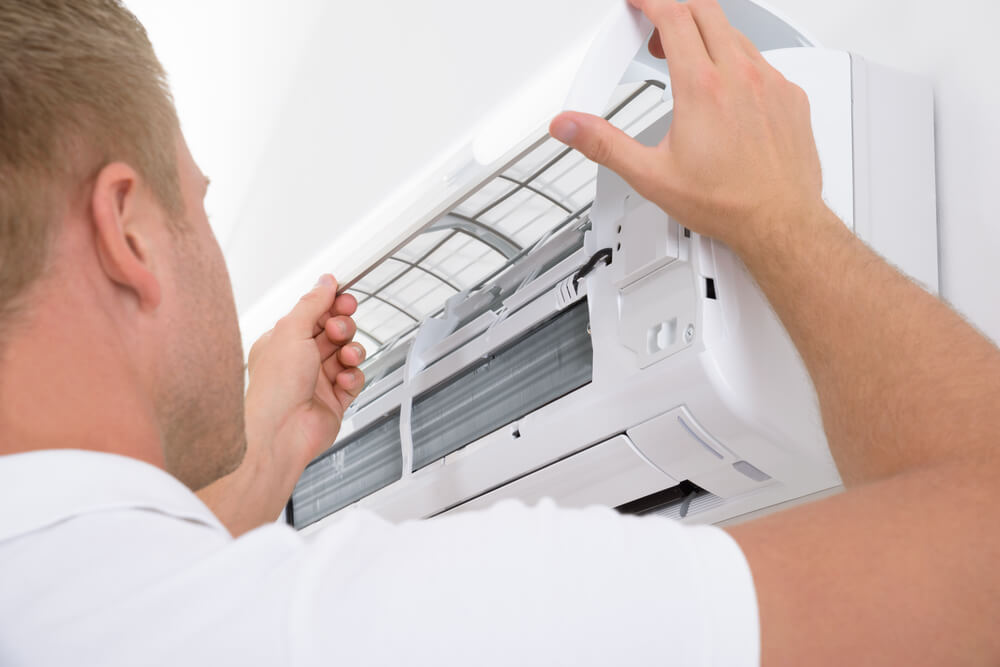
If the air conditioner dust filter is plugged, the more work the equipment will have to do to push air through it - translating into higher running costs. The dust filters of an air conditioner require constant cleaning, ideally every few weeks, depending on the amount of use. If the air conditioner dust filter is plugged, the more work the equipment will have to do to push air through it. This will, in turn, translate to high running costs. Cleaning the air conditioner filter is straight forward -- you merely have to pop open the plastic cover and remove the filter(s). Some models have built-in air purification filter like the ionizing filter. These filters should be taken out and cleaned. In the long run, these filters should be replaced every year or two. For thorough cleaning of the air conditioner filter, you will have to remove the dust filters and brush them. You can also opt for a thorough clean by using a vacuum cleaner. For air conditioner filters that are very grimy and dirty, you should use warm water mixed with mild detergent to clean them. ## Air conditioner filter replacement The air filter is the basic unit of an air conditioner that keeps the air healthy and clean. If the air conditioner filter is due for replacement,you might need to consider one of the below. ### Pleated filters These filters are made from cotton folds and polyester fabrics. To get the best value for your money choose air filters with more pleats. ### Electrostatic air filters Electrostatic air filters use an electrostatic charge to capture airborne particles and dust. This way, the air conditioner will not spread such pollutants into the home. Electrostatic air filters come in various designs - some are washable, while others are not. ### Washable air filters Washable air filters are removable air filters and after cleaning, you should let them dry as damp air filters are breeding grounds for bacteria and mould. These air filters are more expensive than disposable filters. ### Fibreglass air filters The straining ability of fibreglass air filters is quite low. They are more suited for protecting the air conditioning system than screening pollutants. On the good side, these air filters are affordable and ideal for people who are on a budget. ### UV filters UV filters are designed to kill bacteria and other micro-organism using ultraviolet lights. They are not quite suited for screening dust. ### HEPA filters The high-efficiency particulate air filters (HEPA) are ideal for people living with allergies or those prone to respiratory issues. ## Fixing an air conditioner Air conditioner malfunctions can be identified by insufficient cooling, inability to turn on the AC and noise. To troubleshoot your air conditioner firstly check for a dirty air filter. If the filter is dirty, take it out for cleaning or replace it. If the AC doesn't turn on or warm air comes out from the air vent, you should check the thermostat settings. Next, check the circuit breakers and switch them to the ON position. You should also check the air vents and make sure none of them is blocked. ## What is an HVAC system? Heating, ventilation, and air conditioning (HVAC) is a system that heats and cools a building. It offers adequate ventilation and allows moisture to escape the building. The HVAC system is not an air conditioner. However, an AC is part of the system - It's the unit that is responsible for moving air in space. The HVAC system is not limited to air conditioning units. It includes boilers, ducts and moisture vents. ## Cleaning an air conditioner The air conditioner is built with a unit inside and outside. To clean an AC unit, follow the guide below. ### Turn off the power Safety is everything. ### Open the AC and clean the evaporator coils You can either access the evaporator coils through the blower unit or remove the foil duct tape. The access route to the evaporator coil depends on the unit you have. When you've gained access to the evaporator coil, remove dust from the coil using a soft brush. A no-rinse coil cleaner comes in handy during the cleaning phase. ### Clear the drain If the drain is not plugged, you can skip this step. But if the drain is clogged, you can clear it by using a vacuum hose. All you need to do is turn on the vacuum and remove the algae and mould build-up. Finally, you have to close the AC access panel. Next, you have to clean the AC unit outside. Remove the debris, clean the coils and fins, and make sure it is free from vegetation.

Car air conditioning regas cost

Car air conditioning regas cost

Constant use of the air-con keeps the vehicle’s air conditioning system well-lubricated, leak-tight and in good shape. ## How much does it cost to regas car air conditioning? Car manufacturers recommend having an air conditioning service every two years. When the car air conditioning system is not used it encourages the build-up of bacteria and infrequent use of the air conditioner makes bacteria and other micro-organisms grow on the evaporator - detrimental to the proper functioning of the air conditioning system and a possible cause of health issues. The price of a car air conditioning system regas service is typically around $115 to $165. However there might be a need to diagnose your vehicle to be sure of what is wrong to carry out an effective regas. Refrigerant gas in air conditioning systems if allowed to escape can be dangerous to the ozone layer so only technicians with a gas refrigerant handling licence should handle refrigerant gas. ## How do you know if your car air conditioning system needs regassing? One of the faults to look out for, or the most obvious issue that your car air conditioning system is due for service, is when you start to notice it isn’t cooling or heating effectively. Perhaps the setting is not corresponding to the temperature? Another problem to look out for are unusual sounds. If you hear banging or a rattling sound, then you know it is time to service the car air conditioner or get a regas done. The issue might be with the refrigerant gas, drive belts, the cabin, a leak, or some other parts in the system of car air conditioning. Also, it is not a good sign when your air conditioner makes a bad smell. This can mean the car air conditioning is gradually breaking down and there might be the growth of some micro-organisms inside. ## How often should you regas a car air conditioner? You should take your car aircon for service or check every year or so. Leakages are inspected by the use of a leak detector and condenser temperature is assessed to evaluate the condition of the car air conditioner. ## What does a qualified technician do for the airconditioning regas price? When you take your vehicle to a qualified technician, he evaluates the condition of your vehicle by carrying out a comprehensive diagnosis. A good mechanic will take a look at the different parts, make a suction line temperature reading, check hoses, seals and the connecting tubes for leaks and cracks. Often when the car air conditioner is left unused for a long time, the hoses and seals get dried and start to crack up.

Ways to keep your home cool during the summer

Ways to keep your home cool during the summer

Your routine, clothing and diet can significantly help you fight the summer heat. You can use one or more natural ways for cooling yourself so that you don’t have to rely solely on an air conditioner. There are also some solutions to maximise the benefits of your [energy saving air conditioner](/guides/air-conditioning/energy-saving-air-conditioner) and ceiling fans. For example, if you have non-occupied rooms and areas, close them off, or draw your blinds and close windows. Your air cooling systems will have less space to cover, and you will get an optimum result at a lower running cost. ## How can I keep my house cool without air conditioning? It is good to save on your bills and still stay chilled in the summer months. Air conditioners are the most used home appliance that helps keep the temperature low in homes but they make for pay high energy bills. Some good ways to keep your house cool when not using an air conditioner are below. - Place an ice bowl in front of a fan. - Use cotton bed sheets and pillows as they won’t hold your body heat. - Use exhaust fans to allow hot air to flow outside. - Open windows at night to allow cool air to come into your room. - Switch to modern lighting options like LED instead of Incandescent bulbs that emit a lot of heat. ## Cheapest ways to cool your home during summer An air conditioner helps you chill inside during hot days but it also skyrockets your electricity costs. For the budget conscious, and those not interested in something cheaper like [evaporative air conditioning](/guides/air-conditioning/evaporative-air-conditioning), try these ways to make your house cool during the summer season. - Keep blinds closed to help maintain a lower temperature. - Use a grill instead of an oven or stove as they also heat your home. - Close the gaps of doors and windows to keep cool inside. - Use ceiling fans and table fans. - Protect your home's exterior from direct sunlight with awnings or a shade.

How Does a Reverse Cycle Air Conditioner Work?

How Does a Reverse Cycle Air Conditioner Work?

Reverse cycle air conditioners are two appliances (indoor unit and outdoor unit) in one. They offer both heating and cooling, all combined into one machine. The placement of the air conditioning unit is vital for a more efficient operation depending on whether it's solely for heating or meant to perform both functions. They simply work by reversing the flow of refrigerant. Hot gas absorbs cold, while cold gas absorbs heat. This means that you can switch between both heating your home during winter and cooling it down during summer. One of the advantages of reverse cycle air conditioning in comparison to other conventional systems is energy efficiency. Unlike appliances like electric heaters that use a lot of energy to create heat energy, the air conditioning mechanism used by a [reverse cycle air conditioner](/guides/air-conditioning/what-is-reverse-cycle-air-conditioning) allows them to simply use the heat already generated by the appliance to cool or heat your home. This makes a reverse cycle air conditioner energy efficient (which would explain why some models require an external vent to release the heat). ## How does reverse cycle air conditioning work? The reverse cycle system uses the refrigeration cycle in the following steps: - The air conditioner takes in warm air through the condenser unit, which is then cooled with a refrigerant and let out through the front vents. - The air passes over the evaporator coil, turning into cold air and releasing humidity in the process. - The flow reverses and hot dry air enters your room. The condensed water or coolant is collected and pumped back to repeat this cycle again. The concept of reverse cycle air conditioning is based on sucking in cold or hot air from outside to regulate the air inside to either cool or heat it. ### Cooling The warm air from your home is drawn in by the outdoor condenser unit. It gets filtered and cooled by the external coil, releasing back inside cool air that's nice and fresh. The electricity consumed in relation to other standard air conditioners makes a reverse cycle air conditioner more [energy efficient](/guides/air-conditioning/energy-saving-air-conditioner) when cooling down your house. ### Heating In winter, the process reverses, termed as reverse refrigeration cycle aided by automatic defrost cycle to heat your home using the indoor evaporator unit. The unit has no operating noise because all you need to heat your room is already present in the appliance itself because it doesn't create heat energy but rather absorbs heat. As a result, you avoid wasting energy on heating empty rooms making reverse cycle air conditioning more energy efficient. In the summer months, the system simply switches back to cooling mode, meaning you'll benefit from lower energy bills. An ideal reverse cycle air conditioner model should also feature dehumidifiers that allow the room to be heated and cooled at the same time. ## Is reverse cycle air conditioning expensive to run? Reverse cycle air conditioners can be cheaper to run overall because they don't need to work as hard when cooling a room to the desired temperature. By absorbing heat already generated by the appliance itself, you'll save on power consumption and your energy bills will be lower. However, reverse cycle air conditioning isn't ideal for heating a large area with minimal people in it. In this case, it's best to use a conventional heater for quick warmth throughout the entire house. Take a look at the ideal [temperature to set your air conditioner](/guides/air-conditioning/what-temperature-to-set-air-conditioner-in-winter-australia) to in winter. ## Is reverse cycle air conditioning effective? Reverse cycle systems are more effective than conventional air conditioning unit because it only cools down the areas where there is activity. This means that they use less energy since they don't have to work as hard, resulting in lower running costs. ## What are the different types of reverse cycle air conditioning? Picking the right air conditioner is based on the space you want to cool. Below are some of the most common types of reverse cycle air conditioners. ### Macro vs mini-split systems Macro split systems are popular because they offer the best of both worlds, making them very convenient. They also have multiple indoor units, which means you won't have to waste space on vents throughout your home or office. This makes them ideal if you need a system that works well in limited spaces. However, if this isn't an issue, [mini-split reverse cycle systems](/guides/air-conditioning/what-size-split-system-do-i-need) might suit your needs better. They are easier to install, more affordable and tend to be quieter than macro systems. ### Window units Window units are often seen in offices or homes which don't have the space for a split unit. However, they're not ideal if you want to provide heating as well as cooling because you'll need multiple units throughout your home, each with its own vents attached. This makes window units less practical for most households or small businesses. ### Cassette systems Cassette systems are also very easy to install and have multiple indoor units, which means you don't need to deal with vents. Many cassette models have a slim design, so they can be fitted into most spaces without compromising on airflow. These types of reverse cycle air conditioners are a good choice if you want something that's practical and stylish at the same time. ## What other features do reverse cycle air conditioners have? Heading off the need to cool down lots of large, empty rooms while wasting lots of energy, many models systems feature dehumidifiers. You can cool down your room and dry it out at the same time. This is useful if you live in an area where there's heavy rainfall or high humidity levels. Combining ventilation and cooling will keep your home feeling fresh all year round. ## Does a reverse cycle air conditioner use water? Some models come equipped with a water tank that can be attached to the unit for cooling and dehumidification. This means you won't have to manually empty it out afterward because it will drain into the floor as your appliance runs through its cycle. All you need to do is top up once every few months. ## What is an inverter? Inverters are present on most reverse cycle air conditioning units, allowing them to change their chiller output depending on what temperature is set at. Having advanced inverter technology makes them particularly useful for climate control in Australia. Because outdoor temperatures fluctuate dramatically throughout the year. Heating or cooling your home based on the weather outside will bring down total power consumption during peak hours. ## How much energy does a reverse cycle air conditioner use? Reverse cycle air conditioning requires far less energy consumption than conventional heating and cooling devices. For example, a 3-tonne unit will cost around $216 per year to run, which is drastically more efficient than a gas heater or conventional air conditioning system. ## Will I have to pay more to install a reverse cycle air conditioner? There are many benefits associated with reverse cycle air conditioners compared to other different air conditioners, so it's no surprise that they're becoming increasingly popular. However, because of the extra options they offer, you might end up paying [slightly more for installation](/guides/air-conditioning/air-conditioner-installation-quote) (it's prudent to seek professional installation for the longevity of your reverse cycle system) than you would with a conventional unit. However, this shouldn't be an issue if your current system is on its last leg. Replacing your old heating or cooling system sooner will end up saving you money in the long run, especially during Australian summers.

What is a Dry Bulb Thermometer?

What is a Dry Bulb Thermometer?

A dry bulb temperature thermometer works by measuring the heat-related movements of the molecules in a thermometer bulb. A dry bulb temperature thermometer is a device that measures the temperature of the environment. The most common type of dry bulb thermometer is the mercury-in-glass thermometer, which comprises a glass tube containing mercury and a constriction at its base where the mercury level can be observed. Dew point temperature, wet bulb temperature or wet bulb temperatures, relative humidity, air temperature, wet bulb globe temperature can be measured by this thermometer. Constant wet bulb temperatures, ambient air temperature, dew point can also be measured by [dry bulb thermometers](/guides/air-conditioning/what-is-dry-bulb-temperature). ## How does a dry bulb thermometer work? A typical dry bulb thermometer works by measuring changes in thermal expansion around the current room temperature, as those changes represent heat given off from nearby objects. As an object's temperature increases, so does its volume due to increasing atomic activity on the molecular scale. This increase in volume causes an upward movement of the column of mercury or alcohol inside of a glass-based thermometer such as that found in household thermostats. ## Is mercury used in a dry bulb thermometer? Mercury is an element that has a high coefficient of expansion and it also has relatively low boiling and freezing points. A typical household mercury-in-glass thermometer works by measuring how much two pieces of metal expand when heated or cooled to determine the change in their length when exposed to different temperatures. The sign of the temperature is determined by moving a wetted index pointer over a calibrated scale. The device measures temperature by determining how much the volume has changed from its original size, as mercury atoms expand rapidly as they change from a solid to a liquid and then to vapour at room temperature. ## How does humidity affect dry bulb thermometer readings? In areas with high relative humidity or moisture content in the air, this can cause inaccuracies when using a dry bulb thermometer since water molecules take up space and reduce thermal expansion. ## What is a dry bulb thermometer made out of? A typical household mercury-in-glass thermometer consists of a glass tube containing mercury, with a constriction at its base where the level can be observed. The device also has an index pointer and a calibrated scale to indicate readings in degrees Celsius or Fahrenheit. ## What is a dry bulb thermometer used for? A mercury-in-glass thermometer is used to measure the temperature of a surface where it is applied. The device is also widely used in weather stations, as well as air conditioners to [maintain thermal comfort](/guides/air-conditioning/what-is-thermal-comfort) and household appliances such as ovens. A mercury-in-glass thermometer can be calibrated either by reading its position on a specific scale or through a standardised test procedure. A thermometer that works on the principle of two metals expanding at different rates absorbs or radiates heat and then calculates surface temperature by measuring how the resulting thermal expansion changes its length. ## What Is a wet bulb thermometer? A wet-bulb thermometer is a device that also measures the humidity and temperature of the air. A wet bulb thermometer works by measuring how much water vapour is in the air, which changes with atmospheric conditions such as pressure and temperature. ## What is a wet bulb thermometer used for? A typical household wet-bulb thermometer is a glass tube containing a rotating wheel. The rotating wheel has a cloth wick at one end that can absorb water from an enclosed reservoir of liquid, and during evaporation, the wheel rotates to indicate the current humidity with markings on its surface. ## What other types of thermometers can I get? A clinical thermometer, also known as a medical thermometer, is used to measure body temperature. It consists of a glass tube containing mercury or alcohol which expands at different rates due to heat and has markings indicating temperatures in degrees Celsius or Fahrenheit. An infrared thermometer measures surface temperatures by detecting the infrared radiation emitted by the object being measured. This method does not require contact with the skin so it can be performed several inches away from patients during examinations. Digital electronic-type clinical thermometers are sensitive enough to measure temperatures in neonatal infants using disposable plastic probe covers, while some devices can even take readings inside your mouth without needing to touch your skin. There are also infrared ear canal thermometers that use optical detectors placed within each ear canal. Your air conditioner may have a thermometer built-in to [automatically regulate temperature](/guides/air-conditioning/what-temperature-to-set-air-conditioner-in-winter-australia). ## How does a digital thermometer work? A digital electronic type clinical thermometer is similar to the standard mercury-in-glass thermometers used in homes. It consists of a probe that contains electronic circuitry and an attached probe cover that functions as the sensing element. The device works by converting temperature into an electrical signal that can be displayed on an LCD screen or sent to a computer, printer or other display devices using either radio waves or cable connection. Digital thermometers are now so fast that they can take readings within seconds without any discomfort for patients, especially infants who do not like having their temperature taken. ## How much does a dry bulb thermometer cost in Australia? The cost of a mercury-in-glass thermometer depends on which brand is chosen, as well as the specific features you would like. Prices may start from around $8 and may range up to $80 or more for the top of the range models with simple digital displays and advanced functions such as memory recall. Generally speaking, mercury-in-glass thermometers are very durable so they usually last many years with proper care. ## How do I use a dry bulb thermometer? In Australia, most types of mercury in glass thermometers are designed for oral use only. To take a temperature reading, shake down the thermometer then clean with soap and warm water. Rinse under lukewarm tap water then wipe dry with a tissue or paper towel before placing into the patient's mouth at least one inch under the tongue. You should never use a clinical mercury-in-glass thermometer to take an ear measurement as this can cause serious damage to the eardrum if too much pressure is used. Instead, opt for an infrared tympanic membrane thermometer that uses a bright red light beam that is placed in each ear canal without ever touching the sensitive skin inside of your baby's ears. Always read manufacturer instructions carefully before using any type of clinical thermometer on infants or children as some require special care during use to prevent the spread of infection. And make sure filters in your air conditioning system are [regularly cleaned](/guides/air-conditioning/how-to-clean-an-air-conditioner-filter). For more information on the different types of thermometer, take a look at [Health Direct](https://www.healthdirect.gov.au/types-of-thermometer).

What is a BTU in Air Conditioning?

What is a BTU in Air Conditioning?

The British Thermal Unit or BTU represents amount of heat required to raise water warmth by a degree Fahrenheit. The short form BTU stands for British Thermal Unit, a BTU is a unit that measures heat value or energy required. One thousand watts of power can be expressed as 3412 BTU in one hour. Energy expended in the form of heat is often measured by determining how many million BTU are required to raise certain amounts of water by given temperature difference. This information is used to determine the heating and cooling capacity of loads of buildings. Natural gas is also compared in BTU. ## How many BTU do I need for a 12x12 room? If you are using electric heat, it takes 6891 BTU/Hr to heat this room. If you are using gas, the heat transfer will be determined by which grade of gas you choose and what kind of efficiency your heater is. In case of air conditioners, BTU depends on the efficiency. If the air conditioner is more powerful, then higher the BTU. ## What does a British Thermal Unit measure? A BTU measures how much heat or energy is given off when a certain amount of fuel is burnt. The energy in question can be in any form, such as electricity, natural gas, crude oil, fossil fuels and even firewood. Fuels like propane and natural gas are measured by btu. An example would be putting a match to a piece of paper and watching it burn. In this case, the BTU being measured is actually fire or combustion. You are measuring the amount of BTU being released from the burning object. The too few BTUs from a piece of wood does not remain in the air for very long, unlike the CO2 emissions from a car which remains in the air for much longer time. However, it is this release of energies that is powering the rapid chemical reaction taking place as the paper's molecules begin to break apart and form new compounds. One BTU equals heat loss value or energy put off by certain kinds of fuel once it has burned. Natural gas and renewable energy like thermal power is measured in BTU. [Energy saving levels for air conditioners](/guides/air-conditioning/energy-saving-air-conditioner) can be measured in BTU units. ## What does 12000 BTU mean? A BTU is a standard unit of energy used to measure the number of heat pumps required to lower or raise the temperature of 1 pound (lb) of liquid water by 1 degree Fahrenheit. One BTU will raise the temperature of 1 pound of water exactly by 0.55 degrees F, therefore 12000 Btu/hr will raise 55 lbs (about 8 gallons) of water by that much each hour. ## Why is it called British Thermal Unit? The British thermal unit (BTU), is an energy measurement unit based on the International Steam Table calorie, which was created at the same time. According to energy information administration, it was defined so that the boiling point of water is exactly 100 degrees Celsius or 212 degrees Fahrenheit temperature. "British" refers to this standard being established by the British Standards Institute in 1929. The BTU rating is used globally. ## What appliances use BTU to measure output? The units on your appliances may indicate kW or KJ per hour. Simply multiply by 3 to convert from kW to BTU per hour. For example, a standard oven uses about 5500 BTU/h. An air conditioner uses about 3412 BTUs an hour. An [evaporative air conditioner](/guides/air-conditioning/evaporative-air-conditioning) uses around about 6,000 watts or 6 kilowatts (6 kW) of power in the form of electricity for each air conditioning unit. This unit shows how much energy an air conditioner uses per hour. When buying a new air conditioner, choosing the one with the right BTU rating is important otherwise it may consume more power. A more powerful air conditioner means higher BTU. This unit is utilised for the calculation of the cooling power of heavy cooling electrical appliances such as air conditioners. The BTU is often used in power plants as they have a larger unit of appliances. ## How many BTUs does it take to heat a standard room? You can estimate how many BTUs of heat energy will heat one household by multiplying the total square footage of the house (in feet) by 10. So a 1000 ft² house would require about 10,000 BTU/hour. Try talking to an HVAC professional and referring to a BTU chart if you're looking to actually calculate your real heating and cooling appliances as this calculation is just an estimate. These professionals and charts helps to understand the working of air conditioning systems. The air conditioners remove heat and circulates cool air. BTU is utilised for the calculation of the heat removed. You can often lower your BTU usage in winter by simply setting your [air conditioner at the right temperature](/guides/air-conditioning/what-temperature-to-set-air-conditioner-in-winter-australia). ## What is the difference between BTU and BTUH? The BTU, is a common unit of measure for various energy sources. One BTU is the heat demanded for increasing the set temperature by one degree F of water. A British thermal unit hour, or BTUH, is a unit of measure used in sizing heating and cooling systems. It represents the amount of heat that would be released if 3412 BTUs were burned in an hour. ## What is the difference between BTU and KW? A BTU is the energy needed for heating up water (single pound) one degree Fahrenheit temperature (at sea level). KW stands for Kilowatts or wattage, which is a measure of power or heat flows over time. One kilowatt hour (KWH) means you've used one kilowatt's worth of energy. That's why wattage and KW are sometimes used interchangeably when measuring appliances that use electricity, like your dryer, refrigerator or [vented air conditioning unit](/guides/air-conditioning/vented-air-conditioner). ## How do I calculate my home heating BTU? If you are looking to estimate how many British thermal units (BTUs) are required annually to heat your home all you need is the total square footage of space your house occupies. Divide this figure by 10 and you will have the BTU output required to heat a single room or your whole house. You can calculate in square feet or square inches. Keep in mind this is an estimate. To calculate the heating requirement use: square foot x 10. Example: A 1500 square foot home would require 15,000 BTUs per hour.

What is a Fan Coil Unit?

What is a Fan Coil Unit?

A fan coil unit is essentially a self-contained packaged air conditioner. A fan coil unit is essentially a self-contained packaged air conditioner. It contains the compressor, condenser coils, evaporator coils, tubing headers and controls in one cabinet. The units are available in horizontal or vertical configurations. Depending on the manufacturer, they may be built to suit many applications including, but not limited to, space cooling/heating, low / high-temperature water heating or glycol water heating (underfloor heating). They are often used for space conditioning in commercial buildings. The fan coil unit (FCU) is a standard commercial air conditioning equipment. The fan coil unit may be ducted or self-contained and electric, gas, oil, water or steam-powered. A common application would be in hotels and offices where there is a large number of rooms to heat and cool and the space available allows installation in the ceiling void over the rooms. Cooling or heating coils, fan coil unit systems and air handling unit systems circulate air in the same piping loop in a cooling coil that is floor mounted in a larger central aircon system. This also circulates air in other central aircon systems in any building management system. Standalone aircon system have good energy efficiency and low power and energy consumption. A complete HVAC system with fan coils and a central plant for speed control and temperature control offers multiple small spaces efficient cooling with [affordable installation costs](/guides/air-conditioning/air-conditioner-installation-quote). Chilled water coils are usually installed in high rise buildings and small to medium offices because they are energy efficient given proper maintenance. ## Components of a fan coil unit The typical fan coil unit components include the below. ### Compressor section The compressor is located at the bottom of the unit containing all electrical components necessary to run the system when connected to power. Includes outdoor fan, indoor fan motor and all electrical components. ### Condenser section This is located at the top of the unit containing the condenser coil(s), drier, control valves and hot gas bypass valve (if applicable). Also includes a compressor discharge line. ### Evaporator section This is located between the compressor section and condenser section in most air handlers or on top of condenser section in many water source heat pumps. It contains three to six [evaporator coils](/guides/air-conditioning/evaporative-air-conditioning) depending on the model which can be horizontally or vertically mounted providing insulation for greater comfort to prevent condensation inside the building air space. Also includes a small pump if necessary to circulate liquid refrigerant through each evaporator coil and an electric resistance heater to assist with defrosting and heating the coil in cold climates. ### Piping All piping necessary to connect the above sections and any other components such as a water-cooled condenser (in cooling only models), fan speed controllers and pneumatic controls. ### Controls All wiring and electrical components necessary for valves, switches, pumps, motors and other accessory devices that activate or control various functions of machine operation. Includes pneumatic (or electronic) controls used to start/stop compressor(s), change air direction, change fan speed, etc. Also includes defrosting controls that shut off the outdoor fan during defrost cycle and indoor fans when the desired set point has been reached after defrost cycle is over. ### Electrical Three-phase power supply cord, power entry module (PEM), disconnects, service switch. ## Filter section All filter sections come standard with pleated media filters, which can be [easy to clean](/guides/air-conditioning/how-to-clean-an-air-conditioner-filter). Optional equipment includes electronic air cleaners and higher efficiency filters depending on the model selection. ## What is the difference between AHU and FCU? Air Handlers (AHU) do similar work to fan coil units (FCU's) but are typically designed for larger capacities; AHUs will usually incorporate additional functions such as heating, ventilation and/or dehumidification. AHUs may be packaged or split system units. [Split systems](/guides/air-conditioning/what-size-split-system-do-i-need) typically consist of an outdoor condenser that is hard piped into the unit in place of a coil. Air Handling Units (AHU's) are typically installed for larger commercial applications (e.g. office buildings, schools, supermarkets etc.) whereas fan coil units are often employed in residential or hotel type environments. The main difference between the two is that the AHU will usually include additional components such as heating, ventilation and/or dehumidification coils which aren't included on FCU models. ## How much does an FCU cost? Fan coil units are highly customisable and may be sold as a standard unit or customised to meet your needs. The average cost of an FCU is $1,100 per ton on the low end to $2,200 per ton on the high end depending on configuration and supplier/brand. The size of the unit generally correlates with price; small units (e.g. 1 ton) are generally more affordable than larger units (e.g 2-5 tons). Larger applications will likely require multiple fan coil units which can increase the cost even further or incorporate additional components for heating. It's best to budget carefully prior to installation of any HVAC system to avoid costly surprises after the purchase of equipment has been made. For more information on residential heating and cooling, take a look at the Australian Government's [YourHome website](https://www.yourhome.gov.au/energy/heating-and-cooling). ## Where are fan coil units used? Fan Coil Units are most commonly found in office buildings, hotels, motels and residential homes. They can also be found in other applications such as retail stores, supermarkets and restaurants where environmental control is desired by the building operator. Also known as a "Fan Coil Unit" or "FCU", this is an HVAC system device that is typically installed indoors in an air-conditioned space and which takes in fresh air from outside, cools it down using chilled water or sometimes with just the help of evaporation, then distributes it to the interior of the building. There are different types of fan coil unit systems depending on their cooling source. For instance, there are those that use Chilled Water through either an open or closed chiller system where water is circulated directly to each FCU unit. Another type provides cold via evaporative cooling pads attached within the FCU where water is applied to the pads giving them a chance to absorb heat from incoming airstreams. The FCU can also be installed with an indirect cooling system where outside air enters into the condenser coils and is then cooled through contact with a refrigerant-to-air heat exchanger located either in front or on top of the unit. This is [usually more efficient](/guides/air-conditioning/energy-saving-air-conditioner) than an open chiller system unless you don't find yourself needing it to run constantly or very frequently.

What is Reverse Cycle Air Conditioning

What is Reverse Cycle Air Conditioning

Reverse cycle air conditioning offers a heating and cooling solution within the one single system. The reverse cycle air conditioner systems feature; the condenser, compressor, evaporator, and restrictive device work in tandem to cool or heat your home with a flick of a switch. During warm seasons, the compressor reverses the flow of refrigerant by using the refrigeration cycle to remove heat indoors, thus cooling the building. While in the cold seasons, a reverse refrigeration cycle is used to warm up your home. The indoor coils become the heat source by capturing outdoor air and releasing hot air indoors, and finally, a fan blows air through these coils to distribute the heat inside the building. Reverse cycle air conditioning is also called dual-cycle or two-stage cooling because it has an outdoor condenser unit and an indoor evaporator coil. This gives them an edge over electric heaters that only generate heat energy and are [not as energy efficient](/guides/air-conditioning/energy-saving-air-conditioner). ## Types of reverse cycle systems The simplest form of reverse cycle air conditioning system is the [split system type](/guides/air-conditioning/what-size-split-system-do-i-need) in which the condenser and evaporator units are installed at some distance from each other. There are two types of reverse cycle split systems, listed below. - Heat pump. - Thermostatic expansion valve (TXV). Heat pump models are usually more efficient than blue tube models and less expensive than the TXV models. TXV with advanced inverter technology adaptable to room condition and temperature provides more efficient cooling at high ambient temperatures. ## What is the difference between split and reverse cycle system air conditioners? The major difference is the outdoor unit. Split system air conditioners have indoor and outdoor units, hence the term "split system". On the other hand, a reverse cycle air conditioner has an indoor coil outdoor (external coil) with just one compressor to drive both coils, so it is also called a "dual-cycle" or "reverse cycle" system. ## Is reverse cycle air conditioning good? Yes, reverse cycle air conditioning is good because a reverse cycle air conditioner has little energy consumption, making it an energy-efficient unit compared to a conventional air conditioner. This makes reverse cycle air conditioners' energy efficiency better for your electricity bill! Fridges and freezers are designed to work in all conditions, hot or cold. When you reverse their operation from cooling to heating, their automatic defrost cycle allows them to equally provide fast, efficient heating with no need for a flue, chimney, or ducting. Moreover, heat pump-based heating systems can also produce domestic hot water by pre-heating the water that feeds your instant gas or instant electric hot water service. ## Reverse cycle air conditioners vs window units You can easily feel the cold drafts around the window unit, especially during summer. Some window units also have no filters to remove dust particles and other pollutants from the outside air before blowing this dirty air into your room. Reverse cycle air conditioners don't have these shortcomings as they are located indoors and use an evaporator coil located inside your home or office. A reverse cycle conditioner also has a filter to [collect any harmful pollutants](/guides/air-conditioning/how-to-clean-an-air-conditioner-filter) entering with air drawn in from outside. The condenser is placed outside, secured in a special enclosure beneath your window. ## How much is the cost of installing reverse cycle air conditioning? If you already own a standard split system installed, all you need for reverse cooling is an outdoor heat pump unit that will connect straight to your existing indoor unit. The overall price for reverse cycle air conditioning is less than having standard cooling or heating ducted in each room. A high-quality heat pump indoor unit with remote control starts at $650, with prices increasing depending on the model and capability of the unit purchased. Additionally, you will need to pay around $1,000 for installation costs, including gas lines, if you are installing an air source heat pump system. ## Is reverse cycle air conditioning expensive to run? A reverse cycle air conditioner is generally cheaper to run than counterpart air conditioners in relation to the electricity consumed. This is because the heat pump function in reverse cycle splits means less power consumption. And with a few tweaks, it can even generate electricity for you, in turn, reducing your electricity prices by using renewable energy sources like heat energy from the sun. Your reverse cycle air conditioner will adjust accordingly depending on the weather. When the weather is hot, your outdoor heat pump will simply act as a fan instead of cooling your home, by drawing cooler outside air through the evaporator coil. ## How long does reverse cycle air conditioning last? A properly installed high-quality split system with a compressor/condenser should last around 20 years. Heat pump systems are more efficient and made of higher quality materials, so they last quite a bit longer. But ultimately, it'll depend on the model you choose. Generally speaking, installation matters. Professional installation via an expert installer guarantees 25 years or more. ## What are the benefits of reverse cycle heating? The most important benefit of using a reverse air conditioner is that you can save up to 60% on your energy bills every month. With no exhaust flue required (for conventional heating applications such as wood-fires and heaters), you can install them anywhere in your home. This includes locations where this was previously impossible due to [ventilation issues](/guides/air-conditioning/vented-air-conditioner) (ie: near bedrooms). Reverse cycle heating also provides cooling in the summer, making it possible for you to enjoy your summer with no worry about your air conditioning and your winter warm enough without the risk of overrunning your heating system. ## What are the advantages of a reverse cycle air conditioning system? Conditions inside your home are kept at the best levels possible using a reverse cycle air conditioning system. The inverter technology used in these systems allows you to control the airflow through your vents, meaning that even if the outside temperature is low or high, you can get perfect conditions inside of your property. Another upside to it, installation is easy and in no time can quickly cool down any room without having to wait around for it to happen. While each day will be different with this kind of unit, chances are you won't experience much hotter or colder weather than what's being forecasted which means that energy bills will remain stable over time. For more information on the energy use of air conditioner's, take a look at the Australian Government's [Energy Rating guide](/guides/air-conditioning/air-conditioner-installation-quote). ## What is a split system air conditioner? A split system air conditioning unit is an appliance for your home which has three main components; the outdoor condenser coil, the indoor evaporator unit, and a control panel to regulate how much heat it uses and its cooling abilities. The outdoor component, or compressor, draws in cool air and pumps it into the evaporator unit inside your home via a series of copper tubes, while simultaneously removing heat from this area and sending it outside. This process provides clean, fresh, and healthy air to all areas of your property so you can breathe easily.

Frequently Asked Questions

Why is my air conditioner not turning on?

Save yourself the hassle of going through a list of problems and call a technician. It could be a filter problem or something else.

What air conditioner is the quietest?

Modern split-system air conditioners are known for being quiet. A unit with a wide airflow range and multiple fan speeds is said to be quieter too.

Will air conditioning reduce humidity?

Some air conditioners will have a dehumidification setting, which can be turned on. Ask your technician if this is a must-have feature for you.

Where is the best place to install an air conditioner?

The general rule is away from heat sources, such as ovens and sunlight for low running costs. It’s also advised to install above head height.

What type of air conditioner is good for high ceilings?

HVAC may be an option. Whatever system you choose, it will need a high output, and you may want ceiling fans to improve airflow.

Do I want inverted or non-inverter air conditioning?

There are benefits to both types of units, such as the running cost of a non-inverter and how quiet an inverter tends to be. Explore both options.

What are the different types of air conditioning units?

The three main types of air conditioners are split-system, multi-split and ducted. An air-con tech will help you choose the right one for your home.

Do I need to regas a residential air conditioner?

While car air conditioners need regassing, residential units shouldn’t need to unless there’s a leak. Cooling issues need a technician to inspect.

Can air conditioners be used in winter?

If your air conditioner is reverse cycle, it can both cool and warm your home, so can be used during winter.

How long does it take to install an air conditioner?

Typically, a single air conditioner takes between 2 to 3 hours. A residential ducted system can take up to a day.

Can air conditioners cool and heat?

If your air conditioner has a reverse-cycle feature, it will be able to cool and heat your home to your preferences.

Why is my air conditioner leaking water?

Leaking water can simply mean a humid environment or may indicate a dirty air filter, blocked drain or other issue. A technician can help.

Download Our App
Screenshot of the Localsearch App
Card highlighting that you can claim and future proof your business with the Localsearch App

Localsearch App

Find local businesses - anywhere, anytime.

Available on the Apple App Store iconAvailable on Google Play icon
Screenshot of the Localsearch For Business App
Screenshots of the Performance and Notifications sections of the Localsearch for Business App

Localsearch For Business App

Manage your business - anywhere, anytime.

Available on the Apple App Store iconAvailable on Google Play icon